
The November 2, 2026, 1-day Lake Manyara group joining safari is a pre-scheduled, shared-cost excursion departing from Arusha, designed for travelers who want to experience Tanzania’s Rift Valley wildlife in a single day. This trip allows you to split the costs of fuel, vehicle, and guide fees with other travelers, making it a budget-friendly and efficient way to explore the park without the need for a multi-day commitment.
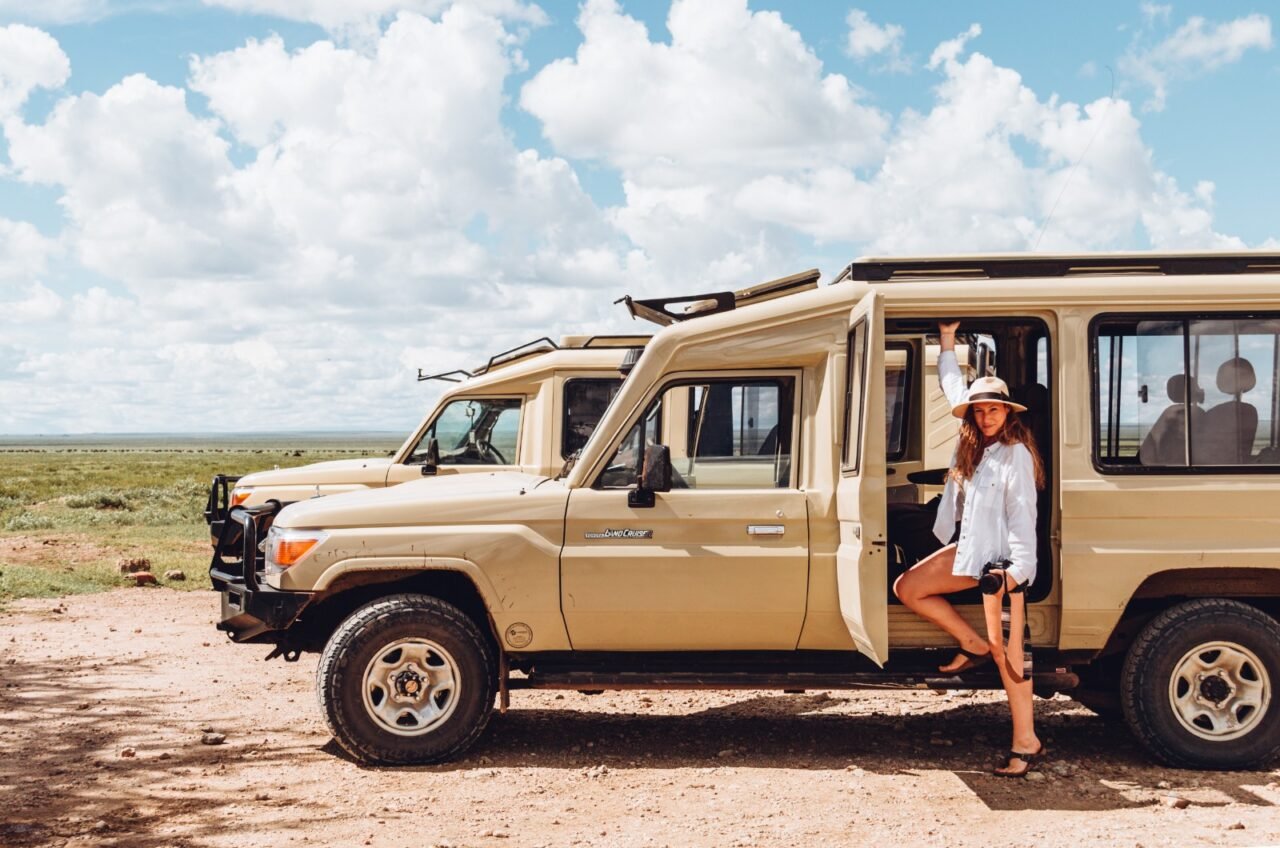
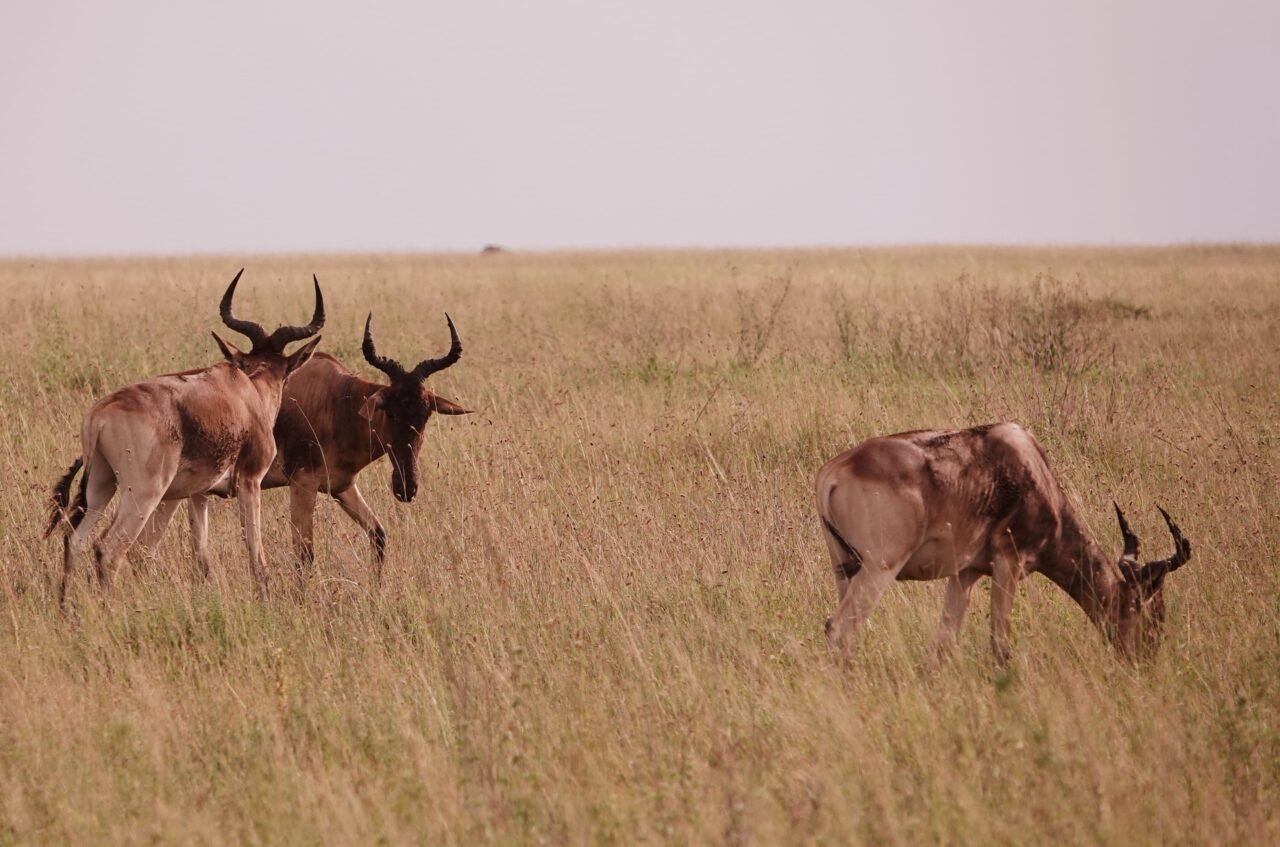
If you find yourself in Arusha on November 2, 2026, and have a free day, a group-joining safari to Lake Manyara is often the most logical logistical choice. Unlike the Serengeti, which requires significant travel time from the city, Lake Manyara is relatively close to Arusha, making it perfectly suited for a single-day game drive. By joining a group, you eliminate the high cost of a private vehicle, which is the main expense for solo travelers or couples on a one-day trip.
Why Lake Manyara for a Single-Day Trip?
Lake Manyara National Park offers a unique ecological experience that is distinct from the vast, open savannahs of the Northern Circuit. The park is squeezed between the massive wall of the Great Rift Valley escarpment and the lake itself. This creates a high density of wildlife in a relatively small area.
For a one-day visitor, the primary appeal is the diversity of the terrain. You will transition from groundwater forests—where you are likely to spot blue monkeys and baboons—to open grassy floodplains where buffalo, elephants, and giraffes congregate. The lake shore is famous for its flamingo populations and other water birds. Because the park is compact, you spend less time driving to reach the wildlife and more time actually viewing it. This efficiency is critical for a one-day itinerary where every hour counts.
Understanding the Group Joining Dynamic
A group-joining safari means you are sharing a vehicle with other travelers who have also booked onto this specific departure date. At Climb 4 Africa, we manage the logistics to ensure the group size remains comfortable for vehicle capacity and viewing quality.
The main trade-off of a group trip is the lack of total control over the pace. If you are a photography enthusiast who wants to spend two hours waiting for a single shot, a group environment can be frustrating. However, if your goal is to see the park, learn about the flora and fauna from an expert guide, and meet other travelers, this format is ideal. The shared cost allows you to access a professional driver-guide and a 4×4 safari vehicle at a fraction of the cost of a private safari. You can compare this to our other group joining safari options if you have more flexibility in your schedule.
Logistics for November 2, 2026
November is part of the “short rains” season in Tanzania. While you might encounter brief, localized showers, this is generally a fantastic time for a safari. The landscape is turning lush and green, dust levels are lower, and the park is less crowded than during the peak summer months. From a wildlife perspective, the vegetation is vibrant, and many migratory birds are arriving, which makes the birdwatching around Lake Manyara exceptional.
On the morning of November 2, 2026, the logistics typically follow this flow:
- Early Pickup: Your driver-guide will collect you from your accommodation in Arusha. For a one-day trip, an early start—usually around 7:00 AM or 7:30 AM—is essential to maximize your time in the park.
- The Drive: The journey from Arusha to the Lake Manyara entrance takes approximately 2 to 2.5 hours. The road is generally paved, offering a glimpse into local Tanzanian life as you pass through villages like Makuyuni.
- The Game Drive: Once you enter the park, you will spend the majority of the day driving through the groundwater forest and out onto the plains near the lake.
- Lunch: Most group tours include a packed lunch to be eaten at a designated picnic site inside the park, allowing you to maximize game-viewing time.
- Return: You will aim to leave the park in the late afternoon to arrive back in Arusha before sunset, typically around 5:30 PM or 6:00 PM.
Comparing 1-Day Options: Manyara vs. Tarangire
Travelers often ask whether they should choose Lake Manyara or Tarangire for a one-day trip. Both are accessible from Arusha, but they offer different experiences. You can look at our 1-day Tarangire group joining safari to see how the logistics compare.
Comparison Factors
- Lake Manyara: Better for birdlife, tree-climbing lions (though sightings are never guaranteed), and lush, forested scenery. The drive is shorter, making it slightly less fatiguing.
- Tarangire: Famous for its massive elephant herds and iconic baobab trees. It feels more like a classic savannah safari. The wildlife concentration can be higher in the dry season, but it is a longer drive from Arusha compared to Manyara.
If you are short on time and want to minimize driving, Lake Manyara is usually the superior choice. If your priority is large mammals like elephants in high numbers, Tarangire might be the better fit.
What to Pack for Your Day Trip
Since you are only away for one day, you do not need the heavy gear required for a multi-day camping or lodge safari. However, preparation remains key.
Bring layers. Even in November, the early morning can be cool, especially if you are in an open-roof vehicle. By midday, it will be warm. A light fleece or windbreaker is useful. Because you will be in a shared vehicle, keep your luggage minimal—a small daypack is sufficient for your water, camera, and personal items. Do not forget sun protection: a hat, sunglasses, and high-SPF sunscreen are non-negotiable. While vehicles usually have charging ports, bringing a power bank is a smart backup if you plan on taking many photos.
How to Secure Your Spot
Because this is a group-joining trip, availability is tied to how many others have booked. We recommend confirming your interest as early as possible. If you are planning for November 2026, you can reach out to us well in advance to see how the group numbers are shaping up.
When you contact us, please provide the following details so we can assist you effectively:
- The number of people in your party.
- Your hotel location in Arusha (for pickup coordination).
- Any specific dietary requirements for your lunch box.
- Whether you have other safari plans before or after this date.
You can reach our team directly at WhatsApp: +255 747 477 898 or email us at climb4africa@gmail.com. Alternatively, you can use our backup address at info@climb-4-africa.com if you have trouble reaching the primary inbox. We can also advise on how this day trip fits into your larger itinerary, whether you are planning a longer 5-day lodge safari or preparing for a Kilimanjaro climb.
Common Questions About One-Day Safaris
Is the price all-inclusive?
Usually, our group joining packages cover park entrance fees, vehicle hire, fuel, a professional driver-guide, and lunch. Always clarify if drinks (beyond bottled water) are included, as these are often an extra cost.
What if it rains on November 2nd?
We still operate. The wildlife doesn’t disappear when it rains, and the park remains accessible. In fact, many animals are more active during cooler, drizzly weather. Our vehicles are equipped for all road conditions.
Can I book this last minute?
While we do our best to accommodate last-minute bookings, it is rarely recommended for group-joining departures. These trips rely on reaching a minimum number of participants to be viable. Booking at least a few weeks in advance is the safest way to ensure the group is confirmed and your seat is reserved.
If you are looking at other dates or longer durations, such as our 7-day Serengeti and Ngorongoro group joining safari, we can help you coordinate your arrival and departure around those dates. Our goal is to make your Tanzania experience as fluid as possible, regardless of whether you are here for a single day or two weeks.
Navigating the Lake Manyara Park Gates and Entry Procedures
For a one-day group joining safari, the efficiency of your entry into Lake Manyara National Park is the single most significant factor in maximizing your game viewing time. Unlike larger parks where you might spend hours driving between gates and main attractions, Lake Manyara is relatively compact. Understanding how the entry process works on November 2, 2026, will help you manage your expectations for the day.
The primary entry point for almost all safari operators arriving from Arusha is the Main Gate, located near the village of Mto wa Mbu. This gate serves as the administrative hub for the park. Even on a group-joining trip, your driver-guide will handle the paperwork, but it is helpful for you to understand the sequence. Upon arrival, the guide must register the vehicle, pay the entry fees for all passengers, and verify the permits. During peak travel times or busy weekends, this process can involve a queue. Being part of a group-joining safari means that your guide is likely coordinating with other vehicles or park authorities, which can sometimes lead to a slight delay at the gate. Patience during this period is essential; it is a standard part of the Tanzanian safari experience.
Once clearance is granted, you will enter the groundwater forest zone. This is distinct from the open savannahs you might see in other parts of the Northern Circuit. The entry road winds through a dense, lush forest that feels almost tropical. This is the area where you are most likely to encounter blue monkeys and vervet monkeys, which are often habituated to vehicles and can be seen playing near the roadside. Because this is the first section of the park you will encounter, many groups make the mistake of spending too much time here. While the monkeys are entertaining, your guide will typically aim to push through this section relatively quickly to reach the open floodplains and the lake shore, where the larger mammal concentrations—such as elephants, buffalo, and giraffes—are more frequently found.
Maximizing Time After the Gate
After clearing the gate and passing through the initial forest, the landscape opens up significantly. This transition is where the “game drive” truly begins. For a one-day trip, your itinerary is structured to follow the main track that runs parallel to the lake shore. This track is designed to provide the best vantage points for spotting wildlife that congregates near the water. On November 2nd, the short rains may have begun, meaning the lake levels could be higher than in the dry season, potentially pushing wildlife slightly further back from the immediate shoreline but creating excellent conditions for birdwatching.
A critical aspect of your day is the “lunch stop” location. Inside Lake Manyara National Park, there are designated picnic sites, most notably near the hippo pool. These are fenced or protected areas where you are allowed to exit the vehicle. This is a crucial distinction: in most parts of the park, you must remain inside the vehicle at all times for safety. The picnic site offers a rare opportunity to stretch your legs, use basic restroom facilities, and eat your lunch while overlooking the hippo pool. This is often the highlight of the mid-day break, as it provides a moment to observe the hippos from a safe distance without the noise of the vehicle engine. Knowing that this is the only time you will be allowed out of the vehicle is helpful for planning your comfort needs for the day.
Ecological Zonation: Navigating the Three Distinct Habitats
While the logistical efficiency of a one-day group-joining safari is often the primary driver for booking, understanding the park’s unique ecological zonation significantly enhances the experience. Lake Manyara National Park is not a monolithic savannah; it is a highly compressed, vertical slice of the East African Rift Valley. In the span of a few hours, you will traverse three distinct biomes, each hosting its own specific wildlife assemblages, which are particularly dynamic during the transition of early November.
The first zone you encounter is the groundwater forest. This area is sustained by underground springs that seep from the base of the escarpment. Because of this constant water supply, the forest remains evergreen throughout the year, even during the dry season. This creates a stark contrast to the surrounding arid regions. For the traveler, this zone is the primary habitat for primates. Blue monkeys and baboons are abundant here, often seen moving through the canopy or foraging on the forest floor. It is also a prime location for spotting bird species that prefer dense cover, such as the crowned hornbill and the silvery-cheeked hornbill. On November 2nd, as the short rains begin to take effect, the forest will feel particularly humid, and the increased insect activity often draws a higher diversity of birds into the lower branches.
The second zone is the alkaline lake and its surrounding floodplains. This is the heart of the park’s visual identity. The lake is a “soda lake,” characterized by high alkalinity due to the lack of an outlet and high evaporation rates. This chemical composition dictates the wildlife you will see. You are unlikely to find large mammals drinking directly from the lake’s edge, as the water is too saline for most. Instead, the focus here is on the specialized birdlife, particularly the lesser and greater flamingos, which filter-feed on the algae that thrive in the alkaline water. The floodplains themselves are a massive, open grassland. As the short rains commence in early November, these plains begin to flush with new, nutrient-rich grass. This transition is critical; it draws massive herds of wildebeest, zebra, and buffalo from the drier, surrounding areas into the park. For a one-day visitor, this is where you will see the classic “safari” landscape, with large herds dotting the horizon against the backdrop of the Rift Valley wall.
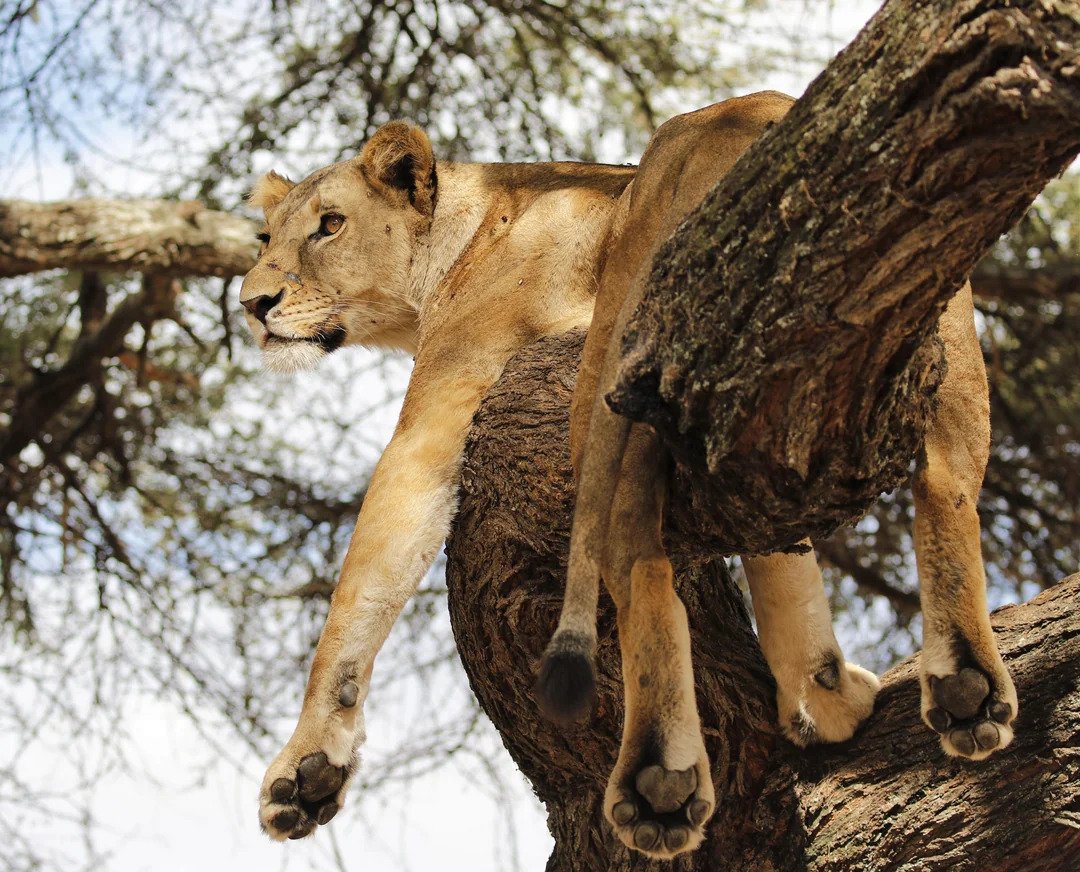
The third zone is the base of the Great Rift Valley escarpment, which forms the western boundary of the park. This area is characterized by acacia woodlands and scrub. This is the preferred habitat for the park’s famous tree-climbing lions and the large herds of elephants that Manyara is known for. The elephants here are particularly adapted to the woodland environment, often seen browsing on the acacia branches or using their tusks to strip bark. The elevation change here is subtle but significant; as you drive closer to the escarpment wall, the ground becomes rockier and the vegetation changes to more resilient, drought-tolerant species. This zone offers the best opportunities for spotting giraffes, which are often found browsing the acacia tops, and klipspringers, small antelopes that are perfectly adapted to the rocky slopes of the escarpment base.
Beyond these biological zones, the sheer verticality of the Rift Valley escarpment acts as a defining feature of your safari. The escarpment rises over 600 meters above the lake, creating a constant, dramatic visual anchor for your entire day. This is not merely scenery; it influences the microclimate of the park. The escarpment traps moisture, which contributes to the groundwater forest’s vitality, and it provides a thermal lift for birds of prey. Throughout your game drive, you will find yourself constantly looking up, not just at the trees, but at the escarpment wall itself. It is common to spot raptors, such as the martial eagle or the African fish eagle, soaring on the thermals rising off the escarpment face. This vertical dimension is often missed by travelers who focus solely on the ground-level wildlife, but it is integral to the Manyara experience. When you are on a group-joining safari, you are in a shared vehicle, which means you have multiple pairs of eyes scanning the environment. Utilize this dynamic. While your guide is scanning for large mammals, don’t hesitate to look up toward the escarpment wall. It is a unique vantage point that distinguishes Lake Manyara from the flat, featureless plains of the Serengeti or the Serengeti-adjacent ecosystems.
Managing Group Dynamics and Vehicle Etiquette in a Shared Safari
While the ecological zonation and the logistical efficiency of a Lake Manyara group-joining safari are critical, the human element—sharing a vehicle with strangers for an entire day—is the variable that most significantly influences your personal enjoyment. When you book a seat on a group-joining vehicle, you are entering a social contract. Unlike a private safari where you dictate the pace and the priorities, a group-joining trip requires a level of flexibility and social awareness that can make or break the experience. Navigating this dynamic effectively is as important as bringing the right camera lens or packing a rain jacket.
The most common source of friction in a shared safari vehicle is the disparity in passenger priorities. In any given group, you will likely have a mix of wildlife enthusiasts: the dedicated photographer who wants to wait thirty minutes for a lion to yawn, the casual observer who wants to see as many different species as possible in a short time, and the family who may be managing restless children. Recognizing this diversity early in the day is essential. If you are a photographer, be mindful that your request for a long stop at a bird sighting affects everyone else’s time. Conversely, if you are a casual observer, understand that wildlife photography requires patience. The best approach is to communicate your interests to your guide early, but remain open to the group’s collective decisions. Most experienced guides will attempt to balance these competing interests, but they cannot cater to everyone simultaneously. If the group is split on whether to stay or move, defer to the guide’s expertise; they are balancing the day’s itinerary against the park’s closing times, which are strictly enforced.
Vehicle seating is another area where established etiquette prevents unnecessary tension. Most reputable operators utilize a rotation system, ensuring that everyone gets a turn in the coveted window seats or the front passenger seat. If your operator does not explicitly state their rotation policy, it is perfectly acceptable—and advisable—to ask about it before the vehicle departs Arusha. If a formal rotation is not in place, take the initiative to suggest one. Changing seats at pre-determined intervals, such as after lunch or after a major wildlife sighting, ensures that everyone gets an equal opportunity to view the park from different angles and utilize the pop-up roof for photography. Resisting a rotation or claiming a specific seat for the entire day is a quick way to create resentment within the group.
The role of the guide as a mediator cannot be overstated. Your driver-guide is not merely a chauffeur; they are the captain of the vessel and the manager of the group’s morale. They are constantly juggling the vehicle’s fuel consumption, the park’s speed limits, the behavior of the animals, and the varying temperaments of the passengers. When you have a question or a concern, address it to the guide rather than venting to other passengers. If you feel the vehicle is moving too fast or if you are struggling to hear the guide’s commentary over the engine noise, communicate this politely. Avoid the temptation to “micromanage” the drive. If you constantly interrupt the guide to point out every impala or baboon, you may inadvertently distract them from spotting the more elusive predators or rare birds that require their full, undivided attention.
Lunchtime on a group-joining safari is usually a communal affair, often taking place at designated picnic sites within the park. This is the one time during the day where you will be out of the vehicle and interacting on a more personal level. Use this time to build rapport with your fellow travelers. You are all sharing a unique, one-day experience in the Rift Valley, and a friendly, inclusive attitude can transform a group of strangers into a cohesive team. If you have dietary restrictions, ensure you have communicated these clearly to the operator during the booking phase, but also be prepared for the reality of a shared picnic basket. While lunch is generally standardized, being gracious about the “safari-style” meal—which is designed for convenience and durability rather than fine dining—goes a long way in maintaining a positive atmosphere for the remainder of the afternoon.
Finally, practice “quiet observation.” The most rewarding wildlife encounters in Lake Manyara often happen when the engine is cut and the group falls silent. Loud conversations or rustling plastic bags can spook animals, especially in the denser groundwater forests where proximity to wildlife is closer. Even if you are excited, keep your voice at a whisper. A shared vehicle amplifies sound; what seems like a normal speaking volume to you can be disruptive to the person sitting next to you who is trying to listen for the alarm calls of monkeys or the rustle of elephants in the brush. By respecting the shared space and the collective experience, you ensure that the group dynamics enhance, rather than detract from, your day in the park.
Post-Safari Transitions: Returning to Arusha After Sunset
While the focus of your November 2, 2026, excursion is undoubtedly the wildlife viewing, the return journey from Lake Manyara to Arusha is an often-overlooked logistical reality that impacts your evening. Because Lake Manyara is situated along the Great Rift Valley escarpment, the return route involves a steady climb out of the valley floor, transitioning from the humid, lush environment of the lake basin to the cooler, higher-altitude surroundings of the Arusha region. Understanding how this return journey functions within a group-joining context helps manage expectations, particularly regarding arrival times and post-safari plans.
In a shared vehicle, the return trip is rarely a direct, non-stop sprint. Your driver-guide must account for the collective needs of the group. If passengers are staying at different hotels or lodges spread across Arusha or its outskirts, the drop-off process becomes a sequence of stops. This is distinct from a private safari where the vehicle is yours exclusively; in a group setting, you should anticipate that the final leg of the journey may take longer than the outbound drive. If you have a flight to catch or a dinner reservation in Arusha on the evening of November 2nd, it is prudent to communicate this to your operator well before the safari date. While the guide will make every effort to adhere to a standard schedule, the realities of shared transport mean you are part of a synchronized itinerary.
The drive back also provides a shift in perspective. As you ascend the escarpment, the landscape changes rapidly. You will likely pass through the town of Mto wa Mbu, a vibrant agricultural hub known for its roadside markets. On a group-joining trip, the vehicle usually does not stop here unless the entire group agrees, as the priority is returning to the city before nightfall. However, the view from the escarpment road during the late afternoon—as the sun dips behind the Rift Valley wall—is spectacular. This is a prime time for photography if your position in the vehicle allows, or simply for quiet reflection on the day’s sightings.
Additionally, consider the fatigue factor. A full day of game viewing, coupled with the sensory input of the African bush, is exhausting. By the time the vehicle reaches the tarmac roads leading back to Arusha, the group energy often shifts from high-octane excitement to quiet exhaustion. This is the natural conclusion of the shared safari experience. Respecting that others may want to rest or process their photos during this final leg is part of the unspoken etiquette of the shared vehicle. If you are planning your evening, allow a buffer of one to two hours beyond the estimated arrival time to account for traffic, potential road construction, or the drop-off logistics of your fellow travelers.
Managing Post-Safari Expectations
- Drop-off Logistics: Confirm if your accommodation is within the standard drop-off zone. Some outlying lodges may require an extra transfer fee or may be outside the scope of a standard group-joining return route.
- Evening Planning: Avoid booking rigid commitments (like departing flights or tight dinner reservations) for the evening of November 2nd. The unpredictable nature of traffic on the main Arusha-Dodoma road can impact travel times.
- Reflective Time: Use the return journey to organize your camera memory cards or jot down notes about the species you spotted. Once you return to the bustle of Arusha, the distinct memories of the park can quickly blur.
- Tipping Etiquette: It is customary to provide tips to your guide at the end of the day. If you wish to do this, have your contribution ready before the final drop-off, as the group may disperse quickly once the vehicle reaches the first destination.
Wildlife Behavior and Photographic Considerations for the November Short Rains
While the “short rains” of November are often discussed in terms of general logistics, they fundamentally alter the wildlife viewing strategy for a one-day visitor. Unlike the dry season, where animals are forced to congregate tightly around the lake shore and permanent springs, the early November rains allow wildlife to disperse across the park’s interior. For a single-day safari, this means you cannot rely on the high-density “bottleneck” sightings typical of August or September. Your guide will need to work harder, scanning the bush rather than simply driving to a known water hole.
The vegetation in the groundwater forest—the first zone you encounter after entering the park—undergoes a rapid transformation. By early November, the canopy becomes significantly denser and more vibrant. While this provides a beautiful, lush backdrop for your photos, it creates a practical challenge: visibility. Leopards and smaller predators, which are often spotted resting on branches or moving through the thicket, become much harder to track against the lush, green background. You should adjust your expectations accordingly; prioritize scanning for larger mammals like elephants and giraffes, which remain visible even as the landscape greens, and be prepared to spend more time observing the canopy for primates like blue monkeys and baboons, which are highly active in the damp, post-rain environment.
For the photography enthusiast, November offers a distinct trade-off. The primary advantage is the elimination of the fine, pervasive dust that characterizes the dry season. This results in significantly higher air clarity, allowing for sharper images and more saturated colors. However, the lighting conditions can be more unpredictable. You will encounter higher contrast scenes, especially during midday, as the sun interacts with clouds and the deep green foliage. If you are using a camera, consider adjusting your exposure compensation to account for the dark, shaded areas of the forest floor, which can trick light meters into overexposing the brighter patches of sky or open plains. Additionally, because the park tracks can become slippery or muddy after even a brief downpour, your vehicle will be restricted to the primary game drive loops. This is a safety necessity, not a lack of effort by your guide, and it is crucial to accept these movement limitations to ensure the vehicle does not become stuck.
Finally, November marks the beginning of the arrival of migratory bird species. If you have an interest in ornithology, this is arguably the best time of year to visit Lake Manyara. The lake shore, which may be receding or expanding depending on the specific rainfall in the preceding weeks, becomes a magnet for waders and waterbirds. Even if you are not a dedicated birdwatcher, the sheer volume of activity at the water’s edge provides a dynamic, constantly changing scene that compensates for the slightly lower visibility of elusive predators in the forest.
The Mto wa Mbu Cultural Stop and the Escarpment Descent
For visitors traveling from Arusha on a group-joining safari, the experience of Lake Manyara National Park begins well before you reach the park gate. The route takes you through the bustling market town of Mto wa Mbu, situated at the base of the Great Rift Valley escarpment. This town is not merely a transit point; it serves as a critical logistical and cultural interface for the safari experience. Most group-joining itineraries include a brief stop here. For the time-conscious traveler, it is important to understand the function of this stop: it is primarily for essential facilities, such as restroom breaks and the opportunity to purchase last-minute supplies like bottled water or snacks, as prices inside the park gates are significantly higher.
Beyond the logistical necessity, Mto wa Mbu offers a glimpse into the agricultural diversity of the region. The area is unique in Tanzania for its irrigation systems, which support a variety of crops including bananas, rice, and red onions, starkly contrasting with the arid terrain you traverse to reach it. While your driver-guide may offer a quick walk through a local craft market or a banana plantation, remember that every minute spent here is a minute subtracted from your game drive time. If you are eager to maximize wildlife viewing, communicate this preference to your guide clearly at the start of the day. A quick, focused stop is usually sufficient to satisfy the need for a break without compromising your entry time into the park.
Following the stop at Mto wa Mbu, the road ascends or skirts the base of the Great Rift Valley escarpment. This geological feature is one of the most visually arresting aspects of the Northern Circuit. The escarpment wall creates a dramatic, towering backdrop for the entire park. Your journey will often include a pause at a designated viewpoint before entering the park, providing a panoramic perspective of the lake and the forest canopy below. This vantage point is essential for understanding the park’s layout; from here, the “squeezed” nature of the park—wedged between the vertical wall and the lake—becomes immediately apparent. This perspective helps contextualize the high density of wildlife you are about to encounter, as the escarpment effectively acts as a natural barrier that influences animal movement patterns.
Mitigating the Tsetse Fly Factor: A Practical Guide for Manyara Visitors
One of the most frequently overlooked realities of a Lake Manyara safari, particularly for those visiting during the transition periods or the short rains of November, is the presence of tsetse flies. Unlike common houseflies or mosquitoes, tsetse flies are persistent, their bite is painful, and they are attracted to specific visual and olfactory cues. In the wooded groundwater forest zones of Lake Manyara, these insects can become a significant nuisance if you are not prepared. Understanding their behavior is the best defense, as it allows you to adjust your behavior and attire to minimize their impact on your day.
The primary attraction for tsetse flies is the color blue, followed closely by black. Many safari travelers inadvertently make themselves targets by wearing dark blue or black clothing, which these flies perceive as a large animal host. To mitigate this, opt for neutral, light-colored clothing—khaki, beige, or light olive green are the industry standard for a reason. These colors are much less attractive to the flies. Furthermore, the flies are attracted to movement and heat. When the vehicle is moving, they are less likely to land, but during game viewing stops, they may congregate around the vehicle. Keep the windows up when driving through heavily wooded, shadowed areas where the flies are most active. If you are in an open-roof vehicle, be prepared to use a repellent containing DEET or Picaridin on exposed skin; standard citronella-based natural repellents are often ineffective against tsetse flies.
It is also important to manage expectations regarding the “comfort” of the safari vehicle. While your guide will do their best to position the vehicle in areas with higher airflow, which flies generally dislike, there will be times when you must remain stationary to observe wildlife. If you find yourself in a swarm, do not panic. Avoid swatting aggressively, as this can draw more attention to you. Instead, use a light cloth to gently brush them away, or simply wait for the guide to move the vehicle to a more open, breezy location. By acknowledging the presence of these insects as a natural part of the ecosystem rather than a failure of the safari experience, you can maintain your focus on the wildlife sightings that make Lake Manyara a premier destination.
The Mechanics of Shared Game Spotting
In a private safari vehicle, the game drive is a dialogue between you and your guide; in a group-joining scenario, it becomes a collective endeavor. Understanding the mechanics of how a group spots wildlife is essential for maintaining a high-quality experience. While your driver-guide is trained to scan the horizon, the canopy, and the roadside thickets, they are only one person. A vehicle with six passengers provides twelve eyes, significantly increasing the probability of spotting camouflaged leopards or distant elephants. However, this requires a disciplined approach to communication.
When you spot an animal, the most effective method is to alert the guide quietly rather than shouting. A sudden, loud noise can startle wildlife, causing them to retreat into the dense brush of the groundwater forest before the rest of the group has a chance to see them. Simply point in the direction of the sighting and provide a brief, clear description—for example, “Movement at two o’clock in the bush,” or “Bird in the tree, ten meters ahead.” This allows the driver to assess the sighting, maneuver the vehicle safely, and position everyone for the best photographic angle. Avoid the temptation to stand up or lean out of the vehicle until the guide has stopped the engine and confirmed it is safe to do so. In a group setting, your patience in waiting for your turn to view or photograph the animal ensures that everyone—not just those on the side of the vehicle nearest the subject—gets a fair opportunity.
The Mid-Day Lunch Logistical Reality within Lake Manyara
For a one-day visitor, the mid-day break is not a leisurely hotel buffet; it is a tactical operational pause. Because you have a limited window of time inside the park, lunch is typically served at one of the designated picnic sites, often situated near the lake shore or within the forested zones. Understanding the nature of this lunch is critical for managing your expectations. You will be provided with a pre-packed lunch box, usually containing sandwiches, fruit, a boiled egg, a juice box, and perhaps a piece of cake. This is designed for portability and speed.
The logistical reality of these picnic sites, particularly in Lake Manyara, involves constant vigilance regarding wildlife. Unlike the open plains of other parks, the picnic areas in Manyara are frequently patrolled by opportunistic wildlife, most notably vervet monkeys and baboons. These animals have learned that tourists carry food. It is imperative that you do not leave your lunch box unattended, even for a moment, to take a photo. These animals are remarkably fast and will not hesitate to snatch food directly from your hands or open bags. When eating, keep your food contained within the vehicle or the designated seating area, and never feed the animals. Your guide will often assist by keeping a watchful eye on the perimeter of the picnic area, but the primary responsibility for securing your belongings lies with you. Treating this lunch break as an extension of the safari experience—observing the behavior of the monkeys at close range while you eat—turns a simple logistical necessity into a memorable, if slightly chaotic, part of the day.
Understanding the Vehicle Power Dynamics: 4×4 vs. Safari Minibus
In the context of a group-joining safari to Lake Manyara, the vehicle itself is perhaps the most significant piece of equipment that dictates your experience. You will typically encounter two types of vehicles used by tour operators for these single-day excursions: the custom-modified 4×4 Land Cruiser and the safari minibus (often a Toyota Hiace). While both are designed to handle the terrain, their performance, comfort levels, and viewing capabilities differ in ways that directly impact a one-day trip.
The 4×4 Land Cruiser is the gold standard for Northern Circuit safaris. These vehicles are rugged, featuring high clearance and four-wheel drive capabilities, which are essential if the November short rains have made the park tracks muddy or slippery. The suspension in a Land Cruiser is generally tuned for rough terrain, meaning that even on the bumpy, unpaved roads leading into the park, you will experience less jolting. Crucially, the pop-up roof design in a Land Cruiser is usually more spacious, allowing multiple passengers to stand and view wildlife simultaneously without bumping into each other. If your group-joining package specifies a Land Cruiser, you are paying for a premium in stability and off-road reliability.
The safari minibus, by contrast, is a more budget-oriented vehicle. It is generally lower to the ground and two-wheel drive, though some are modified with higher clearance. On dry, well-maintained roads, the minibus is perfectly adequate and often offers a smoother ride on tarmac sections. However, once you enter the park, particularly if you venture into the deeper, muddier sectors of the groundwater forest or the floodplains after a rain shower, the minibus can struggle. Its viewing capacity is also more restricted; while they have pop-up roofs, the interior ceiling height is often lower, and the space between seats is tighter. When booking your November 2nd slot, it is worth clarifying with your operator which vehicle type is being utilized. If the forecast suggests heavy rains, a 4×4 is not just a preference; it is a tactical advantage that ensures you don’t spend your limited day stuck in a rut rather than watching wildlife.
The Importance of Charging and Connectivity Onboard
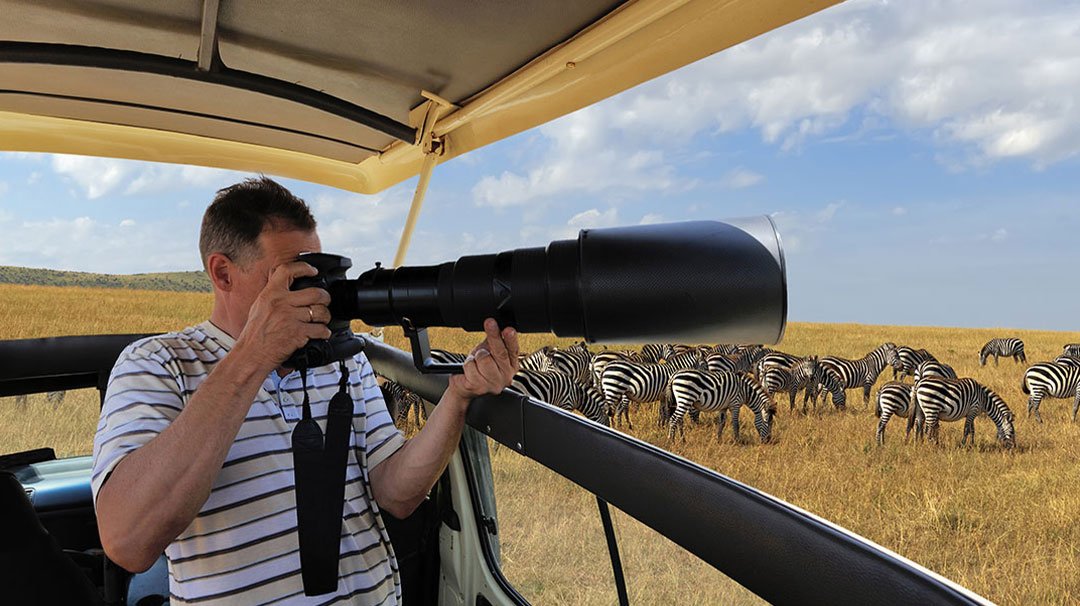
For a one-day traveler, the inability to charge devices is a common frustration that can turn a great safari into a stressful one. You will likely be using your phone or camera extensively to capture the unique scenery of Lake Manyara—from the dense forest canopy to the open lake shores. By the time you reach the midpoint of the day, your battery levels may be dangerously low. While most modern safari vehicles are equipped with charging ports, the quality and type vary significantly.
Many vehicles are fitted with standard 12V cigarette lighter sockets. To ensure you can charge your devices, carry a car charger adapter that fits this standard socket. Increasingly, newer vehicles are equipped with USB ports, but these can be slow or unreliable. A portable power bank is the most practical solution for a group-joining safari, as you cannot always rely on having access to a functional vehicle port, and you may not want to be tethered to a specific seat. Furthermore, connectivity inside the park is spotty at best. Do not expect to upload photos to social media or stream content while on the move. Your phone will likely switch between roaming signals, which consumes battery life rapidly. Setting your device to ‘Airplane Mode’ or ‘Battery Saver’ immediately upon entering the park is a simple but vital step to ensure your device survives until the return journey to Arusha.
Navigating the ‘Manyara-Specific’ Vehicle Etiquette
Beyond general group dynamics, Lake Manyara presents a specific challenge: the density of the groundwater forest. Unlike the open Serengeti, where you can see for kilometers, the forest in Manyara obscures vision. This creates a unique ‘bottleneck’ effect for vehicles. When a guide spots a leopard or a lion in the trees, the narrow tracks can quickly become congested with other safari vehicles. In a group-joining scenario, you are part of a larger convoy that must adhere to strict park etiquette.
Patience is the currency of the day. If your vehicle is behind another that has stopped for a sighting, do not pressure your driver to overtake or jostle for position. Park regulations are strict about staying on designated tracks, and off-roading is prohibited to protect the fragile ecosystem. Your driver is part of a radio network with other guides; they will often share information about sightings. If you see your driver communicating with others, they are likely coordinating to ensure vehicles are spaced out, preventing the ‘crowding’ of wildlife that can cause animals to retreat into the dense brush. Respecting these silent agreements between drivers is part of being a responsible tourist. Your adherence to these unwritten rules ensures that the wildlife remains undisturbed and that your group maintains a reputation as respectful visitors.
Optimizing Your Viewing Strategy: The Forest-to-Floodplain Transition
For a one-day visitor, the most common mistake is maintaining a static approach to game viewing across the entire park. Lake Manyara is defined by a dramatic shift in geography—the dense, dark groundwater forest and the expansive, bright floodplains. Because you only have a few hours, your ability to mentally and physically adjust your search strategy between these two zones will dictate the quality of your sightings.
Navigating the Groundwater Forest (The “Green Tunnel”)
The entrance portion of the park, characterized by the groundwater forest, acts as a high-contrast environment. In November, the short rains invigorate the canopy, creating a dense, verdant tunnel that filters out much of the direct sunlight. This is not the place for long-distance scanning; instead, it requires ‘vertical’ viewing. You should shift your focus away from the horizon and toward the mid-levels of the trees. This is the primary habitat for blue monkeys, vervet monkeys, and the elusive crowned eagle.
When moving through this zone, resist the urge to look for large mammals like elephants or buffalo in the distance. The density of the vegetation makes it impossible to see deep into the bush. Instead, treat this segment as a macro-viewing experience. Keep your binoculars ready for movement in the branches rather than the undergrowth. If you are using a camera, this zone requires a higher ISO setting to compensate for the deep shade. If you keep your camera settings optimized for the bright sun you expect later, your forest shots will be underexposed and blurry.
Mastering the Floodplain (The “Open Stage”)
As you emerge from the forest onto the open floodplains, the viewing dynamic shifts entirely. Here, the challenge is no longer darkness or obstruction, but rather depth and heat shimmer. The November sun, even when partially obscured by clouds, creates significant glare off the lake and the open grass. In this environment, you must switch to ‘horizontal’ scanning. Use your binoculars to sweep the horizon line rather than looking down at the ground near the vehicle.
The floodplains are where you will spot the larger, more iconic herds—buffalo, wildebeest, and, if you are lucky, elephants crossing the open expanses. Because the distances are vast, your eyes will naturally want to wander. Force yourself to pause and scan a specific sector of the landscape for a full minute before moving on. Movement is the key indicator here; a stationary blob in the distance is often just a termite mound or a rock, but a slight shimmer or a change in silhouette against the skyline is a grazing animal.
The Transition Reset: A Tactical Pause
The most successful one-day safari participants use the transition point between the forest and the lake as a ‘reset’ moment. When your driver transitions from the narrow, winding forest tracks to the flatter, wider plains, take this moment to adjust your gear. Clean your camera lens of the forest dust, adjust your ISO back to a lower setting for the bright plains, and take a moment to re-hydrate. If you treat the park as two distinct experiences rather than one continuous drive, you will find that your observational success rate increases significantly, preventing the ‘safari fatigue’ that often sets in when visitors mindlessly stare out of the window for hours without a clear strategy.
Navigating the Hippo Pool and Hot Springs: The Northern Circuit’s End-Point
While the floodplain offers expansive views, the northernmost section of the Lake Manyara game drive route presents a distinct set of attractions that often serve as the natural climax of a one-day group-joining itinerary. Reaching the Hippo Pool and the Maji Moto (hot springs) requires traversing the length of the park floor, which is why your driver will typically prioritize this sector for the mid-afternoon slot, once the morning game viewing is complete.
The Hippo Pool is not merely a viewing point; it is a critical ecological hub. Because hippos are sensitive to heat and dehydration, they remain submerged in the water for the majority of the day. In this specific area, you are guaranteed sightings of these massive mammals, which provides a reliable ‘win’ for your group’s collective experience. When viewing from the designated observation platform, maintain a respectful distance. The hippos here are accustomed to vehicles, but they are highly territorial. Avoid loud conversations or sudden movements that could disturb the pod, as this can cause them to submerge or, more dangerously, act aggressively toward the bank.
Beyond the pool lies the Maji Moto hot springs, located at the far northern end of the park. These springs are a geological marvel, fed by the volcanic activity of the Great Rift Valley. The water here is heated underground before bubbling up to the surface. For a one-day visitor, this stop serves a dual purpose: it is both a scenic photographic opportunity and a chance to stretch your legs outside the vehicle in a designated, safe area. The contrast between the cool forest you drove through earlier and the steaming, mineral-rich water of the springs highlights the volcanic nature of the Tanzanian landscape.
Operational Considerations for the Northern End:
- Time Management: The drive from the park gate to the hot springs is significant. If your group spends too long in the forest or at the lunch site, you may have to rush this final leg. Communicate with your driver early in the day if visiting the hot springs is a priority for your group.
- Footing and Terrain: The area around the hot springs can be muddy, especially if there has been rain in the preceding days (a common occurrence in early November). Wear sturdy, closed-toe shoes rather than sandals to avoid slips or cuts from the mineral-crusted rocks.
- Wildlife Sensitivity: While the hot springs are a popular stop, they are also a water source for various species. Approach the area quietly. You may encounter waterbuck, giraffes, or even elephants in the vicinity, as they are drawn to the water.
- Departure Timing: Remember that the hot springs are the furthest point from the exit gate. Your guide will need to calculate the return trip carefully to ensure you reach the park gate before closing time. Do not pressure your guide to stay longer than the established timeframe, as park regulations regarding exit times are strictly enforced.
The Flamingo Phenomenon: Water Levels and Seasonal Dynamics
While the groundwater forest and the escarpment views dominate the early stages of your Lake Manyara safari, the lake itself is the park’s namesake and its most volatile feature. For a visitor arriving on November 2, 2026, understanding the relationship between the short rains and the lake’s water levels is key to managing your expectations regarding the iconic flamingo sightings. The lake is an endorheic basin—meaning it has no outlet—making it highly sensitive to the precipitation patterns of the Rift Valley.
The November Water Cycle
By early November, the “short rains” have typically begun to replenish the lake. This is a critical transition period. If the rains have been heavy in October, the water level rises, diluting the lake’s high alkalinity. Conversely, if the rains are delayed, the lake remains shallow and highly concentrated with soda (sodium carbonate). This chemical composition is what dictates the presence of the Lesser Flamingo. These birds feed on cyanobacteria (blue-green algae) that thrive in the specific alkaline conditions of the lake. If the water level is too high due to heavy, early November rainfall, the concentration of algae can decrease, causing the massive flocks to disperse to other Rift Valley lakes like Natron or Bogoria.
Why Flamingos Move and How to Spot Them
Do not be discouraged if you do not see the “pink horizon” often depicted in promotional brochures. Flamingo movement is fluid and dictated by the food source, not by a permanent residency. On your November 2nd trip, your guide will likely prioritize the areas where the water is shallow and the algae bloom is active. You are more likely to see groups of flamingos at the northern end of the lake, near the mouth of the rivers that feed into it, where nutrient runoff is highest. If the water is too deep, the birds will be further from the shore, making them difficult to view without binoculars. Always carry a pair of binoculars on your group-joining vehicle; while the driver-guide will have a pair, having your own ensures you can scan the shoreline for these distant pink clusters while others are focused on the forest canopy.
The Southern Sector: Managing Expectations for One-Day Visitors
Travelers often research Lake Manyara National Park in its entirety and may wonder why their one-day group-joining itinerary seems to focus exclusively on the northern and central sections. You might read about the southern end of the park, which is known for its more remote feel and different wildlife concentrations. Understanding why this area is usually excluded from your itinerary helps clarify the operational reality of a single-day commitment.
The Distance vs. Viewing Trade-off
The southern sector of Lake Manyara is significantly further from the main entrance gate. In a one-day group-joining context, time is your most finite resource. The road network in the southern part of the park is less developed and can become impassable or extremely slow-going during the November short rains. If your group were to attempt a drive to the southern end, you would spend the vast majority of your day in transit rather than observing wildlife. The “cost-efficiency” of a group-joining safari relies on maximizing the time spent in high-density wildlife areas. The northern and central circuits contain the groundwater forest, the hippo pools, and the main floodplains—the areas where the concentration of animals is highest and the terrain is most accessible.
Why the Northern Circuit Remains the Standard
The northern circuit is designed for efficiency. It allows you to see the three distinct ecological zones—forest, floodplain, and lake shore—within a manageable driving distance. Attempting to reach the southern sector would necessitate a “forced march” through the park, leaving you little time for the “tactical pauses” required for high-quality game viewing. By focusing on the northern and central zones, your driver-guide can move slowly, stop for extended periods when a sighting occurs, and navigate the specific bottlenecks of the groundwater forest without the pressure of a long return journey from the southern reaches. If you find yourself desiring a more remote, southern-sector experience, this is generally reserved for multi-day itineraries where camping or lodge stays inside or near the park allow for a more leisurely pace.
The Final Operational Phase: Tipping and Gratuity Etiquette in a Shared Vehicle
As the sun begins to dip below the Rift Valley escarpment and your vehicle turns back toward the main gate, a common, often unspoken tension arises within the group: the matter of tipping. In a private safari, the financial relationship between you and your guide is clear. In a group-joining context, however, the etiquette becomes complex. Because you are sharing the vehicle, the guide is providing a service to multiple parties simultaneously, and determining a fair gratuity requires a shift from individual thinking to collective coordination.
The most effective strategy for a group-joining safari is to discuss the tipping plan early in the day—ideally during the mid-day lunch break or while the vehicle is stationary for a game viewing opportunity. Attempting to manage this at the final drop-off point in Arusha often leads to confusion, awkwardness, or the guide feeling undervalued. Discuss with your fellow passengers whether you intend to pool your tips into a single, collective envelope or handle them individually. A collective tip is generally preferred by guides, as it simplifies the process and avoids the disparity of one passenger tipping generously while others do not, which can create an uncomfortable dynamic for both the guide and the passengers.
When considering the amount, remember that your guide has been responsible for your safety, vehicle navigation, wildlife spotting, and logistical management for the entire duration of the day. Industry standards for group-joining safaris suggest that gratuities should reflect the total service provided, not just the driving time. If you decide to tip individually, ensure you have sufficient small-denomination USD notes or Tanzanian Shillings ready before you leave your accommodation in the morning. Relying on the guide to provide change at the end of the day is impractical and often impossible given the lack of banking facilities during the game drive.
Closing the Loop: The Post-Safari Debrief
Once you arrive back in Arusha, the safari experience does not end the moment the engine is cut. The return journey is the final phase of the operation, and how you exit the vehicle significantly impacts the guide’s ability to prepare for the following day. For the guide, the end of your trip is the beginning of the post-safari maintenance cycle. They must return the vehicle to the depot, refuel, clean the interior, and potentially perform minor mechanical checks for the next day’s departure.
Respecting this transition is a hallmark of an experienced safari traveler. Avoid lingering in the vehicle once you have reached your drop-off point. Ensure you have gathered all personal belongings—cameras, hats, water bottles, and chargers—before the vehicle comes to a full stop. The “Manyara-specific” vehicle etiquette mentioned earlier applies just as strongly to the exit: the groundwater forest and the dusty plains leave significant debris in the vehicle. While your guide will handle the deep cleaning, clearing your own trash and personal items helps expedite the process, allowing the guide to return to their family or prepare for the next morning’s early start.
If you have feedback regarding the day—whether positive or constructive—the end of the trip is the appropriate time to share it directly with the guide. However, keep in mind that the guide is often exhausted after a full day of driving on rough terrain. If there are major operational issues that need to be addressed by the tour operator, it is usually more effective to send a structured email or message to the office after you have settled in, rather than initiating a lengthy, high-stakes conversation at the curbside.
Managing Souvenirs and Mto wa Mbu Purchases
The town of Mto wa Mbu, which you pass through both entering and exiting the park, is a hub for local crafts, wood carvings, and agricultural produce. Many group-joining itineraries include a brief stop here on the return leg to Arusha. This is a common point of contention in group dynamics. While some passengers may be eager to browse the markets, others may be fatigued and ready to reach their accommodation.
If you plan to purchase items, be mindful of the “group clock.” Negotiating prices for wood carvings or paintings can be a time-consuming process. If you are part of a group that is on a tight schedule to beat the sunset, do not initiate a negotiation that you cannot conclude quickly. Furthermore, consider the logistics of what you are buying. Large carvings are difficult to transport in a shared vehicle where space is already at a premium. If you find a large piece you wish to purchase, verify with your guide if it can be safely stored in the trunk or if it will obstruct the view or comfort of other passengers. Whenever possible, wait until the very end of the trip, when the guide is dropping you off at your specific hotel, to make purchases, or ask the guide if they can recommend a reliable shop in Arusha where you can browse at your own pace without keeping the entire group waiting.
Navigating Off-Vehicle Restrictions and Safety Protocols
While the excitement of a group-joining safari often centers on the wildlife sightings, a critical aspect of your November 2, 2026, excursion is understanding the rigid, legally enforced boundaries regarding when and where you are permitted to leave your safari vehicle. For many first-time visitors, the instinct is to exit the vehicle the moment a leopard or a herd of elephants appears, but Lake Manyara National Park operates under strict regulations mandated by the Tanzania National Parks Authority (TANAPA). Understanding these rules is not merely about avoiding fines; it is a fundamental safety requirement that dictates the flow of your entire day.
The Regulatory Framework of TANAPA
It is crucial to recognize that your guide is not being “strict” or “uncooperative” when they refuse to let you step out for a better photo angle or a quick stretch. In Lake Manyara, exiting the vehicle outside of designated areas is a direct violation of park bylaws. For a guide operating a group-joining vehicle, the stakes are exceptionally high: if a passenger exits the vehicle in a restricted zone, the guide risks having their license suspended or revoked, and the vehicle may be impounded. On a shared-cost trip, this single act of non-compliance could effectively end the safari for everyone on board, resulting in a return to the gate and potential legal proceedings. When your guide says “stay inside,” they are protecting their livelihood and your collective itinerary.
The Ecological Rationale Behind the “No-Exit” Policy
The prohibition against exiting the vehicle is rooted in both human safety and wildlife preservation. Lake Manyara’s groundwater forest and dense thickets create a high-risk environment for pedestrians. Unlike the open plains of the Serengeti, where you can see a predator from a kilometer away, the dense vegetation of the Manyara forest can conceal a buffalo, leopard, or elephant until it is mere meters from your position. Furthermore, wildlife in the park is habituated to the silhouette of a safari vehicle, viewing it as a neutral, non-threatening object. A human figure stepping out of that silhouette changes the dynamic instantly, potentially triggering a defensive or aggressive response from the animals. By remaining inside the vehicle, you ensure that you remain part of the “neutral” environment, allowing for closer, safer observations.
Identifying Authorized Zones for Movement
There are very specific, sanctioned locations where you are permitted to exit your vehicle. These include the main park gate area, designated picnic sites, the hippo pool observation point, and the hot springs area. These zones are selected because they offer a higher degree of visibility and are frequently monitored by park rangers. When you arrive at these points, use them effectively. These are your only opportunities to use the facilities, stretch your legs, and photograph the landscape without the obstruction of glass or canvas. If you find that you need to use the restroom or require a significant stretch, communicate this to your guide well in advance of reaching these zones. Do not assume that you can request an unscheduled stop simply because you are uncomfortable; the logistics of a group-joining safari require you to synchronize your physical needs with the designated transit points.
Managing Group Compliance During Unscheduled Stops
In a group-joining scenario, you are part of a social contract. If one member of your group insists on exiting the vehicle to “just take one quick photo” in a prohibited area, they are placing the entire group at risk. If you notice a fellow traveler attempting to breach these safety protocols, it is appropriate to support your guide by reinforcing the rules. A simple, “Let’s wait until the next picnic spot to get out, it’s safer for everyone,” can diffuse the tension without creating a confrontation. Remember that your guide is balancing the needs of several strangers; they cannot police every individual’s behavior while simultaneously navigating the road and spotting wildlife. Your cooperation in maintaining these boundaries ensures that the guide can focus on the primary goal: finding and showing you the best of Lake Manyara’s wildlife.
Emergency Protocols: When Exiting the Vehicle is Mandatory
There is one distinct exception to the “stay inside” rule: a genuine emergency. If the vehicle suffers a mechanical failure that requires evacuation, or if there is a medical crisis, the guide will instruct you on how and where to exit. In these rare instances, the protocol is to move quickly and stay together. Follow the guide’s instructions implicitly. Do not wander off to look at scenery or inspect the vehicle’s engine. The guide’s primary responsibility shifts from “safari host” to “safety officer” the moment an emergency is declared. By maintaining a high level of situational awareness throughout your November 2, 2026, trip, you contribute to a safe, compliant, and highly efficient safari experience for everyone in your shared vehicle.
Related Guides and Packages
Check Availability for Nov 2, – 1 Day Lake Manyara Group Joining Safari: Plan & Logistics 2026
Ready to compare dates, prices, and the best option for your group? Send the package name and travel month so the team can reply with a clear quote, availability, and what is included.

Oct 28, – 3 Day Tarangire, Lake Manyara And Ngorongoro Group Safari 2026
A detailed guide to our 3-day group joining safari departing October 28, 2026. Explore the logistics, wildlife highlights, and why this specific route is ideal for travelers looking to...
View package detailsDec 6, – 3 Day Tarangire, Lake Manyara And Ngorongoro Group Safari 2026
Dec 6, 2026 – 3 Day Tarangire, Lake Manyara and Ngorongoro Group Safari.
View package details
Dec 12, – 6 Day Serengeti, Ngorongoro, Tarangire And Manyara Group Safari 2026
Dec 12, 2026 – 6 Day Serengeti, Ngorongoro, Tarangire and Manyara Group Safari.
View package detailsOct 31, – 6 Day Serengeti, Ngorongoro, Tarangire And Manyara Group Safari 2026
A detailed look at the 6-day Northern Circuit group safari departing October 31, 2026, covering Tarangire, Manyara, Serengeti, and Ngorongoro Crater.
View package detailsOct 25, – 1 Day Tarangire Group Joining Safari From Arusha 2026
Planning a trip for October 25, 2026? Join our group safari to Tarangire National Park for a day of wildlife viewing, departing from Arusha.
View package details
Lake Manyara To Serengeti Flight Price & Safari Connections 2026-2027
A practical guide to connecting Lake Manyara and the Serengeti by air, covering flight pricing factors, logistical trade-offs, and how to optimize your safari schedule.
View package detailsZanzibar To Lake Manyara Flights: Prices & Safari Transfers 2026-2027
Zanzibar to Lake Manyara Flights: Prices & Safari Transfers is explained with current 2026-2027 planning, price, itinerary and booking information.
View package details
Dec 5, – 1 Day Mikumi Fly-In Group Safari From Zanzibar 2026
A practical guide to the December 5, 2026, group fly-in safari to Mikumi National Park. Learn about the itinerary, group logistics, and how to book your seat.
View package details
Oct 25, – 1 Day Nyerere Fly-In Group Safari From Zanzibar 2026
Secure your spot for the October 25, 2026, group fly-in safari to Nyerere National Park. A professional, time-efficient wildlife experience from Zanzibar.
View package detailsOct 25, – 1 Day Ngorongoro Crater Group Safari From Moshi 2026
A detailed guide to organizing a one-day group safari to the Ngorongoro Crater starting from Moshi, specifically focusing on the logistics for October 25, 2026.
View package details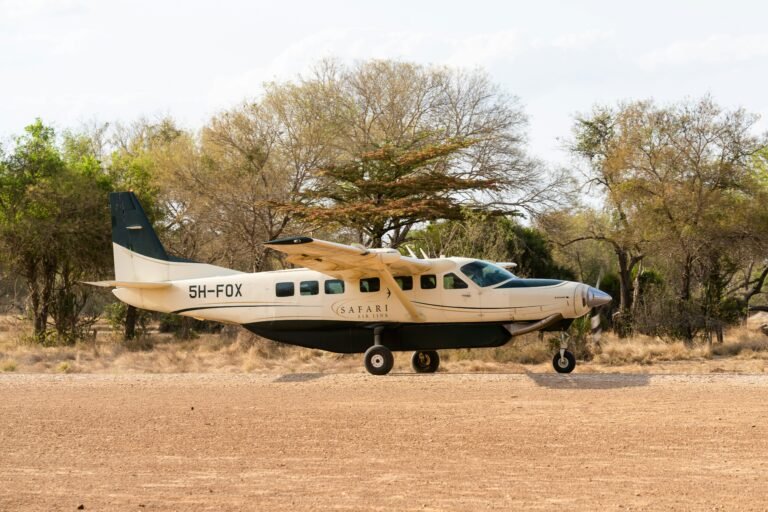
Lake Manyara Airstrip Vs Arusha Airport: Which Is Best For Ngorongoro In ?
Deciding between Lake Manyara Airstrip and Arusha Airport for your Ngorongoro Crater safari? We compare the transfer times, costs, and travel styles to help you choose the right gateway for...
View package details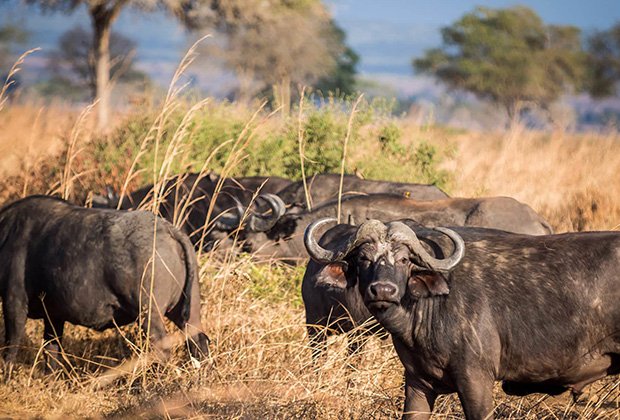
Nov 10, – 4 Day Serengeti, Ngorongoro And Tarangire Group Safari 2026
Join our group safari on November 10, 2026, for an intensive 4-day tour of Tanzania's Northern Circuit. Perfect for those with limited time who want to experience the best of the Serengeti...
View package detailsNo related package matches those filters. Clear one or more filters to see the other topic-matched options.



