A March Mount Meru group joining climb in 2027 offers a fantastic opportunity to ascend one of Tanzania’s most spectacular peaks as part of a shared expedition, typically utilizing the popular 4-day or 5-day routes which provide a balanced challenge and good acclimatization. These group departures are ideal for solo travelers or those seeking companionship and cost-sharing, with booking well in advance for March 2027 being crucial for securing your preferred dates and availability.
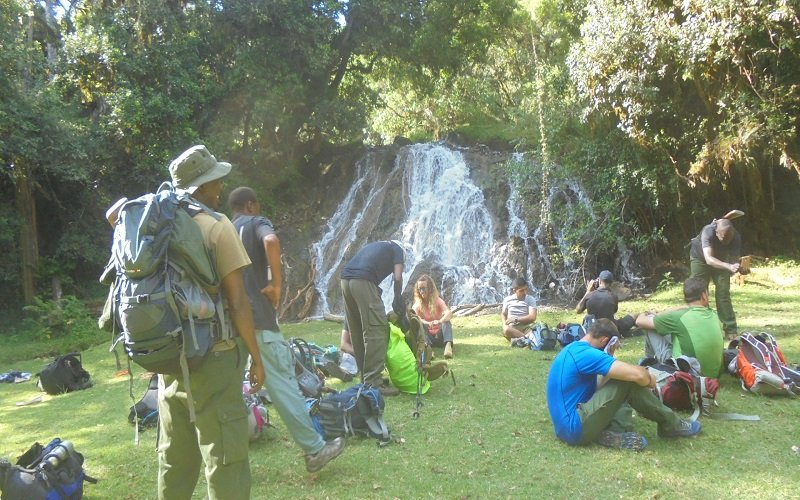
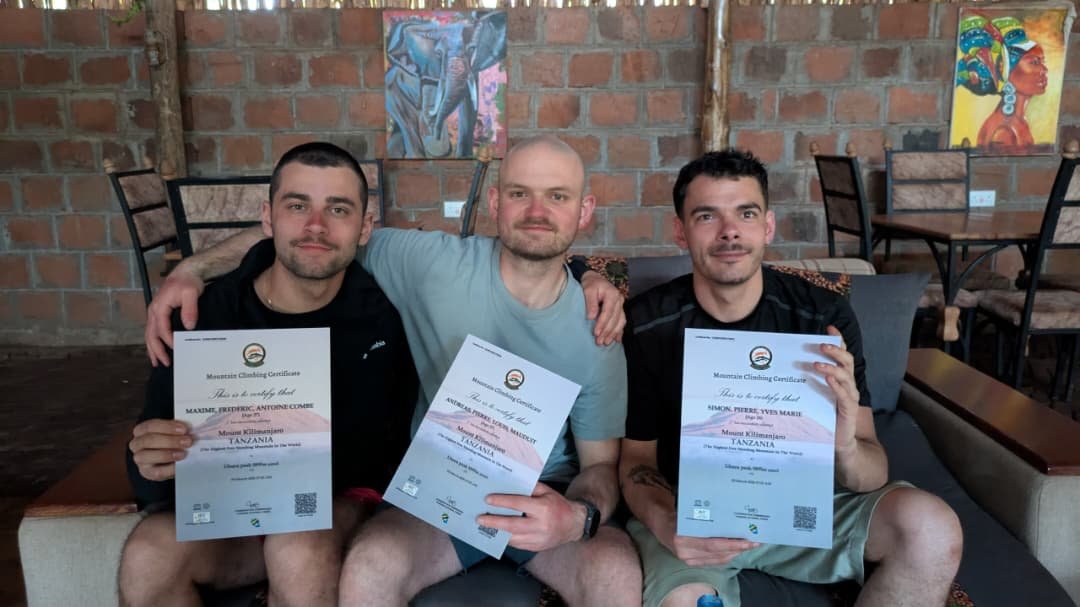
Understanding Your March Mount Meru Group Joining Climb 2027
Embarking on a Mount Meru climb, especially as part of a group joining an expedition in March 2027, is a significant undertaking that requires careful planning. Mount Meru, standing at 4,566 meters (14,980 feet), is often considered a warm-up for Kilimanjaro but is a formidable mountain in its own right. Its rugged terrain, steep ascents, and the need for acclimatization make it a serious trek. Choosing a group joining climb for March 2027 means you’ll share the experience, costs, and camaraderie with fellow adventurers.
The appeal of a group joining climb lies in its accessibility. For solo travelers, it eliminates the need to form a private group, making the adventure more feasible and often more affordable due to shared costs for guides, porters, park fees, and accommodation. For those who enjoy the social aspect of travel, it’s a chance to connect with like-minded individuals. March is an interesting month for climbing Mount Meru; while it falls within the shoulder season, it generally offers a good balance of weather conditions, with the heavier rains of the preceding months starting to subside, though occasional showers are still possible.
When you consider a March Mount Meru group joining climb 2027, think about what defines a successful expedition. It’s not just about reaching the summit; it’s about the journey, the stunning landscapes of Arusha National Park, the unique wildlife encounters on the lower slopes, and the personal achievement. Understanding the logistics, the physical demands, and the best way to prepare are paramount. This guide aims to provide you with all the critical information to make an informed decision and a successful booking for your 2027 adventure.
Why Choose a Group Joining Climb for Mount Meru in March 2027?
The decision to join a group climb for Mount Meru in March 2027 is driven by several practical and social factors. Primarily, it’s about efficiency and accessibility. Forming a private group requires a minimum of two or three people, which can be a barrier for solo travelers. Group joining climbs, offered by operators like Climb 4 Africa, are designed to accommodate individuals, effectively creating a group from disparate travelers. This significantly lowers the per-person cost, as expenses like guide fees, park permits, and sometimes even vehicle hire are distributed among more participants.
Cost-Effectiveness: This is a major draw. When you book a March Mount Meru group joining climb 2027, you’re pooling resources. This shared model allows operators to offer competitive pricing that might be unattainable for a private climb, especially for individuals. For a trek like Mount Meru, where park fees and support staff are essential components of the cost, this sharing mechanism makes the mountain more accessible financially.
Companionship and Shared Experience: Climbing a mountain is an intensely personal and often challenging experience. Doing it with a group can provide invaluable moral support, shared moments of triumph, and a sense of camaraderie. You’ll meet people from different backgrounds, all united by the goal of summiting Mount Meru. This shared journey can forge lasting friendships and make the entire adventure more enjoyable and memorable, especially when you’re far from home in March 2027.
Logistical Simplicity: Tour operators specializing in Tanzanian climbs, such as Climb 4 Africa, handle all the complex logistics for group departures. This includes arranging park permits, hiring experienced guides and porters, organizing meals and accommodation on the mountain, and providing transportation. For a group joining climb, you simply sign up, prepare yourself physically, and show up; the rest is managed by the expedition provider.
Ideal for Solo Travelers: If you’re an individual looking to trek Mount Meru but don’t have a climbing partner or group, a group joining option is the perfect solution. It provides safety in numbers and the social interaction that many solo travelers seek. You gain the support of a team without the pressure of organizing one yourself.
March Weather Considerations: While the peak rainy season in Tanzania typically ends in April, March can still see some precipitation. However, it often marks the transition towards drier conditions. Group climbs in March can benefit from fewer crowds compared to the peak dry seasons, and the landscape is often lush and green. The weather can be unpredictable, but experienced guides are adept at managing conditions, and group dynamics can help keep spirits high even during challenging weather moments on your March 2027 expedition.
Mount Meru Routes and Itinerary Options for Group Climbs in March 2027
Mount Meru is primarily climbed using two main routes: the 4-day and the 5-day itineraries. For group joining climbs in March 2027, these are the standard options offered by most reputable operators. The choice between them largely depends on your available time, your acclimatization needs, and your budget. Climb 4 Africa typically recommends the 5-day option for better acclimatization, which is crucial for summit success and overall well-being.
The 4-Day Mount Meru Climb
This is the most common and quickest way to summit Mount Meru. It’s designed for those with limited time or prior high-altitude experience who are confident in their ability to acclimatize rapidly.
- Day 1: Momella Gate to Mariakamba Hut (approx. 2-3 hours trekking). After registering at Momella Gate (1,500m), you’ll begin your trek through the park’s diverse vegetation, often spotting wildlife like giraffes and zebras. The climb is relatively gentle initially, leading to the first campsite.
- Day 2: Mariakamba Hut to Saddle Hut (approx. 4-6 hours trekking). This is a steeper ascent, taking you through montane forest and moorland. You’ll reach Saddle Hut (3,500m), your base for the summit push. Many climbers acclimatize here by taking a short walk to the nearby Meru Crater rim or the summit of Little Meru (3,800m).
- Day 3: Summit Day (Social Summit). Starting in the early hours (around 2 am), you’ll trek towards the summit of Socialist Peak (4,566m). The final ascent is steep and challenging, often involving scrambling over rocky terrain. You’ll aim to reach the summit for sunrise, offering spectacular views of Kilimanjaro and the surrounding plains. After celebrating, you descend back to Mariakamba Hut. This is a very long day (10-12 hours round trip from Saddle Hut).
- Day 4: Mariakamba Hut to Momella Gate (approx. 2-3 hours trekking). A final descent through the park, offering more opportunities for wildlife viewing, before reaching Momella Gate to be transferred back to your accommodation.
Pros of the 4-Day route: Faster, more economical. Cons: Higher risk of altitude sickness due to rapid ascent, less time for acclimatization.
The 5-Day Mount Meru Climb
This itinerary adds an extra day, typically spent acclimatizing at Saddle Hut or taking a more relaxed pace on one of the trekking days. This significantly increases your chances of a successful and enjoyable summit experience, especially for those not fully accustomed to high altitudes. This is the recommended option for most March Mount Meru group joining climb 2027 participants.
- Day 1: Momella Gate to Mariakamba Hut (approx. 2-3 hours trekking). Similar to the 4-day route, starting from Momella Gate (1,500m) and ascending to Mariakamba Hut (2,500m).
- Day 2: Mariakamba Hut to Saddle Hut (approx. 4-6 hours trekking). A steady climb to Saddle Hut (3,500m), the same as the 4-day route.
- Day 3: Acclimatization Day / Summit Attempt (Optional). This extra day is crucial. Instead of pushing directly for the summit, climbers might spend the day exploring the crater, walking to Little Meru, or simply resting and acclimatizing at Saddle Hut. Some operators might offer a partial summit push towards the crater rim for acclimatization.
- Day 4: Summit Push (Socialist Peak). Beginning in the early morning (around 2 am), you ascend to Socialist Peak (4,566m). The climb is challenging, but the extra day of acclimatization often makes it more manageable than on the 4-day itinerary. After reaching the summit and enjoying the views, you descend all the way back to Mariakamba Hut. This is a very long day.
- Day 5: Mariakamba Hut to Momella Gate. A straightforward descent back to the gate and onward transfer.
Pros of the 5-Day route: Significantly improved acclimatization, higher summit success rate, reduced risk of altitude sickness, more enjoyable experience. Cons: Takes longer, slightly higher cost.
When booking your March Mount Meru group joining climb 2027, confirm which itinerary is offered and consider the 5-day option for the best balance of challenge and safety.
Preparing for Your March Mount Meru Group Climb 2027: Fitness and Training
Mount Meru is a demanding trek, and adequate physical preparation is non-negotiable for a successful and enjoyable March Mount Meru group joining climb 2027. Altitude, steep ascents, and long trekking days require a good level of cardiovascular fitness and muscular endurance. Your training should focus on replicating the conditions you’ll face on the mountain.
Cardiovascular Fitness
The primary requirement is excellent cardiovascular health. Aim to:
- Engage in regular aerobic exercise: Aim for at least 3-5 sessions per week, each lasting 45-60 minutes. Activities like running, cycling, swimming, and brisk walking are beneficial.
- Incorporate hiking: The best training for a mountain climb is hiking. Find local trails with significant elevation changes. Practice hiking with a weighted backpack (10-15 kg) to simulate the load you’ll carry.
- Stair climbing: This is an excellent way to build leg strength and cardiovascular endurance, mimicking the steep ascents. Use stair machines at the gym or find long staircases.
Strength Training
Focus on leg and core strength. Stronger muscles will help you manage the steep ascents and descents, reducing fatigue and the risk of injury.
- Leg exercises: Squats, lunges, calf raises, and step-ups are essential.
- Core exercises: Planks, crunches, and back extensions will improve stability and posture, which is vital when carrying a pack on uneven terrain.
Altitude Acclimatization Training
While no amount of training can fully replicate high altitude, consistency in your training regimen helps your body become more efficient. The best acclimatization for Mount Meru will happen on the mountain itself, particularly if you choose the 5-day itinerary. However, being generally fit will help your body cope better with the physiological stress of altitude.
Consistency is Key
Start your training at least 2-3 months before your March 2027 climb. Gradually increase the intensity, duration, and weight of your pack. Listen to your body, and don’t overtrain. Rest days are as important as training days for muscle recovery and preventing burnout.
Training Tip: If possible, do a multi-day hike with significant elevation gain in the weeks leading up to your departure. This will give you a realistic sense of your endurance and help you fine-tune your gear.
Gear and Packing for Your March Mount Meru Group Joining Climb 2027
Proper gear is crucial for comfort, safety, and success on Mount Meru. March can bring varied weather, from warm conditions on the lower slopes to freezing temperatures and potential rain or even snow at higher altitudes. As part of a group climb, you’ll be provided with tents, cooking equipment, and usually sleeping mats. However, personal clothing and equipment are your responsibility. Here’s a comprehensive packing list for your March Mount Meru group joining climb 2027:
Clothing Layers (The Key to Comfort)
Layering is essential to adapt to changing temperatures and exertion levels.
- Base Layers: Moisture-wicking thermal tops and bottoms (merino wool or synthetic). 2-3 sets.
- Mid Layers: Fleece jacket or pullover, and perhaps a lightweight insulated jacket (down or synthetic).
- Outer Layer (Shell): Waterproof and windproof jacket and trousers. These should be breathable.
- Trekking Shirts: 2-3 quick-drying, breathable shirts (long-sleeved for sun protection).
- Trekking Trousers: 2 pairs of comfortable, durable trekking trousers (convertible trousers are useful). Avoid jeans.
Headwear and Handwear
- Warm Hat: A wool or fleece hat that covers your ears.
- Sun Hat: A wide-brimmed hat or cap for sun protection.
- Gloves: A pair of warm, waterproof gloves or mittens. Liner gloves are also useful.
Footwear
- Hiking Boots: Sturdy, waterproof, and well-broken-in hiking boots with good ankle support.
- Camp Shoes: Comfortable shoes or sandals for wearing at the huts.
- Socks: Several pairs of warm, moisture-wicking hiking socks (wool or synthetic). Avoid cotton.
- Gaiters: To keep mud, rocks, and snow out of your boots.
Sleeping Gear
- Sleeping Bag: A good quality 4-season sleeping bag rated to at least -10°C (0°F). Your operator might provide one, or you may need to rent or bring your own.
- Sleeping Bag Liner: Adds warmth and keeps your sleeping bag clean.
Backpack and Bags
- Daypack: A comfortable 30-40 liter backpack for carrying essentials during the day’s trek (water, snacks, camera, rain gear, extra layer).
- Duffel Bag: A large, durable duffel bag (80-100 liters) for your main gear, which will be carried by porters. Ensure it’s waterproof or use dry bags inside.
- Dry Bags: Various sizes to protect electronics, clothing, and important documents.
Other Essentials
- Water Bottles/Hydration Reservoir: At least 2-3 liters capacity.
- Water Purification: Tablets or a filter (though boiled water is usually provided).
- Headlamp: With extra batteries (essential for summit night).
- Sunscreen: High SPF.
- Lip Balm: With SPF.
- Sunglasses: With UV protection.
- Personal First-Aid Kit: Including blister treatment, pain relievers, antiseptic wipes, and any personal medications.
- Toiletries: Biodegradable soap, toothbrush, toothpaste, wet wipes, hand sanitizer.
- Insect Repellent: Especially for the lower altitudes.
- Camera: With extra batteries and memory cards.
- Snacks: High-energy snacks like nuts, dried fruit, energy bars.
- Trekking Poles: Highly recommended for stability and reducing knee strain.
- Passport and Visa: Copies stored separately.
- Cash: For tips and personal expenses.
Packing Tip for March 2027: Pack for all seasons. While the lower slopes can be warm and humid, the summit can be very cold, windy, and wet. Layering is your best strategy. Always check with your operator, Climb 4 Africa, for any specific gear recommendations or rental options they offer for your March Mount Meru group joining climb 2027.
Health, Safety, and Acclimatization on Mount Meru
Safety is paramount on any mountain climb, and Mount Meru is no exception. Understanding altitude sickness and how to manage it, along with general safety protocols, is vital for your March Mount Meru group joining climb 2027.
Altitude Sickness (Acute Mountain Sickness – AMS)
AMS is caused by ascending too quickly, leading to insufficient oxygen in the blood. Symptoms can range from mild to severe and include:
- Headache
- Nausea and vomiting
- Dizziness
- Fatigue
- Loss of appetite
- Difficulty sleeping
Prevention and Management:
- Ascend Slowly: This is the most effective prevention. The 5-day itinerary for Mount Meru is designed with this in mind.
- Stay Hydrated: Drink plenty of water (3-4 liters per day).
- Avoid Alcohol and Smoking: These can exacerbate AMS symptoms.
- Eat Well: High-carbohydrate meals are recommended.
- Listen to Your Body: Report any symptoms to your guide immediately.
- Medication: Diamox (acetazolamide) can be prescribed by your doctor to aid acclimatization. Discuss this with your physician before your trip.
- Descent is the Cure: If symptoms worsen or do not improve with rest, descent is the only definitive treatment. Your guide will make this decision.
Other Health Considerations
- Travel Insurance: Ensure your policy covers high-altitude trekking and emergency medical evacuation. This is non-negotiable for a March Mount Meru group joining climb 2027.
- Pre-existing Medical Conditions: Consult your doctor about any health issues before booking your trek.
- Vaccinations: Consult your doctor or a travel clinic about recommended vaccinations for Tanzania.
Safety on the Mountain
- Experienced Guides: Your guides are trained in wilderness first aid and altitude sickness management. Trust their judgment.
- Porter Support: Porters carry the bulk of your gear, allowing you to focus on trekking. They are also part of the safety net.
- Wildlife Awareness: Arusha National Park has wildlife. Your guides will brief you on how to behave around animals.
- Trail Conditions: Trails can be steep, rocky, and muddy, especially in March. Use trekking poles and watch your footing.
- Communication: Guides usually carry a satellite phone or radio for emergencies.
By prioritizing acclimatization, staying informed about AMS, and following your guide’s instructions, you significantly enhance your safety and chances of success on your March 2027 Mount Meru adventure.
Booking Your March Mount Meru Group Joining Climb 2027 with Climb 4 Africa
Securing your spot on a March Mount Meru group joining climb 2027 requires careful selection of a reputable tour operator. Climb 4 Africa specializes in Tanzanian climbs and safaris, offering well-organized group departures with experienced local guides and support staff. Here’s how to approach the booking process and what to expect.
Why Choose Climb 4 Africa?
- Local Expertise: As a Tanzanian-based company, Climb 4 Africa has in-depth knowledge of Mount Meru, its routes, and the best practices for ensuring client safety and success.
- Experienced Guides: Their guides are certified, experienced in high-altitude trekking, and trained in first aid and AMS management.
- Comprehensive Support: They manage all logistics, from park permits and porters to meals and accommodation, ensuring a smooth experience.
- Commitment to Safety: Safety is their top priority, with well-maintained equipment and robust emergency protocols.
- Value for Money: They offer competitive pricing for their group joining climbs, providing excellent value for the quality of service and support.
The Booking Process for 2027 Departures
Booking a group joining climb for March 2027 typically involves these steps:
- Inquire About Dates: Contact Climb 4 Africa to confirm available group departure dates for March 2027. Availability for group climbs can be limited, especially for specific months, so early inquiry is recommended.
- Review Itinerary and Inclusions: Carefully examine the detailed itinerary, what is included in the price (e.g., park fees, guides, porters, meals, accommodation, transfers), and what is excluded (e.g., tips, personal gear, travel insurance, visa).
- Request a Quote/Confirmation: Once you’ve selected your preferred dates and itinerary, request a formal quote or booking confirmation. This will outline the total cost and payment schedule.
- Deposit and Payment: A deposit is usually required to secure your place on the March Mount Meru group joining climb 2027. The remaining balance will be due closer to the departure date, often 60-90 days prior.
- Complete Booking Forms: You will need to fill out booking forms with your personal details, passport information, and emergency contact information.
- Pre-Trip Information: After booking, Climb 4 Africa will provide comprehensive pre-trip information, including packing lists, training advice, and visa requirements.
What to Discuss with Climb 4 Africa
When you reach out to Climb 4 Africa for your March Mount Meru group joining climb 2027, be prepared to discuss:
- Your preferred dates in March 2027.
- Your fitness level and any prior trekking experience.
- Whether you prefer the 4-day or 5-day itinerary (they will likely recommend the 5-day for better acclimatization).
- Any questions about gear rental, insurance, or visa requirements.
- Their payment and cancellation policies.
Contact Climb 4 Africa:
- WhatsApp: +255 747 477 898
- Email: climb4africa@gmail.com
Booking your March Mount Meru group joining climb 2027 well in advance ensures you get the best dates and allows ample time for preparation. Climbing Mount Meru is an incredible experience, and choosing a trusted operator like Climb 4 Africa will make it even more rewarding.
March Weather Patterns on Mount Meru: What to Expect
Understanding the weather is crucial for planning any mountain expedition. March falls within the shoulder season for Mount Meru climbs. Generally, the heavy rains of February and March are starting to taper off, leading into the drier season of April and May. However, this transition period means you should still be prepared for a mix of conditions.
Typical March Conditions
- Temperature: Temperatures vary significantly with altitude. Lower slopes can be warm and humid (20-25°C or higher), while higher elevations, especially at Saddle Hut and the summit, will be cold, potentially dropping below freezing (0-5°C at night, colder on summit day).
- Precipitation: March can still experience rainfall, particularly in the afternoons. These showers can range from light drizzles to heavier downpours. Higher altitudes might see sleet or even light snow.
- Cloud Cover: Cloud cover can be variable. Mornings often offer clearer skies, with clouds building up during the day. This can obscure views, especially of Kilimanjaro, which is often visible from Meru’s higher reaches.
- Wind: Wind can be a significant factor, especially on exposed ridges and near the summit. It can make cold temperatures feel much colder (wind chill).
Pros of Climbing in March
- Fewer Crowds: Compared to the peak dry seasons (June-October and December-February), March generally sees fewer trekkers. This can lead to a more peaceful and less congested experience on the trails and at the huts.
- Lush Landscapes: The recent rains often mean the vegetation is vibrant and green, making the lower slopes particularly beautiful.
- Potential for Clearer Skies: While rain is possible, the intense rainy season is usually ending, so you might encounter more periods of clear weather than in February.
Cons of Climbing in March
- Unpredictable Weather: The primary drawback is the potential for rain and unpredictable conditions. Trails can become muddy and slippery, making ascents and descents more challenging.
- Limited Views: Increased cloud cover, especially in the afternoons, can obscure the spectacular views, including the iconic sight of Kilimanjaro.
Mitigation Strategies
To successfully undertake a March Mount Meru group joining climb 2027, you must pack appropriately:
- Waterproof Gear: High-quality waterproof and windproof jacket and trousers are essential.
- Layering System: A good base, mid, and outer layer system allows you to adapt to changing conditions.
- Waterproof Footwear: Well-waterproofed hiking boots and gaiters are critical to keep your feet dry and comfortable.
- Trekking Poles: These provide stability on slippery or uneven terrain.
Your guides at Climb 4 Africa are experienced in navigating March weather conditions and will adjust the pace and strategy as needed. While weather is a factor, the rewards of climbing Mount Meru, even in March, are immense. Planning for variability is key to a comfortable and successful trek.
The Mount Meru Summit Experience: Socialist Peak
Reaching the summit of Mount Meru, known as Socialist Peak at 4,566 meters (14,980 feet), is the culmination of your trekking efforts. The summit push is typically undertaken overnight, starting in the very early hours of the morning (around 2 am) from Saddle Hut. This timing is strategic: it allows you to reach the summit for sunrise and descend during daylight, avoiding the worst of the afternoon weather and the challenges of navigating steep, technical terrain in the dark.
The Overnight Ascent
- Departure: You’ll be woken well before dawn for a quick breakfast and to prepare for the climb. It will be dark, cold, and potentially windy.
- Pace: The ascent is slow and steady. Your guides will set a pace that is sustainable and aids acclimatization. It’s a rhythm of walk, rest, drink, and walk again.
- Terrain: The trail from Saddle Hut to the summit is steep and challenging. It involves a mix of rocky paths, scree slopes, and some sections that require scrambling using your hands. The final approach to the peak is particularly demanding.
- Conditions: Temperatures will be well below freezing, and wind chill can make it feel significantly colder. You’ll be climbing in darkness, relying on your headlamp.
Reaching the Summit (Socialist Peak)
- Sunrise Views: If conditions are favorable, arriving at the summit for sunrise is a truly magical experience. The first light illuminates the vast plains below, and often, the majestic peak of Kilimanjaro can be seen in the distance, a impressive sight.
- The Crater Rim and Summit: The summit itself is a narrow ridge offering panoramic views. You’ll stand on the edge of the vast Meru Crater, with views down into the caldera and across to the inner cone.
- Celebration: This is a moment of immense achievement. Take photos, celebrate with your group and guides, and soak in the accomplishment.
The Descent
- Long and Challenging: The descent is often as challenging as the ascent, if not more so. The steep, rocky, and scree-covered slopes require concentration and careful footing. Descending into the sun can also be tiring.
- Return to Saddle Hut: After reaching the summit, you’ll descend back to Saddle Hut. This is where you can rest, have a meal, and then continue your descent to Mariakamba Hut.
- Wildlife Spotting: The descent from Saddle Hut to Mariakamba Hut offers opportunities to spot wildlife that you might have missed on the ascent.
The summit experience is demanding but incredibly rewarding. Proper preparation, a good acclimatization strategy (especially with the 5-day itinerary), and trust in your guides are essential for maximizing your chances of reaching Socialist Peak safely during your March 2027 climb.
Post-Climb Options: Safaris and Zanzibar
After successfully completing your March Mount Meru group joining climb 2027, you’ll likely want to extend your Tanzanian adventure. Tanzania offers incredible experiences beyond the mountain, with world-class wildlife safaris and the exotic beaches of Zanzibar.
Wildlife Safaris
Tanzania is home to some of the most iconic wildlife destinations on Earth. Following your climb, you can start a safari to witness the incredible biodiversity:
- Serengeti National Park: Famous for the Great Migration and vast plains teeming with wildlife.
- Ngorongoro Conservation Area: A UNESCO World Heritage Site with a unique caldera ecosystem, offering exceptional game viewing.
- Tarangire National Park: Known for its large elephant herds and baobab trees.
- Lake Manyara National Park: Famous for its tree-climbing lions and diverse birdlife.
Climb 4 Africa can arrange tailor-made safari itineraries that fit seamlessly with your Mount Meru climb. Whether you have a few extra days or a week, they can create an unforgettable wildlife experience. You can explore group departure dates for safaris as well, aligning with your March 2027 travel plans.
Zanzibar Holidays
For a relaxing end to your adventure, head to the spice island of Zanzibar. Its pristine white-sand beaches, turquoise waters, and rich history offer a perfect contrast to the challenges of the mountain.
- Beaches: Relax on the stunning beaches of Nungwi, Kendwa, Paje, or Matemwe.
- Stone Town: Explore the UNESCO World Heritage site, a labyrinth of narrow streets, vibrant markets, and historical buildings.
- Spice Tours: Discover why Zanzibar is known as the ‘Spice Island’ on a guided tour of local plantations.
- Water Activities: Enjoy snorkeling, diving, dhow cruises, and swimming with dolphins.
Combining a Mount Meru climb with a safari and a Zanzibar beach holiday provides a comprehensive Tanzanian experience. Climb 4 Africa can help you plan this entire trip, ensuring smooth transitions between activities for your March 2027 travels.
Planning Your Combined Trip
When planning your extended trip, consider:
- Duration: How much extra time do you have after your climb?
- Interests: Are you more interested in wildlife, culture, or relaxation?
- Budget: Safaris and Zanzibar holidays can vary significantly in cost.
Discuss your post-climb aspirations with Climb 4 Africa. They can help craft an itinerary that perfectly complements your March Mount Meru group joining climb 2027, ensuring you experience the very best of Tanzania.
Frequently Asked Questions about March Mount Meru Group Climbs
Here are some common questions travelers have about joining a group climb for Mount Meru in March 2027:
Is March a good month to climb Mount Meru?
March is considered a shoulder season month. The heavy rains usually begin to subside, leading to potentially drier conditions than February, but occasional showers are still possible. It offers fewer crowds than the peak dry seasons and lush landscapes. The weather can be unpredictable, so proper gear is essential.
What is the biggest challenge on Mount Meru?
The biggest challenges are the steepness of the trail, the altitude, and the potential for unpredictable weather. The summit push is particularly demanding, involving a long and steep ascent over rocky terrain and scree.
Do I need to be very fit to climb Mount Meru?
Yes, a good level of cardiovascular fitness and muscular endurance is required. You should be comfortable hiking for several hours a day, often uphill, with a backpack. Training for 2-3 months prior is highly recommended.
What is the difference between the 4-day and 5-day Meru climb?
The 5-day itinerary includes an extra day for acclimatization, usually spent at Saddle Hut. This significantly reduces the risk of altitude sickness and increases the chances of a successful summit bid. The 4-day climb is faster but carries a higher risk of AMS.
What kind of wildlife can I see on Mount Meru?
Arusha National Park, where Mount Meru is located, is rich in wildlife. On the lower slopes, you can commonly see giraffes, zebras, various antelopes, and monkeys. Buffaloes are also present, and with luck, you might spot elephants. Leopards are rare and elusive. The higher altitudes are generally above the tree line and have less visible wildlife.
Will I need altitude sickness medication?
While not mandatory, many people find medication like Diamox helpful for acclimatization. It’s crucial to consult with your doctor well before your trip to discuss whether it’s appropriate for you and to get a prescription. Your guides will also monitor you closely for symptoms.
What is the role of porters on Mount Meru?
Porters carry the majority of your gear, including tents, food, and cooking equipment, as well as your personal duffel bag. This allows you to trek with only a daypack, making the climb much more manageable and enjoyable. They are an integral part of the climbing team.
How much should I tip the climbing crew in 2027?
Tipping is customary and greatly appreciated. Specific amounts vary, but generally, a guideline is provided by operators like Climb 4 Africa upon booking. Tips are usually pooled and distributed among guides, assistant guides, cooks, and porters. Expect to tip a total of around $200-$300 USD per climber for a standard climb, depending on the group size and duration.
Can I rent gear in Tanzania for my March 2027 climb?
Yes, many operators, including Climb 4 Africa, offer gear rental services for items like sleeping bags and trekking poles. This can be a convenient option if you don’t want to purchase expensive gear for a single trip. Confirm rental availability and costs when booking.
What is the typical group size for a joining climb?
Group sizes can vary. For joining climbs, expect anywhere from 4 to 12 trekkers, depending on the departure date. Climb 4 Africa aims to create manageable and supportive group dynamics.
start Your March 2027 Mount Meru Adventure
A March Mount Meru group joining climb 2027 presents a compelling opportunity for trekkers seeking a challenging yet rewarding mountain adventure in Tanzania. The blend of stunning landscapes, the thrill of high-altitude trekking, and the camaraderie of a group makes this an unforgettable experience. By understanding the routes, preparing physically and mentally, packing appropriately, and prioritizing safety, you set yourself up for success.
Choosing the 5-day itinerary is generally advisable for optimal acclimatization, ensuring you can better enjoy the journey and increase your chances of reaching Socialist Peak. March offers a unique window of opportunity with fewer crowds and vibrant scenery, provided you are prepared for potential transitional weather. Working with an experienced and reputable operator like Climb 4 Africa is key to a well-organized and safe expedition. Their local expertise, commitment to client well-being, and comprehensive support will be invaluable throughout your planning and trek.
Don’t miss the chance to conquer Mount Meru in March 2027. Whether you’re a solo traveler looking for companions or simply seeking a more cost-effective way to climb, a group joining expedition is an excellent choice. Contact Climb 4 Africa today to discuss available dates, finalize your itinerary, and begin your preparation for an incredible Tanzanian adventure.
Ready to book your March Mount Meru group joining climb for 2027? Reach out to the experts at Climb 4 Africa. You can connect with them via WhatsApp at +255 747 477 898 or send an email to climb4africa@gmail.com. They are ready to answer all your questions and help you secure your spot on this magnificent trek.
Check Availability for March Mount Meru Group Joining Climb : Your Expert Guide 2026-2027
Ready to compare dates, prices, and the best option for your group? Send the package name and travel month so the team can reply with a clear quote, availability, and what is included.
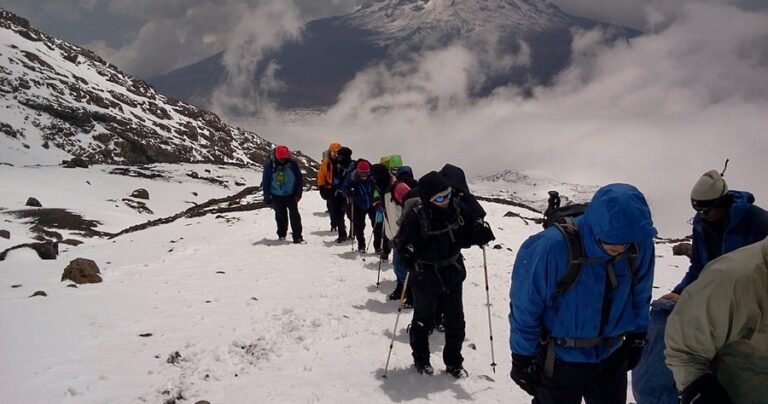
Mount Meru 4-Day Climb: The Complete Guide To Tanzania’s Hidden Peak 2026-2027
A deep look at the 4-day Mount Meru climb, covering the Momella route, altitude considerations, park logistics, and why this peak is the ultimate preparation for Kilimanjaro.
View package details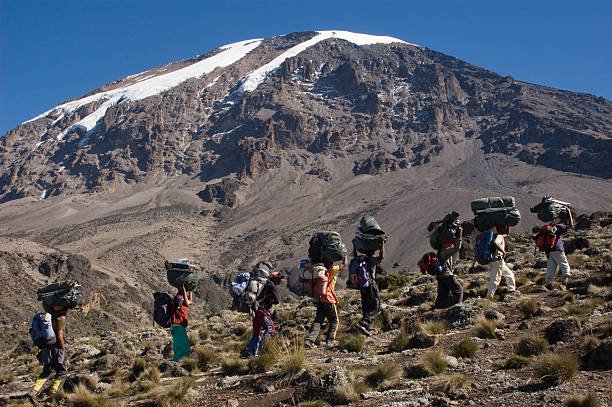
Mount Meru And Kilimanjaro Combo Trip : The Ultimate Acclimatization Strategy
Maximize your Tanzanian trekking success by combining Mount Meru and Kilimanjaro. Get expert planning advice for your 2027 expedition.
View package details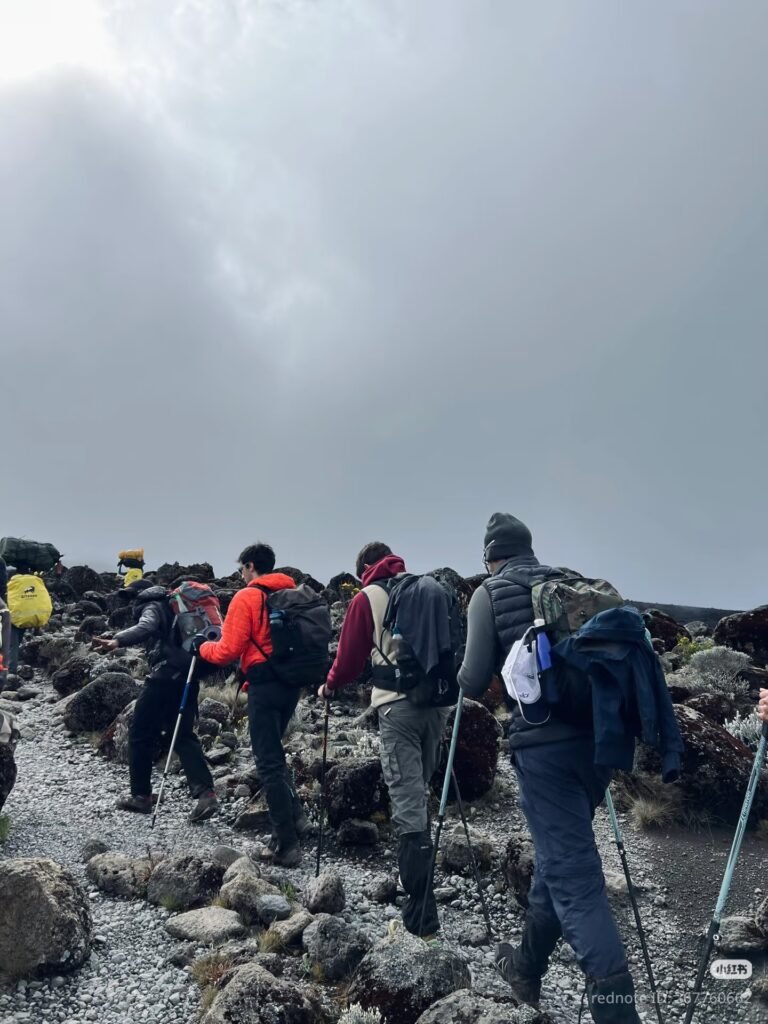
Kilimanjaro And Mount Meru Trekking Packages : Expert Guide 2027
A comprehensive guide for serious trekkers planning Kilimanjaro and Mount Meru climbs in 2027, detailing route choices, logistical considerations, and essential preparation advice.
View package detailsMount Meru Trekking Tours Tanzania – Prices & Dates 2027
- Mount Meru Trekking Tours Tanzania – Prices & Dates is explained with current 2027 planning, price, itinerary and booking information.
View package details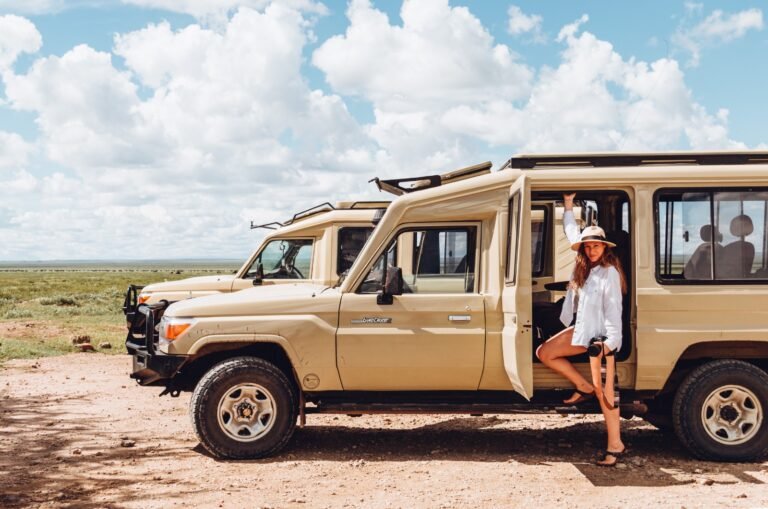
Nov 2, – 1 Day Lake Manyara Group Joining Safari: Plan & Logistics 2026
A practical guide to the November 2, 2026, group-joining safari to Lake Manyara. Learn about the logistics, the benefits of shared transport, and how to book your spot with Climb 4 Africa.
View package details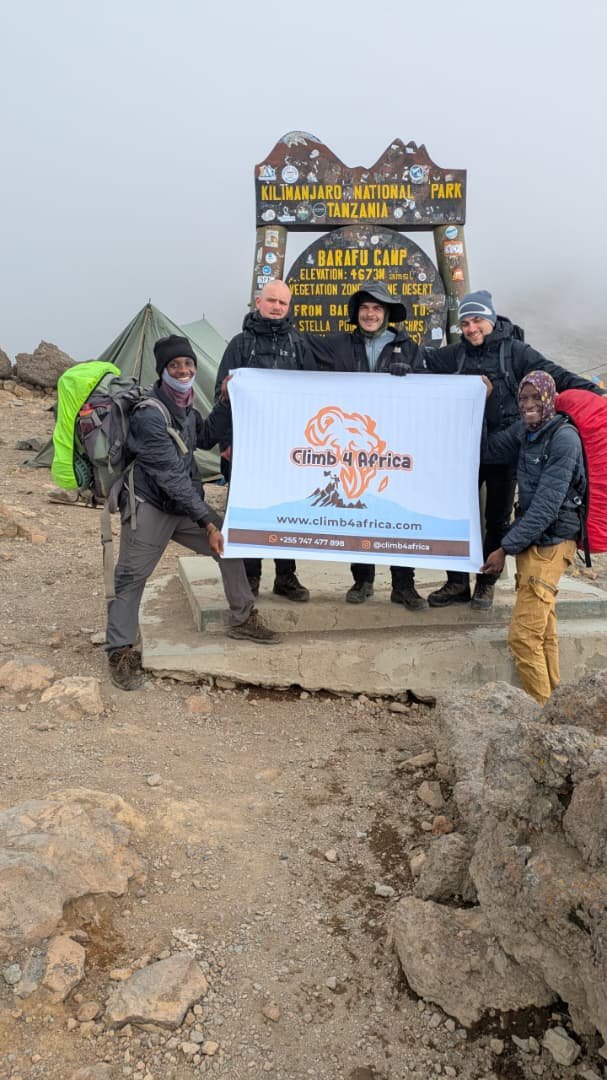
Kilimanjaro Climb : Guided Group Tours & Planning Guide 2026-2027
A deep look at planning your 2027 Kilimanjaro expedition. Learn why guided group tours are the preferred choice for safety, logistics, and shared camaraderie on the roof of Africa.
View package detailsKilimanjaro Group Climbing Tours : Join Scheduled Departures 2027
A guide for US travelers planning a Kilimanjaro climb in 2027, focusing on the logistical, financial, and social advantages of joining scheduled group departures.
View package detailsKilimanjaro Group Trekking Holidays 2027
- Kilimanjaro Group Trekking Holidays 2027 is explained with current 2027 planning, price, itinerary and booking information.
View package detailsKilimanjaro Climb August : Dates And Costs Planning Guide 2026-2027
Expert guide to planning a Kilimanjaro expedition in August 2027. We break down the logistics, cost factors, route choices, and seasonal weather patterns for your summit attempt.
View package details
Kilimanjaro January And February Climbing Tours 2027
Plan a Kilimanjaro climb in the dry season window of January–February 2027 with Climb 4 Africa. Learn route options, acclimatization tips, packing lists, and how to book wisely.
View package detailsCanada To Kilimanjaro Trekking : Your Complete Guide To Booking With Climb 4
A practical, expert guide for Canadians planning Kilimanjaro trekking in 2027 with Climb 4 Africa, covering routes, durations, and planning steps without pressure.
View package detailsClimb Kilimanjaro From New Zealand – Costs And Tour Options 2027
- Climb Kilimanjaro from New Zealand – Costs and Tour Options is explained with current 2027 planning, price, itinerary and booking information.
View package detailsNo related package matches those filters. Clear one or more filters to see the other topic-matched options.