Kilimanjaro + Mount Meru combination packages offer a remarkable two-peak climbing experience in Tanzania, ideal for those seeking a greater challenge and a comprehensive taste of the region’s majestic mountains. These combined treks typically involve climbing Mount Meru first, often as a warm-up and acclimatization climb, followed by the ascent of Kilimanjaro. Packages vary in duration, usually ranging from 10 to 18 days, and include guided climbs on both mountains, park fees, accommodation, meals during the trek, and transfers. Choosing a combination allows for deeper acclimatization, potentially increasing summit success rates on Kilimanjaro, and provides distinct trekking experiences, from Meru’s rugged crater to Kilimanjaro’s iconic ice-capped summit. Planning for 2026-2027 treks involves selecting routes for each mountain and confirming operator inclusions.
Understanding Kilimanjaro + Mount Meru Combination Treks
The allure of Tanzania’s mountains extends beyond its most famous peak, Kilimanjaro. Mount Meru, its imposing neighbor, offers a formidable challenge in its own right and a fantastic opportunity for acclimatization before tackling the Roof of Africa. Combination packages are designed for the ambitious trekker who wants more than just one summit. They represent a holistic approach to high-altitude trekking in the region, offering distinct environments, varied wildlife encounters, and a richer understanding of the Tanzanian landscape.
These combined itineraries are not simply two separate climbs strung together. They are thoughtfully constructed to leverage the benefits of ascending Meru before Kilimanjaro. This strategic sequencing aids significantly in acclimatization, a critical factor for success and safety on any high-altitude trek. By spending more days at progressively higher altitudes, your body has a better chance to adapt, reducing the risks associated with altitude sickness and improving your overall endurance for the main event.
When you consider a Kilimanjaro + Mount Meru combination package, you’re investing in a more profound mountain adventure. You’ll experience two unique ecosystems, from the dense forests and volcanic landscapes of Meru to the diverse climatic zones of Kilimanjaro, passing through rainforest, moorland, alpine desert, and arctic summit conditions. This dual ascent provides a more comprehensive high-altitude training ground, preparing you physically and mentally for the demands of Kilimanjaro’s summit bid.
For travelers planning their expeditions for 2026 and 2027, these combination treks are increasingly popular. They offer a more complete Tanzanian mountain experience and are often seen as a way to maximize the value and impact of a trip to the region. The planning stages for such an undertaking are crucial, involving careful consideration of routes, durations, and the specific inclusions offered by tour operators.
Why Choose a Kilimanjaro and Mount Meru Combination?
The decision to combine these two iconic Tanzanian peaks is driven by several compelling factors, each contributing to a more rewarding and successful trekking experience. It’s a strategic choice for those who want to push their limits and gain the most from their time in this magnificent part of Africa.
Enhanced Acclimatization and Summit Success
This is arguably the most significant advantage of a Kilimanjaro + Mount Meru combination package. Mount Meru, standing at 4,566 meters (14,980 feet), is often climbed first. This initial ascent serves as an excellent acclimatization period for the higher Kilimanjaro (5,895 meters / 19,341 feet). By spending several days at increasing altitudes on Meru, your body has more time to adjust to the lower oxygen levels. This process is vital for preventing or mitigating Acute Mountain Sickness (AMS). A well-acclimatized trekker is not only safer but also more likely to reach Kilimanjaro’s summit feeling stronger and more comfortable.
The physiological benefits of this staged ascent are substantial. Ascending Meru’s crater rim and summit allows your body to produce more red blood cells, improving oxygen transport. This preparatory phase can significantly reduce the physiological stress when you begin your Kilimanjaro climb. For trekkers targeting 2026-2027, understanding this acclimatization benefit is key to setting realistic expectations and maximizing your chances of achieving your summit goals.
Distinct Trekking Experiences
While both are volcanic mountains in Tanzania, Kilimanjaro and Mount Meru offer markedly different trekking environments. Mount Meru, part of Arusha National Park, is known for its dramatic landscapes, including sheer cliffs, a prominent crater, and a rich diversity of wildlife such as buffalo, elephants, and giraffes, especially in its lower reaches. The trek is often described as wilder and more challenging in its terrain, with steep ascents and descents.
Kilimanjaro, on the other hand, is a stratovolcano with a more gradual ascent over its various routes. Its appeal lies in its iconic status, its status as the highest free-standing mountain in the world, and its journey through distinct ecological zones, from lush rainforest to arid alpine desert and the glaciated summit zone. The sheer scale and the unique summit experience of Kilimanjaro are unparalleled.
A combination trek allows you to savor both these unique experiences. You’ll get the rugged, wildlife-rich, and technically challenging climb of Meru, followed by the grand, varied, and iconic expedition of Kilimanjaro. This duality provides a richer, more varied adventure than a single-mountain trek.
Extended Time in a Stunning Region
Opting for a Kilimanjaro + Mount Meru combination package naturally extends your stay in Tanzania, allowing for a more in-depth experience. This extra time can be invaluable not just for the climbs themselves but also for appreciating the surrounding landscapes, local culture, and perhaps even incorporating other activities like wildlife safaris or visits to Zanzibar. Many trekkers find that the extended duration provides a more relaxed pace, reducing the feeling of being rushed and allowing for greater enjoyment of the entire journey.
For those planning for 2026 or 2027, booking a longer, combined trip means you can fully appreciate the beauty of northern Tanzania, from the views of Kilimanjaro and Meru from afar to the vibrant flora and fauna encountered on the trails.
Greater Value and Comprehensive Itinerary
While a combination trek naturally costs more than climbing just one mountain, it can offer greater value in terms of the overall experience. Operators often bundle services for both climbs, which can sometimes be more cost-effective than booking two separate trips. Furthermore, these packages typically include all essential services, such as park fees, permits, guides, porters, cooks, meals, and transfers, providing a comprehensive and hassle-free itinerary. This all-inclusive approach simplifies planning and allows you to focus on the adventure itself.
Popular Routes for Kilimanjaro and Mount Meru Combination Treks
When you opt for a Kilimanjaro + Mount Meru combination package, you’re not just choosing to climb two mountains; you’re also selecting the specific routes that will define your journey on each. The choice of route significantly impacts the difficulty, scenery, acclimatization profile, and overall experience. For Mount Meru, the standard and most recommended route is the one that departs from Arusha National Park’s Momella Gate. For Kilimanjaro, several popular routes can be combined with Meru, each with its own advantages.
Mount Meru: The Momella Route (Standard)
The ascent of Mount Meru is almost universally done via the Momella Route, starting from Momella Gate in Arusha National Park. This route is typically completed over 3 or 4 days.
- Duration: 3-4 days is standard. A 3-day climb is faster but less ideal for acclimatization. A 4-day itinerary allows for a more relaxed pace and better acclimatization.
- Scenery: The route traverses diverse landscapes, beginning in savannah, moving through montane forest, then onto heather and moorland, and finally into an alpine desert and volcanic terrain. The views of the crater and the surrounding plains, including Kilimanjaro on clear days, are spectacular.
- Difficulty: It’s a steep and challenging climb, particularly the final push to the summit from Rhino Point. The terrain can be rugged, and some sections involve scrambling.
- Wildlife: Arusha National Park is home to a variety of wildlife, including buffalo, giraffes, zebras, and various antelope species. You’ll likely encounter them in the lower sections of the park. Armed rangers often accompany groups for safety due to wildlife.
- Acclimatization Benefit: Reaching Meru’s summit (4,566m) provides excellent preparation for Kilimanjaro.
Kilimanjaro Routes for Combination Packages
When combining with Mount Meru, trekkers usually opt for longer routes on Kilimanjaro to maximize acclimatization and enjoyment. The most popular choices for combination packages are:
- Machame Route (6-7 days): Often called the ‘Whiskey Route’, Machame is popular for its scenic beauty and good acclimatization profile due to its ‘climb high, sleep low’ approach. It’s a challenging trek but offers high success rates. A 7-day Machame trek is highly recommended for combination climbers.
- Lemosho Route (7-8 days): Considered one of the most beautiful routes, Lemosho offers stunning scenery and excellent acclimatization opportunities. It’s a longer route, typically 7 or 8 days, which is ideal after Meru.
- Northern Circuit (9-10 days): This is the longest and arguably the best route for acclimatization. It circles the mountain, offering incredible views and a slower ascent, making it perfect for those who have already climbed Meru and want the highest possible chance of summit success on Kilimanjaro.
- Marangu Route (5-6 days): While the shortest, Marangu is generally not recommended for combination treks due to its rapid ascent profile and lower acclimatization effectiveness. However, some operators might offer it for those with specific time constraints.
For those planning their 2026-2027 expeditions, selecting the Kilimanjaro + Mount Meru combination package with routes like the 7-day Machame or 8-day Lemosho on Kilimanjaro, following the standard 4-day Meru climb, will provide a robust 11-12 day trekking itinerary. This offers a fantastic balance of challenge, acclimatization, and scenic exploration.
Choosing Your Kilimanjaro Route After Meru
Consider this: After successfully climbing Mount Meru, your body will be more accustomed to altitude. However, Kilimanjaro is significantly higher and presents its own set of challenges. Opting for a longer Kilimanjaro route (7+ days) after Meru is generally the most sensible choice. It ensures you continue to acclimatize effectively, enjoy the journey more, and significantly improve your odds of reaching Uhuru Peak. The Northern Circuit offers the ultimate in acclimatization and scenery, while Machame and Lemosho provide excellent, highly scenic alternatives.
Typical Itinerary Structure for Kilimanjaro + Mount Meru Packages
A well-structured Kilimanjaro + Mount Meru combination package is crucial for a successful and enjoyable adventure. These itineraries are designed to build acclimatization, manage logistics, and allow for rest and recovery between the two demanding ascents. While specific durations can vary, a common framework emerges that prioritizes safety and experience. Here’s a look at how a typical combination trek might unfold:
Phase 1: Arrival and Mount Meru Acclimatization Climb
Day 1: Arrival in Moshi/Arusha & Pre-Trek Briefing
- Arrive at Kilimanjaro International Airport (JRO).
- Transfer to your hotel in Moshi or Arusha.
- Meet your expedition leader and guide for a comprehensive briefing on the upcoming trek, including route details, safety protocols, and gear checks.
- Final opportunity to purchase or rent any last-minute trekking gear.
Day 2: Transfer to Arusha National Park & Start Meru Climb
- After breakfast, drive to Momella Gate (Arusha National Park).
- Complete park entry formalities. You’ll be accompanied by an armed park ranger for the initial part of the trek due to wildlife.
- Begin your trek through the montane forest.
- Reach Miriakamba Hut (approx. 2,100m) for the night.
Day 3: Miriakamba Hut to Saddle Hut
- Trek through the forest and then into heather and moorland zones.
- The trail becomes steeper.
- Arrive at Saddle Hut (approx. 3,500m), situated between the two peaks of Meru.
- Optional short acclimatization hike to Little Meru (3,800m) in the afternoon.
Day 4: Summit Mount Meru & Descend to Miriakamba Hut
- An early start (around 2 AM) for the summit bid.
- The path is steep and challenging, involving scree and rock.
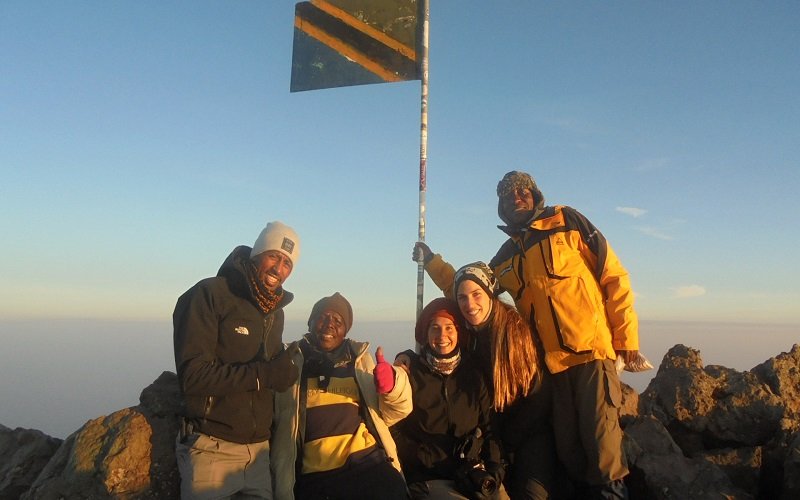
- Reach Socialist Peak (4,566m) for sunrise, with stunning views of Kilimanjaro.
- Descend back to Saddle Hut for a brief rest, then continue descending to Miriakamba Hut.
n
Day 5: Descend Meru & Transfer to Moshi/Arusha
- Complete the descent from Miriakamba Hut to Momella Gate.
- Meet your vehicle and transfer back to your hotel in Moshi or Arusha.
- Rest and recover. This is a crucial recovery day before the main event.
Phase 2: Kilimanjaro Climb
The Kilimanjaro portion will follow a standard route itinerary, for example, a 7-day Machame Route:
Day 6: Transfer to Machame Gate & Trek to Machame Camp
- After breakfast, drive to Machame Gate (approx. 1,800m).
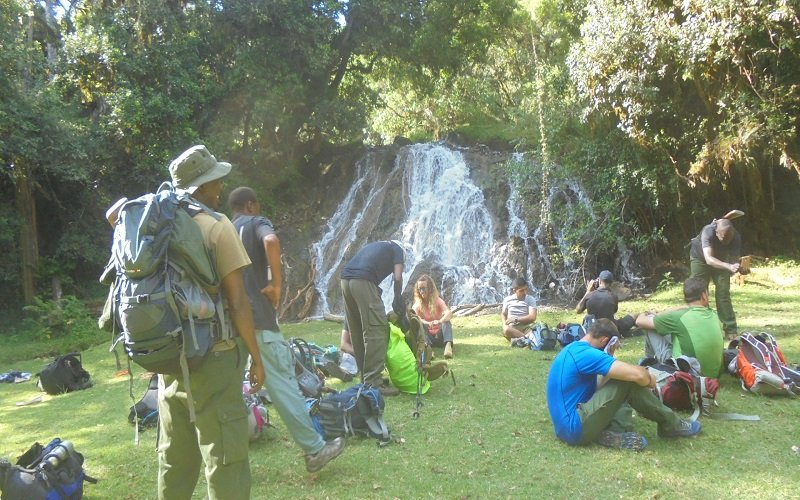
- Begin your trek through the rainforest.
- Hike to Machame Camp (approx. 3,000m).
Day 7: Machame Camp to Shira 2 Camp
- Ascend through moorland, with increasingly open views.
- Reach Shira 2 Camp (approx. 3,850m).
Day 8: Shira 2 Camp to Barranco Camp
- A day of acclimatization, involving hiking to Lava Tower (4,600m) and descending to Barranco Camp (approx. 3,950m). This ‘climb high, sleep low’ strategy is key.
Day 9: Barranco Camp to Karanga Camp
- Cross the formidable Barranco Wall, a challenging but rewarding scramble.
- Continue to Karanga Camp (approx. 4,200m).
Day 10: Karanga Camp to Barafu Camp
- Trek through alpine desert, with Kilimanjaro looming larger.
- Reach Barafu Camp (approx. 4,650m), the base camp for the summit push.
- Rest and prepare for the midnight summit attempt.
Day 11: Summit Day: Barafu Camp to Uhuru Peak & Descend to Mweka Camp
- Start the summit climb around midnight.
- Ascend through the night, reaching Stella Point (5,756m) and then Uhuru Peak (5,895m) at sunrise.
- Begin the long descent to Mweka Camp (approx. 3,100m), passing Barafu Camp.
Day 12: Mweka Camp to Mweka Gate & Transfer to Hotel
- Descend through the rainforest to Mweka Gate.
- Receive your summit certificates.
- Transfer back to your hotel in Moshi for a well-deserved rest and celebration.
Day 13: Departure or Optional Safari/Zanzibar
- Transfer to JRO for your departure, or begin an optional safari or Zanzibar holiday.
This example shows a 13-day package. Longer Kilimanjaro routes like Lemosho (8 days) or Northern Circuit (9-10 days) would extend the total trip duration to 14-15 days or 16-17 days respectively, offering even better acclimatization for those planning for 2026-2027.
A Note on Itinerary Flexibility
Flexibility is key: While this is a typical structure for a Kilimanjaro + Mount Meru combination package, operators like Climb 4 Africa can customize itineraries. If you have specific time constraints or prefer a different Kilimanjaro route, discuss your options. For instance, a 3-day Meru climb might be offered, but it’s strongly advised against for acclimatization. Always prioritize longer, well-paced itineraries for both mountains, especially when combining them.
What’s Included in Kilimanjaro + Mount Meru Packages?
When comparing Kilimanjaro + Mount Meru combination packages, understanding what is included is paramount. Operators aim to provide a comprehensive service to ensure a safe, comfortable, and successful trek. While specifics can vary, here are the common inclusions:
Core Trekking Services
- Park and Camping/Hut Fees: All entrance fees for Kilimanjaro National Park and Arusha National Park, as well as camping fees or hut accommodation fees for both mountains. These are significant costs and a major part of the package price.
- Guides and Crew: Professional, licensed, and experienced mountain guides for both Meru and Kilimanjaro. This includes assistant guides, cooks, and porters. The number of crew members is often proportional to the group size, ensuring adequate support.
- Meals: All meals during the treks on both mountains. This typically includes breakfast, lunch, and dinner, prepared by your expedition cooks. Meals are usually nutritious and designed to provide energy for high-altitude trekking.
- Accommodation: Accommodation in mountain huts on Mount Meru (Miriakamba Hut, Saddle Hut) and camping on Kilimanjaro (unless on the Marangu route, which uses huts). This also includes accommodation in hotels before and after the climbs.
- Water: Boiled or purified drinking water provided daily on the trek.
Logistics and Support
- Transfers: All necessary transfers, including airport pick-up and drop-off, transfers to and from the mountain gates, and transport back to your hotel.
- Safety Equipment: Provision of emergency equipment such as first-aid kits, and often, supplementary oxygen for Kilimanjaro climbs. Many operators also provide pulse oximeters for monitoring oxygen saturation.
- Trekking Poles: Often provided by the operator, though some trekkers prefer to bring their own.
- Mosquito Nets: Provided for sleeping in huts or tents.
Pre- and Post-Trek Services
- Briefings: Pre-trek briefings to prepare you for the climbs.
- Accommodation: Hotel accommodation before the first climb starts and after the final descent, usually on a bed and breakfast basis.
What’s Typically Excluded?
It’s equally important to know what is not included, as these are additional costs you’ll need to budget for:
- Flights: International airfare to and from Kilimanjaro International Airport (JRO).
- Visas: Tanzanian visa fees.
- Travel Insurance: Comprehensive travel and medical insurance, including high-altitude trekking and emergency evacuation coverage. This is mandatory for most operators.
- Personal Gear: Sleeping bags, down jackets, waterproofs, hiking boots, and other personal clothing and equipment. Many operators offer rental options for some items.
- Tips: Gratuities for guides, porters, and cooks. This is a significant part of the crew’s income and should be budgeted for.
- Personal Expenses: Drinks (apart from water), snacks, laundry, phone calls, and souvenirs.
- Pre- or Post-Trek Activities: Safaris, Zanzibar tours, or additional hotel nights not specified in the package.
- Vaccinations and Medications: Costs associated with required vaccinations or personal medications.
When planning for 2026-2027, always request a detailed list of inclusions and exclusions from your chosen operator to avoid any surprises. A reputable operator will be transparent about these details.
Pricing and Budget Considerations for Combination Treks
Pricing for Kilimanjaro + Mount Meru combination packages can vary significantly based on several factors. Understanding these elements will help you budget effectively for your 2026-2027 expedition.
Factors Influencing Price
- Duration: Longer treks, especially those using extended Kilimanjaro routes (like the Northern Circuit), will naturally be more expensive due to more days of park fees, crew wages, and food.
- Kilimanjaro Route Choice: Routes like the Northern Circuit and Lemosho are more expensive than shorter routes like Machame (though still recommended over Marangu for combinations).
- Operator Tier: Operators range from budget to luxury. Budget operators may cut corners on crew welfare, equipment, or safety standards, while premium operators offer higher levels of comfort, better food, more experienced guides, and superior safety protocols.
- Group Size: Private group treks are more expensive per person than joining a scheduled group departure.
- Inclusions: Packages that include more items (e.g., gear rental, pre-trek hotel nights, post-trek celebration meals) will be priced higher.
- Season: Peak seasons (January-March, June-October) often have slightly higher prices than shoulder or low seasons.
Typical Price Range (Estimates for 2026-2027)
It’s difficult to give exact figures without specific package details, but generally, expect Kilimanjaro + Mount Meru combination packages to be priced higher than a single Kilimanjaro climb. A combination trek, typically 10-15 days, could range from $2,800 to $6,000+ per person for a reputable operator.
- Budget Operators: Might start from around $2,500 – $3,500, but carefully scrutinize their safety records, crew welfare, and what’s truly included.
- Mid-Range Operators: Typically range from $3,500 – $5,000, offering a good balance of quality, safety, and service.
- Premium Operators: Can range from $5,000 upwards, providing exceptional service, comfort, and the highest safety standards.
These figures are indicative and do not include international flights, visas, insurance, or personal expenses like tips.
Additional Costs to Budget For
Beyond the package price, budget for:
- International Flights: Variable based on origin and booking time.
- Tanzanian Visa: Approximately $50 – $100 USD.
- Travel Insurance: Varies, but expect $150 – $300+ USD for comprehensive coverage.
- Tips for Crew: A significant expense, typically $250 – $400+ USD per trekker for the entire Kilimanjaro climb, and an additional $100 – $150+ USD for the Meru climb. Operators will provide recommended tipping guidelines.
- Personal Gear: Purchase or rental costs if you don’t own the necessary equipment.
- Pre/Post Trek Expenses: Additional hotel nights, meals, drinks, souvenirs, and optional activities.
For the most accurate pricing for your 2026 or 2027 expedition, it is best to request detailed quotes from operators like Climb 4 Africa, specifying your preferred Kilimanjaro route and desired dates.
Budgeting for Your 2026-2027 Combination Trek
Key Takeaway: Don’t choose solely based on the lowest price. Safety, crew welfare, and acclimatization protocols are paramount. A slightly higher investment for a reputable operator offering a well-structured Kilimanjaro + Mount Meru combination package is often the wisest decision for a successful and safe climb. Always ask for a clear breakdown of costs and what’s included.
Preparing for Your Kilimanjaro and Mount Meru Expedition
Embarking on a Kilimanjaro + Mount Meru combination package requires thorough preparation. Combining two significant climbs means a greater physical demand and a longer time commitment. Here’s how to get ready:
Physical Training
Cardiovascular Fitness: This is crucial. Engage in regular aerobic activities like running, cycling, swimming, or hiking for at least 3-4 times a week. Focus on endurance. Aim for sessions of 60-90 minutes.
Strength Training: Focus on lower body strength (squats, lunges, step-ups) and core strength. This will help you carry a daypack and navigate steep ascents and descents.
Hiking Practice: The most important training is hiking, ideally with a weighted backpack. Practice on varied terrain, including hills and stairs, to simulate mountain conditions. Aim for at least one long hike (4-6 hours) per week in the months leading up to your trip. If possible, do back-to-back long hikes on consecutive days to simulate multi-day trekking fatigue.
Acclimatization Training: While you can’t fully replicate high altitude, your physical conditioning will help your body cope better. The Meru climb is your primary acclimatization tool.
Gear and Equipment
Having the right gear is essential for comfort and safety. For a Kilimanjaro + Mount Meru combination package, you’ll need items for varied conditions:
- Layering System: Base layers (moisture-wicking), mid-layers (fleece or down jacket), and an outer shell (waterproof and windproof jacket and pants).
- Footwear: Broken-in, waterproof hiking boots are non-negotiable. Bring comfortable camp shoes or sandals for evenings.
- Headwear: Warm hat, sun hat, and balaclava or neck gaiter.
- Handwear: Warm gloves or mittens, and lighter liner gloves.
- Sleeping Bag: A 4-season sleeping bag rated to at least -10°C (15°F) is recommended.
- Backpack: A comfortable daypack (30-40L) for essentials during the trek, and a larger duffel bag (80-100L) for porters to carry.
- Trekking Poles: Highly recommended for stability and reducing strain on joints.
- Headlamp: Essential for summit night and camp.
- Sun Protection: High SPF sunscreen, sunglasses, and lip balm.
- Hydration: Water bottles or hydration reservoir (at least 3 liters capacity).
Many operators offer rental services for items like sleeping bags, down jackets, and trekking poles. Confirm this with your operator when booking your 2026-2027 trek.
Health and Vaccinations
Consult your doctor or a travel clinic 6-8 weeks before your trip regarding:
- Recommended Vaccinations: Including Yellow Fever (required for entry if coming from certain countries), Hepatitis A & B, Typhoid, and Tetanus.
- Malaria Prevention: Tanzania is a malaria risk area. Discuss prophylaxis options with your doctor.
- Altitude Sickness Medication: Diamox (acetazolamide) is often prescribed to aid acclimatization. Discuss its use and potential side effects with your doctor.
- Personal First-Aid Kit: Include any personal medications, pain relievers, blister treatment, and antiseptic wipes.
Mental Preparation
High-altitude trekking is as much a mental challenge as a physical one. Understand the risks of altitude sickness, be prepared for challenging conditions (cold, wind, fatigue), and maintain a positive attitude. Breaking down the climb into manageable stages and focusing on one day at a time can be very effective. The camaraderie with your guides and fellow trekkers is also a significant morale booster.
Choosing the Right Operator for Your Combination Trek
Selecting the right tour operator is critical for the success and safety of your Kilimanjaro + Mount Meru combination package. With many companies offering these treks, it’s important to do your due diligence, especially when planning for 2026-2027.
Key Factors to Consider
- Safety Standards: This is paramount. Look for operators who prioritize safety with well-trained guides, adequate emergency oxygen supplies, comprehensive first-aid kits, and clear emergency evacuation procedures. Ensure they have a good safety record and follow park regulations.
- Guide Qualifications: Kilimanjaro and Meru guides must be licensed and experienced. Inquire about their training, experience with high-altitude treks, and specific knowledge of AMS symptoms and treatment.
- Crew Welfare: Reputable operators treat their porters and guides well, providing fair wages, adequate food, appropriate gear, and ensuring they are not overloaded. This ethical approach often translates to better service and crew morale.
- Acclimatization Philosophy: Ensure the operator’s itineraries are designed with proper acclimatization in mind, using longer routes and the ‘climb high, sleep low’ principle, especially for Kilimanjaro.
- Group Size and Type: Decide if you prefer a private climb or joining a scheduled group. Smaller group sizes generally offer a more personalized experience.
- Inclusions and Exclusions: A transparent breakdown of what’s included in the price is essential for budgeting.
- Reviews and Reputation: Check independent reviews on platforms like TripAdvisor, and ask for references if possible.
- Communication: A responsive and knowledgeable operator who answers your questions promptly and thoroughly is a good sign.
Why Choose Climb 4 Africa?
Climb 4 Africa specializes in Kilimanjaro climbs and Tanzanian adventures. As a local expert, they offer:
- Local Expertise: Deep understanding of Kilimanjaro and Mount Meru, local conditions, and the best practices for trekking in Tanzania.
- Safety Focus: Commitment to high safety standards, well-trained guides, and necessary equipment.
- Ethical Crew Treatment: Emphasis on fair treatment and support for their guides and porters.
- Customizable Packages: Ability to tailor Kilimanjaro + Mount Meru combination packages to your specific needs, including route preferences and dates for 2026-2027.
- Comprehensive Support: From initial inquiry through to post-trek arrangements, providing practical local support.
When you’re ready to plan your adventure, contacting Climb 4 Africa is a direct step towards a well-organized and safe expedition. They can provide detailed itineraries, pricing, and answer all your questions regarding your Kilimanjaro + Mount Meru combination package.
Ready to Plan Your 2026-2027 Expedition?
For a personalized Kilimanjaro + Mount Meru combination package tailored to your fitness, time, and budget, reach out to the experts at Climb 4 Africa. They understand the nuances of combining these two magnificent peaks and can help you craft an unforgettable Tanzanian mountain adventure. Whether you’re aiming for 2026 or 2027, early planning is always beneficial.
Contact Climb 4 Africa:
- WhatsApp: +255 747 477 898
- Email: climb4africa@gmail.com
- Website: climb-4-africa.com
Discuss your dream trek, ask about available dates, and get a personalized quote. They are ready to guide you through every step of the planning process.
Frequently Asked Questions about Kilimanjaro + Mount Meru Combinations
Here are some common questions travelers have when considering a Kilimanjaro + Mount Meru combination package.
Is it safe to climb both Kilimanjaro and Mount Meru?
Yes, it is safe when undertaken with a reputable operator who prioritizes safety and acclimatization. Mount Meru is often climbed first, serving as an excellent acclimatization climb for Kilimanjaro. Proper training, appropriate gear, and following your guide’s instructions are crucial for safety on both mountains. Operators like Climb 4 Africa have strict safety protocols in place.
What is the best time of year for a combination trek?
The best times are generally the dry seasons: January to March and June to October. These periods offer the clearest skies and most stable weather. However, combination treks can be undertaken year-round, with operators managing the risks associated with shoulder seasons. For 2026-2027, these dry windows remain the most popular and predictable for good weather.
How physically demanding is a combination trek?
It is very demanding. You are essentially undertaking two significant high-altitude treks back-to-back. While Meru offers acclimatization, both mountains require excellent cardiovascular fitness, strength, and mental resilience. A structured training program is essential, focusing on endurance hiking with a pack.
What is the average duration of a combination package?
A typical Kilimanjaro + Mount Meru combination package will range from 10 to 15 days of trekking and associated logistics, plus international travel days. This includes travel time, briefings, the Meru climb (3-4 days), recovery/transfer time, the Kilimanjaro climb (6-9 days depending on the route), and final transfers.
Can I climb Kilimanjaro first, then Meru?
While technically possible, it is generally not recommended. Climbing Meru first provides crucial acclimatization for Kilimanjaro. Climbing Kilimanjaro first means you won’t have the benefit of Meru’s altitude exposure to prepare you for the higher peak. Most combination packages are structured with Meru as the initial climb.
What gear do I need for both mountains?
The gear requirements are similar for both climbs but may be more extensive for Kilimanjaro due to its greater altitude range and varied ecological zones. You’ll need a robust layering system, waterproofs, sturdy hiking boots, a warm sleeping bag, trekking poles, and a good headlamp. Operators usually provide a detailed packing list.
How much should I budget for tips?
Tipping is customary and a significant part of the crew’s income. For a combined trek, budget approximately $350 – $550+ USD per person for tips for the entire expedition (covering guides, assistant guides, cooks, and porters for both mountains). Your operator will provide specific guidelines and recommended amounts.
What if I can’t complete the trek?
Safety is always the priority. If you experience severe altitude sickness or injury, your guide will assess the situation and recommend evacuation if necessary. Comprehensive travel insurance with emergency evacuation coverage is mandatory for this reason. Reputable operators have protocols for dealing with such situations.
Planning a Kilimanjaro + Mount Meru combination package for 2026 or 2027 is an exciting prospect. By understanding the routes, inclusions, costs, and preparation involved, you can make informed decisions and start an incredible adventure with confidence.
Next Steps: Booking Your Kilimanjaro + Mount Meru Combination Package
Having explored the intricacies of Kilimanjaro + Mount Meru combination packages, you’re now well-equipped to take the next step in planning your ultimate Tanzanian mountain adventure for 2026 or 2027. This dual-peak expedition offers an unparalleled challenge and a deeply rewarding experience, combining the unique landscapes and demands of two of Africa’s most magnificent mountains.
The key to a successful and enjoyable trek lies in choosing the right partner. Operators like Climb 4 Africa, with their extensive local knowledge and commitment to safety and client satisfaction, are ideally positioned to help you craft the perfect itinerary. They understand the importance of acclimatization, ethical crew treatment, and providing comprehensive support throughout your journey.
When you contact Climb 4 Africa, be ready to discuss:
- Your preferred travel dates for 2026 or 2027.
- Your desired Kilimanjaro route (e.g., Machame, Lemosho, Northern Circuit).
- Your current fitness level and any prior high-altitude experience.
- Your budget considerations.
They will work with you to design a package that aligns with your goals, ensuring that your Kilimanjaro + Mount Meru combination package is not just a trek, but a truly memorable and successful expedition. Don’t hesitate to ask detailed questions about their safety protocols, crew welfare policies, and what makes their approach unique.
Embarking on this extraordinary adventure is a significant undertaking, and partnering with an experienced and dedicated operator ensures peace of mind. Climb 4 Africa is ready to guide you from initial inquiry to summit celebration.
For a personalized quote and to begin planning your Kilimanjaro + Mount Meru combination package, reach out today:
- WhatsApp: +255 747 477 898
- Email: climb4africa@gmail.com
- Website: climb-4-africa.com
Your journey to conquering two of Tanzania’s majestic peaks awaits. Let Climb 4 Africa help you make it a reality.
“,
“faq_schema”: [
{
“question”: “Is it safe to climb both Kilimanjaro and Mount Meru?”,
“answer”: “Yes, it is safe when undertaken with a reputable operator who prioritizes safety and acclimatization. Mount Meru is often climbed first, serving as an excellent acclimatization climb for Kilimanjaro. Proper training, appropriate gear, and following your guide’s instructions are crucial for safety on both mountains. Operators like Climb 4 Africa have strict safety protocols in place.”
},
{
“question”: “What is the best time of year for a Kilimanjaro + Mount Meru combination trek?”,
“answer”: “The best times are generally the dry seasons: January to March and June to October. These periods offer the clearest skies and most stable weather. However, combination treks can be undertaken year-round, with operators managing the risks associated with shoulder seasons. For 2026-2027, these dry windows remain the most popular and predictable for good weather.”
},
{
“question”: “How physically demanding is a Kilimanjaro and Mount Meru combination trek?”,
“answer”: “It is very demanding. You are essentially undertaking two significant high-altitude treks back-to-back. While Meru offers acclimatization, both mountains require excellent cardiovascular fitness, strength, and mental resilience. A structured training program is essential, focusing on endurance hiking with a pack.”
},
{
“question”: “What is the average duration of a Kilimanjaro + Mount Meru combination package?”,
“answer”: “A typical Kilimanjaro + Mount Meru combination package will range from 10 to 15 days of trekking and associated logistics, plus international travel days. This includes travel time, briefings, the Meru climb (3-4 days), recovery/transfer time, the Kilimanjaro climb (6-9 days depending on the route), and final transfers.”
},
{
“question”: “Can I climb Kilimanjaro first, then Meru?”,
“answer”: “While technically possible, it is generally not recommended. Climbing Meru first provides crucial acclimatization for Kilimanjaro. Climbing Kilimanjaro first means you won’t have the benefit of Meru’s altitude exposure to prepare you for the higher peak. Most combination packages are structured with Meru as the initial climb.”
},
{
“question”: “What gear do I need for both mountains?”,
“answer”: “The gear requirements are similar for both climbs but may be more extensive for Kilimanjaro due to its greater altitude range and varied ecological zones. You’ll need a robust layering system, waterproofs, sturdy hiking boots, a warm sleeping bag, trekking poles, and a good headlamp. Operators usually provide a detailed packing list.”
},
{
“question”: “How much should I budget for tips on a combination trek?”,
“answer”: “Tipping is customary and a significant part of the crew’s income. For a combined trek, budget approximately $350 – $550+ USD per person for tips for the entire expedition (covering guides, assistant guides, cooks, and porters for both mountains). Your operator will provide specific guidelines and recommended amounts.
Check Availability for Kilimanjaro + Mount Meru Combination Packages 2026-2027
Ready to compare dates, prices, and the best option for your group? Send the package name and travel month so the team can reply with a clear quote, availability, and what is included.
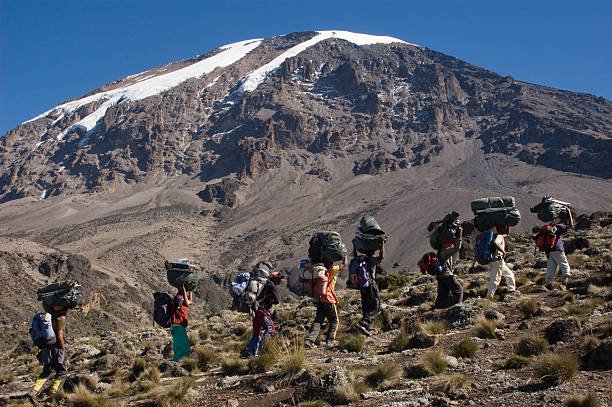
Mount Meru And Kilimanjaro Combo Trip : The Ultimate Acclimatization Strategy
Maximize your Tanzanian trekking success by combining Mount Meru and Kilimanjaro. Get expert planning advice for your 2027 expedition.
View package details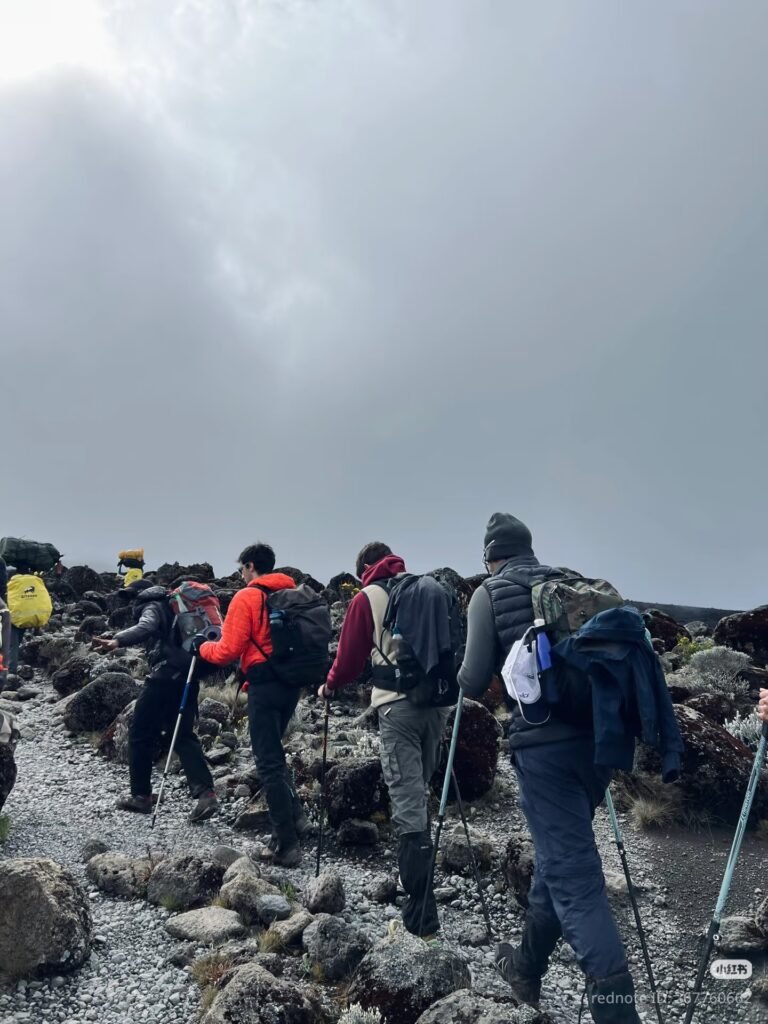
Kilimanjaro And Mount Meru Trekking Packages : Expert Guide 2027
A comprehensive guide for serious trekkers planning Kilimanjaro and Mount Meru climbs in 2027, detailing route choices, logistical considerations, and essential preparation advice.
View package details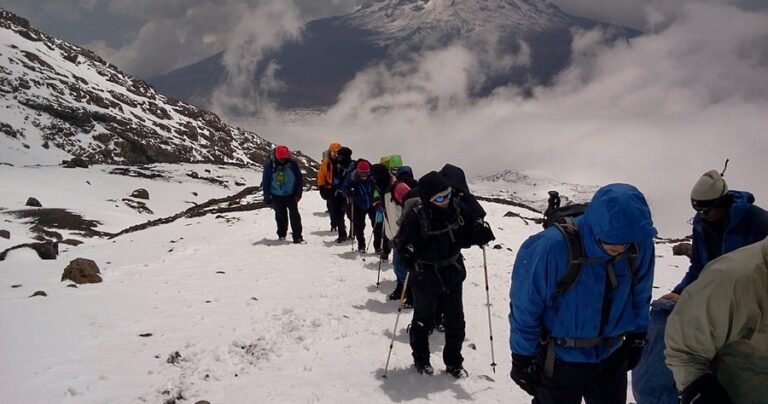
Mount Meru 4-Day Climb: The Complete Guide To Tanzania’s Hidden Peak 2026-2027
A deep look at the 4-day Mount Meru climb, covering the Momella route, altitude considerations, park logistics, and why this peak is the ultimate preparation for Kilimanjaro.
View package detailsMount Meru Trekking Tours Tanzania – Prices & Dates 2027
- Mount Meru Trekking Tours Tanzania – Prices & Dates is explained with current 2027 planning, price, itinerary and booking information.
View package detailsMount Kilimanjaro Guided Tours : Planning Your Trek From The Usa 2027
A comprehensive guide for US travelers planning a Kilimanjaro expedition in 2027, focusing on route selection, local operator logistics, and travel preparation.
View package details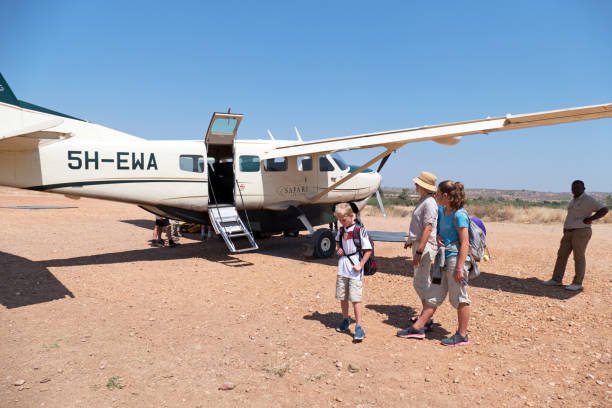
Kilimanjaro Airport To Zanzibar Flights: Ticket Prices & Airlines 2026-2027
A practical guide to flying from Kilimanjaro International Airport (JRO) to Zanzibar, covering airline choices, baggage logistics for climbers, and how to book your connection.
View package details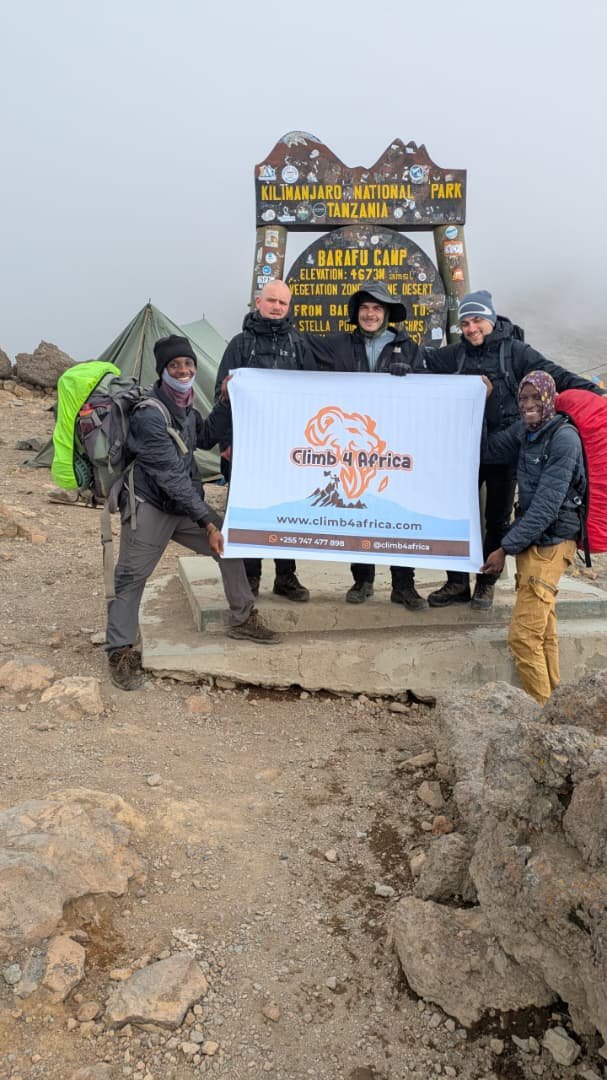
Kilimanjaro Climb August : Dates And Costs Planning Guide 2026-2027
Expert guide to planning a Kilimanjaro expedition in August 2027. We break down the logistics, cost factors, route choices, and seasonal weather patterns for your summit attempt.
View package details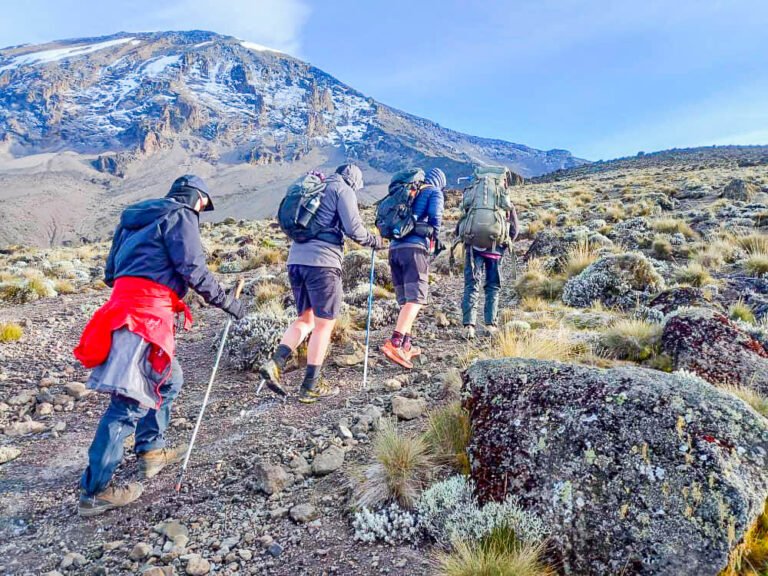
Climbing Kilimanjaro : Prices, Dates, And Routes 2026-2027
A comprehensive guide to planning your 2027 Kilimanjaro expedition, covering route choices, cost factors, and the essential logistics for a successful summit.
View package details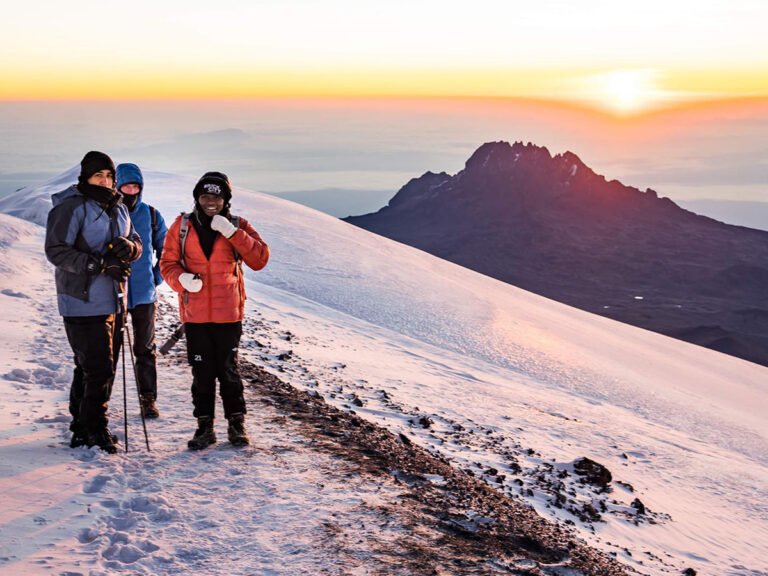
Kilimanjaro Machame Route 7 Days: A Practical Guide To Itinerary And Costs
A deep look at the 7-day Machame Route on Kilimanjaro. Understand the itinerary, why the extra day matters for your summit success, and how to plan your 2026-2027 expedition.
View package detailsKilimanjaro Climb : Guided Group Tours & Planning Guide 2026-2027
A deep look at planning your 2027 Kilimanjaro expedition. Learn why guided group tours are the preferred choice for safety, logistics, and shared camaraderie on the roof of Africa.
View package details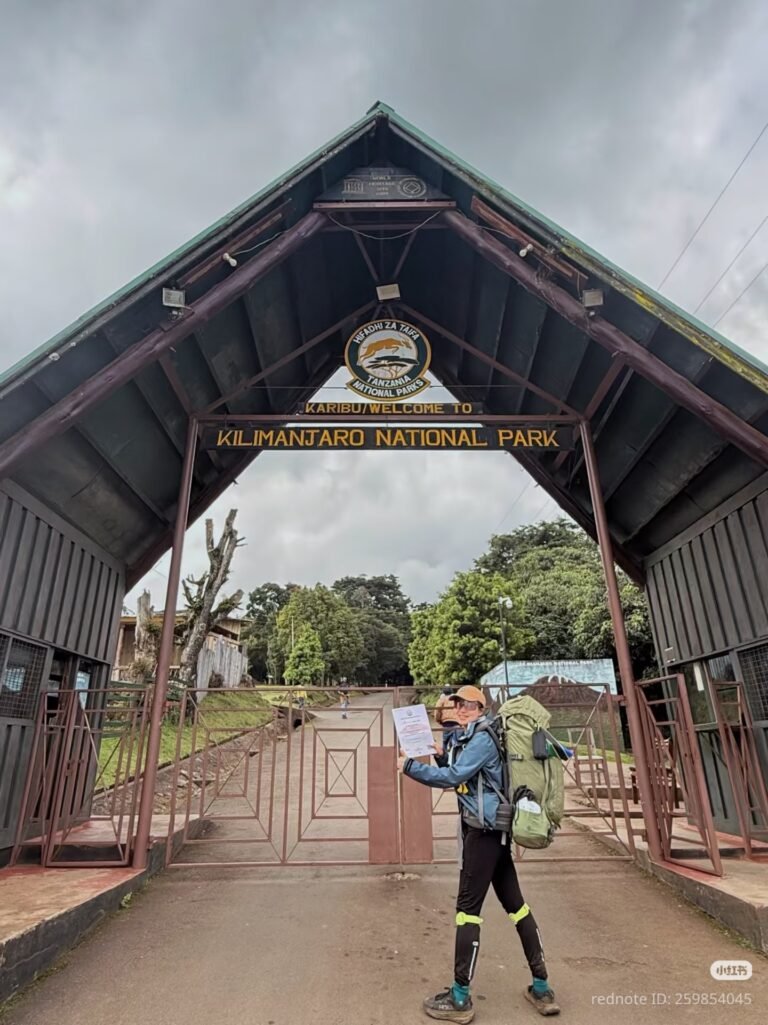
Kilimanjaro And Serengeti Safari Holiday : Your Ultimate Tanzania Adventure
Discover how to combine the challenge of climbing Kilimanjaro with the majesty of the Serengeti safari in 2027. Practical advice for planning your perfect Tanzanian journey.
View package details
Ireland — Book Kilimanjaro Trekking 2027
A practical, field-guide style guide for Irish travelers planning Kilimanjaro trekking in 2027 with Climb 4 Africa, covering routes, planning, inclusions, and booking steps.
View package detailsNo related package matches those filters. Clear one or more filters to see the other topic-matched options.