
Embarking on a Kilimanjaro 23 January 2027 – Post-Full-Moon Group Departure offers a unique perspective on Africa’s highest peak, benefiting from cooler temperatures and the lingering magic of a recent full moon, with expert local support from Climb 4 Africa ensuring a well-managed and memorable ascent in 2027. This specific departure date aligns with a period often favored for its clear skies and less crowded trails compared to peak seasons, making it an excellent choice for trekkers seeking a balance of favorable conditions and a shared group experience. Planning for this January 2027 climb requires careful consideration of routes, acclimatization, and essential gear, all of which Climb 4 Africa specializes in guiding you through.
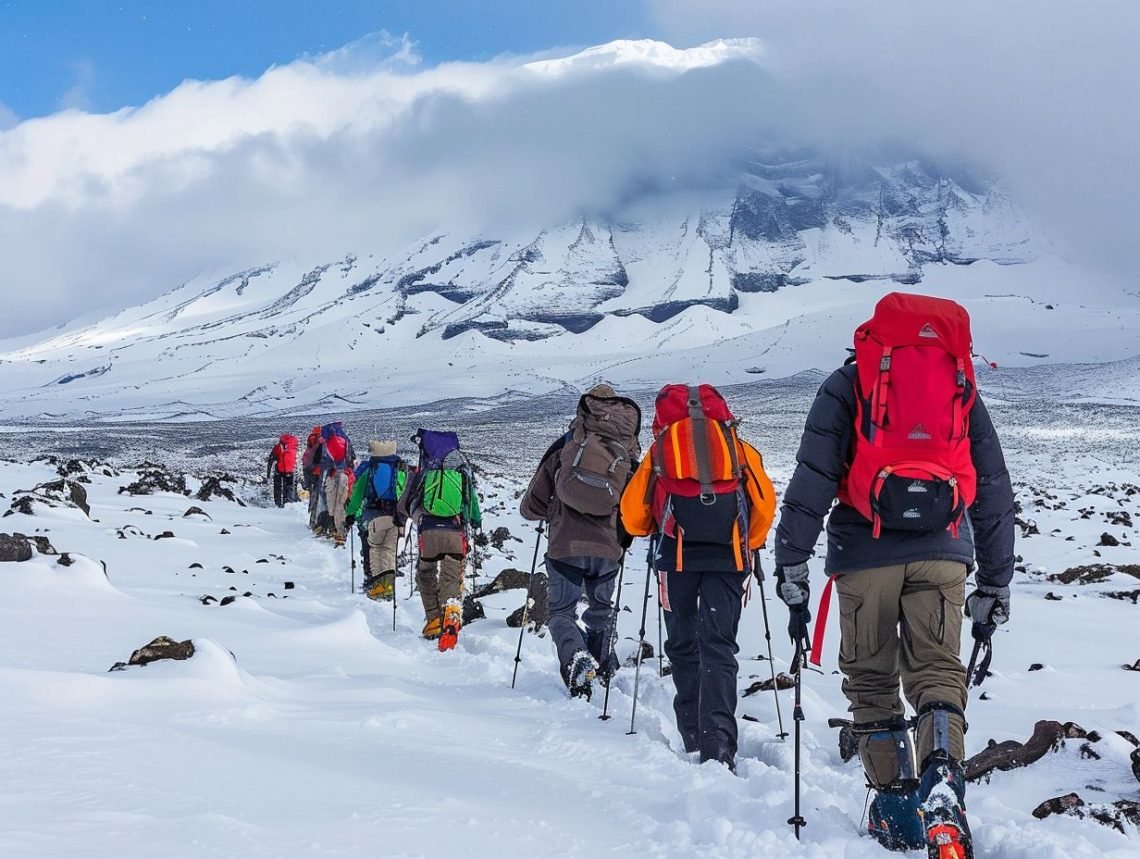
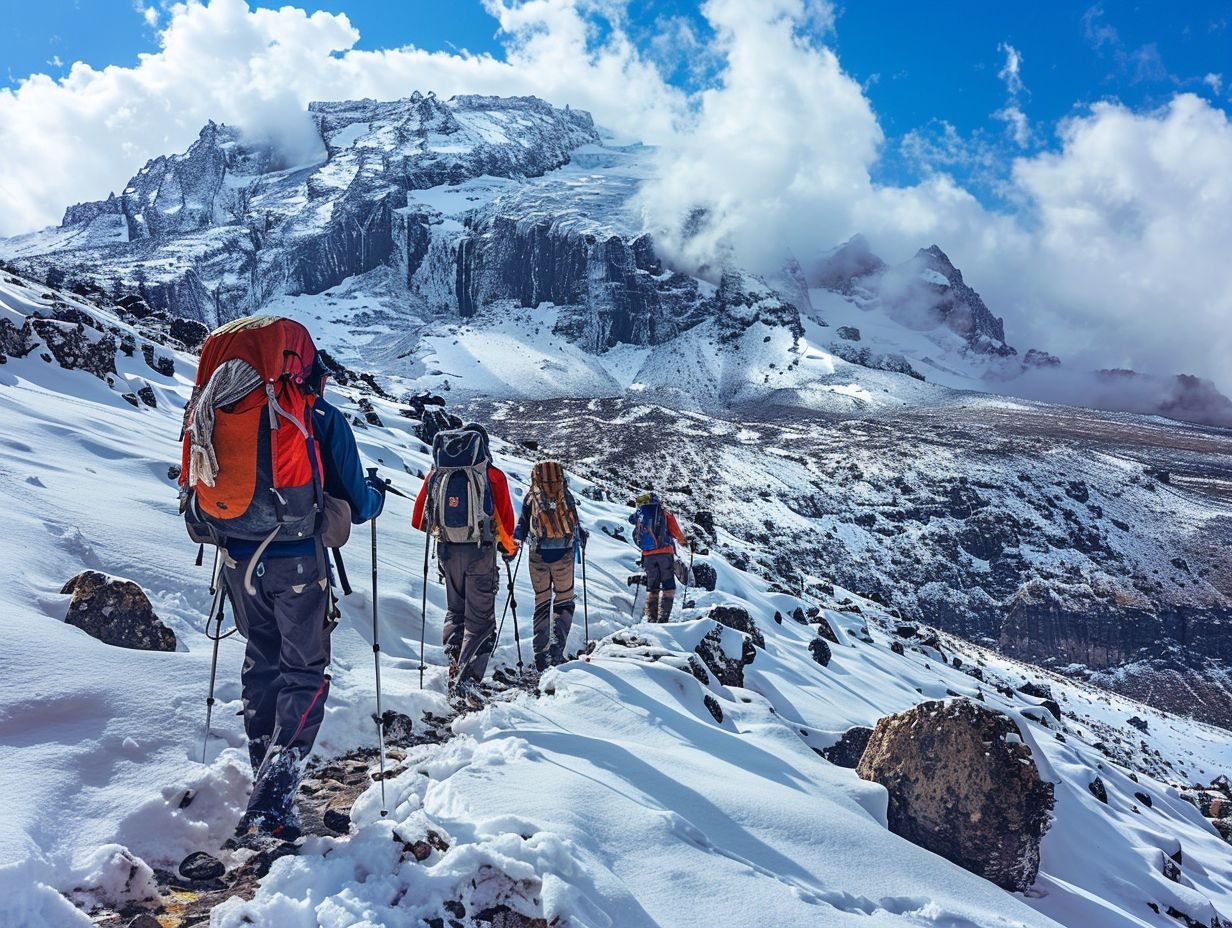
Understanding the Kilimanjaro 23 January 2027 – Post-Full-Moon Group Departure
Choosing a specific date like the Kilimanjaro 23 January 2027 – Post-Full-Moon Group Departure is more than just picking a day on the calendar; it’s about aligning with specific natural cycles and logistical advantages. January in Tanzania generally falls within the dry season, offering some of the most stable weather conditions for climbing Kilimanjaro. This departure, scheduled shortly after the peak of the full moon, leverages the natural illumination for potentially stunning night ascents and provides a slightly different ambiance on the mountain. A group departure means you’ll be sharing the experience with like-minded individuals, fostering camaraderie and shared motivation. For trekkers planning their 2027 adventures, this date presents a compelling option, combining favorable conditions with the unique draw of a post-full-moon summit window.
Climb 4 Africa focuses on providing authentic, well-supported Kilimanjaro climbs. Our expertise means we understand the nuances of timing, route selection, and crew management, ensuring that your Kilimanjaro 23 January 2027 trek is not just an adventure, but a safely executed achievement. We pride ourselves on our local knowledge and commitment to responsible tourism, which translates into a superior experience on the mountain. This specific departure is designed to appeal to those who appreciate the subtle benefits of climbing during a less crowded period while still aiming for optimal conditions.
The appeal of a group departure, especially on a mountain like Kilimanjaro, lies in shared experiences, mutual encouragement, and the efficient allocation of resources. When you join a Kilimanjaro group climb, you benefit from the collective spirit and the knowledge that you are part of a team moving towards a common goal. The 23 January 2027 date is strategically chosen to offer a sweet spot in terms of weather and crowd levels, making it a smart choice for trekkers aiming for success in 2027.
Why a Post-Full-Moon Climb? The Advantages for January 2027
Climbing Kilimanjaro during a full moon or in the days immediately following it offers several distinct advantages, particularly for a Kilimanjaro 23 January 2027 departure. The most obvious benefit is the increased natural light during the crucial summit night. While headlamps are always essential, the ambient light from a nearly full or waning moon can make the ascent feel less daunting and more visually engaging. It can also aid guides in spotting potential hazards or ensuring the group stays together. This is especially relevant for the challenging pre-dawn hours of the summit push.
Beyond the practical lighting, there’s an undeniable romantic and psychological element to climbing under a large moon. Many trekkers find it adds a layer of magic to an already extraordinary journey. For a January 2027 group departure, this shared celestial experience can become a memorable bonding point for the team. The full moon’s peak illumination around January 20-21, 2027, means the Kilimanjaro 23 January 2027 departure will still catch the tail end of this brilliant phase, offering significant light for the initial stages of the summit night if your route involves a midnight start.
Furthermore, aligning with a post-full-moon window can sometimes mean slightly fewer trekkers compared to the exact full moon dates, which are often highly sought after. While January is generally less crowded than the peak summer months, avoiding the absolute peak of moon-related interest can lead to a more serene experience on the trails and at campsites. This aligns perfectly with the goal of a well-managed Kilimanjaro group trek in 2027, where personal space and a connection with nature are paramount.
Route Selection for Your 2027 Kilimanjaro Trek
Choosing the right route is paramount for a successful Kilimanjaro 23 January 2027 climb, and Climb 4 Africa offers expert guidance to match you with the best fit. For a January departure, considering routes that offer better acclimatization profiles is wise. The Lemosho Route and the Machame Route are consistently popular choices due to their high success rates, attributed to their gradual ascent profiles and scenic beauty. Both are typically 7 or 8 days long, providing adequate time for the body to adapt to the increasing altitude.
The Lemosho Route, often considered one of the most beautiful, offers a longer duration, typically 7 to 8 days, which significantly aids acclimatization. It starts in the west and traverses the mountain, offering varied landscapes and fewer crowds in its initial stages. For a Kilimanjaro group departure on 23 January 2027, Lemosho provides a strong balance of scenery and success. We have previously offered group departures on the Lemosho route in mid-January 2027, demonstrating its suitability for this time of year.
The Machame Route, also known as the ‘Whiskey Route’, is the most popular route and typically takes 7 days. It offers a challenging yet rewarding climb with excellent acclimatization. Its popularity means more trekkers on the mountain, but its well-established infrastructure and high success rate make it a reliable option for a January 2027 Kilimanjaro trek. If you’re considering Machame, our January 20th Machame departure provides context for this route’s availability around your desired dates.
The Rongai Route is another excellent option, particularly for January. It approaches Kilimanjaro from the north, offering a drier ascent path as it lies in the rain shadow of the mountain. It’s typically a 7-day trek and is often less crowded than Machame or Lemosho. For those seeking a slightly different experience with good acclimatization, Rongai is a solid choice for a Kilimanjaro group climb. We’ve had success with Rongai departures in early January 2027.
The Marangu Route, or ‘Coca-Cola Route’, is the only route that offers hut accommodation instead of camping. It’s generally considered the easiest and shortest, typically 5 or 6 days. However, its shorter duration means a steeper ascent profile and poorer acclimatization, leading to lower success rates. While an option, it’s generally not recommended for a first-time climber aiming for the best chance of summiting, especially for a Kilimanjaro 23 January 2027 climb where acclimatization is key. We do offer Marangu departures in January 2027, but advise careful consideration of its pros and cons.
Ultimately, for the Kilimanjaro 23 January 2027 – Post-Full-Moon Group Departure, we generally recommend routes of 7 days or longer to maximize acclimatization and success rates. We can discuss the specific pros and cons of each route in relation to your fitness, experience, and preferences.
Route Comparison for January 2027 Departures:
| Route | Typical Duration (Days) | Acclimatization Profile | Scenery | Crowds (Jan) | Suitability for 23 Jan 2027 Group |
|---|---|---|---|---|---|
| Lemosho | 7-8 | Excellent | Varied, stunning | Moderate | Highly Recommended |
| Machame | 7 | Very Good | Diverse, dramatic | High | Recommended |
| Rongai | 7 | Good | Arid, different perspective | Moderate | Recommended |
| Marangu | 5-6 | Fair (shorter duration) | Forest, moorland | Moderate | Consider with caution (lower success rate) |
Acclimatization Strategy and Duration for January 2027 Treks
Success on Kilimanjaro hinges on effective acclimatization. For a Kilimanjaro 23 January 2027 trek, selecting a route that facilitates a gradual ascent is crucial. The principle of ‘pole pole’ (slowly, slowly) is not just a saying; it’s a fundamental acclimatization strategy. This means ascending to a higher altitude during the day and then descending slightly to sleep at a lower camp, allowing your body to adapt to the reduced oxygen levels.
The duration of your trek plays a direct role in acclimatization. While shorter treks (5-6 days) are available, they significantly increase the risk of altitude sickness and summit failure. Climb 4 Africa strongly advocates for a minimum of 7 days on the mountain for any route other than Marangu, and ideally 8 days for Lemosho or Machame. This extended period allows for a more leisurely pace, more rest, and crucially, more time for your body to adjust to the thinning air.
For a January 2027 Kilimanjaro climb, especially a group departure, ensuring everyone on the team has a sufficient acclimatization window is a priority. Our standard itineraries for Lemosho and Machame are 8 and 7 days respectively, designed with this in mind. These durations are robust enough to offer a high chance of success while still being manageable for most reasonably fit individuals. For example, our 8-day Lemosho climb departing January 2nd, 2027, provides a benchmark for acclimatization planning around your chosen date.
Altitude sickness can affect anyone, regardless of fitness level. Symptoms can range from headaches and nausea to more severe conditions like High Altitude Pulmonary Edema (HAPE) and High Altitude Cerebral Edema (HACE). Proper acclimatization, hydration, and listening to your body (and your guide) are the best defenses. A longer trek, such as one of 7 or 8 days for your Kilimanjaro group trek, inherently builds in better acclimatization compared to a rushed 5-day ascent.
When considering the Kilimanjaro 23 January 2027 – Post-Full-Moon Group Departure, we will ensure the chosen route and its itinerary are optimized for acclimatization. This might involve specific daily ascent profiles and planned rest days or shorter hiking segments on certain days to allow for better physiological adaptation. It’s a critical factor that distinguishes a potentially challenging experience from a successful and enjoyable one.
Preparing for Your Kilimanjaro Adventure: Gear and Fitness
Successful preparation for a Kilimanjaro 23 January 2027 trek involves two key pillars: physical fitness and appropriate gear. Given the demanding nature of the climb, building a solid fitness base is essential. This doesn’t mean you need to be an elite athlete, but rather that your cardiovascular system and leg muscles should be accustomed to sustained effort.
Fitness Training: Focus on cardiovascular exercises like hiking (with a backpack on varied terrain), running, cycling, and swimming. Incorporate strength training for your legs and core. The most beneficial training is hiking uphill for extended periods, simulating the actual climb. Aim for at least 3-4 training sessions per week in the months leading up to your Kilimanjaro group climb. Practice hiking with the weight you expect to carry in your daypack.
Gear Essentials: The weather on Kilimanjaro can change dramatically, from warm and sunny at the base to freezing cold and windy at the summit. Layering is key. You’ll need high-quality gear that can withstand these extremes. Climb 4 Africa provides a comprehensive packing list to all clients booked on our January 2027 Kilimanjaro expeditions, but here are some critical items:
- Base Layers: Moisture-wicking thermal underwear (merino wool or synthetic).
- Mid Layers: Fleece jackets or insulated vests for warmth.
- Outer Layer: Waterproof and windproof jacket and trousers (Gore-Tex or similar).
- Insulation Layer: A heavy down or synthetic insulated jacket for summit night.
- Footwear: Broken-in, waterproof hiking boots with good ankle support.
- Socks: Several pairs of wool or synthetic hiking socks.
- Headwear: Warm hat (beanie), sun hat, and a balaclava or neck gaiter for warmth and sun protection.
- Gloves: Warm waterproof outer gloves and thinner liner gloves.
- Sleeping Bag: A 4-season sleeping bag rated to at least -15°C (0°F).
- Backpack: A comfortable daypack (30-40 liters) for essentials, plus a waterproof duffel bag (70-90 liters) for your main gear, carried by porters.
- Trekking Poles: Highly recommended for stability and reducing knee strain, especially on descents.
- Headlamp: With extra batteries – essential for summit night.
- Sun Protection: High SPF sunscreen, sunglasses, lip balm.
- Hydration: Water bottles or hydration reservoir (at least 3 liters capacity).
We understand that purchasing all this gear can be an investment. Climb 4 Africa can advise on rental options for certain items like sleeping bags and trekking poles, which can be arranged locally. For your Kilimanjaro 23 January 2027 – Post-Full-Moon Group Departure, ensuring you have the right gear is as vital as the right acclimatization strategy.
It’s also important to pack personal items such as a first-aid kit, toiletries, and any personal medications. Your guide will carry a comprehensive medical kit, but personal comfort items are up to you. We will provide a detailed gear list tailored to the specific conditions expected for your January 2027 Kilimanjaro climb.
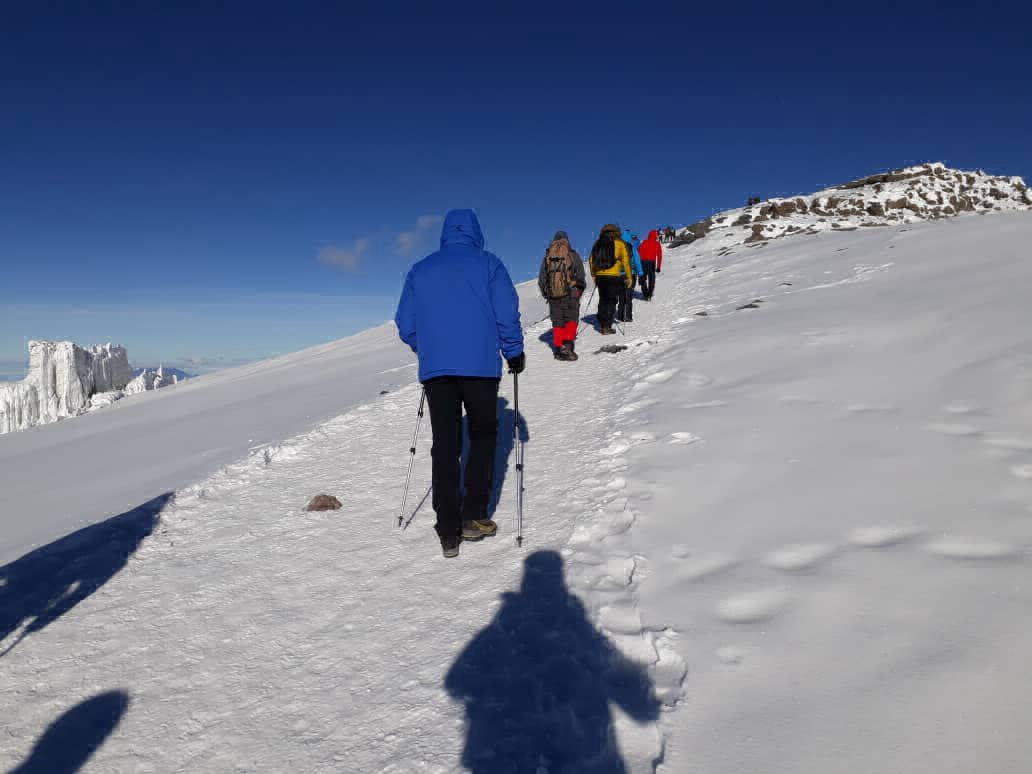
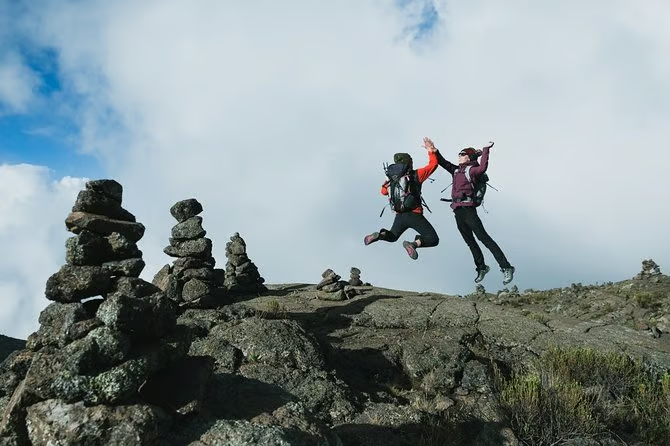
Group Dynamics and Support on the Mountain
Joining a Kilimanjaro 23 January 2027 – Post-Full-Moon Group Departure offers a unique social dynamic. You’ll be part of a team, sharing highs and lows, encouraging each other, and celebrating successes together. This shared journey can create strong bonds and lasting friendships. Our group departures are designed to attract individuals who are enthusiastic, respectful, and supportive of one another, fostering a positive atmosphere from the start.
The success of any Kilimanjaro climb, especially a group one, relies heavily on the quality of the support crew. Climb 4 Africa employs experienced, professional guides, assistant guides, and porters who are not only skilled in mountain safety and logistics but also deeply knowledgeable about the local environment and culture. Your lead guide is trained in high-altitude medicine and will be monitoring the group’s health closely throughout the trek.
For a Kilimanjaro group trek, the role of the guides is to manage the pace, ensure safety, and provide encouragement. They are adept at reading the signs of altitude sickness and making crucial decisions regarding a climber’s well-being. They also carry essential equipment, including oxygen, a comprehensive medical kit, and communication devices, ensuring that any eventuality is managed professionally.
The porters are the backbone of the operation, carrying the bulk of your equipment, setting up camp, and preparing meals. Their efficiency and dedication allow you to focus on hiking and enjoying the scenery. Understanding and respecting the roles of the entire crew is part of the Kilimanjaro experience, and we emphasize fair treatment and ethical employment practices for all our staff.
When you book the Kilimanjaro 23 January 2027 departure, you are not just joining a group of trekkers; you are joining a well-coordinated expedition supported by a dedicated team. This comprehensive support system is what allows individuals to push their limits and achieve their summit goals. We believe that strong group dynamics, coupled with professional and caring crew support, are fundamental to a successful and enjoyable climb.
Consider the camaraderie that develops on treks like the 7 November 2026 group climb or the New Year 2027 departures. These shared experiences forge lasting memories and provide invaluable mutual support on the mountain.
Booking Your Kilimanjaro 23 January 2027 Trek with Climb 4 Africa
Securing your spot on the Kilimanjaro 23 January 2027 – Post-Full-Moon Group Departure is a straightforward process with Climb 4 Africa. We are committed to providing transparent pricing and clear booking procedures. Our aim is to make your journey from inquiry to summit success as smooth as possible.
To confirm your participation, we typically require a deposit to secure your place on the trek. The remaining balance is usually due a specified number of weeks or months before the departure date. Detailed payment schedules and terms will be provided upon your booking confirmation. We accept various payment methods, and our team is available to assist with any queries you may have regarding the financial aspects of your trip.
When you are ready to book, or if you have further questions about the Kilimanjaro 23 January 2027 departure, reaching out is the best next step. You can contact us directly via:
- WhatsApp: +255 747 477 898
- Email: climb4africa@gmail.com
When you contact us, please mention your interest in the Kilimanjaro 23 January 2027 – Post-Full-Moon Group Departure. This will help us provide you with the most accurate and relevant information, including itinerary details, inclusions, pricing, and any specific preparation advice for this particular departure. We can also discuss alternative dates or routes if this specific departure doesn’t perfectly align with your plans, perhaps looking at other January 2027 group departures or nearby dates.
Booking with Climb 4 Africa means you are partnering with a local expert operator that prioritizes safety, ethical practices, and an authentic mountain experience. We are passionate about Kilimanjaro and dedicated to helping you achieve your dream of standing on the Roof of Africa. We encourage you to get in touch early, especially for popular dates like this January 2027 Kilimanjaro climb, to ensure availability.
Logistics and What to Expect on the Mountain
Understanding the day-to-day logistics of a Kilimanjaro 23 January 2027 – Post-Full-Moon Group Departure is key to managing expectations. Upon arrival at Kilimanjaro International Airport (JRO), you will be met by a Climb 4 Africa representative and transferred to your pre-climb hotel in Moshi or Arusha. This is a crucial night to rest, hydrate, and attend a pre-climb briefing where you’ll meet your lead guide, finalize gear checks, and get any last-minute questions answered.
The following morning, you’ll be transferred to the Kilimanjaro National Park gate corresponding to your chosen route. After registration and a final check, your trek begins. Each day typically involves hiking for 4-8 hours, with breaks for meals. Porters will carry the majority of your gear, allowing you to hike with a lighter daypack containing water, snacks, rain gear, and essentials.
Campsites are established at designated locations along the routes. Our crew will have your tents set up, and hot meals will be prepared by our camp chefs. The food provided is nutritious and designed to sustain you during the trek, often including a mix of local and international dishes. You can expect breakfast, lunch, dinner, and often snacks or hot drinks during the day.
Summit night is the most challenging part of the trek. For a Kilimanjaro 23 January 2027 departure, this will likely involve a very early start (around midnight to 2 am) from your last camp. You’ll ascend steeply in the dark, guided by your headlamp and the moonlight if the post-full-moon phase still provides significant illumination. The goal is to reach Uhuru Peak by sunrise. After a brief celebration and photo opportunities, you will descend back to your last camp, a significant undertaking in itself.
The descent is typically faster than the ascent. Upon reaching the park gate, you will be greeted by your driver and transferred back to your hotel. A celebratory dinner and a chance to reflect on your achievement usually follow. For those extending their trip, onward transfers to safaris or Zanzibar can be arranged.
For a group departure, communication is key. Your guides will provide daily briefings on the day’s hike, expected weather, and any important information. Staying connected with your group and guides ensures everyone is on the same page and can address any concerns promptly. This level of organization is standard for all our Kilimanjaro group treks, including the Kilimanjaro 23 January 2027 – Post-Full-Moon Group Departure.
Weather Patterns in January 2027
January is generally considered part of the dry season on Kilimanjaro, making it a popular month for climbing. This translates to potentially clearer skies, less rain, and more stable weather conditions compared to the wet seasons. However, Kilimanjaro’s weather is notoriously unpredictable
Check Availability for Kilimanjaro 23 January – Post-Full-Moon Group Departure 2026-2027
Ready to compare dates, prices, and the best option for your group? Send the package name and travel month so the team can reply with a clear quote, availability, and what is included.
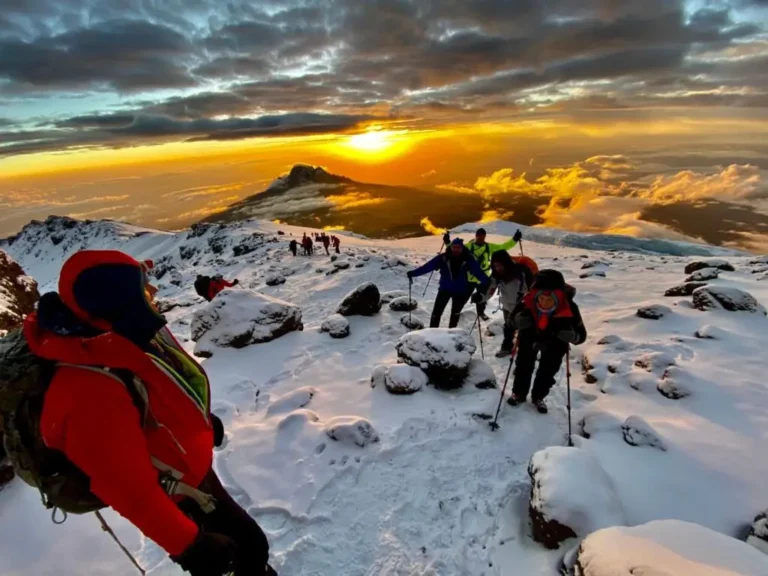
Machame Route – 4 January Kilimanjaro Group Departure 2027
Secure your spot on the popular Machame Route for a Kilimanjaro group trek departing on January 4, 2027. This guide details the itinerary, highlights, and key considerations for this...
View package details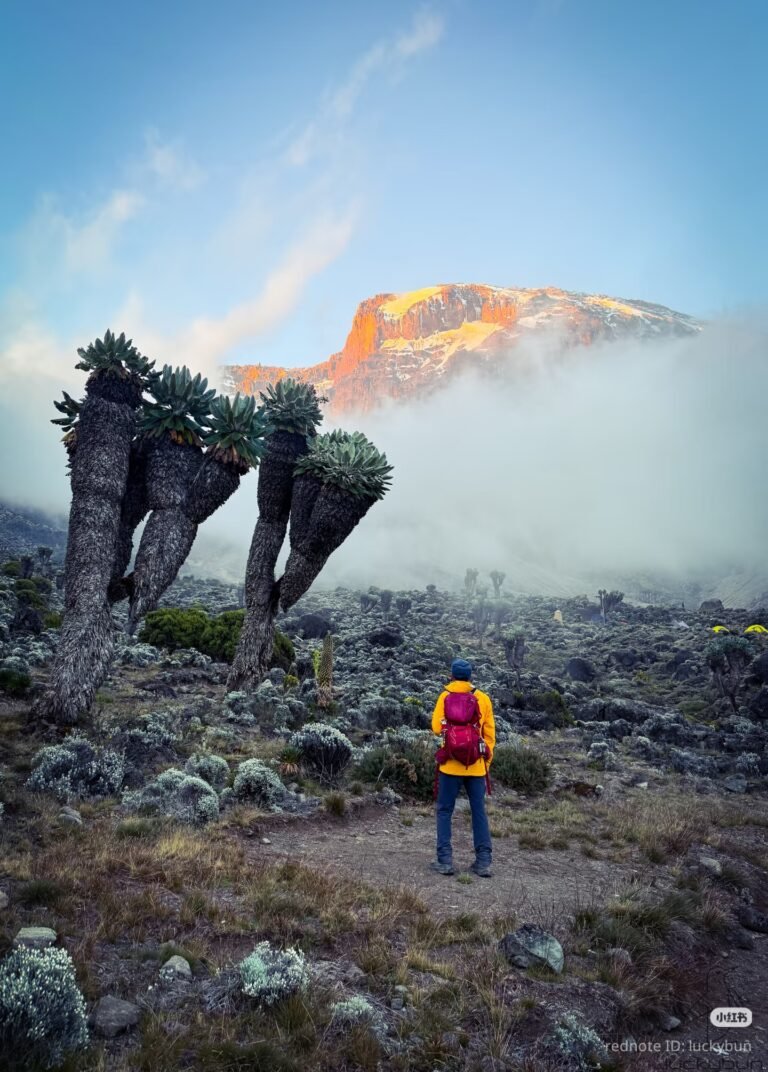
Kilimanjaro Climb January : Group Departures, Weather, And Pricing Guide
start your Kilimanjaro adventure in January 2027! This guide covers everything you need to know about group departures, the favorable January weather, typical pricing, essential...
View package details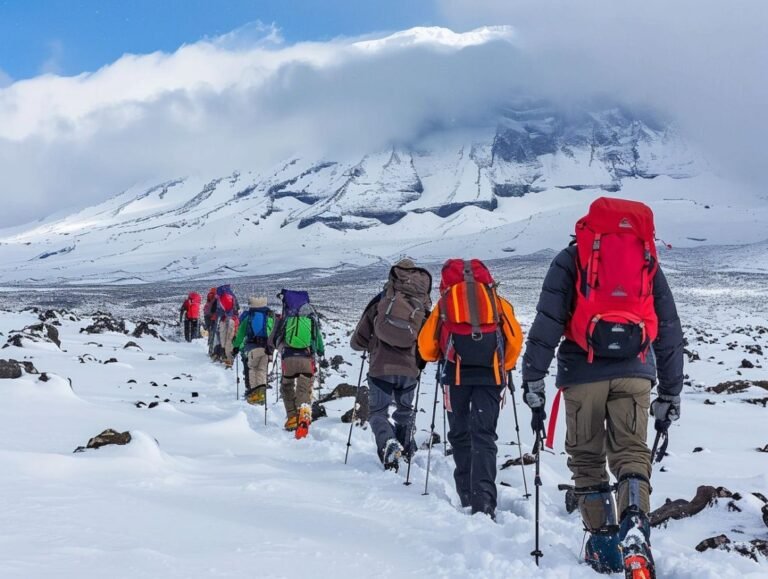
Kilimanjaro Climb July – Peak Dry-Season Group Departures 2027
Kilimanjaro Climb July 2027 – Peak Dry-Season Group Departures is explained with current 2027 planning, price, itinerary and booking information.
View package details7 Day Machame Route – 19 June Kilimanjaro Group Departure 2027
Planning to climb Kilimanjaro on the Machame Route in a group setting? This 7-day departure on June 19, 2027, offers a balanced approach to acclimatization and scenery. Learn what to...
View package detailsKilimanjaro 21 August – Late Group Departure 2027
Kilimanjaro 21 August 2027 – Late August Group Departure is explained with current 2027 planning, price, itinerary and booking information.
View package details7 Day Machame Route – 3 August Group Departure For Kilimanjaro 2027
Secure your spot on the 7 Day Machame Route Kilimanjaro group trek departing on August 3, 2027. This popular route offers a fantastic balance of scenic beauty and acclimatization for a...
View package details8 Day Lemosho Route – 7 July Group Departure Kilimanjaro Climb 2027
start an incredible 8-day Lemosho Route trek up Mount Kilimanjaro with the Climb 4 Africa group departure on July 7, 2027. This itinerary offers a fantastic balance of acclimatization...
View package detailsKilimanjaro 5 June : Your Early Dry-Season Group Departure Adventure 2027
Planning a Kilimanjaro climb for June 2027? This departure on June 5th offers a prime opportunity to tackle Africa's highest peak at the beginning of the dry season. Discover why this...
View package detailsKilimanjaro 3 April – Low-Season Group Departure 2027
Kilimanjaro 3 April 2027 – Low-Season Group Departure is explained with current 2027 planning, price, itinerary and booking information.
View package details8 Day Lemosho Kilimanjaro – 6 February Group Departure in 2027
Discover the unparalleled beauty and success rates of the 8-day Lemosho route on Kilimanjaro with a dedicated group departure on February 6, 2027. This trek offers a balanced approach to...
View package details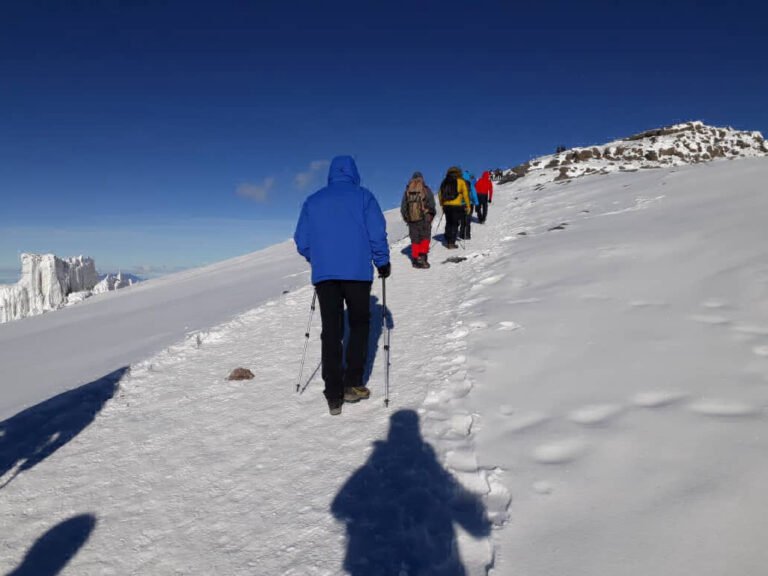
Lemosho Route – 16 January Group Joining Kilimanjaro Climb 2026-2027
This page details the Lemosho Route Kilimanjaro climb scheduled for January 16, 2027. It's an 8-day group joining departure, ideal for trekkers seeking a balance of scenic beauty, excellent...
View package details8 Day Lemosho Route – 2 January Group Climb: Your Ultimate Kilimanjaro
start the scenic 8 Day Lemosho Route on January 2, 2027, a group climb designed for optimal acclimatization and summit success on Mount Kilimanjaro. This guide details the itinerary...
View package detailsNo related package matches those filters. Clear one or more filters to see the other topic-matched options.



