
The Lemosho Route – 16 January 2027 Group Joining Kilimanjaro Climb offers a fantastic opportunity to ascend Africa’s highest peak via one of the most scenic and well-regarded paths. This 8-day expedition is designed for group participation, combining stunning landscapes with excellent acclimatization, leading to a high probability of reaching Uhuru Peak. It’s a prime choice for trekkers looking to experience Kilimanjaro in early 2027, balancing adventure with the camaraderie of a shared journey.
Understanding the Lemosho Route for Your 16 January 2027 Climb
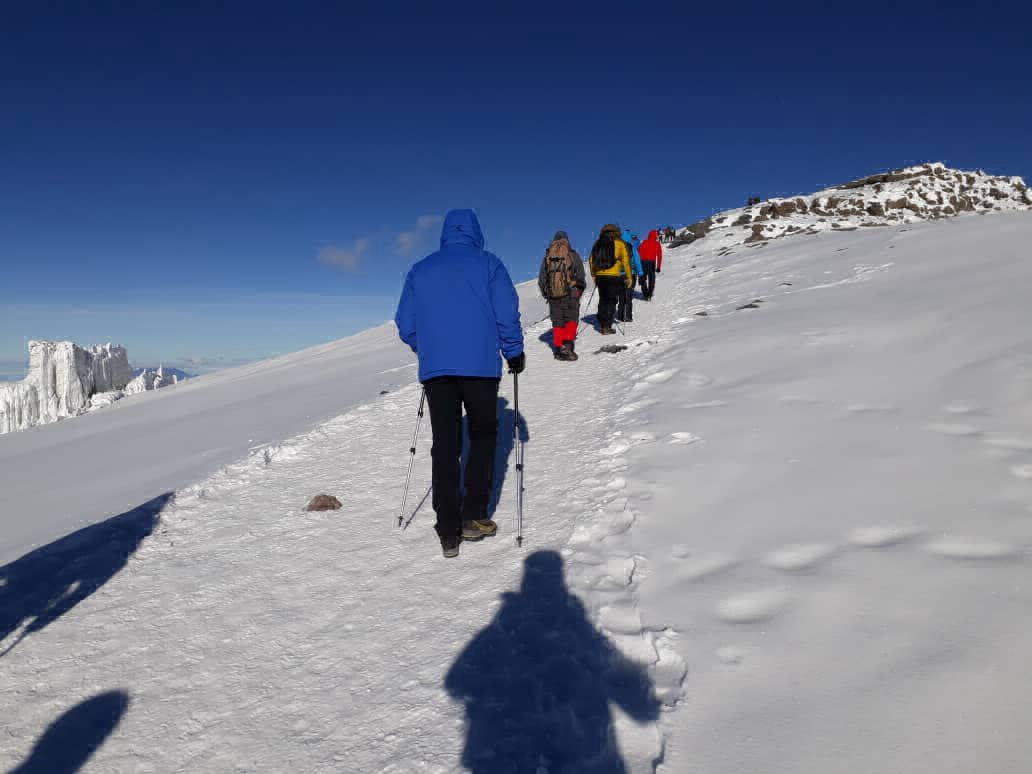
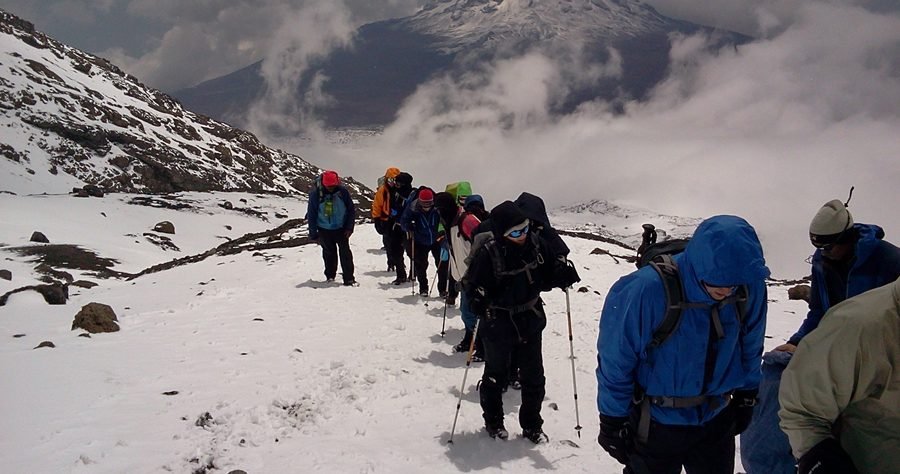
The Lemosho Route stands out among Kilimanjaro’s trekking paths, and for good reason. It’s often cited as the most beautiful, offering diverse landscapes that change dramatically as you ascend. For a 16 January 2027 Group Joining Kilimanjaro Climb, the Lemosho route provides an exceptional experience. Its longer itinerary, typically 7 to 8 days, is a significant advantage for acclimatization. This extended duration means a slower, more gradual ascent, which is crucial for minimizing the risks of altitude sickness and maximizing your chances of summit success. The route begins on the western side of Kilimanjaro, entering the national park through the less-visited Londorossi Gate, and gradually traverses the mountain from west to east, eventually merging with the popular Shira and then Barafu routes as you approach the summit. This progression allows trekkers to witness the mountain’s changing ecosystems, from lush rainforests to alpine desert and finally to the arctic zone near the peak.
When considering a group climb on a specific date like 16 January 2027, the Lemosho Route’s structure is particularly beneficial. The early days are spent trekking through dense forest, often with opportunities to spot local wildlife, which adds an element of safari to your mountain adventure. The route’s northern circuits, particularly the Shira Ridge traverse, offer panoramic views that are simply unparalleled. Unlike shorter routes that rush the ascent, Lemosho allows for a more mindful journey, appreciating the grandeur of Kilimanjaro and its surroundings. For those planning their 2027 Kilimanjaro expedition, choosing Lemosho on a group departure date like January 16th means you’re opting for a route that prioritizes safety and enjoyment through superior acclimatization and impressive scenery. It’s a route that doesn’t just get you to the summit; it offers a profound experience of the mountain itself. The January timing also positions you in a relatively dry season, though Kilimanjaro’s weather can be unpredictable at any time of year.
Why Choose the 8-Day Lemosho Route for 16 January 2027?
Opting for the 8-day version of the Lemosho Route for your 16 January 2027 Kilimanjaro climb is a strategic decision that significantly enhances your chances of success and overall enjoyment. While shorter Lemosho itineraries exist (often 7 days), the 8-day format adds a crucial extra day, typically used for acclimatization or exploration of the Shira Plateau. This extended duration is paramount for proper acclimatization, allowing your body more time to adjust to the increasing altitude. The benefits of this slower pace are substantial: reduced risk of altitude sickness, increased energy levels on summit night, and a generally more comfortable trek.
Consider the trade-offs: a longer trek means more time away, potentially higher costs, and a greater physical and mental commitment. However, for Kilimanjaro, these are investments that pay dividends in safety and success. The 8-day Lemosho is widely recognized as one of the most successful routes, not just due to its acclimatization profile but also its engaging itinerary. It offers a gradual introduction to altitude, starting at lower elevations and progressively climbing. The path winds through diverse landscapes, from rainforest to moorland, alpine desert, and the arctic summit zone. The views are consistently spectacular, with the Shira Ridge offering some of the most iconic panoramas on the mountain. By joining a group departure on January 16, 2027, you benefit from the established logistics and the shared experience of fellow trekkers. This date falls within Kilimanjaro’s shorter dry season, generally offering more stable weather conditions than the preceding months, though rain is always possible at lower altitudes and snow is common at the summit.
Furthermore, the Lemosho route’s approach from the west means it’s less crowded in the initial days compared to routes like Machame or Marangu. This solitude in the early stages enhances the feeling of wilderness and personal connection with the mountain. As it joins the Mweka route for descent, you experience a full traversal. For your Lemosho Route – 16 January 2027 Group Joining Kilimanjaro Climb, the 8-day itinerary is the most recommended option by seasoned guides and operators like Climb 4 Africa because it strikes the perfect balance between scenic beauty, excellent acclimatization, manageable crowds, and a high summit success rate. This specific departure date in 2027 is well-timed to take advantage of the generally favorable early-year weather window.
The 16 January 2027 Lemosho Route Itinerary: A Day-by-Day Breakdown
Here’s a detailed look at the typical 8-day Lemosho Route itinerary, tailored for the 16 January 2027 Group Joining Kilimanjaro Climb. This structure is designed for optimal acclimatization and scenic enjoyment.
Day 1: Lemosho Gate (2,100m/6,890ft) to Mti Mkubwa Camp (2,800m/9,186ft)
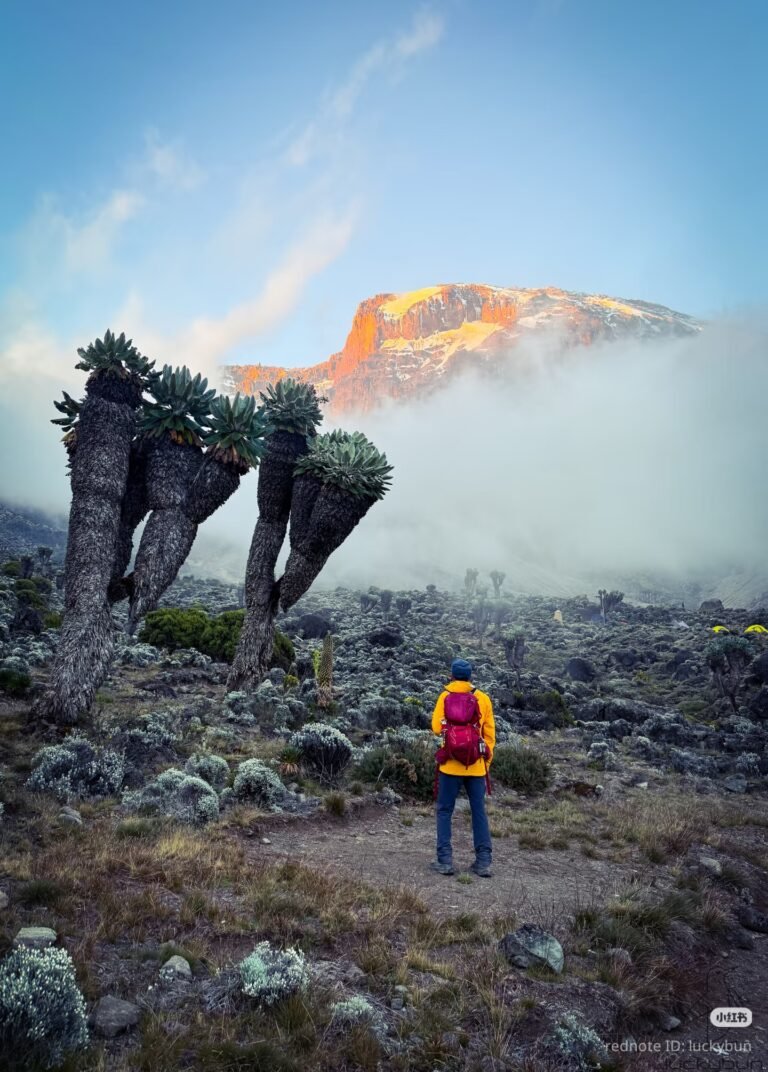
Your journey begins with a drive to the Londorossi Gate on the western side of Kilimanjaro. After park formalities, you’ll start your trek through the montane rainforest. The trail is relatively gentle, and the focus is on entering the park and reaching the first campsite. Expect to see lush vegetation and possibly some wildlife. The hike takes approximately 3-4 hours.
Day 2: Mti Mkubwa Camp (2,800m/9,186ft) to Shira 1 Camp (3,500m/11,483ft)
Today involves a steady ascent out of the rainforest and into the heather and moorland zone. The path becomes steeper in sections. You’ll gain significant altitude, and the views start to open up. Reaching Shira 1 Camp offers expansive vistas. The trek duration is around 5-7 hours.
Day 3: Shira 1 Camp (3,500m/11,483ft) to Shira 2 Camp (3,850m/12,631ft)
This day is dedicated to acclimatization. You’ll traverse the Shira Plateau, a vast, relatively flat expanse with incredible views. The hike is moderate, covering around 4-5 hours. The objective is to gain altitude comfortably while exploring the unique landscape of the plateau. You’ll spend the night at Shira 2 Camp, which is higher than the previous night, aiding acclimatization.
Day 4: Shira 2 Camp (3,850m/12,631ft) to Barranco Camp (3,950m/12,960ft) via Lava Tower (4,600m/15,092ft)
This is a classic acclimatization day, often referred to as ‘climb high, sleep low’. You’ll ascend towards Lava Tower, reaching a significant altitude. After a break, you descend to Barranco Camp. This pattern helps your body adapt to the altitude. The trek can take 6-8 hours, and Barranco Camp is renowned for its dramatic scenery, including the imposing Barranco Wall.
Day 5: Barranco Camp (3,950m/12,960ft) to Karanga Camp (4,000m/13,123ft)
Today involves conquering the Barranco Wall, a challenging but rewarding scramble. It’s a steep climb, but the path is well-maintained, and porters often assist by carrying main packs. After cresting the wall, the route continues through a rugged alpine desert landscape towards Karanga Camp. The hike takes approximately 3-5 hours.
Day 6: Karanga Camp (4,000m/13,123ft) to Barafu Camp (4,650m/15,256ft)
This day involves a steady climb towards Barafu Camp, the base camp for your summit attempt. The landscape becomes increasingly barren and rocky. Barafu Camp is situated on a steep scree slope, offering stunning views of the summit cone. You’ll reach camp in the early afternoon, allowing time to rest and prepare for the night’s summit push. The trek takes about 3-4 hours.
Day 7: Barafu Camp (4,650m/15,256ft) to Uhuru Peak (5,895m/19,341ft) and descent to Mweka Camp (3,100m/10,171ft)
Summit night! You’ll start very early, typically around midnight, to ascend Stella Point and then Uhuru Peak. This is the most challenging part of the trek, involving a steep climb in the cold and dark. Reaching Uhuru Peak for sunrise is an unforgettable experience. After celebrating, you’ll descend back past Barafu Camp to Mweka Camp. This is a very long and demanding day (10-12 hours).
Day 8: Mweka Camp (3,100m/10,171ft) to Mweka Gate (1,640m/5,380ft) and departure
After breakfast, you’ll descend through the rainforest to Mweka Gate. The hike takes approximately 3-4 hours. At the gate, you’ll receive your climbing certificates and then transfer back to your hotel in Moshi. This marks the end of your Lemosho Route – 16 January 2027 Group Joining Kilimanjaro Climb.
This 8-day itinerary is highly recommended for the 16 January 2027 Lemosho Route Group Climb, offering the best balance for success and enjoyment.
What’s Included in Your 16 Jan 2027 Group Joining Kilimanjaro Climb?
When you book a Lemosho Route – 16 January 2027 Group Joining Kilimanjaro Climb with Climb 4 Africa, you can expect a comprehensive package designed to ensure your safety, comfort, and success. Understanding what’s included is crucial for planning and avoiding unexpected expenses. Our standard group climb packages typically cover:
- Park Fees: All necessary Kilimanjaro National Park entry fees, camping fees, and conservation fees are included. These are significant costs and vary by route and duration.
- Trekking Crew: Professional, experienced, and certified guides (including assistant guides), a skilled cook, and ample porters to carry your main equipment and supplies. The crew is vital for your safety and well-being on the mountain.
- Accommodation: Camping equipment including tents (sleeping tents, mess tent, toilet tent), sleeping mats, and a mess tent equipped with table and chairs for dining.
- Meals: All meals and drinks (water, tea, coffee) while on the trek. Meals are nutritious, varied, and prepared by your dedicated cook to fuel your climb.
- Water: Boiled or purified drinking water provided daily.
- Safety Equipment: We carry a comprehensive first-aid kit and emergency oxygen on all our climbs.
- Transfers: All necessary transfers from your hotel in Moshi to the Lemosho/Londorossi Gate and back from Mweka Gate to Moshi.
- Climbing Certificate: A certificate of achievement upon successful completion of your climb.
What is typically NOT included:
- Flights: International flights to and from Kilimanjaro International Airport (JRO).
- Visa Fees: Tanzania visa fees.
- Accommodation Before and After the Climb: Hotel stays in Moshi before the trek begins and after it concludes (though these can be arranged).
- Personal Gear: Sleeping bag, trekking poles, headlamp, waterproof clothing, personal clothing, etc. A detailed packing list will be provided.
- Tips: Gratuities for guides, porters, and cooks are customary and a significant part of their income. A tipping guideline will be provided.
- Personal Travel Insurance: Comprehensive travel and medical evacuation insurance is mandatory.
- Personal Expenses: Souvenirs, alcoholic beverages, laundry, and other personal items.
- Summit Pole: A small charge may apply for the summit pole.
For the Lemosho Route – 16 January 2027 Group Joining Kilimanjaro Climb, it’s essential to confirm the exact inclusions and exclusions with your tour operator. Climb 4 Africa prides itself on transparency, ensuring you know exactly what to expect for your 2027 adventure.
Preparing for Your Lemosho Route Kilimanjaro Climb in January 2027
Successful preparation is key to enjoying your Lemosho Route – 16 January 2027 Group Joining Kilimanjaro Climb and reaching the summit. Kilimanjaro is a serious mountain, and while the Lemosho route offers good acclimatization, physical and mental readiness are paramount. Here’s a breakdown of essential preparation areas:
Physical Training: Building Stamina and Strength
Your training should focus on cardiovascular endurance and leg strength. The best preparation is hiking, ideally on varied terrain with a weighted backpack. Aim for:
- Cardiovascular Fitness: Engage in activities like running, cycling, swimming, or brisk walking at least 3-4 times a week for several months leading up to your climb.
- Strength Training: Focus on leg muscles (squats, lunges) and core strength. Strong legs will help you manage the long ascents and descents, and a strong core aids stability.
- Hiking Practice: Undertake long hikes (4-6 hours) on weekends, preferably with hills or stairs. Mimic the conditions of your climb by wearing your hiking boots and carrying a daypack with water and snacks. Practice hiking on consecutive days if possible.
- Altitude Simulation: If you live at a high altitude, this is an advantage. If not, focus on the other aspects of training.
Remember, you don’t need to be an elite athlete, but a good level of fitness will make the experience much more enjoyable and increase your chances of success. The 16 January 2027 departure means you have ample time to prepare if you start now.
Gear and Equipment: What to Pack for January 2027
Proper gear is non-negotiable for comfort and safety on Kilimanjaro, especially in January which can bring variable weather. Layering is key. You’ll need:
- Base Layers: Moisture-wicking thermal tops and bottoms (merino wool or synthetic).
- Mid Layers: Fleece jackets or lightweight down jackets for insulation.
- Outer Layer: Waterproof and windproof jacket and trousers (Gore-Tex or similar).
- Insulation: A warm, puffy down jacket for evenings and summit night.
- Footwear: Broken-in, waterproof hiking boots with good ankle support. Several pairs of warm hiking socks (wool blend).
- Headwear: Warm beanie hat, sun hat with a brim, and a balaclava or neck gaiter for warmth and sun protection.
- Handwear: Warm waterproof gloves or mittens, and liner gloves.
- Headlamp: Essential for summit night and navigating camp in the dark. Bring spare batteries.
- Trekking Poles: Highly recommended to reduce strain on knees and improve balance.
- Backpack: A comfortable daypack (30-40 liters) for essentials you need during the day. Porters will carry your main duffel bag (usually 80-100 liters).
- Sleeping Bag: A 4-season (-20°C/-4°F comfort rating) sleeping bag is recommended.
- Other essentials: Sunglasses, sunscreen, lip balm with SPF, insect repellent, water bottles/hydration reservoir (at least 2-3 liters capacity), basic toiletries, personal first-aid kit, camera, power bank.
A comprehensive packing list will be provided upon booking your Lemosho Route – 16 January 2027 Group Joining Kilimanjaro Climb.
Altitude Sickness: Understanding and Prevention
Altitude sickness (Acute Mountain Sickness – AMS) is the most common challenge on Kilimanjaro. The Lemosho route’s 8-day itinerary is designed to mitigate this risk. Key strategies include:
- Ascend Slowly: The 8-day Lemosho route follows the principle of ‘pole pole’ (slowly, slowly).
- Hydrate: Drink plenty of water (3-4 liters per day). Avoid alcohol and caffeine.
- Eat Well: Maintain a good intake of calories, even if your appetite is reduced.
- Listen to Your Body: Report any symptoms (headache, nausea, dizziness) to your guide immediately.
- Consider Diamox: Consult your doctor about prescription medication like Diamox (acetazolamide), which can aid acclimatization.
Your guides are trained to monitor climbers for AMS and make critical decisions regarding descent if necessary. Safety is paramount on your 16 January 2027 trek.
Mental Preparation: The Psychological Aspect
Climbing Kilimanjaro is as much a mental challenge as a physical one. The summit night is particularly demanding. Prepare yourself for:
- Patience: The pace is slow, and there will be moments of fatigue.
- Resilience: Push through discomfort and negative thoughts.
- Positive Attitude: Focus on the experience and the achievement.
- Teamwork: Support your fellow group members.
Book your Lemosho Route – 16 January 2027 Group Joining Kilimanjaro Climb well in advance to allow ample preparation time.
Key Considerations for the 16 January 2027 Lemosho Departure
Choosing a specific group departure date like 16 January 2027 for your Lemosho Route Kilimanjaro Climb involves several factors beyond just the route itself. Understanding these can help you make the most informed decision.
Weather in January
January falls within Kilimanjaro’s shorter dry season. Generally, this means:
- Lower Altitudes: Expect clear skies and warmer temperatures in the rainforest and moorland zones. However, rain is still possible, especially in the first couple of days.
- Higher Altitudes: Above the cloud line, conditions become colder and drier. Snow is common on the summit cone and around the crater rim. Freezing temperatures are expected, particularly during summit night.
- Visibility: January often offers excellent visibility, leading to stunning panoramic views from the upper reaches of the mountain.
- Crowds: January is a popular month due to the dry weather, but it’s generally less crowded than the peak months of July-September or the Christmas/New Year period. You will encounter other groups, but the Lemosho route’s initial remoteness helps mitigate this.
While January is a good choice for weather, always be prepared for unpredictable mountain conditions. Pack accordingly for a wide range of temperatures and precipitation.
Group Dynamics and Joining a Trek
Joining a group departure means sharing the experience with other trekkers. This can be a significant advantage:
- Cost-Effectiveness: Group departures are typically more affordable than private treks due to shared logistics and crew costs.
- Companionship: Trekking with others can provide motivation, support, and a fun social dynamic.
- Shared Experience: You’ll have guides and crew dedicated to the entire group, ensuring everyone’s needs are met.
For the 16 January 2027 Lemosho Route Group Joining Kilimanjaro Climb, you’ll be trekking with like-minded individuals. While you won’t know them beforehand, the shared goal fosters a strong sense of camaraderie. If you prefer solitude or a very specific pace, a private climb might be better, but group joining offers excellent value and a lively atmosphere.
Acclimatization Strategy of the 8-Day Lemosho
As highlighted, the 8-day Lemosho route is specifically designed for superior acclimatization. The inclusion of an extra day on the Shira Plateau (Day 3) or a dedicated acclimatization day via Lava Tower (Day 4) significantly increases your chances of summit success compared to shorter routes. This slower ascent profile is a key reason why Lemosho is favored by many operators and climbers for their January 2027 Kilimanjaro adventure. The gradual increase in sleeping altitude, combined with daily hikes to higher elevations, allows your body to produce more red blood cells, improving oxygen transport. This is critical for avoiding or managing altitude sickness.
Comparison with Other Routes for January 2027
While Lemosho is an excellent choice, it’s worth briefly comparing it to other popular routes for a January 2027 climb:
- Machame Route: Also very popular and scenic, often done in 6 or 7 days. The 7-day Machame offers better acclimatization than the 6-day version. It can be more crowded than Lemosho, especially in its initial days.
- Marangu Route: The only route with hut accommodation. It’s the shortest (5 days) and fastest, leading to lower acclimatization and success rates. Not recommended for serious trekkers aiming for the summit.
- Rongai Route: Approaches from the north, good for drier weather, often done in 6 or 7 days. It’s less scenic than Lemosho but can be a good alternative if Lemosho is fully booked.
For a 16 January 2027 departure aiming for the best combination of scenery, acclimatization, and success, the 8-day Lemosho Route remains a top contender. The 8-day Lemosho Route – 2 January 2027 Group Climb is an example of a similar departure, showcasing the popularity of early January treks.
Booking Your 16 January 2027 Lemosho Route Adventure
Securing your spot on the Lemosho Route – 16 January 2027 Group Joining Kilimanjaro Climb is a straightforward process designed to get you ready for your Kilimanjaro expedition. Climb 4 Africa specializes in Kilimanjaro treks and offers expert guidance from the moment you inquire.
Why Book with Climb 4 Africa?
As a local Tanzanian tour operator with extensive experience in Kilimanjaro climbs, Climb 4 Africa offers:
- Local Expertise: Deep understanding of the mountain, routes, and crew management.
- Experienced Crew: We employ highly trained, certified guides and porters who prioritize your safety and well-being.
- Safety Focus: Comprehensive safety protocols, including carrying emergency oxygen and first-aid kits on all climbs.
- Value for Money: Competitive pricing for a high-quality, safe, and enjoyable trekking experience.
- Support: Dedicated support from our team in Moshi and through our international contacts.
We understand the nuances of treks like the 16 January 2027 Lemosho Route Group Joining Kilimanjaro Climb and are committed to making it a success.
The Booking Process
1. Inquiry: Reach out to us with your interest in the 16 January 2027 Lemosho Route Group Joining Kilimanjaro Climb. You can do this via email or WhatsApp.
2. Confirmation: We will confirm availability for the 16 January 2027 departure and provide you with a detailed itinerary, inclusions/exclusions, and pricing. We can also answer any questions you may have about preparation or the trek itself.
3. Deposit: To secure your place on the group climb, a deposit is typically required. This helps us confirm logistics and crew arrangements. Specific deposit amounts and deadlines will be provided.
4. Final Payment: The balance payment is usually due a certain number of weeks before your departure date (e.g., 30-60 days). Details will be confirmed during booking.
5. Pre-Departure Information: Once booked, you’ll receive comprehensive pre-departure information, including a detailed packing list, training advice, and visa guidance.
Next Steps for Your 2027 Kilimanjaro Adventure
Don’t miss the chance to join this specific departure. The 16 January 2027 Lemosho Route – Group Joining Kilimanjaro Climb is an excellent opportunity for an unforgettable adventure. Early booking is advised, especially for popular dates and routes.
Ready to take the first step? Contact Climb 4 Africa today to discuss your 16 January 2027 Lemosho Route Group Joining Kilimanjaro Climb or any other Kilimanjaro trek. You can reach us via:
WhatsApp: +255 747 477 898
Email: climb4africa@gmail.com
Our team is ready to help you plan your dream Kilimanjaro climb for 2027. We look forward to hearing from you and assisting you in reaching Uhuru Peak!
Related Guides and Packages
Check Availability for Lemosho Route – 16 January Group Joining Kilimanjaro Climb 2026-2027
Ready to compare dates, prices, and the best option for your group? Send the package name and travel month so the team can reply with a clear quote, availability, and what is included.
8 Day Lemosho Route – 2 January Group Climb: Your Ultimate Kilimanjaro
start the scenic 8 Day Lemosho Route on January 2, 2027, a group climb designed for optimal acclimatization and summit success on Mount Kilimanjaro. This guide details the itinerary...
View package details
Lemosho Route – 7 August Summer Group Climb: Your Kilimanjaro Adventure 2027
start a memorable Lemosho Route – 7 August 2027 Summer Group Climb up Mount Kilimanjaro. This guide covers the itinerary, acclimatization, and preparation for your ascent.
View package detailsLemosho Route – 28 August Kilimanjaro Group Climb 2027
Lemosho Route – 28 August 2027 Kilimanjaro Group Climb is explained with current 2027 planning, price, itinerary and booking information.
View package detailsLemosho Route – 12 August Kilimanjaro Group Climb With 4 Africa 2027
A detailed guide to the Lemosho Route Kilimanjaro climb for the 12 August 2027 group departure, covering itinerary, acclimatization, challenges, and what to expect with Climb 4 Africa.
View package details8 Day Lemosho Route – 7 July Group Departure Kilimanjaro Climb 2027
start an incredible 8-day Lemosho Route trek up Mount Kilimanjaro with the Climb 4 Africa group departure on July 7, 2027. This itinerary offers a fantastic balance of acclimatization...
View package details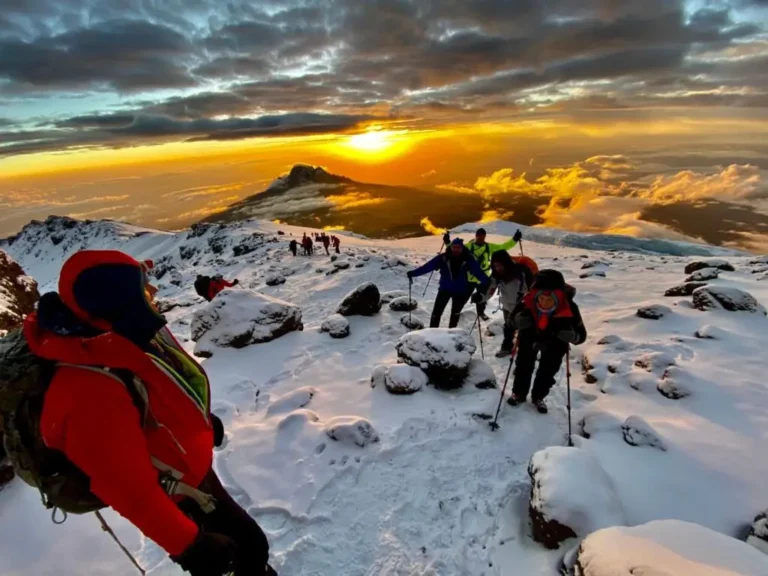
Lemosho Route 12 June – Kilimanjaro Group Climb 2027
Lemosho Route 12 June 2027 – June Kilimanjaro Group Climb is explained with current 2027 planning, price, itinerary and booking information.
View package details
8 Day Lemosho Route – 5 December Kilimanjaro Group Climb 2026
Plan your 8-day Lemosho Route Kilimanjaro group climb for December 5, 2026. Discover why Lemosho is a top choice for success rates and scenery, with practical advice from Climb 4 Africa.
View package detailsMarangu Route – 26 June Kilimanjaro Group Climb 2027
Marangu Route – 26 June 2027 Kilimanjaro Group Climb is explained with current 2027 planning, price, itinerary and booking information.
View package detailsMachame Route – 9 July Kilimanjaro Group Climb 2027
Machame Route – 9 July 2027 Kilimanjaro Group Climb is explained with current 2027 planning, price, itinerary and booking information.
View package details8 Day Lemosho Route – 4 February Group Climb: Your Definitive Guide 2027
Plan your ascent of Kilimanjaro via the Lemosho Route on our scheduled group climb departing February 4, 2027. This guide details the itinerary, advantages, and what to expect.
View package detailsMachame Route – 4 January Kilimanjaro Group Departure 2027
Secure your spot on the popular Machame Route for a Kilimanjaro group trek departing on January 4, 2027. This guide details the itinerary, highlights, and key considerations for this...
View package details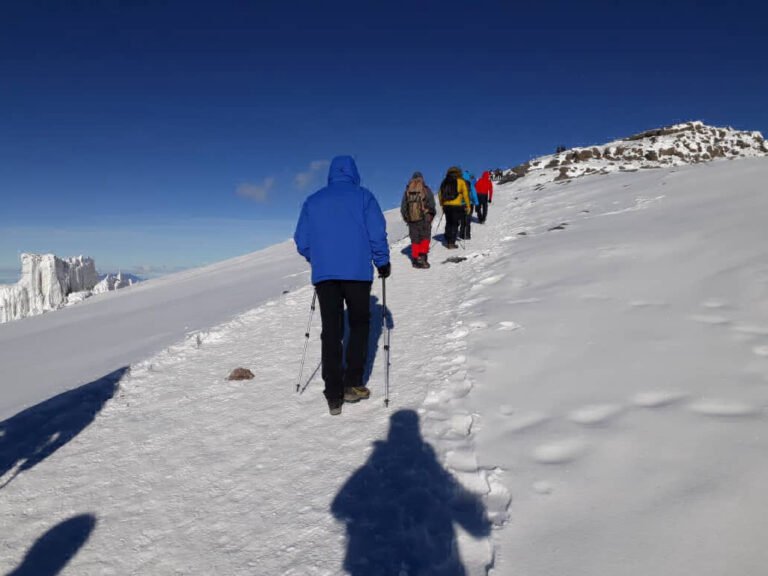
Machame Route – 20 January Group Climb And Available Spaces 2026-2027
Secure your spot on the popular Machame Route Kilimanjaro climb departing January 20, 2027. This guide details the itinerary, what to expect, and how to book your available space.
View package detailsNo related package matches those filters. Clear one or more filters to see the other topic-matched options.



