
The 7 Days Machame Route December 2026 – Group Joining Dates question is best answered this way: Climb 4 Africa operates scheduled group departures including a confirmed 1 December 2026 7-day Machame departure (see operator page). For other December 2026 group-joining dates and available spaces you must request up-to-date confirmation from Climb 4 Africa; exact group capacity, remaining places and any last-minute changes are not published here.
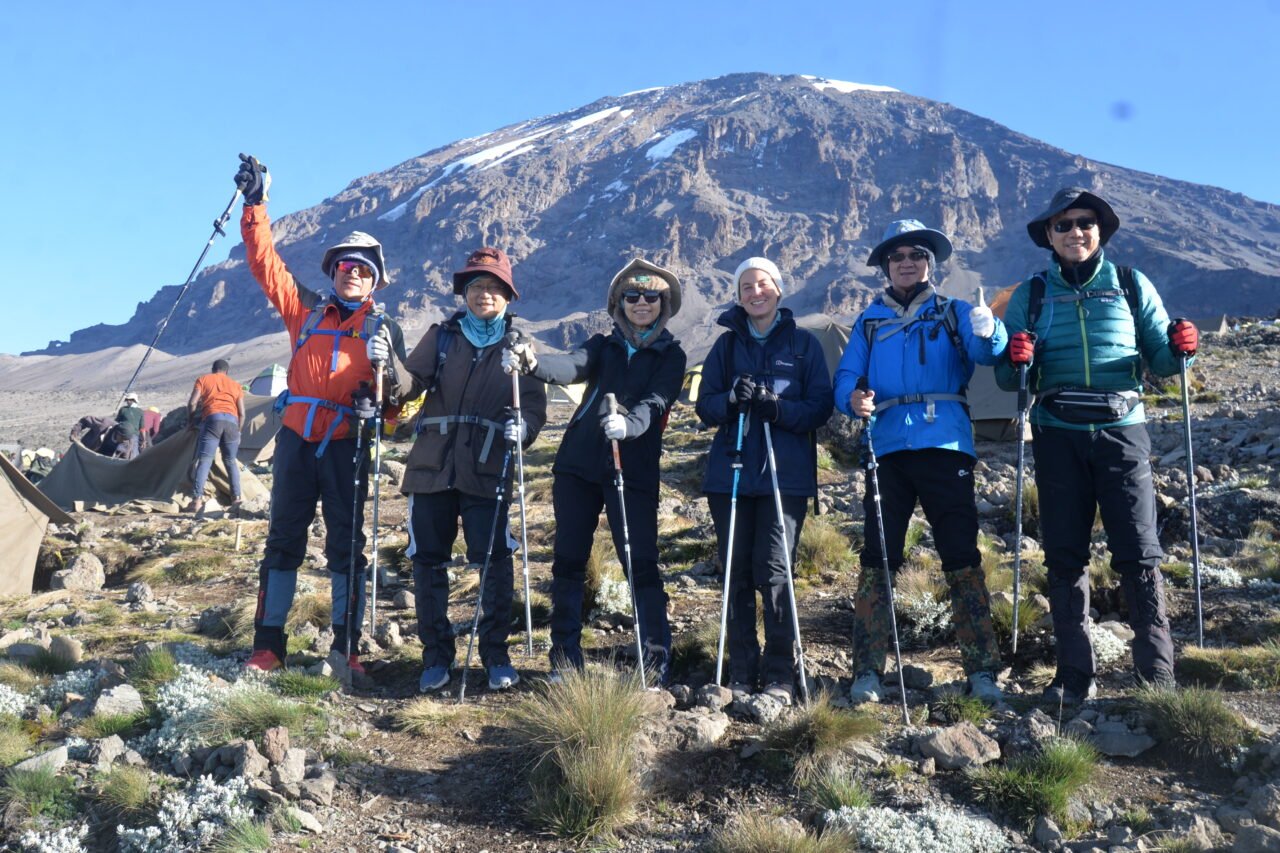
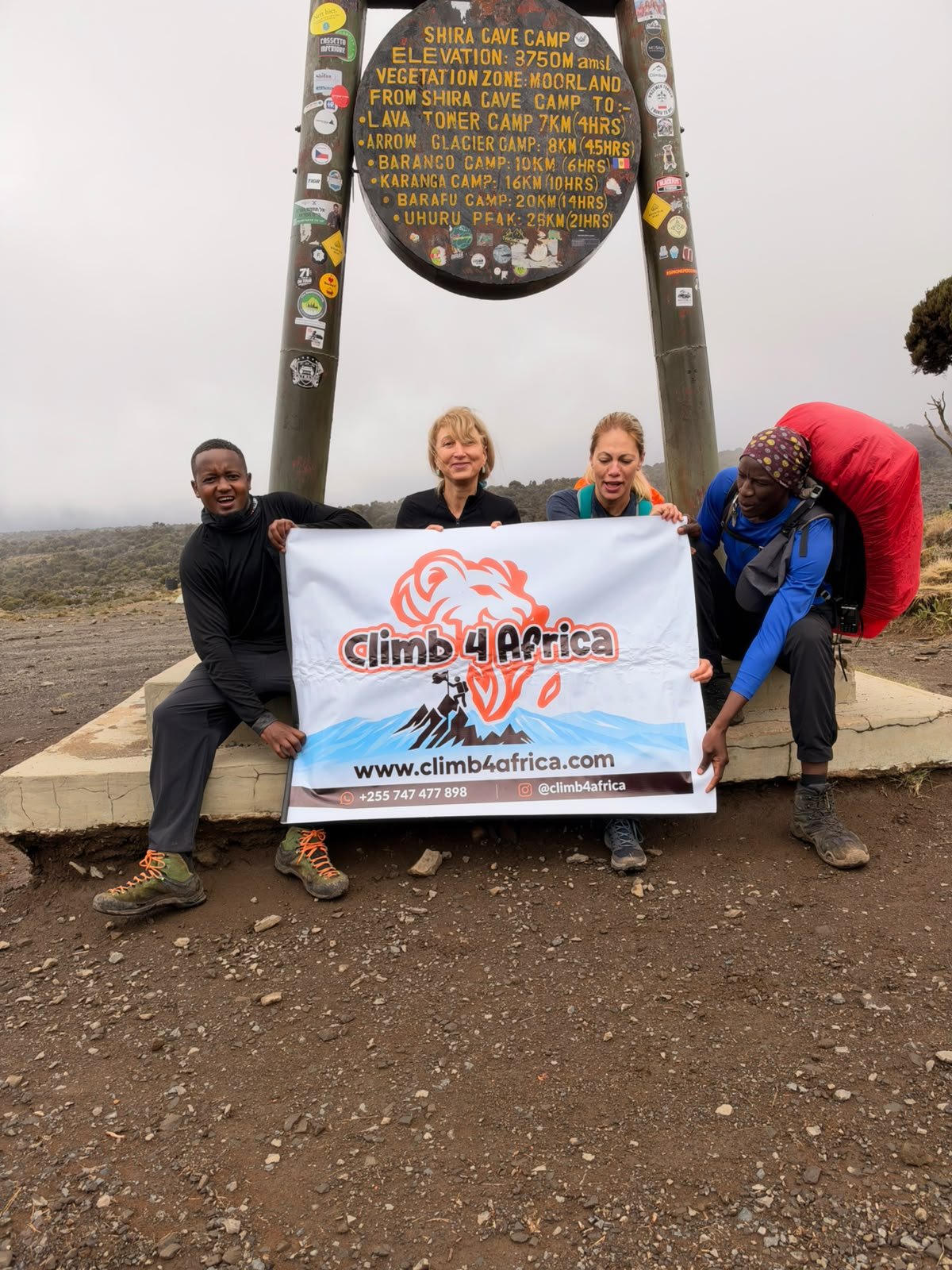
What this first installment covers
This piece is the opening, decision-focused installment in a single deep article on the 7 Days Machame Route December 2026 — Group Joining Dates. It supplies the operational outline you need to decide whether to request confirmed availability and to evaluate the plan against other Kilimanjaro options. Later installments will add confirmed departure lists, packing micro-guides, portering policy details and post-climb logistics for December 2026 departures once Climb 4 Africa provides operator-verified updates.
How group joining works for the 7 Days Machame Route
Group joining means you book a place on a scheduled departure that already has other climbers. For the 7 Days Machame Route, the route’s seven-day pacing is designed to improve acclimatisation compared with shorter itineraries. When joining a group you do not need to assemble a private party; your booking secures a seat on the group’s mountain support system (guides, cooks, porters) and shared logistics such as airport transfers and pre-climb briefings if those are part of the organised package.
Key operational points to confirm with Climb 4 Africa before you commit:
- Exact departure dates in December 2026 and whether the 1 December departure remains confirmed.
- How many places are still available on each scheduled group departure and the minimum group size policy.
- Included services (airport transfers, park fees, tents, food, sleeping mats) and any optional extras.
- Meeting point and time for group-joining clients (usually Moshi or Arusha the day before trek start).
Why choose the 7 Days Machame Route for December climbs
The Machame Route is a popular seven-day Kilimanjaro itinerary because it provides a more gradual ascent profile and introduces deliberate acclimatisation days. In December, which overlaps with Tanzania’s short rains and the festive season, a seven-day plan helps mitigate the increased risk of altitude-related issues by avoiding fast stage gains that shorter routes require. However, weather and park conditions can vary, so confirm logistics and contingency plans with Climb 4 Africa after you request availability.
Itinerary — Day-by-day movement for the 7 Days Machame Route
Below is a route flow designed for seven full days on the mountain. This is a sample plan that reflects the standard day-to-day progression of the Machame Route; actual campsite locations, distances and daily timings must be verified with the operator when you book.
Day 1 — Moshi/Arusha to Machame Gate then to Machame Camp
The group typically meets in Moshi or Arusha the evening before or the morning of Day 1. After final kit checks and permit processing, the drive to Machame Gate (1,790 m) starts. From the gate the trail leads through dense montane forest to Machame Camp (around 2,835 m). Expect a 3–5 hour walk on the first day, largely ascending but with frequent short breaks; the focus is on comfortable pacing and conserving energy for the days ahead. Camping is the norm on the Machame Route; confirm the operator’s tent policy and sleeping-mat standards.
Day 2 — Machame Camp to Shira Camp
Day 2 climbs out of the forest to reach moorland and then the Shira Plateau. The altitude gain is steady; the day’s goal is to continue gradual acclimatisation by avoiding aggressive pace. Walk time commonly ranges from 5–7 hours depending on the exact campsite placement on the Shira Plateau. Weather on the plateau can be windier; bring layers and a windproof shell. The operator will set up camp on the plateau where you’ll spend the night under clear or variable skies.
Day 3 — Shira Camp to Lava Tower then to Barranco Camp (acclimatisation day)
Today is an acclimatisation-focused stage: the trail traverses to Lava Tower (4,630 m) and then drops to Barranco Camp (around 3,900 m). The climb to Lava Tower is an important altitude exposure to help your body adapt, followed by a descent that aids acclimatisation. Trail sections can be rocky and exposed; proper footwear and trekking poles are recommended. Walking time is commonly 6–8 hours because of the up-and-down profile.
Day 4 — Barranco Camp to Karanga Camp
Expect a challenging morning including the famous Barranco Wall scramble. It’s not technical climbing, but it is steep, requires sure
Day 5 — Karanga Camp to Barafu Camp
Day 5 marks the transition from the lower mountain to the high-altitude final ascent zone. After a short, early morning departure from Karanga Camp (around 3,900 m), the route begins a steady climb through the upper moorland and rocky terrain of the southern ice fields. The path ascends gradually but consistently, passing through the dramatic geological formations of the Karanga Valley and then merging with the main summit route near the junction with the Machame and Lemosho trails. The day’s primary objective is to reach Barafu Camp (4,600 m), the last major camp before the summit push. This camp is located on a high-altitude plateau, exposed to strong winds and extreme temperature shifts, so shelter and insulation are critical.
The walking time for Day 5 typically ranges from 5 to 7 hours, depending on pace, weather, and group acclimatisation needs. The terrain is increasingly barren and volcanic, with loose scree and exposed rock surfaces that require careful footing. Guides will emphasize hydration, energy intake, and consistent pacing to prevent fatigue. A midday rest break is usually scheduled at a designated spot near the summit ridge to allow climbers to recover and adjust to the thinning air. The descent from the high ridge to Barafu Camp is often more challenging than the ascent due to the steepness and the need to manage altitude fatigue.
Upon arrival at Barafu Camp, climbers are typically given a brief orientation on the summit night, including equipment checks, headlamp preparation, and a final briefing on summit day protocols. The camp is typically set up with high-altitude tents, insulated sleeping mats, and a central dining area. As temperatures drop significantly at night—often below freezing—sleeping bags rated for -15°C or lower are mandatory. The camp is not equipped with electricity, so all lighting and charging must be done during daylight hours. Climb 4 Africa’s team ensures that all meals are served warm and high in calories to support energy recovery and acclimatisation.
Day 6 — Barafu Camp to Summit (Uhuru Peak) and Descent to Mweka Camp
Day 6 is the summit day, a 12- to 14-hour journey that begins in darkness. The group typically departs Barafu Camp between 10:00 PM and midnight, depending on weather, visibility, and summit window conditions. The first phase of the climb ascends the steep, rocky ridge toward Stella Point (5,756 m), which takes approximately 3 to 4 hours. The terrain is unforgiving—scree slopes, loose rock, and exposed ridges require careful navigation. The use of trekking poles is strongly recommended for stability and energy conservation.
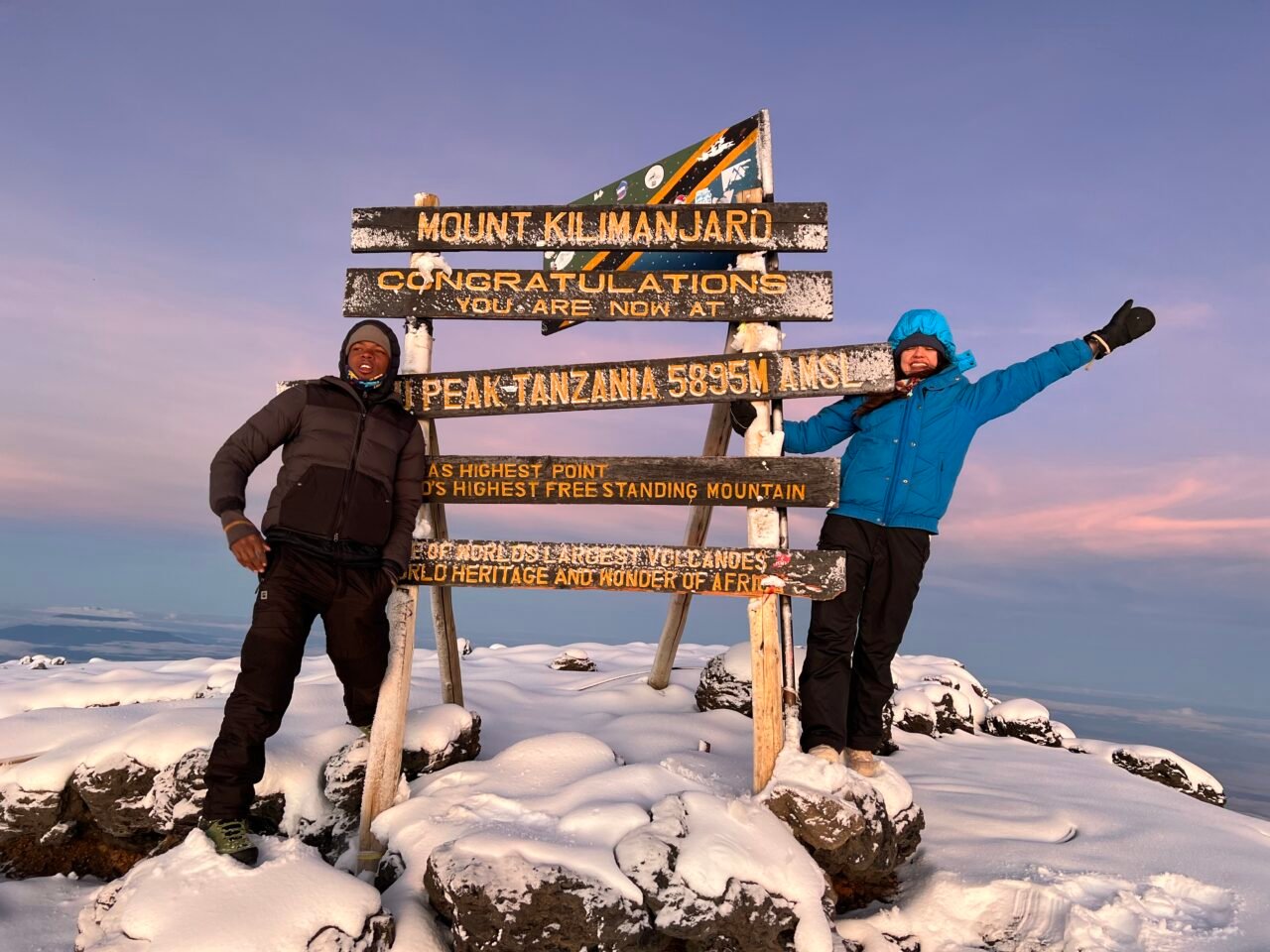
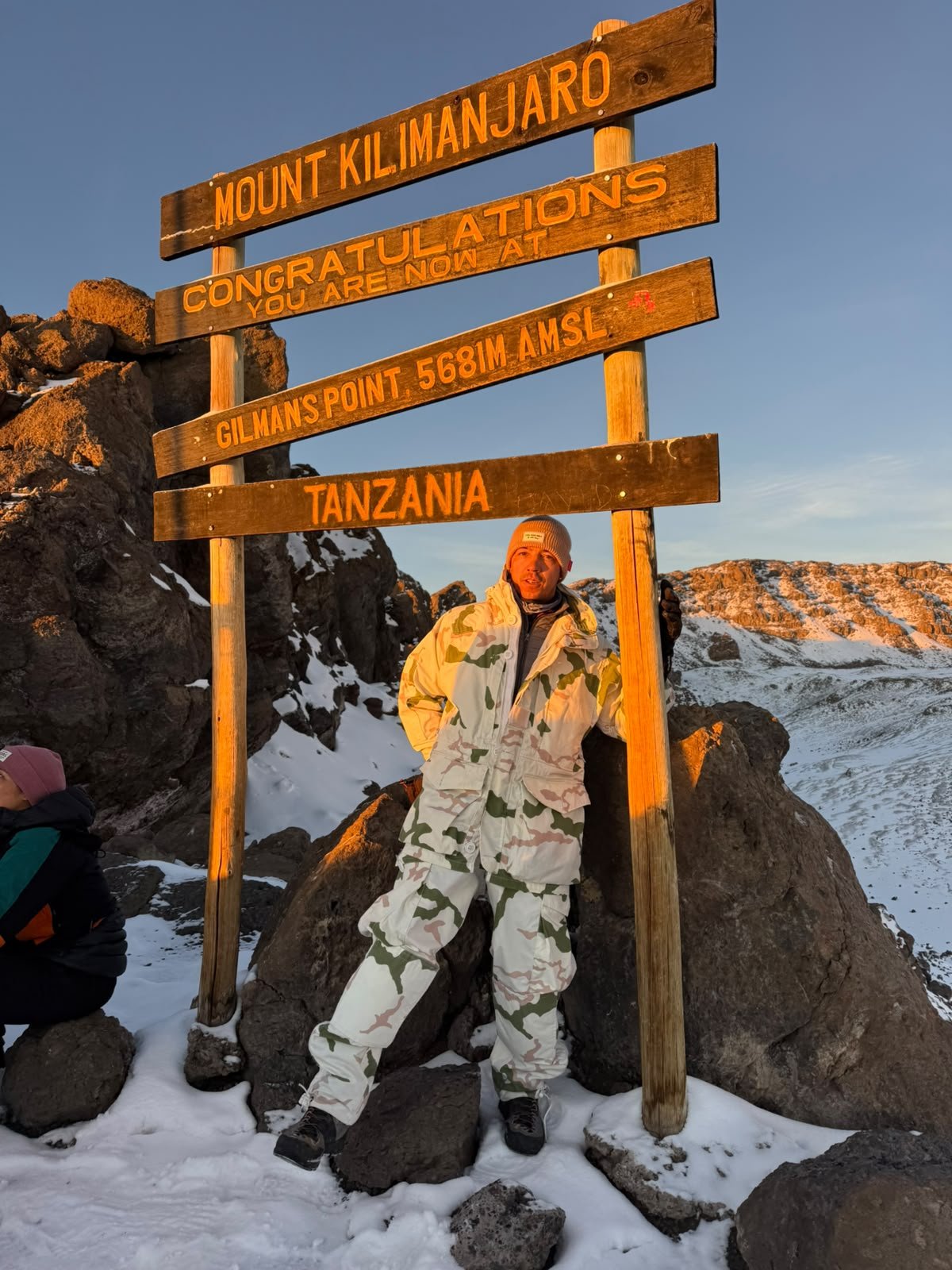
Upon reaching Stella Point, climbers are rewarded with panoramic views of the surrounding ice fields and the vast Rift Valley below. This is also the first official sighting of Uhuru Peak (5,895 m), which lies just ahead. The final stretch from Stella Point to Uhuru Peak is a steep, narrow ridge that demands mental focus and physical endurance. The summit push can take an additional 1.5 to 2.5 hours, depending on individual pace and weather. Once at the summit, climbers are given time to celebrate, take photos, and collect their summit certificates (if offered by the operator). The descent from Uhuru Peak to the next camp begins immediately after the summit visit, typically within 30 minutes to an hour.
The descent continues down to the lower slopes of the mountain, passing through the same terrain in reverse. The first major camp on the descent is typically Mweka Camp (3,090 m), where climbers arrive in the late morning or early afternoon. The descent is longer than the ascent due to the need to manage altitude and avoid overexertion. Guides monitor climbers for signs of altitude sickness and ensure that all team members are hydrated and rested before continuing. Mweka Camp is the final camp on the Machame Route and is typically set up with more comfortable facilities than earlier camps, including flush toilets and communal dining areas.
On the final day of the climb, climbers are transferred from Mweka Camp back to Moshi or Arusha, depending on the operator’s schedule. This transfer typically takes 2 to 3 hours and includes a full-day return to the base area. The journey concludes with a group debrief, celebration dinner, and a final check-in with the guide team. The full 7-day journey is now complete, and climbers are officially certified as having summited Mount Kilimanjaro.
Why the 7-Day Machame Route Works for December Climbs
The 7 Days Machame Route December 2026 – Group Joining Dates schedule is particularly well-suited for climbers aiming to summit during the early part of the month. December in Tanzania falls within the short rainy season, with higher chances of cloud cover, occasional showers, and cooler temperatures at night. The extended itinerary allows for greater flexibility in the face of weather delays, which can impact trail conditions and summit windows. The extra day compared to the 6-day version provides a critical buffer for acclimatisation, reducing the risk of acute mountain sickness (AMS).
Additionally, December is a peak travel period for international visitors, with many climbers combining their Kilimanjaro trek with holiday travel. The 7-day Machame Route’s group-joining model reduces logistical complexity—no need to coordinate private logistics, private guides, or charter flights. By booking a confirmed departure with Climb 4 Africa, climbers gain access to a fully supported expedition with experienced guides, certified porters, and established emergency protocols. The group format also fosters camaraderie and shared motivation, especially during the physically demanding summit night.
It is essential to confirm the exact departure date and group size with Climb 4 Africa before booking. While a 1 December 2026 departure is currently confirmed, other dates in December may have limited availability. Group sizes are typically capped at 12 climbers per guide, with a minimum of 2 climbers required for departure. Any changes to the schedule, including weather-related delays or park closures, are communicated directly by the operator. All climbers must hold valid Tanzanian climbing permits and travel insurance covering high-altitude trekking.
Day 7 — Mweka Camp to Moshi/Arusha (Post-Climb Transfer and Final Logistics)
The final day of the 7 Days Machame Route is dedicated to descent, recovery, and return to the base area. After the physical and mental exertion of summiting Uhuru Peak, Day 7 focuses on a steady, low-intensity descent from Mweka Camp (3,000 m) back to Moshi or Arusha, depending on the operator’s logistics and the climber’s accommodation arrangements. This day is not about speed—it’s about safe re-acclimatisation, hydration, and restoring energy after the summit push.
The descent begins shortly after breakfast at Mweka Camp. The trail follows a well-trodden path through dense montane forest, gradually descending through layers of vegetation that transition from alpine heath to moist tropical forest. The route is relatively gentle compared to previous days, with minimal elevation loss per hour, allowing climbers to walk at a relaxed pace while absorbing the final mountain scenery. The forest canopy is often thick, providing shade and a sense of enclosure, and the air is noticeably warmer and more humid than at higher altitudes.
Along the way, the path passes through several small villages and local farming areas. These are not part of the official park trail but are commonly used by porters and guides for rest stops or water refills. Climbers may encounter local children, farmers, or even small livestock, offering a brief cultural glimpse into the lives of those who live at the base of Kilimanjaro. This section of the trail is typically completed in 3 to 4 hours, depending on group pace, weather conditions, and individual recovery needs.
Upon reaching the Mweka Gate (1,790 m), climbers undergo a final park exit formalities. This includes the return of climbing permits, a final check of personal gear, and a brief debrief with the lead guide. The park authorities may take a photo of the group at the gate for documentation, and some operators arrange a symbolic summit certificate handover here—though this is not mandatory. The official end of the climb is marked by the completion of the Mweka Gate checkpoint.
From Mweka Gate, the group is transferred by private vehicle back to Moshi or Arusha. The transfer duration varies between 2 and 3 hours, depending on traffic, road conditions, and the exact pickup location. Most operators use 4×4 vehicles with ample space for climbers, luggage, and guides. The ride back is often a moment of reflection and celebration, with many climbers sharing stories, laughter, and photos from the climb. Some operators include a farewell dinner at a local restaurant or lodge in Moshi, which may feature Tanzanian cuisine such as ugali, nyama choma, and fresh fruit juices. This is an opportunity to reconnect with fellow climbers and thank the guides and porters for their support.
Upon arrival in Moshi or Arusha, climbers are typically dropped off at their pre-arranged hotel or guesthouse. If the booking includes a post-climb rest day, the operator may assist with hotel check-in and provide a brief orientation on local amenities. However, most climbers opt to return to their accommodation directly after the transfer, preferring rest over further activity. The full 7-day journey is now complete, and climbers are officially certified as having summited Mount Kilimanjaro by the Tanzania National Parks Authority (TANAPA).
It is important to note that post-climb logistics—such as hotel transfers, meal inclusions, and optional celebrations—are not standard across all operators. These services depend on the specific package selected. For the 7 Days Machame Route December 2026 – Group Joining Dates, climbers should confirm with Climb 4 Africa whether the final transfer and post-climb dinner are included in their booking. Some packages may offer a standard hotel drop-off only, while others include extended stays, guided city tours, or airport transfers for international travelers.
Climbers should also be aware of the physical recovery timeline. Even after the descent, it is common to experience lingering fatigue, mild headaches, or reduced appetite for 24 to 48 hours. Hydration, rest, and light activity are recommended. Medical support is available through the operator’s team if any symptoms persist. All climbers must have travel insurance that covers high-altitude trekking and emergency evacuation, as this is a non-negotiable requirement for all Kilimanjaro climbs.
Finally, while the climb itself is complete, many climbers choose to extend their stay in Tanzania for wildlife safaris, cultural tours, or beach relaxation. The 7 Days Machame Route December 2026 – Group Joining Dates provides a strong foundation for such travel, with most operators offering optional add-ons such as Zanzibar trips or Serengeti safaris. These must be arranged separately and confirmed with Climb 4 Africa prior to departure.
For climbers planning to book the 7 Days Machame Route December 2026 – Group Joining Dates, the final day is not just a logistical endpoint—it’s a meaningful conclusion to a memorable journey. It marks the transition from mountain challenge to personal achievement, from isolation to reconnection, and from altitude to home. With proper preparation, support, and a confirmed group departure, Day 7 completes the full circle of the Machame experience.
How to Confirm December 2026 Group Joining Dates for the 7 Days Machame Route
The single most important unanswered question for readers of this article is not the route or daily breakdown—those are already covered—but exactly how to confirm which 7 Days Machame Route December 2026 – Group Joining Dates are available and secure a place on a scheduled departure. Operators publish only limited, changeable information; to convert interest into a confirmed booking you must request operator-verified details and give the operator the specific information they need to respond quickly and accurately.
What to ask for (and what not to assume)
When contacting Climb 4 Africa or another operator about 7 Days Machame Route December 2026 – Group Joining Dates, request only verifiable facts. Do not assume departure status, remaining capacity, or inclusions. Ask explicitly for:
- Confirmed departure dates in December 2026 for the 7 Days Machame Route and which of those are open for group joining.
- Exact number of remaining places on each open departure (seats remaining for climbers, excluding guides and crew).
- Minimum and maximum group size policy for each departure and whether the date is conditional on reaching a minimum number.
- Deposit required to hold a place, the payment schedule, and acceptable payment methods.
- Cancellation and refund policy specific to December 2026 departures (including any force majeure or weather clauses relevant to summit windows during the short rains).
- What is included and excluded in the package you’re being quoted for (park permits, transfers, tents, meals, post-climb transfer/hotel drop-off, gratuities, insurance requirements).
- Any special COVID-19, vaccination, or health screening requirements still applicable for late-2026 travel (operators change these periodically).
- Recommended arrival date in Moshi/Arusha for the chosen departure and suggested hotels used for pre-climb briefings, if relevant.
How to structure your booking enquiry (sample request)
Operators are busy in high season; a concise, complete enquiry speeds up responses. Use a single message that contains all essential details. Below is a practical example you can adapt—not claiming operator specifics but crafted to elicit the confirmed 7 Days Machame Route December 2026 – Group Joining Dates and booking terms.
Sample enquiry (email or web form):
Subject: Inquiry — 7 Days Machame Route December 2026 group joining availability
Dear Climb 4 Africa team,
I am planning to join a scheduled 7 Days Machame Route departure in December 2026. Please confirm the following for your December departures:
- Which specific departure dates in December 2026 are confirmed and open for group joining?
- How many climber places remain on each open departure?
- What deposit is required to secure a place and what payment methods do you accept?
- What is your cancellation/refund policy for these December 2026 departures?
- Please list exactly what is included and excluded in the package (park fees, transfers, tents, meals, post-climb transfer/hotel drop-off, gratuities).
- What arrival date you recommend for pre-climb briefing and final kit checks?
Traveler details: full name, nationality, DOB, preferred departure date (if any), room occupancy preference for pre/post accommodation, and any medical conditions or mobility restrictions we should be aware of.
Kind regards,
[Your name and contact number]
Timing, deposits and follow-up: a practical timeline
Expect a two-step exchange: an initial availability and quote, then a formal booking contract. Practical timings to plan around the 7 Days Machame Route December 2026 – Group Joining Dates are:
- Inquiry to initial operator reply: typically 24–72 hours in high season; allow up to a week for detailed confirmations.
- Deposit window: operators commonly require deposit within 48–72 hours of issuing a provisional booking; ask for exact deadline in the reply.
- Final payment: confirm the date when the balance is due—often 30–60 days before departure for group departures.
- Last-minute confirmations: if you are booking within 30 days of departure, request immediate phone confirmation and a written receipt for the deposit showing your assigned place on the specific 7 Days Machame Route December 2026 departure.
What to do if a preferred December date is full or conditional
If the exact 7 Days Machame Route December 2026 – Group Joining Dates you want are full or conditional on minimum numbers, ask the operator about:
- Waitlist procedures: whether you can be placed on a waitlist and how you will be notified if a place opens.
- Alternate nearby dates that currently have confirmed availability.
- Private departure upsell: whether you can convert to a private departure and the additional cost involved (ask for a written quote).
Securing a confirmed place on the 7 Days Machame Route December 2026 – Group Joining Dates is straightforward if you ask the right questions, provide complete traveler details, and follow the operator’s deposit timeline. Always keep written confirmation including the exact departure date, operator name, and a booking reference before purchasing non-refundable flights.
Next step: Use the sample enquiry above to request operator-verified 7 Days Machame Route December 2026 – Group Joining Dates and a formal booking contract from Climb 4 Africa.
What to verify in the booking contract before you confirm a 7 Days Machame Route December 2026 group-joining place
When you receive a formal booking contract or confirmation for a 7 Days Machame Route December 2026 group joining departure, the single most important step is a methodical document check. Operators are busy in December; mistakes and ambiguous wording can slip into contracts. Below is a practical checklist of contract items and booking documents to verify—what must be explicit in writing, what you should query immediately, and what you should insist on before you pay non-refundable travel costs like international flights.
1) Exact departure date, meeting point and operator identity
Confirm the precise calendar date of the 7 Days Machame Route December 2026 departure, the time and location of group meetup (for example: a specified hotel in Moshi or the operator’s office), and the full legal name of the company providing the climb services. The contract should include the operator’s physical address, contact telephone number for a local agent, and a booking reference number. If Climb 4 Africa is the advertised operator, the confirmation must show that name and the same reference that matched your initial enquiry.
2) Permits and park fees: who pays and who holds them
Park entry permits and Kilimanjaro authority fees are essential and non-transferable. The contract must state whether park fees and camping permits are included in the quoted price or are charged separately, and if they are included, that the operator will provide the actual permit number(s) or a receipt showing payment prior to the climb. If permits are not included, request a written schedule of those additional fees and the exact deadline for payment.
3) Included and excluded services—be granular
High-level phrases like “meals included” are insufficient by themselves. The contract should list specifically: airport transfers (arrival and departure), number and type of tents (two-person client tents, dining tent), sleeping mats, water provisioning and treatment, number of guides assigned, porter-to-client ratio, pre-climb accommodation (if provided), and post-climb transfers to Moshi/Arusha or a specified drop-off. Equally important: a clear list of excluded items (e.g., personal climbing equipment, hot showers, hotel nights beyond the arranged transfer) so there is no misunderstanding on arrival.
4) Guide and support staffing standards
Ask the operator to state the guide-to-client ratio and the qualifications of the lead guide. For group departures on the 7 Days Machame Route, the contract should confirm the number of guides, assistant guides, cooks and porters assigned to the group. If your booking depends on a minimum group size to proceed, that condition and the exact threshold must be written with notice periods and refund options if the departure is cancelled.
5) Cancellation, postponement and refund terms
Read the cancellation policy carefully. Confirm the refund percentages and any deadlines tied to deposit and final payment. December travel can be disrupted—your contract must spell out operator cancellation policies, refunds in the event the operator cancels due to insufficient numbers or force majeure, and the procedure for handling flight delays that make you miss the meetup. If a departure is conditional on reaching a minimum number, the contract should state how and when the operator will notify you and what options you have if the trip is cancelled (full refund, transfer to another date, credit note).
6) Medical requirements, fitness and emergency evacuation
The document should require a medical self-declaration or doctor’s note when appropriate and specify any mandatory vaccinations or recommended medical kit. Critically, it must describe emergency procedures and evacuation responsibilities: who arranges the evacuation, whether evacuation costs are covered (usually not), and recommended insurance coverage. If evacuation or rescue services are excluded from the package, the contract should explicitly advise you to purchase appropriate travel and rescue insurance and state minimum coverage recommendations if the operator provides them.
7) Luggage/porter policy and weight limits
Porter policies vary. The confirmation must state the permitted porter-carried weight per climber, any excess baggage fees, and how personal daypacks are handled. If there is a separate porter tipping guideline, that should be included as a recommendation rather than a mandatory charge.
8) Weather and summit contingency language
Because summit success depends on weather and conditions, ensure the contract contains clear language about what happens if the group cannot attempt or reach Uhuru Peak due to weather or safety decisions by the guide. Look for statements on partial refunds, alternative summit dates if the operator offers flexible scheduling, and how decisions are communicated to clients.
9) Required documents to bring on arrival
The confirmation should list the paperwork you must present at the pre-climb briefing and on the morning of Day 1: passport (valid and matching the booking), printed booking confirmation, travel insurance policy number, medical declaration, and any special permits if applicable. If the operator requires pre-climb PCR or vaccination records beyond standard entry requirements, this must be listed explicitly.
10) Proof of booking and next steps
Finally, insist on a single, consolidated booking confirmation that combines the payment receipt, detailed itinerary, and the contract terms above. Do not accept a verbal assurance without written follow-up. Once you have the written confirmation, verify your flight timing against the operator’s recommended arrival time and retain the booking reference and operator contact details for easy retrieval.
Verifying these contract details protects you from last-minute misunderstandings and keeps the focus on the climb. When you next contact Climb 4 Africa (or your chosen operator) about 7 Days Machame Route December 2026 — Group Joining Dates, request a written booking pack that addresses each item above before you finalise non-refundable travel purchases.
Related Reading
Check Availability for 7 Days Machame Route December – Group Joining Dates 2026
Ready to compare dates, prices, and the best option for your group? Send the package name and travel month so the team can reply with a clear quote, availability, and what is included.
6 Days Marangu Route Kilimanjaro Group Joining – 1–6 December 2026
6 Days Marangu Route Kilimanjaro Group Joining – 1–6 December 2026.
View package details1–8 January , 8 Days Lemosho Route Kilimanjaro Group Joining 2027
1–8 January 2027, 8 Days Lemosho Route Kilimanjaro Group Joining.
View package details6 Days Marangu Route Kilimanjaro Group Departure – 16–21 December 2026
6 Days Marangu Route Kilimanjaro Group Departure – 16–21 December 2026.
View package details5 Days Marangu Route Kilimanjaro Group Climb – 8–12 December 2026
5 Days Marangu Route Kilimanjaro Group Climb – 8–12 December 2026.
View package details
November Tanzania Group Joining Safari Dates And Prices: Expert Planning Guide
A practical guide to planning a shared safari in November 2026, covering seasonality, cost-saving benefits, and how to coordinate your trip dates with Climb 4 Africa.
View package details2–8 January , 7 Days Lemosho Route Kilimanjaro Group Climb 2027
2–8 January 2027, 7 Days Lemosho Route Kilimanjaro Group Climb.
View package details
Kilimanjaro Full Moon Climb 24 December – Group Trekking 2026
Kilimanjaro Full Moon Climb 24 December 2026 – Group Trekking.
View package details
6 Days Marangu Kilimanjaro Group Hiking – 9–14 December 2026
6 Days Marangu Kilimanjaro Group Hiking – 9–14 December 2026.
View package details
December 4, Kilimanjaro Budget Trekking With Shared Group
December 4, 2026 Kilimanjaro Budget Trekking with Shared Group.
View package details
Climb Kilimanjaro In Budget 12-December-2026, Join Group 2027
climb kilimanjaro in Budget 12-december-2026, Join Group.
View package detailsClimb Kilimanjaro In 12-December-2026, Small Group in 2027
climb kilimanjaro in 12-december-2026, Small Group.
View package details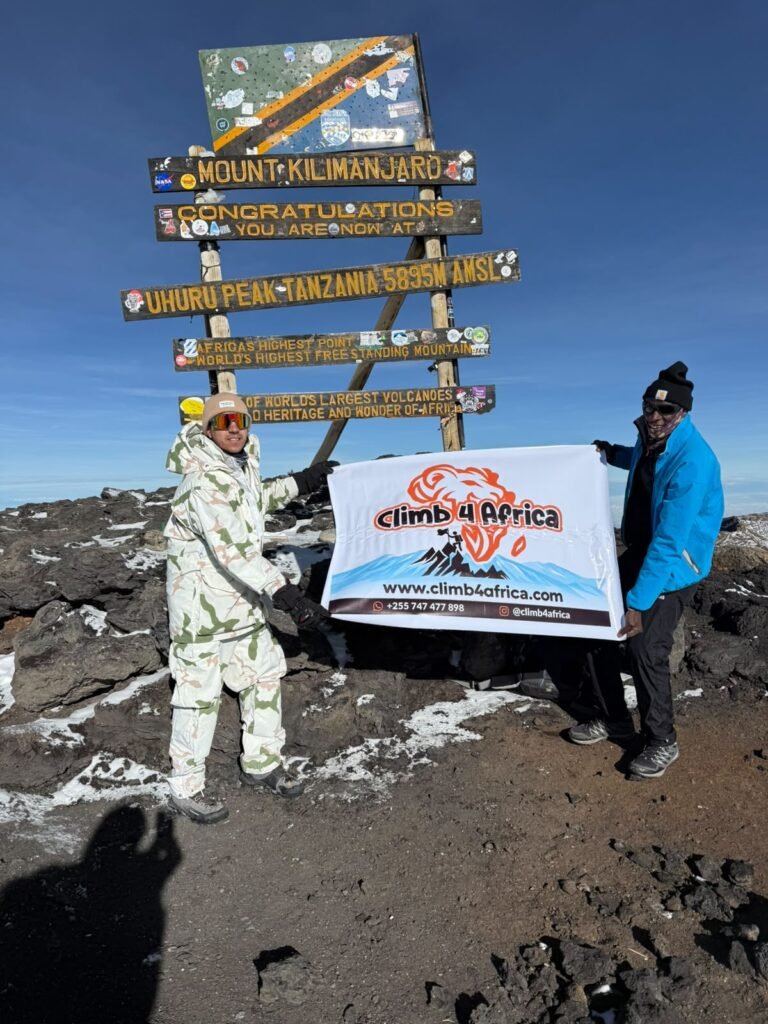
Join Kilimanjaro Group In 4-December-2026, Small Departures 2027
Join kilimanjaro Group in 4-december-2026, Small Departures.
View package detailsNo related package matches those filters. Clear one or more filters to see the other topic-matched options.



