
To climb Kilimanjaro on 5 December 2026, join a confirmed Climb 4 Africa itinerary that uses a day-by-day route with proper acclimatization, typically the Lemosho or Machame route, supported by pre-climb briefing, transfer logistics, park fees, guide-to-client ratio, and included gear check. Availability and exact inclusions must be confirmed with the operator; you will receive a fixed departure group, a concrete daily plan, and a reserved permit once you book.
Planning a Kilimanjaro ascent in early December offers quieter trails and shorter queues before Christmas. This first installment focuses on the travel sequence, acclimatization logic, and the essential booking steps. We outline the preferred route options, how each day unfolds, and the practical decisions you’ll face when locking your space with Climb 4 Africa.
Section by section, you’ll see the concrete day-by-day flow, where to stay before and after the climb, how gear is arranged, and how to align your flights with the itinerary. The goal is to convert interest into a confirmed plan without guessing at prices or availability. The actual departure date, spaces, and inclusions should be verified directly with Climb 4 Africa; this article provides the framework to compare options and secure your booking confidently.
Why December 5, 2026 is a sensible entry point for Kilimanjaro
December is part of the short dry season in the Northern Circuit, offering clearer skies and more predictable trekking conditions. It is, however, a busy period for Kilimanjaro, so securing a confirmed departure early is wise. The Climb 4 Africa team typically coordinates a fixed group with a structured acclimatization plan, which helps minimize altitude-related risk while keeping the itinerary efficient. You’ll want to confirm the exact route, daily hiking times, and rest stops with the operator during the booking process.
Core route options for a bookable Kilimanjaro ascent
For a December ascent, two widely used routes provide a balance of acclimatization, scenery, and logistical practicality. The choice depends on group size, preferred ascent pace, and whether emphasis is on summit success or the overall trekking experience.
- Machame Route (serious acclimatization, scenic variation, more demanding)
- Lemosho Route (longer approach, strong acclimatization potential, balanced scenery)
Both routes typically involve a start from Moshi or Arusha, a pre-climb briefing, overnight in a partner lodge, and a transfer to the gate for the start of the trek. Climb 4 Africa packages often combine these routes with a brief acclimatization day and a final summit push that aligns with the group pace. Availability of a specific route will depend on the number of climbers and the exact departure date.
Sample day-by-day sequence (illustrative, actual timings vary)
Below is a representative structure you may encounter when booking a Kilimanjaro climb with Climb 4 Africa for early December departures. Timings, nights in huts or tents, and daily distances are subject to group pace, weather, and permit regulations. The plan emphasizes acclimatization rests, safe ascent pacing, and contingency options.
- Day 0 — Arrival in Kilimanjaro region, transfer to lodge, briefing, equipment check
- Day 1 — Transfer to gate, start Machame/Lemosho route; altitude-friendly first push; camp near 3,000–3,600m
- Day 2 — Higher ascent with steady elevation gain; acclimatization rest and short acclimatization hike
- Day 3 — Further altitude gain; camp near 4,200–4,800m; sleep early to prepare for summit push
- Day 4 — Summit attempt aligned with pre-set summit window; return to high camp or gate-based camp depending on route
- Day 5 — Descent to Mweka or similar lower camp; final night near Moshi/Arusha or hotel stay
In practice, the exact day structure depends on your group’s pace and acclimatization response. Climb 4 Africa provides a detailed day-by-day plan after you confirm your booking, including expected hiking times, rest stops, and emergency procedures.
Acclimatization strategy you’ll experience
Climb 4 Africa emphasizes a measured approach: multiple short daily hikes at elevations that encourage gradual adaptation. With a typical two-to-three-night ascent in the 3,000–5,600m zone, climbers build a tolerance before the final summit push. An optional acclimatization day at a higher altitude is common on the Lemosho and Machame itineraries, helping to reduce the risk of altitude sickness while keeping the route efficient. If you’re prone to symptoms, the guide team will adjust the pace and may recommend additional rest or a modified itinerary within the same booking window.
What’s included and what to verify when you book
When you book Kilimanjaro with Climb 4 Africa for a December 2026 departure, you’ll typically see inclusions such as park fees, guide and porter support, meals on the mountain, and basic medical provisions. However, inclusions vary by itinerary and group size, so confirm the following before finalizing your plan:
- Permits and park fees for the chosen route
- Qualified guide-to-client ratio and porter support
- Meals and snacks on the trek; water provision specifics
- Gear checks and any required rental equipment
- Accommodation before and after the climb (lodge or hotel)
- Airport transfers and domestic flights, if included
Exclusions often include international flights, visa costs, travel insurance, personal gear, extra hotel nights, and tipping. The booking team will provide a clear inclusions/exclusions list for your exact departure date once you request a quote.
Pricing, availability and how to secure your space
Prices for Kilimanjaro climbs in December can fluctuate with group size, fuel costs, and permit rates. The most reliable path to an accurate price is to request a formal quote from Climb 4 Africa for 5 December 2026. Availability is also dynamic; vacancies can be limited
Additional practical details for securing a Kilimanjaro climb on 5 December 2026
Beyond the high-level route choices and acclimatization framework, there are concrete steps to translate interest into a confirmed booking for Kilimanjaro on 5 December 2026 with Climb 4 Africa. This section adds a focused, bookable sequence of actions, timelines, and considerations that help you move from inquiry to confirmed departure without guesswork.
1) Confirming the exact itinerary with the operator
While the earlier sections outline typical approaches on the Lemosho or Machame routes, the definitive plan for your 5 December 2026 ascent will come from a formal quote and itinerary confirmation. When you request a quote, expect:
– The precise route variant (e.g., Lemosho, Machame, or a combined acclimatization sequence) tailored to your group size.
– The day-by-day schedule with estimated hiking times, camp locations, and overnight stops.
– The designated summit window aligned to your departure, including contingency windows should weather or health factors require adjustments.
– The guide-to-client ratio and the roster of lead guides and support staff assigned to your group.
– A breakdown of inclusions (park fees, permits, meals on the route, hotel nights, transfers) and exclusions (international airfare, additional pre/post-accommodation, travel insurance).
Keeping a written, itemized itinerary helps you compare against other operators and ensures you have a fixed plan rather than a rolling approximation.
2) Gear list finalization and pre-ride check
Even with inclusions sorted, a precise gear check helps prevent delays on the mountain. Climb 4 Africa typically conducts a pre-climb briefing and equipment verification. Expect:
– A confirmed list of permitted gear and any required rentals (sleeping bags, trekking poles, gaiters, down jackets).
– Confirmed water purification strategy (filters, chemical treatments, or bottled water policy) and water carry-on allowances for each day.
– A packing checklist aligned to the exact camp rotations and hut/tent accommodations used on your chosen route.
– Weather- and altitude-appropriate layering recommendations to optimize comfort and minimize heat loss at altitude.
If you’re unsure about gear, ask for the operator’s rental catalog and a guaranteed gear check before departure to avoid last-minute substitutions.
3) Pre-departure logistics and arrival planning
A smooth travel sequence starts with your arrival into Kilimanjaro region hubs (e.g., Kilimanjaro International Airport or a domestic gateway) and continues through to Moshi or Arusha pre-climb lodging. For the 5 December 2026 departure, coordinate with the operator on:
– Recommended arrival windows that align with the pre-climb briefing day.
– Transfer arrangements from the airport to the pre-climb hotel and from the hotel to the trailhead on embarkation morning.
– Any domestic flight requirements if the plan includes air transfers into/out of the departure region.
– Documentation needs (passport copies, visa information, emergency contact details) for both your travel party and the operator.
A well-timed arrival minimizes fatigue and sets the mental stage for acclimatization and the subsequent ascent.
4) Health, safety and insurance considerations
Altitude-sensitive travellers benefit from proactive health planning. When booking, verify with Climb 4 Africa:
– The emergency evacuation protocol and the mountain medical provisions available on the trek.
– The recommended or mandatory travel insurance coverage including high-altitude medical evacuation.
– Any medical history documentation required by the operator (past altitude experiences, existing conditions) and how this information will influence pacing and rest days.
– Accessibility accommodations for those with mobility considerations or special dietary requirements.
Clear confirmation of health and safety measures helps reduce risk and ensures the team can tailor the pace specifically to your needs.
5) Payment terms, cancellation policies and contingency options
With confirmed availability, you’ll receive a formal booking agreement outlining payment milestones, deposits, and cancellation terms. Key points often include:
– A non-refundable deposit to secure your space and hold the permit slot.
– A schedule of incremental payments tied to specific dates before departure.
– The policy on changes to the itinerary, weather-related postponements, or operator-initiated rescheduling.
– Conditions for refunds or credits if you must cancel, including any applicable insurance coverage to recover non-recoverable costs.
Understanding these terms in advance helps you assess risk and plan financially for the December 5, 2026 climb.
6) The final confirmation and what you receive
Upon completion of verification, the operator will issue a formal confirmation that includes:
– Your fixed departure date (5 December 2026) and a guaranteed group with a defined lead guide.
– The final day-by-day plan, with distances, camping arrangements, and acclimatization markers.
– The confirmed permit and park entry details for your specific route.
– A dedicated contact for pre-departure support and a direct line for on-mountain emergencies.
This document becomes your go-to reference as you prepare physically, mentally, and logistically for Kilimanjaro.
7) Practical checks a week before departure
<pIn the final week, perform a quick sanity check: confirm flight times, airport transfers, hotel addresses, and the contact details of your guide team. Reconfirm your gear is accounted for and that you know where the pre-climb briefing will occur. Have electronic and paper copies of essential documents, including your itinerary, medical information, and emergency contacts. A brief final check helps prevent last-minute surprises and ensures you depart with confidence for Kilimanjaro on 5 December 2026.

Gaps in the booking and preparation sequence: clarifying the on-ground realities for a 5 December 2026 Kilimanjaro climb
As you move from interest to a confirmed booking for a Kilimanjaro ascent on 5 December 2026 with Climb 4 Africa, there are practical nuances that deserve explicit confirmation beyond the general framework already described. This section adds targeted clarity on how the actual day-to-day flow integrates with the fixed departure group, the acclimatization logic, and the on-the-ground sequencing that travelers increasingly need to verify directly with the operator. The aim is to prevent ambiguity in the critical windows: pre-departure, in-country transfer, and on-mountain pacing, so you can align expectations with what will be delivered on the mountain.
Exact timetable alignment with the fixed group
Once a formal itinerary is issued, it will specify the sequence of drive or flight segments, park entry times, and daily start times that form the skeleton of your Kilimanjaro ascent. It is essential to verify how the daily start times translate to the actual pace of your group, especially on the ascent days that involve longer trekking hours and higher elevation gain. Climb 4 Africa typically coordinates a consistent pace plan within the lead guide’s route context; however, small variances in wake-up times, breakfast windows, and briefing durations can affect the perceived tempo of each day. Request a copy of the day-by-day timetable, including starting trailhead times, expected finish times, and planned rest stops. This enables you to schedule pre- and post-climb activities with minimal risk of missing transfers or misaligning with group expectations.
Acclimatization and pacing validated against the fixed group profile
In December, acclimatization is central to success and safety. The operator’s confirmation should specify the intended acclimatization markers (for example, nights spent at certain elevations, rest days, and the rationale behind each higher camp). While generic acclimatization guidance exists, the bookable itinerary will reflect a practical adaptation to the specific group’s fitness level and collective pace. If you have particular altitude sensitivities, insist on a personalized pacing note from the lead guide in the final itinerary. Clarify whether there is any flexibility to insert additional acclimatization stops or to adjust the schedule to accommodate a slower pace without compromising permit constraints or group cohesion.
Gear, weight allowances, and rental arrangements tied to the confirmed plan
Gear handling on Kilimanjaro is not universal across operators; some groups permit more field rentals than others, and certain items may be restricted by park rules or weather contingencies. After the itinerary is confirmed, request a detailed gear checklist that aligns with the exact route and hut/titched camping configurations. If a sleep system rental (sleeping bag or insulating liner) is included or offers as-needed, confirm the rental process, deposit requirements, and return procedures. Understanding weight allowances for porters and any personal baggage caps can prevent last-minute disputes at the trailhead and help you plan your packing strategy with greater confidence.
Transfers, accommodations, and pre/post-climb logistics specificity
The December departure typically involves staying in Moshi or Arusha before and after the climb. The confirmed itinerary should specify which hotel or lodge is used for pre-climb briefing, how group transfers to Kilimanjaro International Airport are managed, and where the post-climb collection occurs. If the plan includes a post-climb celebration or a recovery day in a particular location, verify the timing and inclusion status. This is especially important for coordinating international flight schedules and ensuring you have adequate buffer time for jet lag or domestic connections.
In-climb medical provisions and emergency contingencies on the fixed schedule
Altitude-related medical provisions and evacuation protocols must be clearly documented in the formal confirmation. Beyond generic statements, obtain the on-mountain contact protocol, who holds the medical kit, and how medical signals are escalated in case of symptoms such as persistent headaches, nausea, or dizziness. Inquire about the availability of supplementary oxygen on the high camps, the altitude threshold for a recommended rest day, and whether there is a contingency plan for a weather-related postponement that preserves the integrity of the permit and group cohesion. A clear understanding of these elements helps you assess risk and align personal expectations with the operator’s safety framework.
What to verify in the final confirmation before payment or travel changes
Before finalizing any payment, confirm that the final document reflects: the exact departure date (5 December 2026), the lead guide and group size, the day-by-day plan with distances, the licensed permits for the chosen route, and the park fee status. Verify that any inclusions or exclusions are clearly itemized, and request written confirmation of any updates since the initial proposal. If there are any changes to operational partners (for example, a new lodge partner or a revised transport schedule), ask for a revised itinerary and a revised quote to avoid surprises mid-trip.
In short, the most valuable practical step at this stage is to obtain a tightly scoped, line-by-line itinerary document that you can review with your personal scheduling, health considerations, and travel protections. The goal is a smooth, dress-rehearsed sequence that minimizes ambiguity and aligns every touchpoint—pre-departure briefing, airport transfers, route pacing, acclimatization windows, and post-climb logistics—with the actual, bookable Kilimanjaro climb on 5 December 2026.
Booking enquiry call-to-action: what to ask when you contact the operator
- Request the final itinerary in a shareable format (PDF or slide deck) with the exact day-by-day schedule, including trailhead times and finish times for each day.
- Ask for a detailed acclimatization timetable showing rests and elevation milestones tied to the group’s pace.
- Confirm gear rental availability, list of permitted items, and weight allowances for porters with a clear charge structure.
- Seek confirmation of pre- and post-climb lodging, transfer timing, and airport meeting points.
- Request emergency and medical provisions documentation, including contact numbers and evacuation procedures.
- Get a written note on cancellation terms, rescheduling policies, and what post-booking changes are allowed without penalties.
Ensuring a smoothly managed pre-climb briefing and on-ground coordination for a 5 December 2026 Kilimanjaro ascent
Even with a confirmed itinerary, the practical realities on the ground can influence your experience as you approach Kilimanjaro on 5 December 2026. This section focuses on the operational details that directly affect your daily rhythm, acclimatization cadence, and overall comfort, without venturing into speculative or unverified claims.
First, expect a formal pre-climb briefing when you arrive in the Moshi or Arusha area designated by the operator. This briefing typically covers the final gear checks, permit verification, chain-of-custody for porters, and a reiteration of emergency procedures. While the exact timing may vary by group, most operators schedule these briefings within 24–48 hours before the trek begins, providing a last opportunity to ask route-specific questions and to confirm any last-minute equipment rentals or substitutions.
Second, the pre-climb logistics will align with the fixed group flow and the day-by-day plan you will receive in your final confirmation. Transfer details from the airport to your pre-climb lodging, and from there to the trailhead on departure day, are typically arranged to minimize waiting times while ensuring that you are rested before starting the first trekking day. If your flight arrives late, expect a revised transfer plan that preserves safety and pacing while avoiding unnecessary backtracking. Confirm the expected arrival window into the pre-climb lodge, and keep in touch with a designated point of contact at the operator for any schedule updates.
Third, gear and personal equipment management remains a critical touchpoint. The day of gear finalization is not just a packing checklist; it is a practical calibration of what you are actually carrying, what the porters will carry, and how to manage varying weather conditions at different elevations. Expect a final gear confirmation from the guide team, including the permitted checked items, weight limits, and any required rentals for items such as insulated jackets, trekking poles, or sleeping bags. If you’ve rented gear through the operator, you will typically receive a rental agreement outlining costs, return timelines, and replacement policies should items be misplaced or damaged on the mountain.
Fourth, acclimatization and pacing are coordinated with the fixed schedule to maintain consistency across the group. Your leader will monitor the group’s responses to altitude and adjust daily start times, rest durations, and altitude milestones if necessary. In December, with crowding and popular trails, the plan often preserves longer rests or slightly slower ascent on the early days to protect the group’s overall health while still honoring the fixed itinerary framework. Clear communication about any small adjustments helps manage expectations and reduces fatigue caused by unexpected delays or bottlenecks at trailheads or camps.
Fifth, contingency planning remains a practical anchor for travelers. While no operator promises perfect weather, the formal confirmation should outline the operator’s approach to weather-related delays or last-minute route adjustments. This includes how permits are preserved, how transport timetables are adapted, and what happens if a higher camp is closed due to unsafe conditions. Ask for a written note detailing the contingency options tied to the confirmed plan, so you know exactly how disruptions would be handled without compromising safety or group cohesion.
Finally, post-booking communications—especially in the month leading up to the climb—should stay consistent and transparent. Expect a point of contact who can field questions about flight connections, hotel choices, and the day-by-day plan, plus an escalation path for medical or safety concerns. A well-structured communication channel helps you feel prepared without feeling overwhelmed, and it ensures that you won’t be facing last-minute surprises on the day of departure.
Understanding the fixed-group dynamics in a 5 December 2026 Kilimanjaro climb
One of the most valuable questions readers often have after seeing a booked 5 December 2026 Kilimanjaro ascent is how the fixed group structure influences individual experience. This section dives into the practical realities of a guaranteed group departure and how it shapes daily pacing, acclimatization, and on-mountain logistics without venturing into unverified price or space claims.
When a tour operator confirms a fixed departure for Kilimanjaro, the group typically lands on a common start date, with a lead guide who sets the tempo for the day-by-day plan. This structure yields several concrete benefits for climbers targeting December departures: predictable start times at trailheads, coordinated acclimatization milestones shared by the group, and smoother management of porters, cooks, and gear transfers because the entire team operates under a single roster for the duration of the climb.
From the climber’s perspective, the fixed-group model translates into a few key behaviors that can maximize safety and enjoyment. First, the acclimatization curve is designed around the group’s pace rather than individual progress alone. Guides monitor the collective responses—pulse, breathing, sleep quality, and appetite—to adjust daily start times, ascent rates, and camp distances in real time. This means fewer moments of feeling rushed or overextended, and more opportunities to observe altitude-related cautionary signals as a cohesive unit. Second, allocating porters and support staff to a defined group simplifies logistics: even if weather or trail conditions shift, the group can maintain a predictable sequence of camp setups, meal rotations, and equipment hand-offs, reducing the chance of miscommunications that can derail a day on the mountain.
Projected daily structure within a fixed schedule remains subject to adaptation, but some patterns recur across well-managed December departures. Expect a morning departure window that aligns with the group’s agreed start time, mid-day rest stops optimized for altitude relief, and evening sessions to brief on the next day’s elevation milestone. The guide’s role includes rebalancing effort within the group to preserve safety margins, for example by pausing for a longer acclimatization break if a subset of climbers shows signs of fatigue or lightheadedness. Transparent communication about these adjustments helps maintain trust and reduces anxiety among participants who might otherwise worry about pacing that feels too aggressive or too slow.
Beyond pacing, the fixed-group approach also affects social dynamics and peer support. Climb mates sharing the same timetable often form reciprocal accountability networks, encouraging adherence to hydration, medication routines, and rest protocols. Group cohesion can foster a calm, supportive atmosphere when weather or trail bottlenecks appear, reinforcing a shared purpose and calm decision-making. On the other hand, this structure requires a degree of flexibility from individuals who may have different personal rhythms or acclimatization histories. Climbers who recognize that the schedule is designed for collective safety will benefit from embracing the group’s tempo rather than insisting on a personal fast-track, especially during the crucial first two nights at elevation.
When you receive the formal confirmation for a 5 December 2026 Kilimanjaro ascent, ask to review the fixed itinerary with the exact group size, lead guide, and start times. Although the schedule is built to maximize safety and successful summit rates, the written document should spell out how the group intends to handle common contingencies—such as a needed rest day, a delayed start due to weather, or a brief tempo adjustment during the final ascent push. Clarifying these points in advance reduces on-ground friction and ensures you can align personal expectations with the operational reality of a fixed-group climb.
In summary, the fixed-group dynamic for a December Kilimanjaro ascent is less about rigid rigidity and more about coordinated safety, predictable logistics, and peer-supported acclimatization. It translates stakeholder planning into a coherent, explainable daily rhythm that you can rely on, with the operator and guides maintaining open channels of communication to address any necessary adjustments on the ground. If you’re considering a 5 December 2026 departure, this clarity around group structure helps you decide how well a fixed itinerary aligns with your risk tolerance, pacing preference, and desire for a well-supported climbing experience.
Clarifying the fixed-group dynamic on the 5 December 2026 Kilimanjaro climb: practical checks you can perform before payment
As you move toward locking in a 5 December 2026 Kilimanjaro ascent with Climb 4 Africa, it’s essential to verify how the fixed-group model translates into everyday on-ground realities. This section adds concrete checks you can request or confirm in your formal quote, ensuring the plan aligns with your expectations for pacing, acclimatization, and logistics without making unverified assumptions.
1) Request the final, signed itinerary in your preferred shareable format. A formal itinerary should include the exact route variant (for example, Lemosho, Machame, or a hybrid schedule used by your group), the number of nights spent at each elevation band, daily start and finish times, trailhead and camp locations, meal provisions, and the specific acclimatization days. If the operator cannot provide a fixed schedule in a downloadable PDF or slide deck within 48 hours of inquiry, treat that as a red flag and seek a concrete timeline before committing.
2) Confirm the fixed group size and lead guide assignment. The success and safety of a fixed-group ascent hinge on a defined group size and a lead guide with clear responsibilities. Ask for the current confirmed group size, the name and qualifications of the lead guide, and the backup guide or associate guides who will accompany the group. Inquire how late-stage changes (for example, a guide replacement due to illness) are communicated and managed, and whether that replacement retains the same pacing and acclimatization plan.
3) Verify acclimatization milestones tied to the group profile. The December departure commonly uses staged elevation gains with built-in acclimatization rests. Request the explicit elevation targets for each night, the planned rest days, and the contingency protocol if a subset of climbers shows signs of altitude discomfort. Ensure there is a documented process for pausing or slowing the pace if a few climbers require additional time at a given elevation.
4) Clarify on-ground pacing and communication norms. Ask how daily start times translate into the ground pace and how the schedule accommodates trail bottlenecks, weather delays, or medical pauses. Confirm how decisions about starting times, route choices, or rest days are communicated to the group in real time and who holds the final authority in those cases. A transparent chain of communication reduces confusion among climbers when adjustments are necessary.
5) Confirm gear allocations and rental logistics once itinerary is fixed. Some operators reserve certain items (sleeping bags, insulated jackets, trekking poles) for rental, while others require you to bring your own. Request a detailed gear matrix aligned to the final plan, including allowed weights for duffel contributions if the group uses shared porters, and the process for on-mountain gear swaps in case of weather-related needs.
6) Pre-departure briefing specifics. A well-structured pre-departure briefing is essential to align expectations with the fixed schedule. Ask for the date, location, and agenda of the briefing, including a review of the day-by-day plan, safety protocols, emergency procedures, and the process for reporting altitude symptoms or other health concerns during the climb.
7) Transfers, accommodations, and post-climb logistics locked to the fixed plan. The final confirmation should specify pre-climb lodging details, transfer arrangements to the trailhead, and post-climb accommodations. Inquire about exact hotel names or districts, check-in times, and the transfer window between Kilimanjaro International Airport and the pre-climb lodging. If the operator uses multiple lodging options across a fixed schedule, request the rationale and the pros/cons of each option to ensure it aligns with your preferences.
8) In-climb medical provisions and emergency contingencies. The fixed schedule should come with clear medical provisions, including the on-ground medical kit contents, the location of medical support within the route, and the evacuation plan if a climber requires rapid ascent or descent. Confirm which staff member is responsible for medical decisions during the trek and the communication channel to contact emergency services or the on-mountain telemedicine line if available.
9) Documentation and permit compliance for the route. Ensure the final itinerary confirms the exact permit type, route-specific park fees, and any local regulations relevant to the 5 December 2026 departure. Ask for a copy of the permit confirmation, the permit code, and the process for addressing any regulatory changes that may arise between quotation and departure.
10) What-if scenarios and escalation path. Finally, outline the escalation path for common disruption scenarios: delayed flights, visa issues, or unexpected health concerns. A robust fixed-group plan will include a documented, agreed-upon process to re-route, reschedule, or substitute group members while preserving group safety and the intended acclimatization sequence.
Bottom line: a fixed-group Kilimanjaro climb is safest when you can review a concrete, calendar-aligned itinerary, a confirmed group size, and a lead guide who will follow a clearly articulated acclimatization and pacing plan. Proactively requesting these details before payment helps you assess compatibility with your personal travel rhythm, health history, and risk tolerance for a 5 December 2026 ascent.
Understanding the fixed-group logistics: what to expect on 5 December 2026 Kilimanjaro climbs
With a 5 December 2026 Kilimanjaro departure anchored to a fixed group, a lot hinges on how the on-ground sequence is coordinated by the operator. This section adds a concrete layer of operational clarity you won’t want to guess at when you’re weighing a booking. You’ll encounter a tightly scripted, calendar-aligned flow that ties together pre-climb briefings, lodge accommodations, airport transfers, and daily trekking for the fixed group. The value of this structure lies in predictability: fewer last‑minute substitutions, clearer acclimatization milestones, and a shared pacing that helps participants stay with the group’s rhythm while keeping safety at the forefront.
First, you’ll receive a formal itinerary that maps the exact day-by-day sequence to a fixed lead guide and a defined group size. The schedule will spell out the start times for each day’s ascent, the planned camp or hut stops, and the nightly elevation targets. Expect explicit notes on where you’ll begin each day, the anticipated hiking distances, and the rest points designed to optimize acclimatization. This isn’t a generic outline; it’s a calendar-aligned plan that anchors your expectations to the operator’s confirmed route variant (commonly a Lemosho or Machame approach) and the fixed group’s pace.
In practice, the acclimatization cadence is woven into the daily plan. The fixed group model typically incorporates spaced rests, gradual elevation gain, and deliberate rehydration and nutrition windows. If your profile includes higher risk for altitude sensitivity, the itinerary is designed to incorporate slower ascents or additional acclimatization days within the permitted framework, while still honoring the group’s overall timeline. The fixed lead guide will manage pacing, ensuring that no climber is pushed beyond safe limits while the group progresses together toward key altitude thresholds.
Transfers and lodging are coordinated to anchor the on-ground rhythm. You’ll be briefed on where to meet for pre-climb orientation, the exact lodge or hotel name (or the district) used for the group, and the transfer timetable to reach the trailhead on the morning of the climb or to reach the first camp site. If your operator uses a single lodge for the pre-climb briefing, you’ll know the address, check-in windows, and the transfer timing to the trailhead drop-off point. If multiple lodging options are involved, you’ll receive the rationale for each choice, including proximity to the start point, flexibility for weather contingencies, and any trade-offs tied to meal service or comfort level. This level of specificity is essential because it minimizes the chance of misalignment between your personal schedule and the fixed itinerary.
Medical provisions, safety protocols, and emergency contingencies are integrated into the fixed-group framework. The final confirmation will detail: who holds the on-mountain medical kit, the procedure for reporting altitude symptoms, the emergency evacuation chain of command, and the contact method to reach on-ground support or remote medical consultation. A predictable chain-of-command reduces ambiguity under stress and ensures that a climber’s health concerns are addressed promptly without derailing the group’s pacing. If you have a pre-existing condition or require special accommodations, you’ll want the documented plan that specifies any required gear adjustments, additional rest periods, or alternative routes within the chosen itinerary.
Communication channels are clarified so you know how real-time updates will be delivered. Some operators provide a daily briefing sheet at the end of each day, while others opt for a quick morning huddle and a mid-afternoon check-in. Regardless of format, the fixed-group system ensures that all members receive consistent information about the next day’s plan, elevation targets, and any weather-related changes that could affect the group’s schedule. This uniform communication reduces the cognitive load on individual climbers who might otherwise track dozens of small, separate messages from various staff members.
Finally, the fixed-group approach influences your final confirmation materials. Expect a formal document that includes the departure date (5 December 2026), the lead guide’s name, the exact group size, the day-by-day plan with distances and camping arrangements, and the park permits tied to the route you will trek. This is not merely a draft; it is the definitive version you should review before any payment is made. If any element appears unclear or seems inconsistent with your expectations, address it during the booking enquiry or pre-departure briefing so you can lock in a plan that matches your safety requirements and travel preferences.
Practical tips to verify before committing to a fixed-group Kilimanjaro climb on 5 December 2026
- Request the final, shareable itinerary (PDF or slide deck) with daily start times, finish locations, and rest days. Compare this against your personal travel constraints and any pre/post-climb plans.
- Confirm the exact lodging for pre- and post-climb phases, including hotel names, neighborhoods, and transfer windows. If the operator uses more than one lodging option, understand the selection criteria and the impact on your overall experience.
- Ask about acclimatization milestones tied to elevation, such as nights spent at specified camps or huts and the rationale for each rest period within the fixed schedule.
- Clarify the on-mountain medical provisions: who staffs the medical kit, how signals are communicated, and the evacuation protocol for altitude-related emergencies.
- Verify the group size and lead guide to assess the pace you can realistically maintain. If you have a slower or faster pace, discuss whether the fixed-group format accommodates individual pacing within the day-to-day plan.
- Ensure the final confirmation confirms the exact route variant (for example, Lemosho or Machame) and the related park fees and permit specifics. Any regulatory changes between quotation and departure should be addressed in writing.
Related Guides and Packages
Check Availability for Climb Kilimanjaro In 5-December-, Book Now 2026-2027
Ready to compare dates, prices, and the best option for your group? Send the package name and travel month so the team can reply with a clear quote, availability, and what is included.

Climb Kilimanjaro Early December , Short Rainy Season 2026-2027
Climb Kilimanjaro Early December 2026, Short rainy season.
View package detailsClimb Kilimanjaro For Charity In December : Practical Guide From 4 Africa
Plan a December 2026 Kilimanjaro charity climb with Climb 4 Africa. This guide covers route options, fundraising considerations, December climate realities, and how to book with confidence.
View package detailsClimb Kilimanjaro In Budget 12-December-2026, Join Group 2027
climb kilimanjaro in Budget 12-december-2026, Join Group.
View package detailsClimb Kilimanjaro In 12-December-2026, Small Group in 2027
climb kilimanjaro in 12-december-2026, Small Group.
View package detailsClimb Kilimanjaro In 21-December-2026, All Routes 2027
climb kilimanjaro in 21-december-2026, All Routes.
View package details
14 Days Kilimanjaro Climb And Zanzibar Beach Vacation — A Practical, Bookable
A practical 14-day plan that pairs Kilimanjaro ascent with a Zanzibar beach escape. Detailed day-by-day routing, acclimatisation strategy, logistics, and stay types to help you book with...
View package details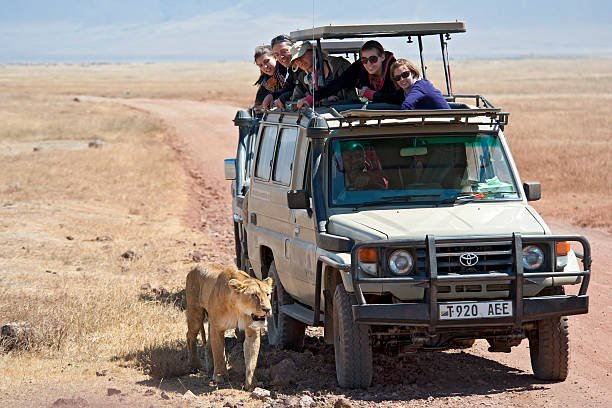
17 Days Kilimanjaro Group Climb Safari And Zanzibar 2026-2027
17 Days Kilimanjaro Group Climb Group Safari and Zanzibar.
View package details
17 Days Kilimanjaro Climb Safari And Zanzibar Beach 2026-2027
17 Days Kilimanjaro Climb Safari and Zanzibar Beach.
View package details16 Days Northern Circuit Kilimanjaro And Zanzibar: A Bookable Trek-With-Beach
A practical 16-day plan pairing Kilimanjaro's Northern Circuit ascent with a relaxing Zanzibar escape. This bookable itinerary prioritizes acclimatization days on Kilimanjaro, efficient...
View package details
14 Days Kilimanjaro Climb And Luxury Lodge Safari 2026-2027
14 Days Kilimanjaro Climb and Luxury Lodge Safari.
View package details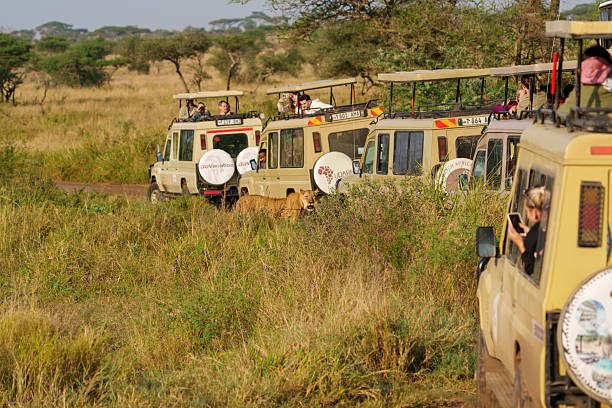
13 Days Kilimanjaro Climb And Serengeti Safari 2026-2027
13 Days Kilimanjaro Climb and Serengeti Safari.
View package details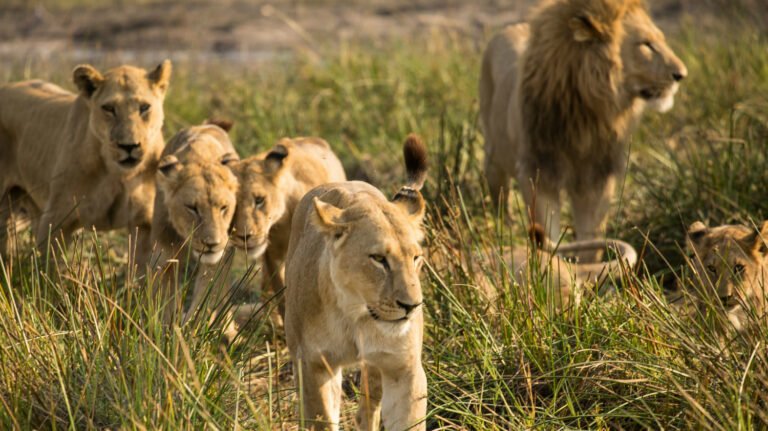
7 Days Kilimanjaro Climb And 4 Wildlife Safari
7 Days Kilimanjaro Climb and 4 Days Wildlife Safari.
View package detailsNo related package matches those filters. Clear one or more filters to see the other topic-matched options.



