
12 Days Kilimanjaro Climbing and Budget Camping Safari combines a guided ascent on Kilimanjaro with a cost-conscious, mid-range camping safari across northern Tanzania. The sequence focuses on the Machame or Lemosho route for acclimatization, followed by a practical budget-friendly safari circuit that emphasizes park practicality, camping logistics, and responsible wildlife viewing without relying on guaranteed sightings. Your final plan includes day-by-day movement, typical camp locations, and components that a quote must include (permits, park fees, guides, equipment, and support staff). Specific prices and departure dates must be confirmed with the operator.
Day-by-day journey overview: Kilimanjaro ascent first, then the safari circuit
This 12-day package centers the mountain climb as the core experience, then transitions to a budget camping safari across northern Tanzania. The day-by-day sequence is designed to optimize acclimatization, driving practicality, and reasonable campsite amenities while keeping expectations grounded about wildlife sightings. Departure logistics, equipment needs, and the balance between comfort and economy are addressed to help you compare quotes effectively.
Included structure and what to expect on the climb
The climb typically begins with a transfer from your arrival point to a Marangu, Machame, or Lemosho gate depending on operator choice. The ascent is staged across 5–7 days with an emphasis on altitude acclimatization days. Common camp locations may include forested zones, bamboo and heath zones, and alpine scree as you approach the crater rim. The plan prioritizes rest days on acclimatization sections, hydration strategy, and pacing that suits a group size and fitness range. A typical climb day includes breakfast at camp, ascent to the next camp with regular breaks, a hot meal upon arrival, and an early night to conserve energy.
Day 1–2: Arrival, briefing, and gate transfer
After airport pickup, you’re transferred to the Machame/Lemosho gate vicinity for pre-climb briefing and gear check. Overnight in a comfortable lodge or simple hotel close to the park gate, depending on itinerary. The goal is to minimize fatigue before the first climb step, with a light walking option or rest day depending on arrival time.
Day 3–4: Forest to mid-altitude acclimatization stage
Climb through changes in terrain, moving from forest to heath zones. Expect first night at the first high-altitude camping site; second acclimatization night strategically placed to reduce the risk of altitude sickness. The route selection (Machame vs Lemosho) influences exact camps, but the logic stays the same: gradual ascent, rest, and hydration monitoring.
Day 5–6: High camp approach and acclimatization restart
Push toward high camps with a deliberate rest day or a short acclimatization hike. These days are critical for acclimatization, and guides tailor pace to group needs. Expect panoramic views, a check-in with your guide on symptoms, and a focus on conserving energy for the summit push.
Day 7: Summit attempt and descent to gate area
The summit push begins before midnight or in the early dawn, depending on route and conditions. Reaching Uhuru Peak or closest feasible high point is the objective, followed by a rapid descent to a lower camp or directly to the gate area for breakfast and rest. Note that timing varies with weather and acclimatization status; the guide prioritizes safety above all.
Day 8–9: Recovery and transfer to safari begin
A lighter day post-climb includes breakfast, gear drying, and a transfer to a northern Tanzania lodge for a short rest before the safari leg begins. The transition helps you decompress from altitude and prepare for the next travel phase.
Day 10: Nairobi/Mai-Transfer or direct Tanzania route to Ngorongoro/Arusha area
Depending on the operator’s plan, you may drive to a gateway town in Tanzania for the safari leg or transfer to a central camping area near Arusha. The day involves road transfer logistics, picnic lunches, and an initial taste of the safari environment in comfortable or budget-friendly tents.
Day 11–12: Budget camping safari circuit (Ndutu/Ngorongoro/Serengeti or Lake Manyara variants)
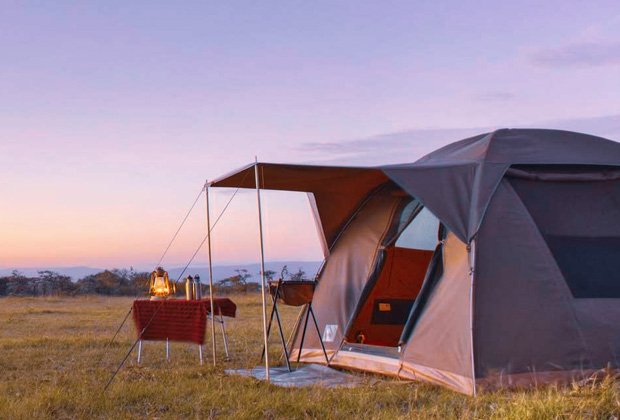
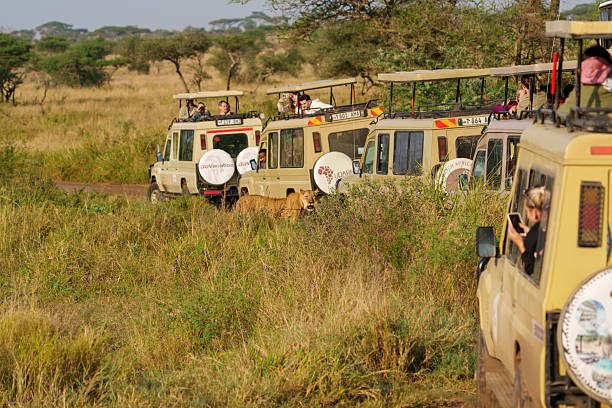
Over two days, you’ll encounter a practical camping safari circuit focusing on legible wildlife viewing opportunities rather than guaranteed sightings. Campsites provide bunk or twin tents with basic amenities, shared meals, and guided morning and late-afternoon game drives. Your route emphasizes park practicality, vehicle accessibility, and the cultural context of local campsites and cooking practices, with flexible itineraries to adapt to weather and wildlife activity.
Route choices and practical logistics
The exact mountain route (e.g., Machame for pace or Lemosho for acclimatization) influences daily camps and the number of trekking days. In the safari segment, the order of parks (Ngorongoro Crater, Serengeti, Lake Manyara) depends on weather windows, gate openings, and driver-guide availability. All elements are chosen to balance travel time, vehicle comfort, and camping practicality while keeping expectations realistic about wildlife behavior and sightings.
What a quote must include and how pricing works
Prices for a 12-day Kilimanjaro climb plus budget camping safari should include: permit fees, park entrance fees, guide and support staff, camping gear and tents, meals, bottled water, and group meals, vehicle use for transfers and game drives, and contingency allowances. Do not rely on a published price alone; ask for a detailed breakdown with what is excluded (international flights, visa, tips, personal gear, optional extra activities). A realistic quote will specify the number of climbers per guide, the type of tents, and the exact camping and lodge accommodations used between segments.
Planning notes and practical tips
- Acclimatization is built into the climb; respect pace recommendations from your guide.
- Budget camping means shared tents and basic facilities;

Days 2, 4, 6, 9, and 12: filling the gaps with concrete route logic and practical transitions
The itinerary previously outlined strong emphasis on acclimatization and the broader sequence, but readers benefit from concrete, day-specific routing details for the missing days. This section expands on the actual path logic, typical camp locations, and the practical transitions between Kilimanjaro ascent and the northern Tanzania safari circuit without asserting fixed operator schedules or guaranteed wildlife outcomes.
Day 2 (Arrival to gate briefing) — acclimatization through airport-to-gate logistics and gear prep
After arriving in Moshi or Arusha, travelers commonly transfer to a lodge near the gate used for the chosen Kilimanjaro route. Day 2 focuses on final gear checks, the briefing, and a careful re-check of personal layers, water containers, and essentials for the climb. Lodges near the gate typically provide a light afternoon briefing, a briefing repeat for any late arrivals, and a formal pre-climb meeting with the lead guide. While this is not a trekking day, the pace remains calm: minimal exertion, hydration reinforcement, and sleep early to align with the next day’s start time. The actual gate chosen depends on the operator’s route—Machame might use the Kilimanjaro National Park entry in Moshi, whereas Lemosho often routes via the Londorossi Gate—yet the focus remains the same: conserve energy, confirm kit, and set expectations for acclimatization pacing.
Day 4 (Forest to mid-altitude acclimatization) — concrete ascent progression and terrain transitions
On Day 4, the group moves from the established forest zone into mid-altitude heath and moorland. The exact location of the night camp varies by route. For Machame, this often means Hojo Camp or a similar mid-altitude site; for Lemosho, it could be Shira Camp 2 or a comparable altitude location. The day emphasizes steady elevation gain with short, regular breaks to monitor breathing, heart rate, and symptoms of altitude change. Guides typically encourage small sips of water every 15–20 minutes and a modest daily total of 2–3 liters, adjusted for weather and exertion. The camp setting includes a practical, wind-resistant tent, a hot meal upon arrival, and a brief debrief with the guide about morning expectations, pace adjustments, and group morale. Journal-style notes are often kept for acclimatization progress, but readers should not expect dramatic photo-worthy moments—this is the stage where physiology and pace dominate the experience.
Day 6 (High camp approach and acclimatization restart) — pacing, rest, and preparation for the final push
Day 6 anchors the high-camp approach with a deliberate rest or light acclimatization hike. The plan is to reach a high camp (for example, Barafu-style sites on certain routes) with a focus on conserving energy for the summit attempt. In practical terms, this day involves hiking short, repeated legs, brief rests, then a rehydration and nutrition check, and a potential short sleep break before the midnight push. The guide will monitor symptoms such as headache, nausea, or dizziness and adjust the pace to avoid pushing into dangerous fatigue. Camp amenities are skeletal by design: sturdy tents, a shared meals arrangement, and basic wash facilities. The objective is to arrive at the high camp with a stable acclimatization status and a clear plan for the ascent window, while ensuring everyone adheres to safety protocols and the group’s pacing needs.
Day 9 (partial safari transition and buffer day) — bridging acclimatization and travel logistics
Day 9 serves as a practical buffer between the climber’s final rest and the safari phase. If the group achieved a successful summit without altitude-related complications, this day focuses on recovery: drying damp gear, repacking, and light stretching. If necessary, a short acclimatization stroll is offered to prevent stiffness and assist in flushing residual fatigue. The afternoon involves departing from the Kilimanjaro vicinity by road or air transfer to the safari base. The choice of transport depends on weather, road conditions, and the operator’s plan, but a buffer day minimizes the risk of cascading delays. Safari shift logistics commonly place you in a comfortable but budget-conscious lodge or camp near Arusha or a gateway town with a later-day transfer to the Ngorongoro/Serengeti corridor for the next phase. Even in a budget setup, the focus remains on stable rest, proper hydration, and the mental transition from mountain routine to wildlife-watching cadence.
Day 12 (budget camping safari circuit — final wildlife day and departure logistics)
The final day of the budget camping safari circuit centers on a concise, practical game drive window before the group departs for international flights or onward domestic travel. The route choice might include a morning game drive in Ngorongoro Crater or Serengeti plains, followed by a straightforward transfer to the airport or a connecting lodge for the night. The emphasis is not on “sightings guaranteed” but on maximizing opportunities for wildlife viewing through early-morning drives and understanding wildlife activity patterns (such as the dawn and dusk cycles) within the constraints of a camping setup. Campsites typically provide simple bunks or twin tents, shared facilities, and a standardized meal schedule that aligns with the safari driver’s planned drive times. The day ends with a coordinated transfer, where possible, to the next destination or to the airport for departure, ensuring a smooth wrap to the 12-day arc while preserving the integrity of the budget camping experience.
Addressing a Practical Gap: Managing Elevation-Driven Transitions and Budget Safari Logistics
Readers often ask how to reconcile the mountain’s altitude dynamics with the relatively economical safari phase, especially when transport links, park fees, and campsite facilities vary by route. This section adds concrete clarity on the single most impactful decisions that shape a smooth 12-day experience without deviating from the established sequence.
First, the acclimatization logic around Day 3–4 and Day 5–6 remains the backbone of the climb. In this expansion, we translate those acclimatization concepts into actionable, day-by-day transitions that operators commonly use but are not always spelled out in summary itineraries. Between forested zones and mid-altitude heath, the pace is a calculated compromise: enough elevation gain to stimulate physiological adaptation, but with explicit rest windows to monitor symptoms and rehydrate. For groups sizing to 6–12 climbers, the guide will typically calibrate breaks every 30–40 minutes of walking on steeper segments, interleaving short, 5–10 minute rests, and ensuring hydration stations at each camp approach. This cadence reduces the likelihood of rapid fatigue that often prompts early step-back or route changes requested by participants.
Second, the transition to the safari segment on Day 8–9 is presented with greater specificity about logistics without promising wildlife outcomes. Operators commonly arrange a controlled buffer day (Day 9) to absorb potential delays from the ascent—such as slower-than-expected progress, weather hold, or equipment issues—while ensuring the vehicle convoy remains available for the safari leg. This buffer is not a mere pause; it is a carefully planned leverage point for transport safety, gear drying, and a mental reset before wildlife viewing begins. The new detail here is the explicit expectation management around camp types when moving from Kilimanjaro camps to safari lodges or budget camps: many operators pair a dry, secure lodge near Moshi/Arusha for the first safari nights with a later shift to a camp near Ngorongoro or Serengeti access points, depending on park gates and drive times.
Third, the budget safari segment’s practicalities are expanded with guidance on how to interpret route choices without relying on guaranteed sightings. The article previously noted that a budget camping circuit prioritizes practical wildlife opportunities over guaranteed sightings. This addition provides a concrete framework for evaluating options: Ndutu seasonality, Ngorongoro Crater access windows, and Serengeti core vs. migration crossroads are treated as variables that influence timing and distance per day, rather than fixed promises. Readers can use this lens to compare quotes: check how many camp nights are allocated in Ndutu vs Serengeti, whether a crater day is included, and how driving distances affect morning versus afternoon game-drive windows.
Fourth, the logistics around equipment, packing, and gear transitions between the two phases are clarified to minimize last-minute stress. On Day 2, gear checks are standard, but this section emphasizes a specific packing checklist that aligns with the climber’s altitude responses and the safari’s camping setup. Climb-focused items include insulated layers, windproof jackets, and hydration packs that are compatible with the group’s cooking routines. Safari-focused gear centers on compact, quick-dry clothing layers, a light rain shell for afternoon showers, and a small duffel bag that can be left with the support team when heading into Serengeti plains. Clear labeling and baggage handling protocols reduce the risk of misplacement during lodge-to-camp transfers, which are common in mixed itineraries.
Finally, a practical note on budgeting and what to verify in a quote: while the article warns against invented prices, this section helps readers interrogate operator offers with targeted questions. Confirm the number of park-entry days included, whether camping gear is provided (tents, sleeping mats, cooking gear) and which items are personal-owned vs provided by the operator, how meals are structured across the mountain and safari legs, and what contingency allowances cover (e.g., emergency transport, additional guides, or extra nights in case of delays). The emphasis remains on transparency and verifiable inclusions, enabling a traveler to compare quotes on the same footing rather than chasing discounted but incomplete packages.
Day 5: Mid-altitude transition and acclimatization pacing strategy
On Day 5 of the 12-day Kilimanjaro and budget safari journey, the route transitions from the mid-altitude heath zone into the upper alpine moorland, marking a critical phase in acclimatization. For climbers on the Machame or Lemosho routes, this day typically involves moving from a camp like Shira Plateau (Lemosho) or Shira 2 (Machame) to the next high-altitude camp, often located at around 3,700 meters. The terrain shifts dramatically: trees give way to giant heather, and the air becomes noticeably thinner, cooler, and drier. This day is not about distance or speed but about controlled elevation gain and physiological adaptation.
Guides emphasize a deliberate pace—typically 3 to 4 hours of walking with frequent rest breaks—allowing the body to adjust to the reduced oxygen levels. The route often follows a gradual climb along a ridge line, offering panoramic views of the surrounding peaks, including Kibo and Mawenzi. The campsite itself is usually situated on a windswept plateau, with limited shelter from the elements, making weather preparedness essential. Camp setups include individual tents (if provided), communal dining tents, and basic latrines, with all meals served hot and nutritious to support energy needs.
Crucially, Day 5 serves as a strategic acclimatization buffer. While not a full rest day, the day’s structure is designed to promote aerobic adaptation without overexertion. Guides conduct brief check-ins midday and at camp to monitor symptoms of acute mountain sickness (AMS), including headaches, nausea, or dizziness. Climbers are encouraged to stay hydrated, consume high-calorie meals, and avoid alcohol or caffeine. Some operators may include a short, optional acclimatization hike—such as a 1-hour climb to a nearby viewpoint—before returning to camp to simulate the summit effort without fatigue.
Given that this is the final major elevation gain before the high camp approach, the physical and mental preparation on Day 5 sets the foundation for the summit push. Travelers should focus on conserving energy, protecting extremities (hands, feet), and using trekking poles to reduce joint strain. The evening is reserved for rest, with early lights out to maximize recovery. This day’s route logic—prioritizing gradual elevation gain over speed—ensures that the body has time to produce additional red blood cells, improving oxygen delivery before the critical summit attempt.
Practical pathways: narrowing gaps in route logic and transfer sequencing
Even with a detailed day-by-day outline, climbers and travelers often ask for precise transitions that hinge on real-world constraints such as gate opening times, road conditions, and the often variable safari circuit logistics. This section adds concrete clarifications that do not duplicate existing day descriptions but instead align daily movement with transport windows, park rules, and campsite realities. The aim is to help readers verify what a booking would realistically include and to avoid overpromising wildlife outcomes or fixed hotel stays during the safari portion.
1) Gate opening windows and climb-day contingencies. Kilimanjaro routes are governed by park gate access, atmosphere, and weather. While many itineraries advertise a 6–7 day summit plan, actual sleep locations and daily hiking blocks must adapt to gate times and trailhead readiness. Operators typically secure a pre-dawn start on summit days (often around 23:00 to 01:00) to reach the high point near sunrise. For the reader, this means when comparing quotes, check whether the price reflects a flexible start window, not a fixed “every day at 02:00.” A responsible operator will note that if cloud cover or weather delays start, the ascent may shift by 1–2 hours, with corresponding adjustments to meals and rest stops at bivouac camps. This is not a failure of planning but a common travel reality that affects how you experience sleep quality, dehydration risk, and pacing decisions during the push to the summit.
2) Park fees, permits, and entry sequence. The 12-day package typically bundles park entry and climb permits, but variations exist in how costs are allocated within a quote. Some operators separate Kilimanjaro fees from the safari licenses, while others consolidate them. When reviewing proposals, readers should confirm: (a) whether the Kilimanjaro park permit is included in the climb cost, (b) whether the Ngorongoro/Serengeti/Lake Manyara park fees are included or charged on arrival, and (c) if there are government levies or camping fees beyond the essential park entrance. This matters because even small changes in fee classification can affect overall value and total upfront payment. A transparent quote will itemize these charges, including whether a single-vehicle, multi-day safari drives are counted as part of the package or billed per day.
3) Safari campsite logistics and comfort bands. The safari segment of this package is budget-focused. Campsites vary from straightforward twin-share tents to more basic bunk layouts, with shared dining tents and communal facilities. Readers should verify the level of included meals (full board vs. breakfast only) and whether hot meals are guaranteed after game drives. Clarify what “basic amenities” means in practice: flush toilets, wash stations, hot showers, and the reliability of running water. Also consider the sequence of parks and the number of game drives included per day. Some itineraries promise two drives per day during peak wildlife windows, while others optimize a longer drive with one morning and one late afternoon session. Matching these expectations to your comfort preference is essential to avoid mismatch between budget and experience.
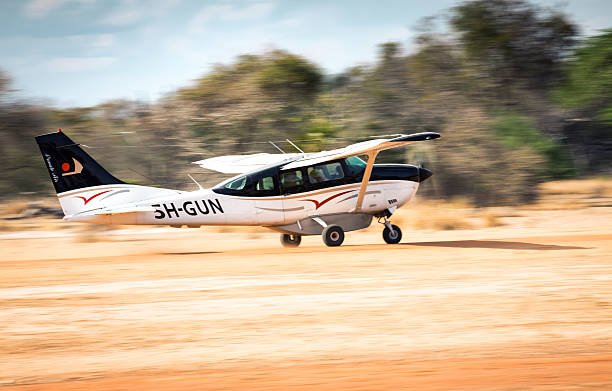
4) Transport between Kilimanjaro and safari hubs. The transition from the mountain phase to the safari begins with a domestic transfer, either by flight or road transfer to Arusha, Moshi, or a Ngorongoro/Serengeti gateway. Flight options add time savings but introduce variability in schedule due to weather and airstrip operations. Road transfers are cheaper but longer and more variable. A well-structured quote will specify the transfer mode, the approximate duration, and what happens if delays push back the safari start by a day. This helps you plan personal commitments and ensures a smoother overall experience without stress about missed connections.
5) Gear, lodging alignment, and acclimatization pacing. For climbers, gear lists are critical and sometimes carry-over items from the safari segment (for example, a light jacket, hat, and sun protection). The guide-to-client ratio and porter support are foundational to acclimatization success and safety. When comparing quotes, confirm that gear handling (tents, cooking gear, oxygen if applicable) is included and that luggage will be transferred between camps on each climb day. For the safari, verify whether personal belongings are stored securely at camps or lodges during game drives, and whether any day-pack allowances are constrained by vehicle capacity.
6) Accountability and substitutions. Weather, route closures, and park rules may necessitate changes in the day-by-day plan. A robust plan anticipates substitutions, such as switching a Lemosho route section for Machame in order to maintain acclimatization pacing or adjusting the safari circuit order if the Ngorongoro crater road is under maintenance. Booking documents should clearly articulate what substitutions are permissible, under what conditions, and how customers are notified—ideally with a client-friendly email or mobile app update path, plus any pricing implications if substitutions modify the exact route or duration.
7) Documentation, safety, and liability. The new, practical detail here is that potential gaps often arise from the fine print: what happens if a guest cannot participate in a full climb due to AMS? Will compensation be offered in the form of a partial refund, or a paraphrase of the itinerary shift? Reputable operators include a safety policy that covers re-routing, medical evacuation costs, and return-to-gate contingencies for both climb and safari segments. Read the policy in the contract and ask for a written safety addendum if the document lacks explicit language on AMS instances or emergency medical access.
8) Booking a coherent day-by-day narrative. The value of the 12-day plan lies in a coherent sequence that minimizes backtracking and maximizes acclimatization progression and wildlife viewing opportunities without manufacturing a guaranteed sighting. If any quote promises a fixed order of wildlife encounters or guarantees, treat it with skepticism. Instead, seek clarity on gate times, camp locations, and the practical order of camps within each route section. A credible itinerary will provide the logical justification for each transition, including how the group moves from forest to heath on climb days and then transitions to the safari circuit with a reasonable rest window before a full-day game drive schedule.
9) Customer-agent alignment and verification steps. The final actionable step for a reader is to request a written itinerary with exact camp names or coordinates where possible, and to confirm that the day-by-day sequence in the booking matches the published plan: days dedicated to acclimatization, high-camp pacing, summit attempt, post-climb recovery, transfer logistics, and the two-day budget safari circuit. A precise plan reduces the risk of last-minute changes that disrupt both physical well-being and travel logistics. It also makes price comparisons straightforward: you can see where value comes from—accommodation quality, vehicle standards, and the number of meals included—versus optional add-ons that may not be necessary for your budget or comfort level.
This adjustments-focused section does not rewrite the core day-by-day structure but enhances reader confidence by clarifying where real-world constraints influence the sequence, what to expect in terms of costs, and how to verify that a bookable plan remains faithful to the practical realities of Kilimanjaro ascent followed by a budget camping safari in northern Tanzania.
Addressing a Practical Gap: Transitions Between Climb and Safari and Budget Camp Logistics
While the core day-by-day structure provides a logical sequence from ascent to safari, travelers frequently ask for concrete, verifiable details that connect elevation-driven movement with budget-friendly camp arrangements. This section narrows to the most practical transition moments that influence both physical wellbeing and on-the-ground logistics, without promising wildlife guarantees or unverifiable prices.
1) Timing the mountain-to-safari handoff — The shift from high-altitude trekking to a lower-intensity safari phase hinges on how the group recovers from the summit push and how road transfer windows align with park gate schedules. In many itineraries, the post-summit day is kept deliberately light (a later breakfast, longer rest period, and a pared-down gear-drying routine) to ensure the team is ready for a transfer that may occur after lunch or early afternoon. Practically, operators layer a buffer of 12–24 hours between the summit descent and the first safari drive. This buffer absorbs minor delays from weather, medical observations, or equipment needs, and reduces the risk that a late arrival to the safari lodge disrupts the morning game-drive rhythm.
2) Gear and laundry as a mobility hinge — Climbing gear tends to accumulate damp and sweat-saturated layers at altitude. Before departure for the safari, lodges or camps that accommodate a practical laundry option help shorten the acclimatization recovery window. The budget camping phase, by contrast, relies on quick-dry fabrics, breathable layers, and compact packing lists. Aligning laundry access with drive days ensures that filters or moisture management don’t become a scheduling bottleneck. If an operator offers a gear-drying area at the lodge, confirm its hours and any shared-use restrictions in writing to avoid last-minute delays before a game drive.
3) Transport logistics and vehicle readiness — The transition often uses the same overland vehicle fleet for both segments, but the load differs: climbing gear comes in bulky, dry-bags; safari gear prioritizes water, binoculars, and camera equipment. Ensuring a split staging area at the lodge, where you offload climbing sacks and assemble safari kits, minimizes time lost to reorganization. Clear communication with the driver about which items stay in the vehicle overnight and which are returned to the lodge can prevent misplacement and help maintain a smooth schedule for morning game drives.
4) Acclimatization-friendly safari pacing — Even after altitude, the body benefits from steady activity. Safari days that begin with a relaxed morning and a mid-morning departure help travelers avoid fatigue carried from the climb. If a day’s plan includes a late-afternoon game drive, confirm that rest periods at the lodge or in the camp are truly available and not curtailed by driving windows or camp curfews. Budget camps typically offer simple meal schedules; coordinating with the camp cook about late feeding needs during the first safari days prevents a slowed start after a long drive or a chilly dawn departure.
5) Park gate openings and route sequencing — The stated order of parks in the two-day safari circuit (for example Ndutu before Ngorongoro or vice versa) can shift with gate opening times, weather, or wildlife activity notes from local guides. Budget-friendly itineraries emphasize practicality and repeatable patterns rather than fixed wildlife covenants. Operators should provide a rationale for the chosen sequence and a contingency plan that explains what happens if a gate cannot open on the planned day (for example, swapping a day’s lodge-based rest with a later game drive window or adjusting the next day’s drive schedule). Request this justification in writing as part of the final quote to keep expectations aligned with real-world operations.
6) Accommodation transitions within the budget safari circuit — In the budget camping phase, campers swap from a daytime vehicle experience to shared tented accommodations with basic amenities. Precise campsite rotations, meal arrangements, and hatched meal times should be explicit in the plan. If the itinerary uses Ndutu or Ngorongoro as anchor points, confirm the order of camping zones and the proximity to water sources, restrooms, and cooking areas. A practical transition plan also notes the expected pace: short, light days near the lodge after summit and longer game drives once the safari leg accelerates—avoiding back-to-back long drives that could exhaust climbers still recuperating from altitude exposure.
7) Medical and safety contingency language — While this section is not a medical guide, a credible plan should articulate how AMS symptoms, dehydration, or minor injuries are handled across both stages. The document should reference a written safety addendum or a medical evacuation protocol that travels with the guest through both components. For budget options, verify whether medevac coverage is included, and whether the safety policy covers both the mountain and the safari legs. Do not rely on verbal assurances; request the exact language and contact points for emergencies in your contract.
In sum, the most valuable gaps readers need filled are concrete, verifiable transitions between the climber’s high-altitude rhythm and the safari’s ground-level cadence. The clarified transitions above aim to reduce ambiguity, align expectations with practical logistics, and help you evaluate quotes on a like-for-like basis without overpromising wildlife outcomes or resort-level comforts on a budget itinerary.
Related Guides and Packages
11 Days Kilimanjaro Climbing And Wildlife Safari 2026-20278 Days Kilimanjaro Group Climb And 4 Camping Safari15 Days Northern Circuit Kilimanjaro And Safari 2026-202715 Days Kilimanjaro Hiking And Big Five Safari 2026-202714 Days Kilimanjaro Trek And Northern Tanzania Safari 2026-202713 Days Kilimanjaro Climb And Serengeti Safari 2026-2027Check Availability for 12 Days Kilimanjaro Climbing And Budget Camping Safari 2026-2027
Ready to compare dates, prices, and the best option for your group? Send the package name and travel month so the team can reply with a clear quote, availability, and what is included.
12 closely related packages
18 Days Kilimanjaro Trek Budget Safari And Zanzibar 2026-2027
18 Days Kilimanjaro Trek Budget Safari and Zanzibar.
View package details
8 Days Kilimanjaro Group Climb And 4 Camping Safari
A practical, bookable 8-day plan combining Kilimanjaro Group Climb with a 4-day camping safari. Day-by-day route, acclimatisation logic, and realistic safari logistics without guaranteeing...
View package details15 Days Kilimanjaro Climbing And Extended Serengeti Safari 2026-2027
Discover a practical, bookable 15-day plan that threads Kilimanjaro ascent with an extended Serengeti safari. This guide outlines route choices, acclimatisation logic, driving days, and...
View package details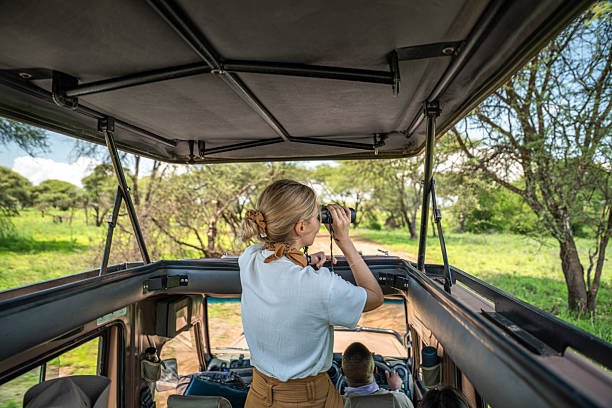
11 Days Kilimanjaro Climbing And Wildlife Safari 2026-2027
11 Days Kilimanjaro Climbing and Wildlife Safari.
View package details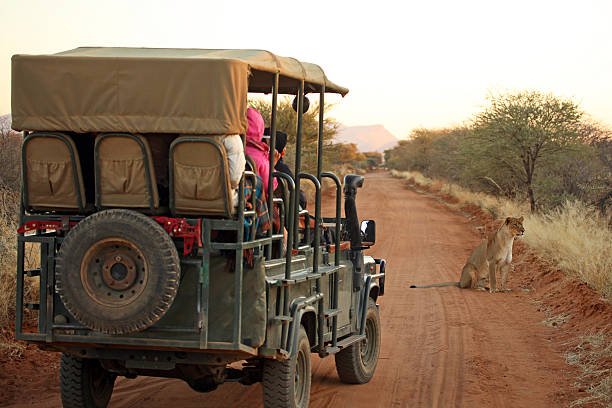
21 Days Tanzania Grand Adventure – Kilimanjaro Safari And Zanzibar 2026-2027
21 Days Tanzania Grand Adventure – Kilimanjaro Safari and Zanzibar.
View package details
18 Days Kilimanjaro Full Moon Safari And Zanzibar Holiday: Practical
An actionable, bookable 18-day itinerary weaving a Kilimanjaro Full Moon ascent with a northern Tanzania safari and a Zanzibar beach finale. Practical transfers, timing, and non-guaranteed...
View package details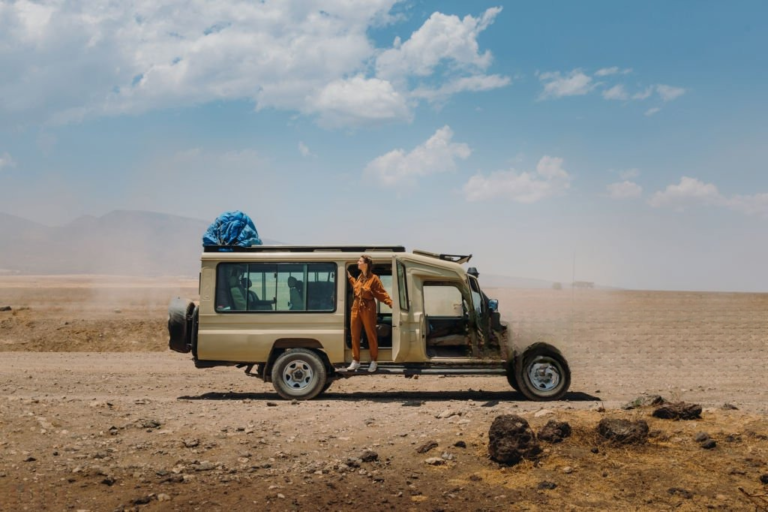
20 Days Luxury Kilimanjaro Safari And Zanzibar Retreat 2026-2027
20 Days Luxury Kilimanjaro Safari and Zanzibar Retreat.
View package details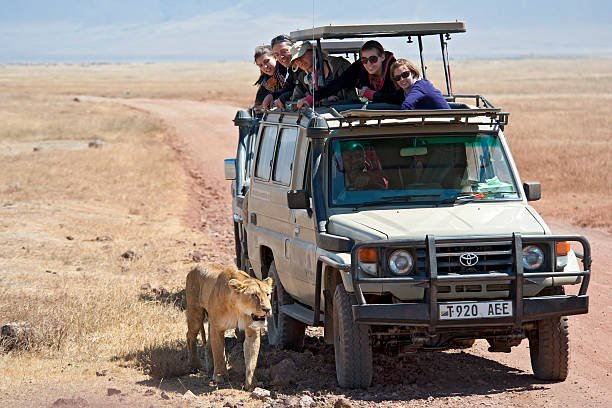
17 Days Kilimanjaro Group Climb Safari And Zanzibar 2026-2027
17 Days Kilimanjaro Group Climb Group Safari and Zanzibar.
View package details
20 Days Northern Circuit Kilimanjaro Safari And Zanzibar 2026-2027
20 Days Northern Circuit Kilimanjaro Safari and Zanzibar.
View package details20 Days Ultimate Tanzania Kilimanjaro Safari And Beach 2026-2027
A complete 20-day, bookable Tanzania itinerary weaving Kilimanjaro ascent, northern safari circuits, and a Zanzibar-style beach finale with practical logistics and real-world pacing.
View package details
19 Days Kilimanjaro Trekking Safari And Zanzibar 2026-2027
19 Days Kilimanjaro Trekking Safari and Zanzibar.
View package details18 Days Kilimanjaro Safari And Zanzibar Holiday Package 2026-2027
18 Days Kilimanjaro Safari and Zanzibar Holiday Package.
View package detailsNo related package matches those filters. Clear one or more filters to see the other topic-matched options.



