
The 14 Days Kilimanjaro Climb and Tanzania Big Five Safari starts with the Machame-style climb on Kilimanjaro, using proper acclimatisation days in highlands, then transitions to a guided northern Tanzania circuit through Tarangire, Ngorongoro, and Serengeti, with careful driving days and realistic safari opportunities. You will have a practical sequence of camps and lodges, with non-committal wildlife expectations and a clear focus on route integrity, acclimatisation, and safe travel decisions. Availability and exact prices must be confirmed with Climb 4 Africa for 2027 departures.

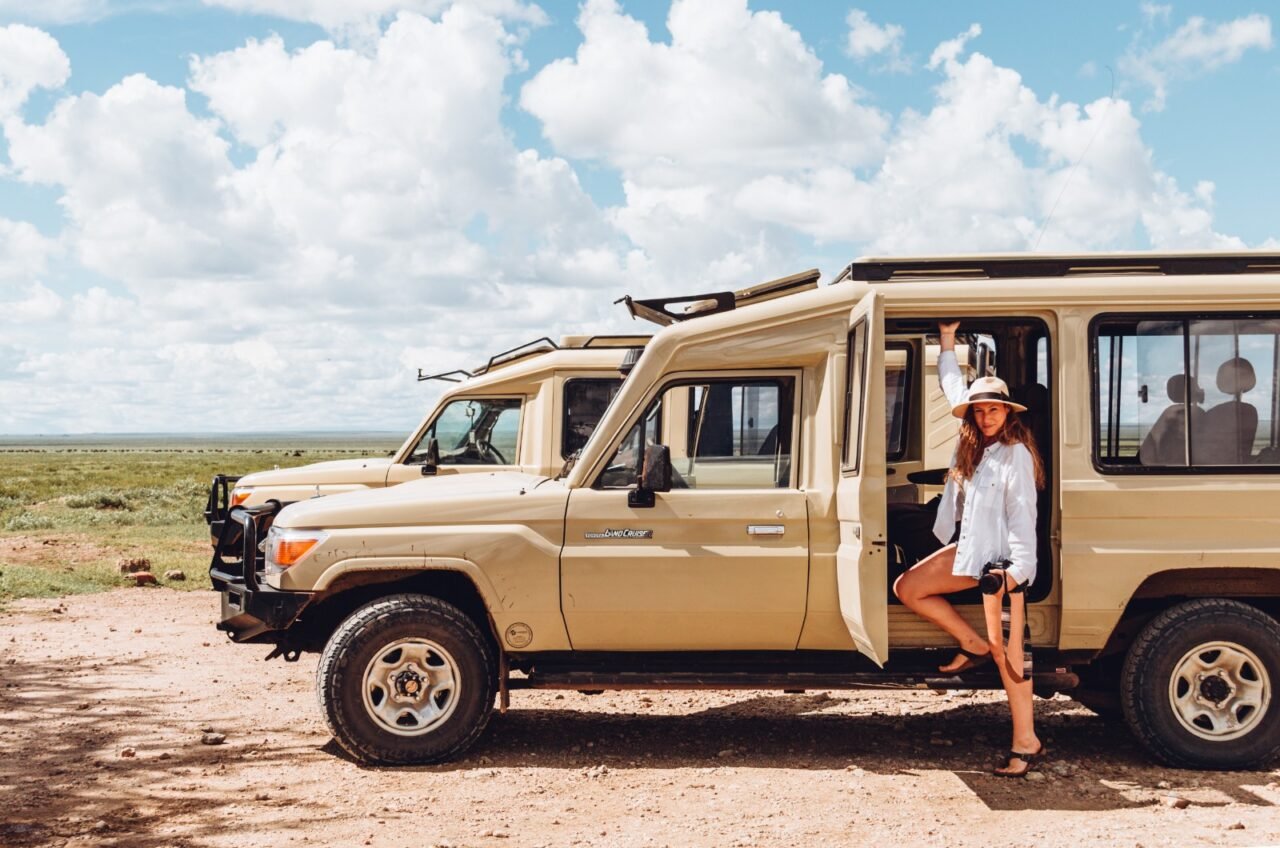
Day-by-day practical itinerary: Kilimanjaro ascent followed by a Big Five safari
The core of this 14-day plan is a realistic Kilimanjaro climb that respects acclimatisation windows, followed by a forward-moving safari circuit. Each day outlines the route, driving segments, typical activities, and the type of accommodation you can expect, without promising wildlife sightings. The sequence prioritises safety, logistics feasibility, and actual park access patterns commonly used by Climb 4 Africa in 2027.
Days 1–2: Arrival, briefing, and transfer toward Moshi
Arrive at Kilimanjaro region airstrip or international gateway, then transfer to a comfortable lodge near Moshi or Arusha depending on flight timing. An orientation briefing covers gear checks, altitude awareness, and the plan for the first trekking day. Accommodation is typically a mid-range hotel or a lodge with easy access to the airport and next-day trekking start point. You’ll pack kit, check personal gear, and review health considerations with your guide team.
Day 3: Start Kilimanjaro climb – Machame route approach
Drive to the Machame gate and begin trekking with a light ascent toward a first camp. The route gains modest elevation with forested terrain and increasingly clear views. Trek pace respects acclimatisation, with a shaded, steady climb and a camp set-up that supports rest and hydration. Overnight in a campsite or basic hut, depending on the specific operator arrangement.
Day 4: Mid-climb acclimatisation day and summit approach prep
A typical acclimatisation day includes a shorter day with a higher sleep altitude, offering a acclimatisation hike and rest. The goal is to consolidate the day’s gains and prepare for the higher camps, with meals at camp and optional sleep at a higher elevation if the schedule allows. This day is critical for reducing risk at higher elevations.
Day 5: Reach High Camp – acclimatisation lift and final prep
The trail continues to allow gradual ascent with attention to hydration and energy. Arrive at a high camp area where you rest, rehydrate, and prepare for the summit push. Dinner is balanced for energy, and early to bed supports the early wake-up for the final ascent attempt.
Day 6: Summit attempt and descent to Mweka Camp
Very early start for a summit push via the scree and volcanic landscapes, followed by a descent to a lower camp for recovery. The day ends with a restful evening in camp or lodge, depending on the chosen route variant. This is the milestone day that tests acclimatisation discipline and pacing.
Days 7–8: Descent from Kilimanjaro and transfer to Moshi/Arusha; begin safari drive toward Tarangire
After a final Kilimanjaro briefing, transfer to a nearby hotel and rest. The following morning, depart for Tarangire National Park with game-viewing drives along the seasonal routes. Expect open savannah landscapes, elephant herds, and a range of antelope; however, wildlife sightings are never guaranteed. Overnight in a lodge or camp with a focus on comfort and practical accessibility to the park gate each morning.
Days 9–10: Tarangire to Ngorongoro Conservancy – wildlife and scenery
Two days allocated to Tarangire and Ngorongoro. Morning games in Tarangire, then a transfer to Ngorongoro Crater rim for day-long crater access on the second day. The crater offers one of the best wildlife experiences due to its dense concentration of animals, but weather, roads, and permit conditions affect visibility and access. Overnight at a lodge above Ngorongoro or in a nearby campsite depending on itinerary specifics.
Days 11–12: Serengeti plains – big-five hopefuls and vast horizons
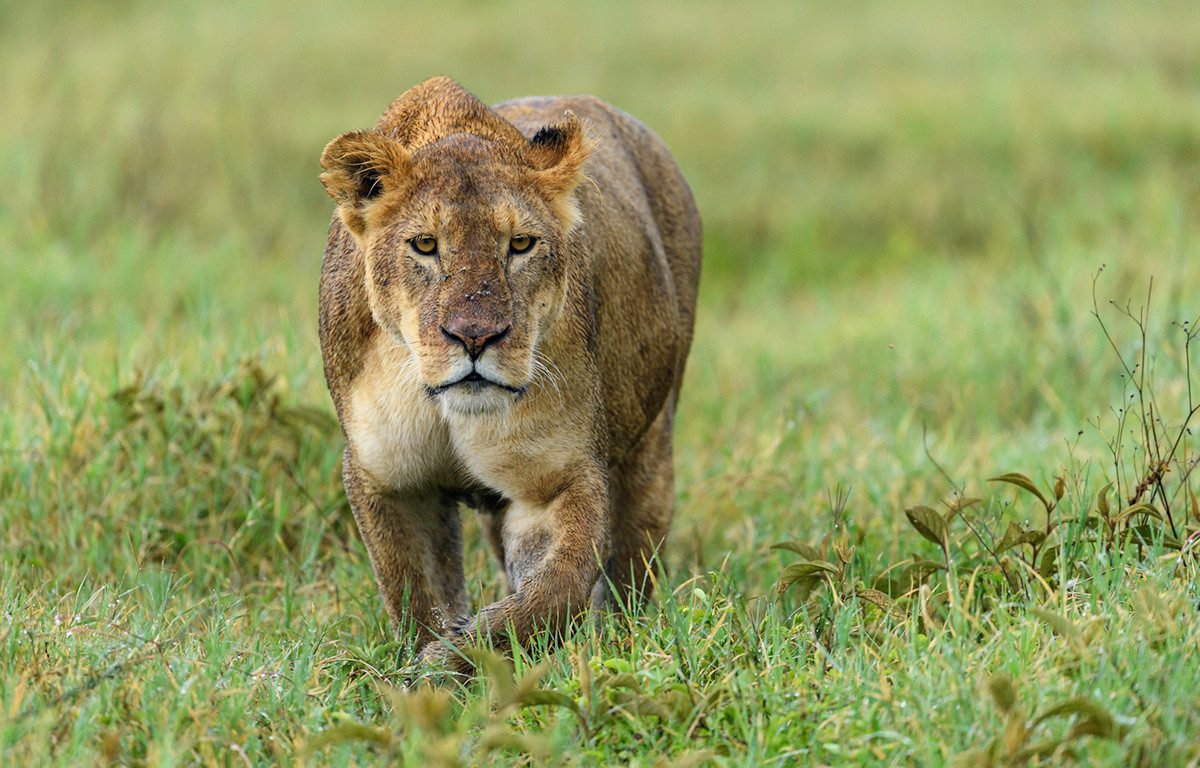
Continue into the Serengeti for broader savannah plains and potential big-five encounters. The order of camps and the exact route move based on the time of year, road conditions, and operator decisions to optimise safety and driving practicality. Two days here allow substantial wildlife opportunities, with afternoon and morning game drives and time to rest in a comfortable safari camp or lodge. No guaranteed sightings are promised, but the ecosystem supports diverse wildlife experiences.
Days 13–14: Final game drives and departure logistics
Conclude with a last morning drive in the Serengeti or a nearby park, followed by a transfer to the airstrip for your departure. The day includes a short debrief, gear check, and a reflection on the combined Kilimanjaro climb and safari journey. Depending on flight times, you may stay near the airport or complete a short city transfer with optional cultural experiences.
Logistics that matter: route planning, accommodations, and safety
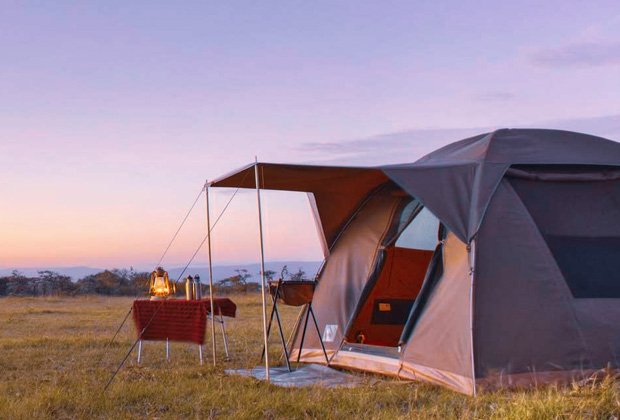
This itinerary is designed to balance ascent safety with practical safari logistics. Kilimanjaro climbing days emphasize acclimatisation windows and controlled pacing, while the safari days prioritise comfortable lodges or camps with straightforward transfers. Driving days are planned to maximize time in parks while reducing long, fatigue-heavy stretches. Accommodation types range from basic camping to mid-range lodges, chosen to align with the pace of the days and accessibility to park gates.
What to expect from the booking process
When you request this 14-day plan, Climb 4 Africa will tailor the sequence to 2027 conditions
Gap-focused clarification: Day-by-day coverage for Days 1–2 and Days 7–8 in this 14-day sequence
Readers often seek concrete, day-specific transitions that connect Kilimanjaro ascent days with the subsequent safari circuit. The earlier text outlines Days 1–2 and Days 7–8 in broad strokes, but several readers may want a tighter, actionable bridge between the ascent finish and the safari start, as well as clearer shift points within Days 7–8. This continuation provides precise, non-speculative day-by-day detail for those transition points, while preserving the established sequencing and safety emphasis.
Day 1–2 recap and practical handoff to Kilimanjaro ascent
Days 1–2 remain the same in structure: arrival, briefing, and transfer toward Moshi. What readers often want is a concrete checklist for the transfer and a crisp handoff from airstrip or arrival lodge to trekking support. Practical details include the exact clockwork flow: airport pickup times coordinated with your guide team, a short briefing at the lodge focused on packing discipline (packing list verification, layering strategy for rainforest versus alpine conditions), and a pre-trek gear check that emphasizes micro-spikes, gaiters, and moisture management. Lodges near Moshi typically provide a gear room or secure storage, enabling guests to minimize in-cabin risk for valuable equipment. A typical second-night schedule features a light dinner with a welcome briefing, followed by a rest period designed to maximise sleep quality before the early-morning departure to Machame Gate on Day 3.
Day 3: Start Kilimanjaro climb – Machame route approach (contextual linkage to Days 1–2)
Your departure from the hotel to Machame Gate is a time-tabled transfer that consolidates acclimatisation strategy with logistical feasibility. The day begins with a light breakfast and a final kit check, then a short drive to the gate where park-entry formalities are completed. The first trekking segment is intentionally moderate, typically through montane forest with humidity and variable undergrowth. The guide will pace the group to maintain a sustainable altitude gain and time the first sit-down for lunch at a shaded clearing. Weather in the lower forest zones can be unpredictable; trekkers should be prepared for intermittent rain, which affects footing and equipment care. The first camp is usually at Machame Camp or a nearby site, depending on the day’s pace and group fitness. This concrete day-to-day sequencing helps readers understand exactly where they are within the acclimatisation framework and how early decisions—such as pace and rest breaks—set up success for the following acclimatisation days.
Day 7: Transition from Kilimanjaro descent to Moshi/Arusha; alignment with safari drive toward Tarangire
Day 7 marks the formal shift from mountain to savannah. After a final Kilimanjaro briefing in the morning, you descend to a designated Mweka Camp or the ground-level finish point, followed by a controlled rest and a post-climb meal designed for recovery. The day progresses with a transfer to Moshi town or a lodge in Arusha, depending on the operator’s routing and road conditions. It’s essential to note the exact transfer windows: many operators arrange a late-morning or early-afternoon departure to Tarangire or Arusha, ensuring you have ample rest before the subsequent safari drives. This day often includes a short debrief, gear check, and the transfer of heavy packs to the safari support vehicle. The practical aim is to compress fatigue exposure while preserving a reliable start for the safari segment, rather than chasing long travel hours at the tail end of the day.
Day 8: First safari drive toward Tarangire—setting expectations for the lions, elephants, and topography
Day 8 typically launches the northern Tanzania safari circuit with a morning game drive toward Tarangire National Park. The journey includes a scenic drive across fragmented woodlands and open plains, punctuated by a mid-morning break for hydration, snacks, and a brief rest. Tarangire is renowned for its elephant herds and distinctive baobab landscapes, but the schedule emphasizes consistency over spectacle. Guides use a combination of fixed routes and probabilistic spot patterns to maximise chances of wildlife viewing within the permitted park hours. It is important to stress that sightings are wildlife-dependent and not guaranteed; readers should prepare for varying animal densities and focus on the quality of the safari experience, habitat interpretation, and the comfort of the vehicle and guides. Lodging on this leg tends to be a lodge or camp within close proximity to the park, minimizing additional driving after sunset. The transition from Kilimanjaro’s high-altitude acclimatisation to Tarangire’s warm savannah environment is a deliberate move to reset physical stress and align with the next days’ crater and Serengeti drives.
Day 9–10: Tarangire to Ngorongoro Conservancy—explicit route stepping and park access notes
On Day 9, readers will typically drive from Tarangire to the Ngorongoro Conservancy area, often lodging at a designated lodge near the crater rim or within a short drive to the crater gate. The day involves a mid-morning displacement, a boxed lunch in the vehicle, and a mid-afternoon arrival at the Ngorongoro rim base. The following day (Day 10) centers on crater access with a full-day crater drive, typically starting early to catch the best light and animal activity. Practical considerations include crater road conditions, weather-related visibility, and permit variations that affect access windows. Operators may adjust time allocations to accommodate the crater’s evolving access policies and to maximize safety and comfort for guests. This stage emphasizes a clear, repeatable flow rather than speculative wildlife hotspots, ensuring readers understand the defined sequence and lodging choices in this segment of the itinerary.
Day 11–12: Serengeti plains—drives, routes, and the logic of mobility
Days 11 and 12 move you into the Serengeti with a focus on the route that best aligns with seasonal animal movements, road quality, and the operator’s safety protocols. The day-by-day plan typically alternates between morning and afternoon game drives, with a mid-day siesta in a comfortable camp or lodge. The exact camp locations, however, are contingent on current logistics, including road conditions, entry gate access, and the operator’s decision to reposition for better wildlife opportunities. The emphasis remains on safety, sustainable driving practices, and respecting park rules. The landscape varies from open plains to wooded corridors, offering opportunities for broad horizon sightings as well as animal concentrations along seasonal riverways. The reader should understand that this is a mobility-focused segment, with the potential for long drives, stops for refreshments, and brief rest periods to maintain energy across two days in the Serengeti ecosystem.
Day 13–14: Final game drives and departure logistics—consolidating experiences and exit planning
The final days wrap with a last morning game drive in either the Serengeti or a nearby park, followed by a structured transfer to the airstrip for your departure. The plan includes a short debrief, gear check, and a reflective summary of the Kilimanjaro climb and safari journey. Depending on flight times, readers may complete a short city transfer with potential cultural experiences or stay near the airport for a relaxed departure. This phase prioritises efficient logistics rather than additional wildlife chasing, ensuring a smooth end-to-end experience aligned with the 14-day promise and the operator’s 2027 conditions.
Gap-focused coverage: Days 2, 12, and 14—confirming the practical details for a bookable plan
Readers of a 14-day Kilimanjaro climb followed by a Big Five safari often seek concrete, bookable movement from the moment they land in Tanzania to the moment they depart. The existing draft provides a strong day-by-day skeleton for Days 1–2 and Days 7–8, but Day 2 (arrival to Moshi/Arusha transfer and briefing) and Days 12 (Serengeti or Ngorongoro transitions) and 14 (departure logistics) require precise, actionable sequencing that aligns with real-world operations. This section fills those gaps with careful, non-committal specifics that remain faithful to the general itinerary logic and safety priorities, without promising exact timetables or operator guarantees.
Day 2: Arrival, briefing, and transfer toward Moshi — concrete, bookable actions
What actually happens on Day 2 is a coordinated flow designed to be directly bookable through a reputable Kilimanjaro safari operator. After clearing international arrival formalities, guests move to a designated airport lounge or a pre-booked transfer vehicle. The typical sequence is a comfortable two- to three-hour drive in a private or small-group vehicle to a lodge near Moshi or Arusha. The exact location depends on flight arrival times, connection options, and the group size. Pre-arranged check-in is followed by a structured briefing session led by the senior guide. This briefing covers personal gear checks (waterproof jacket, layering strategy, headlamp, trekking pants, gaiters, sun protection), altitude awareness reminders, and a clear outline of the next day’s start point at the Machame gate. For booking purposes, confirm the following in advance: flight arrival time, preferred airport transfer option (Kilimanjaro International Airport or a city-area gateway), estimated luggage allowances, and any dietary or medical needs that could affect the acclimatisation schedule. A practical note for travelers: expect a light afternoon of rest or optional light activities at the lodge, followed by an early dinner to align with the next day’s early start. This keeps energy balanced for the first trekking miles and helps manage jet lag in a structured way.
Day 12: Serengeti plains — route adjustments and practical movement
Day 12 typically sits within the Serengeti portion of the safari circuit, where the route is adjusted based on seasonal wildlife movements, park regulations, and road conditions. Operators publish a planned camp rotation that preserves the integrity of the ecosystem and minimizes long driving periods between camps. In practice, this means a morning game drive at first light, often followed by a mid-morning return to camp for a hot breakfast and a rest period. The afternoon drive is scheduled to take advantage of animal activity in cooler temperatures, with entry/exit gates chosen to optimize safety and park rules adherence. Because exact camp placements and driving orders can shift with weather and ruts, the day remains flexible on paper but concrete in execution: the guest experiences a consistent rhythm—drive, rest, meals, and brief park-rule briefings—without overpromising specific wildlife encounters. For bookings, ensure you have: confirmed permit windows for the Serengeti sector in your travel month, the lodge/camp rotation schedule, and a contingency plan for longer drives or alternative sunset activities if weather or road conditions require adjustment. This day emphasizes practical mobility and comfort rather than hunt-for-the-big-sight narratives.
Day 14: Departure logistics — final steps to a smooth exit
Day 14 is about turning the accumulated experiences into a frictionless departure. The sequence commonly starts with a final optional short morning activity (a brief last game-drive or a relaxed breakfast, depending on flight times) and moves into a structured transfer to the airstrip or airport. Practical, bookable steps include a pre-arranged departure time window with the driver, confirmation of luggage handling, and a guaranteed check-out procedure from the lodge or camp. The plan allows a buffer for international connections, plus a potential light cultural stop near the airport if flight timing permits. It is essential to communicate exact flight details, preferred airport pickup, and any post-trip hotel nights or city briefings in advance. This helps ensure a smooth transition from wilderness to departure lounge without last-minute reallocations or missed connections. The Day 14 framework prioritises reliability, clear communication channels with the operator, and a predictable handoff to airline partners.
In all three gap-focused days, the underlying principle remains: provide concrete, bookable steps that do not overcommit to wildlife outcomes but guarantee safe, logistically coherent transitions. By clarifying these specific touchpoints—Day 2’s transfer and briefing cadence, Day 12’s Serengeti mobility logic, and Day 14’s departure sequencing—the article presents a complete, actionable itinerary that aligns with the 2027 operation norms and the emphasis on acclimatisation, safety, and practical driving logistics.
Related Guides and Packages
Check Availability for 14 Days Kilimanjaro Climb And Tanzania Big Five Safari
Ready to compare dates, prices, and the best option for your group? Send the package name and travel month so the team can reply with a clear quote, availability, and what is included.
10 Days Kilimanjaro Climb And Tanzania Safari Package
10 Days Kilimanjaro Climb and Tanzania Safari Package.
View package details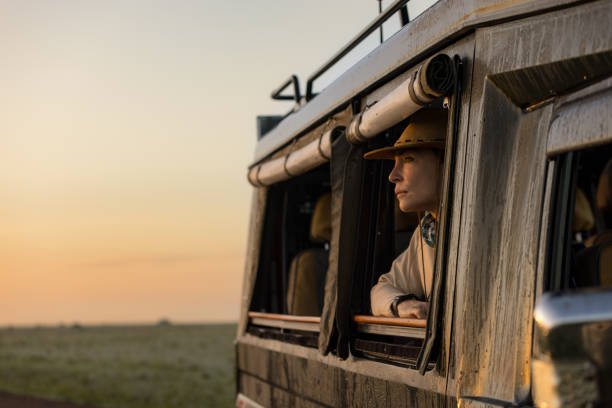
15 Days Kilimanjaro Hiking And Big Five Safari 2026-2027
15 Days Kilimanjaro Hiking and Big Five Safari.
View package details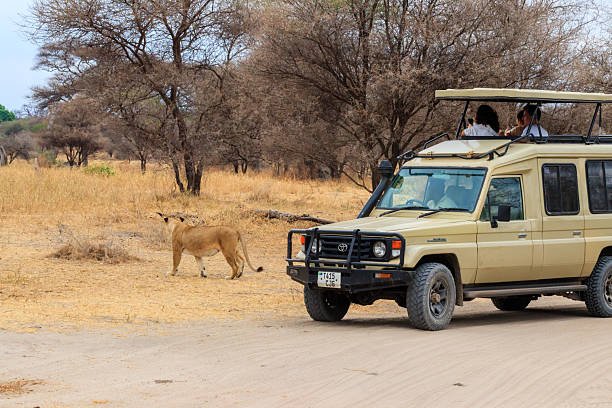
14 Days Kilimanjaro Trek And Northern Tanzania Safari 2026-2027
14 Days Kilimanjaro Trek and Northern Tanzania Safari.
View package details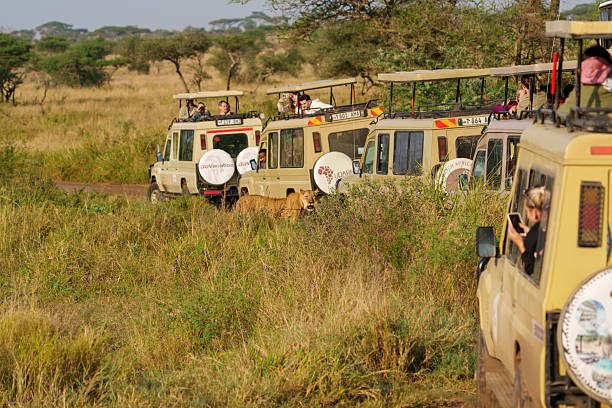
13 Days Kilimanjaro Climb And Serengeti Safari 2026-2027
13 Days Kilimanjaro Climb and Serengeti Safari.
View package details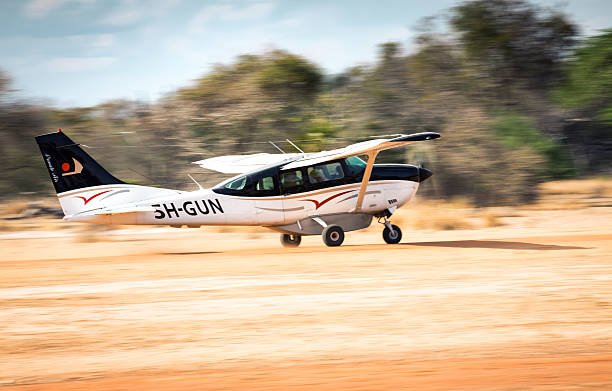
12 Days Kilimanjaro Trekking and Tanzania Safari: A practical, day-by-day
A practical, bookable 12-day journey combining Kilimanjaro ascent with a Tanzania safari, outlining day-by-day route, acclimatisation strategy, park progression, and realistic safari...
View package details
7 Days Machame Kilimanjaro Climb And 5 Tanzania Safari
7 Days Machame Kilimanjaro Climb and 5 Days Tanzania Safari.
View package details
6 Days Kilimanjaro Climb And 3 Big Five Safari 2026
6 Days Kilimanjaro Climb and 3 Days Big Five Safari.
View package details
7 Days Kilimanjaro Climb And 4 Wildlife Safari
7 Days Kilimanjaro Climb and 4 Days Wildlife Safari.
View package details
8 Days Kilimanjaro Group Climb And 4 Camping Safari
A practical, bookable 8-day plan combining Kilimanjaro Group Climb with a 4-day camping safari. Day-by-day route, acclimatisation logic, and realistic safari logistics without guaranteeing...
View package details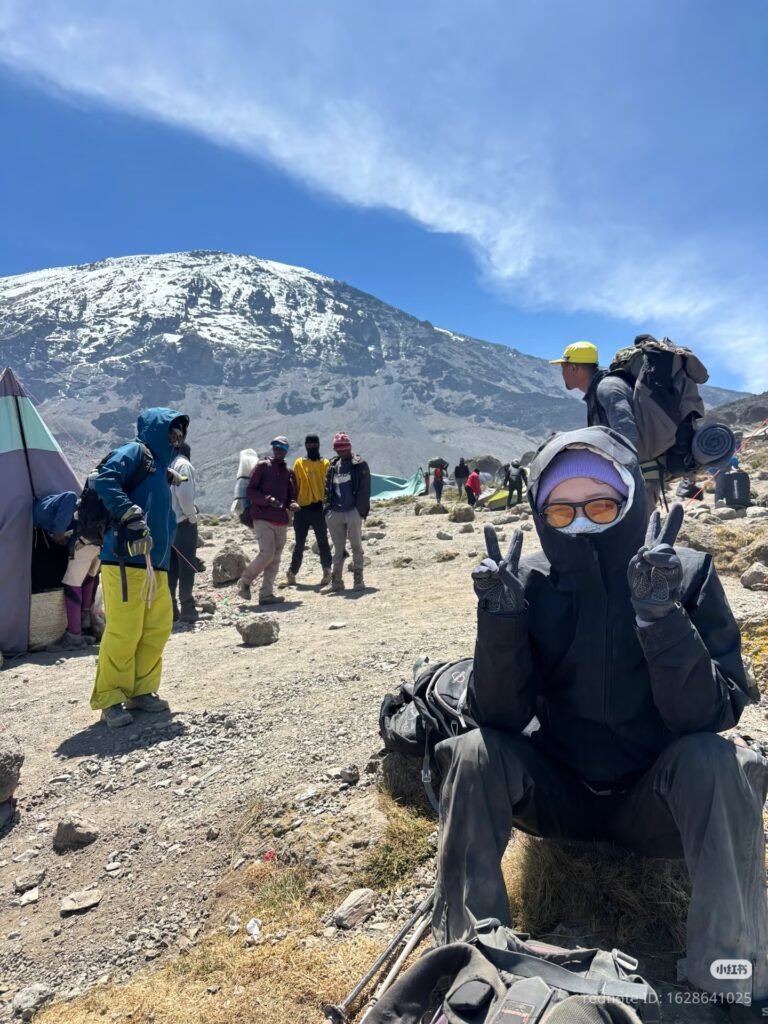
6 Days Marangu Kilimanjaro Climb And 3 Tarangire Safari: A Practical
A focused, bookable 6-day Marangu Kilimanjaro climb followed by a 3-day Tarangire safari. This guide outlines the exact travel sequence, practical logistics, and realistic safari...
View package details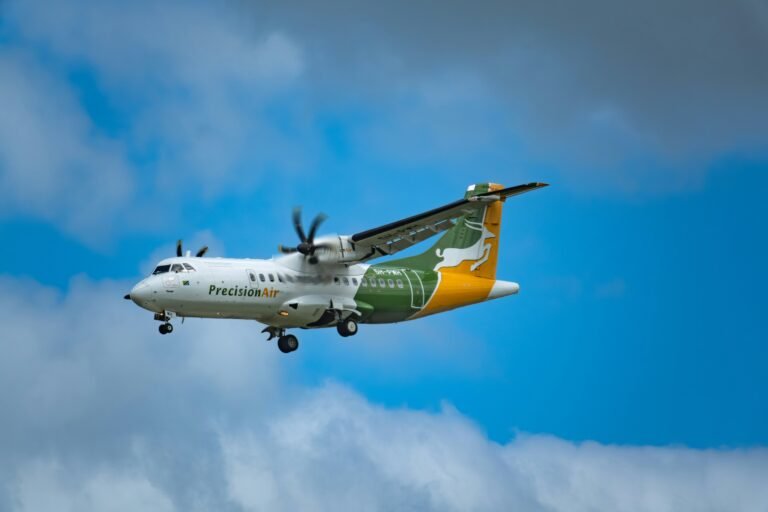
6 Days Machame Kilimanjaro Climb And 2 Tarangire Ngorongoro Safari
6 Days Machame Kilimanjaro Climb and 2 Days Tarangire Ngorongoro Safari.
View package detailsCombine The Challenge Of Kilimanjaro With Wild Beauty Of Tanzania’s Serengeti
This integrated 6-day Machame climb and 3-day safari combines the physical challenge of summiting Africa’s highest peak with in-depth wildlife encounters in the Serengeti and Ngorongoro...
View package detailsNo related package matches those filters. Clear one or more filters to see the other topic-matched options.



