
If you are planning to connect your time in Uganda with a safari in the Serengeti, the most important logistical reality is that there are no direct flights from Entebbe (EBB) to any airstrip inside the Serengeti National Park. To complete this journey, you must plan for a two-stage travel process: an international regional flight to a major Tanzanian airport, followed by a domestic bush flight or road transfer to the Serengeti.
For most travelers, the most efficient route involves flying from Entebbe (EBB) to Kilimanjaro International Airport (JRO). From JRO, you then take a light aircraft “bush flight” directly to one of the Serengeti’s designated airstrips, such as Seronera, Kogatende, or Grumeti. This sequence is the standard for maximizing your time on game drives rather than spending days in transit.
The Logistics of Your Route: EBB to Tanzania
When you start looking at flight options, you will quickly realize that the aviation infrastructure in East Africa is designed around hub-and-spoke models. Entebbe acts as a major hub for Uganda, while Kilimanjaro (JRO) serves as the primary gateway for Northern Tanzania safaris. You can find more specific details on ticket price trends and availability in our guide to Entebbe to Tanzania flights.
You generally have two main choices for your entry point into Tanzania:
- Kilimanjaro International Airport (JRO): This is the most reliable option. It is the primary international hub for the Northern Circuit. Most regional carriers (like Precision Air or Uganda Airlines) fly this route. From JRO, you are about a 45-minute to 1-hour bush flight away from the heart of the Serengeti.
- Arusha Airport (ARK): This is a domestic-only airport. If your flight from Entebbe lands at JRO, you would need to transfer to Arusha by road (about 1 to 1.5 hours) to catch a flight from ARK. While this can sometimes be cheaper, it adds complexity to your transit day.
We often advise travelers to stick to JRO for arrival to avoid the extra ground transfer in Tanzania, especially if you are carrying significant luggage or traveling with a group.
Understanding the Bush Flight Experience
Once you arrive in Tanzania, the final leg to the Serengeti is typically handled by light aircraft—small, 12-to-15-seater Cessna Caravans. These are not standard commercial jets; they are bush planes designed to land on dirt or gravel strips.
This is where many travelers encounter surprises. Because these planes are small, they have strict operational rules:
- Luggage Constraints: You must use soft-sided duffel bags. Hard-shell suitcases do not fit into the cargo pods of these aircraft. Furthermore, the weight limit is strictly 15kg (approx. 33 lbs) per passenger. If you have more, you must book an extra seat or pay for excess weight in advance. You can read more about these requirements in our Tanzania safari flight baggage limits page.
- Flight Timing: Bush flights in the Serengeti do not operate on fixed, high-frequency schedules like major airlines. They are often “hops” where the plane might stop at multiple airstrips before reaching yours. Plan your itinerary to allow for these flexible arrival times.
- Weather and Visibility: During the rainy seasons, bush flights can be delayed or diverted if visibility is low. Always build a buffer day into your schedule when transitioning between major international hubs and remote bush camps.
Pro Tip: The Road Transfer Alternative
If you are budget-conscious or prefer to see the landscape, you can opt for a road transfer from Arusha to the Serengeti instead of a bush flight. This is a full-day journey (often 6-8 hours depending on your destination in the park). It is significantly cheaper than a flight, but it consumes an entire day of your safari. If you choose this, we recommend staying overnight in Arusha or Karatu to break up the travel.
Cost Factors for Your Journey
There is no single “price” for a safari trip from Entebbe to the Serengeti because the costs are composed of several distinct, variable parts. When you request a quote, you are essentially paying for:
- Regional Airfare: The cost of the flight from Entebbe to JRO. These prices fluctuate heavily based on the season and how far in advance you book.
- Bush Flight Fare: The domestic flight from JRO/Arusha to the Serengeti. These are priced per leg and are significantly more expensive per kilometer than international flights due to the operational costs of maintaining remote airstrips and specialized aircraft.
- Park Entry Fees: Serengeti National Park fees are calculated per 24-hour period. If you fly in, your operator will ensure these are accounted for in your itinerary.
- Ground Support: This includes the vehicle and driver-guide who will meet you at the airstrip. You cannot rent a car and drive yourself in the Serengeti; you need a professional guide for safety and navigation.
To get an accurate estimate for your specific dates, it is best to provide us with your travel window. You can reach out via WhatsApp at +255 747 477 898 or email us at climb4africa@gmail.com. We can help you compare the cost of flying versus driving for your specific group size and season.
Planning Your Safari Timing
The Serengeti is massive, and the “best” time to visit depends on what you want to see. The Great Migration is the most common reason for visiting, but the herds move throughout the year. If you are flying in from Entebbe, you need to coordinate your arrival airstrip with the location of the migration.
- December to March: The herds are typically in the Southern Serengeti (Ndutu area). You should aim to fly into airstrips like Ndutu or Seronera.
- June to October: The herds are usually moving North toward the Mara River. In these months, flying into Kogatende or Lamai airstrips is much more efficient than flying into central Serengeti and driving north.
If you are unsure about the migration patterns for your specific travel year, please contact our team at info@climb-4-africa.com. We track the movement of the herds and can help you select the right flight path to minimize your time in transit and maximize your time viewing wildlife.
Booking and Next Steps
Because you are combining two different travel regions—Uganda and Tanzania—you are dealing with two separate sets of visa requirements, flight bookings, and ground logistics. We strongly recommend booking your international flights from Entebbe to JRO as soon as your dates are firm, as these regional flights can sell out during the peak safari months of July, August, and September.
When you are ready to plan your trip, send us the following details:
- Your approximate travel dates (and if they are flexible).
- The number of travelers in your group.
- Any specific wildlife experiences you are prioritizing (e.g., the Great Migration river crossings or predator sightings).
- Whether you have already booked your international flights into East Africa.
We specialize in tailoring these cross-country itineraries. By coordinating your Entebbe connection with your Serengeti bush flight, we can ensure that your transfer times are minimized and that you are met by your guide at the correct airstrip, regardless of which part of the park you are visiting. Reach out to us today to start the planning process for your 2026 or 2027 safari.


Luggage Logistics and Health Requirements for the Cross-Border Traveler
One of the most overlooked aspects of planning a journey that combines a Ugandan safari with the Serengeti is the dramatic shift in logistical requirements between your international arrival and your bush flight. Travelers often assume that because their international airline allows for two checked bags of 23 kilograms each, those same allowances will apply to the light aircraft transporting them into the Serengeti. This is rarely the case, and failing to account for these differences can result in significant delays, extra storage fees, or the unfortunate need to leave essential items behind at the airport.
The “Soft Bag” Mandate
Bush planes, such as the Cessna Caravan, are marvels of engineering designed to navigate short, unpaved runways. However, their cargo space is not a standard hold; it is composed of small, external pods located beneath the fuselage. These pods are rigid and oddly shaped. Consequently, you are almost universally required to use soft-sided duffel bags. Hard-shell suitcases, regardless of their weight, are physically incompatible with these aircraft. They cannot be squeezed into the cargo pods, and they are prohibited from being placed on seats.
If you arrive at the airstrip with a hard-shell suitcase, you may be forced to pay for an additional seat to store the luggage inside the cabin—an expensive and avoidable cost. If the flight is full, you may be denied boarding entirely. When packing for your combined Uganda-Tanzania trip, invest in high-quality, collapsible duffel bags. If you are traveling for an extended period and require larger suitcases for your international flights, you must plan for a storage solution at your arrival hub (typically Kilimanjaro International Airport or Arusha Airport). Many reputable tour operators and safari lodges in the Arusha area offer secure luggage storage services for a nominal fee, allowing you to leave your larger, hard-sided luggage behind and carry only what is necessary for the Serengeti portion of your safari.
The Yellow Fever Documentation Gap
Because you are moving between Uganda and Tanzania, you must navigate specific health regulations that do not apply to travelers arriving directly from Europe or North America. Uganda is classified as a country with a risk of Yellow Fever transmission. Tanzania, while not an endemic zone, strictly enforces a requirement for a valid Yellow Fever vaccination certificate for all travelers arriving from a country with risk of transmission.
This is not a suggestion; it is a border control requirement. Even if you are simply transiting through Entebbe, you must carry your original, stamped “Yellow Card.” If you arrive at Kilimanjaro International Airport or the Tanzanian border without this documentation, you risk being denied entry or being subjected to mandatory vaccination and quarantine at the airport, which can derail your safari schedule entirely. Always ensure your vaccination is administered at least ten days prior to your arrival in the region, and keep the physical document in your carry-on luggage—not your checked bags—as you will likely be asked to present it before you even clear immigration at the Tanzanian border.
Managing Customs and Transit Efficiency
When you fly from Entebbe to Kilimanjaro, you are entering Tanzania as an international passenger. This means you must clear customs and immigration, obtain your visa, and collect your luggage before you can proceed to the domestic terminal for your bush flight. Do not assume that your bags will be “checked through” to the Serengeti, even if you booked your tickets through a travel agent. These are separate tickets on separate carriers (e.g., a regional jet followed by a bush pilot operator).
You should budget at least three to four hours between your scheduled international arrival time and your bush flight departure. This buffer accounts for potential delays on your flight from Entebbe, the time required to clear immigration, and the necessity of re-checking your luggage with the bush airline. If your international flight arrives in the late afternoon, it is often safer and less stressful to overnight in Arusha or near Kilimanjaro and take the first bush flight of the following morning. This prevents the risk of missing your connection due to a minor flight delay, which is a common occurrence in regional aviation.
Strategic Airstrip Selection: Navigating the Serengeti’s Geography
One of the most common mistakes travelers make when booking flights to the Serengeti is assuming that all Serengeti airstrips are interchangeable. Because the Serengeti National Park covers nearly 15,000 square kilometers, the airstrip you choose is arguably as important as the flight itself. When you book your bush flight, you are not simply booking a trip to the park; you are booking a specific entry point into a massive ecosystem. If your lodge is located in the northern sector near the Mara River, but you book a flight to the Seronera airstrip in the central Serengeti, you are setting yourself up for a four-to-six-hour game drive just to reach your accommodation. While this can technically be considered a ‘game drive,’ it is a tiring way to begin your stay, and it often results in additional costs for private transfers if you aren’t already booked with a safari operator.
The Serengeti’s aviation network typically divides the park into four main operational zones: Seronera (Central), Kogatende and Lamai (North), Grumeti and Sasakwa (West), and Lobo (East). Seronera acts as the primary hub; it is the most frequent stop for most bush planes and is centrally located, making it ideal if your itinerary involves exploring multiple areas of the park. However, if you are visiting during the Great Migration—specifically to see the river crossings in the north—you should prioritize flights directly into Kogatende. Landing here places you minutes away from the action, whereas landing in Seronera would require a lengthy transit across the plains. Always verify the exact location of your lodge or camp with your operator before finalizing your flight booking. A quick check of the lodge’s proximity to the nearest airstrip can save you an entire day of unnecessary transit.
Furthermore, be aware that bush flights often operate on a ‘hopping’ schedule. A single aircraft may stop at three or four different airstrips within the Serengeti before heading back to Arusha or Kilimanjaro. This is standard procedure to maximize passenger load, but it means your flight time might be longer than the direct distance suggests. If you are prone to motion sickness or prefer to minimize the number of take-offs and landings, ask your booking agent if your flight is a ‘direct’ service or a ‘multi-stop’ hop. While you cannot always dictate the flight path, being aware of the stop-over schedule helps manage your expectations regarding arrival times.
The Return Leg: Managing Your Serengeti Departure
While most planning focuses on the excitement of arriving in the Serengeti, the return leg—the journey from the bush back to Kilimanjaro (JRO) or Entebbe (EBB)—is where travelers often encounter the most stress. The return trip requires a higher degree of logistical precision because it is tethered to your international departure. Unlike your arrival, where a delay might simply mean a missed sunset dinner, a delay on your return flight can result in missing your international connection, which often only flies once a day or even once a week.
When planning your final day in the Serengeti, never schedule your bush flight to land at JRO or Arusha with less than a four-hour buffer before your international flight. The reality of bush aviation is that it is highly susceptible to environmental factors. Heavy rains can turn dirt runways into mud, delaying take-offs, or low cloud cover can force pilots to wait for visibility to improve. Because these light aircraft operate under Visual Flight Rules (VFR), they cannot fly in conditions that a standard commercial jet might handle with ease. If your bush flight is delayed by even two or three hours, you are suddenly at risk of missing your flight out of Tanzania.
The safest strategy is to plan your final night in a location that provides easier access to the airport or to book an early morning bush flight that gets you to JRO by midday. This gives you a significant ‘cushion’ for any unforeseen mechanical or weather-related delays. If your international flight departs late at night, having that buffer allows you to clear customs, re-check your bags, and perhaps enjoy a meal in the airport terminal without the anxiety of a ticking clock. Remember, once you leave the lodge, you are effectively in transit; there is no ‘Plan B’ for a missed connection in the middle of the bush. By prioritizing a conservative exit schedule, you ensure that your final memories of the Serengeti are of the wildlife and landscapes, not of a frantic scramble at the airport gate.
The Last Mile: Navigating Airstrip Transfers and Game Drive Logistics
When your bush plane touches down on a remote Serengeti airstrip, the transition from “passenger” to “safari guest” is immediate and unmediated. Unlike major international airports, there is no terminal building, no arrivals hall, and no taxi queue waiting to whisk you away. You step directly onto the dirt or gravel runway, and the transfer process begins right there on the tarmac. It is critical to understand that your arrival at the airstrip is not the end of your transit; it is the beginning of the safari experience itself.
Most lodges and camps in the Serengeti coordinate these transfers as part of their inclusive service, but they rely heavily on accurate communication. Because you are flying in from Uganda on a regional carrier, your lodge may not be tracking your flight with the same automated precision as they would for a domestic flight within Tanzania. It is your responsibility—or that of your booking agent—to ensure the camp has your specific flight number and estimated time of arrival at least 48 hours before you land. If the pilot changes your arrival airstrip due to weather, wildlife activity on the runway, or park authority instructions, the camp must be notified immediately, as they may have to drive an hour or more to reach the correct landing strip.
Do not expect a standard shuttle bus for this final leg. Your transfer vehicle will almost certainly be a 4×4 Land Cruiser or Land Rover, often equipped with open sides or a pop-up roof for viewing. Consequently, your transfer from the airstrip to the lodge is, effectively, your first game drive. If you land in the Seronera area or the Northern Serengeti during the migration, you may find yourself delayed not by mechanical issues or traffic, but by a pride of lions resting on the track or a herd of elephants crossing the airstrip. This is a standard occurrence. If your driver is late, it is rarely due to negligence; it is usually because they have stopped to ensure you have a wildlife sighting on your way into camp. Embrace this unpredictability, as it is the hallmark of the Serengeti experience.
Related Guides and Packages
Check Availability for Entebbe To Serengeti Safari: Flight Connections & Cost Planning
Ready to compare dates, prices, and the best option for your group? Send the package name and travel month so the team can reply with a clear quote, availability, and what is included.

Kigali To Serengeti Flights: Prices & Safari Connections
A practical guide to connecting your Rwanda gorilla trekking with a Serengeti safari, focusing on flight routes, transit logistics, and expert booking advice.
View package details
Kilimanjaro Climb And Serengeti Safari: Flight & Transfer Planning
Kilimanjaro Climb and Serengeti Safari: Flight & Transfer Planning.
View package details
Serengeti Great Migration Fly-In Safari: Flight And Lodge Prices ()
A deep look at the logistical and financial considerations of planning a Serengeti Great Migration fly-in safari, focusing on how flight routes and seasonal lodge locations dictate your...
View package details
5-Day Serengeti & Ngorongoro Fly-In Safari: Complete Package Costs
5-Day Serengeti & Ngorongoro Fly-In Safari: Complete Package Costs.
View package detailsHow Much Luggage Is Allowed On Serengeti Safari Flights? A Planning Guide
Learn the precise luggage requirements for Serengeti bush flights, including weight limits, the mandatory soft-bag policy, and how to safely store your extra gear.
View package detailsSerengeti Flight Prices During The Great Migration Season: A Practical Guide
Planning a safari during the Great Migration? Here is how to navigate Serengeti flight prices, seasonal demand, and the logistical realities of bush travel.
View package detailsFly-In Safari From Dar Es Salaam: Serengeti, Ruaha & Nyerere Packages
A professional guide to organizing fly-in safaris from Dar es Salaam, covering the logistical advantages of accessing Nyerere, Ruaha, and the Serengeti by air.
View package details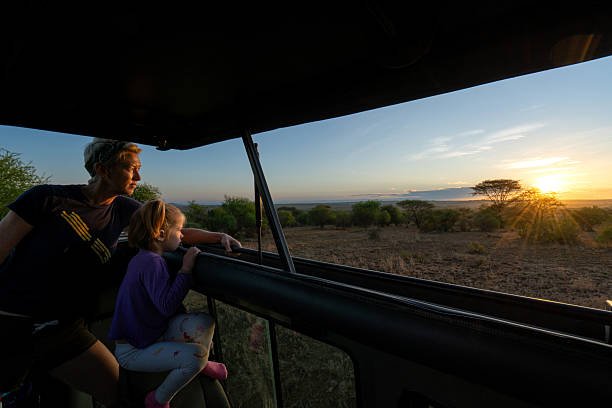
Luxury Serengeti Fly-In Safari: Private Packages & Prices ( Guide)
A detailed guide to luxury fly-in safaris in the Serengeti, focusing on private logistics, pricing structures for 2026-2027, and maximizing your time in the bush.
View package details2-Day Serengeti Fly-In Safari From Arusha: Understanding Package Prices
A practical guide to the costs, logistics, and planning realities of a 2-day fly-in safari to the Serengeti from Arusha.
View package details
Christmas Kilimanjaro Climb And Serengeti Wildlife Safari Package: Planning
A comprehensive guide to planning a combined Christmas Kilimanjaro climb and Serengeti wildlife safari, covering route selection, seasonal logistics, and expert booking advice for 2026-2027.
View package detailsDec 27, – 4 Day Serengeti Migration Group Safari: Plan Your Trip
A deep look at planning your 4-day Serengeti migration group safari departing December 27, 2026, including itinerary logistics, group benefits, and seasonal expectations.
View package detailsSerengeti To Entebbe Flights: Prices & Travel Options
Serengeti to Entebbe Flights: Prices & Travel Options.
View package detailsNo related package matches those filters. Clear one or more filters to see the other topic-matched options.



