Flights from Botswana to Tanzania for a Serengeti safari typically involve flying from a major Botswana airport (like Gaborone or Maun) to a regional hub in East Africa, most commonly Nairobi, Kenya, or directly to Kilimanjaro International Airport (JRO) in Tanzania, followed by a domestic flight or overland transfer to the Serengeti. Direct flights between Botswana and Tanzania are rare, so expect at least one stopover. Budgeting for these flights and understanding visa requirements for transit countries are crucial planning steps for 2026-2027 travel.
The dream of witnessing the Great Migration across the vast plains of the Serengeti National Park is a powerful draw for many. If you’re starting your African adventure from Botswana, a country already renowned for its exceptional wildlife viewing in places like the Okavango Delta and Chobe National Park, the journey to Tanzania requires careful logistical planning. This isn’t a simple hop; it involves understanding international flight routes, regional connections, and the specific needs of reaching the Serengeti from afar. This guide will walk you through every facet of securing flights from Botswana to Tanzania for your unforgettable Serengeti safari experience, with an eye toward planning for 2026 and 2027.
Understanding the Travel Flow: Botswana to Tanzania
When planning flights from Botswana to Tanzania for a Serengeti safari, the primary challenge is the lack of direct air links. Botswana, while a safari powerhouse, is not a major international transit hub for flights heading east towards East Africa’s prime safari destinations. Tanzania, particularly Kilimanjaro International Airport (JRO), serves as the gateway for most Serengeti-bound travelers. Therefore, your flight itinerary will almost certainly involve one or more stops.
Key Transit Hubs and Routes
The most common flight paths from Botswana to Tanzania will route through:
- Nairobi, Kenya (NBO): This is the most frequent and often most cost-effective transit point. Many international airlines flying into East Africa land in Nairobi. From Nairobi, you have several options to reach Tanzania:
- Domestic flight to Kilimanjaro International Airport (JRO): This is a popular choice, as JRO is the closest major airport to the northern Tanzanian safari circuit. Airlines like Kenya Airways operate frequent flights.
- Domestic flight to Arusha (ARK): Arusha is a smaller airport closer to the safari parks than JRO, offering a slightly shorter transfer time to lodges and camps. However, flight options and frequency might be less than to JRO.
- Overland transfer from Nairobi to Tanzania: While possible, this is a very long journey (10-12 hours or more) and generally not recommended for travelers aiming for a Serengeti safari, as it eats significantly into valuable safari time.
- Addis Ababa, Ethiopia (ADD): Ethiopian Airlines offers a significant hub in Addis Ababa, connecting many African cities. It’s a viable option if you find competitive pricing, but it often means a slightly longer overall journey compared to Nairobi. From Addis Ababa, you would typically fly to Kilimanjaro International Airport (JRO).
- Doha, Qatar (DOH) or Dubai, UAE (DXB): For travelers seeking to combine their safari with travel to other parts of the world or who find significantly cheaper fares, routing through the Middle East is an option. This adds considerable travel time and is usually only considered for specific fare deals or itinerary combinations. Flights from these hubs would then proceed to Kilimanjaro (JRO) or sometimes Dar es Salaam (DAR), requiring an additional domestic flight to the northern circuit.
Airports in Botswana to Consider
Your departure airport in Botswana will influence your initial flight options. The main international gateways are:
- Sir Seretse Khama International Airport (Gaborone – GBE): Botswana’s main international airport.
- Maun Airport (MUB): A crucial hub for accessing the Okavango Delta and surrounding private concessions. While primarily handling smaller aircraft for lodge transfers, it does have scheduled flights to regional centers, sometimes connecting to larger international hubs.
- Kasane Airport (BBK): Located near Chobe National Park, this airport is geared towards safari tourism and may offer connections to regional hubs.
Most travelers will likely start from Gaborone or Maun. Flights from Maun or Kasane to Nairobi or Kilimanjaro might involve a change of aircraft in Gaborone or Johannesburg (South Africa), adding an extra leg to the journey.
Choosing Your Airline and Booking Strategy
Selecting the right airline and booking approach is key to managing costs and ensuring a smooth travel experience for your flights from Botswana to Tanzania for Serengeti safari. Given the multi-leg nature of this journey, flexibility and strategic booking are paramount.
Major Airlines Operating the Route
While direct flights are absent, several carriers operate the necessary legs:
- For Botswana to Nairobi/Addis Ababa:
- Air Botswana: The national carrier, often codesharing with regional partners.
- South African Airways (SAA) / Airlink: Frequently used for connections from Gaborone or Maun via Johannesburg (JNB).
- Kenya Airways: May offer connections from Johannesburg or directly from Nairobi to Tanzanian airports.
- Ethiopian Airlines: A strong contender for connecting through Addis Ababa.
- For Nairobi/Addis Ababa to Tanzania:
- Kenya Airways: The primary carrier between Nairobi and Kilimanjaro (JRO) or Arusha (ARK).
- Ethiopian Airlines: Connects Addis Ababa to JRO and sometimes other Tanzanian cities.
- Precision Air / Kilimanjaro Express: Tanzanian domestic carriers that might operate some regional routes, though less common for the Botswana-Nairobi-Tanzania path.
Booking Your Flights: Key Considerations
When booking your flights from Botswana to Tanzania for Serengeti safari, consider the following:
- Booking Window: For travel in peak seasons of 2026 and 2027, booking 6-9 months in advance is advisable. For shoulder or low seasons, 3-5 months might suffice, but securing good fares is always easier with lead time.
- Connecting Times: Pay close attention to layover durations. Aim for at least 2-3 hours in transit hubs like Nairobi or Addis Ababa to account for potential delays and the need to re-check baggage. Shorter layovers increase the risk of missed connections.
- Baggage Allowance: This is critical. International flights have different allowances than regional or domestic flights. Ensure you understand the baggage limits for each leg of your journey, especially if you plan to use smaller bush planes within Tanzania later on (which have very strict weight limits, often 15-20kg total in soft bags).
- Single Ticket vs. Separate Bookings: Booking all legs of your journey on a single ticket (e.g., Gaborone to JRO via Nairobi on one itinerary) is generally safer. If one flight is delayed and causes you to miss a connection, the airline is responsible for rebooking you. Booking flights separately (e.g., Botswana-Nairobi with one airline, Nairobi-JRO with another) means you are responsible for any missed connections.
- Travel Insurance: Essential for covering missed connections, flight cancellations, and other unforeseen travel disruptions.
When to Book for 2026-2027
For popular travel periods like July-October (dry season, peak migration viewing) in 2026 and 2027, start monitoring flight prices as early as 10-12 months out. For less popular times (e.g., April-May, the main rainy season), you might find better deals closer to the date, but booking at least 4-6 months ahead is still recommended for peace of mind.
Estimated Costs and Budgeting for Flights
Understanding the potential costs associated with flights from Botswana to Tanzania for Serengeti safari is a significant part of your travel budget. Prices fluctuate considerably based on the time of year, how far in advance you book, the specific airlines chosen, and the route taken.
Factors Influencing Flight Prices
- Seasonality: High season (June-October, December-February) will always command higher prices due to demand. The shoulder seasons (March-May, November) may offer slightly lower fares.
- Booking Lead Time: As mentioned, booking further in advance generally secures better rates. Last-minute bookings are almost always more expensive.
- Airline Choice: Major international carriers and those with extensive networks (like Ethiopian Airlines or Kenya Airways) might offer competitive pricing but can also be pricier than smaller regional operators for specific legs.
- Route Complexity: Flights with more stops or less convenient layovers might sometimes be cheaper, but the trade-off is time and potential inconvenience.
- Fuel Surcharges and Taxes: These are often significant components of the total fare and can change without notice.
General Price Ranges (Estimates for 2026-2027)
It’s important to note these are broad estimates and can vary significantly. These figures are for round-trip international flights from Botswana to Kilimanjaro International Airport (JRO), often via Nairobi or Addis Ababa:
- Economy Class: Expect prices ranging from $800 to $1,500 USD per person. In peak seasons or if booked late, this could climb to $1,800+ USD.
- Business Class: Prices can range from $2,500 to $5,000+ USD per person, depending on the airline and booking time.
These estimates typically cover the international legs. You will also need to factor in:
- Domestic Flights within Tanzania: If you fly into JRO and then take a small aircraft to a Serengeti airstrip, budget an additional $300 – $500 USD per person for a one-way flight, or $600 – $1000 USD for a round trip, depending on the airstrip.
- Visa Fees: Check the visa requirements for Tanzania and any transit countries. These are separate costs.
Budgeting Tips
- Be Flexible with Dates: If your travel dates are flexible, use flight comparison tools to see which days or weeks offer the lowest fares. Flying mid-week is often cheaper than on weekends.
- Consider Different Airports: While JRO is the primary gateway, check prices to Dar es Salaam (DAR) as well. However, if your focus is the Serengeti, JRO is significantly more convenient.
- Sign Up for Fare Alerts: Many travel websites offer alerts for price drops on specific routes.
- Consult a Travel Specialist: Local tour operators specializing in African travel often have access to consolidated fares or can package flights with your safari, sometimes leading to better overall value and simplified logistics.
Visa and Entry Requirements for Tanzania
Beyond booking your flights from Botswana to Tanzania for Serengeti safari, understanding and securing the correct visas is a critical step. Failure to comply can lead to denied entry or significant travel disruptions.
Tanzania Visa Requirements
As of late 2023/early 2024, many nationalities require a visa to enter Tanzania for tourism purposes. The most common way to obtain a visa is:
- Online E-Visa: Most nationalities can apply for a Tanzanian tourist visa online through the official Tanzanian immigration website. This is generally the preferred method for convenience. You will need to provide details about your trip, accommodation, and passport information. Processing times can vary, so apply well in advance of your travel dates for 2026-2027.
- Visa on Arrival: In some cases, it may be possible to obtain a visa upon arrival at Kilimanjaro International Airport (JRO) or other major entry points. However, this can involve longer queues and potential uncertainty, so the e-visa is highly recommended.
Important Notes:
- Check Official Sources: Always verify the latest visa requirements with the official Tanzanian immigration website or your local Tanzanian embassy/consulate. Requirements can change.
- Passport Validity: Ensure your passport is valid for at least six months beyond your intended stay in Tanzania and has at least two blank pages for entry/exit stamps.
Transit Visas (if applicable)
If your flight path from Botswana to Tanzania involves a layover in a country like Kenya or Ethiopia, you may need a transit visa for that country, depending on your nationality and the length of your layover. Some countries offer visa-free transit for short layovers (e.g., under 24 hours) if you remain within the airport’s international transit area. Research the specific requirements for your transit country well in advance.
Travel from Botswana to Tanzania: Specifics
Since direct flights are uncommon, if you are transiting through Nairobi, Kenya, you will likely clear immigration and customs in Nairobi before boarding your onward flight to Kilimanjaro. This means you would technically enter Kenya briefly. For this reason, many travelers opt to obtain a Kenyan visa (e-visa available) if they have a layover of more than a few hours, or if their itinerary involves a brief stopover that requires passing through immigration. Confirm this with your airline and the Kenyan immigration authorities.
Connecting Flights within Tanzania: The Serengeti Airstrip Experience
Once you land at Kilimanjaro International Airport (JRO) or Arusha Airport (ARK) after your flights from Botswana to Tanzania for Serengeti safari, your journey to the Serengeti often continues via a small domestic aircraft. This is a quintessential part of the East African safari experience.
Why Fly to the Serengeti?
- Time Efficiency: Driving from JRO or Arusha to the Serengeti can take 6-8 hours or more, depending on the specific area of the park you’re heading to. Flying dramatically reduces this to about 1-2 hours.
- Access to Remote Areas: Small bush planes can land on airstrips located closer to remote camps and lodges, providing a more exclusive and direct arrival experience.
- Scenic Views: The aerial perspective over the vast plains, rivers, and wildlife herds of the Serengeti is simply spectacular and offers a unique introduction to the park.
Airlines and Airstrips
Several reputable Tanzanian airlines operate scheduled and charter flights to various airstrips within the Serengeti National Park and surrounding game reserves. Popular airlines include:
- Auric Air
- Coastal Aviation
- Flightlink Air Charter
- Tropical Air
The specific airstrip you fly into depends on the location of your chosen lodge or camp. Common Serengeti airstrips include:
- Seronera Airstrip (central Serengeti)
- Kogatende Airstrip (northern Serengeti, excellent for migration viewing in July-October)
- Ndutu Airstrip (southern Serengeti, popular for calving season viewing in January-March)
- Manyara Airstrip (often used for access to Lake Manyara and Tarangire National Parks, but can be a starting point for some Serengeti areas).
Baggage Restrictions for Bush Flights
This is a critical point to understand when planning your flights from Botswana to Tanzania for Serengeti safari and subsequent internal flights:
- Weight Limit: Typically 15-20 kg (33-44 lbs) per person, including hand luggage.
- Bag Type: Soft-sided duffel bags are mandatory. Hard-shell suitcases are not allowed as they cannot be easily stowed in the small cargo holds.
- Dimensions: While less strictly enforced than weight, bags should be reasonably sized to fit.
Advice: Pack light and choose your luggage wisely. If you have excess luggage, you may need to pay for an extra seat on the aircraft or make alternative arrangements, which can be costly and logistically challenging. Many tour operators can arrange for excess luggage to be stored safely at their offices in Arusha or JRO while you are on safari.
Booking Internal Flights
These internal flights are usually booked by your tour operator as part of your safari package. When you inquire about your Serengeti safari, confirm what is included. If you are booking independently, you can book these flights through the airlines’ websites or via reputable safari booking agents.
Planning Your Serengeti Safari Itinerary with Flights in Mind
The logistics of your flights from Botswana to Tanzania for Serengeti safari should be integrated into your overall itinerary planning. A well-structured itinerary ensures you maximize your time in the Serengeti and minimize travel stress.
Sample Itinerary Flow (Botswana to Serengeti)
Here’s a typical flow for a traveler starting in Botswana:
- Day 1: Fly from Gaborone (GBE) or Maun (MUB) to Nairobi (NBO). Overnight in Nairobi or connect directly to a flight to Kilimanjaro (JRO) if schedules align and you have sufficient layover time.
- Day 2: Arrive at Kilimanjaro International Airport (JRO). Meet your guide or transfer to your lodge near Arusha. Prepare for your safari.
- Day 3-6/7: Fly from Arusha (ARK) or JRO to a Serengeti airstrip. Begin your Serengeti safari experience, exploring different regions of the park.
- Final Safari Day: Fly from the Serengeti airstrip back to JRO or ARK.
- Departure Day: Fly from JRO back to your chosen transit hub (e.g., Nairobi, Addis Ababa) and then onwards to Botswana or your next international destination.
Timing Your Safari for the Great Migration
The timing of your Serengeti safari is crucial for experiencing the Great Migration. Your flight booking strategy should align with these movements:
- December – March: Wildebeest calving season in the southern Serengeti and Ndutu area.
- April – May: “Green season” or rainy season. Fewer crowds, lush landscapes, but migration is moving north.
- June – October: Dry season. The migration typically crosses the Grumeti and Mara Rivers in the western and northern Serengeti. This is peak season for river crossings and generally the most popular time to visit, meaning higher flight and accommodation costs for 2026-2027.
- November: Short rains, migration begins to move south.
When booking your flights from Botswana to Tanzania for Serengeti safari, consider which part of the migration you wish to witness, as this will dictate which region of the Serengeti to target and therefore which airstrip to fly into.
Integrating with Botswana Travel
If you are combining a safari in Botswana with one in Tanzania, consider the best order:
- Botswana First, then Tanzania: Fly into Botswana (e.g., Maun), spend your time there, then take flights from Botswana to Nairobi/JRO, proceed to Serengeti, and depart from JRO.
- Tanzania First, then Botswana: Fly into JRO, do your Serengeti safari, fly from JRO to Nairobi, then connect to Botswana for your safari, and depart from Botswana.
The choice often depends on flight availability and pricing between the two countries and your international departure point. Many travelers find it logistically simpler to fly into one country and out of another if their international flights allow for open-jaw ticketing.
Practical Tips and What to Expect
Navigating the logistics of flights from Botswana to Tanzania for Serengeti safari involves more than just booking tickets. Being prepared for the realities of travel in East Africa will enhance your experience.
What to Pack (Considering Flight Restrictions)
As emphasized, soft-sided luggage is essential for internal flights. Aim for neutral colors (khaki, green, brown) that blend in with the environment. Key items include:
- Lightweight, breathable clothing
- A warm layer for cool mornings/evenings
- Comfortable walking shoes
- Sun hat, sunglasses, and high SPF sunscreen
- Insect repellent
- Binoculars
- Camera with extra batteries and memory cards
- Personal medications
- A small daypack for game drives
Connectivity and Communication
Wi-Fi is available in most lodges and hotels in cities like Gaborone, Nairobi, and Arusha, but can be spotty or unavailable in remote safari camps. Consider purchasing a local SIM card upon arrival in Kenya or Tanzania if you need consistent connectivity for work or family updates. For urgent matters, your tour operator will have contact details for you.
Health Precautions
Consult your doctor or a travel clinic well in advance of your trip for recommended vaccinations and malaria prophylaxis. Yellow Fever vaccination may be required if transiting through or arriving from certain countries. The CDC and WHO provide up-to-date health advisories for East Africa.
Currency and Payments
The currency in Tanzania is the Tanzanian Shilling (TZS). US Dollars are widely accepted for tourist services (park fees, lodge payments, safari packages) and are often preferred. Ensure your USD bills are newer (issued after 2009) and in good condition. ATMs are available in major towns, but carrying some USD cash for smaller purchases or tips is advisable. Credit cards are accepted at larger lodges and hotels but may incur surcharges.
Making Your Booking with Climb 4 Africa
For a smooth experience with your flights from Botswana to Tanzania for Serengeti safari, and indeed your entire safari adventure, partnering with an experienced local operator like Climb 4 Africa is highly recommended. We understand the intricacies of travel within East Africa and can help navigate the complexities of flight bookings, visa requirements, and itinerary planning.
How Climb 4 Africa Can Assist You
- Expert Itinerary Planning: We can craft a bespoke itinerary that perfectly balances your interests, budget, and the logistics of travel between Botswana and Tanzania, including optimal flight routes and internal transfers.
- Flight Booking Assistance: While we don’t typically book international flights on your behalf (as prices fluctuate and you may find better deals yourself), we provide expert advice on the best routes, airlines, and booking windows for your flights from Botswana to Tanzania for Serengeti safari. We can also handle all internal Tanzanian flight bookings, ensuring compliance with baggage restrictions and optimal timing.
- Visa Guidance: We offer up-to-date advice on Tanzanian visa requirements and can guide you through the application process.
- Logistical Coordination: From airport transfers to ensuring your safari vehicle and guide are ready upon arrival, we manage all the on-the-ground details.
- Value and Support: By booking your safari package with us, you often benefit from consolidated rates and receive invaluable local support throughout your journey.
Next Steps for Your Tanzania Safari
To begin planning your unforgettable Serengeti safari from Botswana, we encourage you to reach out to us. Please provide as much detail as possible about your desired travel dates for 2026 or 2027, your interests, preferred style of accommodation, and your starting point in Botswana. This will help us tailor the perfect safari experience for you.
Contact Climb 4 Africa:
- WhatsApp: +255 747 477 898
- Email: climb4africa@gmail.com
- Website: Climb 4 Africa
Planning your flights from Botswana to Tanzania for Serengeti safari is a significant undertaking, but with the right information and expert support, it becomes an exciting prelude to an extraordinary adventure. Let us help you make your dream safari a reality.
“,
“faq_schema”: [
{
“question”: “What are the main airports in Botswana for flying to Tanzania?”,
“answer”: “The main international airports in Botswana for international travel are Sir Seretse Khama International Airport (Gaborone – GBE) and Maun Airport (MUB). Maun is particularly relevant for safari travelers. Kasane Airport (BBK) is another option, especially for those near Chobe National Park.”
},
{
“question”: “Are there direct flights from Botswana to Tanzania?”,
“answer”: “No, there are typically no direct flights from Botswana to Tanzania. Flights usually involve at least one stopover, most commonly in Nairobi, Kenya (NBO), or sometimes Addis Ababa, Ethiopia (ADD).”
},
{
“question”: “What is the most common transit hub for flights from Botswana to Tanzania?”,
“answer”: “Nairobi, Kenya (NBO) is the most frequent and often the most practical transit hub for flights from Botswana to Tanzania. From Nairobi, you can take a domestic flight to Kilimanjaro International Airport (JRO) or Arusha Airport (ARK).”
},
{
“question”: “How much do flights from Botswana to Tanzania generally cost for 2026-2027?”,
“answer”: “Economy class round-trip flights from Botswana to Tanzania (e.g., Gaborone to JRO via Nairobi) can range from approximately $800 to $1,500 USD per person, depending on the season, booking time, and airline. Peak seasons in 2026-2027 may see prices exceeding this range.”
},
{
“question”: “Do I need a visa for Tanzania if flying from Botswana?”,
“answer”: “Yes, most nationalities require a visa to enter Tanzania for tourism. It is highly recommended to apply for an e-visa online in advance of your travel. Check the official Tanzanian immigration website for the most current requirements for your nationality.”
},
{
“question”: “What are the baggage restrictions for internal flights within Tanzania to the Serengeti?”,
“answer”: “Internal flights to Serengeti airstrips have strict baggage limits, typically 15-20 kg (33-44 lbs) per person, and bags must be soft-sided duffel bags, not hard suitcases.”
},
{
“question”: “When is the best time to book flights for a 2026-2027 Serengeti safari?”,
“answer”: “For peak safari seasons in 2026-2027 (July-October), it is advisable to book international flights 6-9 months in advance. For other periods, 3-5 months may suffice, but early booking generally secures better fares.”
},
{
“question”: “Should I book my international and internal flights separately?”,
“answer”: “It’s generally safer to book all flight legs on a single ticket to ensure the airline is responsible for rebooking you in case of missed connections due to delays. If booking separately, ensure ample layover time and consider travel insurance.”
}
]
}
“`
Check Availability for Flights From Botswana To Tanzania For Serengeti Safari 2026-2027
Ready to compare dates, prices, and the best option for your group? Send the package name and travel month so the team can reply with a clear quote, availability, and what is included.
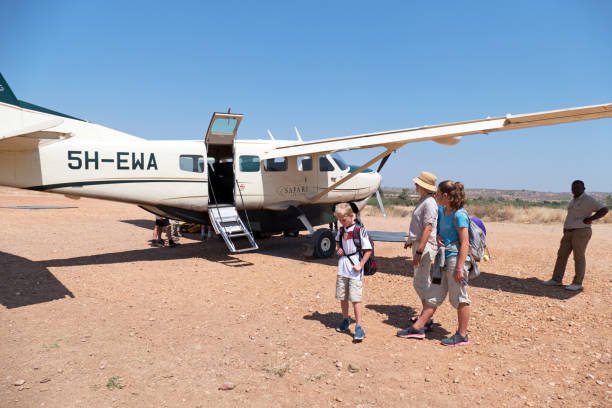
4-Day Serengeti Safari From Zanzibar With Return Flights: A Planning Guide
A deep look at planning a 4-day fly-in safari from Zanzibar to the Serengeti, covering flight logistics, itinerary structures, and the critical decisions needed for a successful 2026 or...
View package details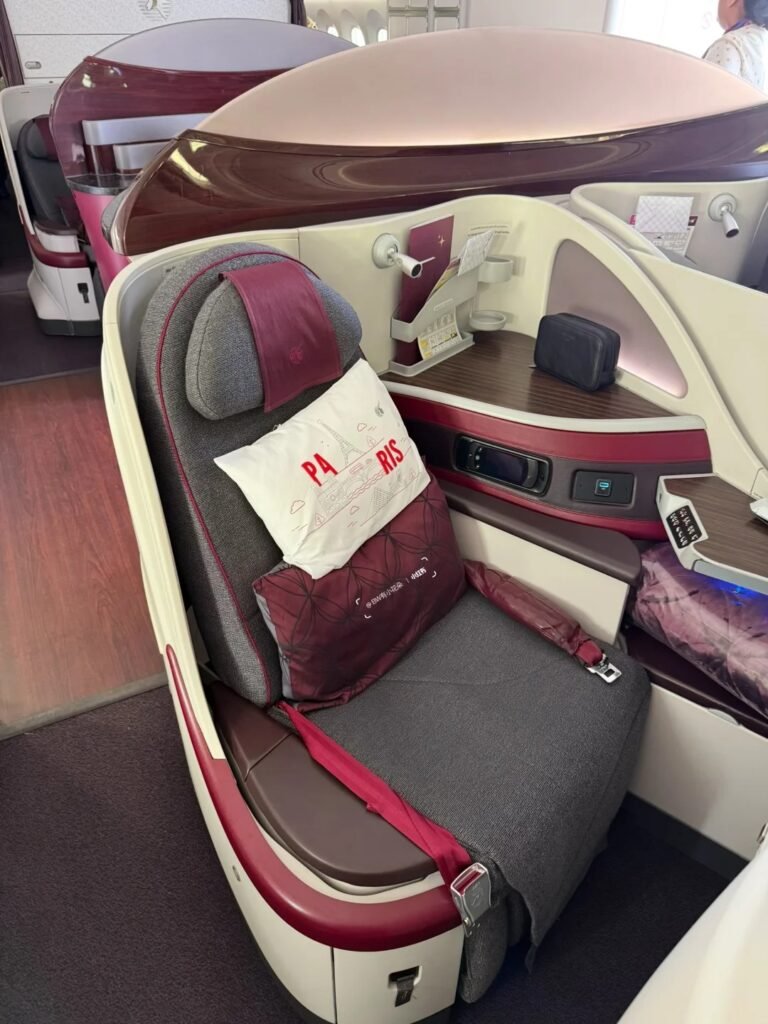
Fly-In Safari To Ngorongoro And Serengeti: Flights & Transfer Costs 2026-2027
Discover the logistics and cost breakdown for a fly-in safari to Ngorongoro and the Serengeti, including airstrip transfers, baggage limits, and vehicle positioning.
View package details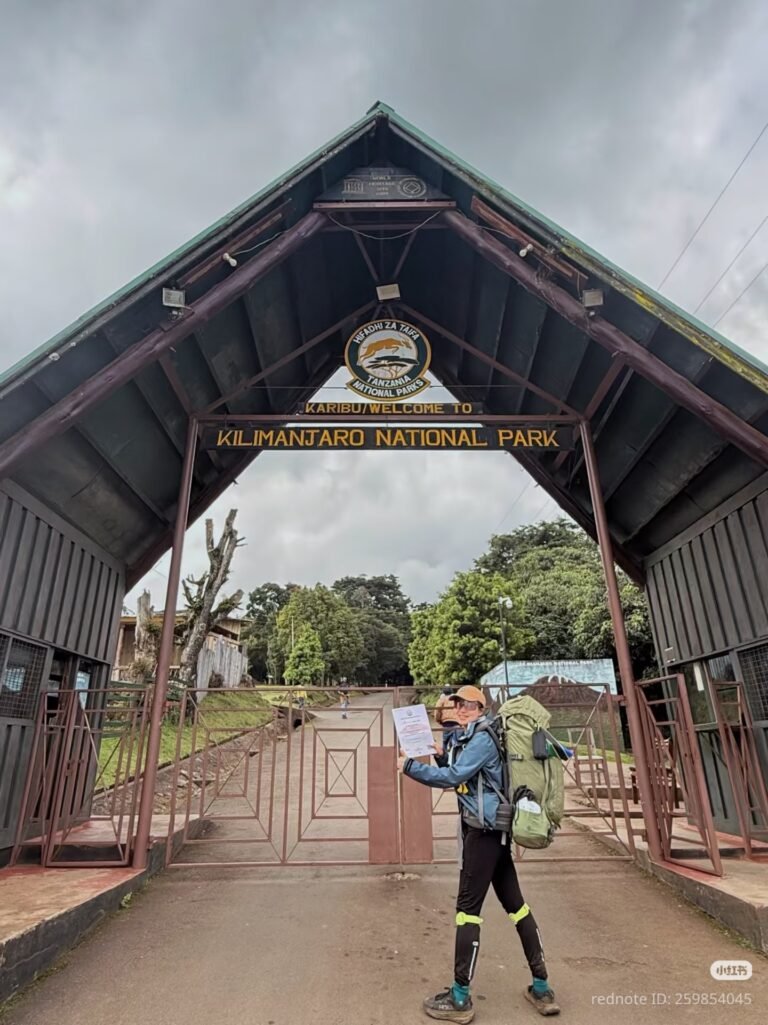
Kilimanjaro And Serengeti Safari Holiday : Your Ultimate Tanzania Adventure
Discover how to combine the challenge of climbing Kilimanjaro with the majesty of the Serengeti safari in 2027. Practical advice for planning your perfect Tanzanian journey.
View package details_1_John_from-rednote-web-768x1024.jpg)
Lamai Airstrip Flights: Prices & Northern Serengeti Safari 2027
Lamai Airstrip Flights: Prices & Northern Serengeti Safari is explained with current 2027 planning, price, itinerary and booking information.
View package details
Kogatende Airstrip Flights: Ticket Prices & Northern Serengeti Safari 2027
Kogatende Airstrip Flights: Ticket Prices & Northern Serengeti Safari is explained with current 2027 planning, price, itinerary and booking information.
View package detailsFly From Arusha To Serengeti For A 3-Day Safari: Flights & Package Prices 2027
Discover the most efficient ways to fly from Arusha to the Serengeti for a concentrated 3-day safari. This guide breaks down airstrip choices, flight costs, and package structures for 2027.
View package details
Dec 24, – 3 Day Christmas Serengeti And Ngorongoro Group Safari
Dec 24, 2026 – 3 Day Christmas Serengeti and Ngorongoro Group Safari.
View package details
Nov 23, – 3 Day Serengeti And Ngorongoro Safari From Zanzibar
Nov 23, 2026 – 3 Day Serengeti and Ngorongoro Safari from Zanzibar.
View package details
Dec 31, : New Year’s Eve Serengeti Group Safari Planning Guide
This guide provides essential planning details for a group safari trip to the Serengeti for New Year's Eve 2026, covering logistics, seasonal highlights, and what to expect.
View package details
I Am On A Budget—What Is The Cheapest Serengeti Group Safari?
I Am on a Budget—What Is the Cheapest Serengeti Group Safari?
View package details
Dec 29, – 6 Day Ndutu, Serengeti And Ngorongoro Group Safari 2026
A detailed guide to our 6-day group safari departure on December 29, 2026, focusing on the Ndutu plains, the Serengeti, and the Ngorongoro Crater.
View package details8 Day Serengeti And Ngorongoro Group Safari – December 16, 2026
Planning your December 2026 Tanzanian adventure? Our 8-day group safari offers a deep, unhurried exploration of the Serengeti and Ngorongoro Crater.
View package detailsNo related package matches those filters. Clear one or more filters to see the other topic-matched options.