An ideal Serengeti Ngorongoro Okavango Delta and Victoria Falls itinerary typically spans 10 to 14 days, combining Tanzania’s renowned wildlife parks with Botswana’s unique delta ecosystem and the awe-inspiring Zambezi River falls. This journey offers an unparalleled blend of predator-prey action, diverse landscapes, and natural grandeur, with careful planning for 2026-2027 ensuring optimal wildlife viewing and smooth transitions between these distinct destinations.

Understanding the Appeal: Why Combine These Destinations?
Combining the Serengeti, Ngorongoro Crater, the Okavango Delta, and Victoria Falls is the pinnacle of an African safari experience for many travelers. Each destination offers a distinct flavor of the continent’s natural wonders, and together, they create a truly epic journey. The Serengeti and Ngorongoro in Tanzania are legendary for their vast savannas, the dramatic Great Migration, and an unparalleled density of predators. Transitioning to Botswana’s Okavango Delta shifts the focus to a unique inland waterway, where life congregates around the water, offering intimate wildlife encounters via mokoro (traditional canoe) and specialized game drives. Finally, Victoria Falls, straddling the border of Zambia and Zimbabwe, provides a impressive spectacle of raw natural power, a dramatic contrast to the wildlife-centric experiences elsewhere.
This combination caters to travelers seeking a comprehensive overview of Africa’s diverse ecosystems and wildlife. It’s a journey that moves from the open plains of East Africa to the intricate waterways of Southern Africa, culminating in one of the world’s most spectacular natural wonders. While each destination can be visited independently, weaving them together creates a narrative of Africa’s wild heart. Planning for 2026 or 2027 allows ample time to secure preferred accommodations and flights, especially during peak seasons.
Crafting Your Serengeti Ngorongoro Okavango Delta Victoria Falls Itinerary: Key Considerations
Designing an itinerary that seamlessly links these four iconic locations requires careful thought about logistics, timing, and personal preferences. The primary challenge is the considerable distance and the need for multiple flights. This is not a self-drive adventure; it relies heavily on scheduled or chartered small aircraft. Your chosen travel style—whether prioritizing luxury, rustic charm, photographic opportunities, or a specific pace—will heavily influence accommodation choices and the overall cost. For 2026-2027 trips, early booking is crucial, particularly for the Okavango Delta, which has limited, highly sought-after camps.
Key planning factors include:
- Duration: A minimum of 10 days is needed to touch upon each location, but 12-14 days allows for a more relaxed pace and deeper exploration. Longer stays of 16-20 days are ideal for truly immersing yourself.
- Flow: The most logical flow is often Tanzania first, then Botswana, and finally Victoria Falls, or vice-versa. This minimizes backtracking.
- Flights: Understanding the flight routes (e.g., Kilimanjaro/Arusha to Maun, Maun to Kasane/Livingstone, Livingstone/Kasane to your next international departure point) is fundamental.
- Accommodation: From luxury lodges to tented camps, choices vary significantly in price and experience.
- Activities: Each location offers unique activities – game drives, walking safaris, mokoro trips, cultural visits, and adventure sports.
- Budget: This is a high-end itinerary, primarily due to internal flight costs and the exclusive nature of Okavango Delta camps.
- Best Time to Travel: Coordinating the optimal seasons for wildlife viewing and water levels across all three regions is key for a 2026-2027 trip.
Tanzania’s Northern Circuit: Serengeti and Ngorongoro Crater Deep Dive
Tanzania’s Northern Circuit is the gateway to some of the most famous wildlife destinations on Earth. The Serengeti and Ngorongoro Crater are often visited together, forming the core of any East African safari. They offer a classic safari experience characterized by vast landscapes and an abundance of iconic African wildlife.
The Serengeti: A Realm of Endless Plains and Wildlife
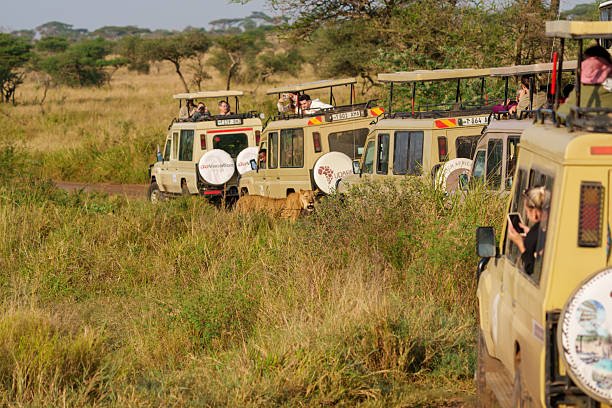
The Serengeti National Park is synonymous with the Great Migration, a impressive natural phenomenon where millions of wildebeest, zebras, and gazelles traverse the plains in search of fresh grazing. The park’s sheer size—over 14,750 square kilometers—means wildlife is dispersed across diverse habitats, from acacia woodlands to vast, grassy plains. For photographers and wildlife enthusiasts, the Serengeti offers unparalleled opportunities to witness predator-prey interactions, vast herds, and a staggering variety of birdlife.
Key Highlights of the Serengeti:
- The Great Migration: While the exact location of the herds varies throughout the year, witnessing any part of this movement is a highlight. The dramatic river crossings (July-September) are particularly iconic.
- Predator Density: The Serengeti is renowned for its high concentrations of lions, cheetahs, leopards, hyenas, and wild dogs.
- Diverse Landscapes: From the central Seronera region with its resident game year-round to the northern Lobo area and the southern plains, the scenery changes dramatically.
- Big Five: While elusive, leopard and rhino sightings are possible, alongside reliable sightings of lions, elephants, and buffalo.
Spending at least 2-3 full days in the Serengeti is recommended to cover different regions and maximize wildlife viewing opportunities. For a 2026-2027 trip, consider the timing of the migration if it’s a priority.
Ngorongoro Crater: The ‘Eighth Wonder’ of the Natural World
The Ngorongoro Conservation Area, and specifically the Ngorongoro Crater, is a UNESCO World Heritage Site and a geological marvel. This vast volcanic caldera, measuring approximately 19 kilometers in diameter, is home to an astonishingly high concentration of wildlife within its 260 square kilometer floor. What makes the crater unique is its self-contained ecosystem, supporting a remarkable density of predators and prey, including the endangered black rhino, which is reliably sighted here. The dramatic landscape, with the crater rim offering spectacular views, adds to the allure.
Key Highlights of the Ngorongoro Crater:
- Black Rhino Sanctuary: The crater is one of the best places in Africa to see these critically endangered animals.
- High Wildlife Density: Expect to see large herds of wildebeest and zebra, numerous lions, hyenas, hippos, elephants, and a variety of antelopes, often within a single game drive.
- Unique Ecosystem: The diverse habitats within the crater, including grasslands, swamps, and Lake Magadi, support a rich array of species.
- Spectacular Scenery: The drive down into the crater and the panoramic views from the rim are unforgettable.
A single day’s game drive is usually sufficient for the crater floor itself, but staying at a lodge on the crater rim allows for stunning sunrise and sunset views. Given its popularity, visiting outside peak hours can enhance the experience. Planning for 2026-2027 should account for potential visitor number management.
Logistics for Tanzania: Getting Around and Accommodation
Travel within Tanzania’s Northern Circuit is typically done via 4×4 safari vehicles, either private or in small groups. Most safaris start from Arusha or Kilimanjaro International Airport (JRO). Internal flights are common for longer distances, but for Serengeti and Ngorongoro, driving is standard, often involving multiple days of travel between parks.
Accommodation in Tanzania:
- Lodges: Permanent structures offering comfort, amenities, and often stunning views.
- Tented Camps: Canvas structures that range from basic to luxurious, offering a more intimate connection with nature. These can be permanent or semi-permanent.
- Mobile Camps: Strategically located to follow the Great Migration, these offer an even more in-depth experience but are often more basic.
For a combined itinerary, most travelers fly into Kilimanjaro International Airport (JRO), spend several days on safari in Tanzania, then fly from a local airstrip (like Seronera or Kilimanjaro) to Maun, Botswana, or another regional hub.
Booking Tanzania Safaris for 2026-2027: Given the popularity and the logistical complexity, booking at least 6-12 months in advance is highly recommended, especially for peak seasons like June-October. Early booking ensures better lodge availability and potentially better pricing for 2026-2027.
Consider Climb 4 Africa for tailor-made Tanzania safari packages that can seamlessly integrate with your onward journey to Botswana and Victoria Falls. Their expertise in East African travel can simplify the complex logistics.
Botswana’s Okavango Delta: A Watery Wilderness
The Okavango Delta is a truly unique inland delta, a vast river system that floods annually from the Angolan highlands, spreading out across the Kalahari Desert. It creates a labyrinth of channels, lagoons, and islands, supporting an incredible diversity of wildlife adapted to this aquatic environment. Unlike most African safaris focused on dry-land game viewing, the Delta offers a chance to explore by water, providing a different perspective and intimate wildlife encounters.
Experiencing the Delta: Mokoro Safaris and Game Drives
The primary mode of exploration in the Okavango Delta is the mokoro, a traditional dugout canoe. Gliding silently through the shallow waterways, you can get remarkably close to wildlife, observe aquatic birds, and appreciate the delicate ecosystem. Mokoro excursions are often combined with guided walking safaris on the islands and, in some areas, traditional 4×4 game drives.
Key Highlights of the Okavango Delta:
- Mokoro Safaris: A quintessential Delta experience, offering peaceful and intimate wildlife viewing.
- Abundant Birdlife: The Delta is a paradise for birdwatchers, with hundreds of species found here.
- Diverse Wildlife: While not as densely packed as the Serengeti, the Delta boasts lions, leopards, cheetahs, wild dogs, elephants, hippos, crocodiles, and a vast array of antelope species, including the red lechwe and sitatunga, which are water-adapted.
- Unique Landscape: The ever-changing waterways, floodplains, and islands create a visually stunning and dynamic environment.
- Low Tourist Numbers: Botswana’s tourism policy emphasizes low-volume, high-value tourism, meaning fewer crowds and a more exclusive experience.
The experience in the Delta varies significantly depending on the water levels, which change throughout the year. Some camps offer more water-based activities during the flood season (roughly June-October), while others focus on game drives during the dry season.
Logistics for the Okavango Delta: Flights and Camps
Access to the Okavango Delta is almost exclusively by light aircraft. Most international travelers fly into Maun (MUB) or Kasane (BBK) in Botswana. From these hubs, small charter flights take you directly to the airstrip nearest your chosen camp. Driving into the Delta is generally not feasible for most visitors.
Accommodation in Botswana: Camps in the Okavango Delta are renowned for their exclusivity and high standards, often featuring luxurious tented suites, exceptional service, and gourmet dining. Options range from permanent lodges to seasonal mobile camps. Many camps are located in private concessions, allowing for activities like walking safaris and night drives, which are restricted in national parks.
Booking Okavango Delta for 2026-2027: Due to the limited number of camps and the popularity of Botswana, booking your Okavango Delta safari well in advance—ideally 9-18 months ahead for 2026-2027, especially for peak season (June-October)—is absolutely essential. Some of the most sought-after camps book up a year or more in advance.
Your travel agent or tour operator will arrange all internal flights from Maun or Kasane to your camp. This is typically included in the package price.
Victoria Falls: The Smoke That Thunders
Victoria Falls, one of the Seven Natural Wonders of the World, is a monumental curtain of falling water on the Zambezi River, marking the border between Zambia and Zimbabwe. Known locally as ‘Mosi-oa-Tunya’ (The Smoke That Thunders) due to the immense spray that rises from the falls, it’s a sight and sound that captivates visitors. The sheer volume of water, especially during the peak flood season, creates a powerful and unforgettable sensory experience.
Activities and Perspectives at Victoria Falls
While the falls themselves are the main attraction, the surrounding area offers a range of activities catering to different interests, from adrenaline junkies to those seeking a more relaxed experience. The best way to appreciate the falls is to view them from multiple vantage points.
Key Experiences at Victoria Falls:
- Rainforest Walk: Explore the paths on the Zimbabwean side, which offer the most comprehensive views of the falls through the spray.
- Knife-Edge Bridge: Located on the Zambian side, this bridge provides dramatic views and a drenching experience.
- Helicopter/Microlight Flights: ‘The Flight of Angels’ offers a impressive aerial perspective of the falls and the Zambezi River.
- Devil’s Pool (Zambia): During the drier months (August-January), brave visitors can swim in a natural pool on the very edge of the falls.
- White-Water Rafting: The Zambezi River below the falls is renowned for its challenging rapids.
- Sunset Cruises: Enjoy a relaxing cruise on the upper Zambezi River, spotting wildlife and enjoying sundowners.
While the falls are spectacular year-round, the water volume peaks between February and May, creating the most dramatic spray and roar. During the dry season (September-November), water flow can be lower, but it allows for activities like swimming in Devil’s Pool and offers clearer views of the gorge.
Logistics for Victoria Falls: Zambia vs. Zimbabwe
Victoria Falls can be accessed from either Zambia (Livingstone) or Zimbabwe (Victoria Falls town). Both towns offer a range of accommodation, from budget guesthouses to luxury hotels. The choice often depends on which side offers better views or specific activities you wish to do.
- Zimbabwe Side: Generally considered to have more viewpoints and offers more extensive views of the main falls. The town is quieter.
- Zambia Side: Offers the unique experience of Devil’s Pool and Livingstone Island. The town is more developed with a wider range of tourist facilities.
Many travelers choose to stay on one side and visit the other, especially if they have a visa that allows for multiple entries. Flights typically arrive at Livingstone Airport (LVI) in Zambia or Victoria Falls Airport (VFA) in Zimbabwe. The proximity to Botswana makes it a natural addition to a safari itinerary.
Booking Victoria Falls for 2026-2027: While not as critical as booking Okavango Delta camps, booking accommodation and key activities for Victoria Falls 3-6 months in advance is advisable, especially for 2026-2027 peak travel periods or if you have specific hotel preferences.
Sample Itinerary Structures: Balancing Time and Experience
The following are sample structures for a Serengeti Ngorongoro Okavango Delta Victoria Falls itinerary. These can be customized based on your interests, pace, and budget for your 2026-2027 adventure.
10-Day Express Itinerary: The Essentials
This is a fast-paced itinerary designed to give you a taste of each destination. It prioritizes the iconic experiences but involves significant travel time.
- Day 1: Arrive Kilimanjaro (JRO), transfer to Arusha.
- Day 2: Fly Arusha to Serengeti, afternoon game drive.
- Day 3: Full day Serengeti game drive.
- Day 4: Morning game drive, descend into Ngorongoro Crater for game drive, overnight on crater rim.
- Day 5: Transfer to Arusha/local airstrip, fly to Maun, Botswana. Transfer to Okavango Delta camp.
- Day 6: Okavango Delta activities (mokoro, walking safari).
- Day 7: Morning Delta activity, fly from Delta airstrip to Maun, then to Livingstone (LVI) or Victoria Falls (VFA). Transfer to hotel.
- Day 8: Victoria Falls exploration (rainforest walk, sunset cruise).
- Day 9: Optional activities (e.g., Devil’s Pool, rafting), transfer to Livingstone/Victoria Falls airport.
- Day 10: Depart from Livingstone/Victoria Falls.
Trade-offs: This itinerary is very rushed. You’ll spend a significant portion of your time in transit. It’s ideal for those with limited time who want to see the highlights.
12-Day Balanced Itinerary: Deeper Exploration
This itinerary allows for more time in each location, reducing transit stress and enabling more in-depth experiences. This is a popular choice for 2026-2027 travel.
- Day 1: Arrive Kilimanjaro (JRO), transfer to Arusha.
- Day 2: Fly Arusha to Serengeti, afternoon game drive.
- Day 3: Full day Serengeti game drive (explore a different region).
- Day 4: Serengeti game drive, transfer to Ngorongoro Conservation Area, overnight near crater.
- Day 5: Full day Ngorongoro Crater game drive.
- Day 6: Morning activity (e.g., Maasai village visit), transfer to local airstrip, fly to Maun, Botswana. Transfer to Okavango Delta camp.
- Day 7: Okavango Delta activities (mokoro, walking safari).
- Day 8: Okavango Delta activities (game drive, mokoro).
- Day 9: Morning Delta activity, fly to Maun, then to Livingstone (LVI) or Victoria Falls (VFA). Transfer to hotel.
- Day 10: Victoria Falls exploration (rainforest walk, viewpoint visits).
- Day 11: Optional activities (e.g., helicopter flight, white-water rafting).
- Day 12: Depart from Livingstone/Victoria Falls.
Benefits: More time for wildlife viewing, less travel fatigue, and a better chance to soak in the atmosphere of each place.
14-Day Comprehensive Itinerary: Full Immersion
This extended itinerary offers a more relaxed pace and allows for deeper exploration of each region, including more specialized activities or visiting slightly different areas within the parks. This is the ideal structure for truly experiencing the best of each destination in 2026-2027.
- Day 1: Arrive Kilimanjaro (JRO), transfer to Arusha.
- Day 2: Fly Arusha to Serengeti (e.g., Central Serengeti), afternoon game drive.
- Day 3: Full day Serengeti game drive (Central).
- Day 4: Fly to another Serengeti region (e.g., North or West, depending on migration), game drive.
- Day 5: Full day game drive in new Serengeti region.
- Day 6: Morning game drive, transfer to Ngorongoro Conservation Area, overnight on crater rim.
- Day 7: Full day Ngorongoro Crater game drive.
- Day 8: Explore Ngorongoro Conservation Area (e.g., Olduvai Gorge, Maasai village), transfer to local airstrip.
- Day 9: Fly from local airstrip to Maun, Botswana. Transfer to Okavango Delta camp.
- Day 10: Okavango Delta activities (mokoro, walking safari).
- Day 11: Okavango Delta activities (game drive, boating).
- Day 12: Morning Delta activity, fly to Kasane, Botswana. Transfer to lodge near Chobe National Park or Victoria Falls.
- Day 13: Victoria Falls exploration (rainforest, sunset cruise).
- Day 14: Optional activities, depart from Livingstone (LVI) or Victoria Falls (VFA).
Advantages: This itinerary significantly reduces travel fatigue, allows for more spontaneous wildlife sightings, and provides ample time for relaxation and enjoying the unique atmosphere of each camp and location. It’s the most comprehensive way to experience these iconic destinations in 2026-2027.
Timing Your Trip: When to Visit for Optimal Experiences (2026-2027)
Coordinating the best times to visit these distinct regions is crucial for maximizing your experience. Each destination has its peak seasons influenced by weather patterns and wildlife movements.
Best Seasons for Serengeti and Ngorongoro
Serengeti:
- June to October: Dry season, generally considered the best time for wildlife viewing. The Great Migration is typically in the northern Serengeti, with river crossings occurring from July to September. Predator sightings are excellent.
- January to February: Calving season in the southern Serengeti, attracting predators. This is a great time for seeing young wildlife.
- March to May: Long rains, fewer tourists, greener landscapes, but game viewing can be more challenging due to dispersed animals and muddy tracks.
Ngorongoro Crater: The crater offers good game viewing year-round due to its resident population of animals. However, the dry season (June-October) generally provides the best viewing conditions with animals congregating around water sources.
Best Seasons for the Okavango Delta
June to October: This is the prime season. The Delta is flooded by water from Angola, creating the iconic waterways and attracting wildlife to the islands and floodplains. Game viewing is excellent, and the weather is dry and pleasant.
November to May: This is the ‘Green Season’ or ‘Low Season’. The floodwaters recede, and the landscape becomes lush after the rains (typically January-March). While water activities may be reduced, game viewing can still be good, especially for predators. It’s also a more affordable time to visit.
Best Seasons for Victoria Falls
February to May: Peak flood season. The sheer volume of water creates a spectacular, powerful display with immense spray. Visibility into the gorge can be reduced by the mist.
September to November: Dry season. Water flow is at its lowest, but this allows for clearer views of the falls’ structure and the possibility of activities like Devil’s Pool. It’s also a good time for white-water rafting as the river levels are manageable.
Year-round: The falls are impressive regardless of the season, but the experience differs significantly.
Navigating Inter-Seasonal Travel
Combining these destinations means you might experience different weather patterns. For instance, a trip in July (dry season in Tanzania) might coincide with the beginning of the flood season in the Okavango Delta. A travel advisor can help you choose dates that offer a good balance across all locations for your 2026-2027 trip.
A good compromise for many is the shoulder seasons:
- May/June: Transition from wet to dry in Tanzania; floodwaters begin in Botswana.
- October/November: End of dry season in Tanzania; start of green season in Botswana.
These periods often offer good wildlife viewing, fewer crowds, and potentially better value, though the exact conditions can vary year by year.
Choosing Your Travel Style and Accommodation
The choice of accommodation and safari style significantly impacts the overall experience and budget for your Serengeti Ngorongoro Okavango Delta Victoria Falls itinerary. Each destination offers a spectrum from rustic to ultra-luxury.
Accommodation in Tanzania: Lodges, Camps, and Tented Options
Tanzania offers a wide range of options:
- Luxury Lodges: Often built with stunning views, offering full amenities, fine dining, and swimming pools. Ideal for comfort seekers.
- Mid-Range Lodges & Tented Camps: Comfortable, well-appointed, and offering a great safari experience without the highest price tag.
- Budget Camps/Tented Camps: More basic facilities, often canvas tents with shared bathrooms, providing a more rustic and in-depth experience.
- Mobile Camps: These camps move seasonally to follow the Great Migration, offering a truly wild experience. They are often semi-luxury.
Considerations for 2026-2027 bookings: Popular lodges and camps, especially those with prime locations or unique offerings, get booked up quickly. For example, camps within the Serengeti National Park offer exclusive access during migration seasons.
Accommodation in Botswana: From Luxury Camps to Mobile Safaris
Botswana leans heavily towards the high-end, low-impact tourism model. Expect exclusive, intimate camps:
- Luxury Tented Camps: The hallmark of Botswana. Expect spacious tents with en-suite bathrooms, private decks, gourmet meals, and exceptional guiding. Many are in private concessions, allowing unique activities.
- Exclusive Lodges: Similar to luxury tented camps, offering high levels of comfort and service.
- Mobile Safaris: For a more adventurous and customizable experience, bespoke mobile safaris can be arranged, offering a mix of camping and guided exploration. These are less common for this specific multi-destination itinerary due to flight logistics but are possible.
Booking for 2026-2027: Botswana’s camps are highly exclusive and book up months, even a year, in advance. The limited capacity means early planning is paramount.
Accommodation near Victoria Falls
Victoria Falls offers a broader range of accommodation to suit various budgets:
- Luxury Hotels: Historic properties with colonial charm and modern amenities, often with views of the spray or river.
- Mid-Range Hotels & Lodges: Comfortable options with good facilities, often set in lush gardens.
- Guesthouses & B&Bs: More intimate and budget-friendly choices.
- Houseboats: For a unique experience on the Zambezi River upstream from the falls.
Consider booking accommodation that suits your preferred pace. Some prefer to stay close to the falls for easy access, while others might opt for lodges further afield for a more tranquil setting.
smooth Travel Between Destinations: Flights and Transfers
The logistics of moving between Tanzania, Botswana, and Victoria Falls are predominantly handled by air. Understanding these routes is key to planning your 2026-2027 itinerary.
Tanzania to Botswana Transfers
The most common route is flying from a Tanzanian airstrip (e.g., Seronera in the Serengeti or Arusha/Kilimanjaro if driving is involved) to Maun (MUB), Botswana. This typically involves at least one stop, often in Nairobi (NBO), Kenya, or another regional hub. From Maun, a small charter flight will take you to your specific Okavango Delta camp’s airstrip. The entire journey can take most of a day.
Botswana to Victoria Falls Transfers
From the Okavango Delta, you’ll fly back to either Maun (MUB) or Kasane (BBK). Kasane is closer to Victoria Falls and Chobe National Park. From Maun or Kasane, you can take a flight to Livingstone Airport (LVI) in Zambia or Victoria Falls Airport (VFA) in Zimbabwe. Alternatively, if you are in Kasane and want to visit Chobe National Park first, you can arrange a road transfer across the border to Victoria Falls town.
Internal Flights: The Backbone of This Itinerary
Internal flights are a significant cost component of this itinerary. They are essential for covering the vast distances efficiently. Most operators will book these for you as part of a package. Expect to fly in small bush planes for the Okavango Delta transfers and potentially for some legs within Tanzania if you’re not doing a driving safari.
Important Notes for 2026-2027:
- Luggage Restrictions: Small aircraft have strict weight limits (usually 15-20 kg total, including hand luggage) and soft-sided bags are mandatory.
- Flight Schedules: Bush flight schedules are dictated by daylight hours and camp operations, so flexibility is sometimes required.
- Booking: It is highly recommended to book these flights as part of your safari package to ensure smooth coordination and adherence to luggage policies.
A specialist operator like Climb 4 Africa can manage all these complex flight bookings for your 2026-2027 trip.
Budgeting for Your Adventure: Cost Factors for 2026-2027
A safari combining the Serengeti, Ngorongoro Crater, Okavango Delta, and Victoria Falls is a significant investment. The cost is driven by internal flights, exclusive camp rates in Botswana, park fees, and the overall duration. Expect this to be a mid-to-high-end travel experience.
Tanzania Safari Costs
Park Fees: These are charged per person per day and are a substantial part of the cost. For Serengeti and Ngorongoro, expect to pay upwards of $60-80 per person per day.
Accommodation: Ranges from $200 per person per night for mid-range lodges to $800+ per person per night for luxury tented camps in the Serengeti.
Vehicle & Guide: A private 4×4 safari vehicle and guide typically costs $250-400 per day, shared among travelers.
Internal Flights: From local airstrips to hubs like Kilimanjaro can add $300-500 per person.
Okavango Delta Costs
Botswana’s Okavango Delta camps are generally the most expensive component. Rates are usually all-inclusive (accommodation, meals, drinks, and most activities).
Accommodation: Expect $700 – $1,500+ per person per night. This high cost reflects the exclusivity, remoteness, and quality of service.
Internal Flights: Flights from Maun to the Delta airstrip can cost $300-500 per person round trip. These are often included in camp rates.
Park/Concession Fees: Often included in camp rates, but can add $50-100 per person per day if separate.
Victoria Falls Costs
Victoria Falls is generally more affordable than the safari destinations, but activities can add up.
Accommodation: Ranges from $100 per night for guesthouses to $500+ for luxury hotels.
Park Entrance Fees: Around $30-50 per person for a single entry to the rainforest.
Activities: Helicopter flights ($150-250), white-water rafting ($100-150), Devil’s Pool ($150-200).
Flights: Flights to Livingstone (LVI) or Victoria Falls (VFA) from regional hubs like Johannesburg can range from $200-500.
Overall Budget Considerations
For a 10-14 day itinerary combining these destinations in 2026-2027, budget approximately:
- Mid-Range: $6,000 – $9,000 per person (likely using more shared services, more budget-conscious lodges in Tanzania/Vic Falls).
- Luxury: $9,000 – $15,000+ per person (prioritizing high-end camps, private guides, and premium lodges).
These figures are estimates and can vary based on the season, specific camps chosen, flight costs at the time of booking, and the number of activities undertaken. It’s crucial to get a detailed quote for your specific 2026-2027 travel dates.
Tip for 2026-2027: Booking as a package through an experienced operator often provides better value and simplifies the complex flight and transfer logistics.
Packing for Your Multi-Destination African Safari
Packing efficiently is vital, especially with the luggage restrictions on light aircraft. Aim for versatile clothing and essentials.
- Clothing: Neutral-colored, lightweight, breathable clothing (khaki, beige, olive green). Long sleeves and trousers for sun protection and evenings. A warm fleece or jacket for cooler mornings/evenings, especially in the dry season.
- Footwear: Comfortable walking shoes or hiking boots for walking safaris, and sandals or flip-flops for camp.
- Headwear: Wide-brimmed hat for sun protection.
- Eyewear: Sunglasses.
- Health: Personal first-aid kit, insect repellent (with DEET), sunscreen, any personal medications. Consult your doctor about malaria prophylaxis and vaccinations well in advance of your 2026-2027 trip.
- Photography: Camera with extra batteries and memory cards. Binoculars are essential for wildlife viewing.
- Documents: Passport, visas, flight confirmations, insurance details, vaccination certificates.
- Accessories: Small backpack for day trips, reusable water bottle, power bank/adapter.
Remember the soft-sided luggage rule for flights!
Health and Safety Considerations
Your well-being is paramount. Prioritize health and safety measures before and during your trip.
- Medical Advice: Consult your doctor or a travel clinic 4-6 weeks before your 2026-2027 trip regarding vaccinations (e.g., Yellow Fever, Hepatitis A, Typhoid) and malaria prevention.
- Malaria: Both Tanzania and Botswana are malaria-endemic areas. Take prescribed antimalarial medication and use insect repellent diligently.
- Water: Drink only bottled or purified water. Avoid ice in drinks unless you are certain it’s made from purified water.
- Sun Protection: The African sun is intense. Use high SPF
Check Availability for Serengeti Ngorongoro Okavango Delta And Victoria Falls Itinerary 2026-2027
Ready to compare dates, prices, and the best option for your group? Send the package name and travel month so the team can reply with a clear quote, availability, and what is included.
12 closely related packages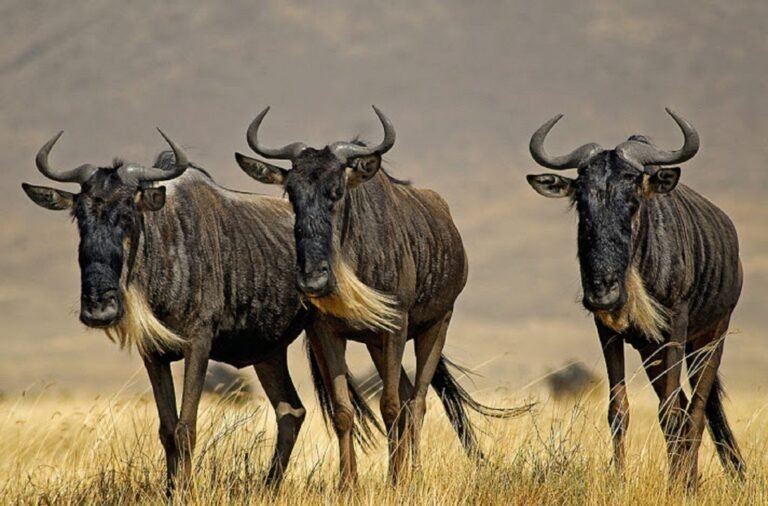
Nov 23, – 3 Day Serengeti And Ngorongoro Safari From Zanzibar
Nov 23, 2026 – 3 Day Serengeti and Ngorongoro Safari from Zanzibar.
View package details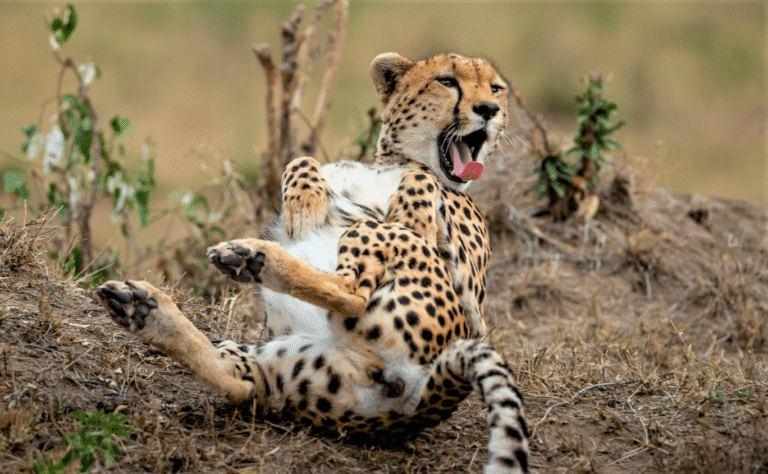
Dec 29, – 6 Day Ndutu, Serengeti And Ngorongoro Group Safari 2026
A detailed guide to our 6-day group safari departure on December 29, 2026, focusing on the Ndutu plains, the Serengeti, and the Ngorongoro Crater.
View package details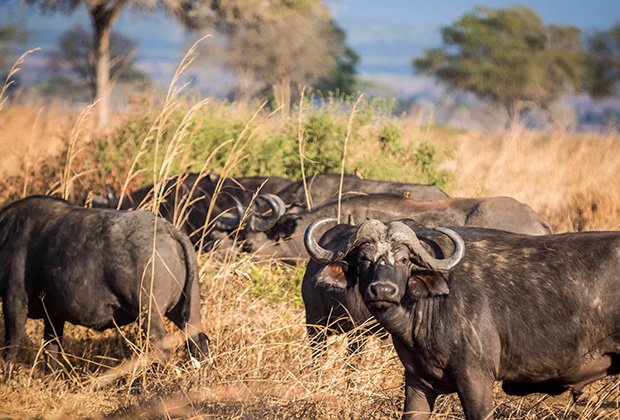
8 Day Serengeti And Ngorongoro Group Safari – December 16, 2026
Planning your December 2026 Tanzanian adventure? Our 8-day group safari offers a deep, unhurried exploration of the Serengeti and Ngorongoro Crater.
View package details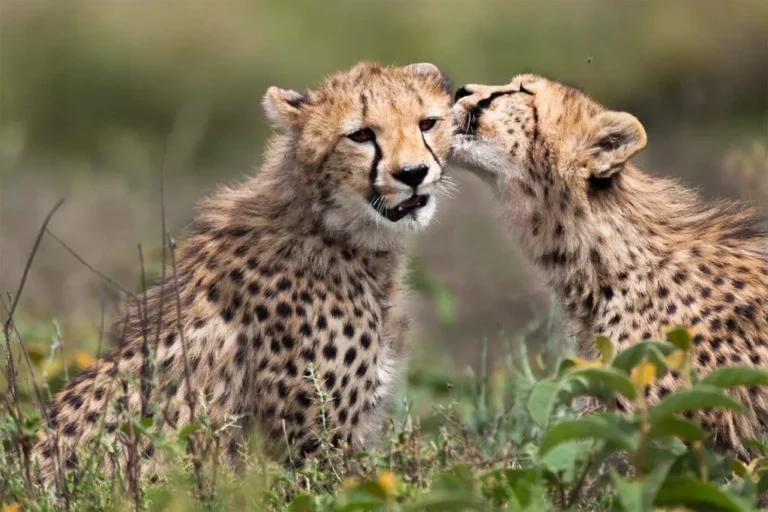
Dec 12, – 6 Day Serengeti, Ngorongoro, Tarangire And Manyara Group Safari 2026
Dec 12, 2026 – 6 Day Serengeti, Ngorongoro, Tarangire and Manyara Group Safari.
View package detailsDec 8, – 4 Day Tarangire, Serengeti And Ngorongoro Group Safari 2026
A detailed guide to our December 8, 2026 group joining safari, covering the itinerary, logistics, and what to expect during this 4-day wildlife adventure in Tanzania.
View package details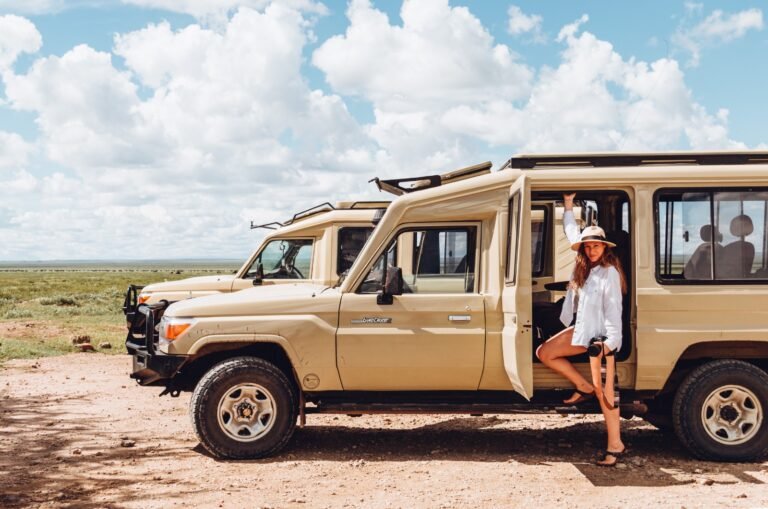
Nov 6, – 3 Day Serengeti And Ngorongoro Budget Group Safari 2026
A detailed look at our November 6, 2026 group departure for a 3-day Serengeti and Ngorongoro safari, including planning tips and route logistics.
View package detailsOct 27, – 3 Day Serengeti And Ngorongoro Group Safari 2026
Planning for a short, high-impact wildlife adventure? Our October 27, 2026, group safari offers a direct route through the Serengeti and Ngorongoro Crater, perfect for travelers with...
View package detailsNov 18, – 7 Day Serengeti And Ngorongoro Group Joining Safari 2026
A detailed guide to the 7-day group joining safari departing November 18, 2026, covering Serengeti, Ngorongoro, and the logistical advantages of shared travel.
View package detailsNov 10, – 4 Day Serengeti, Ngorongoro And Tarangire Group Safari 2026
Join our group safari on November 10, 2026, for an intensive 4-day tour of Tanzania's Northern Circuit. Perfect for those with limited time who want to experience the best of the Serengeti...
View package detailsOct 31, – 6 Day Serengeti, Ngorongoro, Tarangire And Manyara Group Safari 2026
A detailed look at the 6-day Northern Circuit group safari departing October 31, 2026, covering Tarangire, Manyara, Serengeti, and Ngorongoro Crater.
View package detailsOct 29, – 4 Day Tarangire, Serengeti And Ngorongoro Group Safari 2026
Plan your October 2026 Tanzania adventure. This 4-day group safari covers Tarangire, Serengeti, and Ngorongoro Crater with reliable local support.
View package details
Fly-In Safari To Ngorongoro And Serengeti: Flights & Transfer Costs 2026-2027
Discover the logistics and cost breakdown for a fly-in safari to Ngorongoro and the Serengeti, including airstrip transfers, baggage limits, and vehicle positioning.
View package detailsNo related package matches those filters. Clear one or more filters to see the other topic-matched options.