
If you are looking for the best chance of reaching the summit for New Year’s, the 8-day Lemosho Route or the 7-day Machame Route are the most reliable choices. The primary goal during the busy New Year period is maximizing your acclimatization profile. While shorter routes exist, they significantly increase the risk of altitude-related issues. By choosing a route with a longer, more gradual ascent, you give your body the necessary time to adjust, which is the single most important factor in a successful summit attempt.
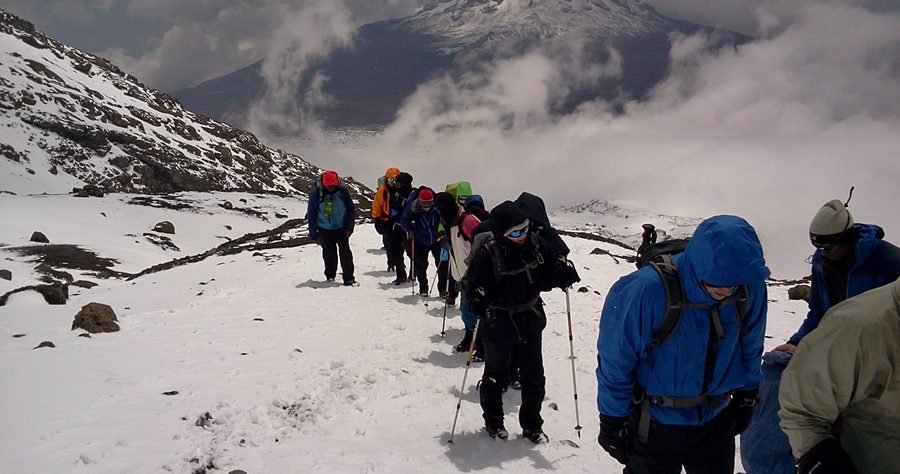
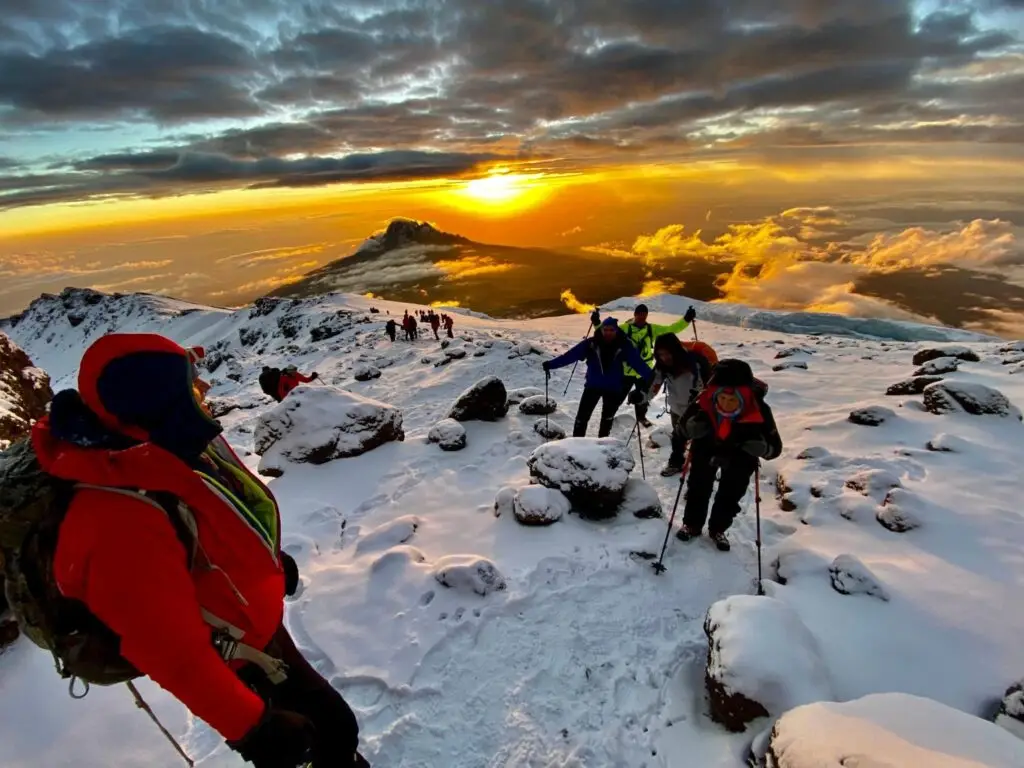
Planning a Kilimanjaro expedition for the turn of the year is a unique challenge. You aren’t just managing the mountain; you are managing the peak season logistics of Tanzania’s most popular trekking period. When you ask, “Which Kilimanjaro route is best for a New Year summit?”, the answer must balance trail scenery, crowd management, and—most importantly—your physiological preparation.
The Strategic Advantage of Longer Routes
The New Year season brings a surge of climbers to the mountain. This creates a specific dynamic: the base camps and intermediate camps can become crowded. A longer route, such as the 8-day Lemosho Route, offers a strategic advantage. By spreading the ascent over more days, you not only improve your acclimatization but also gain more flexibility in your pace, which helps when navigating busy trails.
Many climbers make the mistake of prioritizing the fastest route to save time or budget. On Kilimanjaro, speed is often the enemy of success. During the December/January window, the mountain’s upper reaches are cold and demanding. Arriving at the high camps (like Barafu or Kibo) fatigued from a rushed ascent will only make your summit night—often the coldest and most challenging part of the trip—significantly harder.
Comparing Routes for Your New Year Expedition
When selecting your route, consider the trade-offs between scenery, isolation, and success probability. The following table provides a breakdown of how the most popular routes perform during the December/January window.
| Route | Best For | Acclimatization Profile | Crowd Factor |
|---|---|---|---|
| Lemosho (8 Days) | High success rates & scenery | Excellent | Moderate |
| Machame (7 Days) | The “Whiskey Route” classic | Good | High |
| Rongai (7 Days) | Drier northern approach | Moderate | Low/Moderate |
| Northern Circuit | Total immersion & solitude | Superior | Low |
For detailed schedules on these options, you can review our New Year summit packages starting December, which outline how we structure the daily mileage to keep you fresh for the summit push.
Why the Lemosho Route Leads the Pack
For most climbers aiming for a New Year’s Day summit, the Lemosho route is the preferred choice. It approaches from the west, crossing the Shira Plateau, which is one of the most stunning landscapes on the mountain. Because it takes more time to reach the main trails, it allows for a more natural acclimatization. By the time you merge with the popular Machame route, your body has already adapted to the higher elevations, giving you a distinct physical advantage over climbers who ascended faster.
This is particularly beneficial during the New Year period. If the mountain is busy, the Lemosho route’s lower traffic in the early days provides a more contemplative experience, allowing you to settle into the rhythm of the climb before the final ascent phase begins.
The Case for the Rongai Route
If you are specifically concerned about weather or crowds, the 7-day Rongai route is a compelling alternative. Approaching from the north, it sits in the rain shadow of the mountain, which can mean drier conditions. While “short dry season” weather is generally favorable, the north side is consistently less prone to the moisture that sometimes clings to the southern slopes. It is a quieter, more solitary experience, which many travelers find more aligned with the reflective nature of a New Year’s adventure.
Logistics: Managing the New Year Peak Season
Booking a climb during the last week of December is not a last-minute affair. This is the busiest time for Kilimanjaro tourism. Permits, park staff, and accommodation in Moshi or Arusha can sell out months in advance. As a local operator, Climb 4 Africa strongly recommends finalizing your 2026 or 2027 plans at least 6 to 9 months ahead of time.
When you book, we don’t just secure a spot; we coordinate the exact start date required to align with your goal of a New Year’s Day summit. For example, if you choose an 8-day route, your start date must be precisely calculated so that your summit day falls on the morning of January 1st. This requires precise coordination between our operations team and the park authorities.
Pro Tip: The Summit Night Reality
Regardless of the route you choose, the summit night remains a grueling 1,000-meter vertical ascent in sub-zero temperatures. The route choice only helps you reach the high camp in the best possible shape. Once you leave the high camp at midnight, the challenge is purely mental and physical. We recommend focusing your training on cardiovascular endurance and, just as importantly, your ability to handle prolonged cold exposure.
Preparation and Training for 2026-2027
Whether you choose the Machame route or opt for a longer, more secluded path, your physical preparation is the final variable in the success equation. We advise all our climbers to begin a structured hiking program at least three months prior to departure. Focus on “time on feet”—wearing your boots and pack for 4–6 hour sessions on varied terrain—rather than just gym-based cardio. This mimics the reality of the mountain far better than a treadmill.
Additionally, review your gear list carefully. The New Year period, while generally dry, is not warm. You will be trekking through five distinct climate zones. By the time you reach the summit, you will be in arctic conditions. Ensure your sleeping bag is rated for -15°C (5°F) or lower, and that you have reliable, broken-in footwear. If you are unsure about your gear, our team at Climb 4 Africa is happy to provide a comprehensive packing list tailored to the specific route you select.
How to Book Your New Year Summit
Ready to lock in your plans? The first step is to define your group size and preferred level of comfort. Are you looking for a private, customized climb, or would you prefer to join one of our scheduled group departures? Both have their benefits: private climbs offer total flexibility in your pace and schedule, while group departures are an excellent way to share the experience with fellow travelers.
Contact us to discuss the best route for your fitness level and your goals for the trip. You can reach our team via WhatsApp at +255 747 477 898 or email us at climb4africa@gmail.com. Alternatively, you can use our backup contact address at info@climb-4-africa.com. When you reach out, please include your preferred dates, the number of people in your party, and any specific concerns you have regarding altitude or previous trekking experience. We look forward to helping you stand on Uhuru Peak to ring in the new year.
The Reality of New Year’s Eve on the Slopes
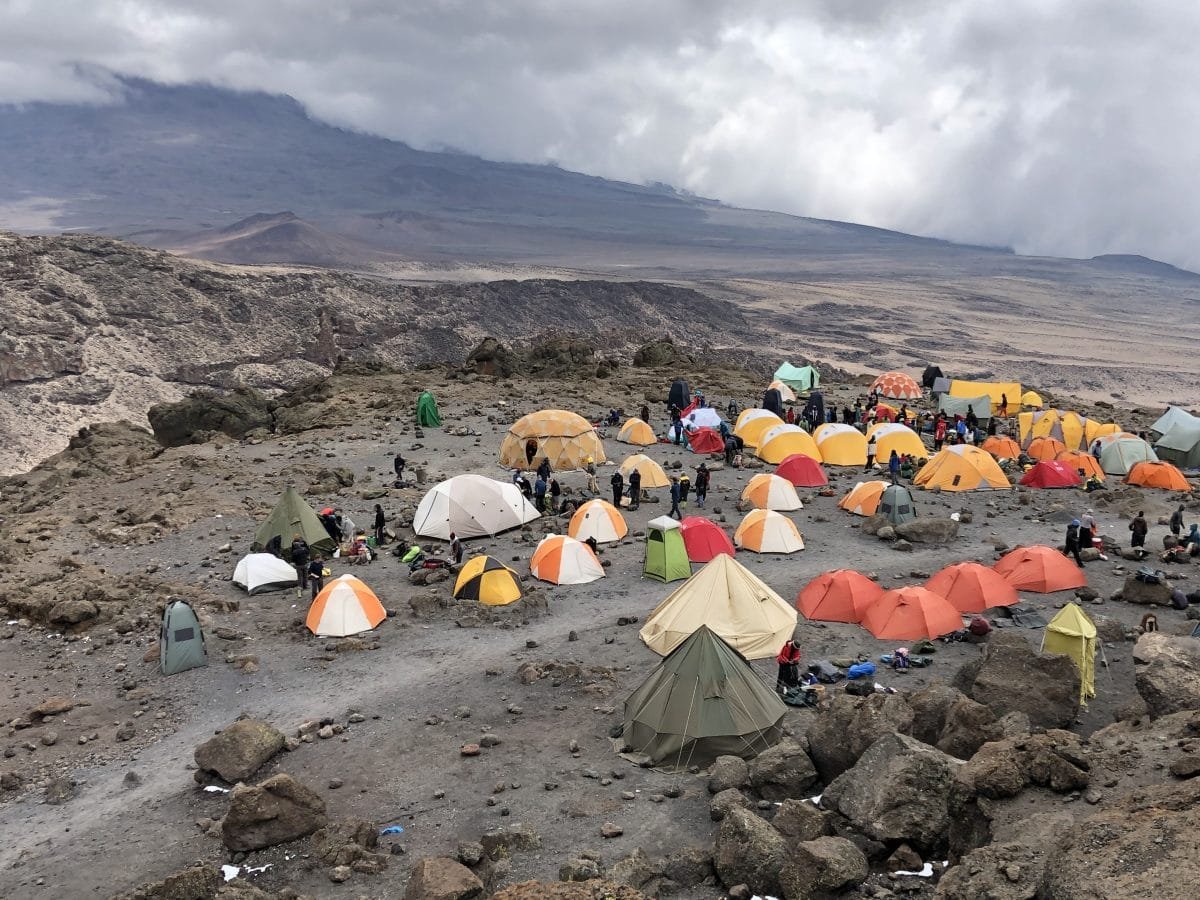
Many travelers planning a New Year’s summit envision a celebratory atmosphere at midnight, perhaps with festivities at the high camp. It is essential to manage these expectations: the reality of Kilimanjaro on December 31st is dictated entirely by the physical demands of the summit push. If you are aiming for a January 1st summit, you will likely be at a high camp—such as Barafu for the Machame or Lemosho routes, or Kibo for the Rongai route—on New Year’s Eve. By 7:00 PM, the camp is usually silent. Most climbers are attempting to sleep, or at least rest, before the midnight wake-up call for the final ascent. While your guides and porters may share a quiet, heartfelt greeting at dinner, the mountain does not stop for the holiday. The cold, the altitude, and the impending 1,000-meter vertical climb demand absolute focus. The true “celebration” for a New Year’s climber is not found in a party, but in the profound, solitary experience of witnessing the first sunrise of the year from Uhuru Peak.
Post-Summit Recovery and the Holiday Week Dynamic
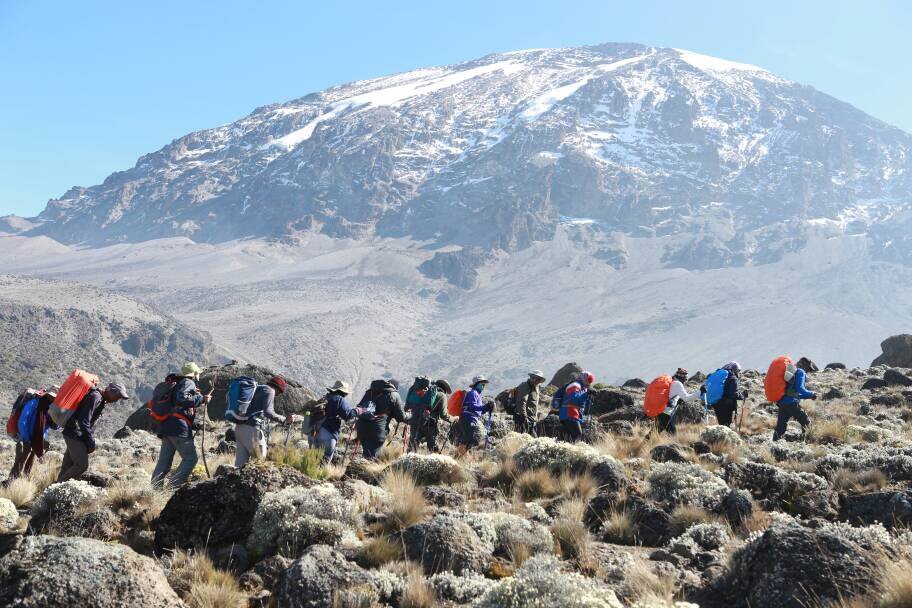
The experience of a New Year’s climb extends beyond the mountain gates. Because the peak season falls during a major international holiday, you must consider the logistics of your return to civilization. Most climbers complete their descent on January 1st or 2nd, returning to Moshi or Arusha just as the local holiday celebrations are in full swing. Tanzania, and specifically the Kilimanjaro region, feels very different during the first week of January. Hotels and lodges are at maximum capacity, and the local towns are vibrant with celebrations. This is a fantastic time to be in the region, but it requires proactive planning. Do not expect to arrive in town and easily find last-minute accommodation or transport. Ensure your hotel reservations for the post-climb period are confirmed well in advance.
Furthermore, consider your recovery time. After spending several days in the arctic climate zone, your body will need to readjust to the tropical humidity of the lowlands. We strongly advise booking at least one, preferably two, nights in a hotel after your descent before flying out. This allows you to shower, properly celebrate your achievement, and enjoy the festive atmosphere of the local community without the stress of immediate international travel. If you have any concerns about navigating the holiday logistics or local transport during this busy week, our team is available to assist in coordinating your post-climb arrangements.
Gear Logistics and Thermal Strategy for the January Window
While route selection is the primary driver of success, your gear strategy during the New Year period requires a distinct approach. Many climbers mistakenly treat their Kilimanjaro kit as a standard winter mountaineering setup, but the unique climate profile of late December and early January demands a more nuanced view of thermal management. You are essentially moving through four distinct ecological zones in a matter of days, and during the peak season, the sheer volume of climbers can place strain on the local logistics chain, particularly regarding equipment rentals.
The most critical logistical consideration for a New Year’s expedition is the quality and availability of rental gear. Because this is the busiest time of year for Kilimanjaro tourism, rental shops in Moshi and Arusha operate at near-maximum capacity. High-demand items—such as high-altitude sleeping bags, trekking poles, and waterproof shells—undergo heavy rotation. If you are relying on renting your core gear, you must verify that your operator maintains their own inventory rather than outsourcing to third-party providers. A well-maintained, private stock is significantly more reliable than equipment that has been on the mountain for consecutive weeks without professional cleaning or inspection. We strongly recommend bringing your own sleeping bag (rated to at least -15°C/5°F) and well-broken-in boots, as these are the two items most likely to cause failure or discomfort during the final summit push.
Thermal management on the summit night is another area where many climbers fail to prepare for the specific realities of the January window. While the “short dry season” typically promises clearer skies, it does not guarantee warmth. The transition from the humid, warm lower slopes to the arctic conditions of the summit zone is jarring. By the time you reach the high camps on December 31st, your body will have been stressed by altitude for days. Your gear must compensate for your reduced metabolic efficiency. Focus on a layering system that allows for rapid adjustment without exposing skin to the sub-zero wind chill. Avoid over-dressing during the initial ascent from camp; if you are sweating before you even reach the steep switchbacks, you will freeze once you stop to rest.
Finally, pay close attention to your hydration and electronic systems. In the intense cold of a January summit night, standard water bladders are notorious for freezing, rendering your hydration supply useless. Transition to wide-mouth insulated bottles, stored upside down in your pack so the ice forms at the bottom (the cap) rather than the spout. Similarly, battery life in cameras and phones drops precipitously in the cold. Keep all electronics—and your spare batteries—inside your inner jacket layer, against your body heat. These small, technical adjustments are often the difference between a successful summit and a turn-back, particularly when the mental fatigue of the New Year’s schedule sets in.
Understanding the Impact of the Western Breach and Crater Camp Options
For climbers seeking the ultimate New Year experience, the conversation often shifts from standard route selection to the possibility of spending the final night of the year in the Crater Camp. While most routes conclude with a standard push from high camps like Barafu or Kibo, the Western Breach route offers a significantly different experience. This path is not a separate route in the traditional sense but an alternative, more technical variation that connects the Lemosho or Machame routes directly to the Furtwängler Glacier and the Crater Camp.
Opting for the Crater Camp during the New Year period is a high-risk, high-reward decision. It places you at an altitude of approximately 5,700 meters, far higher than standard base camps. The primary advantage is that it eliminates the grueling midnight start from a lower camp. Instead, you wake up in the crater, mere hours away from the summit, which allows for a more civilized ascent on New Year’s Day. However, this choice requires advanced physical conditioning and a high tolerance for extreme cold. The air at this altitude is thin, and your body will be under immense physiological stress; resting comfortably is significantly more difficult than at lower elevations.
The Western Breach itself is a steep, rocky scramble that requires careful navigation and, depending on the season and rockfall conditions, may necessitate the use of helmets. Because of these technical demands, this option is generally only available to experienced trekkers who have demonstrated strong acclimatization during the first few days of the climb. If you choose this path, you must prioritize a longer, 8-day or 9-day itinerary to ensure your body has adapted sufficiently before reaching the technical section. Attempting this on a truncated schedule is a common cause for evacuation during the peak season, as the risk of acute mountain sickness (AMS) is elevated by the rapid gain in altitude and the challenges of sleeping at such an extreme height.
Furthermore, the logistical footprint of a Crater Camp stay is minimal. There are no permanent facilities, and all waste must be carried out. This means your support team must be highly experienced in high-altitude logistics. If you are considering this for your New Year summit, verify with your operator that they have specific experience managing Crater Camp logistics during the January window. It is not a standard inclusion for most group departures, and it often requires a private or custom-organized expedition to ensure the necessary support staff are available to manage the unique risks of this high-altitude camp.
The Role of Park Staff and Porters During the Festive Season
While much of the preparation advice focuses on your personal fitness and gear, the human element of a New Year’s climb is equally critical. The porters, guides, and cooks who facilitate your summit attempt are also human beings balancing their own holiday traditions. The period between December 25th and January 2nd is the most demanding time of the year for the Kilimanjaro National Park staff. The sheer volume of climbers means that the mountain crew is often working back-to-back expeditions without a break.
Respecting this dynamic is part of being a responsible climber. On New Year’s Eve, recognize that while you are there for a bucket-list adventure, your support team is working through a major holiday away from their families. Many operators organize small, respectful celebrations at the camps, which can be a deeply moving experience, but these are secondary to the primary goal of ensuring everyone remains safe and healthy for the final push. When selecting an operator, look for those who explicitly state their commitment to fair treatment and proper compensation for staff during this peak period. A happy, well-rested, and fairly treated crew is significantly more attentive to your safety, which directly correlates to your summit success rate.
Additionally, the park gates and ranger stations experience bottlenecks during this week. Your guides are the ones who navigate the administrative complexities of check-in and check-out procedures. A seasoned guide team will know how to time their arrival at the park gates to avoid the largest crowds, potentially saving you hours of waiting in the heat of the lower slopes. This tactical advantage, while invisible to you, is one of the most valuable services an experienced operator provides during the chaos of the New Year season.
Medical Support and Emergency Logistics During the Peak Holiday Window
While route selection and booking logistics are the primary concerns for most climbers, the high volume of traffic during the New Year period introduces a critical, often overlooked variable: the strain on emergency medical resources and rescue infrastructure. Because the mountain experiences its highest density of climbers between December 25th and January 5th, the margin for error regarding health and safety becomes tighter. Understanding how to manage your own medical preparedness is as vital as choosing the right path to the summit.
During this peak window, Kilimanjaro National Park (KINAPA) operates at maximum capacity. While the rescue teams are highly professional and well-drilled, the sheer number of expeditions means that resources—including helicopter evacuation services and specialized rescue teams—are in higher demand. In the event of a medical emergency, such as acute mountain sickness (AMS) or injury, the response time can be influenced by the heavy congestion on popular descent trails like Mweka or Millennium. This reality makes it imperative that you, as the climber, take a proactive role in your own health monitoring.
We strongly advise that every climber brings their own high-quality pulse oximeter for the duration of the trek. While your lead guide will carry one and perform twice-daily checks, having your own device allows you to track your oxygen saturation (SpO2) and heart rate trends throughout the day. During the New Year period, your guides are managing larger groups and intense schedules; by maintaining your own log, you can identify a downward trend in your acclimatization before it becomes a critical health event. If your SpO2 drops significantly or you experience persistent symptoms like a severe, unremitting headache or ataxia, communicate this to your guide immediately, rather than waiting for the scheduled evening check.
Furthermore, ensure that your travel insurance policy is not just valid for high-altitude trekking, but explicitly covers helicopter evacuation and medical repatriation in Tanzania. During the holiday week, many international insurance providers operate with skeleton crews, which can cause delays in processing claims or coordinating rescues. Verify your policy details well before you leave home. If you are climbing with a reputable local operator, they will have established protocols for rapid evacuation, but these protocols rely on your insurance being active and your paperwork being in order. Do not assume that your standard holiday travel insurance is sufficient; check the specific altitude limit of your policy, as many basic plans exclude activities above 3,000 or 4,000 meters.
Finally, consider the ‘human’ aspect of medical safety during the festive season. The, often exhausted, support staff are working through their own holiday. By maintaining a high standard of personal hygiene, staying hydrated, and strictly following the ‘pole pole’ (slowly, slowly) pace, you minimize the burden on your team. A climber who manages their own health effectively is a safer climber, and in the crowded, high-energy environment of a New Year summit attempt, this self-reliance is the greatest gift you can give to your support crew.
Navigating the New Year Exit: Descent Strategies and Bottlenecks
While most planning focuses on the ascent, the descent during the New Year period presents its own distinct set of challenges that are often underestimated. Because the majority of Kilimanjaro routes converge on the Mweka Trail for the descent, the path from Millennium Camp down to the Mweka Gate becomes a significant bottleneck on January 1st and 2nd. Understanding the dynamics of this final stage is essential for a safe and efficient conclusion to your expedition.
The descent is physically demanding in a way that is fundamentally different from the climb. After the summit push, your quadriceps and knees are often fatigued, and the Mweka Trail is notoriously steep, characterized by loose scree and, in the lower elevations, muddy, root-tangled terrain. During the peak New Year window, you will likely be sharing this narrow path with dozens of other groups descending simultaneously. This congestion can force a pace that is dictated by the group in front of you rather than your own comfort level. To manage this, we advise discussing a ‘staggered start’ with your guide. While most groups depart for the gate shortly after breakfast, leaving even 30 to 60 minutes earlier or later than the crowd can significantly reduce the pressure to move quickly on unstable ground, thereby minimizing the risk of slips, ankle sprains, or knee strain.
Beyond the physical trail conditions, the exit logistics at the Mweka Gate are frequently overwhelmed during the first week of January. The gate is a hub of activity: thousands of climbers are checking out, park authorities are processing permits, and transport vehicles are jockeying for space. This is not the time to be coordinating logistics on the fly. Ensure that your ground operator has confirmed your exit time and that your private vehicle is scheduled to meet you at a specific, pre-arranged point. Do not rely on finding spontaneous transport or assuming that the gate will be quiet. The festive season can lead to delays in vehicle access to the gate due to high traffic, so having a direct line of communication with your office in Moshi or Arusha is critical.
Furthermore, consider the physiological transition. You are moving from the arctic-like summit zone down through the alpine desert, moorland, and finally into the humid, dense rainforest in a single day. This rapid change in altitude and temperature can leave you feeling disoriented and physically depleted. The descent is the point where the adrenaline of the summit begins to fade, replaced by genuine exhaustion. It is vital to continue your hydration and caloric intake protocols during this descent. Many climbers, eager to reach the hotel, neglect their water and snacks, leading to preventable fatigue-related accidents. Treat the descent with the same focus and respect as the summit night; your trip is not successfully concluded until you have signed out at the gate and are safely in your transport.
Finally, the Mweka Gate is where the formal ‘tipping ceremony’ and final goodbyes with your crew often take place. Because this is a high-traffic area during the New Year, find a quiet spot slightly away from the main gate chaos to conduct these final interactions. It allows for a more meaningful exchange with your guides and porters, who are also eager to finish their work and return to their families for the remainder of the holiday. By being organized, patient, and proactive about your descent, you ensure that your Kilimanjaro experience ends on a high note, rather than in the stress of a crowded exit.
Related Guides and Packages
Check Availability for Which Kilimanjaro Route Is Best For A New Year Summit? Expert Guide 2026
Ready to compare dates, prices, and the best option for your group? Send the package name and travel month so the team can reply with a clear quote, availability, and what is included.
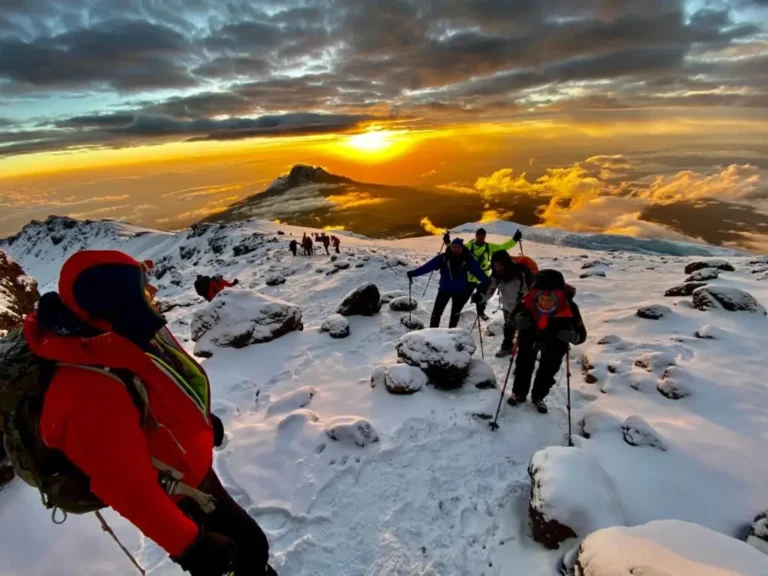
Kilimanjaro New Year Summit Packages: Planning Your December Departure 2026
A practical guide to securing your Kilimanjaro New Year 2027 summit. Learn why starting your climb in late December 2026 is critical for a successful, stress-free ascent.
View package details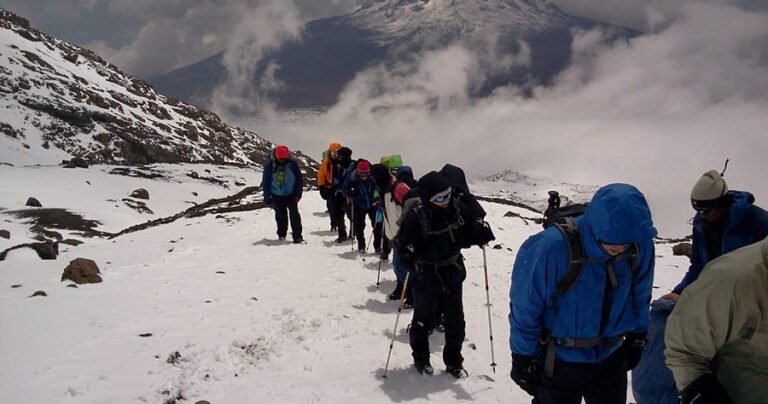
Best Kilimanjaro Routes For A Christmas Summit In 2026
A guide to selecting the optimal Kilimanjaro route for a Christmas 2026 ascent, balancing acclimatization needs, crowd dynamics, and the specific logistics of the holiday season.
View package detailsKilimanjaro New Year Summit Group Departures December : Planning Your Ascent
Planning a New Year summit on Kilimanjaro requires specific logistics. Learn how to join a group departure for December 2026, choose the right route, and prepare for your climb.
View package details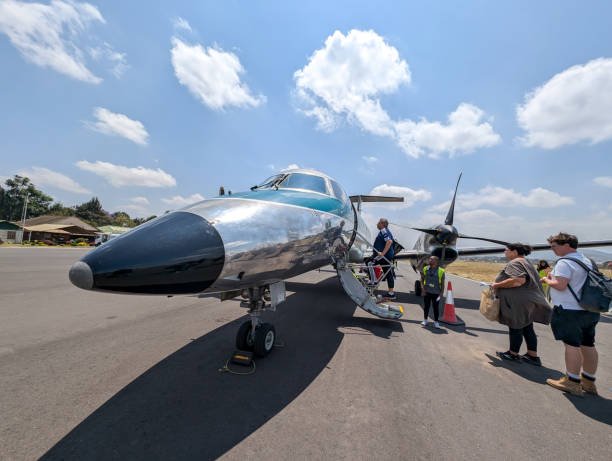
Kilimanjaro Vs Arusha Airport: Which Should You Use For Your Trip?
A practical guide to choosing between Kilimanjaro International Airport (JRO) and Arusha Airport (ARK) for your Tanzania safari or Kilimanjaro climb.
View package detailsFlying To Kilimanjaro From Europe: Expert Guide To Routes, Prices &
A comprehensive guide to flying to Kilimanjaro from Europe, covering the best airport choices, airline connections, and practical booking strategies for your 2027 climb.
View package details
Kilimanjaro Full Moon Climbing Experience December 24 : Planning Your Summit
A comprehensive guide to planning a Kilimanjaro full moon summit for December 2026, covering route selection, holiday season logistics, and expert preparation strategies.
View package details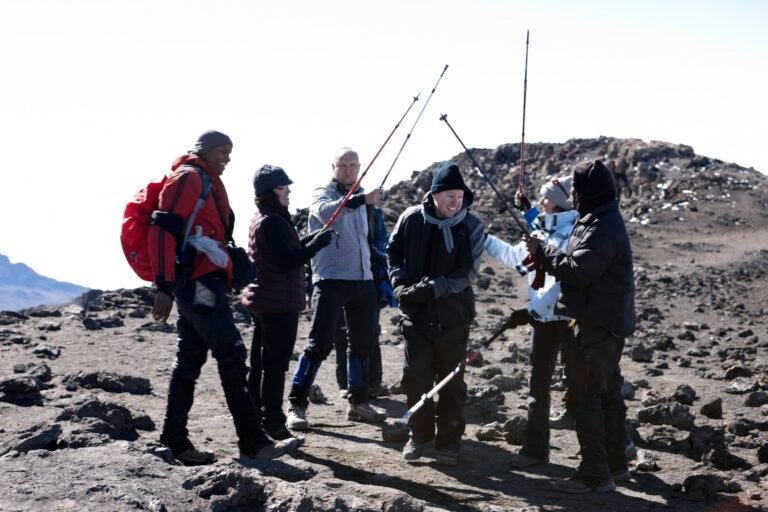
Romantic Kilimanjaro Summit Adventure For Couples December : Planning Your
A detailed guide for couples planning a Kilimanjaro summit in December 2026, focusing on route selection, acclimatization, and the benefits of private trekking arrangements.
View package details
Shira Route Kilimanjaro Climbing Itinerary For December : Expert Guide 2026
A deep look at the Shira Route for December 2026, covering the unique high-start logistics, acclimatization advantages, and step-by-step itinerary planning.
View package details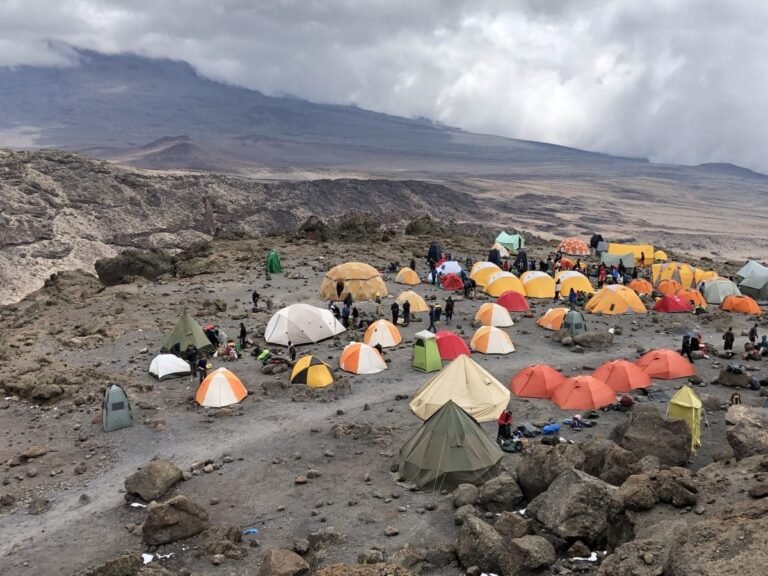
7 Days Umbwe Route Kilimanjaro Challenge: Planning Your December Ascent 2026
A deep-dive guide into the 7-day Umbwe Route, the most challenging and direct path up Kilimanjaro, perfect for those seeking a quiet, steep, and rewarding December 2026 expedition.
View package details7 Days Rongai Route Kilimanjaro Holiday Climb December : Expert Guide 2026
A deep look at the 7-day Rongai Route for December 2026 climbers, focusing on route logic, acclimatization benefits, and practical planning for your holiday expedition.
View package details5 And 6 Days Marangu Route Kilimanjaro Hut Tours December : Planning Your
Deciding between the 5-day and 6-day Marangu Route for your December 2026 Kilimanjaro climb is a decision that impacts both your summit success and your comfort on the mountain.
View package detailsBook December , 6 Days Machame Route Kilimanjaro Climb: Expert Guide 2026
A deep look at the logistics, physical demands, and planning steps for a 6-day Machame Route Kilimanjaro climb in December 2026.
View package detailsNo related package matches those filters. Clear one or more filters to see the other topic-matched options.



