
Organizing a Kilimanjaro expedition for a student group during the December holidays requires a different approach than planning a standard vacation. You are balancing tight academic schedules, specific budget constraints, and the inherent physical demands of high-altitude trekking. December is arguably the most popular window for students to visit Tanzania, falling right within the “short dry season,” which provides stable weather and clear views of the summit. However, because it is peak season, success relies entirely on early planning and choosing the right logistical framework.
For many student groups, the primary challenge is not just the climb itself, but the trade-off between cost and safety. It is common to see students gravitating toward the cheapest packages, but on a mountain like Kilimanjaro, price often correlates directly with the quality of support, the experience of the guides, and the safety protocols in place. As you look toward the 2026 and 2027 seasons, your priority should be finding a balance that ensures every member of your group returns safely while staying within a reasonable budget.
Planning for the December Window
December is a transition month. You are catching the end of the short rains and the beginning of the prime dry season. For students, this aligns perfectly with university winter breaks. However, this popularity means that park permits and accommodation in Moshi or Arusha fill up months in advance. If you are planning for December 2026 or 2027, you should aim to finalize your operator and route selection at least six to eight months before your departure date.
The weather in December is generally warmer than in the summer months, but it remains unpredictable at high altitudes. You will encounter everything from humid rainforest trails to freezing summit conditions. Your packing list must reflect this diversity, but more importantly, your itinerary must account for the time needed to acclimatize. Rushing the ascent is the most common mistake student groups make, often driven by the desire to save money on extra days. This is a false economy: a failed summit attempt due to altitude sickness is a much higher cost than the price of an additional day on the mountain.
Choosing the Right Route for Your Student Group
When evaluating Kilimanjaro climbing packages for students on December holidays, the route you choose dictates your entire experience. Not all trails offer the same success rates or the same level of comfort.
The Budget-Conscious Choice: The Marangu Route
Often referred to as the “Coca-Cola route,” the 5 and 6 Days Marangu Route Kilimanjaro Hut Tours are frequently the most affordable option. The key advantage here is the accommodation: you stay in permanent mountain huts rather than tents. For student groups who may not have extensive camping experience or who want to reduce the weight of their gear, this is a practical choice. It is the only route that uses the same path for ascent and descent, which can feel repetitive, but it provides a very clear, established trail.
The Balanced Choice: The Machame Route
If your group wants the classic Kilimanjaro experience with better scenery and higher summit success rates, the 6 Days Machame Route is the gold standard. It is more physically demanding than Marangu but offers significantly better acclimatization profiles. The landscape variety—from forest to moorland to alpine desert—is spectacular. For students, this route is often the highlight of their trip, providing the quintessential mountain experience without the extreme isolation of some of the longer, more expensive routes.
The Expedited Choice: Lemosho or Northern Circuit
If your student group has a higher budget and prioritizes the highest possible success rate, consider the 8 Days Lemosho Route. While it is more expensive, the extra days on the mountain allow for a more gradual ascent, which is statistically the safest way to summit. It is less crowded than Machame, offering a more wilderness-focused experience.
Cost Management Strategies for Students
We understand that students are rarely in a position to spend lavishly. However, there are ways to manage costs without compromising on safety. The most effective strategy is group joining. Rather than booking a private expedition for a small group, joining a larger, pre-organized group can significantly reduce costs because fixed expenses—like park fees, crew wages, and transportation—are shared among more people.
If you are looking for ways to keep costs down, consider these factors:
- Rent Gear Locally: Do not buy expensive high-altitude gear that you will only use once. Reputable operators offer high-quality rental services for sleeping bags, down jackets, and trekking poles.
- Choose Standard Accommodations: You do not need luxury hotels in Moshi before and after the climb. A clean, safe, and comfortable guesthouse is perfectly adequate and will save you significant funds.
- Prioritize Essential Inclusions: Ensure your package includes professional mountain guides, a full support crew (cooks and porters), quality food, and safety equipment like pulse oximeters and oxygen cylinders. Never negotiate on these items to save money.
If you are trying to find the most cost-effective path, you can review our Cheapest Kilimanjaro Climbing Options for December to understand which variables impact the price the most.
The Logistics of Group Climbing
One of the biggest hurdles for student groups is the “weakest link” problem. When you are in a group, the pace is dictated by the slowest member. This is actually a safety advantage, as it forces the group to move slowly, which is the golden rule of high-altitude trekking. However, it requires maturity and group cohesion.
We highly recommend that student groups discuss their expectations before arriving in Tanzania. Is the goal just to reach the summit, or is the goal to enjoy the journey together? Are there varying levels of fitness in the group? If your group has mixed fitness levels, choosing a longer route (7 or 8 days) is the best way to ensure everyone succeeds. A shorter, 5-day route is physically punishing and leaves very little room for error if someone struggles with the altitude.
For those interested in the social aspect of the climb, you might consider our Join a Kilimanjaro Christmas Climbing Group options. These are designed for individuals or small groups to merge into a larger, cohesive team, sharing the costs and the camaraderie of the mountain.
Safety and Professional Support
The mountain does not care if you are a student or a professional athlete; altitude sickness affects everyone. Your choice of operator is the single most important decision you will make. When evaluating potential companies for your December climb, look for these specific indicators of quality:
- Guide Certification: Ensure the lead guides are certified by the Kilimanjaro National Park Authority (KINAPA) and have extensive experience leading groups.
- Emergency Protocols: Ask how the operator handles emergencies. Do they have a clear evacuation plan? Do they carry supplemental oxygen and a first-aid kit?
- Crew Welfare: A happy crew is a safe crew. Ensure the operator pays fair wages and provides proper equipment for their porters. This is not just an ethical issue; it is a safety issue.
At Climb 4 Africa, we prioritize these standards because we know that a safe climb is a successful climb. We provide comprehensive briefings for all our groups, ensuring that every student understands the symptoms of altitude sickness and the importance of hydration and pacing.
Planning Your 2026 or 2027 Expedition
If you are in the early stages of planning for the upcoming December holidays, start by defining your group size and your preferred route. If you have a group of 4 or more, we can often arrange a custom departure date that fits your academic calendar perfectly. If you are traveling solo or as a pair, our scheduled group departures are likely your best option.
When you are ready to start the conversation, send us an email at info@climb-4-africa.com or reach out via WhatsApp at +255 747 477 898. Please include your preferred dates, the number of people in your group, and any specific route interests you might have. We can then provide a detailed breakdown of what to expect, the necessary permits, and how to prepare for the physical demands of the climb.
Remember, the goal of a Kilimanjaro climb is not just to stand on the Uhuru Peak; it is to challenge yourself, experience a unique environment, and return home with a perspective that only this mountain can provide. Do not leave your planning to the last minute. The December season is our busiest time of the year, and securing your spot early ensures that you can focus on the training and preparation that will make your trip a success.
For any specific queries regarding our current availability or to get a personalized itinerary, you can also contact us at our alternate email: climb4africa@gmail.com. We are here to help you navigate the logistics so that you can focus on the adventure ahead.
Preparing Physically and Managing Gear on a Student Budget
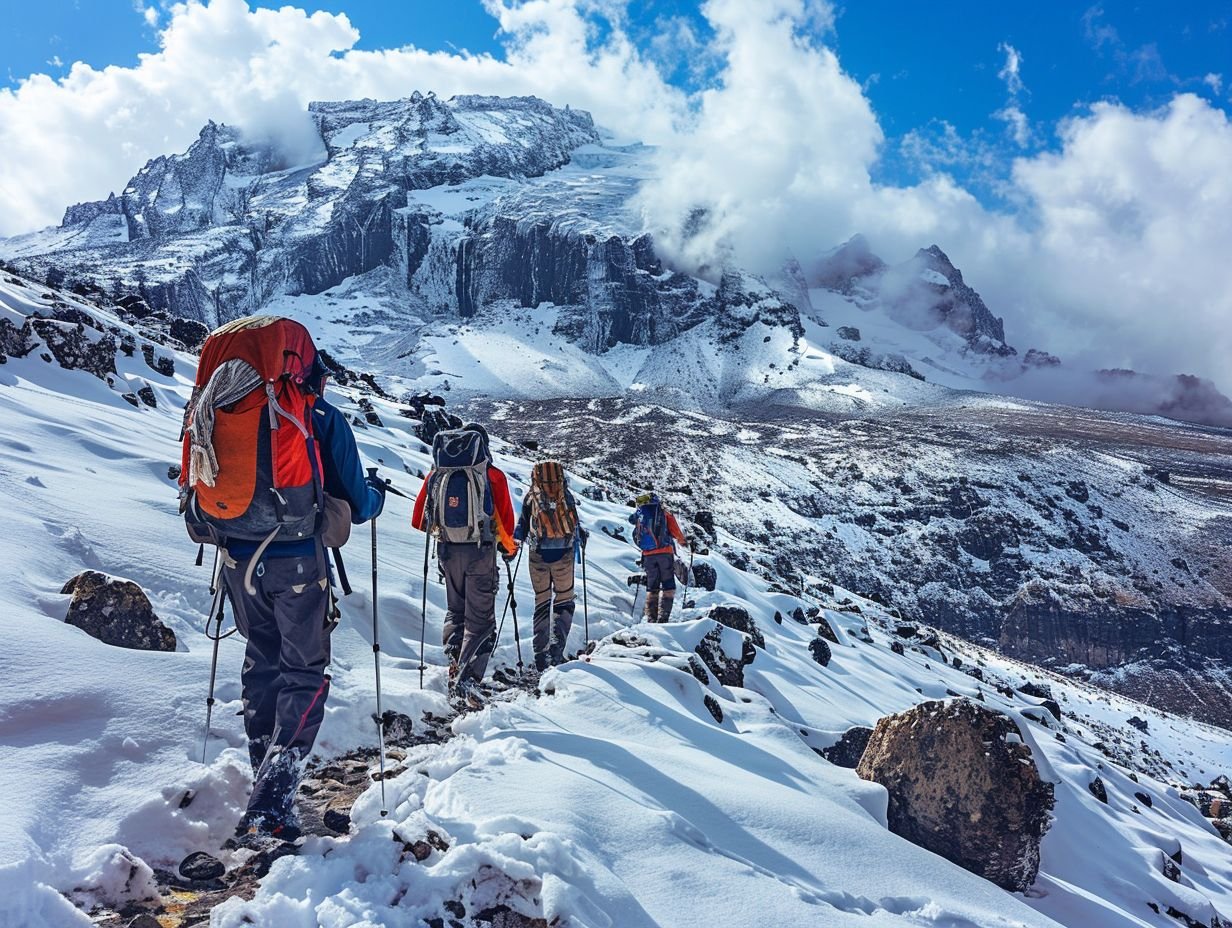
For most students, the challenge of Kilimanjaro is not just the altitude; it is the transition from a sedentary academic lifestyle to the intense physical demands of high-altitude trekking. Unlike professional mountaineers, student climbers often have to squeeze their training into irregular schedules, balancing final exams and academic deadlines with the need to build cardiovascular endurance. The most effective way to prepare is to shift your focus from intense, short-burst gym sessions to sustained, low-intensity endurance activities. If you have access to a stair climber or a local hill, prioritize hiking with a weighted backpack rather than lifting heavy weights. The goal is to condition your legs and lungs for 5 to 7 hours of daily walking on uneven terrain, not to build maximum muscle mass.
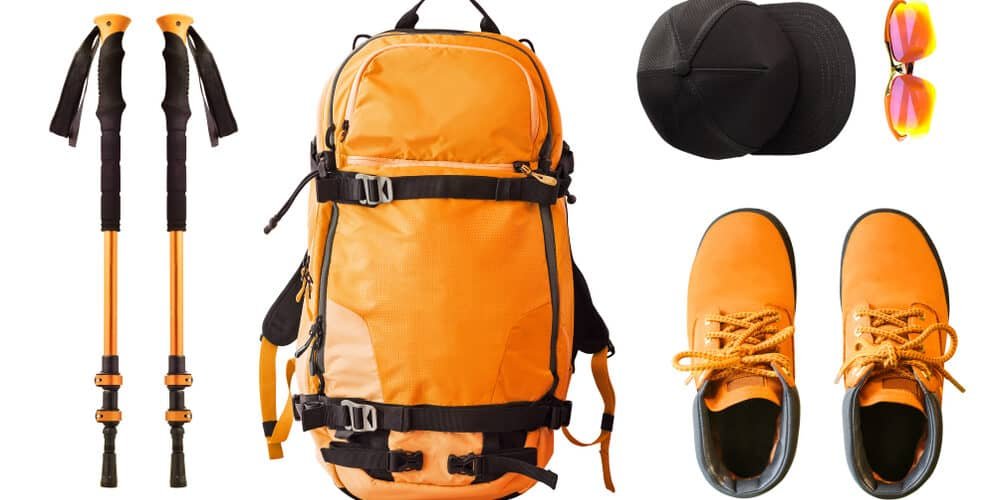
When it comes to equipment, the cost of purchasing high-end mountaineering gear can be prohibitive for students. The most strategic approach to managing your budget is to distinguish between items that must be personal and items that are best rented. You should never attempt to climb in rented boots; your footwear must be broken in weeks, if not months, before your departure to prevent debilitating blisters that could end your climb prematurely. Your boots, socks, and base layers should be high-quality, personal investments. Conversely, bulky, expensive items such as four-season sleeping bags, heavy-duty trekking poles, and specialized down jackets are often available for rent through your climbing operator. Renting these items in Moshi or Arusha significantly reduces your baggage weight and saves hundreds of dollars that can be better allocated toward your park fees or tips for the mountain crew.
Beyond physical fitness and gear, students must proactively address the logistical reality of international travel and high-altitude health. Ensure that your travel insurance policy explicitly covers trekking at altitudes above 5,000 meters; many standard student travel plans exclude this, leaving you vulnerable in the event of an emergency. Additionally, consult with a travel clinic or your university health service regarding altitude-related medications. While Diamox (acetazolamide) is commonly used to aid acclimatization, it is a prescription medication that requires a medical assessment based on your individual health history. Do not rely on advice from peers or online forums; your health on the mountain depends on professional medical guidance tailored to your specific profile. Preparing these administrative and health-related details early allows you to focus your energy on the climb itself once you arrive in Tanzania.
Cultural Etiquette and Giving Back: The Student Experience Beyond the Summit
While the physical ascent of Kilimanjaro often dominates student discussions, the cultural immersion in the Moshi and Arusha regions is a significant, yet often overlooked, component of a December student expedition. Students traveling during the holiday season are entering Tanzania at a time of vibrant community activity. Engaging respectfully with local communities is not just an ethical imperative; it enhances the depth of your travel experience and transforms a simple climbing trip into a meaningful cross-cultural exchange. Understanding local customs before you arrive prevents misunderstandings and fosters genuine connections with your mountain crew and the local residents.
The most immediate community you will encounter is your climbing team—your guides, assistant guides, cooks, and porters. For many students, the tipping culture on Kilimanjaro can be a source of anxiety. It is important to approach tipping as a structured part of your budget rather than an afterthought. Recognize that the mountain crew often supports large extended families. Tipping is not merely a gratuity; it is a vital part of the local economy. Rather than pooling tips in a chaotic manner at the end of the trek, work with your operator to establish a transparent tipping schedule. Ensure that the distribution is handled fairly among all members of the crew, including the often-overlooked support staff like the cooks and tent crew, who work just as hard as the guides to ensure your safety and comfort.
Beyond the mountain, many student groups express an interest in “voluntourism” or community service projects. While the intention is noble, it is crucial to approach these activities with caution. Avoid “orphanage tourism” or short-term, unskilled volunteering, which can be disruptive to local institutions. Instead, look for opportunities that support existing, sustainable community initiatives. If your student group wants to give back, consider donating high-quality, lightly used gear—such as warm clothing, sturdy boots, or school supplies—directly to reputable local NGOs or your climbing operator’s established community programs. Your operator is often the best bridge to these initiatives, as they understand the genuine needs of the communities in the foothills of Kilimanjaro.
Furthermore, observe basic cultural etiquette during your time in Moshi or Arusha. Tanzania is a conservative country, particularly outside of major tourist hubs. Dress modestly, especially when visiting villages or markets; covering shoulders and knees is a sign of respect. When interacting with locals, a simple “Jambo” (hello) or “Habari” (how are you) goes a long way. Learning a few basic phrases in Swahili demonstrates that you are not just a tourist passing through, but a guest interested in the local culture. This small effort often changes the dynamic of your interactions, leading to warmer welcomes and more authentic experiences.
Finally, consider the environmental impact of your student expedition. The “Leave No Trace” philosophy is non-negotiable on the mountain, but it should extend to your time in the towns as well. Minimize plastic waste by carrying a reusable water bottle and utilizing water filtration systems rather than purchasing single-use plastic bottles. Many student groups are now leading the charge in sustainable trekking, choosing operators who demonstrate a commitment to porter welfare, fair wages, and environmental conservation. By prioritizing operators who are members of the Kilimanjaro Porters Assistance Project (KPAP), you are ensuring that your expedition supports ethical employment practices, which is arguably the most impactful way a student group can contribute to the local region.
Post-Expedition Realities: Managing Recovery and Academic Re-entry
For many student groups, the Kilimanjaro experience is often viewed through the lens of the ascent—the training, the gear, the summit push, and the final descent. However, a critical and frequently overlooked phase of the expedition is the post-climb transition. When you are operating on an academic calendar, the pressure to return to campus, attend lectures, or sit for exams immediately after your flight home can turn a life-changing adventure into a source of unnecessary stress. Managing the “re-entry” period is as vital to your long-term success as the physical training you did months prior.
The “Summit Hangover” and Physiological Recovery
It is common for student climbers to experience a distinct psychological and physiological dip after the summit. During the climb, your body operates on high levels of adrenaline and cortisol, and your mind is singularly focused on the daily goals of trekking, eating, and sleeping. Once you descend to the gate and return to the relative comforts of a hotel in Moshi, this “survival mode” switches off. This sudden shift can lead to what many climbers call the “summit hangover.”
Symptoms often include extreme fatigue, mild irritability, and a feeling of aimlessness. For students, this is compounded by the sudden return to digital connectivity and the influx of emails or academic deadlines. To manage this, we strongly recommend building a 48-hour “buffer zone” into your itinerary. Do not plan to fly out the same evening you finish your descent. Spend at least one full day in Moshi or Arusha post-climb. Use this time to properly rehydrate, consume fresh, nutrient-dense foods, and allow your body to stabilize after the significant altitude change. This is not just a luxury; it is a recovery protocol that helps prevent the immune system crashes that often follow high-altitude exposure.
Navigating Academic Deadlines and Travel Fatigue
If your December holiday expedition is followed closely by the start of a new semester or winter term, you must plan your travel logistics with clinical precision. Students frequently underestimate the cumulative effect of long-haul flights combined with the physical exhaustion of the mountain. Arriving home on a Sunday night and expecting to perform well in a lecture on Monday morning is a recipe for burnout.
When finalizing your booking, prioritize return flights that allow for at least two full days of rest at home before any academic obligations begin. If you are traveling as a group, discuss these return logistics early. If some group members are staying on for a safari or a Zanzibar excursion, ensure that those who need to return early for exams have a clear, independent path to the airport. Do not rely on the group’s logistics for the final departure if your schedules differ; independent travel arrangements for the return leg are often safer and less stressful than trying to force the entire group to synchronize their return to campus.
Resolving Group Dynamics Post-Expedition
Living in close quarters for six to eight days, sharing tents, enduring physical discomfort, and navigating the highs and lows of the mountain will inevitably test your group’s social cohesion. It is natural for tensions to arise during the climb. The “weakest link” pressure, differences in walking pace, or simply the irritability caused by sleep deprivation can create friction that lingers after the expedition ends.
A productive way to handle this is to schedule a formal group debrief before you part ways. This does not need to be a heavy, emotional session; it can be a simple dinner in Moshi where you share stories, acknowledge the challenges you faced together, and clear the air regarding any conflicts that occurred on the trail. By addressing these dynamics while you are still together, you prevent resentment from festering once you return to your respective academic circles. Often, the shared adversity of the mountain creates a bond that outweighs the temporary frictions, but acknowledging those frictions openly is the best way to ensure your group remains a supportive network long after the descent.
Documenting the Experience Beyond Social Media
In the age of instant digital gratification, the impulse is to post summit photos immediately and move on. However, the true value of a Kilimanjaro expedition for a student lies in the internal reflection that follows. We encourage students to maintain a physical journal during the climb—not just for the summit day, but for the quiet moments in the rainforest or the conversations with porters at camp. When you return to the pressures of university life, having a tangible record of your perspective during the climb can be a powerful grounding tool. It serves as a reminder of your capability and resilience, which is often more valuable than any social media metric. By intentionally reflecting on the experience, you transform the expedition from a “vacation” into a formative life event that shapes your approach to future challenges.
Managing High-Altitude Nutrition and Hydration
While most student Kilimanjaro climbing packages are full-board, the reality of high-altitude nutrition often surprises students who are accustomed to campus diets. At altitude, your metabolic rate increases while your appetite typically decreases, a phenomenon known as altitude-induced anorexia. This creates a dangerous caloric deficit if not managed intentionally. For a student group, the most critical logistical task is not just paying for the meals, but ensuring that every group member understands the importance of forced hydration and consistent caloric intake, even when they do not feel hungry.
The mountain diet provided by reputable operators is high in carbohydrates and generally easy to digest, designed to provide steady energy. However, students should supplement this with high-calorie, low-weight snacks brought from home. Think dense energy bars, nut butters, or electrolyte powders that can be added to water bottles. Hydration is the single most effective tool against altitude sickness; you should aim for 3 to 4 liters of water daily. Many students fail to drink enough because they find the water temperature unappealing or the task of stopping to drink inconvenient. Establishing a buddy system where group members remind each other to sip water every 30 minutes can significantly improve group success rates.
If your group has specific dietary requirements—such as vegan, gluten-free, or severe nut allergies—you must communicate these to your operator at least three months before your December departure. While professional crews are adept at managing these needs, they require lead time to source appropriate ingredients in Moshi or Arusha. Do not assume that dietary requests can be managed on the fly. Furthermore, avoid the temptation to bring excessive amounts of junk food. While a few comfort items are helpful for morale, high-sugar snacks can lead to energy crashes and digestive distress, which are difficult to manage on the trail. Focus instead on nutrient-dense items that provide sustained release energy.
Navigating Emergency Evacuation and Insurance Requirements
For student groups, the excitement of the expedition often leads to a casual approach toward insurance, yet this is the single most critical administrative task you must complete. Many standard university-provided travel insurance plans, or budget policies purchased online, contain exclusions for ‘high-altitude trekking’ or ‘mountaineering’ above 3,000 or 4,000 meters. If a student experiences acute mountain sickness (AMS) or a physical injury and requires evacuation, a policy that does not explicitly cover high-altitude rescue can leave the student—and the group—financially liable for thousands of dollars.
It is imperative to verify that your insurance policy specifically lists Kilimanjaro coverage. You are looking for a ‘Search and Rescue’ (SAR) clause that covers helicopter evacuation. However, students should manage their expectations regarding the ‘helicopter rescue’ narrative often seen in brochures. On Kilimanjaro, helicopter evacuations are extremely rare and highly weather-dependent. In the vast majority of cases, the primary method of evacuation is a porter-assisted descent on a stretcher or by foot to the nearest gate, where a vehicle will then transport the climber to a medical facility in Moshi or Arusha. Your operator’s safety protocol should prioritize this ground-based evacuation, and your insurance must cover the costs of the subsequent ambulance transport and hospital admission.
Before finalizing your student package, ask your operator for their specific evacuation protocol. Do they have a registered partnership with a local flying doctor service? What is the trigger point for an evacuation? Understanding these mechanisms ensures that if a member of your group needs to descend, the transition from the mountain to medical care is smooth rather than chaotic. Do not rely on your operator’s general insurance; each student should carry their own individual policy that covers the specific risks of the route you have chosen.
Check Availability for Kilimanjaro Climbing Packages For Students On December Holidays 2026
Ready to compare dates, prices, and the best option for your group? Send the package name and travel month so the team can reply with a clear quote, availability, and what is included.
Kilimanjaro December Climbing Cost Including Park Fees: A Transparent
A detailed look at the financial structure of a Kilimanjaro climb in December 2026, focusing on mandatory park fees, ethical operator standards, and route-specific cost variables.
View package detailsKilimanjaro Full Moon Climbing Experience December 24 : Planning Your Summit
A comprehensive guide to planning a Kilimanjaro full moon summit for December 2026, covering route selection, holiday season logistics, and expert preparation strategies.
View package details
Cheapest Kilimanjaro Climbing Options For December 2026 Guide
When searching for the most affordable way to climb Kilimanjaro in December 2026, the key is understanding that 'cheap' should never mean 'unsafe.' We break down how to manage costs through...
View package details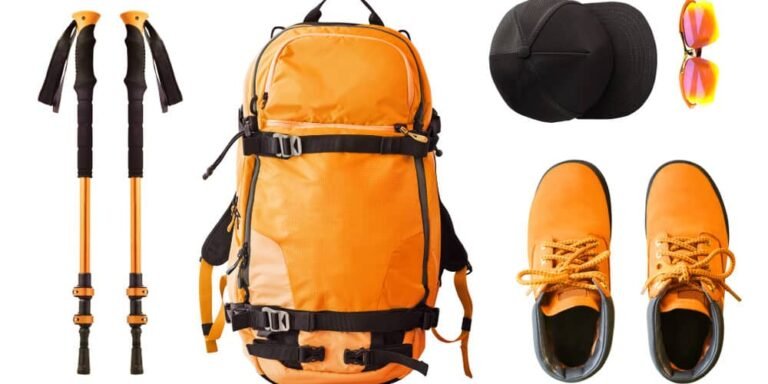
Kilimanjaro Honeymoon Climbing And Zanzibar Beach Holiday: December Planning
A practical guide for couples planning a Kilimanjaro climb and Zanzibar beach holiday in December 2026, focusing on route selection, recovery logistics, and planning timelines.
View package detailsShira Route Kilimanjaro Climbing Itinerary For December : Expert Guide 2026
A deep look at the Shira Route for December 2026, covering the unique high-start logistics, acclimatization advantages, and step-by-step itinerary planning.
View package details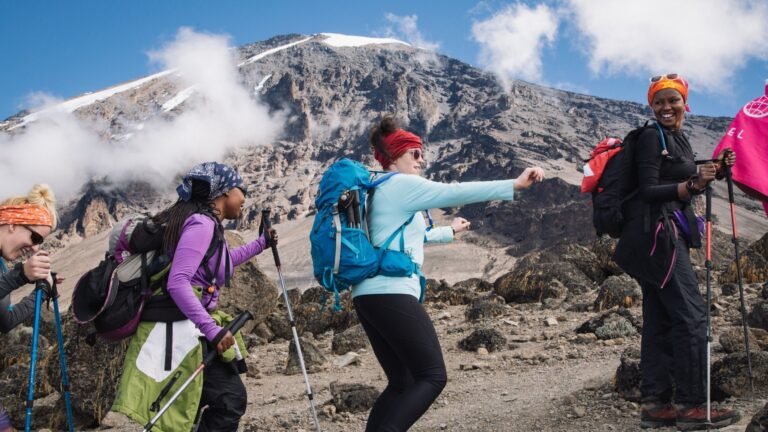
Join A Kilimanjaro Christmas Climbing Group In December 2026
A guide to securing your spot on a Kilimanjaro Christmas group climb for 2026, including route advice, group logistics, and essential planning steps.
View package detailsBest Kilimanjaro Group Climbing Packages For December : A Practical Guide 2026
A practical guide to selecting Kilimanjaro group climbing packages for December 2026, focusing on route logistics, weather considerations, and cost-sharing benefits.
View package details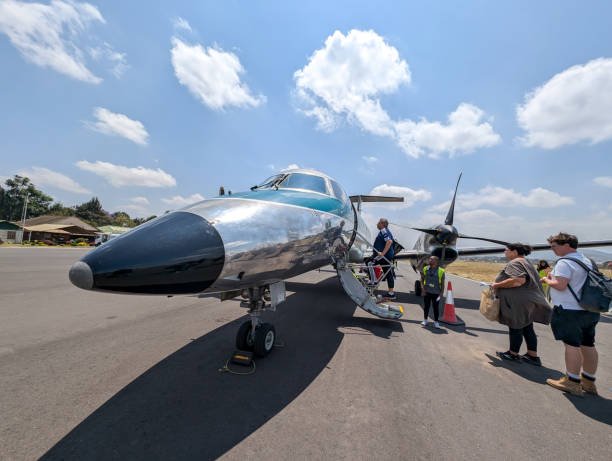
Best Flights For Kilimanjaro Climbing And Zanzibar Holidays: A Planning Guide
A professional guide to optimizing your international and domestic flight strategy for a combined Kilimanjaro trek and Zanzibar beach holiday in 2026-2027.
View package details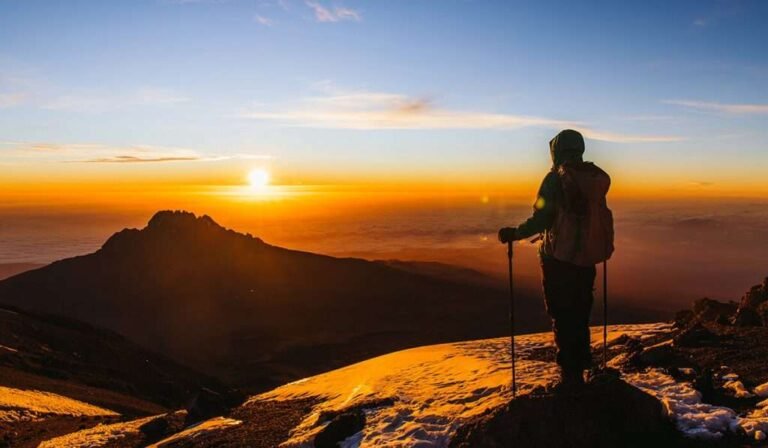
How Early Should I Book A December Kilimanjaro Group Trek? A Planning Guide
Planning a December Kilimanjaro climb? Learn the ideal booking window, why holiday dates fill up fast, and how to secure your spot for 2026-2027.
View package details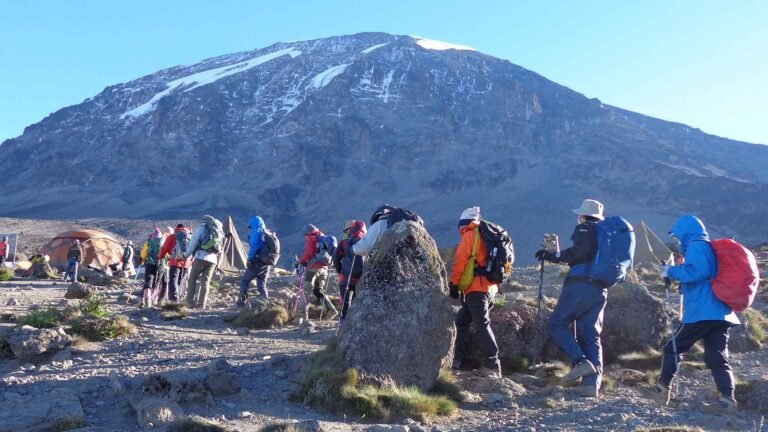
Can I Join A Kilimanjaro Group Alone In December ? Expert Guide 2026
Planning a solo trip? Find out how you can join a Kilimanjaro group in December 2026, the benefits of group departures, and the steps to secure your spot.
View package details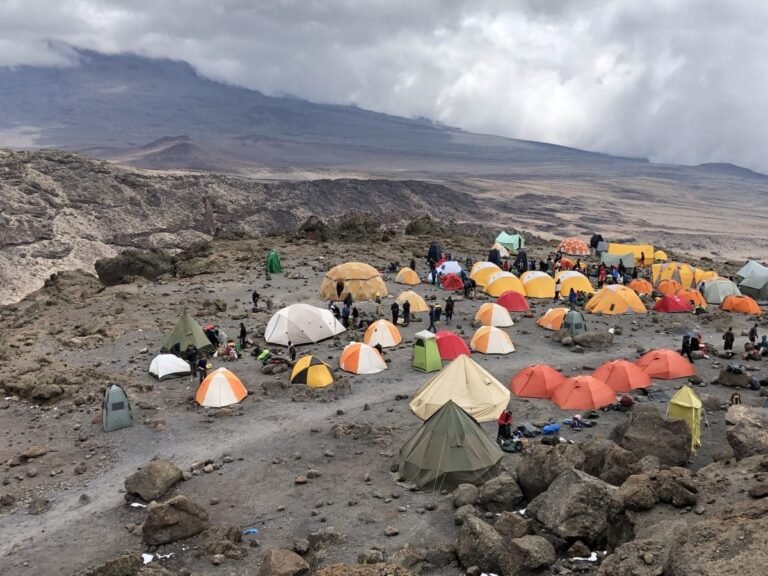
Is December A Good Time To Climb Kilimanjaro? A Local Expert Guide 2026
Planning for December 2026? Discover why this month is a popular choice for Kilimanjaro climbs, how the 'short rains' affect your trek, and why early booking is essential for the holiday...
View package detailsMount Kilimanjaro Weather In December : A Climbers Guide 2026
A practical guide to the conditions you can expect on Mount Kilimanjaro in December 2026, covering the seasonal 'short rains', trail conditions, and holiday planning.
View package detailsNo related package matches those filters. Clear one or more filters to see the other topic-matched options.



