
Combining a Kilimanjaro climb with a Tanzania safari is a classic dual-adventure strategy that requires careful sequencing to maximize both physical performance and wildlife viewing. The most practical approach is to schedule your Kilimanjaro trek first, followed by a safari; this ensures you are not fatigued during the climb and allows for a comfortable, low-impact recovery period while you explore the Serengeti, Ngorongoro Crater, and Tarangire. For a balanced 2026-2027 itinerary, plan for a minimum of 6 to 7 days on the mountain, followed by at least 3 days of safari to account for the physical toll of altitude and the logistical reality of travel between the Kilimanjaro foothills and the northern parks.
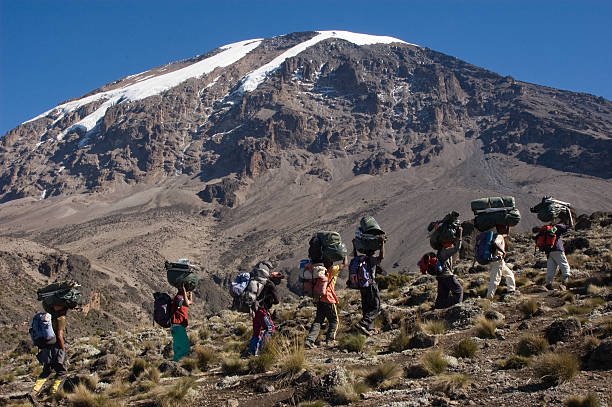
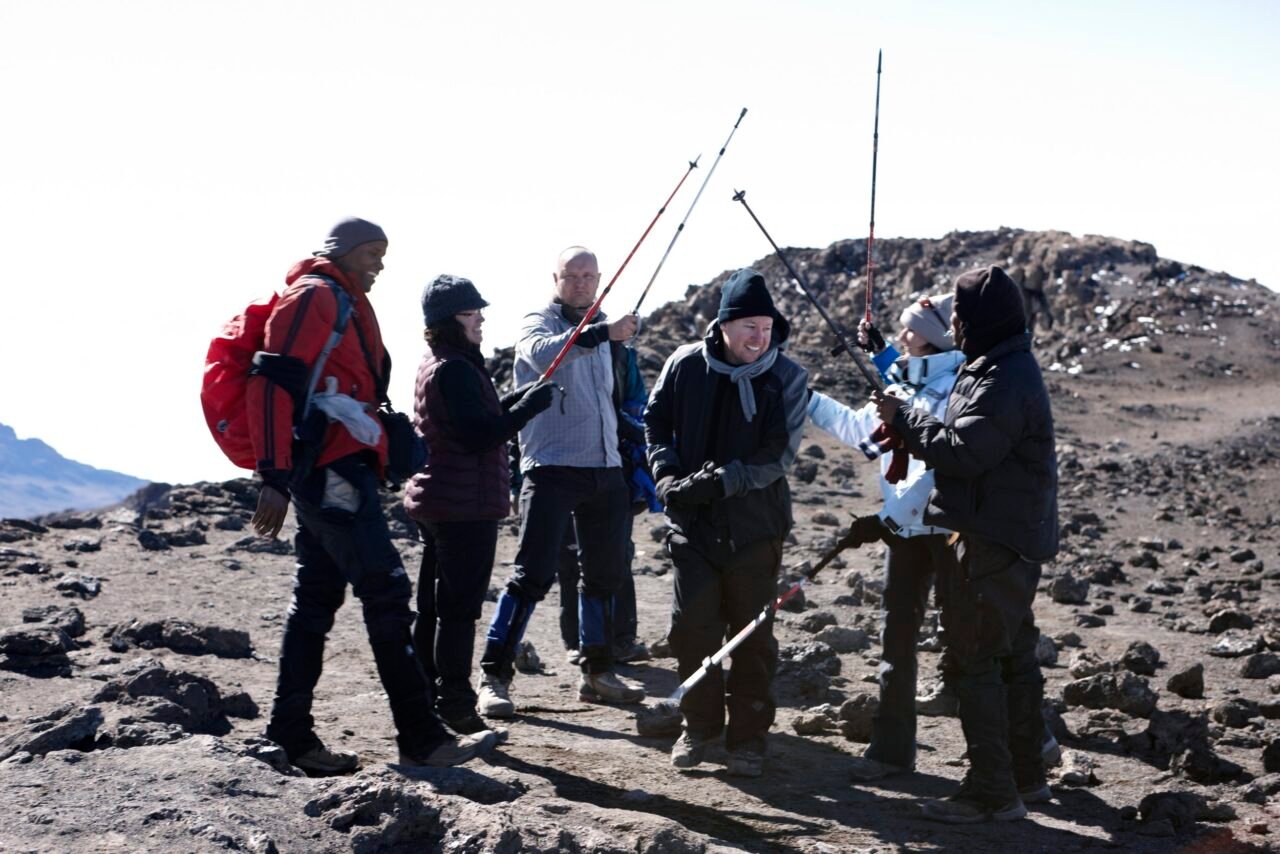
The decision to pair a high-altitude expedition with a wildlife safari is more than just a logistical choice—it is a balancing act of physical endurance and leisure. In Tanzania, these two experiences exist in different worlds: the vertical, demanding environment of the Kilimanjaro massif and the horizontal, sprawling ecosystems of the Northern Circuit. When you approach this as a single travel project, the primary goal is to avoid the common mistake of treating them as two separate, disconnected trips.
The Strategic Order: Why Climb First?
Travelers often ask whether they should safari before or after the climb. While preferences vary, the consensus among local operators is almost universally to climb first. The logic is rooted in physiology and the nature of the activities.
A Kilimanjaro climb is a strenuous, multi-day endeavor that tests your physical and mental limits. You are operating in an environment of low oxygen, fluctuating temperatures, and limited sleep. When you finish the descent—typically at Mweka Gate or a similar exit point—your body is depleted. You have burned thousands of calories, endured altitude-induced headaches, and likely have sore muscles.
By scheduling your safari *after* the climb, you turn your wildlife viewing into a recovery period. A safari involves sitting in a 4×4 Land Cruiser, observing animals, and staying in lodges or tented camps with amenities that feel luxurious compared to a mountain tent. It provides the perfect physical decompression. If you were to safari first, you would be entering the mountain physically rested but potentially mentally distracted, worrying about the climb ahead. After the climb, the safari becomes a genuine reward.
Selecting the Right Route for a Post-Climb Safari
Your choice of Kilimanjaro route directly impacts how much energy you will have left for your safari. If you are planning an extensive, multi-day safari across the Serengeti, you might want to consider a route that offers better acclimatization, even if it adds a day or two to your trip.
The Kilimanjaro trekking routes are not created equal regarding the physical toll they take:
- Machame Route (6-7 days): Known as the ‘Whiskey Route,’ this is a classic choice for those who want a challenging but rewarding climb. It offers excellent acclimatization, which leaves you in better shape for the safari transition.
- Lemosho Route (7-8 days): This is generally considered the superior choice for those who want to maximize their chances of success and minimize physical exhaustion. The longer duration allows for a slower ascent, which usually means less severe altitude symptoms and more energy upon return.
- Rongai Route (6-7 days): A quieter approach that comes in from the north. It is physically less demanding in the early stages, making it a viable option for those who want to maintain higher energy levels for their subsequent safari.
For more specific details on how these timelines affect your safari start date, you can review our Machame Route breakdown or request a customized itinerary.
Logistics: The Transition Day
One of the most overlooked aspects of a Kilimanjaro climb and Tanzania safari combination is the ‘transition day.’ Do not attempt to fly into Tanzania, start your climb the next day, and then immediately jump into a safari. You need buffer time.
Most itineraries require a full day between the descent and the start of the safari. This day is critical for:
- Laundry and Gear Management: You will have a massive amount of technical trekking gear that needs to be packed away or stored.
- Physical Recovery: Even a successful climb leaves you dehydrated and needing proper nutrition. A day in a hotel in Arusha or Moshi allows you to shower, rest, and rehydrate before the long drives associated with safari parks.
- Safari Briefing: It is the ideal time to meet your safari guide, check your vehicle, and finalize your route with the team.
Attempting to cut this day to save time often leads to a rushed, stressful start to the wildlife portion of your trip.
Understanding the Northern Circuit Safari Geography
The Northern Circuit is the standard destination for travelers coming off the mountain. It includes the most iconic parks in Tanzania, but they are spread out. Understanding the distance helps in planning your post-climb pace.
Key Safari Locations for Post-Climb Recovery:
- Tarangire National Park: Famous for its massive elephant herds and baobab trees. The terrain is relatively flat, and the drive times are manageable, which is perfect for a post-climb itinerary.
- Ngorongoro Crater: This is a ‘must-do’ for many. It is contained, meaning you don’t spend hours driving between sightings. You drive down into the crater, see the wildlife, and drive out. It is very high-reward for the amount of travel required.
- Serengeti National Park: The crown jewel. However, be aware of the travel time. If you choose a Serengeti safari, consider a fly-in option to save yourself from long, bumpy drives on roads that can be taxing on a body that has just descended from 5,895 meters.
Planning for the 2026-2027 Seasons
Weather is the single biggest factor in both your climb success and your safari experience. Tanzania has two primary dry seasons: January to February and June to October. These are the peak windows for both activities.
If you are planning for 2026 or 2027, consider the following:
- The Short Dry Season (January/February): The mountain is often clear, and the weather is warm. This is also the time when the wildebeest calving season occurs in the southern Serengeti (Ndutu area). It is arguably the best time to combine both activities.
- The Long Dry Season (June to October): This is the classic safari season. Grass is short, making wildlife easier to spot, and the mountain weather is stable, though colder. This period is consistently popular, so booking your mountain permits and safari lodges 6-9 months in advance is essential.
Avoid the ‘Long Rains’ (April and May) if you have limited time. While trekking is possible, the trails become muddy and challenging, and safari game viewing in the Serengeti can be hampered by tall grass and flooded roads.
Packing: The Crossover Challenge
A common pain point is packing for two distinct environments. You need heavy winter gear for Kilimanjaro (down jackets, thermal layers, heavy boots) and lightweight, breathable clothing for the safari (khaki, neutral colors, sun protection).
Pro-tip for travelers: Use your transition day to separate your bags. Most hotels in Arusha or Moshi offer secure storage for your heavy trekking gear. You do not need to take your -10°C sleeping bag on a safari. Pack a separate, smaller duffel bag for the safari portion. This saves you from constantly rummaging through your bulky mountain gear in the back of a safari Land Cruiser.
How to Arrange Your Custom Itinerary
At Climb 4 Africa, we specialize in bridging these two worlds. We don’t just sell a climb and a safari; we manage the logistics of the transition. Whether you are looking for a comprehensive package that covers everything from your airport pickup to your final drop-off, or you need help stitching together a specific route, our team provides the on-the-ground support required to make it work.
When you contact us, it helps to provide a few specific details to get the planning started:
- Your preferred travel dates for 2026 or 2027.
- The number of people in your group.
- Your preferred Kilimanjaro route (or if you would like us to recommend one based on your fitness level).
- The style of safari you prefer (e.g., mid-range lodges, luxury tented camps, or budget-friendly options).
We are here to help you navigate the options. You can reach out via WhatsApp at +255 747 477 898 or email us at climb4africa@gmail.com. For any administrative questions or backup support, feel free to use info@climb-4-africa.com. We can provide up-to-date availability for 2026 and 2027, ensuring your climb and safari schedule aligns perfectly with the seasonal wildlife movements and mountain conditions.
Frequently Asked Questions About Combined Trips
Is it possible to do a safari before the climb?
While possible, it is generally discouraged. The primary reason is the physical fatigue factor. If you safari first, you arrive at the mountain gate already having traveled and potentially having experienced minor travel-related stresses. More importantly, if you encounter unexpected travel delays during the safari, it can jeopardize your scheduled Kilimanjaro start date, which is often tied to rigid permit bookings.
How many days should I budget for the total trip?
For a fulfilling experience, we recommend a minimum of 12 to 14 days. This allows for 7 days on the mountain (including acclimatization), 1 day for transition, and 4-6 days for a high-quality safari. Trying to squeeze both into less than 10 days often results in a rushed experience where you spend more time in transit than in the parks or on the mountain.
Do I need different visas for the climb and the safari?
No. Both activities take place within Tanzania. You will obtain a standard Tourist Visa upon arrival or via the e-visa system before you travel. This covers your entry for both the Kilimanjaro National Park and the various wildlife parks.
What happens if I get altitude sickness?
Our mountain guides are trained in wilderness first aid and monitoring oxygen saturation levels. If you are unable to continue the climb, our logistics team is equipped to coordinate your early descent and transition to your safari or hotel arrangements. This is why having a single operator for both parts of your trip is a significant advantage—we can adjust your safari logistics in real-time if your mountain itinerary changes.
Are internal flights necessary?
They are not strictly necessary, but they are highly recommended if you want to visit the Serengeti and your time is limited. Driving from Arusha to the Serengeti can take 7 to 9 hours depending on the route. Flying from Arusha or Manyara to a Serengeti airstrip takes about 45 minutes to an hour, giving you more time for actual game drives.
The Ecological Transition: From Alpine Desert to Savanna
The transition from a Kilimanjaro expedition to a Tanzanian safari is not merely a change in itinerary; it is a profound shift in ecological immersion. On the mountain, your world is defined by verticality—ascending through five distinct climatic zones, from lush rainforests to the desolate, oxygen-deprived arctic summit. Your focus is internal, disciplined, and hyper-fixated on the next step. In contrast, the Northern Circuit safari is a horizontal, expansive experience. Moving from the thin, freezing air of the Kilimanjaro massif to the warm, oxygen-rich savannas of the Serengeti or the Ngorongoro Crater acts as a physiological reset.
This environmental contrast is actually a key component of your recovery. The descent back to lower altitudes (roughly 1,300 to 1,500 meters in the parks) allows your body to re-oxygenate efficiently. Many climbers find that the gentle activity of a game drive—sitting in a vehicle and scanning the horizon—is the perfect bridge between the intense physical exertion of the climb and the reality of returning to daily life. You are moving from a state of “doing” to a state of “observing,” which helps mitigate the post-climb blues that some travelers experience after the adrenaline of reaching the summit fades.
Seasonal Wildlife Dynamics: Syncing Your Post-Climb Safari
While the Kilimanjaro climb is largely determined by weather windows, your safari route should be dictated by the movement of the Great Migration. Because the Serengeti is a massive, dynamic ecosystem, the wildlife is rarely in the same place twice. When planning your combined trip for 2026 or 2027, you must align your post-climb safari with the seasonal location of the herds to ensure the highest density of wildlife sightings.
- January to March (The Calving Season): During these months, the herds are typically located in the southern Serengeti and the Ndutu area near the Ngorongoro Conservation Area. This is the calving season, offering high chances of witnessing predators and newborn wildebeest. This is an excellent time to pair with a climb, as the mountain is often clear and dry.
- June to August (The Dry Season): As the dry season takes hold, the migration moves northward toward the Grumeti River and eventually the Mara River. This is the quintessential “safari” weather—clear skies, dry roads, and animals congregating around permanent water sources.
- September to October (The River Crossings): If your climb falls in late autumn, focus your safari on the Northern Serengeti. This is the period of the dramatic Mara River crossings. It requires more travel time to reach the northern reaches of the park, but it offers some of the most iconic wildlife photography opportunities in Africa.
- November to December (The Short Rains): The herds begin their southward trek. During this time, the parks are lush and green, and birdlife is at its peak. While wildlife is more dispersed, the scenery is vibrant, and the tourist crowds are significantly thinner than in the summer months.
If you find that the main migration is too far from your departure point, consider incorporating Tarangire National Park. Known for its massive herds of elephants and iconic baobab trees, Tarangire is a fantastic, reliable alternative during the dry season (June–October) and is logistically easier to access from Arusha than the far northern reaches of the Serengeti.
The Sensory Shift: Managing Expectations
Expect a jarring, yet welcome, contrast in your sensory environment. On Kilimanjaro, you are accustomed to the sound of wind, the crunch of scree, and the silence of high-altitude solitude. The savanna is the opposite: it is an auditory landscape filled with the low rumble of a vehicle engine, the distant roar of lions, the chattering of vervet monkeys, and the rustle of tall grasses. Prepare for this by keeping your camera batteries charged and your binoculars accessible. Unlike the mountain, where you have hours to contemplate the scenery, the safari environment is unpredictable; a leopard sighting or a cheetah hunt can happen in seconds. This shift from the slow, deliberate pace of climbing to the alert, reactive pace of game viewing is exactly what makes the dual-adventure trip so compelling.
The Anatomy of Post-Climb Recovery: Why Your Muscles Need a Safari Strategy
The physical toll of Kilimanjaro is often underestimated by fit travelers who assume that a high level of cardiovascular endurance will insulate them from the physiological realities of altitude. Even for the most prepared climbers, the descent—often involving a rapid drop of several thousand vertical meters in a single day—creates significant micro-trauma in the quadriceps and calves. When transitioning directly into a safari, you are not merely moving from one vacation activity to another; you are shifting from an active, high-impact physical exertion phase to a passive, vibration-heavy sedentary phase. This transition requires specific management to prevent stiffness from turning into chronic discomfort.
Safari vehicles, while comfortable, are not ergonomically optimized for recovering muscles. The constant, rhythmic jolting on unpaved Tanzanian roads—locally referred to as the “African massage”—can exacerbate the inflammation caused by the descent from the mountain. To mitigate this, prioritize your vehicle selection. If your budget allows, opt for a Land Cruiser with upgraded suspension rather than a standard minibus. Furthermore, incorporate deliberate movement into your safari days. Do not spend the entire day seated. Utilize every scheduled stop—whether it is a designated picnic area in the Serengeti or a viewpoint in the Ngorongoro Crater—to get out of the vehicle, perform static stretches, and improve circulation in your legs. Hydration remains as critical here as it was on the mountain; the dehydration caused by altitude often lingers for 48 hours post-descent, and the heat of the savanna can quickly compound this, leading to fatigue and headaches that you might mistakenly attribute to mountain lag.
The Nutritional Pivot: From Mountain Fuel to Savanna Cuisine
Your caloric requirements shift dramatically once you leave the mountain. On Kilimanjaro, the focus is on high-carbohydrate, easily digestible energy to fuel the climb in an oxygen-deprived environment. Once you transition to the safari phase, your body’s metabolic demands change. Continuing to consume high-sugar, high-carb trail snacks while sitting in a safari vehicle can lead to sluggishness and digestive discomfort. Use the transition day to reset your palate and your gut biome.
In Arusha or Moshi, before departing for the parks, seek out fresh, locally sourced fruits and vegetables. The transition from the dehydrated, powdered, or canned rations of the high camps to the fresh produce of Northern Tanzania is a vital part of the recovery process. Focus on magnesium-rich foods—such as dark leafy greens, bananas, and nuts—to help repair muscle tissue and reduce cramping. Because safari itineraries often involve long, fixed meal times at lodges or camps, you may find yourself eating at irregular intervals. Carry a small supply of electrolytes and high-protein snacks to bridge the gap between early morning game drives and late lunches, ensuring that your energy levels remain stable throughout the long hours of wildlife tracking.
Managing the Mental Transition: From Summit Fever to Wildlife Patience
Perhaps the most overlooked aspect of a dual-adventure trip is the psychological shift. Climbing Kilimanjaro is goal-oriented, singular, and intensely focused on the summit. You are constantly monitoring your vitals, your pace, and your progress. A safari, by contrast, requires a complete abandonment of the “summit mindset.” Wildlife viewing is an exercise in patience, unpredictability, and observation. It is common for climbers who have just descended to struggle with this sudden lack of direct control. You cannot “climb” to a lion sighting; you must wait for it to appear.
To manage this mental shift, view the safari not as a secondary objective, but as a distinct form of exploration. While the mountain demanded your strength, the savanna demands your stillness. Engage with your guide about the broader ecosystem—the behavior of the animals, the interaction between species, and the conservation challenges facing the region. This intellectual engagement helps bridge the gap between the physical intensity of the climb and the observational nature of the safari. If you find yourself becoming impatient during a slow morning in the bush, remind yourself that the quiet moments are often where the most profound observations occur—a bird of prey circling, the shifting light over the plains, or the subtle social dynamics of a zebra herd. This change in perspective is the true reward of the safari, offering a mental decompression that is just as restorative as the physical rest.
The Reality of Wildlife Encounters: Navigating Expectations vs. The Wild
Transitioning from the highly predictable, goal-oriented nature of a Kilimanjaro expedition—where you follow a set route, sleep at designated camps, and measure progress in altitude gain—to the unpredictable domain of a safari can be jarring. Many travelers arrive at their first game drive with a subconscious checklist, expecting a choreographed performance. However, the Tanzanian savanna is not a zoo; it is a complex, fluid wilderness where the primary rule is that nothing is guaranteed. Understanding this distinction is essential to maintaining the restorative, post-climb mindset you have cultivated.
The Myth of the “High-Speed” Safari
After the physical exertion of the mountain, there is a temptation to treat the safari as a high-intensity hunt for the “Big Five” (lion, leopard, rhinoceros, elephant, and Cape buffalo). This approach often leads to frustration. When travelers insist on rushing from one location to another based on radio chatter from other vehicles, they miss the nuance of the safari experience. The most rewarding moments in the Serengeti or Ngorongoro are rarely found in the frantic pursuit of a specific animal, but rather in the quiet observation of animal behavior: a lioness teaching her cubs to stalk, the intricate hierarchy of a baboon troop, or the way the landscape changes as the sun dips below the horizon.
If you have just descended from the mountain, your body is in recovery mode. Use this to your advantage. A slower pace allows for longer periods of stationary observation. By staying in one spot near a waterhole or a known hunting ground, you allow the wildlife to return to their natural behavior, unperturbed by the presence of a vehicle. This is when the true magic of the bush reveals itself—not in the adrenaline of a quick photo opportunity, but in the unfolding of a natural drama that has played out for millennia.
The Role of Chance and Environmental Variables
Wildlife sightings are subject to a multitude of environmental variables that no guide can control. Seasonality, rainfall patterns, migration cycles, and even the time of day dictate where animals congregate. For instance, during the dry season, wildlife is concentrated around permanent water sources, making sightings more frequent but also more predictable. During the green season, animals disperse widely, making them harder to find but often resulting in more intimate, exclusive encounters with fewer other vehicles around.
It is crucial to adjust your expectations regarding specific species. The leopard, for example, is notoriously elusive and solitary, often spending its days camouflaged in the branches of acacia trees or deep in riverine thickets. A sighting is a stroke of luck, not a standard itinerary item. Similarly, the black rhinoceros is critically endangered and shy, often found only in specific, protected pockets of the Ngorongoro Crater. Viewing these animals is a privilege, not a contractual obligation of your trip. When you accept that the bush operates on its own schedule, you transform from a consumer of wildlife experiences into a participant in the ecosystem.
Engaging Your Guide: Beyond the Sightings
Your safari guide is your most valuable asset, but their role extends far beyond locating animals. A skilled guide is an interpreter of the landscape. If the large predators are hiding, a good guide will shift the focus to the “Little Five” or the complex botanical relationships that sustain the savanna. They can explain the symbiotic relationship between the oxpecker bird and the buffalo, or the specific grass types that attract different grazers. By asking deeper questions about conservation, anti-poaching efforts, and the delicate balance of the ecosystem, you gain a richer understanding of the environment you are traversing. This intellectual curiosity prevents the “safari fatigue” that can set in if you spend hours driving without a major sighting. Instead of counting the animals you see, focus on learning about the lives they lead. This shift in perspective ensures that even on days when the wildlife seems sparse, the experience remains deeply fulfilling and educational.
The Ethics of Observation
Finally, consider your impact on the environment. The growing popularity of Tanzanian safaris has increased traffic in key parks. As a responsible traveler, your behavior contributes to the ecosystem’s health. This means adhering to park rules: staying on designated tracks, maintaining a respectful distance from wildlife, and keeping noise levels low. When you witness others pressuring guides to get closer to animals or drive off-road, resist the urge to follow suit. Your patience not only leads to better, more authentic wildlife sightings—because animals are more likely to behave naturally when they don’t feel threatened—but it also preserves the integrity of the habitat for future generations. By embracing the unpredictability of the wild, you honor the environment and allow yourself the mental space to truly decompress after your Kilimanjaro achievement.
Navigating the Transit: Spatial Realities of the Northern Circuit
Transitioning from a high-altitude mountaineering expedition to a wildlife safari involves more than just a change in scenery; it requires a recalibration of your travel expectations. Travelers often look at a map of Tanzania, measure the distance between Arusha or Moshi and the major national parks, and assume a straightforward commute. However, the Northern Circuit is not defined by highway efficiency but by the rugged reality of East African terrain. Understanding the logistical rhythm of this region is essential for preserving your post-climb recovery.
The Arusha-Moshi Nexus and the Safari Gateway
Most Kilimanjaro climbs conclude at gates near the towns of Moshi or Arusha. These towns function as the primary staging grounds for both the mountain and the safari circuit. It is important to recognize that once you descend from the mountain, you are not yet in the wilderness. You are in a logistical hub. This is where you will likely spend your first night post-climb, regrouping, cleaning gear, and transitioning from mountain boots to safari attire. This buffer night is not merely a convenience; it is a physical necessity. Your body, having endured days of oxygen deprivation and intense exertion, requires a period of stabilization before embarking on the next phase of your journey, which involves significant time spent sitting in a vehicle.
The Fallacy of ‘Drive Time’ in the Bush
One of the most common errors in itinerary planning is assigning fixed “drive times” to your safari legs. In the Northern Circuit, distance is a poor predictor of time. The roads leading from the urban centers to the park gates are subject to a variety of variables: heavy traffic, road construction, livestock crossings, and weather-related delays. Once you enter the national parks, the roads transition from tarmac to gravel, dirt, and often mud. Your pace will be dictated by the terrain, the presence of wildlife, and the specific route your guide chooses to maximize sightings. Because of this, it is safer to view your safari transit as an activity in itself, rather than a commute to be endured. If you approach the travel day with the expectation of a high-speed highway experience, you will likely encounter frustration. If you view it as a scenic, albeit bumpy, transition into the savanna, you maintain the mental flexibility required to enjoy the journey.
The Stepping-Stone Strategy: Managing Post-Climb Fatigue
Given the physical toll of a Kilimanjaro summit, it is often wise to employ a “stepping-stone” approach to your safari sequence. Rather than attempting a long-haul drive to the most remote corners of the Serengeti immediately after leaving the mountain, consider starting with parks that are geographically closer to the Arusha/Moshi hub, such as Tarangire or Lake Manyara. These parks offer a lower-intensity entry into the safari experience. They allow you to observe wildlife in a more compact environment, reducing the amount of time you spend sitting in a vehicle on your first few days post-climb. This strategic sequencing respects your body’s need for gradual reintegration into normal activity levels. By spending your first one or two safari days in these accessible locations, you gain the benefit of wildlife viewing without the exhaustion of a six-to-eight-hour transit day, reserving the longer journeys for when your physical energy levels have begun to rebound.
The Vehicle as Your Mobile Base
Remember that the vehicle you travel in—typically a modified 4×4 Land Cruiser—is designed for off-road capability, not highway comfort. While they are the gold standard for navigating the Serengeti plains or the Ngorongoro crater floor, they are not luxury long-distance cruisers. After the intense physical strain of climbing, your muscles will be sensitive to prolonged periods of sitting. This makes the choice of a shorter, more localized safari route even more prudent. If you are determined to reach the Serengeti, consider the pacing of your itinerary to include breaks or stopovers in the Ngorongoro Conservation Area. By breaking the journey into segments, you avoid the cumulative fatigue that can turn a bucket-list wildlife experience into a test of endurance.
The Accommodation Spectrum: Transitioning from High-Altitude Camping to Savanna Comfort
The transition from the Kilimanjaro trekking environment to your safari accommodation is one of the most jarring—and rewarding—sensory shifts of the entire expedition. On the mountain, your accommodation is defined by necessity: a lightweight, high-performance tent designed to withstand alpine winds, a sleeping pad that offers minimal cushioning, and a communal dining tent that serves as the only social hub. When you descend, your body is conditioned to a state of hyper-vigilance and survival. Moving directly into a high-end safari environment is not merely a change of scenery; it is a physiological reset. Understanding the different tiers of safari accommodation helps you curate a recovery environment that matches your physical needs rather than just your aesthetic preferences.
The Tented Camp: Bridging the Wilderness Gap
For many climbers, the ‘tented camp’ category serves as the ideal middle ground. These are not the same portable tents you utilized on the mountain. Instead, they are typically canvas structures set on permanent wooden platforms, featuring real beds, en-suite bathrooms with hot-water showers, and often, private decks. This setup allows you to retain the in-depth, ‘close-to-nature’ feeling of your Kilimanjaro trek—you will still hear the sounds of the savanna at night—without the physical discomfort of sleeping on the ground. For a post-climb traveler, this is a significant upgrade. The ability to stand upright in your room, access a private bathroom, and sleep on a mattress that provides proper spinal support can accelerate muscle recovery significantly compared to the cramped, cold conditions of the high-altitude camps.
Permanent Lodges as Recovery Sanctuaries
If your Kilimanjaro experience was particularly grueling, or if you are prone to joint stiffness and muscle soreness, permanent lodges offer a level of stability that canvas-based camps cannot match. These structures, often built of stone, timber, or thatch, provide complete climate control, which can be essential if you are experiencing the lingering effects of altitude-related fatigue or temperature regulation issues. The primary advantage of a lodge is the ‘solid’ nature of the environment. After days of navigating uneven mountain terrain, the simple act of walking on flat, level flooring and sleeping in a bed that does not sway or shift can be surprisingly therapeutic. Furthermore, lodges often provide amenities such as swimming pools, which offer a low-impact way to soothe tired muscles through buoyancy and light movement, a stark contrast to the high-impact exertion of the descent.
Prioritizing Amenities for Physiological Restoration
When selecting your safari accommodation post-climb, it is prudent to prioritize specific amenities that facilitate recovery. First, consider laundry services. You will likely be carrying gear soaked in mountain dust, sweat, and perhaps volcanic scree. Being able to offload your trekking clothes for professional laundering on your first day of safari is a psychological and physical relief, allowing you to start your wildlife viewing fresh. Second, assess the power situation. On Kilimanjaro, charging electronics is often a challenge, limited by solar capacity and cold temperatures. A lodge or camp with reliable, 24-hour electricity ensures you can keep your cameras, phones, and medical devices charged without the stress of rationing power. Finally, evaluate the proximity of the accommodation to the park gates. While remote lodges offer better wildlife access, they also require more time in a vehicle. For the first two nights post-climb, choosing accommodation that minimizes travel time—even at the expense of being ‘deep’ in the wilderness—is often the more strategic choice for long-term comfort.
The Psychological Decompression: Transitioning from Vertical Focus to Horizontal Observation
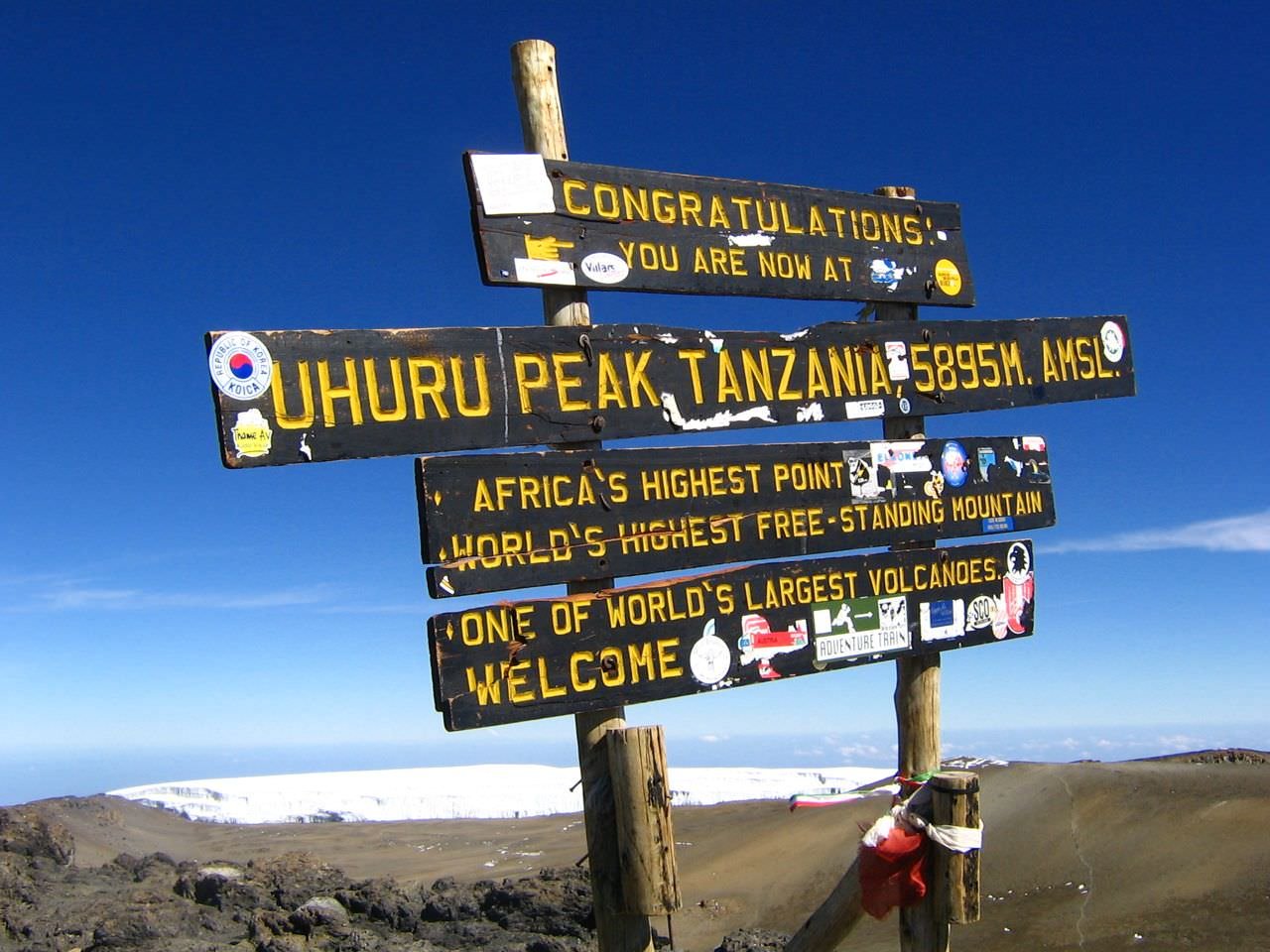
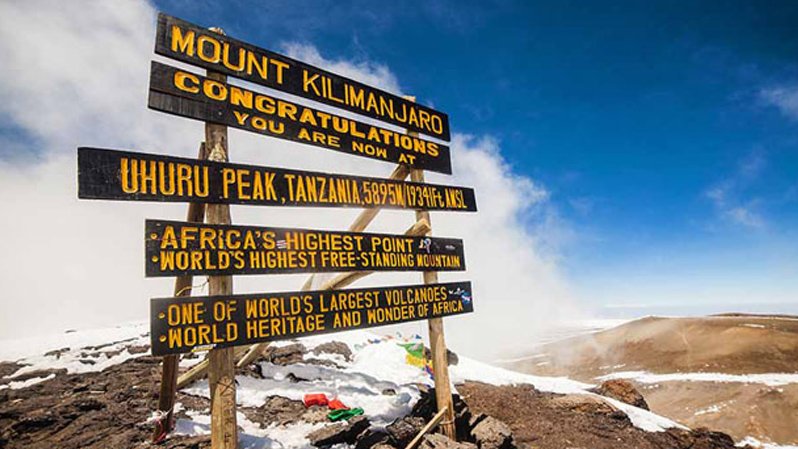
The mental shift required when moving from a Kilimanjaro expedition to a safari is often underestimated. During the climb, your cognitive energy is entirely inward-focused: monitoring your breathing, tracking your heart rate, managing hydration, and assessing the terrain under your boots. This hyper-vigilance is essential for summit success but is fundamentally exhausting. When you enter the savanna, you are required to pivot to an outward-focused state—a process of ‘de-cluttering’ the mind from the stressors of altitude and physical performance. This psychological decompression is not immediate; it is a gradual shedding of the survivalist mindset.
Managing the ‘Summit Hangover’ and Sensory Overload
Many climbers experience what can be termed a ‘summit hangover’ during the first 24 to 48 hours of their safari. This is characterized by a lingering sense of urgency, as if you still need to reach a destination or meet a specific time goal. In the bush, however, the pace is dictated by the wildlife, not by a summit window. This transition can be jarring. You may find yourself instinctively checking your watch or worrying about the next ‘stage’ of the journey. To mitigate this, consider your first day of safari as a ‘soft landing.’ Avoid itineraries that demand six hours of driving on day one. Instead, prioritize a shorter game drive or simply relaxing at a lodge with a view of a waterhole. This allows your brain to adjust from the narrow, goal-oriented focus of the mountain to the expansive, observational rhythm of the African plains.
The Art of Stillness: Learning to Wait
On Kilimanjaro, movement is progress. On safari, stillness is often the key to the most rewarding experiences. This is a profound shift for the active traveler. You have spent days pushing your body; now, you must learn to let the environment come to you. This is where the patience required for wildlife photography or quiet observation becomes a tool for mental recovery. When you sit in a vehicle for an hour watching a pride of lions sleep or waiting for a leopard to emerge from the shade, you are practicing a form of mindfulness that is the perfect antidote to the high-adrenaline intensity of the climb. Embrace this ‘forced’ downtime. It is not wasted time; it is a necessary recalibration of your nervous system.
Navigating the Wildlife Spectacle: Managing Expectations
The sensory input of the Serengeti or Ngorongoro Crater is vastly different from the austere beauty of the mountain. You are moving from a world of rock, ice, and dust to a world of vibrant color, complex social structures, and dynamic movement. This can lead to a phenomenon where travelers, exhausted from the climb, struggle to process the sheer volume of stimuli. If you find yourself feeling ‘numb’ to the wildlife, it is likely a symptom of post-climb fatigue. Acknowledge this. Do not feel pressured to see the ‘Big Five’ in a single day. The quality of your safari experience is often determined by the depth of your observation rather than the breadth of your sightings. Engaging with your guide about the behavior of a single herd of elephants can be far more restorative and memorable than rushing across the park to tick off a list of species.
Integrating the Experience: The Narrative Arc
The most successful dual-trip travelers are those who view the safari not as a separate vacation, but as the resolution to the narrative arc that began on the mountain. Kilimanjaro is the trial; the safari is the reward. By actively framing your safari as a period of reflection rather than just another activity, you transform the trip from a series of disjointed events into a cohesive journey. Use your downtime in the vehicle to review photos from the summit, journal about the physical challenges you overcame, and compare the silence of the alpine desert to the complex soundscape of the savanna. This integration helps solidify the memories of the climb while allowing the relaxation of the safari to fully take root, ensuring you return home with a sense of completion rather than just physical exhaustion.
The Dynamics of Seasonal Uncertainty: Navigating Wildlife Patterns
While guidebooks often present wildlife migration as a predictable clockwork mechanism, the reality of the Northern Circuit is defined by fluidity. When planning a post-climb safari, it is a common mistake to view wildlife patterns as fixed dates. The Great Migration, for instance, is not a singular event but a continuous, weather-dependent cycle. Relying on rigid expectations can lead to disappointment; instead, the sophisticated traveler embraces a strategy of ‘informed flexibility.’ Understanding that rain, drought, and localized vegetation growth dictate animal movement is essential for managing your expectations during the recovery phase of your trip.
The interplay between the mountain and the savanna creates a unique climatic paradox. Kilimanjaro’s weather systems are localized, often independent of the broader regional patterns that drive wildlife behavior in the Serengeti. You might experience a dry, clear summit window on the mountain, while the lowlands are undergoing a localized rain shower that scatters the herds. Conversely, the ‘short rains’ of November and the ‘long rains’ of April and May create lush, green landscapes that are beautiful to behold but make wildlife viewing more challenging, as tall grasses provide cover for predators and prey alike. Viewing these seasonal shifts not as obstacles, but as part of the authentic Tanzanian experience, helps maintain the mental tranquility you have cultivated during your mountain descent.
Reading the Landscape: The Art of Opportunistic Safari Planning
Because wildlife movement is dynamic, the most rewarding safari strategies prioritize location over specific species ‘checklists.’ Rather than obsessing over whether the herds are in the Ndutu region or the Northern Serengeti, focus on the habitat diversity of the parks you choose. Tarangire National Park, for example, offers a distinct seasonal advantage: its wildlife density increases significantly during the dry season (June to October) as animals congregate around the Tarangire River. This makes it an excellent, predictable choice for a post-climb safari where you want high-density viewing without traversing vast distances.
If your climb occurs during the wetter months, pivot your strategy toward the Ngorongoro Crater. Because it is a self-contained caldera, the wildlife remains year-round, regardless of the seasonal shifts outside the rim. The crater acts as a natural sanctuary, providing a reliable wildlife experience even when the migratory herds are elsewhere. By aligning your post-climb safari with these ‘anchor’ locations, you mitigate the risks associated with unpredictable weather patterns, ensuring that your recovery phase is defined by meaningful sightings rather than the frustration of chasing elusive migrations.
The Ecological Ripple Effect: Seasonal Recovery
There is also a physiological component to seasonal timing that is often overlooked. A safari immediately following a climb in the heat of the dry season (January, February, or September) presents different challenges than one during the cooler, wetter months. In the dry season, the dust is pervasive; the air is arid and can aggravate the respiratory system already taxed by the dry mountain air. If you are sensitive to dust or have lingering post-summit coughs, you may find the humidity of the shoulder seasons (early November or late May) more soothing for recovery. This is not just about comfort; it is about respiratory health. The savanna air in the wet season is cleaner, cooler, and less abrasive, which can be a significant factor in how quickly you regain your energy after the exertion of the climb.
Furthermore, the seasonal light quality changes how you process the safari visually. The harsh, brilliant sun of the dry season creates high-contrast, sharp photography conditions, while the diffused light of the rainy season creates soft, painterly landscapes. If you are a photographer, consider this when planning your transition. If you are there simply to rest, the lush, green, quiet landscape of the off-season offers a profound sense of isolation that can be deeply restorative after the crowded trails of Kilimanjaro.
The Logistics of ‘Slow Safari’ Recovery
The concept of a ‘slow safari’ is the ultimate antidote to the high-tempo nature of a Kilimanjaro expedition. Many travelers fall into the trap of trying to pack every game drive, bush walk, and cultural visit into the few days they have allocated for safari. This ‘ticking the box’ mentality is counterproductive to recovery. A slow safari approach involves limiting your movement between lodges and maximizing the time spent in each location. Instead of staying one night in three different places, choose two locations and stay for two nights each. This reduces the fatigue associated with packing, unpacking, and long, bumpy drives on corrugated roads.
Your vehicle choice also plays a critical role in this recovery strategy. Ensure your safari vehicle is equipped with comfortable seating and, if possible, a pop-up roof that allows for easy movement without constant climbing in and out. The physical act of entering and exiting a high safari vehicle can be taxing on legs that are still recovering from the descent. Discuss these comfort requirements with your operator well in advance. The goal is to create a mobile base that allows you to observe the savanna with the same ease as sitting in a lounge, effectively turning the wilderness into your personal recovery room.
The Nutritional Pivot: Transitioning from Mountain Fuel
Your dietary needs shift dramatically once you leave the mountain. On Kilimanjaro, the focus is on caloric density and simple carbohydrates to sustain energy at altitude. During your safari, you have the luxury of returning to a more balanced, nutrient-dense diet. Use this time to rehydrate properly—not just with water, but with the fresh juices and fruits that are often more available at lodges. The transition from high-calorie, dehydrated, or pre-packaged mountain meals to the fresh, locally sourced produce of the savanna is an important part of the physical reset. Do not rush this. Your digestive system has been stressed; prioritize simple, fresh, and hydrating meals during your first two days of safari to stabilize your energy levels before indulging in the more complex, rich culinary offerings of the lodges.
The Mechanics of Movement: Navigating Safari Logistics Post-Summit
Once you have descended from the Kilimanjaro massif, the transition from the vertical, gear-heavy world of trekking to the horizontal, vehicle-dependent world of a safari requires a distinct shift in logistical mindset. You are no longer navigating by foot-fall and altitude markers, but by the rhythm of the road and the expertise of your driver-guide. Managing this transition effectively hinges on understanding the interplay between your vehicle choice, your guide’s role, and the specific entry arrangements that govern Tanzania’s national parks.
The Safari Vehicle as a Mobile Sanctuary
Your vehicle is not merely a mode of transport; it is your observation deck, your storage unit, and your primary point of comfort after the physical exertion of the climb. For a post-climb traveler, the type of vehicle matters immensely. While standard safari vehicles are designed for durability, they vary in their ergonomic features. Look for vehicles with well-maintained suspension systems; the roads leading into parks like Tarangire or the Serengeti can be notoriously corrugated, and after a week of mountain hiking, your joints will be sensitive to excessive vibration. A vehicle with a pop-up roof is standard, but check if the hatch mechanism is smooth and easy to operate. You do not want to be struggling with heavy canvas or stiff metal latches when you are already fatigued. Furthermore, ensure your vehicle has accessible power ports for charging cameras and devices. Unlike the mountain, where power is scarce and solar-dependent, the safari vehicle allows you to keep your gear ready for the next encounter, ensuring your focus remains on the landscape rather than battery management.
The Role of the Driver-Guide: Beyond Navigation
On the mountain, your success depended on your lead guide’s ability to manage your pacing and acclimatization. On safari, the dynamic shifts. Your driver-guide is now your primary interpreter of the environment. A high-quality guide does not just drive from point A to point B; they are an expert in wildlife behavior, park regulations, and the subtle art of positioning. When you are recovering from a climb, you may find your energy levels fluctuating. Communicate this to your guide early. If you need a slower start to the morning or prefer to spend more time in a single location rather than chasing sightings across the park, let them know. The best guides are adept at reading their guests’ energy levels. They can pivot from an intense, active search for predators to a more relaxed, stationary observation session if they realize you are hitting a fatigue wall. Relying on their expertise to make these adjustments is the hallmark of a successful post-climb safari.
Understanding Park Entry Protocols
Tanzania’s national parks operate on a strict permit system, which is managed by the Tanzania National Parks Authority (TANAPA) or the Ngorongoro Conservation Area Authority (NCAA). While your operator handles the administrative heavy lifting, understanding the basics helps manage your own expectations. Entry fees are typically calculated on a 24-hour cycle. This is a crucial logistical detail. If you enter the Serengeti at 10:00 AM on a Tuesday, your permit is valid until 10:00 AM on Wednesday. This timing is vital when planning your transit between the Kilimanjaro region and the parks. If you arrive at the park gate late in the afternoon, you may be burning a significant portion of your 24-hour window while simply driving to your lodge. Coordinate with your operator to time your arrival so that your entry coincides with the best game-viewing hours—usually early morning or late afternoon—to maximize the value and the experience of your permit duration.
The Arusha-Moshi Transit Corridor
The journey from the Kilimanjaro region to the Northern Circuit parks often involves traversing the Arusha-Moshi corridor. This is a busy, transit-heavy route. Do not underestimate the time required to clear this stretch. Traffic can be unpredictable, and road conditions vary. If you are flying out of Arusha or Kilimanjaro International Airport (JRO) immediately after your safari, factor in a significant buffer. The ‘drive time’ estimates provided by operators are often optimistic, based on ideal conditions. Always build in an extra two-hour cushion to account for road congestion, potential vehicle maintenance stops, or simply the need for a slower, more comfortable pace as you transition back to civilization. This buffer is your insurance policy against the stress of missing a flight or rushing the final moments of your journey.
The Social Dynamics of Recovery: Group Tours vs. Private Safaris
The decision between joining a group safari and booking a private expedition is rarely just a budgetary consideration; when paired with a Kilimanjaro climb, it is a strategic choice regarding your post-climb physiology and psychological state. After spending six to eight days on the mountain—often in a group setting where your schedule, meals, and pace have been dictated by the logistics of the climb—you must evaluate how much social interaction and rigid scheduling you can tolerate during your recovery phase.
The ‘Fixed Schedule’ Trap and Post-Climb Fatigue
Group safaris, while economically advantageous, operate on a democratic schedule. The itinerary is set in stone to accommodate the collective needs of the vehicle occupants. This means early morning game drives, specific meal times, and a set route through the parks are non-negotiable. For a traveler who has just descended from the Kilimanjaro summit, this rigidity can be a significant liability. If you suffer from the common ‘summit hangover’—a combination of muscle soreness, lingering altitude-related fatigue, and mild dehydration—the requirement to be in the safari vehicle by 6:30 AM can turn a recovery experience into an endurance test. In a group setting, you cannot easily request a late start or a shorter driving day without impacting the experience of your fellow travelers, which can lead to friction and unnecessary stress.
The Private Advantage: Recovery Autonomy
A private safari provides a level of autonomy that is invaluable for post-climb recovery. The most significant benefit is the ability to adjust the pace based on your physical condition. If you wake up on your first day of safari feeling the cumulative effects of the climb, you have the flexibility to delay your departure, opt for a shorter afternoon game drive, or request a slower, more relaxed pace that focuses on stationary wildlife observation rather than high-mileage searching. This control over your environment allows you to prioritize rest, which is often the missing ingredient in a high-intensity, back-to-back adventure itinerary. You are not beholden to the energy levels or the preferences of strangers, allowing you to curate a ‘recovery-first’ safari that focuses on comfort rather than checking off every potential sighting in the shortest amount of time.
The Social Exhaustion Factor
Climbing Kilimanjaro is a highly social experience. You share tents, mess halls, and the collective struggle of the ascent with your group and crew. By the time you reach the safari phase, many travelers experience a ‘social wall.’ The prospect of spending another three to five days in a confined, four-wheeled vehicle with relative strangers can be mentally draining for introverts or those who value quiet reflection after the intense, noisy environment of the mountain. A private safari allows you to reclaim your personal space. It provides the silence needed to process the mountain experience and the privacy to transition from the adrenaline of the summit back to the slower, more observational rhythm of the savanna. For couples or families, a private safari also offers a dedicated space to reconnect and debrief without the distraction of external group dynamics.
Strategic Considerations for the Hybrid Traveler
If budget constraints necessitate a group safari, you can mitigate the downsides by being explicit with your operator during the booking process. Look for group tours that specifically cater to ‘active’ or ‘relaxed’ profiles, or inquire about the group size. A smaller group of four is exponentially more manageable than a full vehicle of six or seven. Furthermore, communicate your post-climb status to the operator. Even within a group setting, a proactive operator may be able to place you in a vehicle with other travelers who are also coming off a climb, creating a shared understanding of the need for a slightly more moderate pace. However, if your budget allows for the upgrade, the shift to a private vehicle is widely considered the most effective way to ensure that your safari serves as a genuine restorative period rather than an extension of the physical demands of your Kilimanjaro expedition.
Deconstructing the Quote: Transparency in Hybrid Itinerary Pricing
When you receive a quote for a combined Kilimanjaro and safari trip, the document can often appear as a monolithic block of costs. For the hybrid traveler, understanding how these figures are constructed is essential for managing expectations and budget. A transparent quote should clearly bifurcate the mountain expedition from the safari phase, as the cost drivers for each are fundamentally different. On the mountain, the primary costs are labor-intensive: the salaries for guides, porters, and cooks, combined with park entry fees, camping permits, and rescue fees. In contrast, the safari portion is vehicle- and logistics-intensive, dominated by fuel consumption, vehicle maintenance, lodge or tented camp accommodation rates, and the daily wages of a specialized driver-guide.
If a quote aggregates these costs into a single lump sum, it becomes difficult to assess the value or make adjustments. A transparent itinerary should itemize the specific park fees—which are non-negotiable and set by the Tanzania National Parks Authority (TANAPA)—separately from service fees. Because park fees for the Ngorongoro Conservation Area, for instance, are calculated on a per-entry and per-vehicle basis, understanding these variables helps you see why a shorter, more concentrated safari might not necessarily result in a linear cost reduction. You are paying for the vehicle and the driver’s time regardless of whether you spend four hours or eight hours in the park.
The Hidden Architecture of Safari Costs
Beyond the obvious park fees, the safari portion of your quote is heavily influenced by the ‘vehicle-day’ model. In Tanzania, the vehicle is your lifeline. A high-quality, well-maintained 4×4 Land Cruiser is not just transport; it is a mobile observation deck. When reviewing a quote, look for details regarding the vehicle type and the inclusion of specific amenities. A cheaper quote might utilize an older vehicle with less reliable suspension or fewer charging ports, which directly impacts your post-climb comfort. Transparency in this area means the operator specifies the age of the fleet and whether the vehicle is equipped with pop-up roofs for optimal game viewing, charging sockets for cameras, and a fridge—essential for keeping hydration levels high during the dusty transit between parks.
Furthermore, examine the accommodation categories. The shift from mountain tents to savanna lodging is where the most significant price variance occurs. You can choose between public campsites, semi-permanent tented camps, or luxury lodges. Each tier carries different overheads. A quote that simply says ‘mid-range lodge’ is insufficient. You should demand a list of the specific properties or, at the very least, a clear definition of what ‘mid-range’ entails regarding facilities like en-suite bathrooms, hot water availability, and proximity to the park gates. Proximity is a critical, often overlooked cost driver; lodges located inside or immediately adjacent to park gates reduce travel time, which preserves your energy—a key priority for the post-climb traveler.
The ‘Hidden’ Variables: Tipping and Ancillary Expenses
A major source of budget anxiety for travelers is the ambiguity surrounding tipping and ancillary costs. While the quote covers the logistics, it rarely covers the social obligations that are standard in Tanzanian tourism. For a combined trip, you are essentially managing two separate tipping pools. The mountain crew is significantly larger, often involving 10 to 15 people depending on the group size, and the tipping structure is usually calculated per day, per climber, and per crew member. The safari crew is much smaller, typically just your driver-guide and perhaps a chef if you are camping.
To avoid budget shock, ask your operator for a clear, written tipping guideline. A reputable operator will provide a suggested range or a per-day breakdown for both the mountain and the safari. This allows you to set aside the necessary cash in advance. Be wary of quotes that appear significantly lower than the market average; these often underpay their staff, forcing the crew to rely on aggressive tipping expectations from guests, which creates an uncomfortable power dynamic. A transparent quote should reflect fair wages for the staff, which stabilizes the tipping expectation to a reasonable, predictable level.
Evaluating the ‘All-Inclusive’ vs. ‘À La Carte’ Model
When planning a hybrid trip, you will encounter both ‘all-inclusive’ packages and ‘à la carte’ options. The all-inclusive model is generally recommended for the Kilimanjaro-safari combination because it bundles the logistical complexities of internal transfers, park gate entries, and accommodation. This reduces the number of vendors you have to coordinate with. However, you must ensure that ‘all-inclusive’ is defined accurately. Does it cover the transfer from the mountain exit gate to your hotel? Does it cover the transfer from your hotel to the safari vehicle the next morning? Are park entry fees paid in advance, or do you have to handle them on the ground? The latter is a significant logistical burden that can ruin the restorative phase of your safari.
Finally, consider the ‘flexibility premium.’ A quote that allows for last-minute changes to the safari itinerary—such as shifting a day from one park to another based on wildlife migration patterns or your own fatigue levels—might carry a slightly higher upfront cost, but it provides immense value. Rigid itineraries are the enemy of a successful post-climb recovery. If you are exhausted after the mountain, having the ability to swap a full-day game drive for a half-day, or to change a lodge location to reduce driving time, is a luxury that becomes a necessity. Ensure your contract or booking terms explicitly state the conditions under which the itinerary can be modified without excessive penalties.
Mastering the Safari Vehicle: Ergonomics and Etiquette in the Bush
After the vertical exertion of Kilimanjaro, the safari vehicle becomes your primary living space. Understanding its ergonomics is crucial for physical comfort. Most safari vehicles in Tanzania are modified 4×4 Land Cruisers or Land Rovers, retrofitted with pop-up roofs and tiered seating. While these vehicles are robust, they are not designed for long-distance highway comfort. The suspension is heavy-duty to handle off-road terrain, which means you will feel the bumps. If your post-climb body is still recovering from sore joints or blisters, prioritize seating positions that offer the most support. Sitting in the middle row is often preferred as it is positioned over the chassis’s center of gravity, offering a smoother ride than the rear bench, which tends to bounce significantly on washboard roads.
Etiquette within this confined space is equally vital for a successful trip. You will be sharing this mobile sanctuary with your guide for hours at a time. The “pop-up” roof is a shared resource; when the vehicle stops for a sighting, coordinate with your companions to ensure everyone has a turn at the best vantage points without crowding. Avoid sudden movements or loud exclamations when the engine is cut; wildlife is sensitive to vibrations and noise, and your guide needs silence to hear the subtle cues—like the alarm calls of birds or the rustle of grass—that signal predators nearby.
The Reality of Safari Weather: Dust, Wind, and UV Exposure
The Northern Circuit is a high-altitude plateau, and while you are no longer at 5,000 meters, you are still exposed to intense equatorial sun and significant temperature fluctuations. Unlike the mountain, where you have a strict layering system for ascent, the safari environment requires a more versatile approach. The “dust factor” is the most overlooked element of the safari experience. During the dry seasons, the volcanic soil of the Serengeti and Ngorongoro turns into a fine, pervasive powder that infiltrates every zipper and seam. Protecting your camera gear and sensitive electronics is essential; keep them in sealed, dust-proof bags when not in use. Do not rely on the vehicle’s windows to keep the dust out; the “pop-top” design means air is constantly circulating, carrying particulate matter with it.
Sun protection remains as critical on the savanna as it was on the Kilimanjaro glaciers. The combination of open-roof viewing and high altitude makes sunburn a rapid risk. A wide-brimmed hat with a chin strap is non-negotiable, as the wind generated by the vehicle’s movement will easily strip off a standard baseball cap. Furthermore, consider the temperature swing: mornings are often brisk, requiring a fleece or light jacket, while mid-day requires breathable, long-sleeved layers to protect against both the sun and the tsetse flies, which are attracted to dark colors. Wearing neutral, light-colored clothing is not just for wildlife camouflage; it is a practical defense against these persistent insects.
The Ethics of Observation: Beyond the ‘Big Five’ Chase
A common pitfall for post-climb travelers is the “checklist mentality.” Exhaustion from the mountain can sometimes manifest as impatience or a desire for instant gratification. When you arrive at a sighting, resist the urge to immediately demand “what is it?” or “where are the lions?” Allow your guide the space to read the environment. Often, the most profound safari moments occur when you are stationary, watching a termite mound or a distant herd of zebras, rather than racing to the next reported predator sighting. This “slow safari” approach is actually the best medicine for a body and mind recovering from the intensity of the summit push.
Respecting the wildlife’s boundaries is the cornerstone of ethical observation. If an animal moves away from the vehicle, do not pressure your guide to follow. Off-roading is strictly prohibited in many areas of the Serengeti and national parks to protect the fragile ecosystem. Following these rules is not just about conservation; it is about maintaining the integrity of the wildlife’s behavior. When you observe animals in their natural, unpressured state, you will see behaviors—social grooming, nursing, play—that you would miss if the vehicle were constantly repositioning. This patience transforms the safari from a sightseeing tour into an in-depth ecological study, providing a mental decompression that is the perfect counterpoint to the relentless forward motion of the Kilimanjaro climb.
Navigating the ‘Tsetse’ and Insect Reality
Certain regions of the Northern Circuit, particularly parts of Tarangire and the Serengeti, are known for higher concentrations of tsetse flies. These are not merely a nuisance; their bite is sharp and persistent. Being aware of the geography of these areas helps manage expectations. If your itinerary includes these zones, prepare by wearing thicker, loose-fitting clothing. Avoid blue and black fabrics, which are scientifically proven to attract these flies. While repellents are helpful, the most effective strategy is physical coverage. Understanding that these insects are a natural part of the ecosystem—and not a failure of your lodge or tour operator—prevents the frustration that often arises when guests are surprised by their presence. Viewing the environment as an authentic, untamed wilderness, rather than a manicured park, is the final step in the transition from the controlled environment of the mountain to the unpredictable reality of the bush.
Related Guides and Packages
Check Availability for Kilimandscharo Reise Mit Safari In Tansania 2026-2027
Ready to compare dates, prices, and the best option for your group? Send the package name and travel month so the team can reply with a clear quote, availability, and what is included.
Lake Manyara To Serengeti Flight Price & Safari Connections 2026-2027
A practical guide to connecting Lake Manyara and the Serengeti by air, covering flight pricing factors, logistical trade-offs, and how to optimize your safari schedule.
View package detailsZanzibar To Tarangire Safari By Flight: Prices & Travel Options 2026-2027
A detailed breakdown of the logistics, flight connections, and road transfers required to travel from Zanzibar to Tarangire National Park for a safari.
View package detailsFly-In Safari To Ngorongoro And Serengeti: Flights & Transfer Costs 2026-2027
Discover the logistics and cost breakdown for a fly-in safari to Ngorongoro and the Serengeti, including airstrip transfers, baggage limits, and vehicle positioning.
View package detailsArusha To Tarangire Fly-In Safari: Flight And Package Costs 2026-2027
Arusha to Tarangire Fly-In Safari: Flight and Package Costs is explained with current 2026-2027 planning, price, itinerary and booking information.
View package detailsZanzibar To Lake Manyara Flights: Prices & Safari Transfers 2026-2027
Zanzibar to Lake Manyara Flights: Prices & Safari Transfers is explained with current 2026-2027 planning, price, itinerary and booking information.
View package details
Kilimanjaro And Serengeti Safari Holiday : Your Ultimate Tanzania Adventure
Discover how to combine the challenge of climbing Kilimanjaro with the majesty of the Serengeti safari in 2027. Practical advice for planning your perfect Tanzanian journey.
View package detailsTanzania Kilimanjaro And Safari Holiday Packages 2027
An expert, long-form guide to combining Kilimanjaro treks with Tanzania safaris and Zanzibar experiences, with practical planning and booking guidance for 2027.
View package details
Kilimanjaro And Tanzania Safari Packages – Canadian Travel Guide 2027
- Kilimanjaro and Tanzania Safari Packages – Canadian Travel Guide is explained with current 2027 planning, price, itinerary and booking information.
View package details
3-Day Serengeti & Ngorongoro Safari From Zanzibar By Flight 2027
3-Day Serengeti & Ngorongoro Safari From Zanzibar by Flight is explained with current 2027 planning, price, itinerary and booking information.
View package detailsZanzibar To Ngorongoro Crater Safari By Flight: Price & Travel Options 2027
A deep look at the logistics, costs, and planning decisions required for flying from Zanzibar to start your Ngorongoro Crater Safari, designed for the experienced traveler.
View package details
3-Day Serengeti Fly-In Safari From Zanzibar: All-Inclusive Package Prices 2027
Plan your ultimate Tanzanian adventure, combining Zanzibar's beaches with the Serengeti's wildlife. This guide details all-inclusive package pricing and logistics for a 3-day fly-in safari...
View package detailsSerengeti Airstrip Transfer Prices: From Plane To Safari Lodge 2027
Serengeti Airstrip Transfer Prices: From Plane to Safari Lodge is explained with current 2027 planning, price, itinerary and booking information.
View package detailsNo related package matches those filters. Clear one or more filters to see the other topic-matched options.



