
Combining a trek up Mount Meru with a Tanzania safari in 2026-2027 is an exceptional way to experience East Africa’s diverse landscapes and wildlife. Mount Meru, standing at 4,566 meters, serves as a superb acclimatization climb for Kilimanjaro or a rewarding trek in its own right, often completed in 3-4 days, while a safari explores renowned parks like Serengeti, Ngorongoro Crater, and Tarangire, typically lasting 5-7 days. The best time for this combination usually falls within the dry seasons: June to October and December to February, offering clearer skies for trekking and predictable wildlife viewing, though shoulder seasons can provide fewer crowds.
Understanding Mount Meru and Tanzania Safari Combinations
For travelers seeking a comprehensive East African adventure, the synergy between climbing Mount Meru and embarking on a Tanzania safari is compelling. Mount Meru, an extinct volcano located within Arusha National Park, offers a challenging yet accessible trek that provides stunning views and excellent acclimatization for those planning to climb Kilimanjaro. It’s also a fantastic standalone trek for those who appreciate high-altitude hiking without the immense scale of Kilimanjaro. Following a trek, immersing yourself in a Tanzania safari allows you to witness the continent’s iconic wildlife in its natural habitat, from the vast plains of the Serengeti to the unique ecosystem of the Ngorongoro Crater.
When considering a Mount Meru and Safari Tanzania adventure for 2026 or 2027, it’s crucial to understand the distinct experiences each component offers and how they best complement each other. The trek up Meru is physically demanding but rewards climbers with impressive panoramas and a sense of accomplishment, often involving wildlife sightings within the park itself. The safari, on the other hand, is about observing diverse fauna, understanding ecosystems, and experiencing the vastness of the African wilderness. Planning these together requires careful logistical coordination, particularly regarding timing, permits, and transport, which is where experienced local operators become invaluable.
This guide aims to provide a detailed roadmap for planning such a trip, covering everything from choosing the right trekking route on Meru to selecting the most rewarding safari destinations. We’ll explore the practicalities of combining these activities, including when to go, what to pack, and how to ensure a smooth transition between the mountain and the savanna. Understanding the trade-offs between different safari styles and trekking durations will help you craft an itinerary that perfectly suits your interests and fitness levels for your 2026-2027 journey.
Mount Meru Trekking: The Essentials for 2026-2027
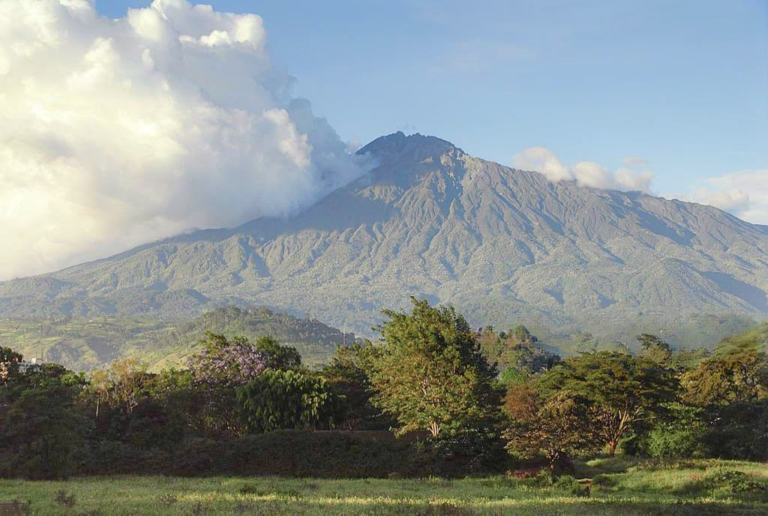
Mount Meru, often referred to as the ‘King of the Serengeti’ due to its commanding presence visible from afar, is a significant peak in its own right. Standing at 4,566 meters (14,980 feet), it’s the fifth-highest mountain in Africa. A trek up Meru is typically a 3 to 4-day affair, offering a challenging but rewarding climb that’s less demanding than Kilimanjaro but still requires good physical condition and proper acclimatization. Its location within Arusha National Park means that you’re often accompanied by armed rangers due to the presence of wildlife, particularly on the lower slopes.
Routes on Mount Meru
There is primarily one main route used for climbing Mount Meru, known as the Momella Route. This route is popular because it offers varied scenery, passing through different vegetation zones, and is generally considered the most direct and scenic path to the summit. The route begins at the Momella Gate, located at an altitude of 1,500 meters, and ascends via different stages.
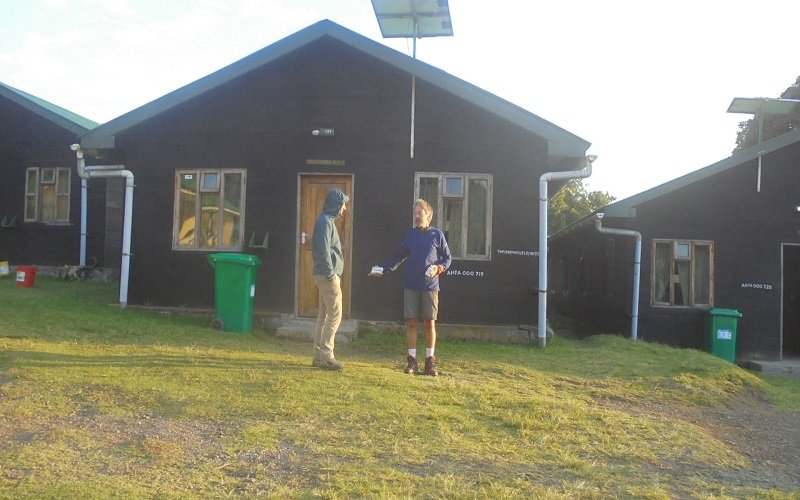
- Day 1: Momella Gate (1,500m) to Miriakamba Hut (2,500m). The initial part of the trek is a gentle walk through lush montane forest, often teeming with wildlife such as giraffes, zebras, and various antelope species. The trail can be muddy, especially during the rainy seasons. The walk takes approximately 4-6 hours.
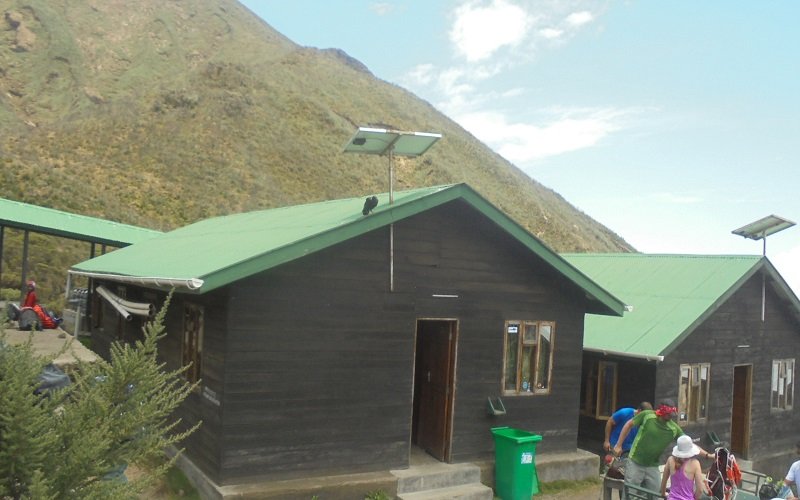
- Day 2: Miriakamba Hut (2,500m) to Saddle Hut (3,500m). This day involves a steeper ascent through a more open moorland landscape. The views begin to open up, offering glimpses of Kilimanjaro on clear days. The trek is challenging and can take around 3-5 hours. Saddle Hut is the highest camp, and many climbers opt to visit Little Meru (3,800m) in the afternoon for acclimatization.
- Day 3: Saddle Hut (3,500m) to Summit (Rhino Point, 4,566m) and descend to Miriakamba Hut (2,500m). This is the longest and most demanding day. The ascent to Rhino Point (the true summit) begins very early, around 2-3 AM, to reach the summit for sunrise. The terrain becomes rocky and steep, requiring scrambling in places. The descent back to Saddle Hut is followed by a further descent to Miriakamba Hut. This day can take 8-12 hours in total.
- Day 4: Miriakamba Hut (2,500m) to Momella Gate (1,500m). A relatively short and easier descent, usually taking 2-3 hours, often following a different, steeper path that offers different views of the plains and Mount Meru’s crater.
While the Momella Route is standard, variations exist, and operators may adjust overnight stops slightly based on conditions and client pace. It’s important to confirm the exact itinerary with your chosen operator when booking for Mount Meru and Safari Tanzania in 2026 or 2027.
Physical Requirements and Acclimatization
Climbing Mount Meru is a serious undertaking that requires a good level of cardiovascular fitness. While shorter than Kilimanjaro, the steepness of the trails, particularly on the final ascent, can be taxing. It’s recommended that trekkers engage in regular aerobic exercise for several months leading up to their climb. Hiking with a weighted backpack, cycling, and running are beneficial. Proper acclimatization is also key to a successful summit attempt and minimizing the risk of altitude sickness. The standard 3-4 day itinerary on Meru is generally considered adequate for acclimatization for most fit individuals, especially if they have spent a few days at lower altitudes in Tanzania beforehand.
For those planning to climb Kilimanjaro after Meru, the latter serves as an excellent training ground. The higher altitude of Meru’s summit (4,566m) helps your body adapt to lower oxygen levels, potentially making the Kilimanjaro climb more manageable. It’s advisable to spend at least 2-3 days at lower altitudes (e.g., Arusha or Moshi) before starting the Meru trek, and if possible, to have a rest day between completing the Meru climb and commencing a Kilimanjaro ascent.
What to Pack for Mount Meru
Packing correctly is vital for comfort and safety on Mount Meru. The weather can change rapidly, with significant temperature drops as you gain altitude. Layers are essential. Here’s a general packing list:
- Clothing:
- Wicking base layers (thermal tops and bottoms)
- Mid-layers (fleece jacket or similar)
- Insulated jacket (down or synthetic) for summit night
- Waterproof and windproof outer shell (jacket and trousers)
- Trekking trousers (quick-drying, not jeans)
- Trekking shorts (for lower altitudes)
- T-shirts (moisture-wicking)
- Warm hat (beanie) and gloves
- Sun hat or cap
- Gaiters (to keep debris out of boots)
- Footwear:
- Broken-in hiking boots (waterproof, ankle support)
- Camp shoes or trainers (for evenings)
- Good quality hiking socks (wool or synthetic)
- Equipment:
- Backpack (40-60 liters)
- Daypack (20-30 liters for summit attempt)
- Sleeping bag (rated to at least -10°C or 0°F)
- Trekking poles (highly recommended)
- Headlamp with extra batteries
- Water bottles or hydration reservoir (at least 2-3 liters capacity)
- Water purification tablets or filter
- Sunglasses
- Sunscreen (high SPF) and lip balm
- Insect repellent
- Personal first-aid kit (with blister treatment, pain relievers, any personal medication)
- Toiletries (biodegradable soap, toothbrush, toothpaste, wet wipes)
- Camera and spare batteries/power bank
- Snacks (energy bars, nuts, dried fruit)
- Passport, visa, and any necessary permits
Your tour operator will provide a more detailed packing list tailored to your specific Mount Meru and Safari Tanzania package for 2026-2027. It’s crucial to rent or purchase gear well in advance.
Tanzania Safari: Wildlife and National Parks
A Tanzania safari is a quintessential African experience, renowned for its incredible wildlife density and the sheer diversity of its landscapes. The country boasts some of the most famous national parks and conservation areas in the world, making it a top destination for wildlife enthusiasts. For a Mount Meru and Safari Tanzania combination, focusing on the Northern Circuit parks is most logical due to their proximity to Arusha and Mount Meru.
Key Safari Destinations in Northern Tanzania
The Northern Circuit is the most popular safari circuit in Tanzania, offering a condensed yet incredibly rich wildlife viewing experience. Here are the highlights:
- Serengeti National Park: Famous for the Great Migration, the Serengeti offers endless plains teeming with wildebeest, zebras, lions, cheetahs, leopards, elephants, and more. The sheer scale and abundance of wildlife here are unparalleled. Depending on the time of year, the migration’s location can dictate the best areas to visit. For 2026-2027, understanding the migration patterns is key to maximizing sightings.
- Ngorongoro Conservation Area (including the Crater): A UNESCO World Heritage Site, the Ngorongoro Crater is a natural amphitheater that hosts an astonishing concentration of wildlife, including the ‘Big Five’ (lion, leopard, elephant, rhino, buffalo). Its unique ecosystem makes it a must-visit. Access to the crater floor is strictly regulated to preserve its environment.
- Tarangire National Park: Known for its large elephant herds and iconic baobab trees, Tarangire is particularly spectacular during the dry season (June-October) when animals congregate around the Tarangire River. It also offers excellent birdwatching opportunities.
- Lake Manyara National Park: Famous for its tree-climbing lions and large troops of baboons, Lake Manyara also boasts diverse birdlife and offers stunning views of the Great Rift Valley escarpment. It’s a smaller park, often visited as a half-day or full-day excursion.
- Arusha National Park: While you’ll be trekking in this park, it’s also worth a short safari drive to see its diverse habitats, including the alkaline Momella Lakes and the Ngurdoto Crater. It’s a good place to spot colobus monkeys and various bird species.
Safari Styles and Options
When planning your Mount Meru and Safari Tanzania trip, you’ll need to decide on your preferred safari style. This choice significantly impacts your experience and budget for 2026-2027.
- Shared Safaris: These are typically group tours with set departure dates. They are the most budget-friendly option, allowing you to share the cost of a safari vehicle and guide with other travelers. This is a great way to meet people and keep costs down, but offers less flexibility in terms of itinerary and pace. Climb 4 Africa offers group departure dates for shared tours, which can be a good starting point for planning.
- Private Safaris: These offer maximum flexibility. You have a dedicated safari vehicle and guide, allowing you to set your own pace, spend more time at sightings you’re interested in, and customize your itinerary. Private safaris are more expensive but provide a more personalized and exclusive experience. This is ideal for families, couples, or groups of friends who want a tailor-made adventure.
- Accommodation Types: Safaris can range from camping (budget-friendly, closer to nature) to mid-range lodges and luxury tented camps or lodges. The choice of accommodation will significantly affect the overall cost and comfort level of your safari.
Best Time to Visit for Safari and Trekking
The ideal timing for a Mount Meru and Safari Tanzania combination in 2026-2027 depends on your priorities, but generally, the dry seasons are preferred for both activities.
- June to October (Dry Season): This is a prime time. Skies are generally clear, offering excellent trekking conditions on Mount Meru and superb visibility for safaris. Wildlife concentrates around water sources, making sightings predictable. It’s also the peak season for the Great Migration river crossings in the Serengeti. However, it’s also the busiest and most expensive time.
- November (Short Rains): A transitional month. You might encounter some rain, but it’s often brief showers. The landscape becomes greener, and tourist numbers can be lower, offering a good balance.
- December to February (Dry Season): Another excellent dry period. The Serengeti experiences the calving season of the Great Migration, which is a spectacular sight. Weather is generally good for both trekking and safari, though it can be hot in lower-lying areas. This period is also popular, especially around holidays.
- March to May (Long Rains): This is the wettest period. Trekking can be challenging due to muddy trails and reduced visibility. Safaris are still possible, but game viewing can be more difficult as animals disperse. However, this is the low season, meaning fewer crowds and potentially lower prices. It’s also a fantastic time for birdwatching.
For a Mount Meru and Safari Tanzania trip, aiming for the edges of the dry seasons (e.g., late May, early June, or late October, early November) can sometimes offer a good compromise between weather, crowds, and cost for 2026-2027.
Combining Mount Meru and Safari: Itinerary Planning
Crafting the perfect itinerary for a Mount Meru and Safari Tanzania adventure involves balancing the physical demands of the trek with the in-depth experience of a safari. The logical flow usually involves trekking first, allowing for acclimatization, followed by a safari, or vice versa, depending on your preference and energy levels. Given Meru’s acclimatization benefits, trekking first is often recommended.
Sample Itinerary Flow (Trek First)
This is a common and effective way to structure your trip, ensuring you’re well-acclimatized for the safari and can relax afterwards.
Example: 10-Day Mount Meru & Northern Circuit Safari (Trek First)
- Day 1: Arrival in Arusha. Arrive at Kilimanjaro International Airport (JRO), meet your Climb 4 Africa representative, and transfer to your hotel in Arusha. Briefing for Mount Meru trek.
- Day 2: Arusha to Momella Gate & Trek to Miriakamba Hut. Drive to Arusha National Park, complete park formalities, and begin trekking. Overnight at Miriakamba Hut (2,500m).
- Day 3: Miriakamba Hut to Saddle Hut. Continue ascent through montane forest to Saddle Hut (3,500m). Optional walk to Little Meru.
- Day 4: Summit Mount Meru & Descend to Miriakamba Hut. Early morning summit attempt to Uhuru Peak (4,566m), then descend to Miriakamba Hut.
- Day 5: Miriakamba Hut to Momella Gate & Transfer to Arusha. Descend to Momella Gate and drive back to Arusha. Rest day or optional cultural tour.
- Day 6: Arusha to Tarangire National Park. Begin your safari. Drive to Tarangire, known for its elephant herds and baobabs. Game drive and overnight lodge/camp.
- Day 7: Tarangire to Serengeti National Park. Morning game drive in Tarangire, then drive towards the Serengeti, with a stop at a Maasai village or Olduvai Gorge if time permits. Overnight in the Serengeti.
- Day 8: Serengeti National Park. Full day of game drives in the Serengeti, tracking the Great Migration (depending on the season) and predators. Overnight in the Serengeti.
- Day 9: Serengeti to Ngorongoro Crater. Morning game drive in the Serengeti, then drive to the rim of the Ngorongoro Crater. Overnight lodge on the crater rim.
- Day 10: Ngorongoro Crater Tour & Departure. Descend into the crater for a morning game drive. After the drive, transfer back to Arusha or Kilimanjaro Airport (JRO) for your departure.
This is a compressed example. Most travelers opt for longer safaris (e.g., 5-7 days in the parks) after their Meru climb, making the total trip length 12-14 days or more. The exact duration for your Mount Meru and Safari Tanzania trip in 2026-2027 can be fully customized.
Logistics and Transitions
The transition between trekking and safari needs careful planning. After descending Mount Meru, you’ll likely be tired but exhilarated. It’s wise to schedule a rest day in Arusha before embarking on the safari. This allows for washing clothes, repacking, and mentally preparing for the next phase of your adventure. Your tour operator will handle the transfer of your main luggage from Arusha to your safari vehicle, while you’ll carry a smaller duffel for the trek.
For the safari portion, you’ll typically travel in a 4×4 safari vehicle with a pop-up roof for optimal game viewing. The driver-guide is your key resource for wildlife spotting and understanding the local environment. For the Mount Meru and Safari Tanzania combination, ensuring smooth transfers between locations, park entries, and accommodation bookings is paramount, and this is where the expertise of a local operator like Climb 4 Africa is crucial for 2026-2027 bookings.
Customization for 2026-2027
The beauty of booking with a local operator is the ability to tailor your Mount Meru and Safari Tanzania experience. Consider:
- Trek Duration: While 3-4 days is standard for Meru, some might prefer a slightly slower pace or an extra day for acclimatization.
- Safari Duration and Parks: Do you want to focus on specific parks? Extend your time in the Serengeti? Add a visit to a less-visited park like Ruaha (though this requires more travel time and is usually combined with longer trips)?
- Accommodation Level: Budget camping, comfortable mid-range lodges, or luxury tented camps?
- Pace: Do you prefer a fast-paced trip covering many highlights, or a more relaxed journey with more downtime?
- Specific Interests: Are you particularly interested in birdwatching, photography, or cultural experiences? These can be incorporated into your itinerary.
When you contact Climb 4 Africa to discuss your 2026-2027 plans, be ready to share your preferences, budget, and desired travel dates. This information will help them craft the perfect Mount Meru and Safari Tanzania package for you.
Practical Considerations and Booking for 2026-2027
Planning a trip to Tanzania involves more than just choosing routes and parks; practicalities like visas, vaccinations, travel insurance, and budgeting are essential. Making informed decisions well in advance, especially for popular travel years like 2026 and 2027, will ensure a smoother experience.
Visas, Vaccinations, and Health
- Visas: Most nationalities require a visa for Tanzania. This can often be obtained online in advance (e-Visa) or upon arrival at Kilimanjaro International Airport. Check the latest requirements for your nationality well before your travel dates in 2026-2027.
- Vaccinations: Yellow Fever vaccination is often mandatory, especially if you are arriving from or transiting through a country with a risk of Yellow Fever. Consult your doctor or a travel clinic at least 4-6 weeks before your trip regarding recommended vaccinations (e.g., Hepatitis A, Typhoid) and malaria prophylaxis.
- Health Precautions: Altitude sickness is a risk on Mount Meru. Stay hydrated, ascend gradually, and inform your guide of any symptoms. For safaris, protect yourself from insect bites (malaria risk) and be mindful of food and water hygiene. Travel insurance that covers high-altitude trekking and medical evacuation is highly recommended.
Budgeting for Mount Meru and Safari
The cost of a Mount Meru and Safari Tanzania trip can vary significantly based on the duration, type of accommodation, and whether you opt for a shared or private safari. Generally, climbing Mount Meru as a standalone trek might cost between $700 – $1,200 USD per person for a 3-4 day climb with a reputable operator, including park fees, guide, porters, accommodation at huts, and meals. Safaris are priced per day, typically ranging from $250 – $600+ USD per person per day for shared safaris and $400 – $800+ USD per person per day for private safaris, depending heavily on the accommodation standard and vehicle type.
A combined Mount Meru and Safari Tanzania trip of around 10-14 days could therefore range from $2,500 to $7,000+ USD per person. This typically includes:
- Mount Meru trek fees (park fees, guide, porters, huts, meals)
- Safari vehicle, driver-guide, fuel
- Park entrance fees for all national parks
- Accommodation during the safari (lodges/camps)
- Meals during the safari (usually full board)
- Airport transfers
Exclusions typically include:
- International flights
- Visa fees
- Travel insurance
- Tips for guides, porters, and drivers
- Personal expenses (souvenirs, drinks, laundry)
- Optional activities (e.g., hot air balloon safari)
- Vaccinations
It is essential to get a detailed quote from your operator that clearly outlines what is included and excluded. When planning for 2026-2027, it’s wise to book well in advance, especially for peak seasons, as availability can be limited.
Booking Your 2026-2027 Adventure
Securing your Mount Meru and Safari Tanzania trip for 2026 or 2027 requires careful consideration of tour operators. Look for companies with a strong local presence, excellent safety records, ethical treatment of staff, and positive reviews. Climb 4 Africa, with its extensive experience in Kilimanjaro climbs and Tanzania safaris, is well-positioned to help you plan this complex itinerary. They offer personalized service and deep local knowledge.
When contacting them, be prepared to discuss:
- Your preferred travel dates for 2026-2027.
- The desired duration of the trek and safari.
- Your budget range.
- Your fitness level and any trekking experience.
- Accommodation preferences (e.g., camping, lodges, luxury).
- Any specific interests (e.g., photography, birding, cultural visits).
A well-planned itinerary that combines the physical challenge of Mount Meru with the wildlife spectacle of a Tanzania safari promises an unforgettable journey. Early booking for 2026-2027 is highly recommended to secure your preferred dates and lodges, particularly if traveling during the peak dry seasons.
Responsible Tourism
As you plan your Mount Meru and Safari Tanzania adventure for 2026-2027, consider the principles of responsible tourism. This means:
- Choosing Ethical Operators: Support companies that treat their guides and porters fairly, providing adequate wages, food, and equipment. Climb 4 Africa is committed to ethical trekking practices.
- Minimizing Environmental Impact: Follow Leave No Trace principles on the mountain and in national parks. Stick to designated paths, do not feed wildlife, and avoid single-use plastics where possible.
- Respecting Local Culture: When visiting villages or interacting with local communities, be respectful of customs and traditions. Ask permission before taking photographs of people.
- Supporting Local Economy: Purchase souvenirs from local artisans and choose lodges/camps that employ local staff and source local produce.
By traveling responsibly, you contribute positively to the conservation of Tanzania’s natural beauty and the well-being of its people.
Frequently Asked Questions (FAQs)
What is the best time of year for a Mount Meru and Safari Tanzania trip in 2026-2027?
The best time is during the dry seasons: June to October and December to February. These periods offer clear skies for trekking and predictable wildlife viewing. The shoulder months of November and late May can also be good, with fewer crowds.
How physically demanding is Mount Meru compared to Kilimanjaro?
Mount Meru is generally considered less demanding than Kilimanjaro due to its shorter duration (3-4 days vs. 5-8 days for Kilimanjaro) and slightly lower altitude. However, it is still a significant mountain requiring good fitness, especially the steep final ascent. It serves as excellent acclimatization for Kilimanjaro.
What is the typical duration for a combined Mount Meru and Safari Tanzania trip?
A common combination is 3-4 days for Mount Meru and 5-7 days for the safari, making a total trip length of 8-11 days (excluding travel days to and from Tanzania). Many travelers extend their safari to 10-14 days for a more comprehensive experience.
Do I need to book permits and guides in advance?
Yes, permits for Mount Meru and park entrance fees for safaris, along with guides and porters, must be booked in advance through a reputable tour operator. This is particularly important for popular travel years like 2026 and 2027.
What is the average cost for a combined Mount Meru and Safari Tanzania trip?
Costs vary widely, but a 10-14 day combined trip can range from approximately $2,500 to $7,000+ USD per person, depending on accommodation choices, safari style (shared vs. private), and inclusions. Always request a detailed quote.
Can I combine Mount Meru with a Zanzibar holiday?
Absolutely. Many travelers combine a Mount Meru trek and Tanzania safari with a relaxing beach holiday on the island of Zanzibar. This would typically add 3-5 days or more to your trip, creating a well-rounded East African adventure.
Your Expert Partner for Mount Meru and Safari Tanzania
Embarking on a journey that combines the raw challenge of Mount Meru with the awe-inspiring wildlife encounters of a Tanzania safari is an ambitious and rewarding endeavor. For your 2026-2027 adventure, ensuring every detail is meticulously planned is key to maximizing your experience. From selecting the optimal trekking route and ensuring proper acclimatization on Mount Meru to navigating the vast plains of the Serengeti and the unique ecosystem of the Ngorongoro Crater, every step requires expert knowledge and local insight.
At Climb 4 Africa, we specialize in crafting these comprehensive Tanzanian adventures. Our local expertise means we understand the nuances of trekking Mount Meru, the best times for wildlife viewing on safari, and the logistical intricacies required to seamlessly connect these experiences. We are dedicated to providing safe, ethical, and unforgettable journeys, ensuring your Mount Meru and Safari Tanzania trip in 2026 or 2027 is everything you dreamed of and more.
Whether you are seeking the thrill of reaching Meru’s summit, the excitement of spotting the Big Five on safari, or simply wish to experience the spectacular landscapes and vibrant cultures of Tanzania, we are here to guide you. We encourage you to reach out to discuss your specific requirements, interests, and desired travel dates for 2026-2027. Let us help you build a personalized itinerary that perfectly balances adventure, discovery, and comfort. For expert advice and to start planning your tailor-made Mount Meru and Safari Tanzania experience, please contact us:
- WhatsApp: +255 747 477 898
- Email: climb4africa@gmail.com
We look forward to helping you plan an extraordinary Tanzanian adventure.
Check Availability for Mount Meru And Safari Tanzania: Expert Planning For 2026-2027
Ready to compare dates, prices, and the best option for your group? Send the package name and travel month so the team can reply with a clear quote, availability, and what is included.
Momella Route Mount Meru 2026-2027
Momella Route Mount Meru is explained with current 2026-2027 planning, price, itinerary and booking information.
View package details
Mount Meru Trekking 3 Tage: Your Essential Planning Guide 2026-2027
A comprehensive guide to the 3-day Mount Meru trek, covering essential planning details for 2026-2027, including routes, preparation, what to expect, and booking advice.
View package details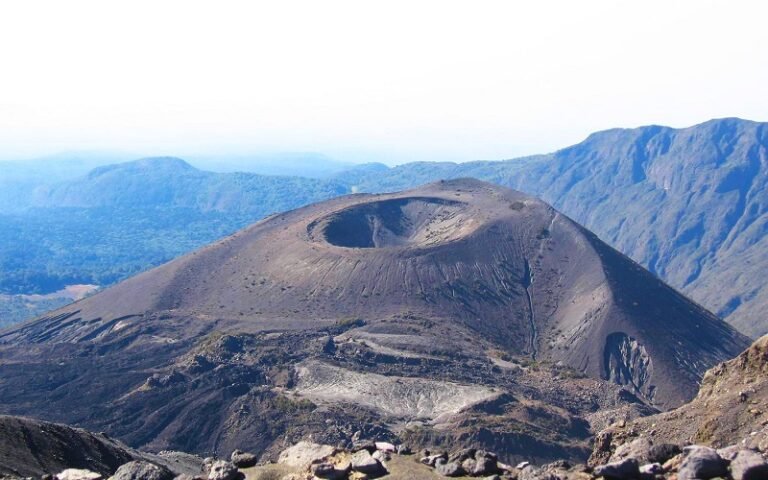
Mount Meru Trekking Ab Arusha 2026-2027
Mount Meru Trekking ab Arusha is explained with current 2026-2027 planning, price, itinerary and booking information.
View package details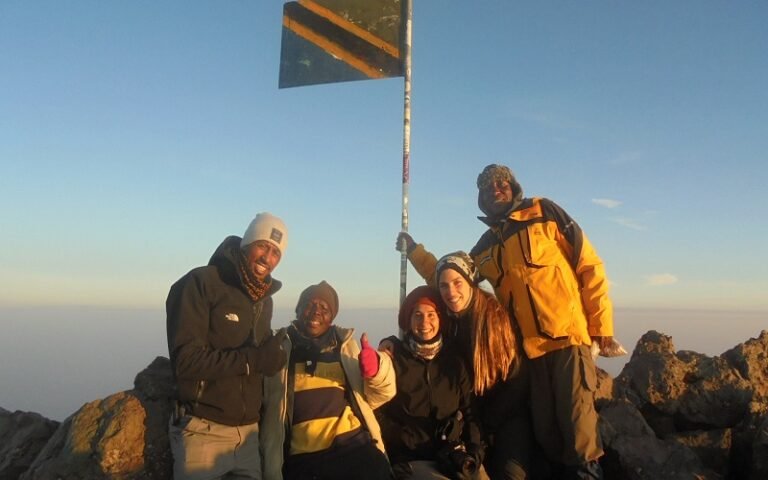
Monte Meru Y Safari En Tanzania: Guía Completa Para Tu Aventura Africana
Explora la combinación perfecta de trekking en Monte Meru y safaris inolvidables en Tanzania. Esta guía detallada te ayudará a planificar tu viaje de ensueño para 2026-2027, cubriendo...
View package details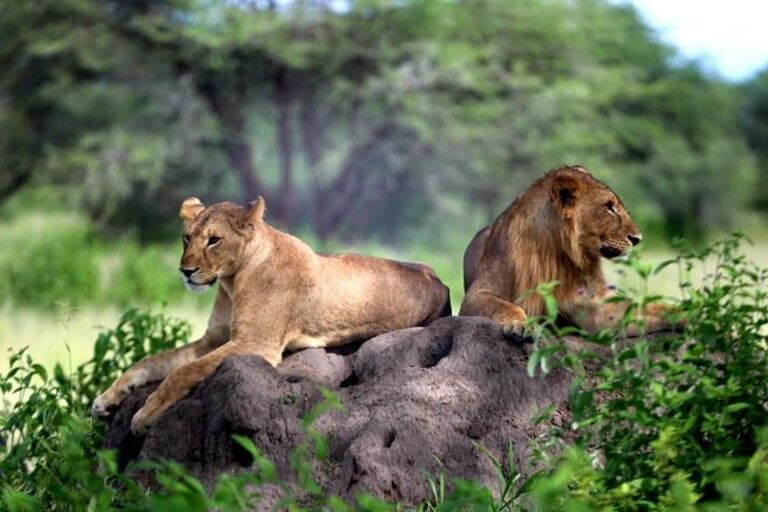
3 Day Joining Safari Group Departures From Moshi: 2026
Discover convenient 3-day group safari departures from Moshi, perfect for maximizing your Tanzania adventure. Explore wildlife-rich parks like Tarangire, Manyara, or the Serengeti on shared...
View package details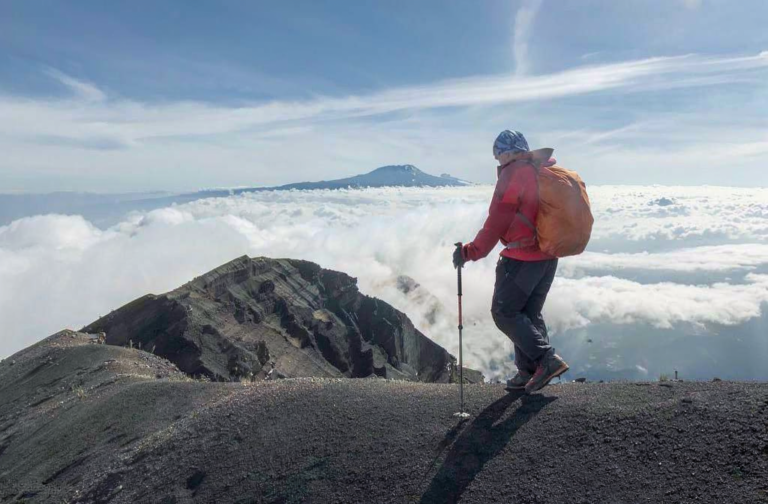
Trek Mont Meru 4 Jours: Your Complete Guide 2026-2027
start a 4-day trek up Mount Meru, a challenging yet rewarding climb near Kilimanjaro. This guide covers routes, preparation, gear, and essential tips for your 2026-2027 expedition.
View package detailsTrekking Monte Meru Desde Arusha: Your Ultimate Guide For 2026-2027
Your comprehensive guide to trekking Mount Meru from Arusha, covering everything from route options and difficulty to essential preparation and booking advice for climbs in 2026-2027.
View package details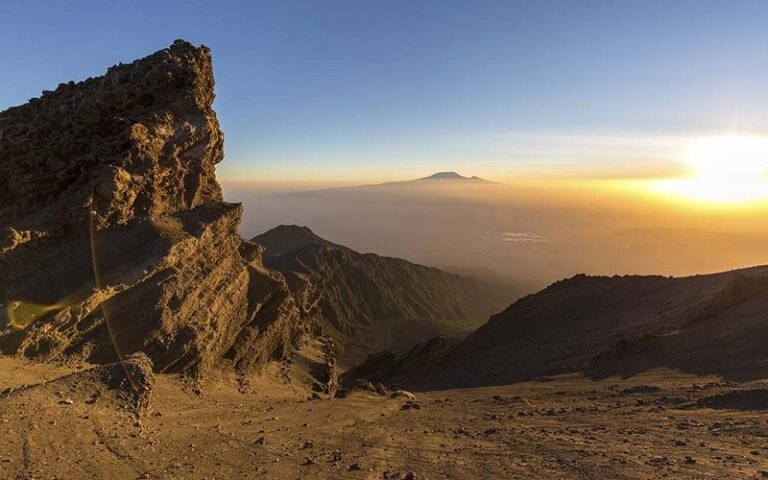
Ruta Momella Monte Meru: Your Complete Guide 2026-2027
Your comprehensive guide to the Momella Route on Mount Meru, covering everything from preparation and typical itineraries to what makes this climb a unique Tanzanian adventure, ideal for...
View package detailsMonte Meru Y Kilimanjaro: Trekking En Tanzania 2026-2027
Discover the ultimate trekking experience in Tanzania by combining Mount Meru and Mount Kilimanjaro. This comprehensive guide covers everything from route selection and preparation to...
View package detailsMonte Meru Tanzania Trekking From Arusha: Your Essential Guide 2026-2027
start a trek up Mount Meru from Arusha, Tanzania's stunning dormant volcano. This guide covers everything from routes and difficulty to preparation and best times to go for your 2026-2027...
View package detailsWhat Nobody Tells You About Traveling To Tanzania Guide
Planning a trip to Tanzania for 2026 or 2027? This comprehensive guide reveals the unspoken truths about traveling to Tanzania, covering everything from safari nuances and Kilimanjaro...
View package details10 Things To Know Before Visiting Tanzania For An Unforgettable Adventure
Before you pack your bags for Tanzania, arm yourself with these 10 crucial pieces of knowledge. From understanding visa requirements and health precautions to mastering safari etiquette and...
View package detailsNo related package matches those filters. Clear one or more filters to see the other topic-matched options.



