For a three-night safari followed by seven nights in Zanzibar, the most practical and rewarding safari choices focus on Tanzania’s Northern Circuit, typically involving the Serengeti National Park, Ngorongoro Conservation Area, and possibly Tarangire or Lake Manyara National Parks. These locations offer exceptional wildlife viewing within relatively close proximity to Zanzibar’s departure points, maximizing your time in each destination. The best safari to choose will depend on your specific wildlife interests, budget, and preferred travel pace, with options ranging from classic game drives to more specialized experiences, all feasible for a 2026 or 2027 booking.
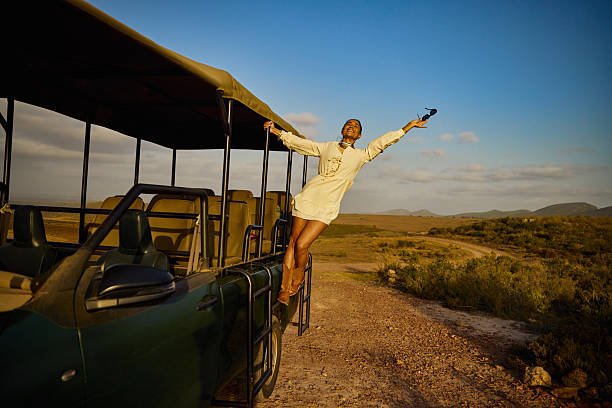

Understanding Your Three Nights Safari & Seven Nights Zanzibar Combination
The allure of combining a Tanzanian safari with a Zanzibar beach holiday is undeniable. It offers the perfect blend of thrilling wildlife encounters and serene tropical relaxation. When planning this specific itinerary – three nights on safari followed by seven nights in Zanzibar – the key considerations revolve around maximizing your safari experience within a limited timeframe while ensuring smooth transitions to the island. This means selecting a safari circuit that provides diverse wildlife viewing, manageable travel times, and convenient flight connections to Zanzibar. For many travelers in 2026 and 2027, the Northern Circuit of Tanzania stands out as the premier choice for such a trip.
The Northern Circuit is renowned for its iconic national parks, including the Serengeti, Ngorongoro Crater, Tarangire, and Lake Manyara. These parks are relatively accessible from major airports like Kilimanjaro International Airport (JRO), which also serves as a gateway for flights to Zanzibar. A three-night safari here allows you to experience the highlights of this world-class wildlife destination without feeling rushed, before heading to the turquoise waters and white-sand beaches of Zanzibar for a full week of relaxation and exploration.
Choosing the right safari for this short duration is crucial. It’s not just about ticking off parks; it’s about crafting an experience that complements your longer stay on the island. We’ll explore the specific parks and itinerary structures that best suit a 3-night safari commitment, helping you make an informed decision for your 2026-2027 adventure.
Why the Northern Circuit is Ideal for a Short Safari
The Northern Circuit of Tanzania is not just popular; it’s a strategic choice for travelers combining a short safari with a longer Zanzibar stay. Several factors make it the most sensible and rewarding option for a 3-night safari, especially when planning for 2026 or 2027:
- Concentration of Wildlife: The parks within the Northern Circuit are world-renowned for their high densities of wildlife, offering excellent viewing opportunities even in a short period. The Serengeti’s vast plains, the Ngorongoro Crater’s unique ecosystem, and Tarangire’s elephant herds provide diverse habitats and a wide array of species.
- Accessibility and Logistics: This circuit is well-established, with good road networks connecting the parks and efficient internal flight options. The primary gateway airport, Kilimanjaro International Airport (JRO), is a hub for flights to Zanzibar, making transfers between the safari and the island relatively smooth. This is critical when you have limited safari time.
- Variety of Landscapes and Experiences: From the endless savannas of the Serengeti to the unique caldera of Ngorongoro and the baobab-dotted plains of Tarangire, the Northern Circuit offers a variety of scenery. This visual diversity enhances the safari experience, making each day distinct and memorable.
- Year-Round Game Viewing: While the Great Migration in the Serengeti has its peak seasons, the Northern Circuit offers exceptional game viewing throughout the year. This means that regardless of when you plan your 2026 or 2027 trip, you’re likely to encounter abundant wildlife.
- Infrastructure: The circuit boasts a range of accommodations, from luxury lodges to more budget-friendly tented camps, catering to different preferences and budgets. This well-developed infrastructure ensures comfort and facilitates efficient operations for shorter safaris.
For a 3-night safari, focusing on one or two key parks within the Northern Circuit is usually more effective than trying to cover too much ground. This allows for deeper immersion in the chosen areas rather than spending excessive time on travel between locations. The goal is to experience the essence of a Tanzanian safari and then transition smoothly to Zanzibar.
Serengeti National Park: The Cornerstone of Your Short Safari
The Serengeti is arguably the most famous wildlife sanctuary in the world, and for good reason. Its name, derived from the Maasai word ‘Siringet,’ meaning ‘endless plains,’ perfectly captures its vastness and the sheer scale of its wildlife populations. For a 3-night safari, the Serengeti can be the sole focus or a key component of a multi-park itinerary. Planning for 2026 or 2027 means considering the migratory patterns, though even outside of migration season, the Serengeti teems with resident wildlife.
What Makes Serengeti Essential?
- The Great Migration: Witnessing the Great Migration – the annual movement of over 1.5 million wildebeest, zebras, and gazelles – is a bucket-list experience. While a 3-night safari might not allow you to follow the entire migration, you can position yourself in areas where significant numbers are present during your visit. The timing of your 2026 or 2027 trip will dictate which part of the migration cycle you might encounter.
- Big Cats: The Serengeti is renowned for its high concentration of big cats, including lions, leopards, and cheetahs. The open plains and acacia woodlands provide ideal hunting grounds, and sightings are frequent, especially in areas like the central Seronera Valley.
- Diverse Habitats: The park encompasses a variety of landscapes, from endless grasslands to kopjes (rocky outcrops), acacia woodlands, and riverine forests. Each habitat supports different wildlife species, ensuring a rich and varied game viewing experience.
- Endless Plains: The sheer scale of the Serengeti allows for incredible photographic opportunities and a sense of profound wilderness. Even with limited time, the vastness contributes to the feeling of being truly immersed in nature.
Serengeti in a 3-Night Safari: Strategic Choices
Given only three nights, it’s often best to focus on a specific region of the Serengeti rather than attempting to cover the entire park. This minimizes driving time and maximizes actual game viewing. Popular choices include:
- Central Serengeti (Seronera Valley): This area is accessible year-round and boasts excellent resident wildlife populations, particularly big cats. It’s a fantastic option for short safaris as it offers consistent game viewing.
- Western Corridor: Known for the Grumeti River, this region is a crucial part of the migration route, especially for river crossings (typically May-July). If your 2026 or 2027 trip falls within this period, it can be spectacular, though it requires more travel time.
- Northern Serengeti: This region is famous for river crossings of the Mara River (typically July-October). It’s a more remote and logistically complex area, potentially requiring light aircraft transfers, which might be less ideal for a very short, budget-conscious 3-night safari but offers unparalleled migration drama.
For a 3-night safari, focusing on the Central Serengeti is often the most practical and rewarding approach. It offers a high probability of seeing a wide range of animals, including the big cats, and is easily combined with other parks like Ngorongoro or Tarangire.
Ngorongoro Conservation Area: A Wildlife Spectacle in a Caldera
The Ngorongoro Conservation Area (NCA) is a UNESCO World Heritage Site and a jewel in Tanzania’s crown. Its centerpiece, the Ngorongoro Crater, is a vast volcanic caldera that shelters an astonishing density and diversity of wildlife. It’s an exceptional destination for a short safari due to its compact size and incredible concentration of animals.
Why Ngorongoro is a Must-Consider
- The Crater Floor: Descending into the crater is like entering a self-contained wildlife paradise. The floor covers approximately 260 square kilometers, and within this relatively small area, you can find lions, elephants, buffaloes, rhinos (including the endangered black rhino), hippos, zebras, wildebeest, hyenas, and a multitude of bird species.
- Black Rhino Haven: The crater is one of the best places in Africa to see the rare black rhinoceros. Their presence adds a unique thrill to any safari.
- Short Safari Potential: Due to the high concentration of animals and the manageable size of the crater floor, a single full day of game driving within the crater can be incredibly rewarding. This makes it perfect for a 3-night safari, often combined with other areas.
- Unique Landscape: The sheer scale and beauty of the caldera itself, with its varied ecosystems including grasslands, swamps, and a salt lake, make it a visually stunning location.
Ngorongoro in a 3-Night Safari Context
A 3-night safari that includes Ngorongoro typically involves spending one full day on the crater floor. The other two nights might be spent in the Serengeti or a nearby area like Tarangire. Travelers often stay at lodges or camps on the crater rim, offering spectacular views, or in the nearby Karatu region.
Important Note: Access to the crater floor is strictly regulated. Only a limited number of vehicles are allowed per day, and there are time limits for descending into the crater. This helps preserve the environment but means that game drives are usually scheduled for specific times. For 2026 and 2027 bookings, it’s essential to be aware of these regulations and book accommodations and permits in advance, especially during peak seasons.
Combining a day in Ngorongoro with two nights in the Serengeti offers a fantastic overview of Tanzania’s wildlife diversity and iconic landscapes within your limited safari time.
Tarangire and Lake Manyara: Complementary Park Choices
While the Serengeti and Ngorongoro are often the stars of the Northern Circuit, Tarangire and Lake Manyara National Parks offer unique attractions and can serve as excellent additions or alternatives for a 3-night safari, especially when time is a constraint.
Tarangire National Park: The Land of Giants
- Elephant Herds: Tarangire is famous for its massive elephant populations, particularly during the dry season (June to October). You can often see large herds, sometimes numbering in the hundreds, congregating around the Tarangire River.
- Baobab Trees: The park is dotted with ancient, majestic baobab trees, which create a dramatic and iconic landscape.
- Diverse Wildlife: Besides elephants, Tarangire is home to lions, leopards, cheetahs, giraffes, zebras, wildebeest, and a remarkable variety of birdlife, including some rare species.
- Dry Season Appeal: Tarangire truly comes alive during the dry season when animals are drawn to the permanent waters of the Tarangire River. This makes it a superb choice for safaris during the latter half of 2026 and 2027.
A 3-night safari could be entirely based in Tarangire, offering a focused experience on its unique ecosystem and large mammal concentrations. Alternatively, it can be a starting point before heading to Ngorongoro or Serengeti.
Lake Manyara National Park: The Chameleon Park
- Tree-Climbing Lions: Lake Manyara is one of the few places where lions are known to climb trees. While not guaranteed, spotting these arboreal predators is a thrilling experience.
- Flock of Flamingos: The alkaline lake is often fringed with thousands of flamingos, creating a stunning pink spectacle, especially during certain times of the year.
- Biodiversity: Despite its small size, the park boasts incredible biodiversity, including large troops of baboons, diverse birdlife, and a mix of animals like elephants, giraffes, zebras, and hippos.
- Accessibility: Its proximity to Arusha and the main road makes it easily accessible, often visited as a day trip or as a stopover on the way to other parks.
For a 3-night safari, Lake Manyara is usually best included as part of a multi-park itinerary, perhaps on the first or last day due to its accessibility. It’s less likely to be the sole focus of a 3-night trip compared to the Serengeti or Tarangire.
Sample 3-Night Safari Itineraries
To help you visualize how a 3-night safari can be structured before your 7-night Zanzibar holiday, here are a few popular itinerary options for 2026-2027. These are designed for efficiency and maximum wildlife impact.
Itinerary Option 1: Serengeti & Ngorongoro Classic (Focus on Iconic Wildlife)
- Day 1: Arrival in Arusha/Kilimanjaro, transfer to Tarangire National Park. Afternoon game drive in Tarangire, known for its elephants and baobabs. Overnight at a lodge/camp in Tarangire.
- Day 2: Morning game drive in Tarangire, then drive to the Ngorongoro Conservation Area. Arrive at your lodge on the crater rim or in Karatu. Enjoy stunning views.
- Day 3: Full day Ngorongoro Crater exploration. Descend into the crater for unparalleled game viewing. Look for the Big Five. Drive back to Arusha in the late afternoon for an overnight stay or prepare for your flight to Zanzibar the next morning.
This itinerary offers a taste of three diverse ecosystems and is excellent for seeing a wide range of animals, including the Big Five.
Itinerary Option 2: Serengeti Focus (Maximize Big Cat & Migration Viewing)
- Day 1: Fly from Arusha to a Serengeti airstrip (e.g., Seronera). Meet your guide and begin game drives en route to your lodge/camp in the Central Serengeti. Afternoon game drive.
- Day 2: Full day exploring the Central Serengeti. Focus on the Seronera Valley, known for its big cat populations and resident wildlife.
- Day 3: Morning game drive in the Serengeti. After breakfast, transfer to the airstrip for your flight back to Arusha or Kilimanjaro International Airport (JRO) for your onward journey to Zanzibar.
This itinerary prioritizes in-depth exploration of the Serengeti, ideal if big cats and the vast plains are your primary interest. It minimizes road travel by utilizing internal flights.
Itinerary Option 3: Tarangire & Ngorongoro (Balanced Experience)
- Day 1: Arrive in Arusha/Kilimanjaro, drive to Tarangire National Park. Afternoon game drive. Overnight in Tarangire.
- Day 2: Morning game drive in Tarangire. Drive towards the Ngorongoro Conservation Area, possibly stopping at Lake Manyara for a brief game drive if time permits. Overnight in Karatu or on the crater rim.
- Day 3: Full day Ngorongoro Crater tour. Descend into the crater for game viewing. Return to Arusha in the late afternoon.
This option provides a good balance between the unique environment of Tarangire and the dense wildlife of Ngorongoro, with the possibility of a quick stop at Lake Manyara.
Remember that these are sample itineraries. For 2026-2027, we can tailor them precisely to your interests, such as focusing on birdwatching, photography, or specific wildlife species. The choice of which park(s) to visit for your 3-night safari will significantly influence the overall experience and the type of memories you create.
Safari Accommodation Styles
Your choice of accommodation profoundly impacts your safari experience, especially on a short 3-night trip. It’s about finding the right balance between comfort, immersion, and budget. For a 3-night safari before heading to Zanzibar in 2026 or 2027, you’ll find options ranging from rustic to luxurious.
- Tented Camps (Mid-Range to Luxury): These offer a more authentic safari feel. They are permanent structures with canvas walls, comfortable beds, en-suite bathrooms (often with flush toilets and hot showers), and dining areas. They provide a closer connection to the sounds and atmosphere of the bush. Many luxury tented camps in the Serengeti offer exceptional service and locations.
- Lodges (Mid-Range to Luxury): Lodges are typically more permanent structures, often built with stone or wood, offering amenities similar to hotels. They can range from charming, smaller properties to larger, more resort-like establishments. Lodges on the Ngorongoro Crater rim, for instance, offer unparalleled views.
- Budget Camps/Guesthouses: For travelers on a tighter budget in 2026-2027, there are more basic options. These might include public campsites within national parks (requiring you to bring your own camping gear or rent it), or simpler guesthouses outside the park boundaries. These options are more basic in terms of comfort and amenities but significantly reduce costs.
- Mobile Tented Camps (Seasonal): In the Serengeti, especially for migration viewing, there are seasonal mobile camps that follow the herds. These offer a prime location but are often booked far in advance and can be more expensive.
Considerations for a 3-Night Safari:
- Location is Key: For a short safari, choosing accommodation strategically located for game viewing is paramount. A lodge or camp deep within a park might mean more time spent on game drives rather than traveling to and from the park gate.
- Comfort vs. Immersion: Decide whether you prioritize creature comforts or a more rustic, in-depth experience. Both are available, but they come at different price points and offer different atmospheres.
- All-Inclusive vs. Not: Many safari lodges and camps offer all-inclusive packages (meals, drinks, game drives). For a short trip, this can simplify budgeting and planning.
When planning your 2026 or 2027 safari, discuss your accommodation preferences and budget with your tour operator. They can recommend options that best suit your needs and maximize your limited safari time.
Logistics of Traveling to Zanzibar
The transition from your 3-night safari to your 7-night Zanzibar holiday is a critical part of the planning. Smooth logistics ensure you maximize your time enjoying both experiences.
Getting from Safari to Zanzibar
The most common and efficient way to travel from your safari destination to Zanzibar is by flying. After your final game drive, you’ll typically be transferred to a local airstrip (e.g., Seronera in the Serengeti, Manyara Airstrip, or Arusha Airport). From there, you’ll take a domestic flight to Zanzibar’s Abeid Amani Karume International Airport (ZNZ).
- Flight Duration: Flights from the Serengeti to Zanzibar typically take around 1.5 to 2 hours, often with a brief stop in Arusha or Kilimanjaro. Flights from Arusha/Kilimanjaro directly to Zanzibar are shorter, around 1 hour.
- Booking Flights: Your tour operator will usually arrange these internal flights as part of your safari package. It’s crucial to confirm the exact flight times and baggage allowances, as light aircraft have stricter limits than international carriers.
- Timing: For a 3-night safari, your final day will involve a morning game drive, followed by a transfer to the airstrip. The flight to Zanzibar will usually arrive in the afternoon, giving you ample time to check into your Zanzibar hotel and start your relaxation.
Transfer from Zanzibar Airport to Your Hotel
Upon arrival at Zanzibar Airport (ZNZ), you will be met by a representative who will transfer you to your chosen hotel or resort. Zanzibar has a wide range of accommodations, from Stone Town boutique hotels to beachfront resorts in Nungwi, Kendwa, Paje, or Matemwe.
- Transfer Time: Depending on the location of your hotel, transfers can range from 15 minutes (for Stone Town) to over an hour (for resorts in the north or east coast).
- Arranged Transfers: It is highly recommended to pre-book your airport transfers in Zanzibar. This ensures a hassle-free arrival and avoids any potential for overcharging or confusion with local taxi services, especially after a long journey from your safari.
Important Consideration for 2026-2027: Flight schedules and availability can change. Confirming your flight details well in advance with your tour operator is essential. Ensure there is sufficient time between your safari flight landing and your international flight departure if you are connecting on the same day (though this is generally not recommended for short safaris).
The smooth transition is key to enjoying both parts of your trip. A well-planned safari ending with a direct flight to Zanzibar allows you to unwind and make the most of your seven nights on the island.
Planning Your 2026-2027 Trip
As you look towards planning your combined safari and Zanzibar holiday for 2026 or 2027, several planning aspects deserve attention to ensure a smooth and unforgettable experience.
Best Time to Travel
Tanzania offers excellent safari and beach experiences year-round, but some periods are more popular and potentially more expensive. For a 3-night safari and 7-night Zanzibar holiday:
- Dry Season (June – October): This is considered the peak season for safaris, with clear skies and abundant wildlife congregating around water sources. It’s also a popular time for Zanzibar, offering sunny beach weather. Expect higher prices and more crowds.
- Green Season (November – May): This period is characterized by lush landscapes and fewer tourists, making it ideal for budget-conscious travelers in 2026-2027. The “short rains” (November-December) can bring brief showers, while the “long rains” (March-May) can impact road conditions and game viewing in certain areas, though wildlife is still plentiful. Zanzibar can experience rain during these months, but it often comes in short, heavy bursts, leaving plenty of sunshine.
- Great Migration: If witnessing the Great Migration is a priority for your 3-night safari, research its location for your chosen travel dates in 2026 or 2027. For example, the Grumeti River crossings are typically May-July, and the Mara River crossings are July-October.
Budget Considerations for 2026-2027
A 3-night safari followed by 7 nights in Zanzibar will involve costs for both components. Generally, safari costs are higher per day than beach accommodation.
- Safari Costs: These typically include park fees, vehicle and guide hire, accommodation, meals, and internal transfers/flights. Luxury lodges and private tours will be at the higher end, while mid-range tented camps and shared departures offer more value.
- Zanzibar Costs: These vary significantly based on the type of accommodation (from budget guesthouses to luxury resorts), activities (diving, spice tours, historical tours), and dining preferences.
- Internal Flights: The flights between the safari airstrip and Zanzibar are a significant cost factor.
- Peak vs. Low Season: Traveling during the dry (peak) season will be more expensive for both safari and Zanzibar than traveling during the green (low) season. Planning for 2026-2027, consider shoulder seasons (e.g., late October/November or late May/early June) for a good balance of weather and price.
Rough Budget Guide (per person, excluding international flights):
- Budget: $250 – $350 per day (basic accommodation, shared safari vehicle, simpler Zanzibar hotels).
- Mid-Range: $400 – $600 per day (comfortable lodges/camps, private safari vehicle option, well-rated Zanzibar resorts).
- Luxury: $700+ per day (high-end lodges/camps, exclusive services, premium Zanzibar accommodations).
These are estimates and can fluctuate based on specific choices, group size, and the exact timing of your 2026-2027 trip.
Visa and Health Requirements
- Visa: Most nationalities require a visa for Tanzania. This can often be obtained online in advance (e-Visa) or upon arrival at the airport. Check the latest requirements for your nationality.
- Vaccinations: Consult your doctor or a travel clinic about recommended vaccinations and malaria precautions. Yellow fever vaccination may be required if arriving from or transiting through a country with a risk of yellow fever.
- Travel Insurance: Comprehensive travel insurance covering medical emergencies, trip cancellation, and lost luggage is essential for both safari and Zanzibar.
Thorough planning ensures that your 3-night safari and 7-night Zanzibar holiday in 2026 or 2027 are not only exciting but also smooth and worry-free.
Booking Your Safari and Zanzibar Holiday
Selecting the right safari for your 3-night adventure and coordinating it with your 7-night Zanzibar stay is a crucial step. As a Tanzania-based tour operator with deep local knowledge, Climb 4 Africa specializes in crafting these kinds of integrated experiences for 2026 and 2027.
When you’re ready to move from planning to booking, consider these points:
- Work with a Specialist: A local operator like Climb 4 Africa understands the nuances of Tanzania’s parks, accommodation options, and the logistics of combining safari with Zanzibar. We can offer insights into the best parks for a short safari, recommend lodges that fit your budget and style, and ensure smooth transfers.
- Customization is Key: While sample itineraries are helpful, your ideal 3-night safari might differ. Perhaps you’re passionate about birdwatching, photography, or have specific animals you dream of seeing. We can tailor your safari to these interests. Similarly, we can advise on the best areas of Zanzibar for your 7-night stay based on whether you prefer lively beaches, quiet retreats, or opportunities for water sports.
- Booking Window for 2026-2027: For peak season travel (June-October) in 2026 and 2027, it’s advisable to book your safari and Zanzibar accommodation at least 6-9 months in advance. For the green season, a lead time of 3-6 months might suffice, but popular lodges and internal flights can still fill up.
- What to Confirm Before Booking:
- Inclusions and Exclusions: Understand exactly what is covered in your safari package (park fees, meals, guide, vehicle, accommodation, internal flights) and what is not (tips, personal expenses, alcoholic drinks).
- Accommodation Details: Ensure you know the specific lodges or camps you’ll be staying in and what amenities they offer.
- Itinerary Flow: Confirm the daily schedule, including travel times between locations and the duration of game drives.
- Payment Schedule: Typically, a deposit is required to confirm bookings, with the balance due a few weeks before departure.
Ready to plan your 3-night safari and 7-night Zanzibar escape for 2026 or 2027?
Contacting Climb 4 Africa is the best next step. We can discuss your preferences, provide detailed itineraries, and offer transparent pricing based on your chosen safari style and accommodation level. Whether you’re envisioning thrilling encounters with the Big Five or serene sunsets over the Indian Ocean, we are here to help you craft the perfect Tanzanian adventure.
Reach out to us via WhatsApp at +255 747 477 898 or email us at climb4africa@gmail.com. Let’s design your dream trip, ensuring a smooth blend of adventure and relaxation.
“,
“faq_schema”: [
{
“question”: “What is the best safari to choose for a 3-night trip before 7 nights in Zanzibar?”,
“answer”: “The Northern Circuit of Tanzania is ideal. Focus on parks like the Serengeti National Park and the Ngorongoro Conservation Area for the best wildlife viewing within a short timeframe. Tarangire National Park is also an excellent option, particularly for elephant sightings.”
},
{
“question”: “How much does a 3-night safari and 7-night Zanzibar holiday cost for 2026-2027?”,
“answer”: “Costs vary greatly. A 3-night safari can range from $750-$1500+ per person, depending on accommodation and private vs. shared options. Zanzibar accommodation can range from $100-$500+ per night. Internal flights add to the cost. Expect a mid-range combined trip to be around $400-$600 per person per day, excluding international flights.”
},
{
“question”: “Is it better to fly or drive between safari parks and to Zanzibar?”,
“answer”: “For a short 3-night safari, flying is highly recommended between the Serengeti and Zanzibar to maximize game viewing time. Driving is feasible between parks on the Northern Circuit (e.g., Tarangire to Ngorongoro), but flying saves considerable travel time, which is crucial for short safaris.”
},
{
“question”: “What is the best time of year for a 3-night safari and Zanzibar trip in 2026 or 2027?”,
“answer”: “The dry season (June to October) offers the best safari conditions and reliable beach weather in Zanzibar. However, the green season (November to May) is less crowded and more budget-friendly, with wildlife still abundant. The Great Migration’s location varies seasonally, so research this if it’s a priority for your 3-night safari.”
},
{
“question”: “What are the most important things to book in advance for a 2026-2027 trip?”,
“answer”: “Book safari lodges/camps and internal flights (especially to Zanzibar) well in advance, particularly for peak season. For Zanzibar, popular beachfront resorts also fill up quickly. Confirming your safari vehicle and guide is also essential.”
}
]
}
“`
Check Availability for We Want Three Nights Safari And Seven Zanzibar, Which Should We Choose?
Ready to compare dates, prices, and the best option for your group? Send the package name and travel month so the team can reply with a clear quote, availability, and what is included.
Can I Book A One Day Safari From Zanzibar In Dec ?
Can I Book a One Day Safari from Zanzibar in Dec 2026?
View package details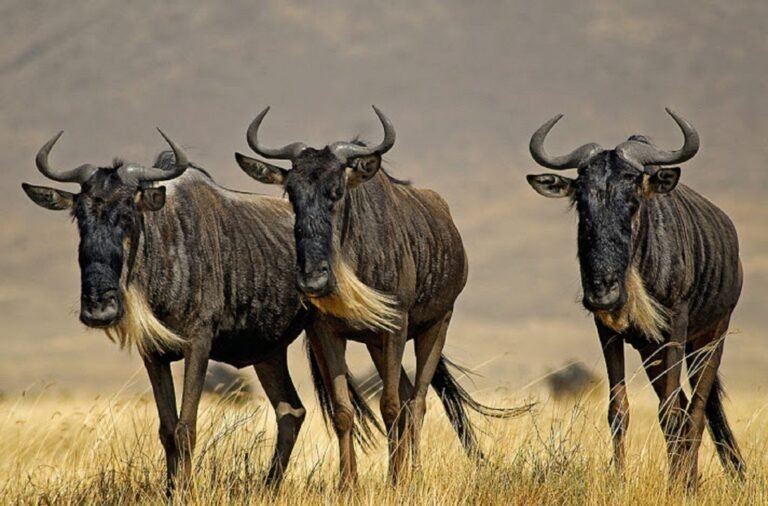
Nov 23, – 3 Day Serengeti And Ngorongoro Safari From Zanzibar
Nov 23, 2026 – 3 Day Serengeti and Ngorongoro Safari from Zanzibar.
View package details_1_John_from-rednote-web-768x1024.jpg)
Dec 13, – 2 Day Nyerere Fly-In Group Safari From Zanzibar 2026
A detailed guide to the December 13, 2026 group fly-in safari from Zanzibar to Nyerere National Park, covering the itinerary, logistics, and planning for your trip.
View package details
Dec 5, – 1 Day Mikumi Fly-In Group Safari From Zanzibar 2026
A practical guide to the December 5, 2026, group fly-in safari to Mikumi National Park. Learn about the itinerary, group logistics, and how to book your seat.
View package details
Nov 15, – 2 Day Mikumi Fly-In Group Safari From Zanzibar 2026
A practical guide and booking overview for the November 15, 2026, group fly-in safari to Mikumi National Park, departing from Zanzibar.
View package details
Oct 25, – 1 Day Nyerere Fly-In Group Safari From Zanzibar 2026
Secure your spot for the October 25, 2026, group fly-in safari to Nyerere National Park. A professional, time-efficient wildlife experience from Zanzibar.
View package details
Nov 28, – 3 Day Fly-In Serengeti Group Safari From Zanzibar 2026
A detailed look at the 3-day fly-in Serengeti group safari departing November 28, 2026, including logistics, itinerary highlights, and travel tips for your Tanzania adventure.
View package details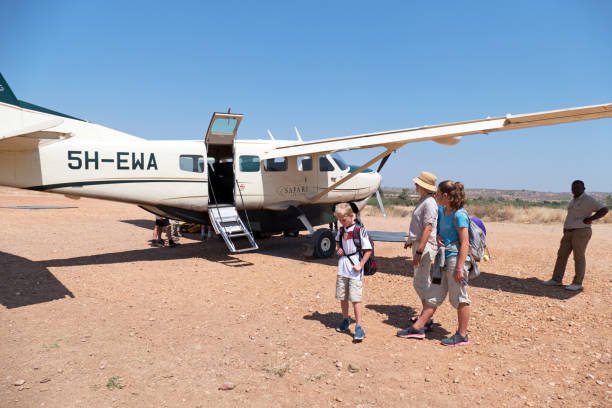
2-Day Serengeti Safari From Zanzibar By Flight: Price & Booking Guide
A practical guide to booking a 2-day Serengeti safari from Zanzibar by flight, covering itinerary logistics, cost considerations, and how to maximize your short time in the bush.
View package details
Luxury Fly-In Safari From Zanzibar: Private Packages For 2026-2027
Experience the ultimate Tanzanian getaway with a luxury fly-in safari from Zanzibar. Discover private, all-inclusive packages tailored for smooth wildlife encounters.
View package detailsBudget Fly-In Safari From Zanzibar: Best Packages & Prices 2026-2027
Discover how to plan a budget-friendly fly-in safari from Zanzibar to Tanzania's top parks without sacrificing the quality of your wildlife experience.
View package detailsZanzibar To Ruaha National Park Fly-In Safari: Prices & Booking Guide
A practical guide to planning a fly-in safari from Zanzibar to Ruaha National Park, covering flight logistics, itinerary choices, and how to book with Climb 4 Africa.
View package details2-Day Nyerere Safari From Zanzibar: Flight-Inclusive Package Prices 2026-2027
An expert guide to planning a 2-day Nyerere safari from Zanzibar, covering flight-inclusive package structures, cost drivers, and the practical rhythm of a short-stay wildlife adventure.
View package detailsNo related package matches those filters. Clear one or more filters to see the other topic-matched options.