Yes, arranging a fly-in safari from Paje, Zanzibar to mainland Tanzania is entirely feasible and a well-established travel option. This method typically involves a short domestic flight from Zanzibar’s airport (ZNZ) to one of the airstrips serving major national parks like the Serengeti or Tarangire, allowing you to bypass the longer ferry and road transfers. For 2026-2027, planning this type of safari from Paje requires coordinating flights, park fees, accommodation, and ground transportation on the mainland, usually through a specialized tour operator who can manage all the intricate logistics.

Understanding the Fly-In Safari Concept from Paje
For many travelers enjoying the idyllic beaches of Paje, Zanzibar, the call of the African savanna and its incredible wildlife is a compelling addition to their island escape. The concept of a “fly-in safari” specifically from Zanzibar addresses the desire to combine these two distinct experiences efficiently. Instead of a lengthy overland journey from Dar es Salaam, which would require a ferry crossing from Zanzibar, a fly-in safari uses a domestic flight from Zanzibar International Airport (ZNZ) directly to an airstrip within or near a national park on the mainland. This dramatically cuts down travel time, maximizing your precious safari days. For 2026-2027 travel, this remains the most sought-after method for combining island relaxation with a comprehensive wildlife experience.
The primary advantage is time-saving. A typical overland journey from Zanzibar to, say, the Serengeti, can easily take 10-12 hours or more, involving a ferry to the mainland, then a long drive. A flight from Zanzibar to the Serengeti can reduce this to just a few hours, including the flight time and a short transfer to your lodge or camp. This makes it practical to fit a 2-3 day safari into a longer Zanzibar holiday, which is a common request for visitors in 2026 and 2027.
Why Choose a Fly-In Safari from Paje?
Several factors make a fly-in safari from Paje an attractive proposition:
- Time Efficiency: As mentioned, this is the biggest draw. It transforms a potentially exhausting multi-day journey into a short, scenic flight, allowing more time for game drives and wildlife viewing.
- Convenience: Coordinating flights, park permits, and transfers from a single point on Zanzibar simplifies the planning process, especially when managed by an experienced local operator.
- Access to Remote Areas: Many remote camps and lodges, particularly in the Serengeti, have their own airstrips. Flying directly to these locations offers unparalleled access and a more exclusive feel, often bypassing the main park entrances.
- Comfort: Short flights are generally more comfortable than long road journeys, especially on potentially rough Tanzanian roads.
- smooth Transition: It allows for a smooth transition from beach life to the wild, maintaining a sense of relaxation rather than enduring arduous travel.
When planning for 2026-2027, it’s important to understand that while convenient, fly-in safaris typically come at a higher cost due to the air travel component compared to overland safaris. However, for many, the trade-off in time and comfort is well worth the investment.
Key Destinations Accessible by Fly-In Safari from Zanzibar
While Tanzania boasts numerous incredible parks, a select few are most commonly and practically accessed via fly-in safaris from Zanzibar due to flight schedules and airstrip availability. These are the parks that offer the quintessential Tanzanian safari experience and are logistically best suited for this type of travel.
The Serengeti National Park
The Serengeti is the undisputed jewel in Tanzania’s crown and a prime destination for fly-in safaris. Famous for the Great Migration, its vast plains host an astonishing density of wildlife year-round. Flying into the Serengeti from Zanzibar means you can land at various airstrips scattered across the park, depending on the season and the location of the migration.
- Central Serengeti (Seronera): This area is accessible year-round and offers excellent game viewing due to a permanent concentration of predators and prey. Seronera Airstrip is a major hub.
- Western Serengeti: Known for the Grumeti River, which is a formidable barrier for the migrating wildebeest. This region is best visited during May to July.
- Northern Serengeti (Kogatende/Lamai): This is the prime location for witnessing the dramatic river crossings of the Great Migration, typically from July to October. Airstrips here offer access to exclusive camps.
- Southern Serengeti: Particularly important from December to March, when the wildebeest calving season takes place on the short-grass plains.
Booking Considerations for 2026-2027: Due to the Serengeti’s popularity, especially during migration season, booking flights and accommodations well in advance for 2026-2027 is crucial. Internal flights within the Serengeti might also be necessary if you plan to cover different regions within a short trip.
Tarangire National Park
Often called the “land of the giants,” Tarangire is renowned for its huge elephant herds and iconic baobab trees. It’s particularly spectacular during the dry season (June to October) when large numbers of animals congregate around the Tarangire River.
- Airstrips: Tarangire has several airstrips, with Kuro Airstrip being one of the most frequently used, providing access to lodges in the central and southern parts of the park.
- Wildlife: Besides elephants, Tarangire is excellent for spotting lions, leopards, giraffes, zebras, and a variety of antelope. Birdlife is also abundant.
Booking Considerations for 2026-2027: Tarangire is often combined with a Northern Circuit safari or can be a fantastic standalone 2-3 day safari from Zanzibar. Its proximity to Arusha makes it logistically convenient.
Lake Manyara National Park
Famous for its tree-climbing lions, diverse birdlife, and scenic alkaline lake, Lake Manyara offers a compact yet rewarding safari experience. It’s especially good for spotting primates and a variety of bird species.
- Airstrips: While there isn’t a dedicated airstrip within Lake Manyara itself, flights can land at nearby Babati or Arusha, followed by a road transfer. However, for a true fly-in experience aiming for minimal road travel, Tarangire or Serengeti are more direct.
- Wildlife: Expect to see elephants, giraffes, zebras, hippos, and if you’re lucky, the elusive tree-climbing lions.
Booking Considerations for 2026-2027: Lake Manyara is often included as part of a multi-park Northern Circuit itinerary. A flight to Arusha followed by a short drive is common.
Other Potential Destinations (Less Common for Direct Fly-Ins from Paje)
While the Serengeti and Tarangire are the most practical and popular fly-in destinations from Zanzibar, other parks might be theoretically accessible, though less common due to flight routes and schedules:
- Selous Game Reserve (Nyerere National Park): Located in southern Tanzania, this vast reserve is known for its boat safaris and walking safaris. It has airstrips, but flights from Zanzibar might be less direct or frequent compared to the northern parks.
- Ruaha National Park: Tanzania’s largest national park, offering a wild and remote safari experience. Access is usually via flights from Dar es Salaam or Arusha, making a direct flight from Zanzibar less common but potentially arrangeable with charter options.
When planning for 2026-2027, it’s essential to discuss your desired park with your tour operator to confirm the most efficient and available flight routes from Zanzibar.
The Logistics of Arranging Your Fly-In Safari from Paje
Arranging a fly-in safari from Paje involves several moving parts. Working with a reputable local tour operator is highly recommended, as they possess the expertise to navigate these complexities. Here’s a breakdown of the typical logistical steps:
1. Choosing Your Safari Operator
This is the most critical first step. A good operator will:
- Understand your interests (e.g., Great Migration, specific animals, photography).
- Advise on the best parks and timing for your 2026-2027 trip.
- Handle all flight bookings (Zanzibar to mainland, and any internal flights).
- Arrange park entry fees and permits.
- Book suitable accommodation (lodges, tented camps) based on your budget and style.
- Organize a private safari vehicle and experienced guide for your time on the mainland.
- Coordinate transfers between the airstrip and your accommodation.
- Provide 24/7 support during your trip.
Recommendation: For a Paje-based traveler looking for a fly-in safari, Climb 4 Africa, with its deep roots in Tanzania and expertise in both Kilimanjaro and safaris, is an excellent choice. They can tailor-make itineraries that seamlessly integrate your Zanzibar stay with a mainland safari. Contact them via WhatsApp +255 747 477 898 or Email climb4africa@gmail.com to discuss your 2026-2027 safari plans.
2. Flight Bookings
The core of a fly-in safari is the flight from Zanzibar (ZNZ) to the mainland. These are typically operated by small domestic airlines.
- Departure Point: Zanzibar International Airport (ZNZ).
- Arrival Points: Common destinations include Seronera (SEU) or Kogatende (KOG) in the Serengeti, Kuro (KRO) in Tarangire, or Arusha Airport (ARK) for onward road transfers to parks like Lake Manyara.
- Airlines: Reliable carriers include Coastal Aviation, Precision Air, and Auric Air, among others. Your operator will book these for you.
- Luggage Restrictions: This is crucial. Small bush planes have strict weight limits, typically 15kg (33lbs) per person in soft-sided luggage. Hard suitcases are generally not permitted. Your operator will remind you of this well in advance for your 2026-2027 trip.
- Flight Schedules: Flights are usually scheduled for morning departures from Zanzibar and afternoon returns, allowing for maximum safari time.
3. Accommodation
Your choice of accommodation will significantly impact your safari experience and budget. Options range from luxury lodges to intimate tented camps.
- Lodges: Offer more permanent structures, often with amenities like swimming pools and restaurants.
- Tented Camps: Provide a more in-depth wilderness experience, with canvas tents that are surprisingly comfortable, often featuring en-suite bathrooms. Some are permanent tented camps, while others are mobile, following the migration.
- Location: Camps and lodges are strategically located for optimal game viewing. Those near airstrips offer convenience, while those in more remote areas might provide a more exclusive experience.
For 2026-2027, consider booking popular lodges and camps, especially those within the Serengeti, at least 6-12 months in advance.
4. Park Fees and Permits
National Park entry fees are a significant part of the safari cost. These are typically paid per person, per day, directly to the Tanzania National Parks Authority (TANAPA) or the relevant conservation area authority.
- Rates: Fees vary by park but are generally in the range of $60-$70 USD per person per 24-hour period for Serengeti and Tarangire.
- Inclusions: Your tour operator will usually include these in your overall safari package price.
- Vehicle and Guide Fees: Additional daily fees apply for the safari vehicle and guide.
It’s important to confirm what is included in your safari package to avoid unexpected costs.
5. Ground Transportation and Guide
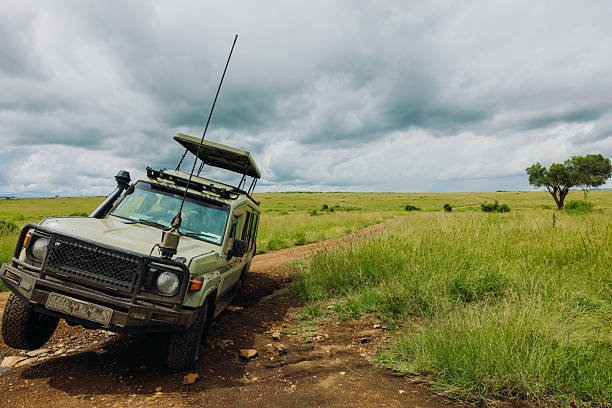
Upon arrival at the airstrip, you’ll be met by your dedicated safari guide and vehicle. This is typically a 4×4 Land Cruiser, specially adapted for safari with pop-up roofs for optimal game viewing and photography.
- Vehicle Type: Ensure you are booked in a comfortable, reliable 4×4 vehicle.
- Guide Quality: A knowledgeable and experienced guide is paramount. They can track animals, identify species, explain behaviors, and enhance your overall safari experience.
- Duration: Your vehicle and guide are usually booked for full-day game drives.
6. Itinerary Planning
A typical fly-in safari from Paje might look like this:
- Day 1: Morning flight from Zanzibar to Seronera Airstrip (Serengeti). Met by your guide, game drive en route to your lodge/camp. Afternoon game drive.
- Day 2: Full day of game drives in the Serengeti, exploring different areas.
- Day 3: Morning game drive, followed by a flight back to Zanzibar.
This can be extended to 4 or 5 days, perhaps including multiple regions of the Serengeti or combining it with another park like Tarangire. For 2026-2027, operators can customize this extensively.
Important Note on Luggage for Fly-In Safaris
Remember the strict 15kg (33lbs) weight limit per person in soft bags for internal flights. This is non-negotiable due to aircraft capacity and safety. Pack light and efficiently. Your safari operator will provide detailed packing lists, emphasizing soft-sided duffels.
Crafting Your Itinerary: Duration and Combinations
The duration of your fly-in safari from Paje will largely depend on your available time, budget, and interest in wildlife. While a short 2-night/3-day safari is common for those wanting a taste of the mainland, longer durations offer a more in-depth experience.
Short Safaris (2-3 Days)
For travelers spending a week or two in Paje and wanting to add a safari, a 2-night/3-day trip is often ideal. This typically focuses on one park, most commonly the Serengeti, due to the efficiency of flying directly into its core areas.
- Example Itinerary (Serengeti Focus):
- Day 1: Morning flight Zanzibar (ZNZ) to Seronera (SEU). Meet your guide, start game drive towards your camp/lodge. Afternoon game drive. Overnight in Central Serengeti.
- Day 2: Full day exploring the Serengeti with morning and afternoon game drives. Overnight in Central Serengeti.
- Day 3: Early morning game drive. After breakfast, transfer to Seronera Airstrip for your flight back to Zanzibar.
This format maximizes wildlife viewing time while minimizing travel. For 2026-2027, booking these short, high-demand slots requires advance planning.
Medium Safaris (4-5 Days)
Extending your safari to 4 or 5 days allows for a more relaxed pace or the inclusion of a second park. This is where you can start to explore different regions within the Serengeti or combine it with another nearby park.
- Option 1: Deeper Serengeti Exploration: Spend 2 nights in Central Serengeti and 2 nights in the Northern or Southern Serengeti, depending on the season. This requires internal flights within the Serengeti or longer drives between regions.
- Option 2: Serengeti & Tarangire Combination:
- Day 1: Fly Zanzibar to Tarangire (Kuro Airstrip). Game drive en route to lodge. Overnight Tarangire.
- Day 2: Morning game drive in Tarangire. Afternoon flight from Kuro Airstrip to Seronera (Serengeti). Overnight Serengeti.
- Day 3: Full day game drives in the Serengeti. Overnight Serengeti.
- Day 4: Morning game drive. Transfer to Seronera Airstrip for flight back to Zanzibar.
This combination offers a contrast in landscapes and wildlife viewing opportunities, from Tarangire’s elephants and baobabs to the vast plains of the Serengeti.
Longer Safaris (6+ Days)
If you have more time and wish for a comprehensive safari experience, a 6+ day itinerary allows for visits to multiple parks within the Northern Circuit, potentially including the Ngorongoro Crater (though access is usually via road from Arusha or a nearby airstrip like Lake Manyara/Manyara Airport). While not strictly a fly-in for the entire duration, you can still fly from Zanzibar to Arusha or Kilimanjaro International Airport (JRO) and then arrange ground transport.
- Example: Northern Circuit Fly-In Start:
- Day 1: Fly Zanzibar to Arusha (ARK). Transfer to lodge.
- Day 2: Drive to Tarangire National Park. Game drive. Overnight Tarangire.
- Day 3: Drive to Serengeti National Park. Game drive en route to lodge. Overnight Serengeti.
- Day 4-5: Full days exploring the Serengeti. Overnight Serengeti.
- Day 6: Morning game drive. Transfer to Seronera Airstrip for flight back to Zanzibar.
For 2026-2027, longer safaris offer the best chance to truly experience the Tanzanian wilderness. Your chosen operator can help customize these based on your interests, such as focusing on birdwatching, photography, or specific wildlife sightings.
When to Go: Seasonal Considerations for 2026-2027
The timing of your fly-in safari from Paje is crucial, especially if you want to witness specific natural events like the Great Migration. Tanzania has distinct seasons, each offering a unique safari experience.
Dry Season (June to October)
This is generally considered the peak safari season. Skies are clear, temperatures are pleasant, and wildlife congregates around permanent water sources, making them easier to spot.
- Great Migration: The herds typically move north through the Serengeti, often reaching the Mara River for dramatic crossings from July to October. This is a major draw for visitors planning for 2026-2027.
- Tarangire: At its best, with large elephant herds and other animals drawn to the Tarangire River.
- Crowds: Expect higher visitor numbers and potentially higher prices.
- Flights: Generally reliable, though weather can occasionally cause minor delays.
Green Season / Wet Season (November to May)
This period sees rainfall, but it’s often in short, intense bursts, usually in the afternoons, leaving mornings clear and ideal for game drives. The landscape becomes lush and green, and it’s a fantastic time for birdwatching and photography.
- Calving Season: The Serengeti’s southern plains are the birthing grounds for wildebeest calves from late December to March. This attracts predators, making for excellent hunting sightings.
- Fewer Crowds: Generally less crowded than the dry season, offering a more intimate experience.
- Lower Prices: Accommodation and sometimes flight prices can be lower during the shoulder months (November, parts of March/April).
- Road Conditions: Some park roads can become challenging after heavy rains, but main routes are usually well-maintained.
Shoulder Seasons (April-May and November)
These months can offer a good balance of decent weather, fewer crowds, and potentially better value. However, April and May can experience significant rainfall, especially in the Serengeti.
For 2026-2027, consider: If witnessing the river crossings is your priority, aim for July-October. If you’re interested in the calving season and fewer crowds, December-March is ideal. For a mix, the transition months can be very rewarding.
Budgeting for Your Fly-In Safari from Paje
A fly-in safari is generally more expensive than an overland one due to the cost of flights. The total price will depend on several factors:
- Duration: Longer safaris naturally cost more.
- Park Choice: The Serengeti is typically more expensive than Tarangire or Lake Manyara due to higher park fees and lodge costs.
- Accommodation Standard: Luxury lodges and exclusive tented camps are significantly more expensive than mid-range options.
- Time of Year: Peak season (dry season) prices are higher than the green season.
- Number of Travelers: A private safari for two will have a higher per-person cost than a group of four or more sharing vehicle and guide costs.
- Inclusions: Ensure you know what’s covered – park fees, meals, accommodation, guide, vehicle, internal flights, and transfers. Exclusions often include international flights, visa fees, travel insurance, tips, and personal expenses.
Estimated Cost Ranges for 2026-2027 (Per Person, Excluding International Flights)
These are rough estimates and can vary significantly:
- Budget/Mid-Range: Starting from $400 – $600 USD per person per day. This would typically include comfortable mid-range lodges or tented camps, a shared safari vehicle (if applicable for larger groups), and standard internal flights.
- Mid-Range to Luxury: Around $600 – $900 USD per person per day. This level offers higher-end lodges and camps, often with better locations and more amenities, and private vehicle use.
- High-End/Luxury: From $900 – $1500+ USD per person per day. This includes exclusive lodges, prime locations, private charter flights (potentially), and top-tier service.
Key Cost Components:
- Internal Flights: Zanzibar to Park Airstrip & Park Airstrip back to Zanzibar. Expect round trip costs of $350 – $550 USD per person, depending on the destination.
- Park Fees: Around $60 – $70 USD per person per day for Serengeti/Tarangire.
- Accommodation: Varies widely from $150 per person per night (mid-range) to $800+ per person per night (luxury).
- Vehicle & Guide: Daily rates can range from $250 – $500+ per vehicle, which is then divided among passengers.
Example 3-Day/2-Night Serengeti Fly-In Safari from Paje (Mid-Range, Per Person):
| Item | Estimated Cost (USD) |
|---|---|
| Round-trip flights (ZNZ-SEU-ZNZ) | $450 |
| 2 Nights Accommodation (Mid-range lodge/camp, full board) | $600 ($300/night) |
| 2 Days Park Fees (Serengeti @ $70/day) | $140 |
| 2 Days Vehicle & Guide Hire (Shared) | $200 ($100/day) |
| Transfers & Park Entry (for vehicle) | $50 |
| Total Estimated Per Person | $1,440 |
Note: This is a simplified estimate. Prices for 2026-2027 can fluctuate. Always request a detailed quote.
When planning for 2026-2027, it’s advisable to get detailed quotes from operators like Climb 4 Africa, specifying your desired duration, level of comfort, and preferred parks. They can provide a much more accurate breakdown.
Packing Essentials for Your Fly-In Safari
Packing for a fly-in safari requires careful consideration, especially given the luggage restrictions for internal flights. The goal is to pack light, versatile items suitable for both the beach and the savanna.
Clothing
- Lightweight Trousers/Convertible Pants: Neutral colors (khaki, beige, olive) are best for game drives.
- T-shirts and Long-Sleeved Shirts: For sun protection and cooler evenings.
- Fleece Jacket or Warm Sweater: Evenings and early mornings can be cool, especially in higher altitudes or during certain seasons.
- Light Rain Jacket: Essential, particularly during the green season.
- Comfortable Shorts/Skirts: For relaxation at the lodge or on beach days in Paje.
- Swimsuit: For pools at lodges or returning to Zanzibar.
- Underwear and Socks: Pack enough for your trip duration, considering laundry services might be limited.
Footwear
- Comfortable Walking Shoes/Hiking Boots: If you plan any walking safaris (less common on short fly-ins but possible).
- Sandals or Flip-Flops: For relaxing at the lodge or around Paje.
Health and Hygiene
- Insect Repellent: With DEET for malaria prevention.
- Sunscreen: High SPF.
- Personal First-Aid Kit: Including any personal medications, pain relievers, antiseptic wipes, and blister treatment.
- Hand Sanitizer.
- Malaria Prophylaxis: Consult your doctor well in advance of your 2026-2027 trip.
Gear and Accessories
- Camera and Extra Batteries/Memory Cards: Essential for capturing wildlife. Consider a zoom lens.
- Binoculars: A must-have for spotting distant animals.
- Sunglasses.
- Wide-Brimmed Hat: For sun protection.
- Reusable Water Bottle.
- Small Backpack/Daypack: For carrying essentials during game drives (water, camera, snacks).
- Power Bank/Portable Charger: To keep devices charged, as electricity can be intermittent in some camps.
- Adapter: Tanzania uses Type D and Type G sockets (230V).
- Headlamp or Small Flashlight: Useful for navigating camps at night.
Crucially: All clothing should be packed in soft-sided duffel bags. No hard suitcases are allowed on internal flights due to aircraft limitations.
Maximizing Your Safari Experience from Paje
To make the most of your fly-in safari, consider these tips:
- Communicate Your Interests: Let your operator know what you hope to see – specific animals, photography opportunities, or unique behaviors.
- Be Flexible: Wildlife sightings are not guaranteed. Embrace the unexpected and enjoy the journey.
- Listen to Your Guide: They are experts in animal behavior and tracking. Follow their advice for the best viewing opportunities and safety.
- Early Mornings and Late Afternoons: These are typically the most active times for wildlife.
- Respect Wildlife: Maintain a safe distance, avoid feeding animals, and keep noise levels down.
- Stay Hydrated: Drink plenty of water, especially during game drives.
- Embrace the Disconnect: While many lodges offer Wi-Fi, try to disconnect and experience the experience.
Booking Your Fly-In Safari: Next Steps
Ready to turn your Paje beach holiday into an unforgettable safari adventure? The process begins with connecting with a trusted safari expert.
For tailored arrangements and expert advice for your 2026-2027 fly-in safari from Paje, Zanzibar, contact Climb 4 Africa:
- WhatsApp: +255 747 477 898
- Email: climb4africa@gmail.com
- Website: Climb 4 Africa
When you reach out, be prepared to share your preferred travel dates for 2026 or 2027, the approximate duration you envision for your safari, your budget range, and any specific interests you have (e.g., Great Migration, photography). The more information you provide, the better they can craft a personalized itinerary that perfectly blends your Zanzibar relaxation with the thrill of a Tanzanian fly-in safari.
They will guide you through every step, from selecting the ideal parks and lodges to booking flights and ensuring all logistics are handled smoothly. This ensures your focus remains on enjoying the incredible wildlife and landscapes of Tanzania.
Check Availability for Fly-In Safari From Paje, Zanzibar: Arranging Your Tanzania Adventure…
Ready to compare dates, prices, and the best option for your group? Send the package name and travel month so the team can reply with a clear quote, availability, and what is included.
_1_John_from-rednote-web-768x1024.jpg)
Dec 13, – 2 Day Nyerere Fly-In Group Safari From Zanzibar 2026
A detailed guide to the December 13, 2026 group fly-in safari from Zanzibar to Nyerere National Park, covering the itinerary, logistics, and planning for your trip.
View package details
Dec 5, – 1 Day Mikumi Fly-In Group Safari From Zanzibar 2026
A practical guide to the December 5, 2026, group fly-in safari to Mikumi National Park. Learn about the itinerary, group logistics, and how to book your seat.
View package details
Nov 15, – 2 Day Mikumi Fly-In Group Safari From Zanzibar 2026
A practical guide and booking overview for the November 15, 2026, group fly-in safari to Mikumi National Park, departing from Zanzibar.
View package details
Oct 25, – 1 Day Nyerere Fly-In Group Safari From Zanzibar 2026
Secure your spot for the October 25, 2026, group fly-in safari to Nyerere National Park. A professional, time-efficient wildlife experience from Zanzibar.
View package details
Nov 28, – 3 Day Fly-In Serengeti Group Safari From Zanzibar 2026
A detailed look at the 3-day fly-in Serengeti group safari departing November 28, 2026, including logistics, itinerary highlights, and travel tips for your Tanzania adventure.
View package details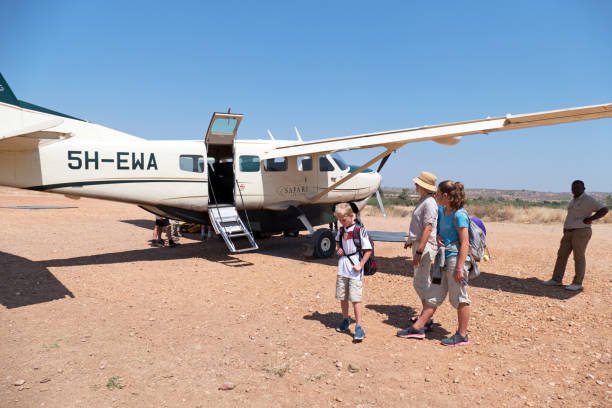
2-Day Serengeti Safari From Zanzibar By Flight: Price & Booking Guide
A practical guide to booking a 2-day Serengeti safari from Zanzibar by flight, covering itinerary logistics, cost considerations, and how to maximize your short time in the bush.
View package details
Luxury Fly-In Safari From Zanzibar: Private Packages For 2026-2027
Experience the ultimate Tanzanian getaway with a luxury fly-in safari from Zanzibar. Discover private, all-inclusive packages tailored for smooth wildlife encounters.
View package detailsBudget Fly-In Safari From Zanzibar: Best Packages & Prices 2026-2027
Discover how to plan a budget-friendly fly-in safari from Zanzibar to Tanzania's top parks without sacrificing the quality of your wildlife experience.
View package detailsZanzibar To Ruaha National Park Fly-In Safari: Prices & Booking Guide
A practical guide to planning a fly-in safari from Zanzibar to Ruaha National Park, covering flight logistics, itinerary choices, and how to book with Climb 4 Africa.
View package details2-Day Nyerere Safari From Zanzibar: Flight-Inclusive Package Prices 2026-2027
An expert guide to planning a 2-day Nyerere safari from Zanzibar, covering flight-inclusive package structures, cost drivers, and the practical rhythm of a short-stay wildlife adventure.
View package details1-Day Nyerere National Park Safari From Zanzibar By Flight: 2026-2027
Planning a one-day fly-in safari to Nyerere from Zanzibar? Understand the logistics, travel times, and wildlife expectations for a 2026 or 2027 trip.
View package detailsZanzibar To Mikumi Safari By Flight: Prices & Travel Options 2026-2027
A practical guide to the logistics, costs, and planning steps for flying from Zanzibar to Mikumi National Park.
View package detailsNo related package matches those filters. Clear one or more filters to see the other topic-matched options.