
Trekking Mount Meru from Arusha typically involves a 3-5 day itinerary, with the most popular route being the 3-day “Mawenzi” route or the slightly longer 4-day “Meru Crater” route, both starting from the Momella Gate in Arusha National Park. Preparation includes obtaining park permits, arranging transport from Arusha to the park gate, hiring experienced guides and porters, and packing appropriate gear for varying altitudes and weather conditions. The best trekking seasons are generally from June to October and December to March, avoiding the main rainy periods, making it a prime objective for trekkers in 2026 and 2027.
Introduction to Trekking Mount Meru from Arusha
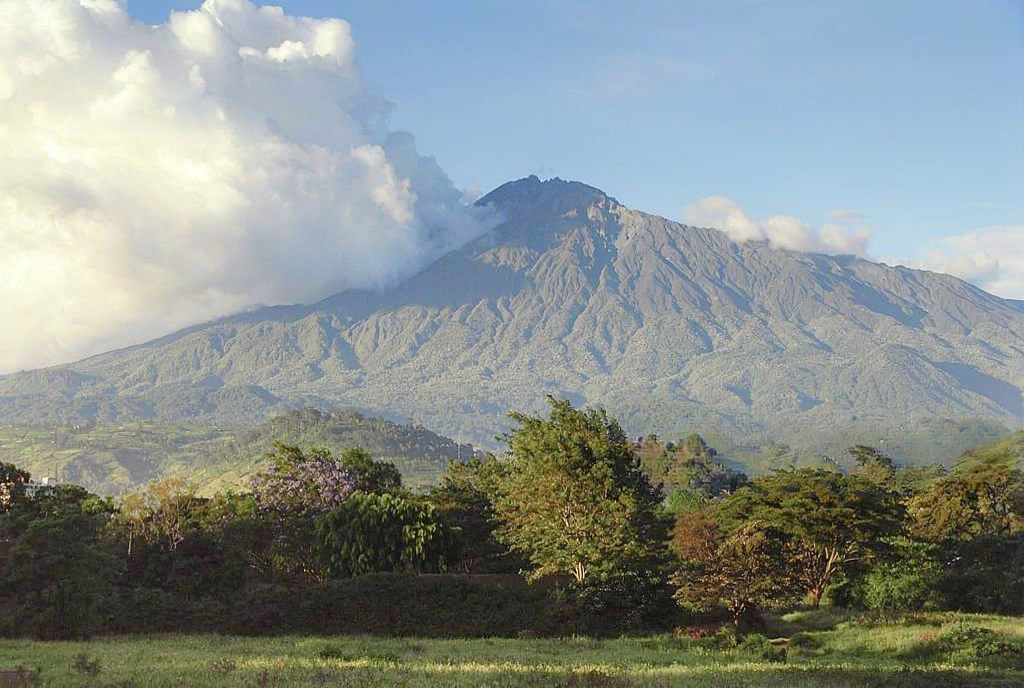
Mount Meru, often overshadowed by its colossal neighbour Kilimanjaro, stands proudly as Tanzania’s second-highest peak at 4,566 meters (14,980 feet). For trekkers based in Arusha, it represents an accessible, challenging, and incredibly rewarding mountain adventure. Located within the stunning Arusha National Park, a trek up Meru offers diverse landscapes, abundant wildlife viewing opportunities, and a serious acclimatization climb that is ideal for those preparing for Kilimanjaro in 2026 or 2027, or simply seeking a formidable mountain challenge in its own right. This guide is your comprehensive resource for planning and executing a successful trek of Mount Meru, starting right from the vibrant town of Arusha.
Why Choose Mount Meru? A Pre-Kilimanjaro Challenge
Many trekkers choose Mount Meru as a vital stepping stone before attempting Kilimanjaro. This strategic choice is driven by several key factors, all of which contribute to a higher success rate on the more demanding climb of Kili:
- Acclimatization: Meru’s altitude of 4,566 meters is significant. Climbing it provides your body with crucial time to adapt to higher elevations, reducing the risk of altitude sickness when you later tackle Kilimanjaro’s 5,895 meters. This is particularly important for trips planned for 2026 and 2027, where proper acclimatization can make all the difference.
- Fitness Test: Meru is a steep and challenging ascent. Completing it is an excellent indicator of your physical and mental preparedness for Kilimanjaro. It allows you to identify any fitness gaps and make adjustments to your training regimen.
- Diverse Scenery: Unlike the more monotonous lower slopes of Kilimanjaro, Meru offers a remarkable variety of ecosystems. You’ll traverse montane forest, heather and moorland, and alpine desert, encountering unique flora and fauna along the way.
- Wildlife Encounters: Arusha National Park is home to a rich diversity of wildlife, including elephants, buffaloes, giraffes, colobus monkeys, and a wide array of birdlife. Your trek will often involve walking through areas where these animals roam freely, adding an exciting safari element to your mountain journey. Guides are essential for safety in these areas.
- Less Crowded: Compared to Kilimanjaro, Mount Meru sees far fewer trekkers. This allows for a more serene and intimate experience with nature, providing a peaceful environment to focus on your climb and acclimatization.
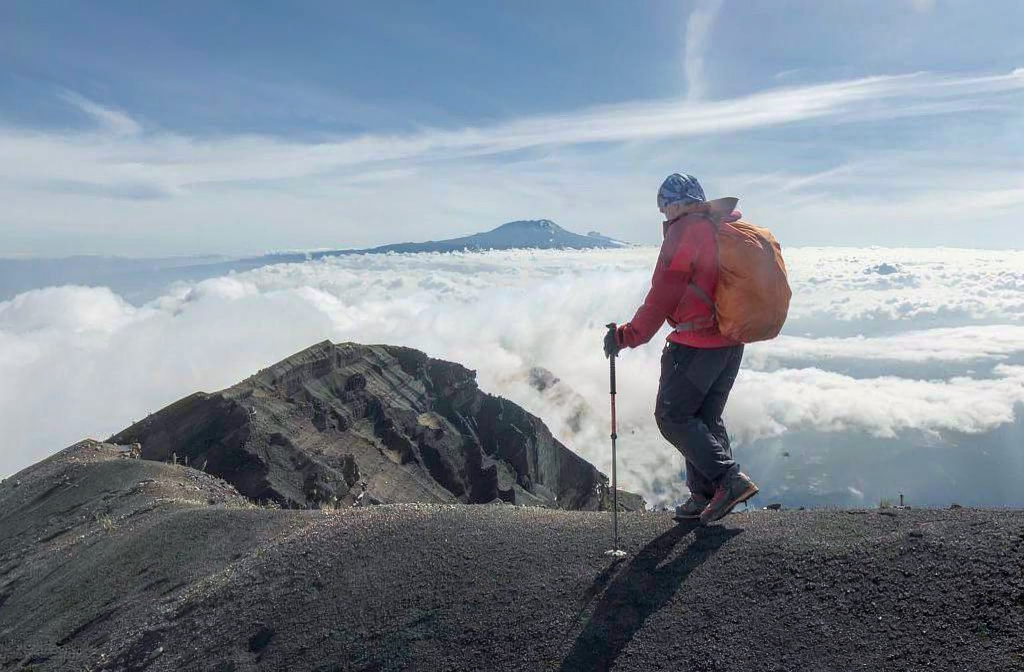
- Technical Skills Practice: While not a technical climb, Meru involves some steep sections and scree slopes, particularly on the final ascent to Socialist Peak. This provides a good opportunity to practice your trekking techniques, pacing, and use of trekking poles in a relatively safe environment.
For those looking ahead to a 2026 or 2027 expedition, factoring in a Mount Meru trek beforehand is a smart strategy that enhances both enjoyment and safety. It’s an adventure that stands on its own merit but also serves as an invaluable preparation tool.
Mount Meru Routes and Itineraries: Choosing Your Path
There are two main routes to ascend Mount Meru, each offering a distinct experience and duration. The choice between them often depends on your available time, fitness level, and desired challenge. Both routes begin at the Momella Gate and are typically guided by park rangers and porters.
The “Mawenzi” Route (3 Days)
This is the most direct and popular route, designed for trekkers with limited time or those using Meru primarily for acclimatization before Kilimanjaro. Despite its shorter duration, it is still a challenging climb.
- Day 1: Momella Gate (1,500m) to Miriakamba Hut (2,100m)
The trek begins at Momella Gate, where you’ll complete registration and meet your guides and porters. The initial ascent is through lush montane forest, often teeming with wildlife such as colobus monkeys, Sykes monkeys, and various bird species. The trail can be muddy, especially during the rainy seasons. The hike takes approximately 4-6 hours. - Day 2: Miriakamba Hut (2,100m) to Saddle Hut (3,500m)
This is a significantly steeper and more demanding day. The vegetation changes as you ascend through the “Northern Circuit” trail, with open grasslands and more rugged terrain. You’ll pass the Saddle viewpoint, offering impressive panoramas of the crater and potentially Kilimanjaro on a clear day. The trek takes about 3-5 hours. Saddle Hut is your base for the summit attempt. - Day 3: Saddle Hut (3,500m) to Socialist Peak (4,566m) and Descent to Momella Gate
This is the most challenging day, involving an early morning start (around 2:00 AM) for the summit push. The trail becomes very steep, traversing volcanic scree and rocky paths. The final section to Socialist Peak involves a scramble. Reaching the summit offers spectacular views of the crater, Kilimanjaro, and the surrounding plains, especially at sunrise. After enjoying the summit, you descend back to Saddle Hut for a brief rest and then continue the descent all the way back to Momella Gate, usually arriving in the late afternoon. This is a long and tiring day, covering significant elevation gain and loss.
The “Meru Crater” Route (4 Days)
This route offers a more relaxed pace and allows for a more thorough acclimatization. It includes an extra day exploring the crater rim, making it a more comprehensive Meru experience.
- Day 1: Momella Gate (1,500m) to Miriakamba Hut (2,100m)
Similar to the 3-day route, you begin at Momella Gate and trek through the forest to Miriakamba Hut. (4-6 hours). - Day 2: Miriakamba Hut (2,100m) to Saddle Hut (3,500m)
Again, a steep ascent through changing vegetation to Saddle Hut. (3-5 hours). - Day 3: Saddle Hut (3,500m) – Summit (4,566m) – Meru Crater Rim – Miriakamba Hut (2,100m)
This day is the highlight of the 4-day trek. You start early for the summit push to Socialist Peak (4,566m). After descending from the summit, instead of immediately heading down to Momella Gate, you traverse the crater rim, offering incredible views into the caldera. This descent and traverse leads you back down to Miriakamba Hut, breaking up the long journey and allowing for more exploration. This is a very long and demanding day, combining summiting with a significant traverse. - Day 4: Miriakamba Hut (2,100m) to Momella Gate (1,500m)
A straightforward descent from Miriakamba Hut back to Momella Gate, typically taking 2-3 hours. You’ll have more time to appreciate the forest scenery on the way down.
Choosing Between Routes: The 3-day route is efficient for acclimatization and time-constrained travellers. The 4-day route provides a more complete exploration of Meru’s summit and crater, with better acclimatization built in, and is a more substantial trek in its own right. For many planning for Kilimanjaro in 2026 or 2027, the 3-day route is often sufficient for acclimatization, but the 4-day offers a more rounded Meru experience.
Other Potential Routes (Less Common)
While the Mawenzi and Crater Rim routes are standard, variations exist, and some operators might offer slightly different itineraries. It’s always best to confirm the exact route and daily breakdown with your tour operator. For example, some itineraries might extend the trek to 5 days by adding an extra night at Miriakamba Hut or breaking down the summit day differently.
Essential Planning for Your Mount Meru Trek from Arusha
A successful Mount Meru trek requires careful planning, especially when starting from Arusha. Here’s what you need to consider:
Park Permits and Fees
Mount Meru is located within Arusha National Park. All trekkers must pay park entry fees, conservation fees, and camping fees (if applicable, though huts are usually used). These fees are substantial and are typically included in the package price offered by tour operators. Confirm that all necessary permits and fees for 2026-2027 are clearly itemised in your tour quote. You will need to register at the park gate before commencing your trek.
Transportation to Momella Gate
Momella Gate is approximately a 1.5 to 2-hour drive from Arusha town, depending on road conditions. Your tour operator will arrange transportation, usually in a 4×4 vehicle, to pick you up from your accommodation in Arusha and transfer you to the park gate. This transfer is almost always included in trek packages.
Guides and Porters
Trekking Mount Meru requires the mandatory accompaniment of armed park rangers (especially for the lower forest sections due to wildlife) and licensed mountain guides. Porters are also essential for carrying your main luggage, camping gear (if applicable), and food. Ensure your chosen operator provides qualified, experienced guides and sufficient porters. The number of porters will depend on the amount of gear and food needed. Tipping guides and porters is customary and expected; your operator should provide guidance on appropriate amounts.
Accommodation
During the trek, accommodation is in basic mountain huts. Miriakamba Hut and Saddle Hut are the primary stops. These huts are typically dormitories with beds and mattresses. While they provide shelter, they are rustic. Expect communal sleeping arrangements and shared bathroom facilities. Some operators may offer private tents as an alternative, but this is less common and usually at an additional cost. For trips in 2026-2027, check the condition of the huts and what bedding is provided.
Food and Water
Your tour operator will provide all meals during the trek, from breakfast at your Arusha hotel to your final meal after the descent. Meals are typically hearty and designed to provide energy for the climb. Expect a mix of local and international dishes. Water is usually sourced from streams and boiled or purified by the crew. It is crucial to bring your own water purification tablets or a filter as a backup and to supplement your hydration. Ensure you communicate any dietary restrictions or allergies well in advance.
Physical Preparation
Mount Meru is a strenuous climb. Proper physical training is paramount. Focus on cardiovascular exercises (running, cycling, swimming) and strength training, particularly for your legs and core. Practice hiking with a weighted backpack on hilly terrain, simulating the conditions you’ll face. Start your training at least 2-3 months before your trek. For those aiming for Meru in 2026 or 2027, consistent training is key.
Travel Insurance
Comprehensive travel insurance is non-negotiable. It should cover high-altitude trekking up to 4,566 meters, emergency medical evacuation (including helicopter rescue if available), trip cancellation, and lost or stolen belongings. Ensure your policy is valid for the duration of your trip in 2026-2027.
Visa and Vaccinations
Check the visa requirements for Tanzania for your nationality. Many nationalities can obtain a visa on arrival or online in advance. Consult your doctor or a travel clinic at least 4-6 weeks before your trip regarding recommended vaccinations (e.g., Yellow Fever, Hepatitis A, Typhoid) and malaria prophylaxis. While malaria risk is lower at higher altitudes, it’s present in Arusha and at the lower elevations of the park.
Best Time to Trek Mount Meru: Seasons for 2026-2027
Choosing the right time to trek Mount Meru is crucial for maximizing your chances of good weather and a comfortable experience. Tanzania has two main seasons:
- Dry Seasons (Recommended):
- June to October: This is generally considered the best time to trek Meru. The weather is typically dry, with clear skies and cooler temperatures. Daytime temperatures can be pleasant, but nights at Saddle Hut can be very cold. This period offers excellent visibility for stunning views of Kilimanjaro and the surrounding landscape. This is a prime window for trekkers in 2026 and 2027.
- December to March: This is another dry season, often referred to as the “short dry season” or “summer.” While generally dry, there can be occasional short showers. Temperatures are warmer than the June-October period. This is also a popular time for climbing.
- Rainy Seasons (Less Recommended):
- April to May: These are the main rainy months, with heavy rainfall, particularly in the afternoons. Trails can become muddy and slippery, and visibility can be poor. This period is generally avoided by most trekkers.
- November: This is a transitional month, often experiencing the “short rains.” While not as heavy as the main rains, expect some precipitation.
Planning for 2026-2027: If you are planning your trek for 2026 or 2027, aiming for the June-October or December-March windows will offer the most stable weather conditions. Always be prepared for unexpected weather changes, as mountain environments are unpredictable.
What to Pack for Your Mount Meru Trek
Packing wisely is key to comfort and safety. Layering is essential, as temperatures fluctuate significantly from the base of the mountain to the summit. Here’s a comprehensive packing list:
Clothing:
- Base Layers: Moisture-wicking thermal tops and bottoms (synthetic or merino wool).
- Mid Layers: Fleece jacket or down vest for insulation.
- Outer Layer: Waterproof and windproof jacket (Gore-Tex or similar).
- Trekking Trousers: Lightweight, quick-drying hiking trousers (2 pairs). Avoid jeans.
- Shorts: Comfortable hiking shorts for lower, warmer sections (optional).
- T-shirts: Moisture-wicking shirts (3-4).
- Warm Hat: Woolen or fleece hat that covers your ears.
- Sun Hat: Wide-brimmed hat or cap for sun protection.
- Gloves: Warm waterproof gloves or mittens. Bring liner gloves as well.
- Socks: Woolen or synthetic hiking socks (4-5 pairs).
- Camp Shoes: Comfortable shoes or sandals for wearing at the huts.
Footwear:
- Hiking Boots: Broken-in, waterproof, sturdy hiking boots with good ankle support.
- Gaiters: To prevent mud, stones, and water from entering your boots.
Equipment:
- Backpack: A comfortable daypack (25-35 liters) for essentials you carry daily (water, snacks, rain gear, camera).
- Duffel Bag: A large, waterproof duffel bag (80-100 liters) for porters to carry your main gear.
- Sleeping Bag: A warm sleeping bag rated for at least -10°C (0°F).
- Trekking Poles: Highly recommended for stability and reducing strain on knees.
- Headlamp/Torch: With extra batteries. Essential for summit night.
- Water Bottles/Hydration Reservoir: Capacity for at least 2-3 liters.
- Water Purification: Tablets or a filter.
- Sunglasses: With UV protection.
- Sunscreen: High SPF.
- Lip Balm: With SPF.
- Insect Repellent: Especially for lower forest sections.
- Personal First-Aid Kit: Including blister treatment, pain relievers, antiseptic wipes, bandages, and any personal medications.
- Toiletries: Biodegradable soap, toothbrush, toothpaste, wet wipes.
- Hand Sanitizer.
- Camera: With extra batteries and memory cards.
- Power Bank: For charging electronics.
- Snacks: Energy bars, nuts, dried fruit, chocolate.
- Small Towel: Quick-drying.
- Passport and Copies: Keep copies separate from the originals.
- Cash: For tips and personal expenses (USD is widely accepted).
Note: Your tour operator will usually provide tents (if needed), sleeping mats, cooking equipment, and food. Confirm what is included so you don’t overpack.
The Mount Meru Climb Experience: What to Expect
Trekking Mount Meru is a unique and memorable experience, blending challenging ascents with impressive natural beauty and wildlife encounters. Here’s a breakdown of what you can expect on the trail, particularly for your 2026-2027 adventure:
Daytime Trekking
Days are spent hiking, often in single file behind your guide and porter team. The pace is generally slow and steady, a technique known as “pole pole” (slowly, slowly), which is crucial for acclimatization and conserving energy. You’ll pass through diverse landscapes, from dense forests alive with the sounds of monkeys and birds to open moorlands and rocky slopes. Your guides will point out interesting flora, fauna, and geological features.
Wildlife Sightings
Arusha National Park is renowned for its wildlife. While trekking, especially on the lower slopes, you are likely to see:
- Mammals: Herds of buffalo, herds of elephants (though less common on the direct Meru routes), giraffes, zebras, warthogs, and various antelope species. The park is also home to black and white colobus monkeys and Sykes monkeys, which are often seen in the forest canopy.
- Birds: Meru is a birdwatcher’s paradise, with numerous species of forest birds, raptors, and water birds.
Safety Note: You will be accompanied by armed park rangers on the lower forest sections due to the presence of potentially dangerous wildlife like buffaloes and elephants. Always follow your guide’s instructions and maintain a safe distance from all animals.
Hut Life
Accommodation at Miriakamba Hut and Saddle Hut is in basic dormitories. Expect communal sleeping with bunk beds. The huts are rustic shelters providing protection from the elements. Common areas are usually available for meals. Facilities are basic: simple toilets and sometimes a basic washroom. It’s advisable to bring your own sleeping bag and a liner for added comfort and hygiene. The atmosphere in the huts is generally friendly and communal, with trekkers sharing stories of their day’s climb.
Summit Night
The ascent to Socialist Peak (4,566m) is typically undertaken in the early hours of the morning, often starting around 2:00 AM from Saddle Hut. This allows you to reach the summit for sunrise. The climb is steep, challenging, and often cold, with temperatures dropping well below freezing. You’ll be trekking by headlamp, navigating rocky and scree paths. The final section to the peak involves a scramble, requiring concentration and a steady pace. Reaching the summit is an incredible achievement, offering unparalleled views if the weather is clear. The descent from the summit back to Momella Gate (on the 3-day trek) or Miriakamba Hut (on the 4-day trek) is long and tiring, so pace yourself and stay hydrated.
Weather and Temperature
Mount Meru experiences a wide range of weather conditions. The lower slopes can be warm and humid, while the summit is often subject to freezing temperatures, strong winds, and sometimes snow or ice, especially during the dry seasons when it’s coldest. Be prepared for rapid changes, including mist, rain, and intense sun. Layering your clothing is crucial to adapt to these variations.
Food and Drink
Your crew will prepare all meals. Expect nutritious, high-carbohydrate meals to fuel your trek. Breakfast usually includes porridge or eggs, lunch might be packed sandwiches or hot meals, and dinner is a substantial cooked meal. Hot drinks like tea and coffee are usually available. It’s vital to drink plenty of water (3-4 liters per day) to aid acclimatization and prevent dehydration. Ensure your water is purified.
Safety and Health Considerations on Mount Meru
Safety is paramount on any mountain trek. Mount Meru, while not as high as Kilimanjaro, still presents altitude-related risks and other potential hazards. Prioritizing safety ensures a more enjoyable and successful climb.
Altitude Sickness (AMS)
Altitude sickness is the most common concern. Symptoms can include headaches, nausea, dizziness, fatigue, and shortness of breath. The best prevention is a slow ascent and adequate hydration. Your guides are trained to recognize the symptoms of AMS and will monitor you closely. If symptoms worsen, descent is the only cure. The 3-day and 4-day itineraries are designed with acclimatization in mind, but individual responses to altitude vary greatly. Listen to your body and communicate any discomfort to your guide immediately.
Wildlife Safety
As mentioned, armed rangers accompany trekkers on the lower forest sections due to the presence of buffaloes, elephants, and other large animals. Never approach or feed wildlife. Stay on the designated trails and follow your guide’s instructions at all times. Keep noise levels down and be aware of your surroundings.
Trail Conditions
The trails can be steep, rocky, and slippery, especially after rain. The summit ascent is on loose scree and can be challenging. Wearing sturdy, broken-in hiking boots with good grip is essential. Trekking poles significantly improve stability and reduce the impact on your joints, especially during descents.
Hydration and Nutrition
Adequate hydration is critical for acclimatization and energy levels. Drink at least 3-4 liters of water daily. Dehydration can exacerbate altitude sickness symptoms. High-carbohydrate meals provide the energy needed for the strenuous climb. Carry energy snacks like nuts, dried fruit, and energy bars for quick boosts between meals.
Emergency Procedures
Your tour operator should have clear emergency procedures in place. This includes communication methods (satellite phones are often used by operators for remote areas) and evacuation plans. Ensure you understand these procedures before you start. Your travel insurance must cover emergency medical evacuation.
Guide Qualifications
Choose an operator that employs experienced, certified mountain guides. They are your primary resource for safety, navigation, and information about the mountain. They are trained in first aid and altitude sickness management.
Conservation and Ethical Trekking on Mount Meru
Trekking Mount Meru offers a chance to experience pristine natural environments. Responsible and ethical practices are vital to preserve this beauty for future generations, including those planning treks in 2026 and 2027.
Leave No Trace Principles
Adhering to Leave No Trace principles is essential:
- Pack It In, Pack It Out: Carry all your trash back down the mountain. This includes wrappers, food scraps, and any other waste.
- Stay on Trails: Stick to marked paths to prevent erosion and protect vegetation.
- Respect Wildlife: Observe animals from a distance and never feed them.
- Minimize Campfire Impacts: Campfires are generally not permitted on Meru. Use designated cooking areas and stoves.
- Dispose of Waste Properly: Use designated toilets where available, or dig catholes at least 200 feet from water sources and trails.
Supporting Local Communities
Your trek directly supports the local economy. Ensure your tour operator is reputable and treats its guides and porters fairly. Fair wages, proper equipment, adequate food, and respectful treatment of staff are indicators of an ethical operator. Tipping is a customary way to show appreciation for the hard work of your crew, and your operator should provide guidelines on fair tipping amounts.
Environmental Awareness
Be mindful of your impact on the mountain environment. Avoid using disposable plastic bottles where possible. Conserve water, especially at higher altitudes where it is a precious resource. Report any environmental concerns (e.g., litter, trail damage) to your guide.
Booking Your Mount Meru Trek from Arusha with Climb 4 Africa
When planning your Mount Meru trek, especially if you are considering it as preparation for Kilimanjaro in 2026 or 2027, choosing the right tour operator is crucial. Climb 4 Africa is a locally-based company with deep expertise in Tanzanian mountain treks and safaris, offering practical support and ensuring a well-managed experience.
Why Choose Climb 4 Africa for Your Mount Meru Trek?
- Local Expertise: As a Tanzanian company, we have an intimate understanding of Mount Meru, Arusha National Park, and the logistical challenges involved. We work with experienced, certified local guides and porters who know the mountain intimately.
- Safety First: Your safety is our top priority. We adhere to strict safety protocols, ensure our guides are trained in wilderness first aid and altitude sickness management, and carry comprehensive emergency equipment.
- Comprehensive Packages: Our Mount Meru trek packages from Arusha are designed to be all-inclusive, covering park fees, permits, guides, porters, meals, and accommodation. This simplifies your planning process. We can tailor itineraries to fit your schedule, whether you need a 3-day or 4-day trek for your 2026-2027 plans.
- Fair Treatment of Staff: We are committed to ethical tourism. We ensure our guides and porters receive fair wages, proper gear, and good food, fostering a positive working environment.
- Personalized Support: We provide pre-trip advice and support, answering all your questions about gear, training, and logistics. We are available to assist you from the moment you book until you return from your trek.
- smooth Logistics: From airport transfers to transportation to Momella Gate, we handle all the logistics so you can focus on the climb.
Ready to plan your Mount Meru adventure? Whether you’re looking for an acclimatization climb before Kilimanjaro in 2026 or a standalone mountain challenge, we are here to help. Contact us to discuss your specific needs, get a personalized itinerary, and receive a detailed quote.
Get in touch today:
- WhatsApp: +255 747 477 898
- Email: climb4africa@gmail.com
Let Climb 4 Africa be your trusted partner for an unforgettable Mount Meru trek from Arusha.
Check Availability for Trek Mont Meru Depuis Arusha: Your Comprehensive Guide For 2026-2027
Ready to compare dates, prices, and the best option for your group? Send the package name and travel month so the team can reply with a clear quote, availability, and what is included.
Trekking Monte Meru Desde Arusha: Your Ultimate Guide For 2026-2027
Your comprehensive guide to trekking Mount Meru from Arusha, covering everything from route options and difficulty to essential preparation and booking advice for climbs in 2026-2027.
View package details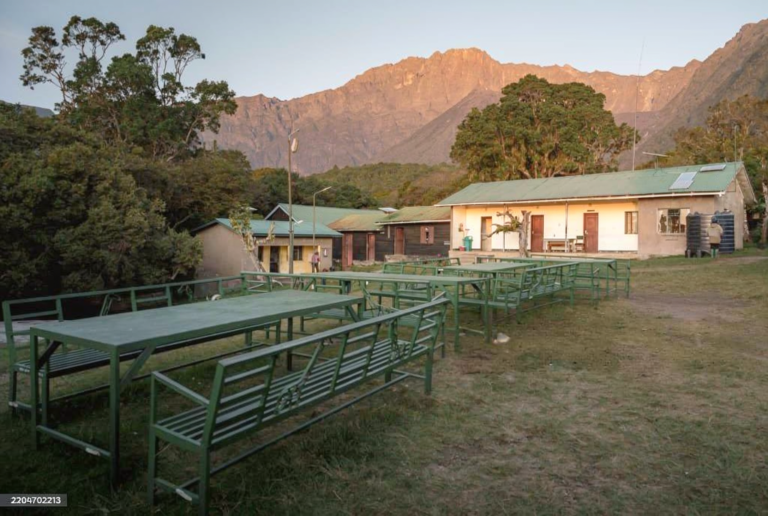
Monte Meru Tanzania Trekking From Arusha: Your Essential Guide 2026-2027
start a trek up Mount Meru from Arusha, Tanzania's stunning dormant volcano. This guide covers everything from routes and difficulty to preparation and best times to go for your 2026-2027...
View package details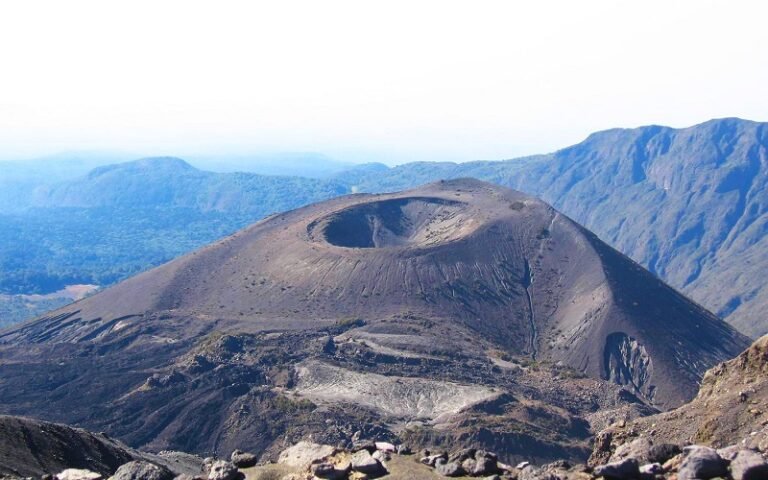
Mount Meru Trekking Ab Arusha 2026-2027
Mount Meru Trekking ab Arusha is explained with current 2026-2027 planning, price, itinerary and booking information.
View package detailsTrek Mont Meru 4 Jours: Your Complete Guide 2026-2027
start a 4-day trek up Mount Meru, a challenging yet rewarding climb near Kilimanjaro. This guide covers routes, preparation, gear, and essential tips for your 2026-2027 expedition.
View package details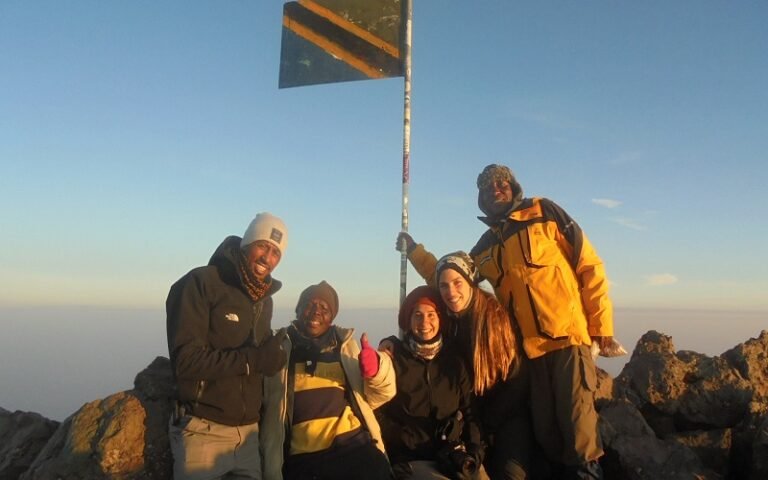
Trekking Monte Meru Tanzania: Precios, Ruta Y Consejos 2026-2027
Trekking Monte Meru Tanzania: precios, ruta y consejos is explained with current 2026-2027 planning, price, itinerary and booking information.
View package details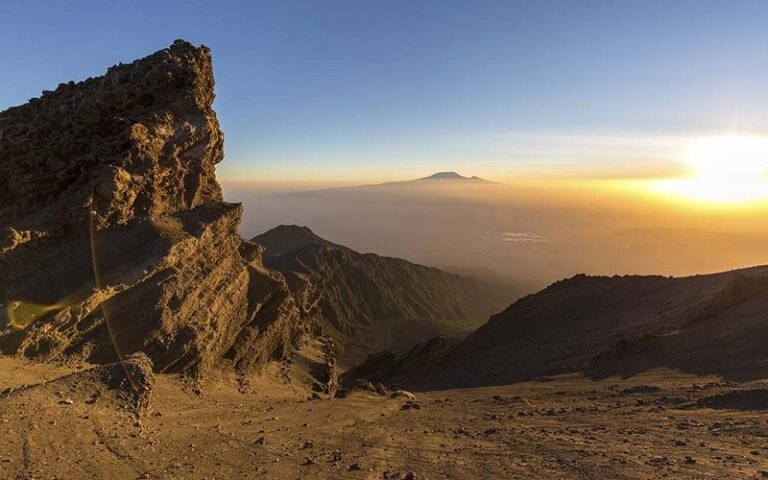
Monte Meru Y Kilimanjaro: Trekking En Tanzania 2026-2027
Discover the ultimate trekking experience in Tanzania by combining Mount Meru and Mount Kilimanjaro. This comprehensive guide covers everything from route selection and preparation to...
View package details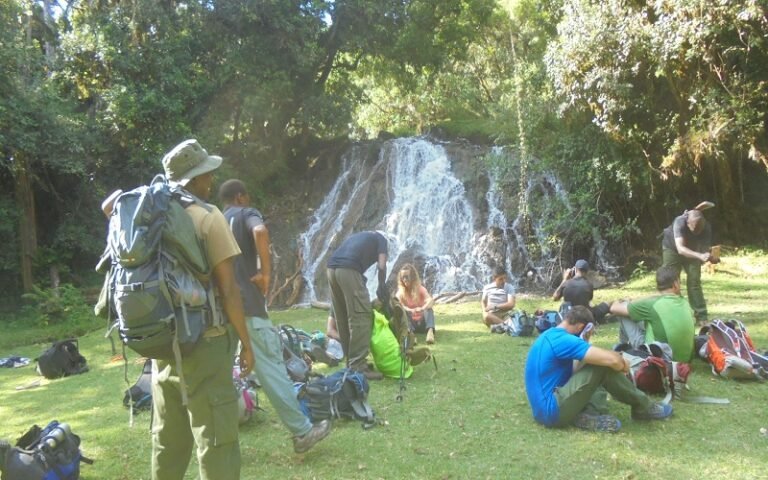
Precio Trekking Monte Meru: ¿Cuánto Cuesta Tu Aventura En ? 2026-2027
Planifica tu aventura en el Monte Meru conociendo los costos detallados. Explora las opciones de rutas, duraciones y lo que influye en el precio para tu expedición 2026-2027.
View package details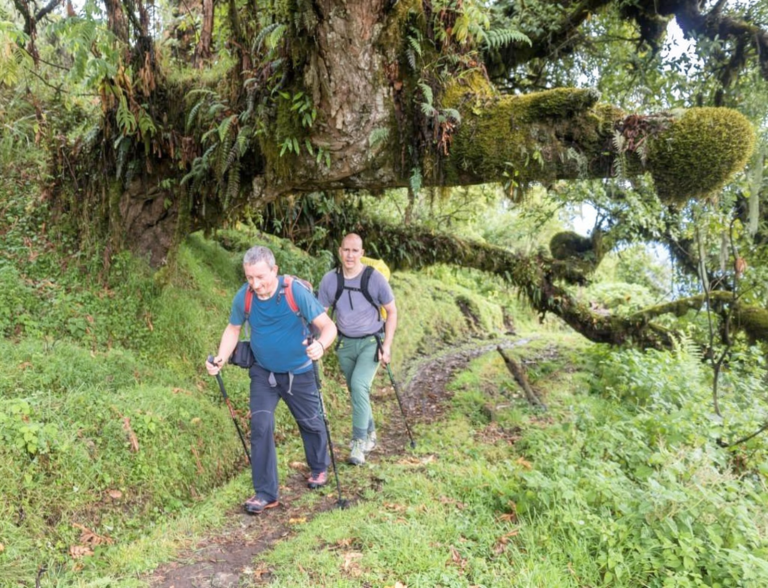
Trekking Monte Meru 4 Días 2026-2027
Trekking Monte Meru 4 días is explained with current 2026-2027 planning, price, itinerary and booking information.
View package detailsTrekking Monte Meru 3 Días 2026-2027
Trekking Monte Meru 3 días is explained with current 2026-2027 planning, price, itinerary and booking information.
View package detailsMount Meru Trekking 3 Tage: Your Essential Planning Guide 2026-2027
A comprehensive guide to the 3-day Mount Meru trek, covering essential planning details for 2026-2027, including routes, preparation, what to expect, and booking advice.
View package detailsRuta Momella Monte Meru: Your Complete Guide 2026-2027
Your comprehensive guide to the Momella Route on Mount Meru, covering everything from preparation and typical itineraries to what makes this climb a unique Tanzanian adventure, ideal for...
View package detailsMonte Meru Y Safari En Tanzania: Guía Completa Para Tu Aventura Africana
Explora la combinación perfecta de trekking en Monte Meru y safaris inolvidables en Tanzania. Esta guía detallada te ayudará a planificar tu viaje de ensueño para 2026-2027, cubriendo...
View package detailsNo related package matches those filters. Clear one or more filters to see the other topic-matched options.



