
For German travelers planning a Kilimanjaro climb or Tanzania safari in 2026-2027, understanding route options, optimal timing, and local support is key. Typically, a Kilimanjaro trek involves 6-9 days on routes like Machame or Lemosho, with safaris ranging from 3-7 days focusing on the Northern Circuit parks (Serengeti, Ngorongoro, Tarangire). The best months are generally January-March and June-October, avoiding the main rainy seasons, and booking with an experienced local operator like Climb 4 Africa ensures practical support and value.
Introduction for German Travelers
As a German traveler, you likely appreciate efficiency, clear planning, and value for money when considering significant adventures like climbing Kilimanjaro or embarking on a Tanzania safari. This guide is tailored to provide you with the practical information needed to plan your 2026-2027 trip with confidence. We’ll break down the key decisions, from choosing the right Kilimanjaro route to selecting the best safari parks and understanding the logistical nuances of traveling in Tanzania. Our aim is to equip you with the knowledge to make informed choices, ensuring your African adventure is as rewarding and smooth as possible, with the benefit of local expertise.
Many German travelers are drawn to Kilimanjaro for its status as Africa’s highest peak and a rewarding physical challenge. Similarly, Tanzania’s legendary wildlife parks, such as the Serengeti and Ngorongoro Crater, offer unparalleled safari experiences. Understanding the best times to visit, the typical duration of these trips, and what to expect on the ground is crucial for a successful journey. We’ll focus on providing direct answers and practical advice, much like you’d expect when planning any significant undertaking.
Kilimanjaro Treks: The Ultimate Challenge
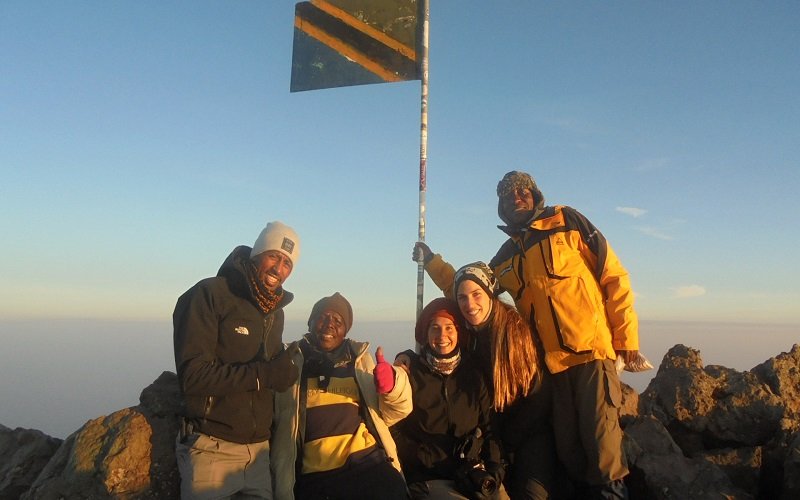
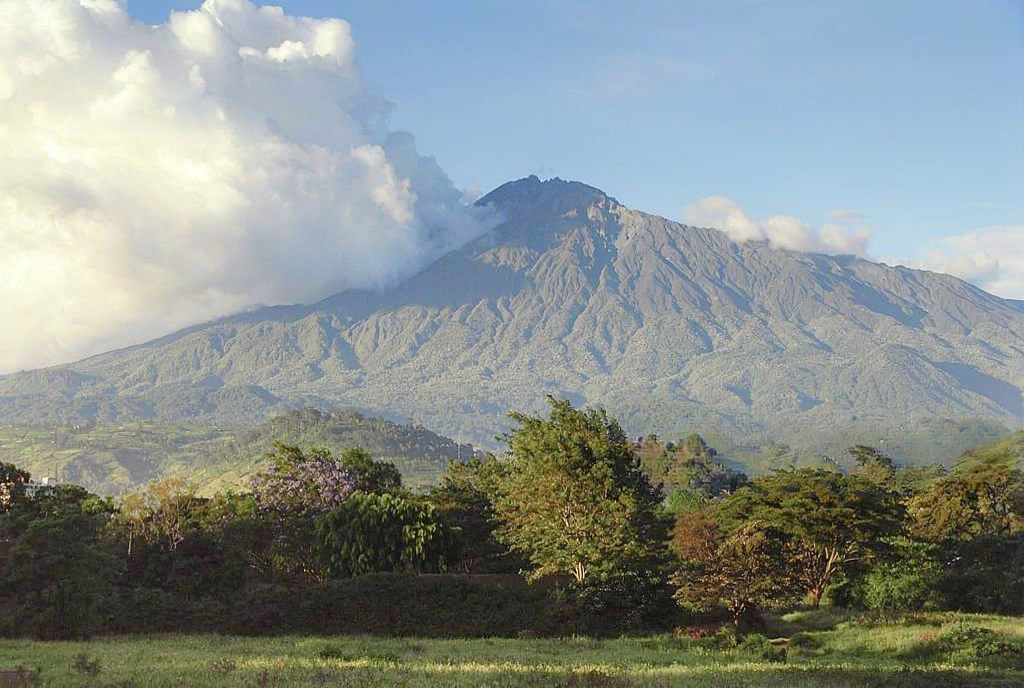
Climbing Kilimanjaro is more than just a trek; it’s a journey through diverse ecological zones, from lush rainforests to alpine deserts and the arctic summit. For many, it represents a significant personal achievement. The mountain’s accessibility, with no technical climbing skills required, makes it popular, but its altitude and the demanding ascent necessitate careful preparation. Understanding the climb’s physical and mental demands is the first step.
The key to a successful Kilimanjaro climb lies in choosing the right route, a gradual ascent to allow for acclimatization, and a reputable guiding company. Altitude sickness is a real concern, and while it can affect anyone regardless of fitness, a slower ascent profile significantly increases your chances of reaching the summit safely. The success rate for reaching Uhuru Peak varies greatly by route, with longer routes generally offering higher success rates due to better acclimatization.
Kilimanjaro Routes: Which is Best for You?
Choosing the correct Kilimanjaro route is perhaps the most critical decision you’ll make. Each route offers a different experience, duration, scenery, and, importantly, acclimatization profile. As a German traveler who values thoroughness, let’s compare the most popular options:
Machame Route: The Popular Choice
Often called the “Whiskey Route” for its higher acclimatization profile compared to Marangu, the Machame Route is a favorite for its stunning scenery and good success rates. It’s a 6-7 day trek, offering a circuitous path that allows for “climb high, sleep low” acclimatization.
- Duration: Typically 6 or 7 days. The 7-day option is highly recommended for better acclimatization and a higher chance of summit success.
- Scenery: Diverse, traversing southern and western circuits, offering varied landscapes from rainforest to moorland and the summit.
- Acclimatization: Good, especially on the 7-day itinerary.
- Difficulty: Moderate to challenging, with some steep sections.
- Crowds: Can be busy, especially during peak seasons.
The Machame Route is an excellent balance of scenery, acclimatization, and challenge, making it a top pick for many, including German adventurers seeking a comprehensive Kilimanjaro experience.
Lemosho Route: The Scenic Gem
The Lemosho Route is a longer, more remote, and arguably more scenic option. It starts in the west and joins the Machame route after a few days. Its longer duration (7-8 days) significantly improves acclimatization and success rates.
- Duration: Typically 7 or 8 days. The 8-day itinerary is strongly advised for optimal acclimatization.
- Scenery: Considered one of the most beautiful routes, with vast moorlands and dramatic views.
- Acclimatization: Excellent, due to its longer duration and gradual ascent.
- Difficulty: Moderate to challenging, with a significant day involving the traverse of the Shira Plateau.
- Crowds: Less crowded than Machame, especially in the initial days.
If your priority is a higher success rate and a more in-depth, less crowded experience, the Lemosho Route, particularly the 8-day version, is a superb choice for 2026-2027. It offers a more tranquil journey through diverse landscapes.
Marangu Route: The Coca-Cola Route
Known as the “Coca-Cola Route” due to its accessibility and hut accommodation, Marangu is the oldest and most direct route. It’s the only route that offers dormitory-style huts instead of camping.
- Duration: 5 or 6 days. The 5-day option is generally discouraged due to poor acclimatization and low success rates.
- Scenery: Less varied than other routes, as it ascends and descends the same path.
- Acclimatization: Poor, especially on the 5-day itinerary, leading to lower summit success rates.
- Difficulty: Moderate, but the rapid ascent makes it challenging due to altitude.
- Crowds: Can be very busy.
While popular for its huts, the Marangu Route is generally not recommended for first-time climbers or those prioritizing a higher success rate. The 6-day option offers slightly better acclimatization but still lags behind routes like Machame or Lemosho.
Rongai Route: The Northern Approach
Rongai is the second-most popular route after Machame, approaching from the north. It offers a different perspective and is often recommended during the rainy season (November-March) as the northern side receives less rainfall.
- Duration: Typically 6 or 7 days.
- Scenery: Offers unique views from the north, with open moorland and great chances of seeing wildlife on the lower slopes.
- Acclimatization: Good, especially on the 7-day itinerary.
- Difficulty: Moderate.
- Crowds: Generally less crowded than Machame or Lemosho.
For those looking for a less crowded experience and potentially better conditions during shoulder seasons, the Rongai Route is a solid option for your 2026-2027 climb.
Shira Route: High Altitude Start
The Shira Route starts at a high altitude (around 3,600m) on the Shira Plateau, offering dramatic scenery but presenting an immediate acclimatization challenge. It typically joins the Lemosho route.
- Duration: 7-8 days.
- Scenery: Spectacular views from the Shira Plateau.
- Acclimatization: Challenging due to the high starting altitude.
- Difficulty: Challenging, particularly the first few days.
- Crowds: Less crowded initially.
The Shira Route is best suited for experienced high-altitude trekkers who are confident in their acclimatization abilities.
Northern Circuit Route: The Longest and Best
This is the longest route, taking 9 days. It circumnavigates the mountain, offering the best acclimatization profile and thus the highest success rates. It is also less crowded.
- Duration: 9 days (highly recommended).
- Scenery: Offers panoramic views from all sides of the mountain.
- Acclimatization: Excellent.
- Difficulty: Moderate, but the duration makes it physically demanding.
- Crowds: Least crowded.
If budget and time allow, the Northern Circuit Route is the premier option for a comfortable and high-success-rate Kilimanjaro climb in 2026-2027.
Decision Point: For most German travelers seeking a balance of success, scenery, and acclimatization, the 7-day Machame Route or the 8-day Lemosho Route are typically the best recommendations for 2026-2027. If you prioritize the absolute highest success rate and a more relaxed pace, consider the 9-day Northern Circuit.
Planning Your Kilimanjaro Trek (2026-2027)
Successful planning for Kilimanjaro involves several key aspects. Here’s what you need to consider for your 2026-2027 adventure:
Best Time to Climb Kilimanjaro
Tanzania has two main dry seasons, which are ideal for climbing Kilimanjaro. These periods offer clearer skies, less rain, and more stable weather conditions, which are crucial for both safety and enjoyment.
- January to March: Generally dry and warm. This is a great time, though it can be busy.
- June to October: The main dry season. Cooler temperatures, especially at night, but usually clear skies. This is peak season.
The shoulder months (April-May and November) are the rainy seasons. While you might get good weather, there’s a higher chance of rain, fog, and muddy trails. For 2026-2027, aiming for the dry seasons will maximize your chances of a clear summit view and a more comfortable trek.
Kilimanjaro Trek Duration and Acclimatization
As emphasized, duration is directly linked to acclimatization and success rates. Rushing the ascent is the primary cause of altitude sickness. While 5-day treks exist, they are not recommended. A minimum of 6 days is advised, with 7 or 8 days offering significantly better odds and a more enjoyable experience.
Rule of Thumb: For every 1,000 meters gained in altitude, it’s recommended to spend an extra day acclimatizing. Longer treks allow for this gradual ascent.
Kilimanjaro Trek Costs and Inclusions (2026-2027)
The cost of a Kilimanjaro climb can vary significantly based on the operator, route, duration, and inclusions. For 2026-2027, expect pricing to reflect operational costs, park fees, guide and porter wages, and food. When comparing prices, pay close attention to what is included:
- Park Fees: These are substantial and mandatory. Ensure they are included.
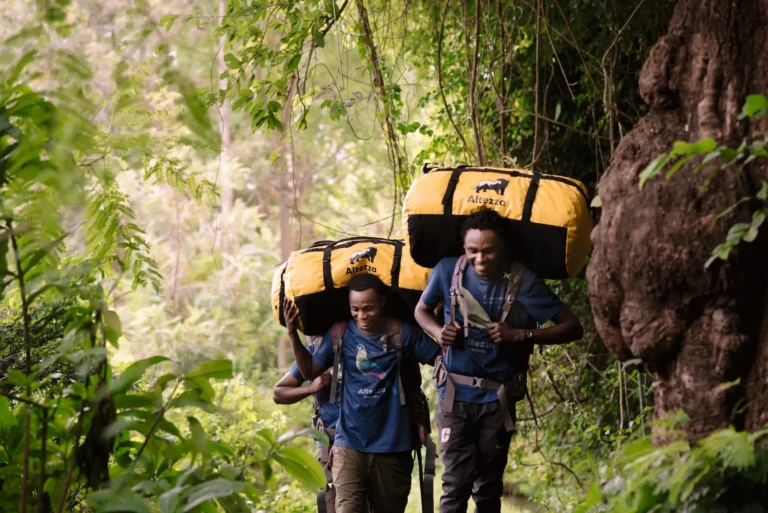
- Guides and Porters: Proper staffing ratios are crucial for safety and support. Look for companies that treat their staff ethically.
- Food: Usually provided on the mountain. Quality can vary.
- Camping Equipment: Tents, sleeping mats, etc.
- Accommodation: Before and after the climb, often in Moshi or Arusha.
- Transfers: To and from the mountain gate.
- Emergency Evacuation: Essential for safety.
Typical Cost Range (per person): While exact prices fluctuate, budget operators might start from $1,500 USD, mid-range from $2,000-$2,500 USD, and premium operators offering more comfort and support can range from $2,800 USD upwards for a 7-day trek. For 2026-2027, these figures are a good estimate, but always request a detailed quote.
Decision Point: Prioritize safety and ethical treatment of staff over the absolute lowest price. A slightly higher cost for a reputable operator with good acclimatization profiles and ethical practices is a wise investment for your 2026-2027 climb.
Kilimanjaro Packing Essentials
Packing correctly is vital. You’ll need layers for varying temperatures and conditions. Key items include:
- Waterproof and windproof outer layers
- Warm mid-layers (fleece, down jacket)
- Thermal base layers
- Hiking boots (broken in!)
- Warm hat and gloves
- Sun protection (hat, sunglasses, sunscreen)
- Headlamp
- Water bottles or hydration system
- Sleeping bag (rated for -10°C to -20°C)
- Trekking poles
Your operator will provide a detailed packing list. Ensure you have good quality gear, as conditions on Kilimanjaro can be extreme.
Tanzania Safaris: Exploring the Wild Heart of Africa
Tanzania is home to some of the most iconic wildlife viewing destinations on Earth. For German travelers, a safari here offers a chance to witness vast herds, incredible predators, and diverse landscapes. The Northern Circuit, encompassing the Serengeti National Park, Ngorongoro Conservation Area, Tarangire National Park, and Lake Manyara National Park, is the most popular and for good reason.
The Great Migration, a spectacular natural phenomenon where millions of wildebeest, zebras, and gazelles traverse the plains, is a major draw, particularly in the Serengeti. However, Tanzania offers exceptional wildlife viewing year-round.
Tanzania Safari Itinerary Ideas
Safari durations can range from short 3-day trips to extensive 10-day+ explorations. Here are some common combinations:
Classic Northern Circuit (5 Days)
- Day 1: Arrive in Arusha, transfer to accommodation.
- Day 2: Arusha to Tarangire National Park. Game drive.
- Day 3: Tarangire to Lake Manyara National Park. Game drive.
- Day 4: Lake Manyara to Serengeti National Park. Game drive en route.
- Day 5: Serengeti game drive, transfer to Arusha or airstrip for onward travel.
This is a fast-paced introduction. For a more in-depth experience of the Serengeti, at least 6-7 days are recommended.
Northern Circuit with Ngorongoro Crater (7 Days)
- Day 1: Arrive Arusha.
- Day 2: Arusha to Tarangire.
- Day 3: Tarangire to Serengeti.
- Day 4: Serengeti exploration.
- Day 5: Serengeti to Ngorongoro Conservation Area.
- Day 6: Ngorongoro Crater descent and game drive.
- Day 7: Ngorongoro to Arusha.
This itinerary provides a good balance, covering the key highlights of the Northern Circuit for 2026-2027.
Extended Northern Circuit (10 Days) – Migration Focus
This option is ideal for those wanting to maximize wildlife viewing and potentially witness the Great Migration. It allows for more time in each park, especially the vast Serengeti.
- Day 1: Arusha.
- Day 2: Arusha to Tarangire.
- Day 3: Tarangire to Lake Manyara.
- Day 4: Lake Manyara to Western/Central Serengeti.
- Day 5-7: Serengeti exploration (potentially following migration based on season).
- Day 8: Serengeti to Ngorongoro Conservation Area.
- Day 9: Ngorongoro Crater descent.
- Day 10: Ngorongoro to Arusha.
This extended safari offers a more comprehensive view of Tanzania’s wildlife and landscapes, perfect for a dedicated 2026-2027 safari trip.
Decision Point: For a fulfilling safari experience, aim for a minimum of 5 days, but 7 days or more will provide a much richer encounter with Tanzania’s wildlife and ecosystems, especially if you are keen on seeing the Great Migration.
Planning Your Tanzania Safari (2026-2027)
Similar to Kilimanjaro, planning your safari involves considering the best time to visit, accommodation styles, and budget.
Best Time for Tanzania Safaris
The “best” time depends on what you want to see. However, the dry seasons are generally preferred for game viewing as animals congregate around water sources, and vegetation is less dense.
- June to October: Dry season, peak wildlife viewing, and excellent for seeing the Great Migration in the Serengeti (especially river crossings in the north around July-September). Cooler temperatures.
- January to March: Short rains can occur, but often provide dramatic skies and lush landscapes. This is calving season for wildebeest in the southern Serengeti, attracting predators.
The main rainy season (April-May) sees fewer tourists and lower prices but can make some roads impassable and reduce game viewing visibility.
Tanzania Safari Accommodation Options
Safari accommodation ranges from basic to ultra-luxury, impacting the overall experience and cost.
- Budget: Public campsites within national parks or budget lodges outside parks. Shared facilities are common.
- Mid-Range: Tented camps or lodges offering private facilities, comfortable amenities, and often excellent locations.
- Luxury: High-end lodges and exclusive tented camps with gourmet dining, private guides, and premium services.
For 2026-2027, consider your comfort preferences and budget. A mid-range option often provides a great balance of comfort, location, and value.
Tanzania Safari Costs and Inclusions (2026-2027)
Safari costs are typically quoted per person per day and include:
- Park entrance fees (significant cost)
- Vehicle and driver-guide
- Fuel
- Accommodation (lodges/camps)
- Meals
- Water in the vehicle
- Often, bottled water and basic snacks
Typical Cost Range (per person per day):
- Budget: $250 – $350 USD
- Mid-Range: $350 – $550 USD
- Luxury: $600+ USD
These figures are estimates for 2026-2027 and can vary based on the season, specific parks visited, and level of accommodation. A 7-day mid-range safari could cost anywhere from $2,500 to $4,000+ USD per person.
Decision Point: Always clarify what is included. Ensure park fees, guide services, accommodation, and meals are covered. Exclusions often include drinks, tips, and personal expenses.
Safari Vehicle and Guide
Most safaris use 4×4 Land Cruisers or Land Rovers, essential for navigating park tracks. A knowledgeable driver-guide is paramount; they are your eyes and ears for spotting wildlife and understanding animal behavior.
Combining Kilimanjaro and Safari
Many German travelers choose to combine a Kilimanjaro trek with a safari. This offers a comprehensive Tanzanian experience. A typical combination might look like this:
- Days 1-7: Kilimanjaro Trek (e.g., 7-day Machame Route)
- Day 8: Descend Kilimanjaro, transfer to Arusha, rest.
- Days 9-14: 6-Day Northern Circuit Safari (Tarangire, Lake Manyara, Serengeti, Ngorongoro).
This provides a fantastic adventure, covering both a physical challenge and incredible wildlife viewing. Planning this combination requires careful coordination to ensure smooth transitions between the trek and the safari portions. Allow at least one full day between descending Kilimanjaro and starting your safari to recover.
Decision Point: Combining these experiences requires more time (minimum 12-14 days total) but offers a complete Tanzanian adventure. Ensure your operator can seamlessly manage the logistics for both parts of your trip for 2026-2027.
Practical Considerations for German Travelers
Beyond the core planning, several practicalities are important for German visitors.
Visa and Entry Requirements
German citizens typically need a visa to enter Tanzania. You can apply for this online in advance or obtain it upon arrival at Kilimanjaro International Airport (JRO) or other entry points. Check the latest requirements from the Tanzanian Embassy or Consulate well before your 2026-2027 travel dates.
Health and Vaccinations
Consult your doctor or a travel clinic at least 4-6 weeks before your trip regarding recommended vaccinations and malaria prophylaxis. Yellow Fever vaccination is often mandatory if arriving from or transiting through certain countries. Kilimanjaro’s altitude also requires attention to altitude sickness prevention.
Currency and Payment
The local currency is the Tanzanian Shilling (TZS). However, USD is widely accepted and often preferred for tourist services like park fees, trek packages, and safari costs. Ensure your USD bills are newer (post-2009) and in good condition. ATMs are available in major towns like Arusha and Moshi, but carrying sufficient USD for your trip is advisable.
Language and Communication
Swahili is the national language, but English is widely spoken in tourist areas, hotels, and by guides. Communication on the mountain is usually via radio or satellite phone for emergencies. Having a local SIM card or an international roaming plan can be useful in towns and for safaris.
Tipping Practices
Tipping is customary and appreciated for guides, porters, cooks, and drivers. Your tour operator will usually provide recommended tipping guidelines. For Kilimanjaro, this often includes a team of guides, assistant guides, cooks, and porters. For safaris, it’s primarily your driver-guide.
Travel Insurance
Comprehensive travel insurance is essential. Ensure it covers high-altitude trekking (up to 6,000m for Kilimanjaro), emergency medical evacuation, trip cancellation, and lost baggage. This is a non-negotiable aspect of planning for 2026-2027.
Booking Your Adventure with Climb 4 Africa
Choosing the right tour operator is paramount for a safe, enjoyable, and well-supported Kilimanjaro climb and Tanzania safari. Climb 4 Africa is a local Tanzanian company with deep expertise and a commitment to providing authentic, high-quality experiences.
As a local operator, we have firsthand knowledge of the mountain and parks, ensuring you receive practical, on-the-ground support. We prioritize:
- Safety: Well-trained guides, comprehensive emergency protocols, and proper equipment.
- Ethical Practices: Fair wages and treatment for our porters and guides, as we believe they are the backbone of any successful climb.
- Value: Transparent pricing with clear inclusions, offering excellent value for your investment.
- Customization: We can tailor itineraries to your specific needs and interests for 2026-2027.
We understand the detailed planning required by travelers from Germany and are equipped to provide clear, comprehensive information. Whether you are looking for a specific Kilimanjaro route like Machame or Lemosho, a private safari tailored to your interests, or a group departure for 2026-2027, we can assist.
Ready to plan your 2026-2027 Kilimanjaro climb or Tanzania safari?
Contact us directly to discuss your requirements. We can provide detailed itineraries, answer all your questions, and help you craft the perfect Tanzanian adventure. Get in touch via:
WhatsApp: +255 747 477 898
Email: climb4africa@gmail.com
Let us help you make your dream of reaching Uhuru Peak or witnessing the Serengeti’s wonders a reality.
Frequently Asked Questions
Here are some common questions German travelers ask:
- What is the best route on Kilimanjaro for acclimatization?
- The Northern Circuit (9 days) offers the best acclimatization profile, followed closely by the 8-day Lemosho Route and the 7-day Machame Route. These longer routes allow for gradual ascent and better chances of summit success.
- When is the best time to climb Kilimanjaro and go on safari in 2026-2027?
- The main dry seasons are January-March and June-October. These periods offer the clearest skies and most stable weather for both climbing and game viewing. For safaris, June-October is excellent for general viewing and migration, while January-March is great for calving season in the Serengeti.
- What is the average cost of a Kilimanjaro climb?
- For a 7-day trek in 2026-2027, expect prices to range from $2,000 to $3,000+ USD per person with reputable operators. This typically includes park fees, guides, porters, food, and basic accommodation before/after the climb. Always check detailed inclusions.
- How much does a Tanzania safari cost?
- Safari costs are usually per person per day. For a mid-range safari in 2026-2027, budget around $350 – $550 USD per person per day. This covers park fees, vehicle, guide, accommodation, and meals. Luxury options are significantly higher.
- Do I need specific vaccinations for Tanzania?
- Consult your doctor or a travel clinic. Yellow Fever vaccination is often required. Malaria prophylaxis is usually recommended for safaris and lower altitudes. Altitude sickness is a concern on Kilimanjaro, but not preventable by medication; proper acclimatization is key.
- Can I use Euros or only US Dollars in Tanzania?
- While some tourist establishments may accept Euros, US Dollars are the most widely accepted foreign currency for tourist services. Ensure you have newer USD bills (issued after 2009) in good condition.
- Is travel insurance mandatory for climbing Kilimanjaro?
- Yes, comprehensive travel insurance that specifically covers high-altitude trekking (up to 6,000m) and emergency medical evacuation is essential and usually required by tour operators.
“,
“faq_schema”: [
{
“question”: “What is the best route on Kilimanjaro for acclimatization?”,
“answer”: “The Northern Circuit (9 days) offers the best acclimatization profile, followed closely by the 8-day Lemosho Route and the 7-day Machame Route. These longer routes allow for gradual ascent and better chances of summit success.”
},
{
“question”: “When is the best time to climb Kilimanjaro and go on safari in 2026-2027?”,
“answer”: “The main dry seasons are January-March and June-October. These periods offer the clearest skies and most stable weather for both climbing and game viewing. For safaris, June-October is excellent for general viewing and migration, while January-March is great for calving season in the Serengeti.”
},
{
“question”: “What is the average cost of a Kilimanjaro climb?”,
“answer”: “For a 7-day trek in 2026-2027, expect prices to range from $2,000 to $3,000+ USD per person with reputable operators. This typically includes park fees, guides, porters, food, and basic accommodation before/after the climb. Always check detailed inclusions.”
},
{
“question”: “How much does a Tanzania safari cost?”,
“answer”: “Safari costs are usually per person per day. For a mid-range safari in 2026-2027, budget around $350 – $550 USD per person per day. This covers park fees, vehicle, guide, accommodation, and meals. Luxury options are significantly higher.”
},
{
“question”: “Do I need specific vaccinations for Tanzania?”,
“answer”: “Consult your doctor or a travel clinic. Yellow Fever vaccination is often required. Malaria prophylaxis is usually recommended for safaris and lower altitudes. Altitude sickness is a concern on Kilimanjaro, but not preventable by medication; proper acclimatization is key.”
},
{
“question”: “Can I use Euros or only US Dollars in Tanzania?”,
“answer”: “While some tourist establishments may accept Euros, US Dollars are the most widely accepted foreign currency for tourist services. Ensure you have newer USD bills (issued after 2009) in good condition.”
},
{
“question”: “Is travel insurance mandatory for climbing Kilimanjaro?”,
“answer”: “Yes, comprehensive travel insurance that specifically covers high-altitude trekking (up to 6,000m) and emergency medical evacuation is essential and usually required by tour operators.”
}
]
}
“`
Check Availability for 🇩🇪 German 2026-2027
Ready to compare dates, prices, and the best option for your group? Send the package name and travel month so the team can reply with a clear quote, availability, and what is included.
🇩🇪 German — Kilimanjaro 2026-2027
🇩🇪 German — Kilimanjaro is explained with current 2026-2027 planning, price, itinerary and booking information.
No related package matches those filters. Clear one or more filters to see the other topic-matched options.



