
Trekking Mount Meru in Tanzania typically involves a 3- or 4-day itinerary via the popular Momella Route, starting and ending at Arusha National Park’s Momella Gate. While exact prices vary significantly based on inclusions and operator choice for 2026-2027, expect costs to range broadly, often from $700 to $1500+ per person for a standard package covering park fees, guide, porters, accommodation, and meals. Mount Meru offers a challenging yet rewarding climb, serving as an excellent acclimatization trek before summiting Kilimanjaro or as a magnificent destination on its own.
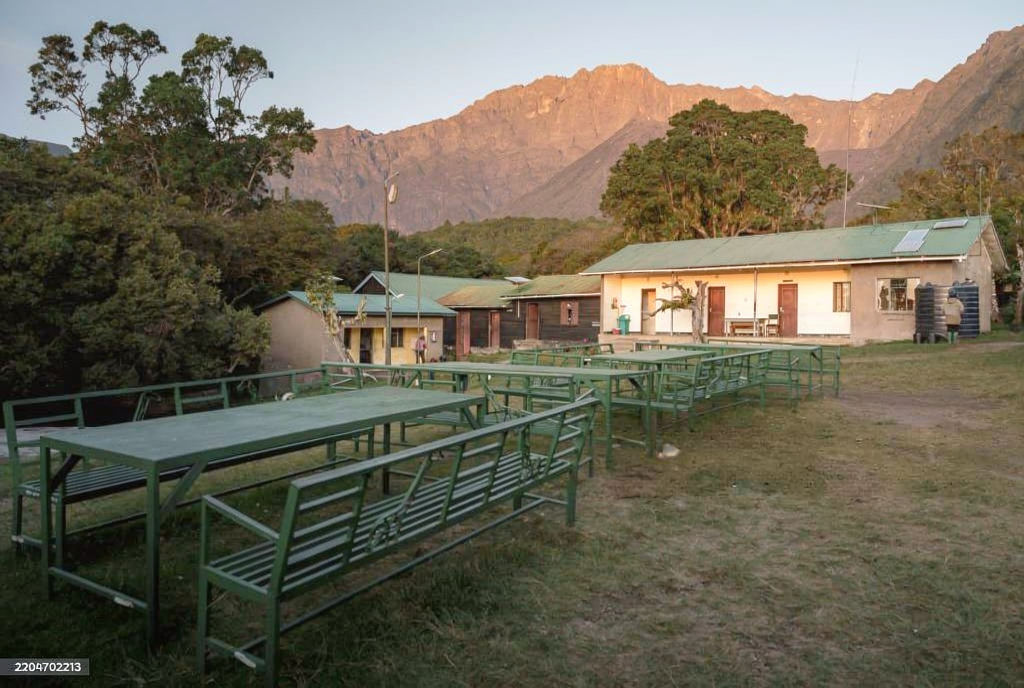
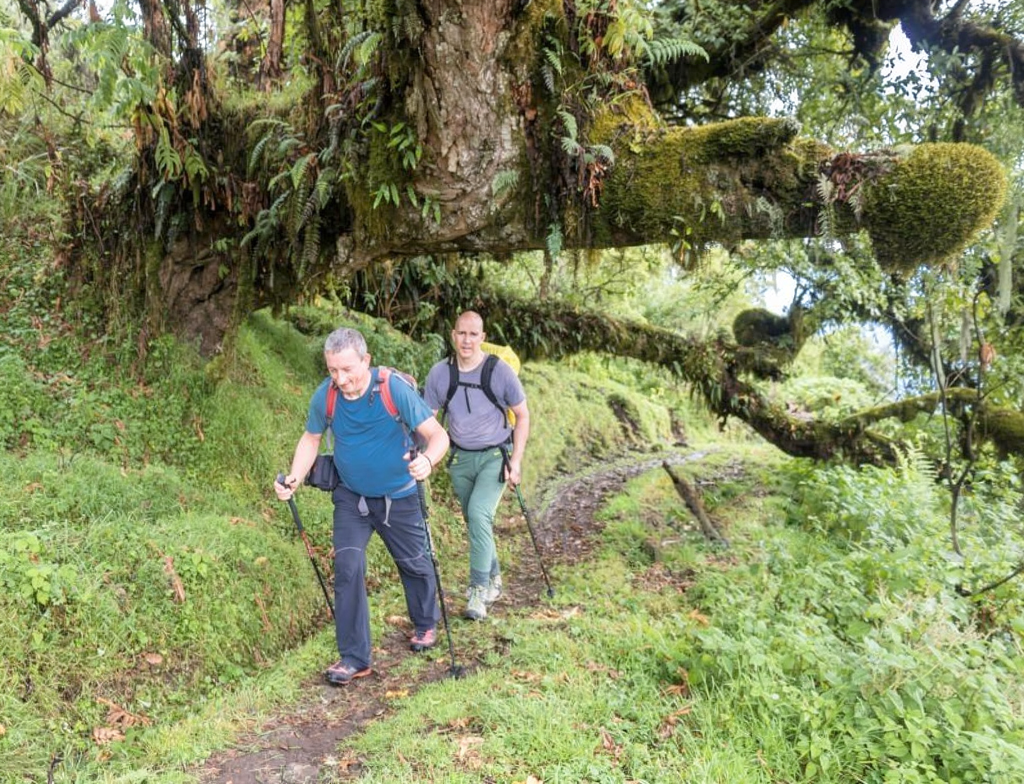
Mount Meru, Tanzania’s second-highest peak at 4,566 meters (14,980 feet), stands majestically within Arusha National Park. Often overshadowed by its colossal neighbor, Kilimanjaro, Meru offers a unique and compelling trekking experience. It’s a pyramid-shaped volcano with dramatic cliffs and impressive views, especially of Kilimanjaro itself on clear days. For many, Mount Meru serves as the perfect preparatory climb for Kilimanjaro, aiding acclimatization and building mountain fitness. Others choose Meru as a rewarding standalone adventure, appreciating its wilder feel, shorter duration, and the opportunity to spot wildlife within the national park.
This guide aims to provide a detailed overview for anyone considering a Mount Meru trek, covering everything from choosing the right route and understanding pricing structures to preparing for the physical and logistical demands. We’ll look at the typical trekking seasons for 2026-2027, what to pack, and why partnering with a local, experienced operator like Climb 4 Africa can make all the difference in your journey.
Understanding Mount Meru’s Appeal
Mount Meru is more than just a training ground for Kilimanjaro. Its caldera rim offers spectacular vistas, and the trek itself passes through diverse ecosystems, from lush montane forests teeming with colobus monkeys and various birdlife to alpine desert zones as you ascend. The final push to the summit, often starting in the early hours, involves traversing a narrow ridge with sheer drops on either side, an exhilarating experience that requires focus and determination.
The primary draw for many is its accessibility and relative shortness compared to Kilimanjaro. A 3-day trek is common, making it a feasible option for those with limited time. However, don’t let the shorter duration fool you; Meru is a steep and demanding climb. The altitude gain is significant, and the terrain can be challenging, particularly on the final ascent to Socialist Peak (often referred to as Meru summit).
For travelers planning their African adventures for 2026 or 2027, Mount Meru presents a fantastic opportunity to experience high-altitude trekking in a stunning natural setting. It provides a tangible sense of accomplishment and a chance to connect with the wild beauty of Tanzania’s northern highlands.
Mount Meru Trekking Routes: The Momella Route
The overwhelmingly popular and almost exclusively used route for Mount Meru treks is the Momella Route. It’s the most direct and logistically straightforward path, designed for ascents and descents. While there are variations in the itinerary, the core path remains consistent.
The Momella Route typically takes 3 or 4 days to complete. The extra day in the 4-day option allows for a more relaxed pace and better acclimatization, which is always a wise consideration when trekking at altitude.
The 3-Day Momella Route Itinerary
This is the most common and time-efficient option. It’s suitable for trekkers who are already well-acclimatized or have recent high-altitude experience.
- Day 1: Momella Gate (1,500m) to Miriakamba Hut (2,100m)
The trek begins at Momella Gate, the entrance to Arusha National Park. The initial part of the hike is a gentle ascent through the forest, offering opportunities to spot wildlife like giraffes, zebras, and various antelopes. Guides will ensure safety and point out points of interest. The trail can be muddy, especially during the rainy seasons. You’ll reach Miriakamba Hut, located in the forest, by late afternoon. - Day 2: Miriakamba Hut (2,100m) to Saddle Hut (3,500m)
This is a significantly steeper and more challenging day. You’ll ascend through montane forest and then into heath and moorland. The views begin to open up, with glimpses of Kilimanjaro and the surrounding plains. The air gets thinner, and the pace will naturally slow. Saddle Hut is located at a strategic point between the two peaks of Meru, offering dramatic views of the Little Meru crater. - Day 3: Saddle Hut (3,500m) to Socialist Peak (4,566m) and descent to Miriakamba Hut (2,100m)
This is the summit day, starting in the very early morning (around 2-3 AM). The ascent is steep and often done in darkness, using headlamps. The trail traverses a rocky path and then a narrow crater rim ridge. Reaching Socialist Peak for sunrise is a highlight, offering unparalleled panoramic views. The descent back to Saddle Hut is quicker but still requires care. After a brief rest, you’ll descend further to Miriakamba Hut, where you’ll spend your final night on the mountain. - Day 4: Miriakamba Hut (2,100m) to Momella Gate (1,500m)
The final day involves a relatively easy descent back to Momella Gate. This path often takes a different route than the ascent, allowing you to see more of the park’s diverse flora and fauna. You’ll be met at the gate by your transport, ready to return to Arusha.
The 4-Day Momella Route Itinerary
The 4-day itinerary adds an extra night at Miriakamba Hut, breaking down the ascent from Day 1 into two more manageable stages. This is highly recommended for better acclimatization and a more comfortable experience.
- Day 1: Momella Gate (1,500m) to Mariakamba Hut (2,100m) (Same as 3-day itinerary)
- Day 2: Mariakamba Hut (2,100m) to Saddle Hut (3,500m) (Same as 3-day itinerary)
- Day 3: Saddle Hut (3,500m) to Socialist Peak (4,566m) and descent to Miriakamba Hut (2,100m) (Same as 3-day itinerary)
- Day 4: Miriakamba Hut (2,100m) to Momella Gate (1,500m) (Same as 3-day itinerary)
Wait, that’s not quite right. The 4-day itinerary usually involves an intermediate camp to break up the long climb between Miriakamba and Saddle Hut. Let’s correct that:
The Corrected 4-Day Momella Route Itinerary
This version is generally preferred for improved acclimatization and a more balanced trekking experience.
- Day 1: Momella Gate (1,500m) to Miriakamba Hut (2,100m)
Starts at the park gate, trekking through the forest. The path is generally a steady, gradual climb. You’ll encounter diverse wildlife and lush vegetation. The goal is to reach Miriakamba Hut by afternoon. - Day 2: Miriakamba Hut (2,100m) to Saddle Hut (3,500m)
This is the most significant ascent day of the 4-day trek. You’ll leave the forest zone behind and climb through open moorland and heath. The terrain becomes steeper, and the altitude gain is substantial. Reaching Saddle Hut provides stunning views and sets you up for the summit push. - Day 3: Saddle Hut (3,500m) to Socialist Peak (4,566m) and descent to Saddle Hut (3,500m)
Summit day begins very early. The climb to Socialist Peak is challenging, especially the final ridge. The aim is to reach the summit for sunrise. After enjoying the views and celebrating, you descend back to Saddle Hut for an overnight stay. This allows for a more relaxed summit day and avoids the very long descent on the same day as the summit push. - Day 4: Saddle Hut (3,500m) to Momella Gate (1,500m)
After breakfast at Saddle Hut, you descend all the way back to Momella Gate. This descent is relatively quick but can be tough on the knees. You’ll pass through different vegetation zones and may spot more wildlife on your way down.
Important Note on Itinerary Variations: Some operators might offer a 5-day itinerary, which further breaks down the ascent to Saddle Hut, usually by adding a night at an intermediate camp like Elephant Ridge. For most trekkers, the 4-day itinerary provides a good balance of challenge and acclimatization. The 3-day option is strictly for those with proven high-altitude experience and excellent fitness who need minimal acclimatization time.
Other Potential Routes (Rarely Used)
While the Momella Route is standard, historically, there was a Meru Trail from the south side, starting near Tulia. However, this route is rarely used due to logistical challenges and is generally considered more difficult and less scenic than Momella. For practical trekking purposes in 2026-2027 and beyond, focus solely on the Momella Route.
Mount Meru Trekking Prices and Costs (2026-2027)
Understanding the cost of a Mount Meru trek is crucial for planning. Prices can vary significantly based on the tour operator, the level of service provided, group size, and the season of travel. Here’s a breakdown of what influences the cost and a general idea of what to expect for 2026-2027.
Key Cost Components:
- Park Fees: Arusha National Park entrance fees and camping/hut fees are mandatory and set by the Tanzanian government. These are a significant portion of the total cost.
- Guide and Porter Fees: Licensed mountain guides and porters are required. Their wages, equipment, and food are factored into the price.
- Accommodation: The cost of staying in the mountain huts (Miriakamba and Saddle Hut) is included.
- Meals: All meals prepared by your crew on the mountain are typically included.
- Equipment: While you bring your personal gear, the operator provides tents (if camping is an option, though huts are standard), cooking equipment, and safety gear.
- Transportation: Transfers to and from Momella Gate from Arusha are usually included.
- Emergency Evacuation: Reputable operators include emergency evacuation insurance (e.g., flying doctor services).
- Operator’s Margin: The tour operator’s profit, overhead, and administrative costs.
Estimated Price Ranges for 2026-2027:
For a standard 3- or 4-day Mount Meru trek with a reputable operator, you can generally expect prices to fall within the following ranges:
- Budget Operators: Might start from around $700 – $900 USD per person. These often offer basic services, shared guides, or fewer inclusions.
- Mid-Range Operators: Typically range from $900 – $1300 USD per person. This is where most reputable local and international operators fall, offering good quality service, experienced guides, and comprehensive inclusions.
- Higher-End/Luxury Operators: Could be $1300+ USD per person. These may include private guides, higher quality food, more comfortable transfers, or added amenities.
Important Considerations Regarding Pricing:
- Private vs. Group Treks: Private treks will always be more expensive per person than joining a group. For solo travelers or small groups, joining a scheduled group departure can significantly reduce costs.
- Inclusions: Always check what is included. Does it cover park fees? Meals? Accommodation? Transfers? Emergency evacuation? Tips for the crew?
- Exclusions: Common exclusions include personal gear, travel insurance, visa fees, tips for guides and porters, and expenses in Arusha.
- Seasonality: While Meru doesn’t have as extreme high/low seasons as Kilimanjaro, prices might slightly increase during peak trekking months (e.g., June-October, December-February).
Tips for Crew: While often not included in the initial quote, tipping the mountain crew (guides, porters, cook) is customary and highly appreciated. Budget around $150-$250 USD per trekker for tips, depending on group size and duration. Your operator will provide guidelines.
For accurate pricing for your specific 2026 or 2027 Mount Meru trek, it is best to request a personalized quote from operators like Climb 4 Africa. They can tailor an itinerary to your needs and provide a transparent breakdown of costs.
Typical inclusions for a Mount Meru trek package:
- Park fees (Arusha National Park entry, conservation fees)
- Hut fees at Miriakamba and Saddle Huts
- All meals on the mountain (breakfast, lunch, dinner)
- Trained and licensed mountain guide(s)
- Porters to carry group gear and your main bag (weight limits apply)
- All necessary cooking equipment and utensils
- Boiled drinking water on the mountain
- Transfer from Arusha to Momella Gate and back
- Emergency oxygen cylinder and first-aid kit
- Flying Doctor emergency evacuation cover
Typical exclusions:
- International flights to/from Tanzania
- Visa fees for Tanzania
- Travel and medical insurance (mandatory, including emergency evacuation)
- Personal trekking gear (boots, clothing, sleeping bag, etc.)
- Tips for guides, porters, and cook
- Lunches and dinners in Arusha before and after the trek
- Alcoholic and soft drinks
- Personal expenses (e.g., laundry, souvenirs)
- Optional summit bonus for porters (if applicable)
Best Time to Trek Mount Meru
Mount Meru can be trekked year-round, but certain periods offer more favorable weather conditions. Understanding these seasons will help you plan your 2026 or 2027 adventure effectively.
Tanzania has two main rainy seasons and two dry seasons:
- Long Rains (Mar, Apr, May): These months are generally the wettest and are best avoided for trekking. Trails can become very muddy and slippery, and visibility is often poor.
- Short Rains (Nov): Typically less intense than the long rains, but still bring occasional showers.
- Dry Seasons (Jun-Oct and Dec-Feb): These are the prime trekking seasons for Mount Meru.
Prime Trekking Months:
- June to October: This is the longest dry season. Skies are usually clear, offering excellent views of Kilimanjaro and the surrounding landscape. Temperatures are moderate. This is also a peak season for Kilimanjaro, so Meru can be busy too.
- December to February: This period is also dry, though it can be hotter, especially at lower elevations. It’s another popular time for trekking.
Shoulder Seasons:
- March: Often marks the end of the long rains, so it can still be wet, but conditions are improving.
- November: The start of the short rains. Expect a mix of sunny days and occasional, often brief, showers.
Recommendation for 2026-2027: For the best chance of clear skies, dry trails, and comfortable trekking temperatures, aim for the June-October or December-February windows. If you’re looking to avoid peak crowds, consider late May or early November, but be prepared for a higher chance of rain.
Physical Preparation for Mount Meru
Mount Meru is a strenuous climb, and adequate physical preparation is essential for a successful and enjoyable trek. While it’s shorter than Kilimanjaro, the steepness and altitude make it a significant challenge.
Key Aspects of Preparation:
- Cardiovascular Fitness: Focus on activities that improve your stamina. Running, cycling, swimming, and hiking are excellent. Aim for at least 3-4 sessions per week in the months leading up to your trek.
- Strength Training: Legs and core strength are vital. Squats, lunges, step-ups (especially with a weighted backpack), and core exercises will help you manage the steep ascents and descents.
- Hiking Experience: The best training is hiking. If possible, undertake multi-day hikes with significant elevation changes. Practice hiking with the gear you intend to use, including your daypack and potentially a heavier backpack if you plan to carry some of your own gear.
- Altitude Acclimatization: If you are using Meru as a warm-up for Kilimanjaro, the trek itself will serve as excellent acclimatization. If Meru is your sole high-altitude goal, ensure you are well-rested and have spent a few days at moderate altitude (e.g., Arusha) before starting the trek, if possible.
- Mental Preparedness: High-altitude trekking is as much a mental challenge as a physical one. Be prepared for discomfort, fatigue, and cold conditions. A positive attitude and determination are key.
Specific Training Tips:
- Simulate the Climb: Find hills or stairs and practice ascending and descending for extended periods.
- Carry a Pack: Train with a backpack weighing 5-10 kg (10-20 lbs) to get used to the feeling and added exertion.
- Hydration and Nutrition: Practice staying hydrated and fueled during long training sessions.
- Listen to Your Body: Don’t push too hard during training, and allow for rest and recovery.
Remember, your guide will assess your condition daily. If you are struggling significantly, they may advise you to descend for safety reasons. Good preparation maximizes your chances of reaching the summit and enjoying the experience.
What to Pack for Mount Meru
Proper gear is crucial for comfort and safety on Mount Meru. The weather can change rapidly, and you’ll experience a range of temperatures from warm at the base to freezing at the summit. Packing smart is essential.
Here’s a comprehensive packing list. Remember that porters will carry your main duffel bag (usually up to 15kg), while you’ll carry a daypack with essentials.
Clothing:
- Base Layers: Moisture-wicking thermal tops and bottoms (merino wool or synthetic).
- Mid Layers: Fleece jacket or similar insulating layer.
- Outer Layer: Waterproof and windproof jacket (Gore-Tex or similar) and waterproof trousers.
- Insulated Jacket: A warm down or synthetic insulated jacket for evenings and summit attempts.
- Trekking Trousers: Comfortable, quick-drying hiking trousers (avoid jeans).
- Trekking Shirts: Several moisture-wicking short and long-sleeved shirts.
- Warm Hat: Woolen or fleece hat that covers your ears.
- Gloves: Warm, waterproof gloves or mittens, plus thinner liner gloves.
- Sun Hat: Wide-brimmed hat for sun protection.
- Buff or Neck Gaiter: For sun and wind protection.
Footwear:
- Hiking Boots: Broken-in, waterproof, mid-to-high cut hiking boots with good ankle support.
- Camp Shoes: Comfortable trainers or sandals for use at the huts.
- Socks: Several pairs of warm trekking socks (wool or synthetic).
- Liner Socks: To prevent blisters.
Gear:
- Backpack: A comfortable daypack (25-35 liters) for essentials you’ll carry daily (water, snacks, camera, rain gear, warm layer).
- Duffel Bag: A large, durable waterproof duffel bag (80-100 liters) for porters to carry (check weight limits with your operator).
- Sleeping Bag: A warm, 4-season sleeping bag rated to at least -10°C (15°F).
- Sleeping Bag Liner: For added warmth and hygiene.
- Trekking Poles: Highly recommended for stability and reducing strain on knees.
- Water Bottles/Hydration Reservoir: At least 2-3 liters capacity.
- Headlamp: With extra batteries for summit night and early mornings.
- Sunglasses: With good UV protection.
Personal Items:
- Sunscreen: High SPF.
- Lip Balm: With SPF.
- Insect Repellent: Especially for lower forest sections.
- Toiletries: Biodegradable soap, toothbrush, toothpaste, wet wipes, hand sanitizer.
- Personal First-Aid Kit: Including blister treatment, pain relievers, antiseptic wipes, personal medications.
- Camera and Spare Batteries/Power Bank: Cold drains batteries quickly.
- Snacks: Energy bars, nuts, dried fruit, chocolate.
- Book/Journal: For downtime at huts.
- Passport, Visa, Copies: Keep secure.
- Cash: For tips and personal expenses (USD is widely accepted).
Note on Huts: Miriakamba and Saddle Huts are basic. They provide sleeping platforms and a common area. You’ll need your own sleeping bag and mat (though some operators provide mats). Toilets are usually pit latrines, and water is often available from a tap, but it’s recommended to treat or boil it.
Safety and Acclimatization on Mount Meru
Safety is paramount on any high-altitude trek, and Mount Meru is no exception. Understanding the risks and how to mitigate them is crucial for a successful and healthy climb.
Altitude Sickness (AMS):
Acute Mountain Sickness (AMS) is the most common altitude-related illness. Symptoms can include headache, nausea, dizziness, fatigue, and loss of appetite. It can progress to more severe forms like High Altitude Pulmonary Edema (HAPE) and High Altitude Cerebral Edema (HACE), which are life-threatening.
Prevention and Management:
- Ascend Slowly: The 4-day itinerary is designed for better acclimatization than the 3-day.
- Hydrate: Drink plenty of water (3-4 liters per day).
- Avoid Alcohol and Smoking: These can exacerbate altitude effects.
- Eat Well: Maintain good nutrition, even if your appetite is reduced.
- Listen to Your Body: Report any symptoms to your guide immediately.
- Medication: Diamox (Acetazolamide) can be prescribed by your doctor to help with acclimatization. Discuss this option with your physician before your trip.
- Descent is the Cure: If symptoms worsen, the only effective treatment is to descend. Your guide will make this decision if necessary.
Other Safety Considerations:
- Guides and Porters: Use licensed, experienced guides and porters. They are trained to monitor trekkers and handle emergencies. Climb 4 Africa employs highly trained local guides.
- Emergency Evacuation: Ensure your tour operator includes emergency evacuation cover. This is vital for rapid transport to a medical facility if needed.
- Wildlife: Arusha National Park is home to wildlife, including buffalo, elephants, and monkeys. Always follow your guide’s instructions regarding wildlife encounters. Keep a safe distance and never feed animals.
- Trail Conditions: Trails can be steep, rocky, and slippery, especially after rain. Wear appropriate footwear and use trekking poles.
- Weather: Conditions can change rapidly. Be prepared for sun, wind, rain, and cold temperatures.
Acclimatization Strategy:
The 4-day itinerary offers a more gradual ascent, allowing your body more time to adapt to the increasing altitude. The key is to reach Saddle Hut (3,500m) on Day 2, giving you a full day to ascend to Socialist Peak (4,566m) on Day 3, and then descend. This pacing is crucial for minimizing the risk of AMS. If you are very concerned about altitude, consider spending an extra day in Arusha before starting or adding a rest day at Miriakamba Hut if your itinerary allows.
Choosing a Tour Operator for Mount Meru
Selecting the right tour operator is one of the most critical decisions you’ll make for your Mount Meru trek. A good operator ensures safety, provides quality services, and contributes positively to the local economy.
What to Look For in an Operator:
- Experience and Reputation: Look for operators with a proven track record of successful Mount Meru treks. Check reviews on platforms like TripAdvisor, but also look for direct testimonials.
- Safety Standards: Do they carry emergency oxygen and a comprehensive first-aid kit? Is emergency evacuation covered? Do they have clear safety protocols?
- Guide Qualifications: Are guides licensed, experienced, and trained in wilderness first aid?
- Crew Welfare: Do they treat their guides and porters fairly? This includes fair wages, adequate food, proper gear, and reasonable workloads. This is a strong indicator of an ethical and reliable company.
- Inclusions and Transparency: Is the pricing clear? What exactly is included and excluded?
- Local Knowledge and Support: Operators with strong local ties often provide a richer experience and better logistical support. Climb 4 Africa is a Tanzanian company deeply rooted in the local community.
- Communication: Are they responsive to your queries? Do they provide detailed pre-trek information?
Why Choose Climb 4 Africa for Your Mount Meru Trek?
Climb 4 Africa is a leading Tanzanian tour operator specializing in Kilimanjaro climbs and other mountain treks, including Mount Meru. We pride ourselves on:
- Expert Local Guides: Our guides are highly experienced, certified, and possess extensive knowledge of Mount Meru and altitude management.
- Safety First: We adhere to strict safety protocols, ensuring all trekkers have access to emergency oxygen and comprehensive medical kits. We partner with reputable emergency evacuation services.
- Fair Treatment of Crew: We are committed to ethical treatment of our guides and porters, ensuring fair wages, proper gear, and nutritious meals, which translates to a motivated and dedicated support team for your trek.
- Tailor-Made Experiences: Whether you’re looking for a private 2026 or 2027 trek or want to join a small group, we can customize an itinerary to suit your needs and budget.
- Comprehensive Packages: Our Mount Meru packages are designed to be inclusive, covering all essential costs so you can focus on the adventure.
- Practical Support: From initial planning to your return to Arusha, we provide practical, on-the-ground support.
To discuss your Mount Meru trekking plans for 2026 or 2027, get in touch with our team. You can reach us via WhatsApp at +255 747 477 898 or email us at climb4africa@gmail.com.
Preparing for Your Mount Meru Trek: A Practical Checklist
Beyond the packing list, several practical steps will ensure you are fully prepared for your Mount Meru adventure.
Pre-Trek Planning (6-12 Months Prior):
- Research: Understand the routes, durations, and typical costs.
- Fitness Training: Begin your physical preparation.
- Book Your Trip: Secure your preferred dates and operator, especially if planning for peak seasons in 2026 or 2027.
- Travel Insurance: Purchase comprehensive travel insurance that covers high-altitude trekking and emergency evacuation.
Pre-Trek Planning (1-3 Months Prior):
- Gear Acquisition: Purchase or rent necessary gear. Test it out during training hikes.
- Medical Check-up: Consult your doctor about altitude sickness medication (like Diamox) and any personal health concerns.
- Vaccinations: Ensure you are up-to-date on routine vaccinations and consult a travel clinic for any specific recommendations for Tanzania.
- Visa: Check visa requirements for Tanzania and apply if necessary.
Pre-Trek Planning (1-2 Weeks Prior):
- Finalize Logistics: Confirm flight details, airport transfers, and any pre/post-trek accommodation in Arusha.
- Pack Your Bags: Double-check your packing list.
- Currency: Obtain some USD for tips and small expenses.
- Copies: Make copies of important documents (passport, visa, insurance).
Upon Arrival in Arusha:
- Briefing: Attend your pre-trek briefing with your tour operator. This is where you’ll meet your guide, get detailed information about the trek, and ask any last-minute questions.
- Gear Check: Your operator can often assist with last-minute gear needs or rentals.
- Rest and Hydrate: Spend a day or two in Arusha to rest, acclimatize slightly, and finalize any preparations.
By following these steps, you’ll be well-prepared to tackle Mount Meru and make the most of your incredible Tanzanian trekking experience.
Mount Meru vs. Kilimanjaro: Which is Right for You?
Many trekkers ponder whether Mount Meru or Kilimanjaro is the better choice. The decision depends on your goals, time, fitness, and budget.
Mount Meru Advantages:
- Acclimatization: Excellent for preparing for Kilimanjaro.
- Duration: Shorter (3-4 days) than most Kili routes.
- Cost: Generally less expensive than Kilimanjaro.
- Wildlife: Offers opportunities to see wildlife within Arusha National Park.
- Less Crowded: Generally fewer trekkers compared to Kilimanjaro’s main routes.
- Steep Challenge: Offers a significant physical challenge on a shorter timeline.
Kilimanjaro Advantages:
- Height: Africa’s highest peak (5,895m) and one of the Seven Summits.
- Iconic Status: A bucket-list achievement for many.
- Multiple Routes: Offers various routes with different scenery and difficulty levels.
- Longer Acclimatization: Longer routes (6-9 days) provide better acclimatization for a higher summit.
Who Should Choose Mount Meru?
- Trekkers preparing for Kilimanjaro who want to acclimatize and test their gear/fitness.
- Those with limited time who want a challenging high-altitude trek.
- Travelers seeking a rewarding mountain experience with fewer crowds and opportunities for wildlife viewing.
- Individuals looking for a spectacular standalone trek with stunning views, particularly of Kilimanjaro.
Who Should Choose Kilimanjaro?
- Those aiming to summit the highest peak in Africa and achieve an iconic mountaineering goal.
- Trekkers who have the time (6-9 days) and physical capacity for a longer, higher-altitude ascent.
- People who want the prestige and challenge of climbing a world-renowned mountain.
For many, undertaking a Mount Meru trek before their Kilimanjaro expedition in 2026 or 2027 is a highly recommended strategy. It provides invaluable experience and confidence.
Final Thoughts on Your Mount Meru Adventure
Mount Meru is a remarkable mountain that offers a rich and rewarding trekking experience. It challenges you physically, rewards you with incredible scenery, and provides a unique perspective on Tanzania’s natural beauty. Whether you use it as a stepping stone to Kilimanjaro or as your primary mountain adventure, careful planning, proper preparation, and choosing a reliable operator are key to success.
For your 2026 or 2027 Mount Meru trek, remember that quality service, safety, and ethical crew treatment should be top priorities. Partnering with experienced local operators like Climb 4 Africa ensures you have the best possible support system.
Ready to plan your Mount Meru trek? We are here to help you craft an unforgettable adventure. Contact Climb 4 Africa today to discuss your itinerary, get a personalized quote, and take the first step towards summiting this magnificent peak. Reach out via WhatsApp at +255 747 477 898 or email us at climb4africa@gmail.com.
Check Availability for Mount Meru Tanzania: Trekking, Prices, And Route Guide 2026-2027
Ready to compare dates, prices, and the best option for your group? Send the package name and travel month so the team can reply with a clear quote, availability, and what is included.
Mount Meru Trekking 3 Tage: Your Essential Planning Guide 2026-2027
A comprehensive guide to the 3-day Mount Meru trek, covering essential planning details for 2026-2027, including routes, preparation, what to expect, and booking advice.
View package details
Mount Meru Trekking Ab Arusha 2026-2027
Mount Meru Trekking ab Arusha is explained with current 2026-2027 planning, price, itinerary and booking information.
View package details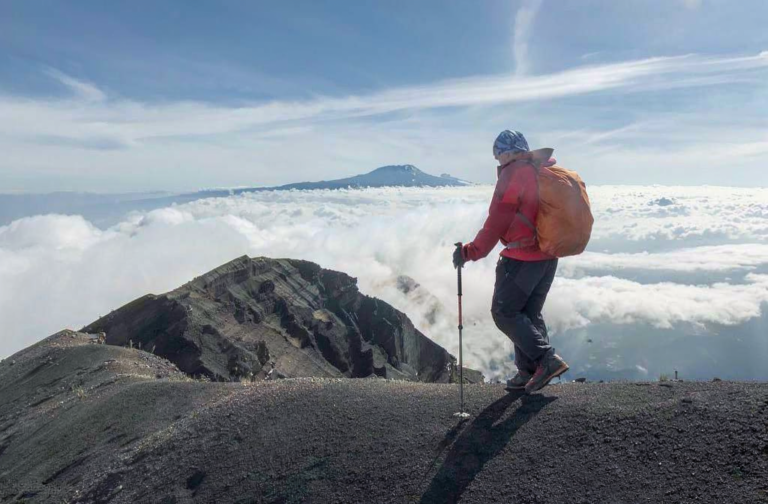
Trekking Monte Meru Desde Arusha: Your Ultimate Guide For 2026-2027
Your comprehensive guide to trekking Mount Meru from Arusha, covering everything from route options and difficulty to essential preparation and booking advice for climbs in 2026-2027.
View package details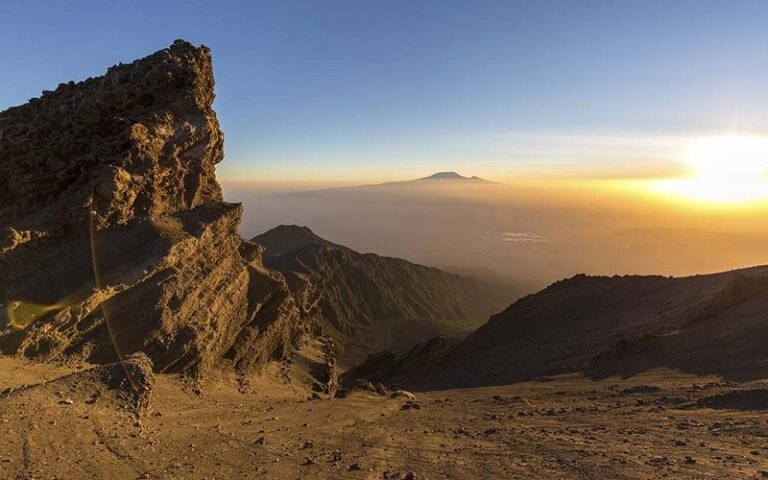
Monte Meru Y Kilimanjaro: Trekking En Tanzania 2026-2027
Discover the ultimate trekking experience in Tanzania by combining Mount Meru and Mount Kilimanjaro. This comprehensive guide covers everything from route selection and preparation to...
View package detailsMonte Meru Tanzania Trekking From Arusha: Your Essential Guide 2026-2027
start a trek up Mount Meru from Arusha, Tanzania's stunning dormant volcano. This guide covers everything from routes and difficulty to preparation and best times to go for your 2026-2027...
View package detailsTrek Mont Meru 4 Jours: Your Complete Guide 2026-2027
start a 4-day trek up Mount Meru, a challenging yet rewarding climb near Kilimanjaro. This guide covers routes, preparation, gear, and essential tips for your 2026-2027 expedition.
View package detailsRuta Momella Monte Meru: Your Complete Guide 2026-2027
Your comprehensive guide to the Momella Route on Mount Meru, covering everything from preparation and typical itineraries to what makes this climb a unique Tanzanian adventure, ideal for...
View package details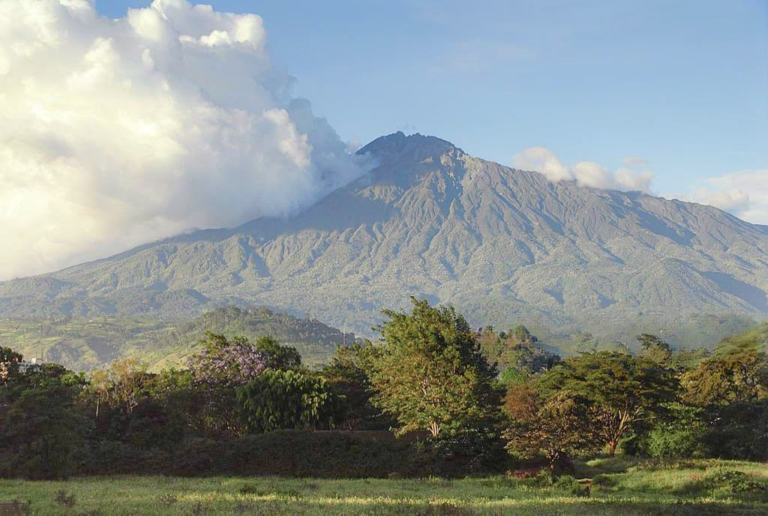
Momella Route Mount Meru 2026-2027
Momella Route Mount Meru is explained with current 2026-2027 planning, price, itinerary and booking information.
View package details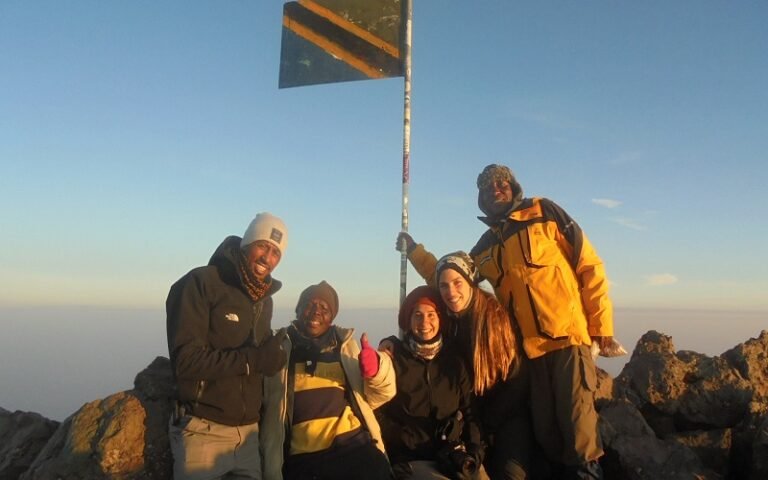
Trekking Monte Meru Tanzania: Precios, Ruta Y Consejos 2026-2027
Trekking Monte Meru Tanzania: precios, ruta y consejos is explained with current 2026-2027 planning, price, itinerary and booking information.
View package details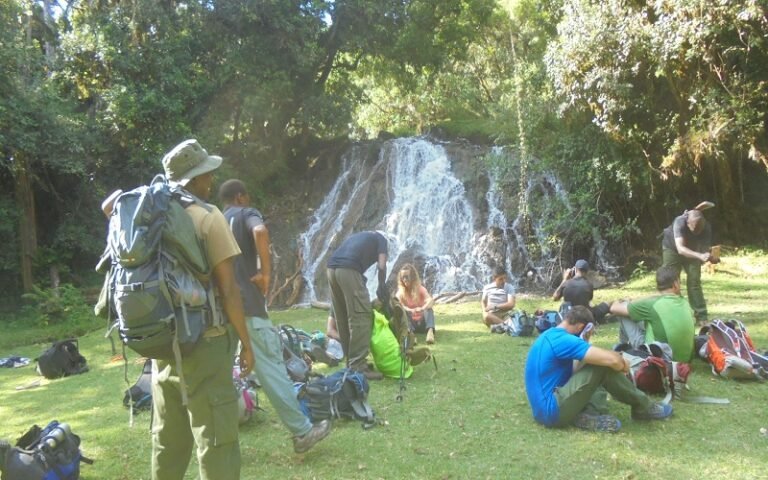
Precio Trekking Monte Meru: ¿Cuánto Cuesta Tu Aventura En ? 2026-2027
Planifica tu aventura en el Monte Meru conociendo los costos detallados. Explora las opciones de rutas, duraciones y lo que influye en el precio para tu expedición 2026-2027.
View package details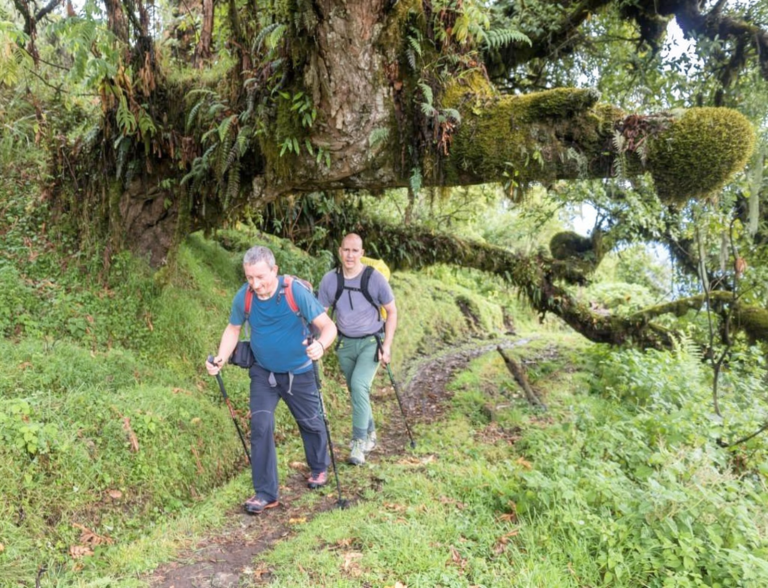
Trekking Monte Meru 4 Días 2026-2027
Trekking Monte Meru 4 días is explained with current 2026-2027 planning, price, itinerary and booking information.
View package detailsTrekking Monte Meru 3 Días 2026-2027
Trekking Monte Meru 3 días is explained with current 2026-2027 planning, price, itinerary and booking information.
View package detailsNo related package matches those filters. Clear one or more filters to see the other topic-matched options.



