
A 4-day Mount Meru trek is a challenging yet rewarding ascent, typically following the Momella Route, which is the most common for shorter itineraries. This route offers stunning scenery and acclimatization benefits, often serving as a prelude to Kilimanjaro. For 2026-2027 adventures, expect a fully supported climb with guides, porters, meals, and park fees included in most packages, with prices varying based on group size and service level. It’s a demanding climb requiring good fitness and preparation.
Mount Meru: The “Little Brother” of Kilimanjaro
Often overshadowed by its colossal neighbor, Kilimanjaro, Mount Meru stands as a magnificent and formidable mountain in its own right. Located within Arusha National Park, just a short drive from the town of Arusha, Meru offers a distinct trekking experience. It’s an active stratovolcano, meaning it’s still geologically alive, though eruptions are exceedingly rare. Its summit, Socialist Peak, reaches 4,566 meters (14,980 feet), making it a significant altitude challenge, though considerably lower than Kilimanjaro’s Uhuru Peak at 5,895 meters.
The allure of Mount Meru lies in its wildness and the diverse ecosystems it traverses. Unlike Kilimanjaro, which is a national park in its entirety, Meru is situated within a national park that is also a thriving wildlife sanctuary. This means your trek might include sightings of buffalo, giraffes, various antelope species, and even colobus monkeys, especially on the lower slopes. The park rangers accompany trekkers for safety, particularly in the lower sections where wildlife is more prevalent. This adds a unique safari-like element to the trek.
For many, Mount Meru serves as an excellent training ground for Kilimanjaro. The altitude gain, the sustained physical effort, and the need for proper acclimatization are all present. Successfully trekking Meru can boost confidence and provide invaluable experience for those planning a larger ascent. However, it’s crucial not to underestimate Meru itself; it is a serious mountain that demands respect, proper preparation, and a good level of fitness. The trails can be steep, rocky, and exposed, particularly as you ascend towards the crater rim and the summit.
The trekking season for Mount Meru aligns with that of Kilimanjaro, with the driest months being January-March and June-October. These periods offer the best weather conditions, with clearer skies and less rain, making the ascent safer and more enjoyable. Planning a trek for 2026 or 2027 during these prime months is advisable for the best experience.
The 4-Day Mount Meru Trek: Momella Route Focus
When considering a 4-day Mount Meru trek, the Momella Route is overwhelmingly the standard and most practical choice. While longer itineraries exist, a 4-day schedule is specifically designed to ascend and descend via this route, balancing acclimatization with efficiency. The Momella Route starts from the Momella Gate on the eastern side of Arusha National Park and is known for its scenic beauty, passing through diverse vegetation zones.
The Momella Route typically involves a circular path or a point-to-point ascent and descent, depending on the chosen itinerary length. For a 4-day trek, it’s common to ascend to the summit and then descend via a slightly different path or back along the same general trajectory, focusing on reaching the summit within the timeframe. This route is generally considered less steep than the Marangu Route on Kilimanjaro but still presents significant challenges, particularly the final push to Socialist Peak.
Why the Momella Route for 4 Days?
- Efficiency: It’s the most direct route suitable for a shorter trek, allowing for ascent and descent within the 4-day window.
- Scenery: It offers varied landscapes, from lush montane forests teeming with wildlife to open moorlands and alpine deserts.
- Acclimatization: While compressed, the 4-day itinerary still incorporates some level of acclimatization, though it’s more rapid than on longer treks.
- Support: This route is well-established and fully supported, ensuring you have experienced guides, porters, and necessary logistics.
It’s important to understand that a 4-day Mount Meru trek is a rapid ascent. While feasible, it offers less time for acclimatization compared to 5-day or 6-day itineraries. This means that fitness and preparation are paramount. For those who have booked a 4-day Mount Meru trek for 2026 or 2027, it is essential to arrive well-rested and in excellent physical condition.
The trek typically begins with a drive to Momella Gate, followed by a hike through the forest zone. The subsequent days involve ascending through moorland and alpine desert, culminating in a summit attempt typically starting in the early hours of the final day. The descent often utilizes parts of the same trail or a slightly varied path down to a different exit point within the park, from where you’ll be transferred back to your accommodation.
Detailed 4-Day Itinerary: What to Expect Day-by-Day
Embarking on a 4-day Mount Meru trek means a fast-paced but incredibly rewarding journey. The Momella Route is the standard for this duration, focusing on reaching Socialist Peak efficiently while attempting to manage altitude. Here’s a typical breakdown of what you can expect for a 2026 or 2027 adventure:
Day 1: Momella Gate (1,500m) to Miriakamba Hut (2,100m)
Duration: 4-6 hours trekking
Distance: Approximately 10 km
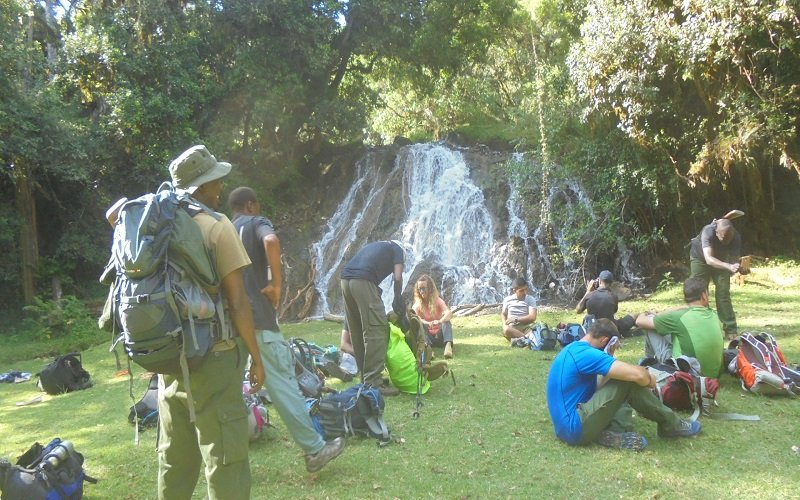
Activity: Your trek begins after a drive from Arusha to Momella Gate (1,500m). After park registration and briefing, you’ll start your hike through the lush montane forest. This is often the most scenic part of the trek, with opportunities to spot wildlife like giraffes, zebras, and various monkeys, accompanied by park rangers for safety. The trail is a steady incline, gradually gaining altitude as you make your way to Miriakamba Hut. The air is rich and humid here. Upon arrival, you’ll settle into the hut, enjoy dinner, and rest.
Key Considerations: This is your first day of acclimatization. Hydrate well and take it easy. The wildlife sightings are a highlight, but always maintain a safe distance and follow your guide’s instructions.
Day 2: Miriakamba Hut (2,100m) to Saddle Hut (3,500m)
Duration: 3-5 hours trekking
Distance: Approximately 8 km
Activity: Today involves a steeper and more challenging ascent as you leave the forest zone behind and enter the moorland. The trail becomes more rugged, with switchbacks aiding the climb. You’ll experience a significant altitude gain, and the vegetation changes to heath and moorland with giant heathers and groundsels. The views back over Arusha National Park and towards Kilimanjaro (on clear days) become increasingly spectacular. Saddle Hut is situated in a saddle between Meru’s main crater and Little Meru. After reaching Saddle Hut and having lunch, you’ll have the option to make a short, steep excursion to the summit of Little Meru (3,800m) for acclimatization and panoramic views before returning to Saddle Hut for the night.
Key Considerations: This day tests your stamina. Pace yourself, drink plenty of water, and be aware of any signs of altitude sickness. The Little Meru excursion is highly recommended for acclimatization.
Day 3: Summit Attempt: Saddle Hut (3,500m) to Socialist Peak (4,566m) and return to Miriakamba Hut (2,100m)
Duration: 10-12 hours trekking (round trip to summit and descent)
Distance: Approximately 16 km (round trip)
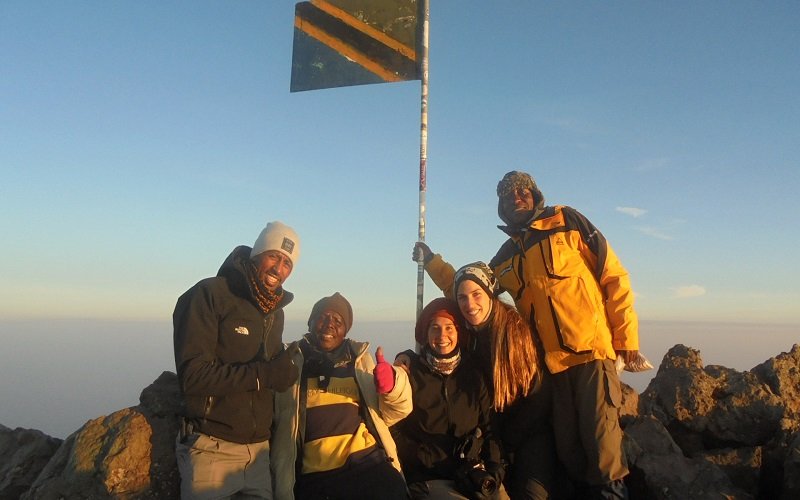
Activity: This is the crux of your 4-day Mount Meru trek. You will wake up very early (around 1:00 AM or 2:00 AM) for breakfast and begin your ascent to Socialist Peak. The trail is steep, rocky, and can be challenging, especially in the dark. You’ll ascend through alpine desert and rocky scree, following a path that leads to the crater rim. From the rim, the final push to the summit involves a walk along the ridge, which can be exposed and windy. Reaching Socialist Peak (4,566m) at sunrise offers impressive, unparalleled views of the surrounding landscape, including Kilimanjaro. After celebrating your achievement, you’ll descend back to Saddle Hut for a short break and then continue the steep descent all the way down to Miriakamba Hut. This is a very long and demanding day.
Key Considerations: This is the most critical day. Proper gear, warm clothing, headlamp, and mental fortitude are essential. The rapid descent to Miriakamba Hut is necessary to position you for your final day’s exit, but it can be tough on the knees.
Day 4: Miriakamba Hut (2,100m) to Momella Gate (1,500m) and Departure
Duration: 2-3 hours trekking
Distance: Approximately 10 km
Activity: After breakfast at Miriakamba Hut, you will begin your final descent back to Momella Gate. This part of the trail is mostly downhill, through the forest zone again. You may have more opportunities to spot wildlife that you missed on the way up. The descent is generally quicker than the ascent. Upon reaching Momella Gate, you will sign out, receive your summit certificate (if applicable and provided), and meet your transport back to Arusha. You’ll likely be tired but exhilarated by your accomplishment.
Key Considerations: Enjoy the final views and reflect on your trek. Ensure you have sturdy footwear for the descent to protect your knees and ankles.
This 4-day Mount Meru trek itinerary is demanding due to the rapid altitude gain and the long summit day. It’s crucial to be well-prepared physically and mentally for this compressed schedule, especially if planning for 2026 or 2027.
Assessing Mount Meru’s Difficulty and Fitness Requirements
Mount Meru is classified as a challenging trek. While its summit is lower than Kilimanjaro’s, the 4-day itinerary compresses the ascent significantly, demanding a higher level of fitness and acclimatization preparedness than a longer Meru trek or even some of Kilimanjaro’s longer routes. The difficulty stems from several factors:
- Altitude: Reaching 4,566 meters (14,980 feet) means dealing with reduced oxygen levels, which affects everyone differently. The 4-day trek offers limited acclimatization time.
- Steepness and Terrain: The trail, particularly from Saddle Hut to the summit, is steep, rocky, and often scree-covered. The final ascent is a significant physical test.
- Summit Day Length: The summit day is exceptionally long, often 10-12 hours of trekking, starting in the pre-dawn hours. This requires substantial endurance.
- Rapid Ascent: Ascending from 2,100m to 3,500m in one day, and then to 4,566m the next, is a rapid gain that can increase the risk of altitude sickness for unprepared individuals.
Who is a 4-Day Mount Meru Trek Suitable For?
- Experienced Hikers: Individuals who have successfully completed multi-day treks at moderate to high altitudes.
- Those Seeking a Kilimanjaro Prep: People using it as a rigorous training climb for Kilimanjaro in 2026 or 2027, understanding the intensity.
- Fit Individuals: People who maintain a consistent fitness routine, including cardiovascular exercise and strength training, especially for legs and core.
Fitness Recommendations:
- Cardiovascular Training: Aim for at least 3-4 sessions per week of activities like running, cycling, swimming, or brisk hiking for 45-60 minutes. Focus on activities that elevate your heart rate and improve stamina.
- Hiking Practice: Undertake regular hikes, especially those with significant elevation gain. Practice hiking with a daypack to simulate trek conditions. Aim for hikes of 4-6 hours with substantial ascents.
- Strength Training: Focus on leg strength (squats, lunges, step-ups) and core strength. Strong legs are crucial for the steep ascents and descents, and a strong core aids balance and endurance.
- Stair Climbing: Incorporate stair climbing into your routine, ideally with a weighted backpack, to prepare for the steep sections.
- Mental Preparation: Understand that this trek will push your limits. Being mentally prepared for discomfort, cold, and fatigue is as important as physical fitness.
Trade-offs of the 4-Day Itinerary:
The primary trade-off for choosing a 4-day Mount Meru trek is the reduced acclimatization time. While it’s efficient for those with limited time, it increases the physiological stress of altitude. If you have any concerns about altitude sickness or are new to high-altitude trekking, a 5-day or 6-day itinerary for Mount Meru would be a safer and more comfortable option, allowing for better acclimatization. For 2026-2027 bookings, consider your personal altitude tolerance carefully.
Your Essential Mount Meru Trekking Gear Checklist
Proper gear is non-negotiable for a Mount Meru trek, especially for a 4-day itinerary where conditions can change rapidly and comfort is key to managing the demanding schedule. Here’s a comprehensive checklist, focusing on layers and functionality for varying altitudes and weather.
Clothing Layers (The Key to Comfort)
- Base Layers: Moisture-wicking thermal tops and bottoms (merino wool or synthetic). Bring 2-3 sets.
- Mid Layers: Fleece jacket or a lightweight insulated jacket for warmth.
- Outer Layer (Shell): Waterproof and windproof jacket and trousers. Essential for protection against rain, wind, and snow.
- Insulation Layer: A warm down or synthetic puffy jacket for evenings and summit attempts.
- Trekking Shirts: 2-3 quick-drying, breathable shirts (long-sleeved recommended for sun protection).
- Trekking Trousers: 2 pairs of comfortable, durable, quick-drying trekking trousers (avoid jeans). Convertible trousers are useful.
- Shorts: Optional, for the lower, warmer sections.
Footwear
- Hiking Boots: Well broken-in, waterproof, mid-to-high ankle support hiking boots. This is arguably the most critical item.
- Camp Shoes: Comfortable shoes or sandals for wearing at the huts.
- Socks: 4-6 pairs of thick, moisture-wicking hiking socks (wool or synthetic).
- Liner Socks: Optional, to prevent blisters.
Headwear and Handwear
- Warm Hat: A wool or fleece hat that covers your ears.
- Sun Hat/Cap: Wide-brimmed for sun protection at lower altitudes.
- Balaclava or Neck Gaiter: For warmth and wind protection on the summit.
- Gloves: 1 pair of warm, waterproof/windproof gloves or mittens.
- Liner Gloves: Lightweight gloves for dexterity.
Sleeping Gear
- Sleeping Bag: A 4-season bag rated to at least -10°C (14°F). Mountain huts can be cold.
- Sleeping Bag Liner: Adds warmth and keeps your bag cleaner.
Trekking Equipment
- Backpack: A comfortable daypack (30-40 liters) for daily essentials. Your main gear will be carried by porters.
- Trekking Poles: Highly recommended for reducing strain on knees during ascents and descents.
- Headlamp: Essential for summit night and navigating huts. Bring extra batteries.
- Water Bottles/Hydration Reservoir: At least 2-3 liters capacity. Insulated covers are useful in cold weather.
- Sunglasses: High UV protection.
- Sunscreen: High SPF (30-50+).
- Lip Balm: With SPF.
- Personal First-Aid Kit: Include any personal medications, blister treatment, pain relievers, antiseptic wipes, bandages, etc.
- Toiletries: Biodegradable soap, toothbrush, toothpaste, wet wipes, hand sanitizer.
- Quick-Dry Towel: Small and lightweight.
- Camera and Batteries/Power Bank: For capturing the stunning scenery.
- Snacks: Energy bars, nuts, dried fruit for supplementary energy.
- Small Dry Bag: To protect electronics and valuables.
Important Notes for 2026-2027 Trekkers:
- Rentals: Many operators, including Climb 4 Africa, offer gear rentals (e.g., sleeping bags, jackets, poles). Inquire about availability and costs when booking your 2026-2027 trek.
- Pack Weight: While porters carry the bulk of your gear, there are often weight limits (typically 15 kg). Your daypack should contain essentials you need during the day.
- Waterproofing: Ensure all your gear, especially clothing and sleeping bag, is protected from rain. Consider using waterproof stuff sacks.
Understanding Altitude Sickness on Mount Meru
Altitude sickness, or Acute Mountain Sickness (AMS), is a significant concern on any high-altitude trek, including Mount Meru. The 4-day itinerary for Mount Meru poses a particular challenge because it involves a relatively rapid ascent to over 4,500 meters, offering less time for your body to adjust compared to longer treks. Understanding AMS, its symptoms, and how to mitigate it is crucial for a safe and successful trek in 2026 or 2027.
What is Altitude Sickness?
AMS occurs when your body cannot adjust quickly enough to the lower levels of oxygen at higher altitudes. Symptoms can range from mild to severe and life-threatening. The primary factor is the rate of ascent and the altitude reached.
Common Symptoms of AMS:
- Headache (the most common symptom)
- Nausea and vomiting
- Dizziness and lightheadedness
- Fatigue and weakness
- Loss of appetite
- Difficulty sleeping
- Shortness of breath, even at rest
In severe cases, AMS can progress to High Altitude Cerebral Edema (HACE), where fluid builds up in the brain, or High Altitude Pulmonary Edema (HAPE), where fluid accumulates in the lungs. These are medical emergencies and require immediate descent.
Strategies for Prevention and Management on a 4-Day Mount Meru Trek:
- Ascend Slowly: While the 4-day itinerary is inherently fast, the guides will manage the pace of the group. Listen to your body and communicate any discomfort.
- Hydrate, Hydrate, Hydrate: Drink plenty of water (3-4 liters per day) throughout the trek. Dehydration can mimic or worsen AMS symptoms. Avoid alcohol and excessive caffeine.
- Eat Well: Maintain a good intake of carbohydrates, which are easier for the body to metabolize at altitude.
- Avoid Overexertion: Especially on the first day, take it easy. “Pole pole” (slowly, slowly) is the mantra.
- Acclimatization Hikes: The excursion to Little Meru on Day 2 is vital for acclimatization.
- Medication (Consult Your Doctor): Diamox (Acetazolamide) is a prescription medication often used to aid acclimatization. Discuss its use, dosage, and potential side effects with your doctor well before your 2026-2027 trek. It is not a substitute for proper acclimatization but can help alleviate symptoms.
- Inform Your Guide Immediately: If you experience any symptoms, no matter how mild, tell your guide straight away. They are trained to assess the situation and make decisions, which may include resting, administering medication, or descending.
- Descent is the Best Cure: If AMS symptoms are moderate to severe, the only effective treatment is to descend. Do not try to push through.
For your 2026-2027 4-day Mount Meru trek:
Given the rapid nature of the 4-day trek, it’s wise to arrive in Tanzania a day or two early to rest and acclimatize to the local altitude (Arusha is around 1,300m). This can provide a small but beneficial buffer. Your guides will be vigilant, but your own awareness of your body is paramount.
When to Trek Mount Meru: Seasonal Considerations for 2026-2027
Choosing the right time to undertake your 4-day Mount Meru trek is essential for maximizing your chances of good weather, clear views, and overall enjoyment. Mount Meru experiences distinct wet and dry seasons, similar to Kilimanjaro, making certain periods more favorable for climbing.
The Dry Seasons (Prime Trekking Times):
- January to March: This is considered one of the best times to trek. The weather is typically dry, with clear skies offering excellent visibility of Kilimanjaro and the surrounding plains. Temperatures are pleasant, though it can still be cold at higher altitudes, especially during summit night. This period also follows the shorter rainy season, meaning the landscape is often lush and green.
- June to October: This is the longest dry season and another excellent window for trekking Mount Meru. The weather is generally stable and dry, with cooler temperatures. Visibility is usually good, though occasional cloud cover can occur. This is a popular time, so booking your 2026 or 2027 trek in advance is recommended.
The Shoulder Seasons:
- April and May: These months typically mark the heavy rainy season (the “long rains”). Trekking during this time is generally not recommended due to frequent and heavy rainfall, which can make trails muddy, slippery, and increase the risk of landslides. Visibility is often poor, and the experience can be significantly less enjoyable.
- November and December: This period sees the shorter rainy season. While not as intense as the long rains, expect intermittent showers, especially in the afternoons. Mornings can still be clear, but there’s a higher chance of cloud cover and rain impacting the trek.
Seasonal Considerations for a 4-Day Mount Meru Trek in 2026-2027:
- Dry Seasons: Ideal for the 4-day trek. The dry conditions make the technical sections of the summit push safer and more manageable. The clear skies offer the most rewarding views.
- Wet Seasons: While possible, trekking during the wet seasons significantly increases the difficulty and reduces the enjoyment. Muddy trails, reduced visibility, and cold, wet conditions can be challenging. For a shorter, demanding trek like the 4-day Mount Meru, it’s best to avoid these periods if possible.
- Crowds: The dry seasons, particularly June-October, are peak times. If you prefer a quieter experience, consider the shoulder months within the dry season or January-March.
Recommendation for 2026-2027: For the best chance of success and enjoyment on your 4-day Mount Meru trek, aim for the January-March or June-October windows. These periods offer the most favorable weather conditions for this challenging ascent.
Mount Meru Trekking Costs and Booking Your 2026-2027 Adventure
The cost of a 4-day Mount Meru trek can vary significantly based on the operator, the level of service provided, and the inclusions. For 2026 and 2027 treks, it’s essential to understand what is typically included in the price to make an informed decision. Climb 4 Africa provides transparent pricing and detailed inclusions.
Typical Inclusions for a 4-Day Mount Meru Trek:
- Park entrance fees (Arusha National Park fees)
- Crater fees
- Accommodation in mountain huts (Miriakamba and Saddle Hut)
- All meals during the trek (breakfast, lunch, dinner, snacks)
- Purified drinking water
- Professional guides (certified and experienced)
- Porters to carry your main luggage
- Ranger fees (required for safety on lower slopes)
- Ground transportation to/from the park gate
- Transfer from/to Kilimanjaro International Airport (JRO) or Arusha Airport
- Temporary rescue fee
What is Usually Excluded:
- Trekking gear (sleeping bags, trekking poles, etc. – though rentals are often available)
- Tips for guides, porters, and rangers
- Personal travel insurance (mandatory)
- Visa fees
- Flights to/from Tanzania
- Soft drinks, alcoholic beverages, and bottled water (beyond purified water provided)
- Lunches and dinners in Arusha before and after the trek
- Personal expenses
Factors Influencing Cost:
- Operator Type: Local operators generally offer more competitive pricing than international ones, often with better local knowledge and support.
- Group Size: Private treks are more expensive per person than group treks. Shared or joining group departures can significantly reduce costs for 2026-2027.
- Service Level: The quality of guides, food, and equipment can influence the price. Higher-end services usually come at a premium.
- Time of Year: While less pronounced than on Kilimanjaro, peak season travel might sometimes influence pricing.
Estimated Cost Range (for 2026-2027):
For a standard 4-day Mount Meru trek booked with a reputable local operator, you might expect prices to range from approximately $700 to $1,200 USD per person. This is a general guideline, and actual quotes will depend on the specific inclusions and group size. Always request a detailed quote that clearly outlines what is and isn’t included.
Booking Your 2026-2027 Trek:
When booking your 4-day Mount Meru trek for 2026 or 2027, consider the following:
- Reputation: Choose an operator with a strong track record, positive reviews, and a commitment to safety and ethical treatment of staff.
- Inclusions: Ensure all essential costs like park fees and guide fees are covered.
- Support: Look for operators who offer excellent pre-trip communication and on-the-ground support.
- Customization: If you have specific needs or want to combine Meru with other activities, check if the operator offers tailor-made packages.
Next Steps for Booking:
To get a personalized quote and discuss your 2026-2027 4-day Mount Meru trek, it’s best to contact Climb 4 Africa directly. They can provide detailed itineraries, explain inclusions, and help you plan your adventure. Reach out via WhatsApp at +255 747 477 898 or email climb4africa@gmail.com to start planning.
Why Climb Mount Meru with Climb 4 Africa?
Selecting the right tour operator is paramount for a successful and memorable Mount Meru trek. Climb 4 Africa distinguishes itself through its local expertise, commitment to safety, and personalized service, making them an excellent choice for your 2026-2027 adventure.
Local Expertise and Knowledge:
- As a Tanzania-based company, Climb 4 Africa possesses intimate knowledge of Mount Meru, its trails, and the Arusha National Park. Their guides are local, highly experienced, and understand the mountain’s nuances, weather patterns, and potential challenges.
- They are deeply familiar with the local culture and regulations, ensuring a smooth and respectful trekking experience.
Commitment to Safety:
- Safety is a top priority. Climb 4 Africa employs certified guides trained in wilderness first aid and altitude sickness management.
- They adhere to strict safety protocols, including regular health checks during the trek, ensuring that any potential issues are addressed promptly.
- Their team is equipped to handle emergencies, and they maintain clear communication channels throughout the expedition.
Quality Service and Support:
- Climb 4 Africa focuses on providing a high standard of service, from initial inquiry to post-trek follow-up.
- They offer well-balanced itineraries, ensuring that while your 4-day trek is efficient, it still prioritizes your well-being.
- They provide quality meals and use reliable equipment, contributing to your comfort and energy levels on the mountain.
Ethical Operations:
- Climb 4 Africa is committed to fair treatment of their guides and porters, ensuring they are well-equipped, paid fairly, and treated with respect. This ethical approach not only benefits the crew but also contributes to a more positive and dedicated team on your trek.
Tailor-Made Experiences:
- While the 4-day Mount Meru trek is a standard package, Climb 4 Africa excels at creating tailor-made itineraries. If you wish to extend your stay, combine Meru with a safari, or have specific requirements for your 2026-2027 trip, they can design a package that perfectly suits your needs.
Making Your Booking Easy:
Choosing Climb 4 Africa for your 4-day Mount Meru trek means partnering with a dedicated team focused on making your adventure smooth and unforgettable. They understand the importance of this journey and are equipped to guide you every step of the way. To discuss your plans for 2026-2027, get a personalized quote, or ask any questions, please don’t hesitate to contact them.
Contact Climb 4 Africa:
- WhatsApp: +255 747 477 898
- Email: climb4africa@gmail.com
Final Preparations and What to Do Before You Go
The anticipation for your 4-day Mount Meru trek is high, and finalizing your preparations is key to a smooth and enjoyable experience. Whether you’re trekking in late 2026 or early 2027, a few crucial steps will ensure you’re ready for the mountain.
Health and Medical Checks:
- Consult Your Doctor: Schedule a pre-travel medical check-up at least 6-8 weeks before your departure. Discuss your trekking plans, altitude, and any pre-existing conditions. Get advice on vaccinations and malaria prophylaxis if needed for Tanzania.
- Dental Check: Barometric pressure changes at altitude can exacerbate existing dental issues. A quick check can prevent unexpected pain.
- Prescriptions: Ensure you have enough of any personal prescription medications for the duration of your trip, plus a little extra. Carry them in their original packaging with a copy of your prescription.
Travel Documents:
- Passport: Ensure your passport is valid for at least six months beyond your intended stay and has sufficient blank pages.
- Visa: Check visa requirements for Tanzania for your nationality. Many nationalities can obtain a visa on arrival or apply online in advance.
- Travel Insurance: This is mandatory for all trekkers. Ensure your policy covers high-altitude trekking up to 4,566 meters, emergency medical evacuation, and trip cancellation.
- Flight Bookings: Confirm your flight details and share them with your tour operator.
Financial Preparations:
- Currency: The local currency is the Tanzanian Shilling (TZS), but USD is widely accepted for tourist services and tipping. Carry a mix of both. Small USD bills are useful for tips.
- Cash for Tips: Factor in budget for tipping your guides, porters, and cooks. Your operator will usually provide guidelines.
- Credit Cards/ATMs: ATMs are available in major towns like Arusha, but carrying sufficient cash is recommended for remote areas and smaller purchases. Credit card acceptance can be limited.
Final Gear Checks:
- Pack Appropriately: Review your gear checklist. Ensure everything is in good working order. Test your headlamp, check your boots for comfort, and pack your layers logically.
- Waterproofing: Double-check that your waterproofs are indeed waterproof and consider dry bags for critical items like electronics and sleeping bags.
- Weight Distribution: If your operator has porter weight limits, pack accordingly. Your daypack should contain your essentials for the day: water, snacks, rain gear, warm layer, sunscreen, camera, and personal first-aid.
Pre-Trek Acclimatization in Arusha:
- Arrive Early: If possible, arrive in Arusha a day or two before your trek begins. This allows you to rest, adjust to the local climate, and finalize any last-minute preparations.
- Stay Hydrated and Rested: Even at Arusha’s altitude (approx. 1,300m), staying hydrated and getting good rest is beneficial before heading to the mountain.
By attending to these final details, you’ll be well-prepared to fully embrace the challenge and beauty of your 4-day Mount Meru trek, making your 2026-2027 adventure a resounding success.
“,
“faq_schema”: [
{
“question”: “What is the best route for a 4-day Mount Meru trek?”,
“answer”: “The Momella Route is the standard and most practical route for a 4-day Mount Meru trek. It allows for an efficient ascent and descent within the limited timeframe and offers diverse scenery.”
},
{
“question”: “How difficult is the 4-day Mount Meru trek?”,
“answer”: “The 4-day Mount Meru trek is considered challenging due to the rapid altitude gain and the long summit day. It requires good physical fitness and mental preparation. It is not recommended for first-time trekkers or those with concerns about altitude sickness.”
},
{
“question”: “What are the main risks of a 4-day Mount Meru trek?”,
“answer”: “The primary risk is altitude sickness (AMS) due to the fast ascent. Other risks include challenging terrain, cold weather, and fatigue. Proper acclimatization strategies, guide support, and listening to your body are crucial.”
},
{
“question”: “What is the best time of year for a 4-day Mount Meru trek in 2026-2027?”,
“answer”: “The best times are the dry seasons: January to March and June to October. These months offer the most stable weather, clearer views, and safer trekking conditions for this demanding itinerary.”
},
{
“question”: “What is typically included in the cost of a 4-day Mount Meru trek?”,
“answer”: “Typically included are park fees, accommodation in huts, all meals on the mountain, guides, porters, and ground transport. Exclusions usually involve gear rental, tips, personal expenses, and flights.”
},
{
“question”: “Do I need special gear for the 4-day Mount Meru trek?”,
“answer”: “Yes, essential gear includes layered clothing (base, mid, outer shell), waterproofs, sturdy hiking boots, warm hat and gloves, a good sleeping bag, trekking poles, and a headlamp. Proper footwear and layered clothing are critical.”
},
{
“question”: “Can I combine a Mount Meru trek with a Kilimanjaro climb?”,
“answer”: “Yes, Mount Meru is an excellent training climb for Kilimanjaro. Many trekkers use Meru for acclimatization and fitness preparation before attempting Kilimanjaro in 2026 or 2027.”
},
{
“question”: “How should I prepare physically for a 4-day Mount Meru trek?”,
“answer”: “Focus on cardiovascular fitness through running, cycling, or swimming, and practice hiking with elevation gain and a daypack. Strength training for legs and core is also highly recommended.”
}
]
}
“`
Check Availability for Mount Meru Trekking 4 Tage 2026-2027
Ready to compare dates, prices, and the best option for your group? Send the package name and travel month so the team can reply with a clear quote, availability, and what is included.
Mount Meru Trekking 3 Tage: Your Essential Planning Guide 2026-2027
A comprehensive guide to the 3-day Mount Meru trek, covering essential planning details for 2026-2027, including routes, preparation, what to expect, and booking advice.
View package details
Mount Meru Trekking Ab Arusha 2026-2027
Mount Meru Trekking ab Arusha is explained with current 2026-2027 planning, price, itinerary and booking information.
View package details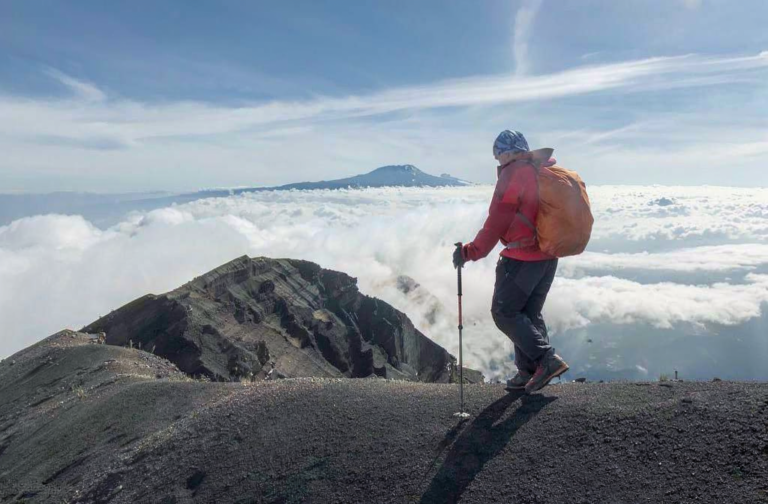
Trekking Monte Meru Desde Arusha: Your Ultimate Guide For 2026-2027
Your comprehensive guide to trekking Mount Meru from Arusha, covering everything from route options and difficulty to essential preparation and booking advice for climbs in 2026-2027.
View package details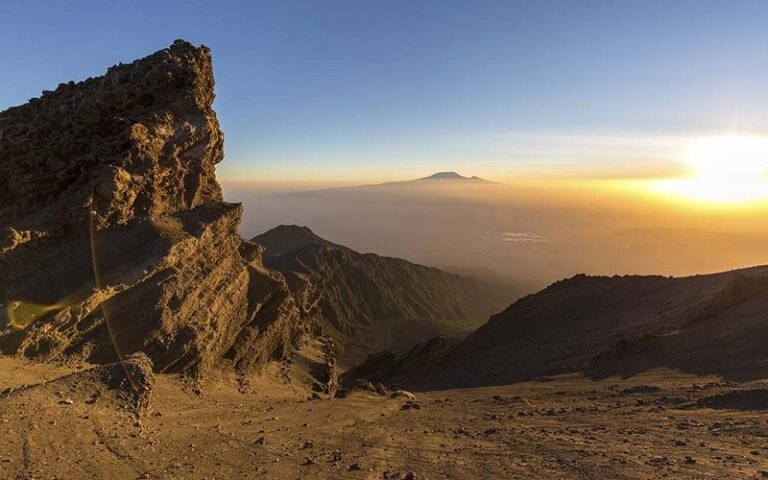
Monte Meru Y Kilimanjaro: Trekking En Tanzania 2026-2027
Discover the ultimate trekking experience in Tanzania by combining Mount Meru and Mount Kilimanjaro. This comprehensive guide covers everything from route selection and preparation to...
View package detailsMonte Meru Tanzania Trekking From Arusha: Your Essential Guide 2026-2027
start a trek up Mount Meru from Arusha, Tanzania's stunning dormant volcano. This guide covers everything from routes and difficulty to preparation and best times to go for your 2026-2027...
View package detailsTrek Mont Meru 4 Jours: Your Complete Guide 2026-2027
start a 4-day trek up Mount Meru, a challenging yet rewarding climb near Kilimanjaro. This guide covers routes, preparation, gear, and essential tips for your 2026-2027 expedition.
View package detailsRuta Momella Monte Meru: Your Complete Guide 2026-2027
Your comprehensive guide to the Momella Route on Mount Meru, covering everything from preparation and typical itineraries to what makes this climb a unique Tanzanian adventure, ideal for...
View package details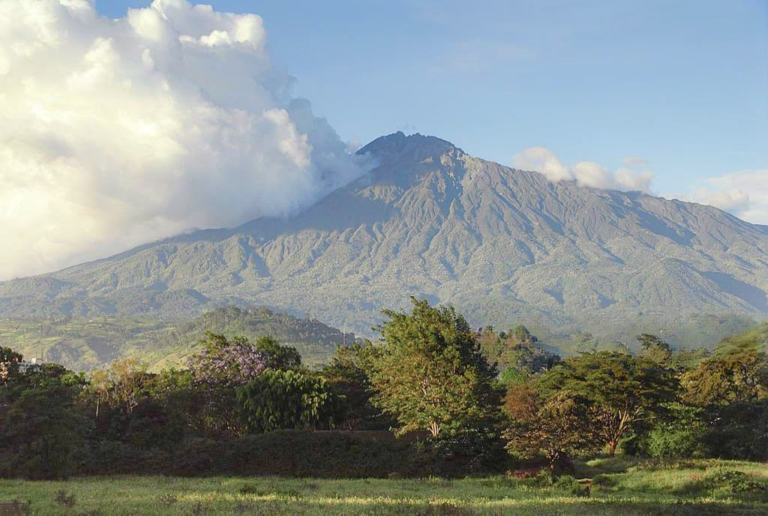
Momella Route Mount Meru 2026-2027
Momella Route Mount Meru is explained with current 2026-2027 planning, price, itinerary and booking information.
View package details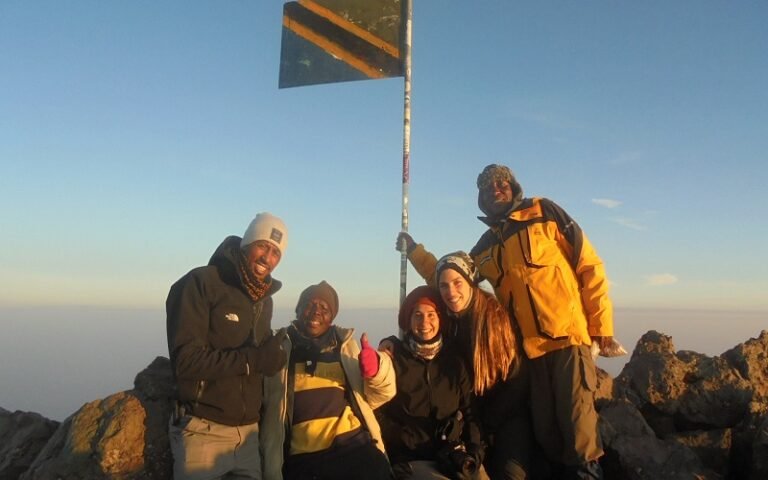
Trekking Monte Meru Tanzania: Precios, Ruta Y Consejos 2026-2027
Trekking Monte Meru Tanzania: precios, ruta y consejos is explained with current 2026-2027 planning, price, itinerary and booking information.
View package details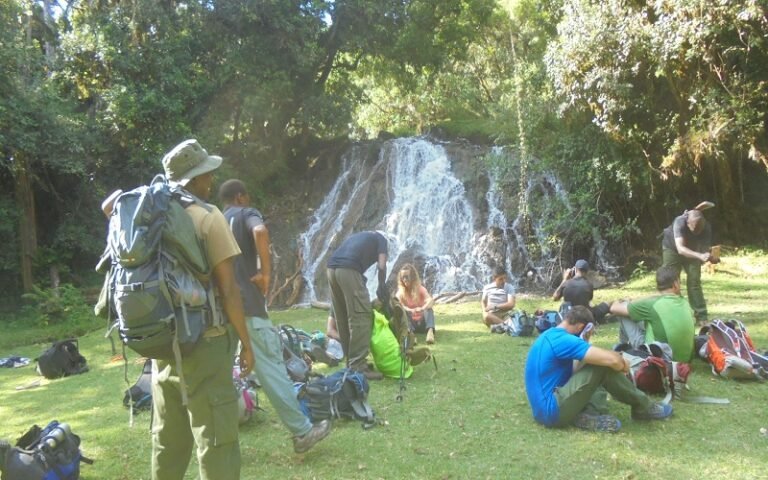
Precio Trekking Monte Meru: ¿Cuánto Cuesta Tu Aventura En ? 2026-2027
Planifica tu aventura en el Monte Meru conociendo los costos detallados. Explora las opciones de rutas, duraciones y lo que influye en el precio para tu expedición 2026-2027.
View package details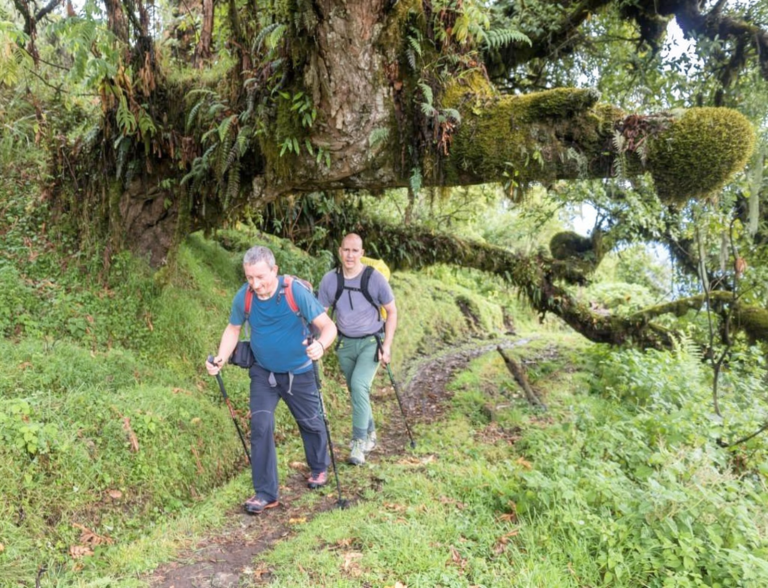
Trekking Monte Meru 4 Días 2026-2027
Trekking Monte Meru 4 días is explained with current 2026-2027 planning, price, itinerary and booking information.
View package detailsTrekking Monte Meru 3 Días 2026-2027
Trekking Monte Meru 3 días is explained with current 2026-2027 planning, price, itinerary and booking information.
View package detailsNo related package matches those filters. Clear one or more filters to see the other topic-matched options.



