
German travelers planning a Kilimanjaro climb for 2026 or 2027 should focus on choosing a suitable route like Machame or Lemosho for better acclimatization, budgeting between $2,000 – $4,500 USD per person for a quality guided trek with essential inclusions, and booking with a reputable local operator like Climb 4 Africa who provides experienced guides, porters, and logistical support tailored to international clients.
Understanding Your German Kilimanjaro Climb in 2026-2027
The allure of Kilimanjaro, Africa’s highest peak, draws adventurers from around the globe, and German trekkers are no exception. Undertaking this iconic climb is a significant undertaking, requiring careful planning, especially when considering the specific needs and expectations of travelers from Germany. Whether you’re aiming for a challenging ascent in 2026 or planning ahead for 2027, understanding the nuances of climbing Kilimanjaro from a German perspective involves looking at route options, optimal timing, necessary preparations, and what makes a tour operator a reliable choice. This guide aims to provide a deep look at every aspect, ensuring your German Kilimanjaro expedition is a success.
For many, the journey to Kilimanjaro is more than just a physical challenge; it’s a cultural immersion, a test of endurance, and a chance to witness impressive landscapes. German travelers often appreciate thorough preparation and reliable service, which are paramount when dealing with high-altitude trekking. We’ll cover everything from the initial decision-making process for your 2026 or 2027 Kilimanjaro trek to the final summit celebration, with a focus on clarity, practicality, and informed choices.
Choosing the Right Kilimanjaro Route for German Trekkers
Selecting the appropriate route is arguably the most critical decision when planning your German Kilimanjaro climb. The choice significantly impacts your acclimatization, success rate, scenery, and overall experience. Different routes offer varying durations, difficulty levels, and camping experiences. For German trekkers, known for their appreciation of well-structured plans and safety, routes that prioritize gradual ascent and acclimatization are generally recommended. The goal is to maximize your chances of reaching the summit while minimizing the risks associated with altitude sickness.
Popular Kilimanjaro Routes Explained
Kilimanjaro National Park offers several official routes, each with its unique characteristics. Understanding these differences is key to making an informed choice for your 2026 or 2027 expedition.
- Marangu Route (Coca-Cola Route): This is the oldest and arguably the most straightforward route. It’s known for its unique hut accommodation rather than camping, making it a more comfortable option for some. However, its direct ascent means a faster rate of climb, leading to poorer acclimatization and a lower summit success rate compared to other routes. The scenery is also less varied as you ascend and descend the same path. It’s typically a 5-day trek, though 6 days are recommended for better acclimatization.
- Machame Route (Whiskey Route): Often cited as the most scenic route, Machame offers excellent acclimatization due to its “climb high, sleep low” profile. It’s a camping route and is considered more challenging than Marangu due to steeper ascents. A 6-day Machame climb is common, but a 7-day itinerary significantly increases success rates and enjoyment by allowing more time for acclimatization. This is a very popular choice for trekkers seeking a good balance of scenery and success.
- Lemosho Route: Considered one of the most beautiful routes, Lemosho offers a remote and wild start, passing through diverse landscapes. It boasts excellent acclimatization and high success rates, especially when trekked over 7 or 8 days. Lemosho joins the Machame route after a few days. It’s a camping route and is generally more expensive due to its longer duration and remoteness. For trekkers prioritizing views and a less crowded start, Lemosho is an excellent option for a 2026 or 2027 Kilimanjaro climb.
- Shira Route: Similar to Lemosho but starts at a higher altitude on the Shira Plateau. This can be a disadvantage for acclimatization, as the starting point is already quite high. It’s generally recommended for experienced high-altitude trekkers.
- Rongai Route: This route approaches Kilimanjaro from the north, in Kenya. It’s a good option during the rainy seasons as the northern side receives less rainfall. It’s a less crowded route and offers a different perspective. Rongai is a camping route and typically takes 6 or 7 days.
- Northern Circuit: The longest and arguably the best route for acclimatization, the Northern Circuit circles Kilimanjaro, offering spectacular views of the northern and western slopes. It typically takes 9 days, providing ample time for the body to adjust to the altitude. This route has the highest success rate but is also the most expensive and time-consuming.
- Umbwe Route: The shortest and most direct route, Umbwe is also the steepest and most challenging. It requires excellent physical fitness and prior high-altitude experience. Acclimatization is poor, and success rates are low. It’s generally not recommended for first-time Kilimanjaro climbers.
Route Recommendations for German Trekkers
Based on experience and common preferences among international trekkers, including those from Germany, the Machame Route and Lemosho Route are highly recommended for a Kilimanjaro climb in 2026 or 2027. Here’s why:
- Machame Route (7 days): Offers a great balance of stunning scenery, good acclimatization, and a solid success rate. It’s challenging but rewarding. The 7-day option provides an extra day for acclimatization, which is crucial.
- Lemosho Route (7 or 8 days): Provides a more remote and pristine experience, particularly in the early stages. The extended duration of 7 or 8 days ensures excellent acclimatization, making it one of the most successful routes. It’s ideal for those who want to soak in the environment and have a higher probability of reaching the summit.
While Marangu is simpler, its rapid ascent is a significant drawback for acclimatization. For a truly memorable and successful experience, investing a little more time and choosing a route like Machame or Lemosho over 7 or 8 days is usually the best decision for a German Kilimanjaro trek.
Best Time to Climb Kilimanjaro: 2026-2027 Weather & Seasons
Kilimanjaro can be climbed year-round, but certain periods offer significantly better weather conditions, directly impacting your comfort and safety. Understanding the seasons is vital for planning your 2026 or 2027 Kilimanjaro climb.
Kilimanjaro’s Climate Zones
The mountain has distinct climatic zones, and weather can change rapidly. The peak, Uhuru Point (5,895m), is perpetually covered in snow and ice. The lower slopes can be lush rainforest, while the higher reaches are alpine desert and arctic zones.
The Four Seasons of Kilimanjaro
Kilimanjaro experiences two main dry seasons and two main rainy seasons:
- Dry Season 1: January to March. This is generally considered a good time to climb. Temperatures are warm, and skies are usually clear, offering excellent visibility. This period is popular, so expect more trekkers on the mountain.
- Rainy Season 1: April to May. These are the wettest months. Heavy rainfall is common, especially on the lower slopes, making trails muddy and slippery. Snowfall is also more likely at higher altitudes. Most operators advise against climbing during this period.
- Dry Season 2: June to October. This is another excellent period for climbing. The weather is typically dry and cool, with clear skies. July, August, and September are peak months, often experiencing colder temperatures at night but very stable conditions. This is a very popular time for German Kilimanjaro treks.
- Rainy Season 2: November to December. This is a shorter, less intense rainy season than April-May. Rain showers can be expected, but they are often intermittent, and there are still many clear days. It’s a shoulder season, meaning fewer crowds and potentially slightly lower prices.
Optimal Timing for Your 2026-2027 Climb
For the best chance of clear skies, comfortable temperatures, and safe trekking conditions for your 2026 or 2027 Kilimanjaro climb, the dry seasons are preferred:
- Best Months: June, July, August, September, January, February.
- Good Shoulder Months: October, November, December, March. These months can offer good trekking with fewer people.
- Avoid: April and May are generally the least favorable months due to heavy rain.
When planning for 2026 and 2027, consider booking your preferred dates well in advance, especially if you aim for the peak months of July-September or January-February, as availability can fill up. Climb 4 Africa can help you navigate these optimal periods and secure your preferred dates.
Kilimanjaro Trek Costs for German Travelers: What to Expect in 2026-2027
Understanding the cost of a Kilimanjaro trek is crucial for budgeting your 2026 or 2027 German Kilimanjaro climb. Prices can vary significantly based on the route, duration, operator, and inclusions. It’s important to look beyond the headline price and understand what is truly included.
Factors Influencing Kilimanjaro Trek Costs
Several components contribute to the overall cost:
- Park Fees: These are fixed by the Tanzanian government and are a significant portion of any trek cost. They cover entry, camping/hut fees, rescue fees, and crater fees.
- Operator’s Margin: This covers their operational costs, including guide and porter salaries, food, equipment, transportation, and administration.
- Route and Duration: Longer routes with better acclimatization (like Lemosho or Northern Circuit) typically cost more due to more days of service.
- Group Size: Private climbs are more expensive per person than group climbs. Shared group departures offer a more economical option.
- Quality of Service: Higher quality operators invest more in experienced guides, better equipment, adequate food, and fair wages for their crew, which is reflected in the price.
- Inclusions: What is included (e.g., accommodation before/after the trek, airport transfers, bottled water, duffel bag, tips for crew) can vary greatly.
Typical Cost Ranges for 2026-2027
For a reputable, well-supported Kilimanjaro climb in 2026 or 2027, particularly for trekkers from Germany who value quality and safety, expect to budget:
- Budget Operators: $1,500 – $2,200 USD per person. These may cut corners on crew welfare, food quality, or equipment, potentially impacting safety and comfort.
- Mid-Range/Quality Operators: $2,200 – $3,500 USD per person. This range typically covers reputable companies offering good service, experienced guides, quality food, and proper equipment. This is where operators like Climb 4 Africa often fall, providing excellent value.
- Premium/Luxury Operators: $3,500 – $4,500+ USD per person. These might include extra comforts, smaller group sizes, or higher guide-to-client ratios.
Important Note: The Machame or Lemosho routes, typically 7 or 8 days, will generally fall into the mid-range to premium categories when booked with responsible operators. A 5-day Marangu trek might appear cheaper but often comes with compromises on acclimatization and success rate.
What’s Typically Included in a Quality Trek Package?
For a German Kilimanjaro trek in 2026-2027, a comprehensive package from a reputable operator should include:
- All Kilimanjaro National Park entrance fees, camping/hut fees, and rescue fees.
- Experienced, licensed climbing guides and qualified support crew (porters, cooks).
- Nutritious meals prepared by a cook during the trek.
- Boiled and purified drinking water.
- Tents, sleeping mats, and mess tents.
- Crucially: Fair wages and proper treatment for all crew members (this is a major differentiator for responsible operators).
- Oxygen cylinders for emergency use.
- Transfers from Kilimanjaro International Airport (JRO) to your hotel and from the park gate back to your hotel.
Additional Costs to Consider
Beyond the trek package, factor in:
- Flights: International flights to Kilimanjaro International Airport (JRO).
- Visa: If required for your nationality.
- Travel Insurance: Essential, covering high-altitude trekking and medical evacuation.
- Pre/Post-Trek Accommodation: Hotels in Moshi or Arusha.
- Personal Gear: High-quality hiking boots, warm clothing, sleeping bag, etc. (Rentals may be available).
- Tips for the Crew: This is customary and a significant part of the crew’s income. Budget around $250 – $350 USD per trekker for a 7-day climb.
- Personal Expenses: Souvenirs, drinks, snacks.
- Vaccinations and Medications: Consult your doctor.
When comparing prices for your 2026 or 2027 Kilimanjaro climb, always ask for a detailed breakdown of inclusions and exclusions. A slightly higher price for a comprehensive package from a responsible operator often translates to a safer, more enjoyable, and ethically sound experience.
Preparing for Your Kilimanjaro Ascent: Fitness, Gear, and Health
A successful German Kilimanjaro climb hinges on thorough preparation. This involves physical conditioning, acquiring the right gear, and attending to your health and safety. German trekkers often excel in systematic preparation, so let’s break down what’s essential for your 2026-2027 adventure.
Physical Fitness for Kilimanjaro
Kilimanjaro is a high-altitude trek, not a technical climb. The primary challenge is the altitude and the sustained effort over multiple days. While you don’t need to be an elite athlete, a good level of cardiovascular fitness is crucial.
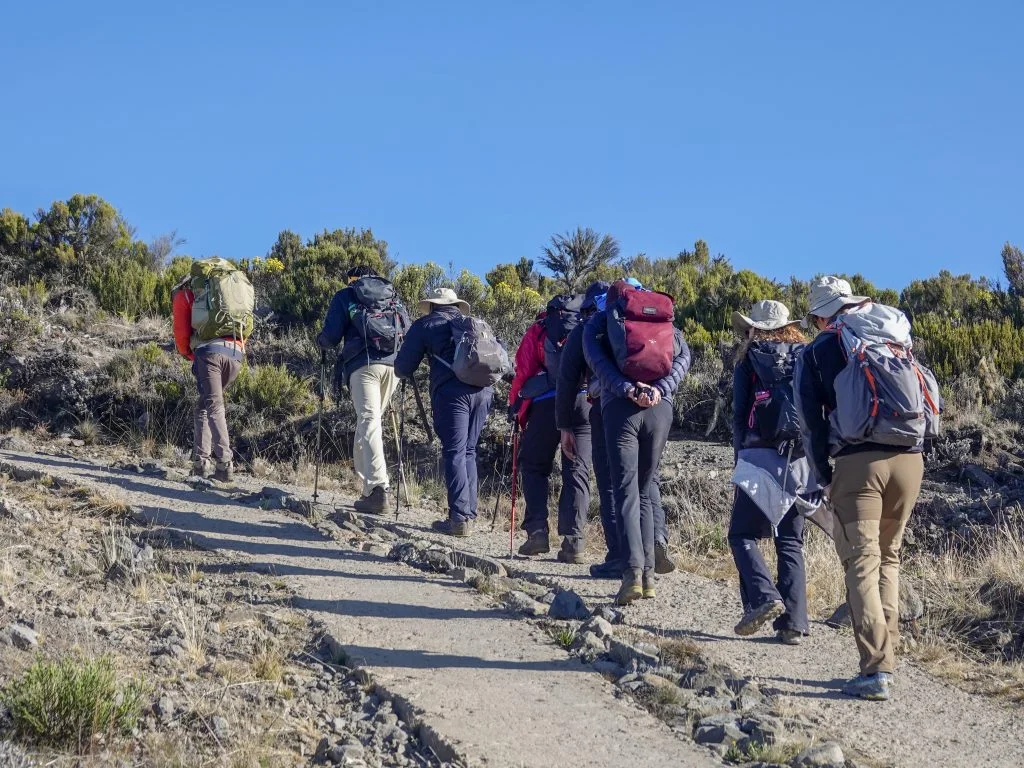
- Cardiovascular Training: Focus on activities that build stamina. Hiking (especially with a backpack), running, cycling, swimming, and stair climbing are excellent. Aim for at least 3-4 sessions per week for several months leading up to your trek.
- Strength Training: Strengthen your legs (quadriceps, hamstrings, calves) and core. Squats, lunges, and step-ups are beneficial.
- Hiking Practice: The most important training is hiking. Try to do long hikes (4-6 hours) on weekends, ideally with some elevation gain and carrying a weighted backpack (5-10kg). This will help your body adapt to the demands and test your gear.
- Mental Preparation: Understand that the climb will be challenging. Be prepared for cold temperatures, fatigue, and potential discomfort. A positive mindset is a significant asset.
Essential Gear for Your Kilimanjaro Trek
Quality gear is non-negotiable for comfort and safety at high altitudes. Layering is key. Here’s a breakdown of essential items for your 2026-2027 Kilimanjaro climb:
- Base Layers: Moisture-wicking thermal tops and bottoms (merino wool or synthetic).
- Mid Layers: Fleece jackets or vests for insulation.
- Outer Layer: Waterproof and windproof jacket and trousers (Gore-Tex or similar).
- Insulation Layer: A warm down or synthetic insulated jacket for evenings and summit night.
- Headwear: Warm woolly hat (covers ears), sun hat with a brim, and a balaclava or neck gaiter for warmth and sun protection.
- Gloves: Warm, waterproof outer gloves and thinner liner gloves.
- Footwear: Broken-in, waterproof hiking boots with good ankle support. Consider bringing camp shoes or sandals for evenings.
- Socks: Several pairs of warm wool or synthetic hiking socks.
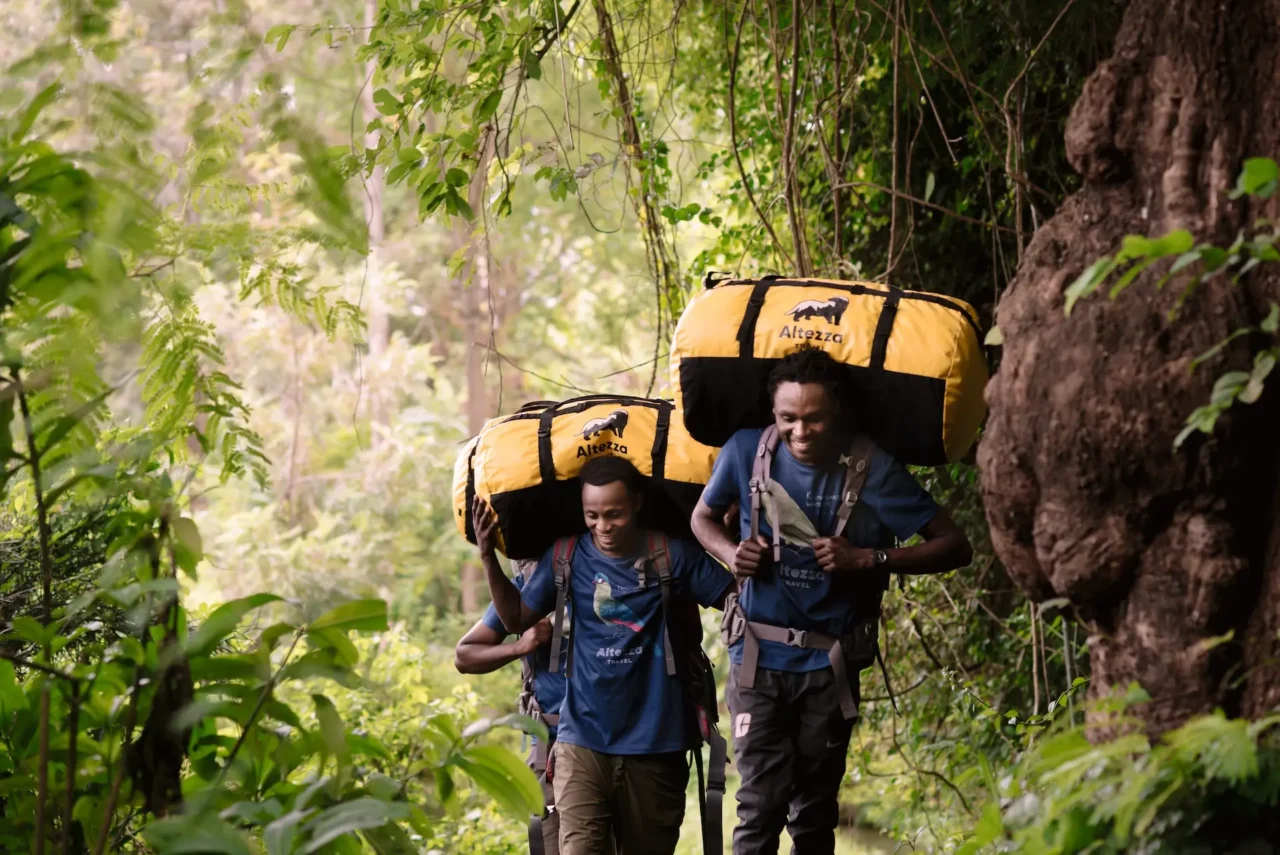
- Backpack: A comfortable daypack (30-40 liters) for essentials (water, snacks, camera, extra layer). Porters will carry your main luggage in a waterproof duffel bag (usually provided or rentable).
- Sleeping Bag: A 4-season sleeping bag rated to at least -15°C (0°F).
- Headlamp: With extra batteries.
- Sunglasses: High UV protection.
- Sunscreen: High SPF.
- Lip Balm: With SPF.
- Water Bottles/Hydration Reservoir: At least 3 liters capacity. Insulated sleeves are recommended for cold weather.
- Trekking Poles: Highly recommended to reduce strain on knees.
- Personal First-Aid Kit: Include blister treatment, pain relievers, antiseptic wipes, and any personal medications.
- Toiletries: Biodegradable soap, toothbrush, toothpaste, wet wipes.
Tip for German Trekkers: Many German outdoor gear brands offer excellent quality. Consider brands like Mammut, Schöffel, or Lowa for reliable equipment. Ensure your gear is tested before you depart.
Health and Medical Considerations
Consult your doctor or a travel clinic at least 4-6 weeks before your trip.
- Altitude Sickness (AMS): This is the most significant risk. Proper acclimatization (slow ascent, hydration, avoiding alcohol and smoking) is the best prevention. Diamox (acetazolamide) can be prescribed by your doctor to aid acclimatization, but it is not a substitute for proper ascent profiles.
- Vaccinations: Recommended vaccinations often include Hepatitis A, Typhoid, Tetanus, Diphtheria, and Polio. Yellow Fever vaccination may be required depending on your travel route within Tanzania or if you are arriving from a country with Yellow Fever risk. Check current requirements.
- Malaria: Kilimanjaro itself is generally malaria-free above 1,800m. However, malaria precautions (antimalarial medication, insect repellent) are advised for time spent in Moshi or Arusha at the base of the mountain.
- Travel Insurance: Ensure your policy covers high-altitude trekking up to 6,000 meters and includes emergency medical evacuation. This is non-negotiable.
Proper preparation will ensure you are physically and mentally ready for the challenges and rewards of your 2026 or 2027 Kilimanjaro climb.
Why Choose a Local Operator Like Climb 4 Africa for Your German Kilimanjaro Climb
Selecting the right tour operator is paramount for a safe, enjoyable, and successful Kilimanjaro climb. For German trekkers, who often value reliability, transparency, and quality service, partnering with a local Tanzanian operator like Climb 4 Africa offers distinct advantages.
Benefits of a Local Operator
- Local Expertise: Climb 4 Africa is based in Tanzania and possesses in-depth knowledge of Kilimanjaro, its routes, weather patterns, and the specific needs of climbers. They understand the local culture and logistics intimately.
- Experienced Crew: Local operators typically employ experienced guides who have summited Kilimanjaro numerous times. They are trained in first aid, altitude sickness management, and mountain safety. Their knowledge of the mountain is invaluable.
- Support for Local Economy: Booking with a local company directly supports the Tanzanian economy, providing employment and fair wages to guides, porters, and cooks. Climb 4 Africa is committed to ethical treatment and fair compensation for its entire team.
- Cost-Effectiveness: While not always the cheapest, local operators often offer better value for money. They have lower overheads than international agents and can pass those savings on, while still providing high-quality service and equipment.
- Responsiveness and Flexibility: Being on the ground, local operators can react quickly to any issues that may arise during your trek, ensuring a smoother experience. They can also offer more flexibility in customizing itineraries.
Climb 4 Africa’s Commitment to Quality and Safety
Climb 4 Africa distinguishes itself through its dedication to:
- Safety First: We prioritize your safety with experienced guides trained in wilderness first aid, carrying comprehensive medical kits, and providing supplemental oxygen for emergencies. We strictly adhere to recommended acclimatization schedules.
- Ethical Trekking: We are committed to the fair treatment and welfare of our porters and guides, ensuring they receive adequate food, clothing, shelter, and fair wages, adhering to the guidelines set by Kilimanjaro Porters Assistance Project (KPAP).
- Quality Equipment and Food: We provide high-quality tents, sleeping mats, and other camping equipment. Our cooks prepare nutritious and delicious meals to keep you energized throughout the climb.
- Personalized Service: From your initial inquiry to your final day in Tanzania, we offer dedicated support. We can assist with planning your entire trip, including safaris and Zanzibar extensions.
- Transparent Pricing: Our pricing is clear, detailing what is included, so you know exactly what to expect for your 2026 or 2027 Kilimanjaro trek.
For German travelers planning their 2026-2027 Kilimanjaro climb, choosing a trusted local partner like Climb 4 Africa means peace of mind, knowing you are in capable hands, receiving excellent service, and contributing positively to the local community.
Sample Kilimanjaro Itineraries for 2026-2027
To help you visualize your 2026 or 2027 German Kilimanjaro climb, here are sample itineraries for two of the most recommended routes: Machame and Lemosho. These are designed to maximize acclimatization and enjoyment.
Sample 7-Day Machame Route Itinerary
Duration: 7 Days / 6 Nights on the mountain
Difficulty: Moderate to Challenging
Best for: Scenery, good acclimatization, solid success rate.
| Day | Route Segment | Distance (approx.) | Altitude Gained | Approx. Trekking Time | Accommodation |
|---|---|---|---|---|---|
| 1 | Machame Gate (1,800m) to Machame Camp (3,050m) | 11 km | +1,250m | 5-7 hours | Camping |
| 2 | Machame Camp (3,050m) to Shira Camp (3,850m) | 5 km | +800m | 4-6 hours | Camping |
| 3 | Shira Camp (3,850m) to Barranco Camp (3,950m) via Lava Tower (4,600m) | 10 km | +750m (peak at 4,600m), -650m | 7-9 hours | Camping |
| 4 | Barranco Camp (3,950m) to Karanga Camp (4,000m) via Barranco Wall | 5 km | +400m (climb Barranco Wall), -350m | 4-5 hours | Camping |
| 5 | Karanga Camp (4,000m) to Barafu Camp (4,650m) | 4 km | +650m | 3-5 hours | Camping |
| 6 | Barafu Camp (4,650m) to Uhuru Peak (5,895m) then down to Mweka Camp (3,100m) | 15 km (approx. 7 km up, 8 km down) | +1,245m (summit), -2,795m (descent) | 11-15 hours (summit day) | Camping |
| 7 | Mweka Camp (3,100m) to Mweka Gate (1,600m) | 10 km | -1,500m | 3-5 hours | Hotel |
Sample 8-Day Lemosho Route Itinerary
Duration: 8 Days / 7 Nights on the mountain
Difficulty: Moderate to Challenging
Best for: Excellent acclimatization, stunning scenery, high success rates, remote start.
| Day | Route Segment | Distance (approx.) | Altitude Gained | Approx. Trekking Time | Accommodation |
|---|---|---|---|---|---|
| 1 | Lemosho Gate (2,100m) to Mti Mkubwa Camp (2,800m) | 6 km | +700m | 2-3 hours | Camping |
| 2 | Mti Mkubwa Camp (2,800m) to Shira 1 Camp (3,500m) | 8 km | +700m | 5-7 hours | Camping |
| 3 | Shira 1 Camp (3,500m) to Shira 2 Camp (3,900m) | 5 km | +400m | 3-4 hours | Camping |
| 4 | Shira 2 Camp (3,900m) to Barranco Camp (3,950m) via Lava Tower (4,600m) | 10 km | +700m (peak at 4,600m), -650m | 7-9 hours | Camping |
| 5 | Barranco Camp (3,950m) to Karanga Camp (4,000m) via Barranco Wall | 5 km | +400m (climb Barranco Wall), -350m | 4-5 hours | Camping |
| 6 | Karanga Camp (4,000m) to Barafu Camp (4,650m) | 4 km | +650m | 3-5 hours | Camping |
| 7 | Barafu Camp (4,650m) to Uhuru Peak (5,895m) then down to Mweka Camp (3,100m) | 15 km (approx. 7 km up, 8 km down) | +1,245m (summit), -2,795m (descent) | 11-15 hours (summit day) | Camping |
| 8 | Mweka Camp (3,100m) to Mweka Gate (1,600m) | 10 km | -1,500m | 3-5 hours | Hotel |
These itineraries are examples. Climb 4 Africa can tailor your 2026 or 2027 Kilimanjaro climb to your preferences and fitness level. An 8-day Machame or a 9-day Lemosho route can offer even better acclimatization for those seeking maximum success and a more relaxed pace.
Summit Day and Descent: The Ultimate Challenge
Summit day is the most demanding part of any Kilimanjaro climb. It typically begins around midnight from Barafu Camp (4,650m) and involves a steep, challenging ascent in the cold and dark to reach Uhuru Peak (5,895m) by sunrise.
The Ascent to Uhuru Peak
The climb from Barafu Camp to the crater rim (Stella Point, 5,756m) and then to Uhuru Peak (5,895m) is a grueling 7-8 hour trek. The path is steep, often on scree (loose gravel), and the air is thin. You’ll be walking single file, taking small steps, and focusing on your breathing. Your guides will be with you every step of the way, monitoring your condition and providing encouragement.
- Pace: Slow and steady is key. Your guide will set a pace that allows for gradual ascent and acclimatization.
- Hydration and Snacks: Sip water regularly and eat small, high-energy snacks to maintain your energy levels.
- Mental Fortitude: This is where mental toughness plays a huge role. Focus on reaching the next landmark, your next breath.
Reaching the Summit
Reaching Uhuru Peak, the roof of Africa, is an incredible achievement. You’ll likely arrive around sunrise, offering impressive views of the surrounding landscape and the volcanic crater. You’ll have a short time to take photos and celebrate before the descent begins.
The Descent: Faster, But Still Demanding
The descent is often underestimated. While it’s physically easier on the lungs, it’s hard on the knees and can be tiring after the immense effort of the ascent. You’ll descend from the crater rim back to Barafu Camp (approx. 3-4 hours) to rest, have a meal, and then continue descending further to Mweka Camp (another 3-4 hours). Descending to Mweka Camp on summit day is crucial for safety and allows for a shorter final day.
Key Considerations for Summit Day:
- Start Early: Typically between 12:00 AM and 2:00 AM.
- Dress in Layers: You’ll start cold, warm up during the climb, and then get cold again at the summit. Be prepared to adjust layers.
- Stay Hydrated: Drink plenty of fluids, even if you don’t feel thirsty.
- Listen to Your Body: Communicate any symptoms of altitude sickness to your guide immediately.
Climb 4 Africa’s guides are highly experienced in managing summit attempts, ensuring the safety and well-being of every trekker during this critical phase of your 2026 or 2027 Kilimanjaro climb.
Beyond the Summit: Zanzibar and Safari Extensions
After the physical and mental exertion of climbing Kilimanjaro, many travelers, including those from Germany, opt to extend their Tanzanian adventure with a wildlife safari or a relaxing beach holiday in Zanzibar. These experiences perfectly complement the thrill of the mountain climb.
Tanzania Wildlife Safaris
Tanzania is home to some of the world’s most iconic wildlife destinations, including the Serengeti National Park, Ngorongoro Conservation Area, Tarangire National Park, and Lake Manyara National Park. A safari offers a stark contrast to the mountain environment, providing opportunities to witness the Great Migration, spot the Big Five, and experience the vast African wilderness.
- Serengeti National Park: Famous for its endless plains and the Great Migration.
- Ngorongoro Crater: A UNESCO World Heritage Site, offering incredible densities of wildlife within a collapsed volcanic caldera.
- Tarangire National Park: Known for its large elephant herds and baobab trees.
Climb 4 Africa offers tailor-made safari packages that can be seamlessly integrated with your Kilimanjaro trek. We can arrange 4×4 safari vehicles, experienced driver-guides, and comfortable lodge or tented camp accommodations. Popular safari durations range from 3 to 7 days.
Explore our Tanzania safari options to see how you can combine your 2026 or 2027 Kilimanjaro climb with an unforgettable wildlife experience.
Zanzibar Holidays
For a perfect end to your adventure, head to the spice island of Zanzibar. Known for its pristine white-sand beaches, turquoise waters, historic Stone Town, and rich Swahili culture, Zanzibar offers relaxation and exploration.
- Beaches: Nungwi, Kendwa, Paje, and Matemwe offer stunning coastal experiences.
- Stone Town: A UNESCO World Heritage Site, perfect for exploring narrow alleyways, spice markets, and historical sites.
- Spice Tours: Discover the island’s history as a global spice trading hub.
- Water Activities: Snorkeling, diving, dhow cruises, and kite surfing are popular.
Climb 4 Africa can arrange your flights from the mainland (Kilimanjaro or Arusha) to Zanzibar and book your accommodation, from boutique hotels to luxury resorts. A typical Zanzibar stay ranges from 3 to 7 days.
Combining Kilimanjaro with a safari and Zanzibar provides a comprehensive Tanzanian experience, catering to adventure, wildlife, and relaxation. We can help you craft the perfect itinerary for your 2026-2027 trip.
Booking Your 2026-2027 Kilimanjaro Adventure
Securing your German Kilimanjaro climb for 2026 or 2027 requires careful consideration of your tour operator. Choosing a company that aligns with your values regarding safety, ethical practices, and quality of service is essential.
Why Book with Climb 4 Africa?
As specialists in Kilimanjaro climbs and Tanzanian adventures, Climb 4 Africa offers:
- Local Expertise: Deep understanding of Kilimanjaro and Tanzania.
- Safety Standards: Experienced guides, emergency oxygen, and comprehensive safety protocols.
- Ethical Operations: Fair treatment and payment for our mountain crew.
- Value for Money: High-quality service at competitive prices.
- Tailor-Made Experiences: We customize itineraries to suit your preferences, whether it’s a Kilimanjaro-only trek, a climb combined with safari, or a Zanzibar extension.
The Booking Process
To begin planning your 2026 or 2027 Kilimanjaro climb:
- Contact Us: Reach out to our team to discuss your preferred dates, route, and any specific requirements.
- Get a Custom Quote: We will provide a detailed itinerary and a personalized quote based on your choices.
- Confirm Details: Review the inclusions, exclusions, and terms and conditions.
- Secure Your Booking: A deposit is typically required to confirm your booking and secure your preferred dates.
- Pre-Trip Support: We provide comprehensive pre-trip information, including packing lists and training advice, to ensure you are fully prepared.
Ready to plan your Kilimanjaro adventure for 2026 or 2027? Get in touch with Climb 4 Africa today. Our team is ready to answer all your questions and help you create an unforgettable experience.
WhatsApp: +255 747 477 898
Email: climb4africa@gmail.com
Let us guide you to the summit of Kilimanjaro!
“,
“faq_schema”: [
{
“question”: “What is the best route for a German Kilimanjaro climb in 2026-2027?”,
“answer”: “For German trekkers planning a Kilimanjaro climb in 2026 or 2027, the Machame Route (7 days) or Lemosho Route (7 or 8 days) are highly recommended. These routes offer excellent acclimatization profiles, stunning scenery, and higher success rates compared to shorter, more direct routes. The longer durations allow your body to adapt better to the altitude, which is crucial for a safe and enjoyable ascent.”
},
{
“question”: “How much does a Kilimanjaro climb cost for German travelers in 2026-2027?”,
“answer”: “The cost for a quality Kilimanjaro climb for German travelers in 2026-2027 typically ranges from $2,200 to $3,500 USD per person for reputable operators offering good service, experienced guides, and ethical treatment of porters. This includes park fees, crew salaries, food, and camping equipment. Budget operators might be cheaper but often compromise on safety and crew welfare. Additional costs like flights, visas, insurance, and personal gear should also be factored in.”
},
{
“question”: “When is the best time to climb Kilimanjaro in 2026-2027?”,
“answer”: “The best times to climb Kilimanjaro in 2026-2027 are during the dry seasons: January to March and June to October. These periods offer clearer skies, more stable weather, and better visibility. While it’s possible to climb year-round, April and May are the wettest months and are generally best avoided. The shoulder months of November, December, and March can also offer good trekking with fewer crowds.”
},
{
“question”: “What level of fitness is required for a Kilimanjaro climb?”,
“answer”: “A good level of cardiovascular fitness is essential for climbing Kilimanjaro. While it’s not a technical climb, the altitude and multi-day effort are demanding. Focus on endurance activities like hiking (with a backpack), running, cycling, and swimming in the months leading up to your trek. Practicing long hikes with elevation gain is highly recommended to prepare your body and test your gear for your 2026 or 2027 expedition.”
},
{
“question”: “What should I pack for my Kilimanjaro trek?”,
“answer”: “Essential packing includes multiple layers of clothing (base, mid, and waterproof outer layers), warm headwear and gloves, sturdy broken-in hiking boots, a 4-season sleeping bag, trekking poles, a good daypack, high SPF sunscreen, and sunglasses. It’s crucial to pack for cold, wet, and sunny conditions, as Kilimanjaro features diverse climate zones. A detailed packing list will be provided by your tour operator, such as Climb 4 Africa.”
},
{
“question”: “Is altitude sickness a serious risk on Kilimanjaro?”,
“answer”: “Yes, altitude sickness (Acute Mountain Sickness – AMS) is the most significant risk on Kilimanjaro. Proper acclimatization through
Check Availability for 🇩🇪 German — Kilimanjaro 2026-2027
Ready to compare dates, prices, and the best option for your group? Send the package name and travel month so the team can reply with a clear quote, availability, and what is included.
What To Expect On Your First Kilimanjaro Trek: A Comprehensive Guide 2026-2027
Planning your first climb up Kilimanjaro? This comprehensive guide covers everything you need to know, from choosing a route and preparing your body to what daily life on the mountain is...
View package detailsWhy Is Climbing Kilimanjaro So Expensive? 2026-2027
Why Is Climbing Kilimanjaro So Expensive? is explained with current 2026-2027 planning, price, itinerary and booking information.
View package detailsKilimanjaro Climb Machame Route : Expert Guide For Your Trek 2026-2027
Discover the ultimate guide to climbing Mount Kilimanjaro via the Machame Route for your 2026 or 2027 adventure. This comprehensive resource covers everything from choosing an itinerary and...
View package detailsWhy Do People Travel From Around The World To Climb Kilimanjaro? 2026-2027
Why Do People Travel From Around the World to Climb Kilimanjaro? is explained with current 2026-2027 planning, price, itinerary and booking information.
View package detailsWhy Is Kilimanjaro One Of The World’s Most Famous Mountains? Your Planning
Kilimanjaro's fame stems from its status as the highest free-standing mountain, its accessibility to non-technical climbers, its iconic snow-capped summit, and its location in a biodiverse...
View package detailsWhy Do Thousands Of Travelers Visit Kilimanjaro Every Year? Your Expert Guide
Thousands of adventurers flock to Kilimanjaro each year, drawn by its status as Africa's highest peak and a bucket-list trekking challenge. This guide explores the compelling reasons behind...
View package detailsKilimanjaro Routes: Which Is Best For Your Climb? 2026-2027
Choosing the right Kilimanjaro route is crucial for a successful and enjoyable climb. This comprehensive guide compares the main routes, helping you select the best option for your...
View package details10 Mistakes To Avoid Before Climbing Kilimanjaro In 2026-2027
Planning a Kilimanjaro climb is exciting, but avoiding common mistakes is key to a successful and enjoyable experience. This guide details ten critical errors to sidestep, from choosing the...
View package details10 Things To Know Before Climbing Kilimanjaro 2026-2027
10 Things to Know Before Climbing Kilimanjaro is explained with current 2026-2027 planning, price, itinerary and booking information.
View package detailsWhat Nobody Tells You Before Climbing Kilimanjaro 2026-2027
What Nobody Tells You Before Climbing Kilimanjaro is explained with current 2026-2027 planning, price, itinerary and booking information.
View package details
Monte Meru Y Kilimanjaro: Trekking En Tanzania 2026-2027
Discover the ultimate trekking experience in Tanzania by combining Mount Meru and Mount Kilimanjaro. This comprehensive guide covers everything from route selection and preparation to...
View package details20 Natural Wonders In Africa You Need To See 2026-2027
Explore Africa's most spectacular natural wonders, from the majestic peaks of Kilimanjaro and the vast plains of the Serengeti to the unique landscapes of Namibia and the vibrant coral...
View package detailsNo related package matches those filters. Clear one or more filters to see the other topic-matched options.



