
A 4-day trek on Mount Meru is a challenging but rewarding adventure, typically following the shorter Momella Route, which involves a circular path starting and ending at Momella Gate. This itinerary is designed for trekkers seeking a shorter, yet still demanding, ascent to the summit (Little Meru or Socialist Peak at 3,800m/12,467ft), focusing on acclimatization and the unique flora and fauna of the Arusha National Park. For 2026-2027 climbs, expect a demanding itinerary with significant elevation gain each day, requiring good physical fitness and proper gear. The route is known for its diverse landscapes, from lush rainforests to open moorlands, and offers excellent wildlife viewing opportunities, especially on the lower slopes. While the 4-day option doesn’t reach Meru’s true summit (which requires a longer itinerary), it provides a substantial trekking experience and is an excellent preparation for Kilimanjaro.
Trekking Monte Meru 4 Days: An Overview
The 4-day trekking Monte Meru itinerary is a popular choice for those looking for a significant mountain challenge within a limited timeframe, often serving as an excellent prelude to climbing Kilimanjaro. Mount Meru, standing at 4,566 meters (14,980 feet), is Tanzania’s second-highest peak and is located within the stunning Arusha National Park. The 4-day trek usually focuses on ascending to a significant altitude, often reaching the summit of Little Meru (also known as Socialist Peak at 3,800 meters/12,467 feet), rather than the main summit. This distinction is crucial; the full summit of Meru requires a minimum of 5 days and involves technical sections. The 4-day trek, predominantly utilizing the Momella Route, offers a condensed yet intense experience, characterized by steep ascents, diverse ecosystems, and abundant wildlife sightings, including buffalo, giraffes, and various antelope species on the lower slopes. It’s an ideal option for trekkers with good physical condition and limited vacation time, aiming for a substantial mountain accomplishment in 2026 or 2027.
This trek is not to be underestimated. While shorter than other Meru itineraries, it still demands considerable stamina and mental fortitude. The rapid ascent means acclimatization is a key factor, and the altitude gains each day can be substantial. You’ll traverse through dense rainforests teeming with birdlife, navigate open moorlands, and experience the dramatic volcanic landscape characteristic of Mount Meru. The logistical requirements are also specific, necessitating park permits, experienced guides, and porters, all coordinated by a reputable tour operator. For travelers planning their trip in the 2026-2027 trekking seasons, understanding these elements is paramount to a successful and enjoyable expedition.
Why Choose a 4-Day Monte Meru Trek?
Opting for a 4-day trekking Monte Meru adventure offers a unique set of advantages, making it an appealing choice for a specific segment of trekkers. The primary draw is its brevity without sacrificing the essence of a high-altitude mountain experience. For individuals with limited vacation time, perhaps looking for a challenging trek before a safari or beach holiday in Tanzania, a 4-day itinerary fits perfectly into a tighter schedule. This duration allows for a substantial climb and a genuine sense of accomplishment, reaching significant altitudes, yet returning to the starting point within a week.
Beyond time constraints, the 4-day trek is an excellent stepping stone for aspiring mountaineers. It provides a rigorous test of physical fitness and acclimatization strategies, offering invaluable experience for those considering future climbs of higher peaks like Kilimanjaro. The challenges encountered – steep ascents, variable weather, and the effects of altitude – are very real and provide practical lessons that are hard to replicate. Successfully completing a 4-day Meru trek builds confidence and offers tangible proof of one’s capability to handle the demands of high-altitude trekking.
Furthermore, the 4-day itinerary, typically following the Momella Route, is renowned for its exceptional wildlife viewing opportunities on the lower slopes. Arusha National Park is home to a diverse array of animals, including buffalo, giraffes, zebras, and various monkey species. The trek allows for an intimate encounter with this wildlife in its natural habitat, often accompanied by armed rangers for safety, adding an exciting safari-like dimension to the trekking experience. This combination of challenging mountain terrain and abundant wildlife is a distinctive feature that sets Meru apart. For those planning their adventure in 2026 or 2027, this itinerary presents a compelling blend of challenge, natural beauty, and unique wildlife encounters, all within a manageable timeframe.
The Momella Route for a 4-Day Trek
The trekking Monte Meru 4 days experience almost exclusively utilizes the Momella Route. This route is characterized by its circular path, starting at the Momella Gate on the eastern side of the mountain and typically exiting via the same gate after completing a circuit. It’s one of the shorter routes to Meru, making it feasible for a 4-day ascent, although it usually leads to the summit of Little Meru (Socialist Peak) at 3,800 meters, rather than the true summit of Meru at 4,566 meters. The true summit requires more time and technical climbing skills. The Momella Route is celebrated for its scenic beauty and the abundance of wildlife encountered on its lower sections.
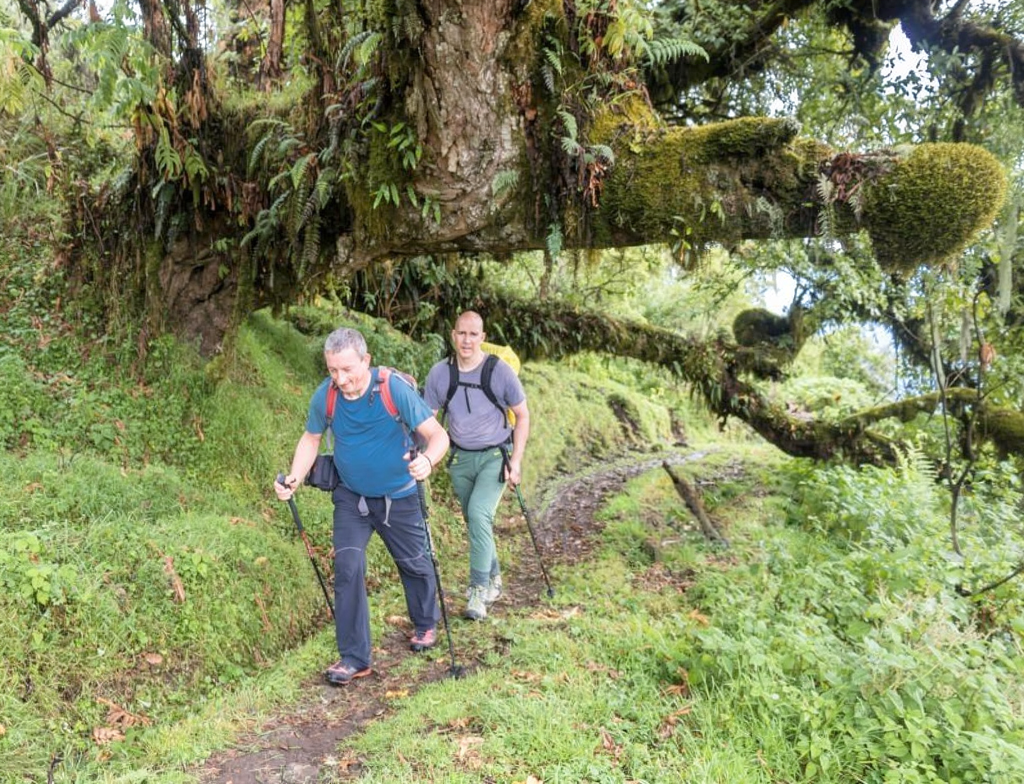
The route’s progression involves traversing through diverse ecological zones. Starting in the lush, dense rainforest, trekkers will encounter a variety of flora and fauna, often with park rangers accompanying the group due to the presence of wildlife like buffalo and elephants. As the ascent continues, the landscape transitions into open moorland and then alpine desert. The 4-day version is condensed, meaning daily ascents are steeper and more demanding than on longer routes. This requires careful pacing and acclimatization management.
Key characteristics of the Momella Route for a 4-day trek include:
- Starting Point: Momella Gate (approx. 1,500m / 4,921ft).
- Ending Point: Typically Momella Gate.
- Duration: Usually 4 days/3 nights for reaching Little Meru summit.
- Scenery: Starts in dense rainforest, moves through montane forest, heath, and moorland, offering panoramic views of Kilimanjaro and the surrounding plains.
- Wildlife: Excellent opportunities to see buffalo, giraffes, zebras, various antelope species, and monkeys on the lower slopes, often accompanied by armed rangers.
- Accommodation: Utilizes park huts or basic campsites.
- Difficulty: Considered moderately to highly challenging due to steep ascents and rapid altitude gain over a short period.
When planning for 2026-2027, it’s vital to understand that while the Momella Route is the shortest, the 4-day option pushes the limits of rapid ascent. Many operators offer slightly longer variations (5-day) for better acclimatization, even on this route. However, for those committed to the 4-day challenge, meticulous preparation is key.
Detailed 4-Day Monte Meru Itinerary
A standard trekking Monte Meru 4 days itinerary using the Momella Route provides a fast-paced but comprehensive experience. It’s crucial to remember that this itinerary is designed for speed and covers significant ground and altitude in a short time. For 2026-2027 bookings, confirm the exact daily distances and elevation gains with your chosen operator, as slight variations exist.
Day 1: Momella Gate to Miriakamba Hut
Distance: Approximately 8-10 km (5-6 miles)
Time: 4-6 hours
Altitude Gain: ~1,000m (3,280 ft) from 1,500m to 2,500m (4,921ft to 8,202ft)
Description: The trek begins at Momella Gate, where you’ll complete registration formalities. You’ll be accompanied by armed park rangers for the initial part of the trek due to the abundant wildlife. The trail winds through lush rainforest, offering a good chance to spot colobus monkeys, blue monkeys, and various bird species. The path is relatively gentle initially but becomes steeper as you approach Miriakamba Hut. The air is thick with the sounds of the forest, and the scenery is rich and verdant.
Day 2: Miriakamba Hut to Saddle Hut
Distance: Approximately 4-6 km (2.5-4 miles)
Time: 3-5 hours
Altitude Gain: ~1,000m (3,280 ft) from 2,500m to 3,500m (8,202ft to 11,483ft)
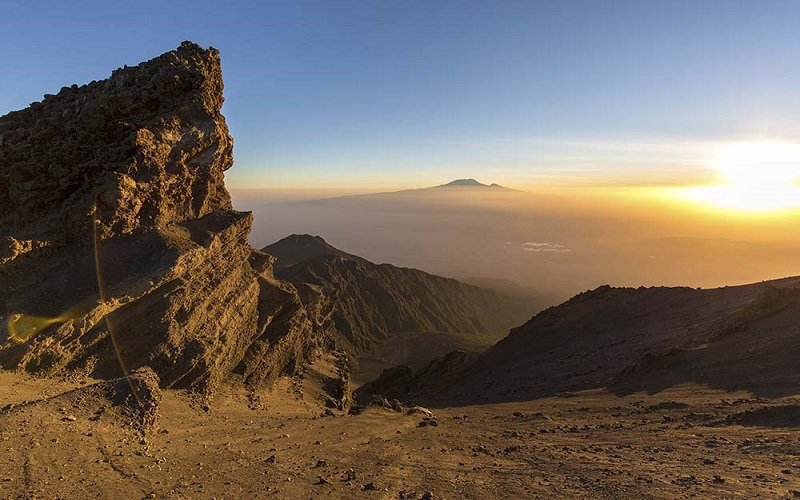
Description: This is a significantly steeper day as you climb out of the montane forest and into the heath and moorland zones. The trail is often narrow and rocky in places. The views start to open up, offering glimpses of Kilimanjaro on clear days. You’ll pass through the Fig Tree Arch. Saddle Hut is located in a saddle between Little Meru and the main summit of Meru. This is a critical day for acclimatization, as you gain substantial altitude. You will likely arrive at Saddle Hut by lunchtime, allowing some time to rest and hydrate before an optional short acclimatization hike.
Day 3: Saddle Hut to Little Meru Summit (Socialist Peak) and back to Miriakamba Hut
Distance: Approximately 10-12 km (6-7.5 miles) round trip
Time: 6-8 hours (summit day)
Altitude Gain/Loss: Summit at 3,800m (12,467ft), then descent to 2,500m (8,202ft)
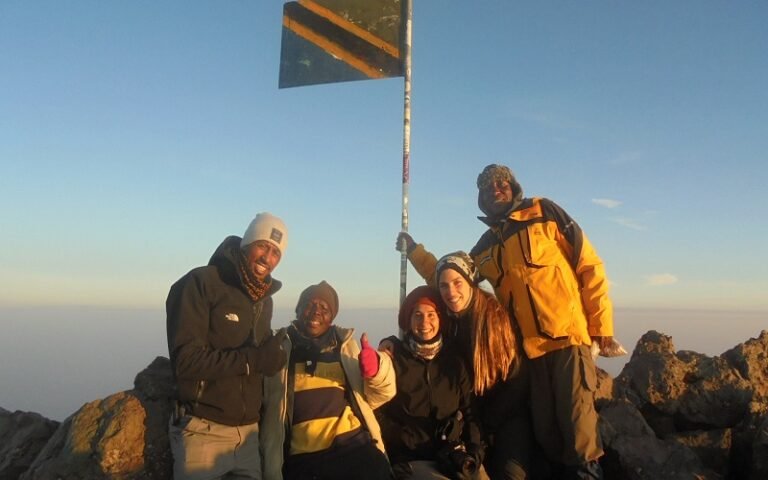
Description: This is the summit day for the 4-day trek, aiming for Little Meru. The ascent typically begins very early in the morning (around 2:00 AM) to reach the summit by sunrise. The path is steep and can be challenging, especially in the dark. You’ll traverse rocky terrain and scree. Reaching Socialist Peak (Little Meru) offers spectacular panoramic views of the surrounding landscape, including Kilimanjaro and the crater floor of Meru. After celebrating at the summit, you descend back to Saddle Hut for a brief rest before continuing the descent all the way down to Miriakamba Hut. This descent is hard on the knees but offers a different perspective on the scenery.
Day 4: Miriakamba Hut to Momella Gate
Distance: Approximately 8-10 km (5-6 miles)
Time: 3-4 hours
Altitude Loss: ~1,000m (3,280 ft) from 2,500m to 1,500m (8,202ft to 4,921ft)
Description: The final day involves a relatively easy descent back to Momella Gate. The trail is often quicker on the way down, and you may encounter different wildlife than on your ascent. You’ll pass through the diverse forest zones again. Upon reaching Momella Gate, you’ll complete your trek registration and can celebrate your achievement. From here, you’ll be met by your transport to take you back to your accommodation or onward to your next Tanzanian adventure.
It is crucial to note that this 4-day itinerary reaches the secondary summit, Socialist Peak (Little Meru). The true summit of Mount Meru (3,800m to 4,566m) requires a longer itinerary, typically 5 days, and involves more technical climbing, especially on the final approach. For anyone planning a trekking Monte Meru 4 days, understanding this limitation is key to managing expectations.
Difficulty and Physical Preparation
The trekking Monte Meru 4 days itinerary is classified as difficult. While shorter than other Meru routes, the rapid ascent and significant daily altitude gains pack a considerable punch. The key challenges are:
- Steep Ascents: The trail, especially on Day 2 and the summit push on Day 3, involves consistently steep gradients.
- Altitude Gain: Gaining over 1,000 meters (3,280 ft) on Day 1 and Day 2, and then ascending from Saddle Hut to Little Meru summit (3,800m) on Day 3, presents a significant acclimatization challenge.
- Variable Terrain: The path shifts from rainforest trails to rocky, sometimes scree-covered slopes, requiring good footing and balance.
- Pace: The 4-day duration necessitates a faster pace than ideal for acclimatization, increasing the risk of altitude sickness.
Physical Preparation for 2026-2027 Climbs:
To successfully complete a 4-day Monte Meru trek, rigorous physical preparation is essential. Start training at least 2-3 months before your planned climb in 2026 or 2027.
Key Training Components:
- Cardiovascular Fitness: Engage in regular aerobic activities like running, cycling, swimming, or hiking for at least 3-4 times per week. Focus on endurance.
- Hiking with a Pack: Simulate trek conditions by hiking on varied terrain (hills, stairs) with a weighted backpack (5-10 kg / 10-20 lbs). This is critical for building leg strength and endurance for the ascents and descents.
- Strength Training: Focus on lower body strength (squats, lunges, calf raises) and core strength. This will help you manage the steep climbs and long descents.
- Stamina Building: Practice back-to-back long hikes on consecutive days if possible, to mimic the demands of multi-day trekking.
- Mental Preparation: Understand the challenges and prepare mentally for discomfort, fatigue, and potentially challenging weather.
What to Expect During the Trek:
Even with excellent preparation, the altitude will be felt. Listen to your body and your guide. Pace yourself, drink plenty of water, and communicate any symptoms of altitude sickness immediately. The guides are trained to monitor climbers and make decisions based on safety. The 4-day itinerary is ambitious; while achievable for fit individuals, it offers less room for error regarding acclimatization compared to longer treks.
Essential Gear and Packing List
Proper gear is non-negotiable for a trekking Monte Meru 4 days expedition. The weather on Meru can change rapidly, from warm and humid in the rainforest to cold and windy at higher altitudes. For 2026-2027 treks, ensure your gear is up-to-date and suitable for mountain conditions.
Clothing Layers:
- Base Layers: Moisture-wicking thermal tops and bottoms (synthetic or merino wool).
- Mid Layers: Fleece jacket or down vest for insulation.
- Outer Layer: Waterproof and windproof jacket (Gore-Tex or similar) and trousers.
- Trekking Shirts: Long-sleeved and short-sleeved moisture-wicking shirts.
- Trekking Trousers: Lightweight, quick-drying hiking pants (convertible pants are useful). Avoid jeans.
- Insulation Jacket: A warm, insulated jacket (down or synthetic) for evenings and summit attempts.
Footwear:
- Hiking Boots: Sturdy, waterproof, broken-in hiking boots with good ankle support.
- Camp Shoes: Comfortable trainers or sandals for wearing around the huts/campsite.
- Socks: Several pairs of thick wool or synthetic hiking socks.
- Liner Socks: Optional, to prevent blisters.
Headwear & Handwear:
- Warm Hat: Fleece or wool hat that covers your ears.
- Sun Hat: Wide-brimmed hat for sun protection.
- Gloves: Warm, waterproof gloves and liner gloves.
Other Essentials:
- Backpack: A comfortable daypack (25-35 liters) for daily essentials and a larger duffel bag (80-100 liters) for porters to carry.
- Sleeping Bag: A warm 4-season sleeping bag (rated to -10°C / 0°F or colder).
- Headlamp: With extra batteries. Essential for early morning starts and evenings.
- Water Bottles/Hydration Reservoir: At least 2-3 liters capacity.
- Water Purification: Tablets or a filter (though boiled water is usually provided).
- Sunscreen: High SPF.
- Lip Balm: With SPF.
- Sunglasses: UV protection.
- Insect Repellent: Especially for lower forest sections.
- Personal First-Aid Kit: Including blister treatment, pain relievers, and any personal medications.
- Toiletries: Biodegradable soap, toothbrush, toothpaste, wet wipes.
- Trekking Poles: Highly recommended for stability and reducing knee strain on descents.
- Camera: With extra batteries and memory cards.
- Snacks: Energy bars, nuts, dried fruit (though meals are provided).
- Passport & Visa: Keep in a waterproof bag.
- Cash: For tips and personal expenses.
Note on Porters: Your main gear will be carried by porters. Ensure your duffel bag is soft, waterproof, and within the weight limit specified by your tour operator (typically 15 kg / 33 lbs). Your daypack should contain items you need during the day: water, snacks, camera, rain gear, warm layer, sun protection, and personal first aid.
Wildlife and Scenery on Meru
One of the most striking aspects of the trekking Monte Meru 4 days experience, particularly on the Momella Route, is the incredible diversity of wildlife and scenery. Arusha National Park, where Meru is located, is a protected area known for its rich biodiversity, and the trek offers a unique opportunity to witness this firsthand.
Wildlife Encounters:
The lower slopes of Mount Meru are particularly rich in wildlife. As you begin your trek from Momella Gate, you are likely to encounter:
- Mammals: Herds of buffalo are common, as are giraffes, zebras, warthogs, and various species of antelope such as dik-diks and waterbucks. Baboons and various monkey species, including the striking black-and-white colobus monkeys, are often seen in the forest canopy. While elephants can be present, sightings are less frequent on the trekking routes. It is important to note that for safety reasons, trekkers on the lower mountain slopes are often accompanied by armed park rangers.
- Birdlife: The montane forests and rainforests are a haven for birds. Keep an eye out for turacos, hornbills, sunbirds, and a multitude of other colourful species. Even at higher altitudes, unique alpine birds can be spotted.
Scenic Transformation:
The scenery on Mount Meru undergoes a dramatic transformation as you ascend:
- Rainforest: The initial part of the trek is through dense, humid rainforest. Giant trees draped in moss and epiphytes create a magical atmosphere.
- Montane Forest: This zone is characterized by trees like Podocarpus and Juniper. The forest becomes less dense, and the undergrowth changes.
- Heath and Moorland: As you climb higher, the trees give way to open moorland dotted with hardy shrubs, giant heathers, and groundsels. This is where the views begin to open up.
- Alpine Desert: The highest reaches before the summit are barren, with sparse vegetation adapted to harsh conditions. The landscape becomes rugged and volcanic.
On clear days, the views from Mount Meru are spectacular. The most iconic vista is that of Mount Kilimanjaro, Tanzania’s highest peak, standing majestically to the east. The vast plains of Arusha National Park, dotted with lakes like Momella Lakes and Tululusia Falls, also provide stunning panoramas. The volcanic nature of Meru itself, with its distinct crater and caldera, offers a dramatic geological backdrop.
For those planning their 2026-2027 trekking Monte Meru 4 days adventure, the combination of abundant wildlife and rapidly changing, impressive scenery makes this trek an unforgettable experience, distinct from climbing Kilimanjaro.
Park Fees and Logistics for 2026-2027
Understanding the park fees and logistical requirements is crucial when planning your trekking Monte Meru 4 days trip for 2026-2027. Mount Meru is located within Arusha National Park, and all visitors must pay conservation fees. These fees are typically included in the package price offered by reputable tour operators, but it’s good to be aware of them.
Arusha National Park Fees (Estimates for 2026-2027):
- Conservation Fee: Typically around $50-$60 USD per person per day. This fee supports the park’s conservation efforts.
- Camping/Hut Fee: There are daily fees for staying in park huts or designated campsites, usually in the range of $10-$20 USD per person per night.
- Ranger Fee: A small daily fee for the armed ranger who accompanies trekkers on the lower slopes (approx. $10-$15 USD per group per day).
- Vehicle Fee: If applicable for transport to/from the gate, there are also vehicle entry fees.
Logistical Requirements:
- Permits: All treks require permits issued by the Tanzania National Parks Authority (TANAPA). Your tour operator will handle this.
- Guides and Porters: It is mandatory to trek with licensed guides. For safety and efficiency, especially on the Momella Route, porters are highly recommended and often required by operators to carry equipment and food. The 4-day itinerary often means a more streamlined team.
- Entry and Exit: Treks start and end at Momella Gate. You’ll need to register upon entry and exit.
- Food and Water: While operators provide all meals and purified water, ensure you carry personal snacks.
- Emergency Procedures: Reputable operators have emergency evacuation plans and communication systems in place.
Booking Considerations for 2026-2027:
When booking your trekking Monte Meru 4 days trip for the 2026-2027 seasons, confirm exactly what is included in the price. This should ideally cover:
- Park entrance fees
- Camping/hut fees
- Ranger fees
- All meals during the trek
- Purified drinking water
- Licensed guides and porters (and their wages/fees)
- Temporary rescue fee (for emergency evacuation logistics)
- Government taxes
Excluded items usually include tips for guides and porters, personal gear, travel insurance, and drinks other than water.
It is advisable to book your trek well in advance, especially if you are targeting peak trekking seasons in 2026-2027. This allows ample time for planning, securing permits, and ensuring the availability of guides and porters.
Accommodation and Hut Options
The accommodation during a trekking Monte Meru 4 days expedition is quite basic, reflecting the remote mountain environment. The primary forms of accommodation are park huts and, in some cases, camping. Understanding these options is key to managing expectations for your 2026-2027 climb.
Park Huts:
Mount Meru has a network of park huts managed by TANAPA. For the Momella Route, the main accommodations are:
- Miriakamba Hut: Located at approximately 2,500 meters (8,202 ft). These huts are typically simple wooden structures with basic facilities. They usually consist of dormitories with bunk beds. Sleeping mats might be provided, but you’ll need your own sleeping bag. There are usually shared toilet facilities, often pit latrines, and basic washing areas.
- Saddle Hut: Situated at around 3,500 meters (11,483 ft). Saddle Hut is also a basic structure, often a single building or a few simple huts. Facilities are minimal, similar to Miriakamba Hut, with shared sleeping spaces and basic sanitation. It is strategically located for the summit push.
Camping:
In some cases, particularly if hut space is limited or if an operator prefers it, camping might be an option, especially at lower elevations. Designated campsites are available within the park. If camping, you would need to bring your own tent or have it provided by the operator. The campsite facilities are generally even more basic than the huts, often just a flat area with access to pit latrines.
What to Expect in the Huts:
- Sleeping Arrangements: Expect dormitory-style sleeping with bunk beds. You will need your own sleeping bag.
- Meals: Meals are prepared by your trekking crew (cook and porters) and are typically served in a communal mess tent or a designated area within the hut complex. The food is usually hearty and nutritious, designed to provide energy for trekking.
- Hygiene: Facilities are rustic. Expect pit latrines and basic washing stations. Hot water for washing is usually provided in the mornings and evenings.
- Atmosphere: The huts can be social places where trekkers from different groups mingle. However, they are not luxurious. The focus is on providing shelter and a place to rest.
Booking for 2026-2027:
When booking your trekking Monte Meru 4 days trip, clarify the accommodation type. Most reputable operators will book hut accommodation as standard for this route. Ensure you are comfortable with basic facilities. For those who prefer more comfort, longer itineraries or different mountains might be more suitable, but for the purpose of a 4-day Meru trek, these basic accommodations are standard and part of the adventure.
Altitude Sickness and Acclimatization
Altitude sickness (Acute Mountain Sickness – AMS) is a significant concern for any high-altitude trek, and trekking Monte Meru 4 days is no exception. The rapid ascent on this itinerary makes proper acclimatization and awareness of AMS symptoms critical. For your 2026-2027 climb, prioritizing your health and safety through understanding these risks is paramount.
Understanding Altitude Sickness:
AMS occurs when the body doesn’t get enough oxygen at high altitudes. Symptoms can range from mild to life-threatening. The 4-day itinerary gains significant altitude quickly:
- Day 1: 1,500m to 2,500m
- Day 2: 2,500m to 3,500m
- Day 3: Summit push to 3,800m and descent to 2,500m
The rapid gain, especially on Day 2 and the summit day, puts trekkers at risk.
Common Symptoms of AMS:
- Headache (most common)
- Nausea and vomiting
- Dizziness and lightheadedness
- Fatigue and weakness
- Loss of appetite
- Difficulty sleeping
More severe forms include High Altitude Pulmonary Edema (HAPE) and High Altitude Cerebral Edema (HACE), which are medical emergencies.
Acclimatization Strategies on the 4-Day Trek:
The 4-day itinerary is inherently fast, limiting true acclimatization. However, operators and guides employ strategies:
- ‘Pole Pole’ (Slowly, Slowly): Guides will emphasize walking at a slow, consistent pace. This allows your body to adapt gradually.
- Hydration: Drinking plenty of water (3-4 liters per day) is crucial for combating altitude sickness.
- Ascend High, Sleep Low: While difficult on a 4-day trek, guides may encourage a short acclimatization hike from Saddle Hut on Day 2 before returning to sleep there.
- Medication: Diamox (acetazolamide) can be prescribed by your doctor to aid acclimatization. It’s not a cure but can help alleviate symptoms. Discuss this with your physician well before your 2026-2027 trek.
What to Do if You Suspect AMS:
- Inform Your Guide: This is the most important step. Guides are trained to recognize symptoms and advise on the best course of action.
- Do Not Ascend Further: If symptoms are present, do not go higher.
- Descend: The most effective treatment for AMS is descending. Even a few hundred meters can make a significant difference.
- Rest: Rest and avoid strenuous activity.
While the 4-day itinerary is challenging, many trekkers complete it successfully by being well-prepared physically and mentally, choosing a reputable operator, and listening carefully to their guide. For your trekking Monte Meru 4 days in 2026-2027, a thorough understanding of altitude risks is your best defense.
Best Time to Trek Monte Meru in 2026-2027
Choosing the right time of year for your trekking Monte Meru 4 days adventure can significantly impact your experience. Mount Meru, like much of Tanzania, has distinct wet and dry seasons. For planning your trip in 2026-2027, understanding these patterns is key to maximizing your chances of good weather and clear views.
Dry Seasons (Recommended):
- June to October: This is generally considered the best time for trekking in Tanzania, including Mount Meru. The weather is typically dry, with clear skies, making it ideal for panoramic views, including the distant Kilimanjaro. Temperatures are pleasant, though higher altitudes can still be cold. This period is also peak season for tourism, so expect more trekkers and potentially higher prices.
- December to February: Another dry season, often referred to as the “short dry season” or “short rains break.” The weather is usually good, though there might be occasional brief showers. This period can be a good alternative to the June-October window, often with slightly fewer crowds.
Wet Seasons (Less Ideal):
- March to May: This is the main long rainy season (‘Masika’). Heavy rainfall is common, making trails muddy, slippery, and potentially hazardous. Visibility can be poor due to cloud cover, obscuring the spectacular views Meru offers. Many operators advise against trekking during this period.
- November: This month often marks the transition into the short rains. While not as severe as the main rainy season, expect unpredictable showers.
Considerations for 2026-2027 Trekkers:
- Crowds: Peak dry seasons (June-Oct, Dec-Feb) will be busier. If you prefer solitude, consider the shoulder months (late Oct, early Nov, early Dec) or early March, understanding the slightly increased chance of rain.
- Visibility: For the iconic views of Kilimanjaro and the surrounding landscape, the dry seasons are essential.
- Trail Conditions: Wet seasons can make the trails significantly more challenging and potentially dangerous due to mud and reduced traction.
- Temperature: Even in dry seasons, temperatures at higher altitudes (Saddle Hut and summit) can drop below freezing, especially at night and during the early morning summit attempt.
For your trekking Monte Meru 4 days in 2026-2027, aiming for the dry seasons offers the best balance of favorable weather, good trail conditions, and clear views. Early planning is recommended, especially for peak periods, to secure your preferred dates and operators.
Choosing a Tour Operator for Your Trek
Selecting the right tour operator is arguably the most critical decision for your trekking Monte Meru 4 days adventure. The quality of your experience, safety, and overall success hinges on the professionalism and expertise of your chosen company. For treks planned in 2026-2027, start your research early.
Key Factors to Consider:
- Safety Record and Protocols: Does the operator have a strong safety record? What are their emergency procedures? Do they carry oxygen, first-aid kits, and have communication devices? Do they have experienced, certified guides?
- Guide Qualifications: Ensure guides are certified in wilderness first aid and have extensive experience on Mount Meru. They should be fluent in English (or your preferred language) and knowledgeable about local flora, fauna, and culture.
- Team Support: A good operator provides adequate porters to carry gear and a cook to prepare meals. Confirm the porter-to-client ratio and ensure porters are treated ethically (fair wages, proper gear, adequate food).
- Inclusions and Exclusions: Carefully review what is included in the price. As mentioned, this should cover park fees, accommodation, meals, guides, porters, and potentially airport transfers. Be clear about what is extra.
- Itinerary Flexibility: While a 4-day trek is fixed, a good operator will have contingency plans and be flexible if minor adjustments are needed due to weather or health.
- Reputation and Reviews: Look for independent reviews on platforms like TripAdvisor or Google. While you won’t find fake reviews on a reputable site, look for patterns in feedback regarding service, safety, and overall satisfaction. Climb 4 Africa, for example, is known for its local expertise and focus on client safety.
- Price vs. Value: The cheapest option is rarely the best. A slightly higher price often reflects better quality equipment, more experienced staff, better food, and a stronger commitment to safety and ethical treatment of staff. For 2026-2027, compare the value offered, not just the cost.
- Local Ownership/Partnership: Companies with strong local ties often provide a more authentic experience and contribute more directly to the local economy.
Why Choose Climb 4 Africa for Your Trek:
Climb 4 Africa is a Tanzanian-based company with deep roots in the region. They specialize in Kilimanjaro climbs and other Tanzanian adventures, offering practical local support. When considering a trekking Monte Meru 4 days trip, their advantages include:
- Local Expertise: Deep understanding of Meru’s trails, conditions, and logistics.
- Experienced Guides: Access to highly trained and experienced local guides.
- Ethical Operations: Commitment to fair treatment of porters and local staff.
- Comprehensive Packages: Clear inclusions designed for a safe and enjoyable trek.
- Direct Communication: Easy access to discuss your plans and concerns.
Choosing a company like Climb 4 Africa means you are partnering with experts who prioritize your safety and the success of your trek, ensuring a memorable experience for your 2026-2027 adventure.
FAQ: Trekking Monte Meru 4 Days
What is the main summit reached on a 4-day Monte Meru trek?
The 4-day trek typically reaches Socialist Peak, also known as Little Meru, at 3,800 meters (12,467 ft). The true summit of Mount Meru is 4,566 meters (14,980 ft) and requires a longer itinerary (usually 5 days) and involves more technical climbing.
Is the 4-day Monte Meru trek suitable for beginners?
While possible for very fit beginners, the 4-day itinerary is challenging due to its rapid ascent. It requires good cardiovascular fitness and a strong mental attitude. For less experienced trekkers, a 5-day itinerary on Meru or a less demanding trek might be more suitable.
What is the difference in difficulty between a 4-day and a 5-day Monte Meru trek?
The 5-day itinerary offers better acclimatization, reducing the risk of altitude sickness. It also allows for a more relaxed pace and often includes the option to ascend to the true summit. The 4-day trek is more demanding due to faster altitude gains over fewer days.
Can I see wildlife on a 4-day Monte Meru trek?
Yes, especially on the lower forest sections of the Momella Route. You can expect to see buffalo, giraffes, zebras, various antelope, and monkeys. Armed rangers often accompany trekkers in these areas for safety.
What is the accommodation like on a 4-day Monte Meru trek?
Accommodation is basic. You will typically stay in park huts at Miriakamba Hut (2,500m) and Saddle Hut (3,500m). These are dormitory-style with shared facilities, requiring your own sleeping bag.
How much should I tip my guides and porters for a 4-day trek in 2026-2027?
Tipping is customary. A general guideline for a 4-day trek is around $15-$20 USD per day for the lead guide, $10-$15 USD per day for assistant guides, and $8-$10 USD per day for porters. Your tour operator will provide specific recommendations for 2026-2027. Pool tips are often collected by the lead guide to distribute.
Do I need special equipment for trekking Monte Meru?
Yes, you’ll need appropriate trekking gear, including waterproof and windproof outer layers, warm insulating layers, sturdy hiking boots, a warm sleeping bag, a headlamp, and trekking poles. Layering is key due to changing weather conditions.
What is the best time of year for a 4-day Monte Meru trek?
The dry seasons are best: June to October and December to February. These months offer the clearest skies and most stable weather, ideal for both views and trail conditions.
Is altitude sickness common on the 4-day Monte Meru trek?
Yes, altitude sickness is a risk due to the rapid ascent. Symptoms can occur
Check Availability for Trekking Monte Meru 4 Días 2026-2027
Ready to compare dates, prices, and the best option for your group? Send the package name and travel month so the team can reply with a clear quote, availability, and what is included.
Trekking Monte Meru Tanzania: Precios, Ruta Y Consejos 2026-2027
Trekking Monte Meru Tanzania: precios, ruta y consejos is explained with current 2026-2027 planning, price, itinerary and booking information.
View package details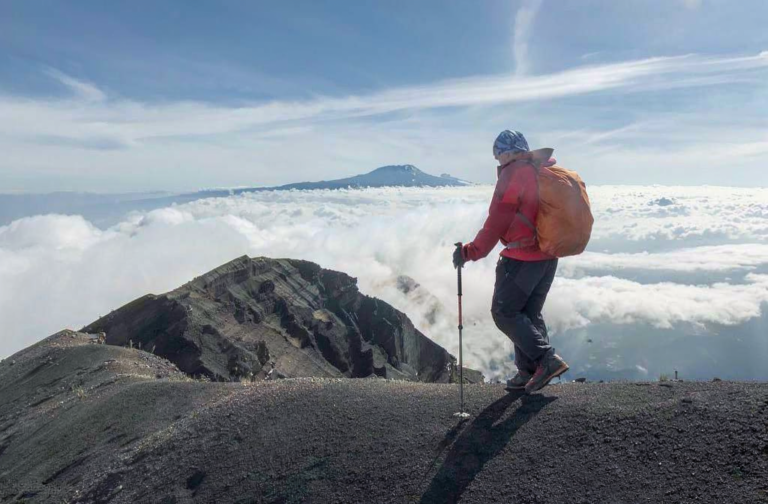
Trekking Monte Meru Desde Arusha: Your Ultimate Guide For 2026-2027
Your comprehensive guide to trekking Mount Meru from Arusha, covering everything from route options and difficulty to essential preparation and booking advice for climbs in 2026-2027.
View package details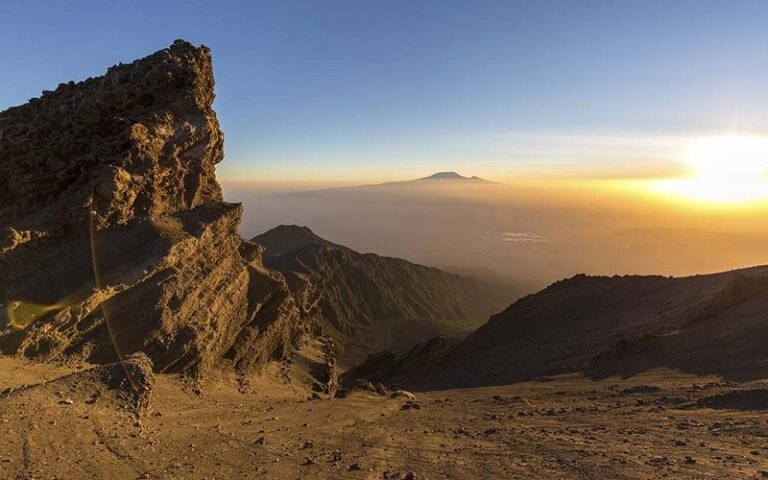
Monte Meru Y Kilimanjaro: Trekking En Tanzania 2026-2027
Discover the ultimate trekking experience in Tanzania by combining Mount Meru and Mount Kilimanjaro. This comprehensive guide covers everything from route selection and preparation to...
View package details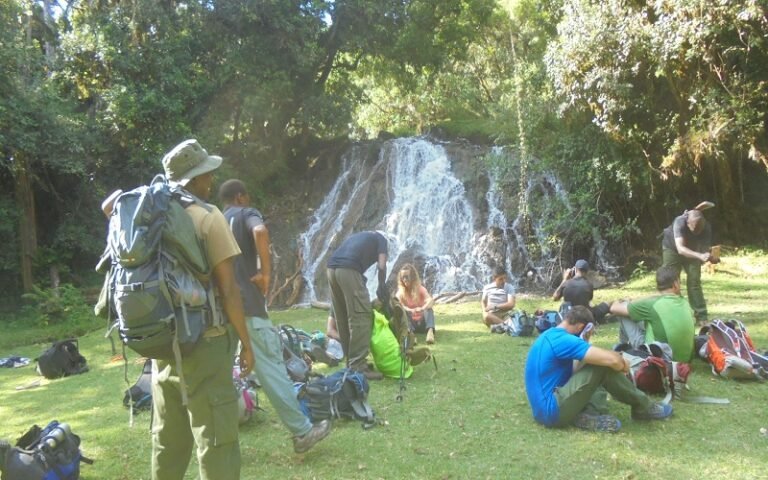
Precio Trekking Monte Meru: ¿Cuánto Cuesta Tu Aventura En ? 2026-2027
Planifica tu aventura en el Monte Meru conociendo los costos detallados. Explora las opciones de rutas, duraciones y lo que influye en el precio para tu expedición 2026-2027.
View package detailsTrekking Monte Meru 3 Días 2026-2027
Trekking Monte Meru 3 días is explained with current 2026-2027 planning, price, itinerary and booking information.
View package details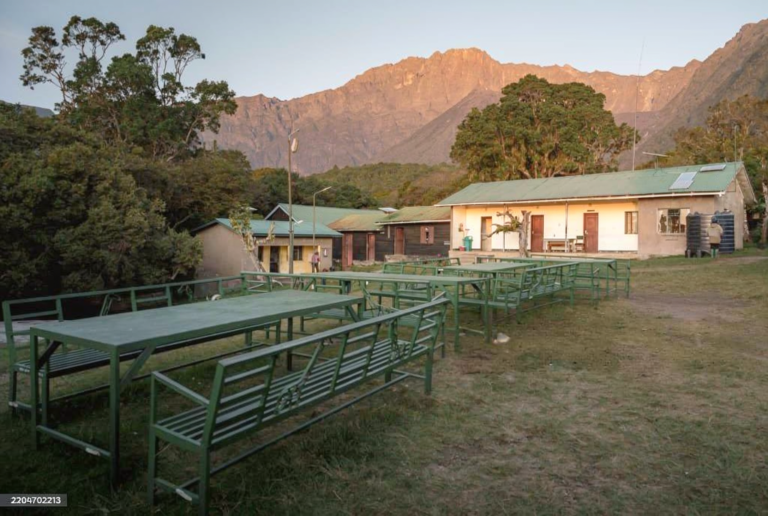
Monte Meru Tanzania Trekking From Arusha: Your Essential Guide 2026-2027
start a trek up Mount Meru from Arusha, Tanzania's stunning dormant volcano. This guide covers everything from routes and difficulty to preparation and best times to go for your 2026-2027...
View package detailsMount Meru Trekking 3 Tage: Your Essential Planning Guide 2026-2027
A comprehensive guide to the 3-day Mount Meru trek, covering essential planning details for 2026-2027, including routes, preparation, what to expect, and booking advice.
View package details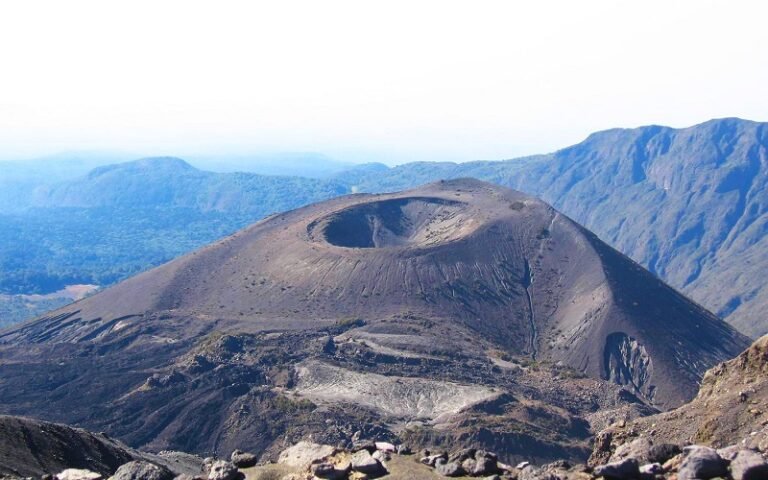
Mount Meru Trekking Ab Arusha 2026-2027
Mount Meru Trekking ab Arusha is explained with current 2026-2027 planning, price, itinerary and booking information.
View package detailsRuta Momella Monte Meru: Your Complete Guide 2026-2027
Your comprehensive guide to the Momella Route on Mount Meru, covering everything from preparation and typical itineraries to what makes this climb a unique Tanzanian adventure, ideal for...
View package detailsMonte Meru Y Safari En Tanzania: Guía Completa Para Tu Aventura Africana
Explora la combinación perfecta de trekking en Monte Meru y safaris inolvidables en Tanzania. Esta guía detallada te ayudará a planificar tu viaje de ensueño para 2026-2027, cubriendo...
View package detailsTrek Mont Meru 4 Jours: Your Complete Guide 2026-2027
start a 4-day trek up Mount Meru, a challenging yet rewarding climb near Kilimanjaro. This guide covers routes, preparation, gear, and essential tips for your 2026-2027 expedition.
View package details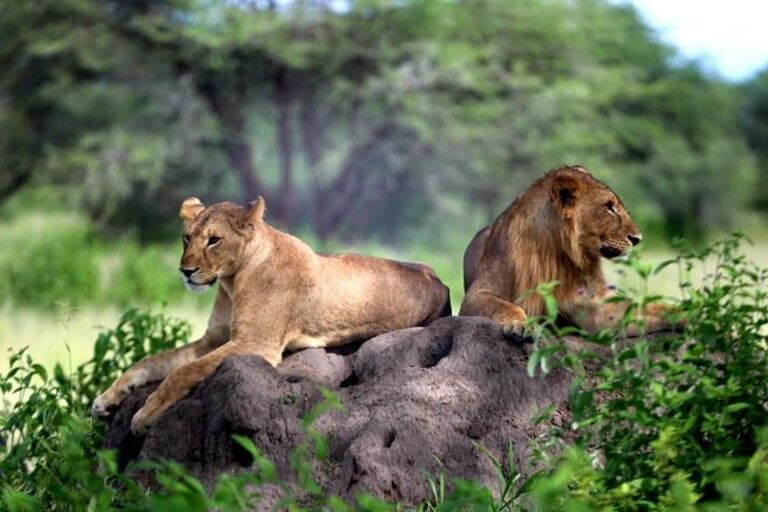
3 Day Joining Safari Group Departures From Moshi: 2026
Discover convenient 3-day group safari departures from Moshi, perfect for maximizing your Tanzania adventure. Explore wildlife-rich parks like Tarangire, Manyara, or the Serengeti on shared...
View package detailsNo related package matches those filters. Clear one or more filters to see the other topic-matched options.



