
A 3-day trek on Mount Meru typically refers to a specific, shorter itinerary that focuses on the lower slopes and a significant viewpoint, rather than the summit. This is often chosen for acclimatization, a shorter adventure, or when time is limited. The most common approach for a 3-day Mount Meru trek involves starting from the Momella Gate, ascending through the diverse park ecosystem to a high camp like Miriakamba Hut or Saddle Hut, and then descending. While not reaching the true summit (which usually requires 4-5 days), this 3-day option provides a rewarding experience of Meru’s unique flora, fauna, and stunning views of Kilimanjaro and the surrounding plains, making it a viable option for trekkers in 2026 and 2027.
Understanding the 3-Day Monte Meru Trek
Mount Meru, standing at 4,566 meters (14,980 feet), is Tanzania’s fifth-highest peak and a significant mountain in its own right. While often overshadowed by its colossal neighbor, Kilimanjaro, Meru offers a distinct and incredibly rewarding trekking experience. A 3-day trek on Monte Meru is a specific, condensed itinerary designed to give you a taste of the mountain’s beauty and diverse ecosystems without necessarily aiming for the summit. This shorter duration means the focus is on reaching a specific point, typically Miriakamba Hut (at 2,100m) or Saddle Hut (at 3,500m), and then descending. It’s an excellent choice for those with limited time, seeking a less strenuous mountain challenge, or using it as a final acclimatization step before attempting Kilimanjaro. For adventurers planning their 2026 or 2027 travels, understanding the scope and limitations of a 3-day trek is crucial for setting realistic expectations and ensuring a successful adventure.
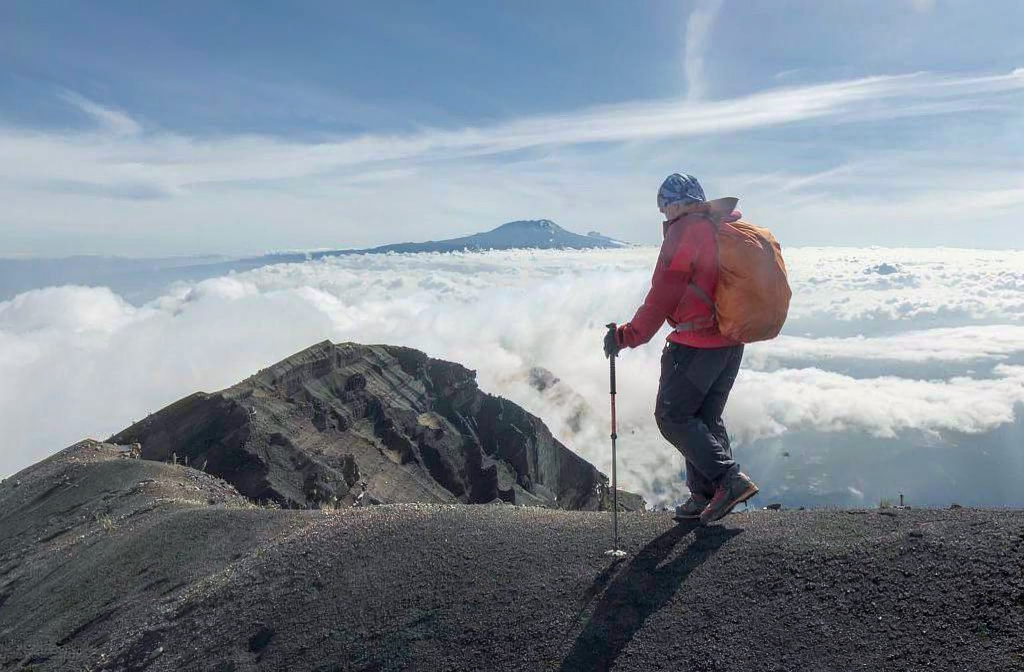
The primary goal of a 3-day Monte Meru trek isn’t summiting, but rather experiencing the mountain’s unique environment. You’ll traverse through lush rainforests teeming with wildlife, ascend through heath and moorland, and get a sense of the alpine zone. The views from these lower altitudes are still spectacular, often including panoramic vistas of Mount Kilimanjaro, Lake Manyara, and the vast savannahs of Arusha National Park. This trek offers a chance to see animals like colobus monkeys, various antelopes, and if you’re lucky, elephants or buffaloes, often from a closer perspective than on a standard safari. It’s a journey that combines hiking, wildlife spotting, and appreciating the raw beauty of a volcanic mountain.
Choosing a 3-day itinerary means you’re opting for a more focused experience. Instead of the full circumnavigation and summit push of a 5-day trek, you’ll be going up and down a specific section of the mountain. This also means less time spent at higher altitudes, which can be a double-edged sword: it reduces the risk of severe altitude sickness for some, but also means less acclimatization benefit if you’re preparing for higher peaks. The logistics are also simpler, with fewer overnight stays and less ground to cover. For many, this shorter trek is the perfect introduction to trekking in Tanzania, offering a challenging yet manageable adventure that can be fitted into a broader East African itinerary.
Route Options for a 3-Day Trek
When discussing a 3-day trek on Monte Meru, there are a couple of primary ways the itinerary is structured, each offering a slightly different experience and challenge. These routes primarily differ in the highest point reached before beginning the descent. The starting point is almost universally Momella Gate, located at the park entrance, which is at a relatively low altitude (around 1,500m). From here, the ascent begins.
Momella Gate to Miriakamba Hut and Return
This is the most straightforward and commonly chosen 3-day Monte Meru itinerary. It involves:
- Day 1: Trek from Momella Gate (1,500m) to Miriakamba Hut (2,100m). This is a relatively gentle ascent, taking approximately 4-6 hours. The trail winds through beautiful montane forest, offering good chances to spot colobus monkeys, blue monkeys, and various bird species. The elevation gain is manageable, making it a good introduction to the trek.
- Day 2: From Miriakamba Hut, you would typically ascend further towards Saddle Hut (3,500m) for a day hike, or have a more relaxed day exploring the surroundings of Miriakamba Hut, perhaps a short hike to the Meru Waterfalls or viewpoints. For a strict 3-day trek focused on Miriakamba, this day might involve a shorter loop hike or a visit to a specific viewpoint before returning to Miriakamba Hut. Some operators might offer a day hike to a point like Little Meru (3,100m) and back to Miriakamba.
- Day 3: Descend from Miriakamba Hut back to Momella Gate. This descent is quicker than the ascent, usually taking 2-3 hours. The path is the same as the ascent route, allowing you to re-observe the forest and spot any wildlife missed on the way up.
This option provides a good introduction to Meru’s lower montane forest ecosystem and offers stunning views without pushing too high up the mountain. It’s less demanding in terms of altitude and physical exertion.
Momella Gate to Saddle Hut and Return
This itinerary is more ambitious for a 3-day trek and is often done by trekkers who want to experience higher altitudes but are limited by time or are using it as a very quick acclimatization. It involves:
- Day 1: Trek from Momella Gate (1,500m) to Miriakamba Hut (2,100m). This is the same as the first day of the previous itinerary, taking about 4-6 hours through the forest.
- Day 2: Ascend from Miriakamba Hut (2,100m) to Saddle Hut (3,500m). This is a more challenging day, covering a significant elevation gain (1,400m) and taking approximately 5-7 hours. The landscape changes from forest to heath and moorland. You might reach Saddle Hut and have time for a short exploration around the hut or a brief hike towards Rhino Point for sunset views.
- Day 3: Descend from Saddle Hut (3,500m) directly back to Momella Gate (1,500m). This is a long and steep descent, taking around 7-9 hours. You’ll pass through Miriakamba Hut on the way down. This day is physically demanding due to the prolonged downhill trek.
This route allows you to reach a much higher altitude (3,500m), offering a more dramatic change in scenery and a more significant acclimatization benefit, though still minimal for summit attempts. The descent is tough, and altitude can be a factor for some on Day 2 and early Day 3.
Trade-offs of Shorter Routes
The main trade-off with any 3-day Monte Meru trek is the compromise on reaching the summit. The true summit of Meru, Socialist Peak (4,566m), is typically reached via the longer 4-day or 5-day routes, often involving an overnight stay at Saddle Hut and a pre-dawn summit attempt from there. A 3-day trek simply doesn’t allow enough time for this.
Another significant trade-off is the limited acclimatization. While any time spent at altitude is beneficial, 3 days is very short. If your primary goal is to prepare for Kilimanjaro (5,895m), a 3-day Meru trek will offer minimal acclimatization benefit. It’s better than nothing, but a 4 or 5-day Meru trek would be far more effective. For trekkers in 2026-2027 looking for a standalone experience, these routes are fantastic. For those using it as a Kilimanjaro prep, managing expectations is key.
Furthermore, the shorter duration means less immersion in the mountain’s diverse ecosystems. You’ll experience the lower forest and perhaps the edge of the moorland, but miss out on the higher alpine zone and the dramatic crater views accessible on longer treks. The wildlife viewing opportunities might also be more concentrated on the lower slopes.
Is a 3-Day Trek Right for You?
Deciding if a 3-day trek on Monte Meru is the right choice for your 2026 or 2027 travel plans depends heavily on your personal goals, fitness, time availability, and what you hope to achieve from the experience. It’s not a one-size-fits-all solution, and understanding these factors will help you make an informed decision.
Fitness and Experience Levels
A 3-day Monte Meru trek is generally considered moderate in difficulty, especially the route that tops out at Miriakamba Hut. This level of trek is suitable for individuals with a reasonable level of fitness, who are accustomed to regular physical activity like hiking, jogging, or cycling. You should be able to walk for 4-6 hours a day with a backpack, over varied terrain, and handle some steep ascents and descents. The route to Saddle Hut and back in 3 days is more demanding, requiring better stamina and resilience, particularly on the long descent.
If you have prior trekking experience, even on shorter mountain hikes, you will likely find this trek manageable. However, if you are new to hiking or have been inactive, it’s advisable to begin a fitness program well in advance. For those who are less fit or have concerns about their physical condition, the Miriakamba Hut route is the more appropriate choice. It offers a beautiful experience without the extreme physical demands of higher altitudes and longer days.
Time Constraints and Goals
The most obvious reason for choosing a 3-day Monte Meru trek is a significant time constraint. If you only have a few days available in your itinerary for a mountain adventure in Tanzania, this trek can fit. It allows for travel to Arusha, the trek itself, and return to Arusha within a compact timeframe, making it ideal for inclusion in a longer safari or beach holiday. For example, someone on a 7-10 day safari in 2026 might allocate 3 days for this trek.
Your goals are also paramount. If you are looking for:
- A challenging but achievable hike with stunning views.
- An introduction to trekking in the Tanzanian highlands.
- A chance to see unique flora and fauna in a national park setting.
- A way to experience the beauty of Mount Meru without the commitment of a longer expedition.
- A way to prepare for a higher peak like Kilimanjaro, though with limited acclimatization benefits.
Then a 3-day trek might be perfect. However, if your primary goal is to summit Meru, or to gain significant acclimatization for Kilimanjaro, then this duration is insufficient, and a 4 or 5-day itinerary would be necessary.
Acclimatization Considerations
It’s crucial to understand the limitations of a 3-day trek regarding altitude acclimatization. While you will ascend to at least 2,100m (Miriakamba) or 3,500m (Saddle), this is a very rapid ascent and descent. The body needs time to adapt to lower oxygen levels. Spending just one night at Miriakamba or two at Saddle Hut provides minimal acclimatization compared to spending multiple nights at progressively higher camps, as done on longer treks.
For individuals planning to trek Kilimanjaro in 2026 or 2027, using a 3-day Meru trek as a primary acclimatization strategy is generally not recommended. While it’s better than no altitude exposure, it won’t significantly reduce your risk of altitude sickness on Kilimanjaro. A 4 or 5-day Meru trek, or choosing a longer route on Kilimanjaro itself, would be far more effective. If you are coming from sea level or a low altitude, even the 3-day trek might present some mild altitude symptoms like headaches or fatigue, especially if you opt for the Saddle Hut route.
If your main goal is acclimatization, it might be better to extend your stay in Arusha or at lower altitudes before starting a longer trek, or opt for a longer Meru itinerary. The 3-day trek is best viewed as a standalone adventure or a very minor preparatory step.
What to Expect on the Trail
Trekking Monte Meru for 3 days offers a rich mix of experiences, from the moment you step off the vehicle at Momella Gate to your final descent. The trail is well-defined, but the terrain varies significantly, reflecting the mountain’s diverse ecological zones.
Day 1: Momella Gate to Miriakamba Hut
Your trek begins at Momella Gate (1,500m). After completing park formalities and meeting your guides, you’ll start walking through the dense montane rainforest. The path is often muddy, especially after rain, and can be quite steep in sections. The air is humid and alive with the sounds of birds and monkeys. Expect to encounter:
- Flora: Giant ferns, moss-draped trees, wild orchids, and various flowering plants.
- Fauna: The highlight is often the abundance of black and white colobus monkeys, easily spotted in the canopy. You’ll also see blue monkeys, various bird species (like turacos and hornbills), and possibly signs of larger mammals like buffalo or elephants, though sightings are rare at this altitude on this specific trail.
- Terrain: A mix of forest paths, some muddy, some root-covered, with a steady, consistent incline.
- Duration: Approximately 4-6 hours, covering about 10 kilometers.
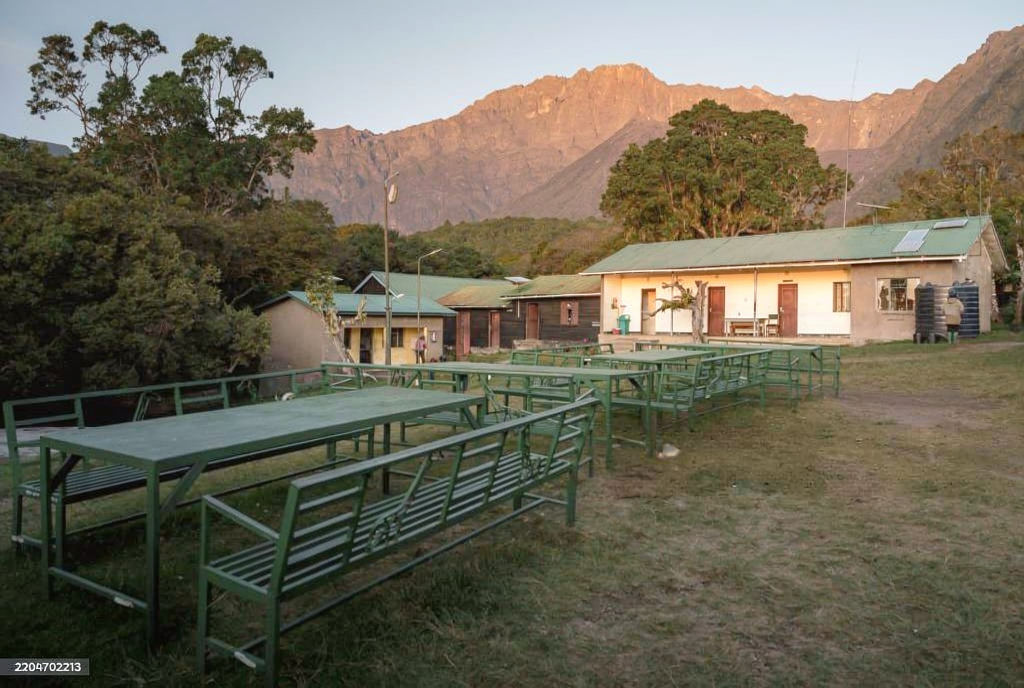
- Arrival: Miriakamba Hut (2,100m) is a basic but functional camp situated in a clearing. You’ll be accommodated in dormitories or tents, depending on the operator. The views as you emerge from the forest can be striking.
The first day is about easing into the trek and immersing yourself in the vibrant lower slopes.
Day 2: Miriakamba Hut to Saddle Hut and Exploring
This is usually the most challenging day, especially if you are heading to Saddle Hut (3,500m). The landscape transitions dramatically as you gain altitude.
- Ascent to Saddle Hut (if chosen): The trail becomes steeper and more exposed. You’ll leave the dense forest behind and enter the heath and moorland zones, characterized by heather, giant groundsels, and lobelias. The air thins, and the temperature drops. You might encounter:
- Wildlife: Less forest-dwelling wildlife, but you might see various birds, and perhaps signs of buffalo or eland in the more open areas.
- Terrain: Steeper ascents, rocky paths, and open moorland.
- Duration: Approximately 5-7 hours to reach Saddle Hut, covering around 8 kilometers with a significant elevation gain of 1,400m.
- Saddle Hut: Located at 3,500m, this hut offers basic accommodation. From here, you might take a short hike to Rhino Point (3,800m) for panoramic views of Kilimanjaro and the Ash Cone, especially rewarding at sunset.
- Exploring around Miriakamba Hut (if not going to Saddle Hut): If your 3-day itinerary involves returning from Miriakamba, Day 2 might be a more relaxed exploration day. This could include a hike to the Meru Waterfalls, or a climb to Little Meru (3,100m) for fantastic views. This offers a less strenuous but still rewarding experience, focusing on the mid-altitude zones.
The key difference here is whether your 3-day trek is designed to reach Saddle Hut or focuses on exploring higher areas accessible as day trips from Miriakamba.
Day 3: Descent from Saddle Hut or Miriakamba Hut
This day is dedicated to returning to Momella Gate. The descent is generally faster than the ascent but can be hard on the knees and joints.
- Descent from Saddle Hut: This is a long and steep trek, taking approximately 7-9 hours. You’ll retrace your steps from Saddle Hut, passing through Miriakamba Hut on the way down. The terrain is challenging, with loose scree and steep, muddy sections. The altitude loss is significant (2,000m from Saddle Hut).
- Descent from Miriakamba Hut: If you stayed at Miriakamba Hut, the descent is much shorter and less demanding, taking around 2-3 hours. You’ll walk back through the rainforest, enjoying the scenery from a different perspective.
- Arrival at Momella Gate: You’ll be met at the gate, often by your transport, ready to return to Arusha. This marks the end of your 3-day Monte Meru trek.
Regardless of the route, the final day is about completing the journey and reflecting on the experience.
Wildlife Encounters
Mount Meru is part of Arusha National Park, a protected area known for its diverse wildlife. While a 3-day trek doesn’t take you into the deepest parts of the park, you can expect to see:
- Primates: Black and white colobus monkeys are abundant and often seen leaping through the trees. Blue monkeys are also common.
- Birds: The park is a birdwatcher’s paradise, with species like the Narina trogon, different species of turacos, hornbills, and various sunbirds.
- Other Mammals: While less common on the main trekking routes, you might see buffalo, bushbucks, duikers, and occasionally elephants or giraffes from a distance. The higher moorland areas can sometimes have sightings of eland.
- Insects: Various butterflies and other interesting insects can be observed in the lower forest zones.
It’s important to remember that wildlife sightings are never guaranteed, and respecting their natural habitat is paramount. Guides are trained to spot animals and ensure safety.
Scenery and Views
The visual rewards of a 3-day Monte Meru trek are immense:
- Montane Forest: Lush, green, and vibrant, with towering trees and dense undergrowth.
- Heath and Moorland: As you climb higher, the landscape opens up to vast expanses of heather, dotted with giant groundsels and lobelias, creating an almost alien landscape.
- Panoramic Vistas: On clear days, the views of Mount Kilimanjaro to the east are simply impressive. You can also see across the vast plains of Arusha National Park, including Momella Lakes and Lake Manyara.
- Crater Views (Limited): From Saddle Hut or Rhino Point, you get a sense of the mountain’s volcanic nature and can see into the inner crater and the Ash Cone.
The ever-changing scenery, from dense jungle to open moorland, makes every step of the trek visually engaging.
Essential Packing List for Monte Meru (3 Days)
Packing wisely is key to a comfortable and safe 3-day trek on Monte Meru. Given the varied altitudes and potential for changing weather, layering is essential. For your 2026-2027 adventure, ensure you have these items. Your operator, like Climb 4 Africa, will provide a more detailed list, but here’s a general guide:
Clothing: Layers and Protection
- Base Layers: Moisture-wicking thermal tops and bottoms (synthetic or merino wool).
- Mid Layers: Fleece jacket or a warm synthetic jacket for insulation.
- Outer Layer: Waterproof and windproof jacket (e.g., Gore-Tex) and waterproof trousers. This is crucial for protection against rain and wind, which can be unpredictable.
- Trekking Trousers: Lightweight, quick-drying hiking pants (2 pairs). Avoid jeans.
- Shorts: Comfortable hiking shorts for warmer, lower altitudes (optional).
- T-shirts: Moisture-wicking shirts (2-3).
- Warm Hat: A woolen or fleece hat that covers your ears.
- Gloves: Warm, waterproof gloves.
- Sun Hat: A wide-brimmed hat or cap for sun protection.
- Socks: Several pairs of warm, moisture-wicking hiking socks (wool or synthetic).
Footwear and Accessories
- Hiking Boots: Well-worn-in, waterproof, mid-to-high ankle support hiking boots. This is non-negotiable.
- Camp Shoes: Comfortable shoes for wearing at the huts/camps (e.g., trainers, sandals, or crocs).
- Trekking Poles: Highly recommended for stability and to reduce strain on knees during ascents and descents.
- Sunglasses: With good UV protection.
- Headlamp/Torch: With extra batteries. Essential for early morning starts or navigating at night.
- Water Bottles/Hydration Reservoir: Capacity for at least 2-3 liters.
- Duffel Bag: Waterproof, large enough for all your gear (often provided by operators for porterage).
- Daypack: A comfortable backpack (25-35 liters) for carrying essentials during the day’s hike.
Gear and Equipment
- Sleeping Bag: A warm, 4-season sleeping bag. Huts can be cold, and temperatures drop significantly at night. Operators may provide this, so check.
- Sunscreen: High SPF.
- Lip Balm: With SPF.
- Insect Repellent: Especially for the lower forest sections.
- Camera: With extra batteries and memory cards.
- Power Bank: For charging electronics.
- Small Towel: Quick-drying.
- Personal First-Aid Kit: Including blister treatment, pain relievers, antiseptic wipes, and any personal medications.
- Hand Sanitizer.
- Toiletries: Biodegradable soap, toothbrush, toothpaste.
- Snacks: High-energy snacks like nuts, dried fruit, energy bars.
Health and Safety
- Prescription Medications: Carry enough for your trip plus a few extra days.
- Diamox (Acetazolamide): If prescribed by your doctor for altitude sickness prevention.
- Water Purification Tablets/Filter: As a backup.
- Personal Identification: Passport, visa, travel insurance details.
Always confirm with your tour operator, such as Climb 4 Africa, for their specific packing recommendations tailored to the 3-day Monte Meru trek. They can advise on what gear they provide and what you need to bring for your 2026-2027 trip.
Best Time to Trek Monte Meru in 2026-2027
Choosing the right time of year for your 3-day Monte Meru trek can significantly impact your experience. Tanzania experiences distinct wet and dry seasons, and understanding these patterns is key to planning your 2026 or 2027 adventure. While Meru can be trekked year-round, certain periods offer more favorable weather conditions.
Dry Seasons: July to October and January to March
These are generally considered the best times to trek Monte Meru. During these months, rainfall is minimal, and the skies are often clear, offering excellent visibility.
- July to October: This period marks the end of the long rains and the beginning of a dry, cooler season. The landscapes are still green from the rains, and the temperatures are pleasant, though it can get cold at higher altitudes. Visibility of Kilimanjaro is usually excellent. This is a popular time for trekking, so expect moderate numbers of other trekkers.
- January to March: This is the short dry season, often characterized by warm, sunny days. While generally dry, occasional brief showers can occur. The vegetation might be drier than in the July-October period. This is also a good time for trekking, especially if you prefer warmer temperatures.
For a 3-day Monte Meru trek, these dry seasons offer the highest probability of clear views and comfortable trekking conditions, making them ideal for appreciating the scenery without excessive rain or mud.
Wet Seasons: April to June and November
These periods are characterized by higher rainfall, which can make trekking more challenging.
- April to June: This is the main rainy season, often referred to as the ‘long rains’. Expect frequent and heavy downpours, which can make trails muddy, slippery, and more difficult to navigate. Visibility can be significantly reduced, and views of Kilimanjaro may be obscured by clouds.
- November: This is the short rainy season, with less intense rainfall than the long rains, but still prone to showers and overcast conditions.
While trekking is still possible during the wet seasons, it requires more resilience, appropriate gear, and a higher tolerance for challenging conditions. The trails can be less crowded, which might appeal to some. For a 3-day trek, the reduced visibility and potential trail conditions might make it less enjoyable compared to the dry seasons.
Crowd Levels and Weather Patterns
The busiest trekking seasons for Mount Meru often coincide with the main dry periods: July-October and January-March. This means you might encounter more fellow trekkers on the trails and at the huts. If you prefer a more solitary experience, consider trekking during the shoulder seasons (e.g., late June, early July, late October, early November) or even during the wet season, provided you are prepared for the weather.
Weather on Meru can change rapidly at any time of year. Even in the dry season, you can experience rain showers, fog, or strong winds. Temperatures will also vary significantly between the lower forest (pleasant) and the higher altitudes near Saddle Hut (cold, potentially near freezing at night). For your 2026-2027 trip, it’s wise to be prepared for all types of weather, regardless of the season.
For a 3-day Monte Meru trek, the best balance of good weather, clear views, and manageable crowds is typically found during the dry seasons. However, if your schedule dictates otherwise, trekking outside these times is still a viable option with the right preparation.
Planning Your 3-Day Trek with Climb 4 Africa
Embarking on a 3-day trek on Monte Meru is an exciting prospect, and partnering with an experienced local operator like Climb 4 Africa ensures a well-organized and safe adventure. Planning ahead, especially for trips in 2026 and 2027, is crucial for securing your preferred dates and ensuring all logistical aspects are covered.
Booking Considerations for 2026-2027
When booking your 3-day Monte Meru trek, consider the following:
- Operator Choice: Choose a reputable operator with a strong track record, local knowledge, and a commitment to safety and responsible tourism. Climb 4 Africa specializes in Tanzanian treks and safaris, offering practical local support.
- Itinerary Confirmation: Clearly define which 3-day route you are booking – one that ends at Miriakamba Hut or one that reaches Saddle Hut. Ensure this aligns with your fitness, time, and goals.
- Dates: Popular dates, especially during peak seasons (July-October, January-March), can book up quickly. It’s advisable to book your 2026-2027 trek at least 6-12 months in advance to secure your preferred dates.
- Group vs. Private: Decide whether you prefer a private trek (more flexibility) or a group trek (often more budget-friendly). Climb 4 Africa can arrange both.
- Inclusions: Understand exactly what is included in the package. This is vital for budgeting and preparation.
Inclusions and Exclusions: What to Expect
A typical 3-day Monte Meru trek package with a reputable operator like Climb 4 Africa will usually include:
- Park Fees: All entrance fees for Arusha National Park.
- Accommodation: Overnight stays in park huts (Miriakamba and Saddle) or designated campsites.
- Guides and Porters: Experienced, licensed mountain guides and porters to carry your main luggage.
- Food: All meals during the trek (breakfast, lunch, dinner) prepared by your crew.
- Water: Drinking water provided or purified during the trek.
- Ground Transport: Transfers to and from Momella Gate from Arusha.
Potential exclusions often include:
- Tips: For guides, porters, and cooks. This is a significant part of their income.
- Personal Gear: Sleeping bags, hiking boots, clothing, etc. (unless specifically rented).
- Travel Insurance: Mandatory for all trekkers.
- Visa Fees.
- Gratuities: For drivers or other support staff not part of the trekking crew.
- Personal Expenses: Souvenirs, drinks at the hotel, etc.
- Summit/Climbing Gear: If you were attempting the summit (not applicable for a 3-day trek), but it’s good to be aware.
Always ask for a detailed list of inclusions and exclusions when inquiring about your 2026-2027 trek.
Guide and Porter Teams
Your safety and enjoyment on the 3-day Monte Meru trek depend heavily on your crew. Climb 4 Africa emphasizes employing highly trained and experienced local guides and porters.
- Guides: They are knowledgeable about the mountain, flora, fauna, and safety protocols. They will monitor your health, pace, and ensure you follow the correct route. They are your primary point of contact for any issues.
- Porters: They carry your main luggage (duffel bag), sleeping bags, and shared equipment, allowing you to trek with a lighter daypack. This is essential for comfort and efficiency.
The support from these teams is invaluable. Understanding their roles and how to interact with them will enhance your trekking experience. Ensure your operator practices fair treatment and good working conditions for their crew.
For detailed planning and to discuss your 2026-2027 3-day Monte Meru trek, don’t hesitate to reach out to Climb 4 Africa. You can contact them via WhatsApp at +255 747 477 898 or email at climb4africa@gmail.com. They can provide tailored advice, itinerary options, and quotes to suit your needs.
Frequently Asked Questions About 3-Day Meru Treks
Here are answers to common questions trekkers have about undertaking a 3-day Monte Meru journey.
Can I summit Mount Meru on a 3-day trek?
No, a 3-day trek on Monte Meru is too short to reach the summit (Socialist Peak at 4,566m). This duration typically involves trekking to either Miriakamba Hut (2,100m) or Saddle Hut (3,500m) and descending. Summit attempts require a minimum of 4-5 days.
Is a 3-day Monte Meru trek suitable for beginners?
The route to Miriakamba Hut and back in 3 days is generally suitable for beginners with a good level of fitness. The route to Saddle Hut and back is more challenging and requires better stamina. It’s always recommended to have some hiking experience and maintain a good level of fitness for any mountain trek.
What is the main difference between the 3-day Miriakamba and Saddle Hut routes?
The main difference is the highest altitude reached. The Miriakamba route stays at lower elevations (up to 2,100m), while the Saddle Hut route ascends to 3,500m, offering a more significant altitude gain and a more dramatic change in scenery, but also a more demanding trek and descent.
How does a 3-day trek help with acclimatization for Kilimanjaro?
A 3-day trek provides minimal acclimatization benefit for Kilimanjaro. While it offers some exposure to altitude, the ascent and descent are too rapid for significant physiological adaptation. For effective acclimatization, a 4 or 5-day Monte Meru trek is recommended.
What kind of wildlife can I expect to see on a 3-day trek?
You can expect to see abundant wildlife, particularly in the lower montane forest. This includes black and white colobus monkeys, blue monkeys, various bird species, and potentially signs of buffalo or other larger mammals. Sightings are more common on the lower slopes.
What are the accommodation facilities like?
Accommodation is in basic park huts or designated campsites. Huts typically have dormitories with bunk beds. Facilities are rustic, with shared sleeping areas and basic latrines. Hot showers are usually not available on the mountain. Your operator will provide sleeping mats and mattresses; you’ll need your own sleeping bag.
What is the weather like on Monte Meru in 2026-2027?
Weather can be unpredictable. Lower altitudes are generally warm and humid, while higher altitudes (near Saddle Hut) can be cold, windy, and even experience frost or snow at the highest points. Even in dry seasons, rain showers are possible. Layering clothing is essential.
Do I need travel insurance for this trek?
Yes, comprehensive travel insurance is mandatory. It should cover emergency medical evacuation, trip cancellation, and medical expenses. Ensure it specifically covers high-altitude trekking.
What is the best way to book a 3-day Monte Meru trek for 2026-2027?
The best approach is to contact an experienced local tour operator like Climb 4 Africa. They can provide tailored itineraries, transparent pricing, and handle all the necessary logistics, including park permits, guides, porters, and food. You can reach them via WhatsApp at +255 747 477 898 or email at climb4africa@gmail.com.
A 3-day trek on Monte Meru offers a fantastic adventure for those seeking a shorter, yet rewarding mountain experience in Tanzania. Whether you’re looking for a challenging hike with incredible views, a unique wildlife encounter, or a stepping stone to higher peaks, this trek can be tailored to your needs. Planning carefully with an expert like Climb 4 Africa will ensure your 2026-2027 journey is safe, enjoyable, and memorable. Contact them today to start planning your expedition.
“,
“faq_schema”: [
{
“question”: “Can I summit Mount Meru on a 3-day trek?”,
“answer”: “No, a 3-day trek on Monte Meru is too short to reach the summit (Socialist Peak at 4,566m). This duration typically involves trekking to either Miriakamba Hut (2,100m) or Saddle Hut (3,500m) and descending. Summit attempts require a minimum of 4-5 days.”
},
{
“question”: “Is a 3-day Monte Meru trek suitable for beginners?”,
“answer”: “The route to Miriakamba Hut and back in 3 days is generally suitable for beginners with a good level of fitness. The route to Saddle Hut and back is more challenging and requires better stamina. It’s always recommended to have some hiking experience and maintain a good level of fitness for any mountain trek.”
},
{
“question”: “What is the main difference between the 3-day Miriakamba and Saddle Hut routes?”,
“answer”: “The main difference is the highest altitude reached. The Miriakamba route stays at lower elevations (up to 2,100m), while the Saddle Hut route ascends to 3,500m, offering a more significant altitude gain and a more dramatic change in scenery, but also a more demanding trek and descent.”
},
{
“question”:
Check Availability for Trekking Monte Meru 3 Días 2026-2027
Ready to compare dates, prices, and the best option for your group? Send the package name and travel month so the team can reply with a clear quote, availability, and what is included.
Trekking Monte Meru Tanzania: Precios, Ruta Y Consejos 2026-2027
Trekking Monte Meru Tanzania: precios, ruta y consejos is explained with current 2026-2027 planning, price, itinerary and booking information.
View package details
Trekking Monte Meru Desde Arusha: Your Ultimate Guide For 2026-2027
Your comprehensive guide to trekking Mount Meru from Arusha, covering everything from route options and difficulty to essential preparation and booking advice for climbs in 2026-2027.
View package details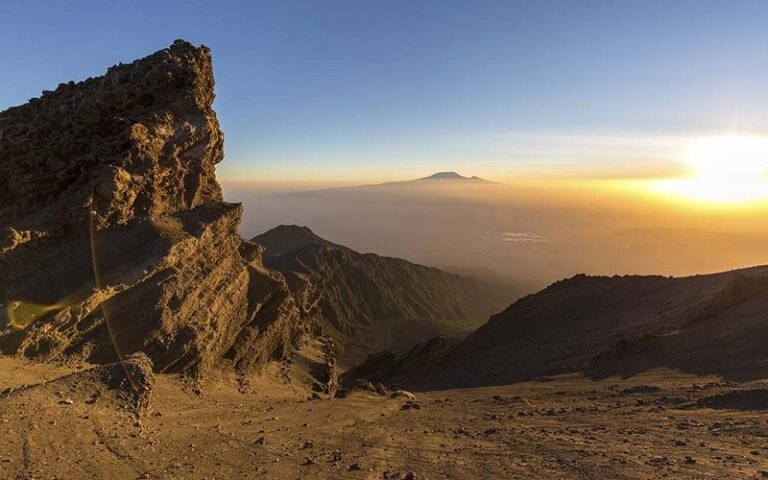
Monte Meru Y Kilimanjaro: Trekking En Tanzania 2026-2027
Discover the ultimate trekking experience in Tanzania by combining Mount Meru and Mount Kilimanjaro. This comprehensive guide covers everything from route selection and preparation to...
View package details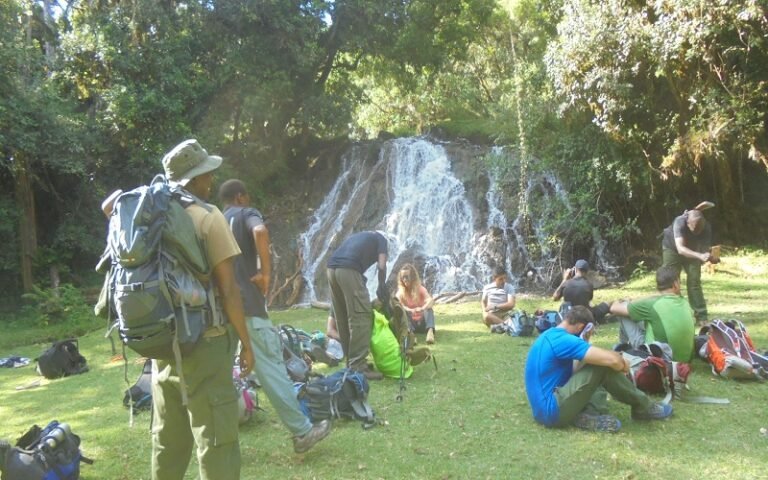
Precio Trekking Monte Meru: ¿Cuánto Cuesta Tu Aventura En ? 2026-2027
Planifica tu aventura en el Monte Meru conociendo los costos detallados. Explora las opciones de rutas, duraciones y lo que influye en el precio para tu expedición 2026-2027.
View package details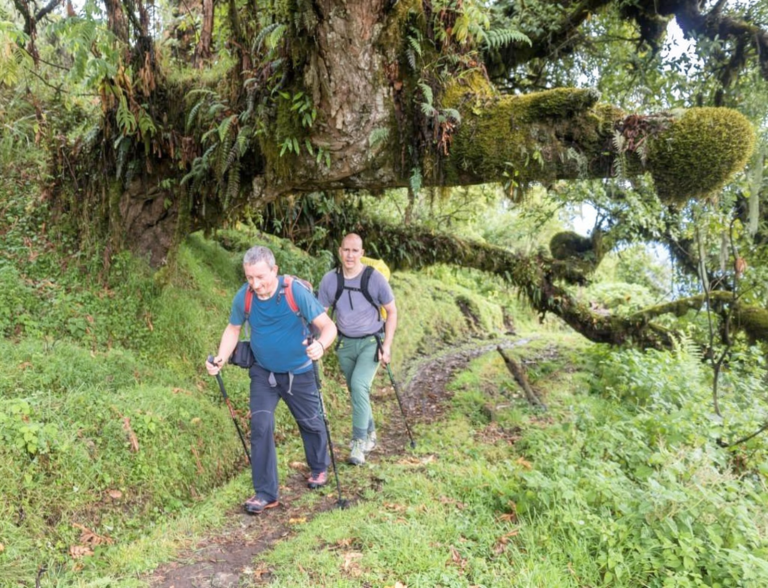
Trekking Monte Meru 4 Días 2026-2027
Trekking Monte Meru 4 días is explained with current 2026-2027 planning, price, itinerary and booking information.
View package details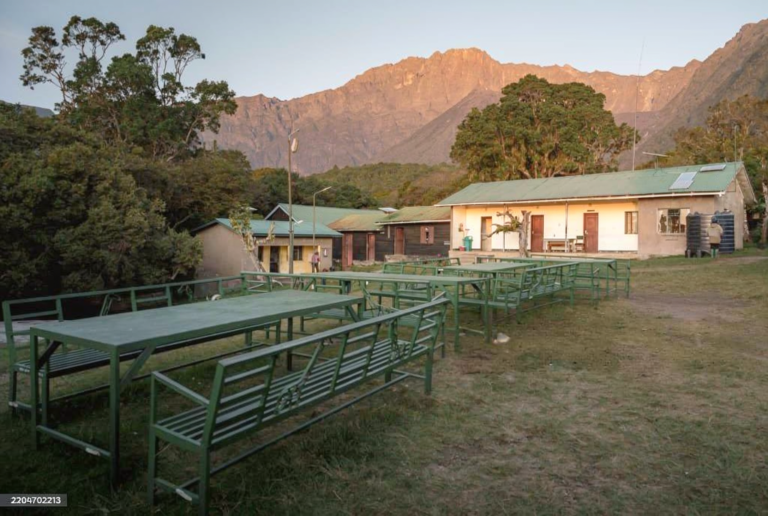
Monte Meru Tanzania Trekking From Arusha: Your Essential Guide 2026-2027
start a trek up Mount Meru from Arusha, Tanzania's stunning dormant volcano. This guide covers everything from routes and difficulty to preparation and best times to go for your 2026-2027...
View package detailsMount Meru Trekking 3 Tage: Your Essential Planning Guide 2026-2027
A comprehensive guide to the 3-day Mount Meru trek, covering essential planning details for 2026-2027, including routes, preparation, what to expect, and booking advice.
View package details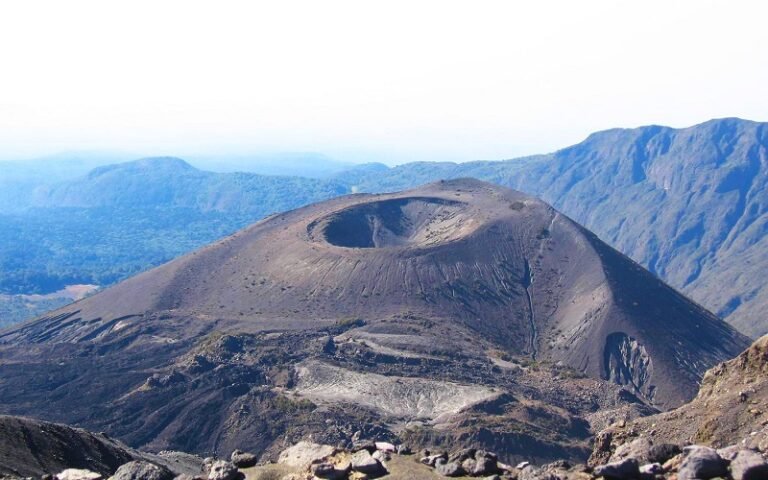
Mount Meru Trekking Ab Arusha 2026-2027
Mount Meru Trekking ab Arusha is explained with current 2026-2027 planning, price, itinerary and booking information.
View package detailsRuta Momella Monte Meru: Your Complete Guide 2026-2027
Your comprehensive guide to the Momella Route on Mount Meru, covering everything from preparation and typical itineraries to what makes this climb a unique Tanzanian adventure, ideal for...
View package detailsMonte Meru Y Safari En Tanzania: Guía Completa Para Tu Aventura Africana
Explora la combinación perfecta de trekking en Monte Meru y safaris inolvidables en Tanzania. Esta guía detallada te ayudará a planificar tu viaje de ensueño para 2026-2027, cubriendo...
View package detailsTrek Mont Meru 4 Jours: Your Complete Guide 2026-2027
start a 4-day trek up Mount Meru, a challenging yet rewarding climb near Kilimanjaro. This guide covers routes, preparation, gear, and essential tips for your 2026-2027 expedition.
View package details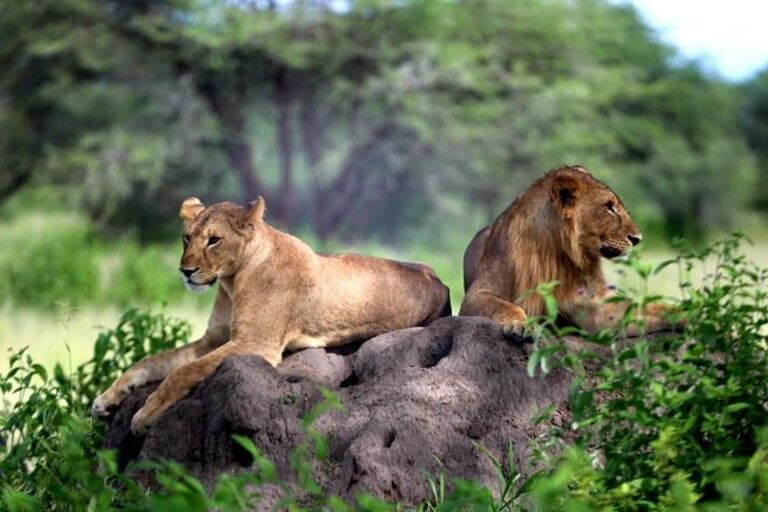
3 Day Joining Safari Group Departures From Moshi: 2026
Discover convenient 3-day group safari departures from Moshi, perfect for maximizing your Tanzania adventure. Explore wildlife-rich parks like Tarangire, Manyara, or the Serengeti on shared...
View package detailsNo related package matches those filters. Clear one or more filters to see the other topic-matched options.



