
Trekking Mount Meru from Arusha typically involves a 3- or 4-day itinerary, starting with a drive to the Momella Gate in Arusha National Park. The trek itself is challenging, characterized by steep ascents, varied terrain from forest to moorland and alpine desert, and requires good physical fitness. Key considerations for planning your Monte Meru Tanzania trekking from Arusha adventure in 2026 or 2027 include choosing the right route (usually the Momella Route for ascents and the Saddle Route for descents), understanding the altitude acclimatization, packing appropriately for unpredictable weather, and selecting a reputable local operator for logistics and guide services.
Understanding Monte Meru: A Kilimanjaro Neighbor
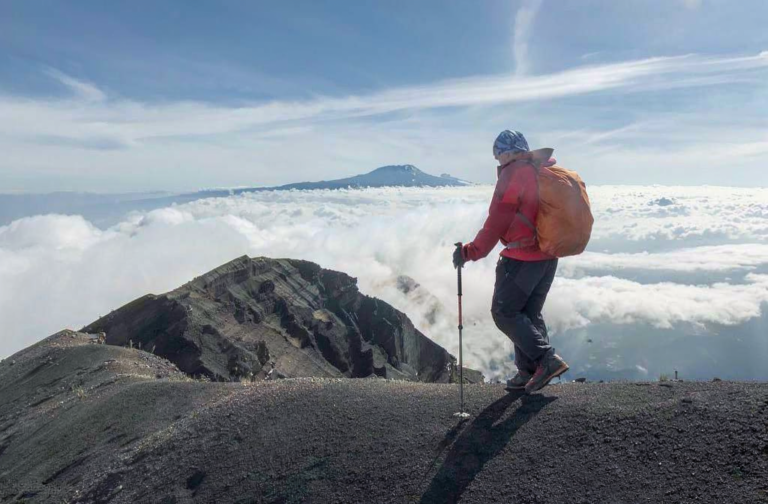
Mount Meru stands proudly as Tanzania’s second-highest peak, often overshadowed by its colossal neighbor, Kilimanjaro. Yet, for trekkers seeking a challenging yet rewarding mountain experience relatively close to Arusha, Meru offers a compelling adventure. Situated within Arusha National Park, Meru is an extinct volcano whose dramatic crater walls and caldera bear witness to its fiery past. Reaching its summit, Socialist Peak at 4,566 meters (14,980 feet), provides not only a significant physical accomplishment but also impressive panoramic views, including a stunning perspective of Kilimanjaro on clear days.
The accessibility of Mount Meru from Arusha is a major draw. Arusha, the gateway city to Northern Tanzania’s northern circuit safaris and climbing expeditions, is the primary starting point for most Meru treks. The journey from Arusha to the park entrance, Momella Gate, is short, typically under an hour, making it an ideal destination for those with limited time or as a warm-up for Kilimanjaro. Unlike Kili, Meru trekking is regulated by park authorities, and all trekkers must be accompanied by a licensed guide and usually porters, ensuring safety and adherence to park rules. This requirement also means that the mountain infrastructure, while basic, is managed, with designated huts or campsites available.
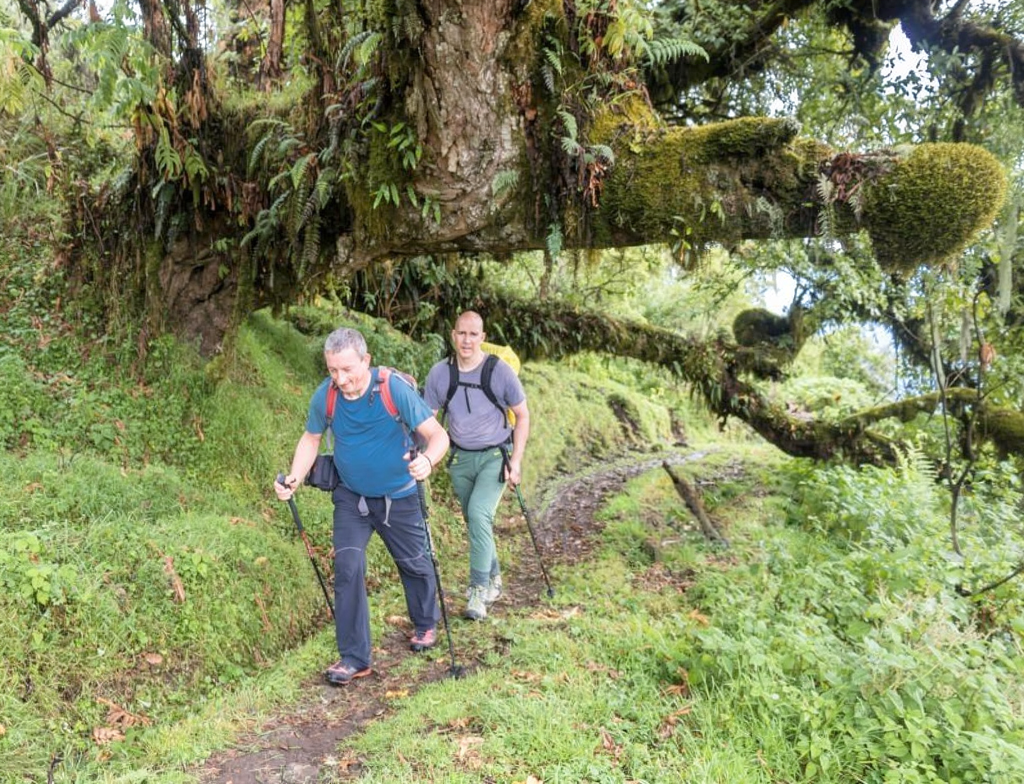
The ecosystem on Meru is incredibly diverse, transitioning from lush montane forests teeming with wildlife – including giraffes, zebras, and various antelope species visible on the lower slopes – to open moorlands and finally the stark, rocky alpine desert near the summit. This ecological variety adds a unique dimension to the trekking experience, often described as more wild and engaging than parts of Kilimanjaro’s ascent. For many, the Monte Meru Tanzania trekking from Arusha experience is not just about reaching the summit, but about the journey through these varied landscapes, the wildlife encounters, and the sense of accomplishment on a less-crowded, yet equally demanding, mountain.
Choosing Your Monte Meru Trekking Route from Arusha
When planning your Monte Meru Tanzania trekking from Arusha, the choice of route is paramount. While there might be variations discussed, the standard and most popular ascents and descents involve two main paths: the Momella Route for ascending and the Saddle Route for descending. Understanding the characteristics of each is crucial for selecting the itinerary that best suits your fitness, time, and desired experience.
The Momella Route (Ascent)
The Momella Route is the most commonly used path for climbing Mount Meru. It’s typically completed over 3 or 4 days. The ascent begins from the Momella Gate (1,500m), entering Arusha National Park. This route is known for its scenic beauty and wildlife sightings on the lower forest levels. It’s often favored for its comparative ease of access and the opportunity to see animals.
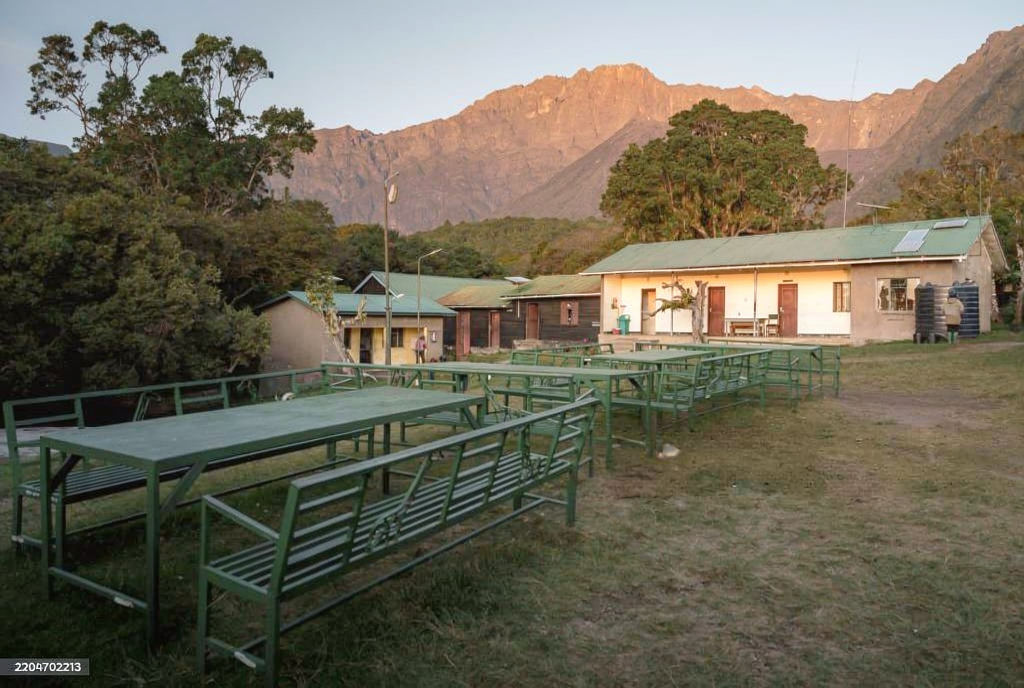
- Day 1: Momella Gate to Miriakamba Hut (2,100m). This is a relatively gentle start, often taking 4-6 hours. The path winds through the forest, offering chances to spot colobus monkeys, bushbucks, and sometimes even elephants or giraffes. The altitude gain is moderate, making it a good introduction.
- Day 2: Miriakamba Hut to Saddle Hut (3,500m). This day involves a steeper climb, taking 3-5 hours. The vegetation changes as you gain altitude, moving from forest to moorland. You’ll pass the ‘Little Meru’ viewpoint, and the air becomes noticeably thinner. Saddle Hut is the base camp for the summit push.
- Day 3: Summit Push and Descent to Miriakamba Hut or Momella Gate. This is the most demanding day. The summit push begins in the early morning hours (around 2-3 AM) from Saddle Hut. The trail becomes very steep and involves scree and rocky sections. The ascent to Socialist Peak (4,566m) takes approximately 3-4 hours. After reaching the summit and enjoying the sunrise views (weather permitting), you descend back to Saddle Hut for a brief rest before continuing the descent to Miriakamba Hut (another 2-3 hours) or all the way down to Momella Gate (an additional 2-3 hours from Miriakamba). A 4-day itinerary usually involves spending a night at Miriakamba Hut on the descent, breaking up the long walk down.
Pros of Momella Route: Excellent wildlife viewing opportunities on the lower slopes, relatively straightforward path in the initial stages, good acclimatization profile over 3-4 days.
Cons of Momella Route: The summit day involves a very steep, long ascent and descent, which can be taxing.
The Saddle Route (Descent)
While the Momella Route is primarily for ascent, the Saddle Route is often used for descent, especially for those who want a different perspective or a slightly less direct path down from the summit area. It traverses the crater rim, offering dramatic views into the caldera and across the plains. It can be combined with an ascent via the Momella Route.
- Descent from Saddle Hut via Saddle Route: Instead of heading directly down the Momella trail from Saddle Hut, this route takes you along the crater rim. The path is rugged and can be challenging, requiring careful footing. It eventually rejoins the Momella trail or leads to a different park exit point depending on the specific itinerary. This route is less common for a full ascent-descent package but is sometimes incorporated into longer treks or for those who have ascended via a different, less standard path (though these are rare for Monte Meru).
Consideration for Route Choice: For most trekkers undertaking Monte Meru Tanzania trekking from Arusha, the 3-day Momella Route (ascent and descent via the same path) or the 4-day Momella Route (ascent via Momella, descent to Miriakamba then Momella Gate) are the standard options. The 4-day itinerary offers better acclimatization and a more relaxed pace, particularly on the descent.
Assessing Monte Meru’s Difficulty and Required Fitness
Mount Meru is a serious mountain trek, often underestimated due to its lower elevation compared to Kilimanjaro. However, its steepness, especially on summit day, and the technicality of some sections make it a challenging undertaking. Proper preparation is key for a successful Monte Meru Tanzania trekking from Arusha experience.
Technical Difficulty
The lower parts of the Momella Route are well-trodden forest paths, manageable for most hikers. However, as you ascend from Saddle Hut (3,500m) to Socialist Peak (4,566m), the terrain changes dramatically. The path becomes a steep, rocky, and often scree-covered trail. There are sections that require scrambling and careful navigation, particularly in the pre-dawn darkness on summit night. While it doesn’t involve technical rock climbing that requires ropes and specialized gear, it is a demanding physical ascent that tests endurance and balance.
Altitude and Acclimatization
At 4,566 meters, Mount Meru presents a significant altitude challenge. While it’s lower than Kilimanjaro, the ascent is faster, meaning acclimatization can be more difficult for some. The rapid gain from Momella Gate (1,500m) to Saddle Hut (3,500m) in just two days means that trekkers may not fully acclimatize before the demanding summit push. This can lead to altitude sickness symptoms, including headaches, nausea, dizziness, and fatigue, which can detract from the experience or even force an early descent.
Physical Fitness Requirements
A good level of cardiovascular fitness is essential. You should be comfortable hiking for 6-8 hours a day, with significant elevation gain, for consecutive days. Ideally, you should have experience with hiking in hilly or mountainous terrain. Training should focus on:
- Cardiovascular Endurance: Regular activities like running, cycling, swimming, or brisk walking for at least 3-4 times a week.
- Leg Strength: Exercises like squats, lunges, and step-ups will help prepare your leg muscles for the steep ascents and descents.
- Hiking Practice: Undertake longer hikes, preferably with elevation gain, to simulate mountain conditions.
- Mental Preparedness: Understanding that summit day is physically and mentally demanding is crucial. Being prepared for discomfort and pushing through it is part of the challenge.
For those considering Monte Meru Tanzania trekking from Arusha as a prelude to Kilimanjaro, it serves as an excellent test of your fitness and acclimatization capabilities. However, it’s important not to view it as merely a ‘training climb’; Meru is a significant mountain in its own right.
When is the Best Time for Monte Meru Trekking from Arusha? (2026-2027 Outlook)
Timing your Monte Meru Tanzania trekking from Arusha adventure is critical for the best possible weather conditions and visibility. Like Kilimanjaro, Mount Meru experiences distinct wet and dry seasons, which significantly impact the trekking experience. Generally, the drier months are preferred for mountain expeditions in Tanzania.
Dry Seasons
The two primary dry seasons are considered the best times to trek Mount Meru:
- June to October: This is the longest dry season and generally offers the most stable weather. Days are typically sunny and clear, with cool to cold temperatures, especially at higher altitudes. Nights can be very cold. This period is also popular for wildlife viewing on safaris, making it a convenient time for a combined safari and trek trip. For 2026 and 2027, this period is expected to remain the prime trekking window.
- December to February: This is a shorter, warmer dry season. While still good for trekking, temperatures can be higher, especially on the lower slopes. Skies are usually clear, offering excellent visibility. This period often coincides with holidays, so booking in advance for 2026-2027 is advisable if this timeframe suits you.
Wet Seasons
The wet seasons bring increased rainfall, which can make trekking more challenging and visibility poorer.
- March to May: This is the main rainy season, often referred to as the ‘long rains’. Expect heavy rainfall, mist, and potentially snow at higher elevations. Trails can become muddy and slippery, and summit views are often obscured. This period is generally not recommended for trekking.
- November: This is a transitional month, often experiencing ‘short rains’. While not as intense as the main rainy season, showers are frequent, and conditions can be unpredictable.
Weather Considerations for 2026-2027
While the general patterns hold, climate change can lead to unpredictable weather. Always be prepared for variations. For 2026 and 2027, it’s wise to book during the core dry months. If you plan to trek during the shoulder months (late May, early June, late October, early November), be prepared for mixed conditions. Crowd levels are also a factor; the peak dry seasons (June-October) are busier, especially if combined with safari travel. For a quieter experience, consider the shoulder months within the dry season or the warmer dry period in December-February.
Essential Packing List for Your Monte Meru Trek
Packing correctly for your Monte Meru Tanzania trekking from Arusha is crucial for comfort, safety, and success. The weather can change rapidly, and you’ll experience a wide range of temperatures from the warm forest floor to freezing summit conditions. Layering is key. Your tour operator will provide a more detailed list, but here are the essentials:
Clothing
- Base Layers: Moisture-wicking thermal tops and bottoms (synthetic or merino wool).
- Mid Layers: Fleece jacket or a warm, insulated jacket for insulation.
- Outer Layer: Waterproof and windproof jacket (Gore-Tex or similar) and waterproof trousers.
- Trekking Trousers: 2-3 pairs of comfortable, quick-drying hiking trousers (avoid jeans).
- T-shirts: 3-4 moisture-wicking t-shirts.
- Warm Hat: A fleece or wool hat that covers your ears.
- Gloves: Warm, waterproof gloves or mittens, and thinner liner gloves.
- Socks: Several pairs of warm hiking socks (wool or synthetic), plus liner socks to prevent blisters.
- Camp Clothes: Comfortable, warm clothes for evenings at the hut (e.g., tracksuit bottoms, warm jumper).
Footwear
- Hiking Boots: Sturdy, waterproof, broken-in hiking boots with good ankle support.
- Camp Shoes: Comfortable trainers, sandals, or flip-flops for use at the huts.
Gear and Equipment
- Backpack: A comfortable daypack (25-35 liters) for essentials during the day’s hike. Your main duffel bag will be carried by porters.
- Duffel Bag: A sturdy, waterproof duffel bag (80-100 liters) for your main gear, carried by porters.
- Sleeping Bag: A 4-season sleeping bag rated to at least -10°C (14°F). Huts can be cold.
- Water Bottles/Hydration Reservoir: At least 2-3 liters capacity. Insulated bottles are useful in cold weather.
- Headlamp/Torch: With extra batteries (essential for summit night).
- Sun Protection: High SPF sunscreen, lip balm with SPF, wide-brimmed hat or cap, and sunglasses.
- Trekking Poles: Highly recommended for stability and reducing strain on knees, especially on descents.
- Personal First-Aid Kit: Including blister treatment, pain relievers, antiseptic wipes, bandages, and any personal medications.
- Toiletries: Biodegradable soap, toothbrush, toothpaste, wet wipes, hand sanitizer.
- Camera and Binoculars: To capture the stunning scenery and wildlife.
- Snacks: High-energy snacks like nuts, dried fruit, energy bars, and chocolate.
- Water Purification: Tablets or a filter (though operators usually provide boiled water).
- Small Towel: Quick-drying.
Important Note on Porter Weight Limits
Porters have weight limits, typically around 15kg (33 lbs) for your duffel bag. Your tour operator will provide exact specifications. Pack efficiently and only bring what is essential for your Monte Meru Tanzania trekking from Arusha trip.
Altitude Acclimatization and Safety on Mount Meru
Safety is paramount on any mountain trek, and Mount Meru is no exception. Understanding altitude sickness and implementing proper acclimatization strategies are key to a successful and enjoyable Monte Meru Tanzania trekking from Arusha journey.
Understanding Altitude Sickness (AMS)
Acute Mountain Sickness (AMS) is a common condition that occurs when ascending to high altitudes too quickly. Symptoms can range from mild (headache, nausea, fatigue) to severe (pulmonary edema, cerebral edema). It’s crucial to recognize these symptoms and act promptly. The primary rule of thumb is: ‘Climb high, sleep low’, though this is difficult to implement perfectly on a short Meru trek. More importantly, ‘If you feel unwell, tell your guide immediately.’
Acclimatization Strategies for Meru
- Ascend Slowly: While the standard 3-day Meru trek is fast, a 4-day itinerary offers a slower ascent, allowing for better acclimatization.
- Stay Hydrated: Drink plenty of water throughout the day. Aim for 3-4 liters. Dehydration can exacerbate AMS symptoms.
- Avoid Alcohol and Smoking: These can impair acclimatization.
- Eat Well: Maintain a good intake of carbohydrates, which are easier to digest at altitude.
- Pace Yourself: Walk at a slow, steady pace (‘pole pole’ – slowly, slowly). Don’t overexert yourself, especially on the first couple of days.
- Monitor Symptoms: Be aware of how you are feeling. Headaches are common, but if they worsen or are accompanied by other symptoms, inform your guide.
Safety Protocols and Guide Responsibilities
Your licensed Mount Meru guide is trained to recognize and manage altitude sickness. They will monitor your health daily and make decisions regarding your ascent. It is essential to communicate openly with your guide about any discomfort or symptoms you experience. They are responsible for:
- Assessing your health and acclimatization status.
- Ensuring you follow safe trekking practices.
- Navigating the trails and managing the pace.
- Carrying a comprehensive first-aid kit and being trained in its use.
Your operator will also ensure you have adequate porters and that they are well-equipped. For 2026-2027 trekking seasons, ensure your chosen operator adheres to strict safety standards.
Emergency Procedures
In the event of a serious altitude-related illness or injury, evacuation is the primary response. Mount Meru does not have the same rescue infrastructure as Kilimanjaro, but park rangers and guides are equipped to manage emergencies. This reinforces the importance of booking with a reliable operator who prioritizes safety and has established emergency protocols.
Arranging Your Monte Meru Trekking Trip from Arusha
To start your Monte Meru Tanzania trekking from Arusha adventure, careful planning and booking with a reputable operator are essential. This ensures you have the necessary permits, guides, porters, and logistical support.
Choosing a Tour Operator
Selecting the right tour operator is perhaps the most critical decision. Look for companies that:
- Are locally based in Tanzania, providing practical support and employing local staff.
- Have experienced, licensed guides trained in mountain safety and first aid.
- Offer transparent pricing and clearly state what is included and excluded.
- Have a good reputation for safety, ethical treatment of staff, and environmental responsibility.
- Can customize itineraries to your needs.
Companies like Climb 4 Africa specialize in Kilimanjaro and other Tanzanian mountain treks, offering comprehensive packages that handle all the logistics from Arusha. They can provide insights into the best times to trek and help you prepare for your 2026 or 2027 expedition.
Inclusions and Exclusions
A typical Monte Meru Tanzania trekking from Arusha package will include:
- Park entry fees and conservation fees.
- Camping fees or hut accommodation fees.
- Licensed mountain guides and assistant guides.
- Porters to carry your main gear.
- All meals during the trek (breakfast, lunch, dinner).
- Boiled water during the trek.
- Accommodation before and after the trek in Arusha (often).
- Transfers from Arusha to Momella Gate and back.
Exclusions typically include:
- Flights to and from Tanzania.
- Visa fees.
- Travel insurance (mandatory).
- Tips for guides, porters, and cooks.
- Personal gear (clothing, sleeping bag, etc.).
- Drinks other than water (e.g., soda, beer).
- Optional accommodation upgrades.
Booking Process for 2026-2027
To book your trek, you’ll typically:
- Contact Operators: Get quotes and compare itineraries from several reputable companies.
- Confirm Dates: Discuss your preferred travel dates for 2026 or 2027.
- Pay a Deposit: A deposit is usually required to secure your booking and confirm permits.
- Complete Forms: Provide personal details, passport information, and emergency contacts.
- Receive Pre-Trek Information: Your operator will send detailed packing lists, training advice, and itinerary confirmations.
- Pay the Balance: The remaining balance is usually due a few weeks before your trek departure.
Booking well in advance, especially for peak seasons in 2026 and 2027, is highly recommended to secure your preferred dates and ensure availability.
Why Book Locally?
Using a local operator like Climb 4 Africa means you’re directly supporting the Tanzanian economy and employing local expertise. They have on-the-ground knowledge crucial for logistics, safety, and understanding the mountain environment. Their responsiveness via WhatsApp +255 747 477 898 or Email climb4africa@gmail.com can be invaluable for last-minute arrangements or queries.
Monte Meru vs. Kilimanjaro: Making Your Choice
Many travelers considering a trek in Tanzania from Arusha often ponder the choice between Mount Meru and Mount Kilimanjaro. While both are majestic peaks within reach of Arusha, they offer distinct experiences. Understanding these differences will help you decide which mountain aligns best with your goals for a 2026-2027 adventure.
Duration and Complexity
Monte Meru: Typically 3-4 days. Shorter, more accessible from Arusha, and generally less crowded. The ascent is faster, making acclimatization more challenging for some.
Kilimanjaro: Typically 6-9 days depending on the route. Longer, more complex logistics, and significantly more crowded, especially on popular routes. The longer duration allows for better acclimatization.
Altitude and Difficulty
Monte Meru: 4,566m. Challenging due to steepness and rapid ascent profile. Summit day is strenuous and can involve scree and rocky sections.
Kilimanjaro: 5,895m. Higher altitude poses a greater risk of AMS. While some routes are less technical than Meru’s summit day, the extreme altitude is the primary challenge. Success rates are generally higher on longer Kilimanjaro routes due to better acclimatization.
Scenery and Wildlife
Monte Meru: Offers incredibly diverse scenery, from lush forests with abundant wildlife (giraffes, zebras, monkeys) to alpine deserts. The views of Kilimanjaro from Meru’s summit are spectacular.
Kilimanjaro: Also boasts diverse vegetation zones, from rainforest to arctic summit. Wildlife sightings are more common on the lower rainforest sections but are less varied than on Meru.
Cost
Monte Meru: Generally less expensive due to shorter duration and lower park fees compared to Kilimanjaro. A typical package for Monte Meru Tanzania trekking from Arusha will be significantly cheaper than a Kilimanjaro climb.
Kilimanjaro: More expensive due to longer duration, higher park fees, more staff (guides, porters, cooks), and more complex logistics.
Who is each mountain for?
- Choose Monte Meru if: You have limited time (3-4 days), want a challenging trek with good wildlife, are looking for a less crowded experience, or want a superb warm-up for Kilimanjaro. It’s also ideal for those who enjoy varied landscapes and a wilder feel.
- Choose Kilimanjaro if: You are seeking to summit Africa’s highest peak, have more time (6-9 days), are prepared for extreme altitude, want the prestige of climbing Kili, and are comfortable with more organized, though busier, trekking environments.
For trekkers planning their expeditions for 2026 or 2027, both offer unforgettable experiences. If you’re unsure, discussing your fitness, experience, and goals with a local operator like Climb 4 Africa can help you make the best choice.
Daily Life and Accommodation on Monte Meru Treks
Understanding what to expect regarding accommodation and daily life is important for preparing for your Monte Meru Tanzania trekking from Arusha journey. The mountain offers basic but functional facilities designed to support trekkers.
Accommodation Types
Mount Meru has two main mountain huts managed by the park authorities:
- Miriakamba Hut (2,100m): Located in the forest zone, this hut offers dormitory-style accommodation. Rooms are typically basic, with bunk beds. There are usually communal areas and basic toilet facilities. Hot water is generally not available, and you’ll be provided with water for washing.
- Saddle Hut (3,500m): Situated at a higher altitude, Saddle Hut is the base camp for the summit push. It also provides dormitory-style rooms. Facilities are similar to Miriakamba but at a significantly higher, colder elevation.
Important Note: While these are called ‘huts’, they are very basic shelters. Some operators might use camping as an alternative or supplement, especially if huts are full or if they offer a specific itinerary. Your operator will confirm the exact accommodation arrangements for your 2026-2027 trek.
Meals and Dining
Your tour operator will provide all meals during the trek. This typically includes:
- Breakfast: Often porridge, eggs, toast, or fruit.
- Lunch: Packed lunches taken on the trail, usually consisting of sandwiches, fruit, boiled eggs, and snacks.
- Dinner: A hot, cooked meal served at the hut or campsite. This might include soup, rice or pasta with stew, vegetables, and sometimes dessert.
Operators usually cater to dietary requirements (vegetarian, vegan, allergies) if notified in advance. Always inform your operator of any specific needs when booking your Monte Meru Tanzania trekking from Arusha trip.
Daily Trekking Routine
A typical trekking day follows a structured routine:
- Morning: Wake up early (around 7 AM). Have breakfast. Pack your daypack and duffel bag.
- Mid-morning: Begin trekking. Guides will set a slow, steady pace.
- Lunch: A break for lunch on the trail.
- Afternoon: Continue trekking, arriving at the hut or campsite by mid-afternoon.
- Evening: Settle into the hut, wash up, and enjoy dinner. Discuss the next day’s plan with your guide.
Summit Night: This is an exception. You’ll typically wake up around 1-2 AM, have a quick breakfast, and start the ascent in darkness, aiming to reach the summit by sunrise.
Campfire Culture and Socializing
Evenings at the huts can be social, with trekkers from different groups interacting. Guides and cooks often join for dinner, sharing stories and insights. It’s a chance to connect with fellow adventurers and learn more about the mountain and local culture. This communal aspect is a cherished part of the Monte Meru Tanzania trekking from Arusha experience.
Responsible Trekking and Environmental Considerations
Trekking Mount Meru, like any natural environment, comes with a responsibility to minimize your impact. Responsible tourism practices are crucial for preserving the beauty and integrity of Arusha National Park for future generations. When planning your Monte Meru Tanzania trekking from Arusha for 2026-2027, consider these guidelines.
Leave No Trace Principles
Adhering to ‘Leave No Trace’ principles is fundamental:
- Pack It In, Pack It Out: All litter, including food scraps and packaging, must be carried back down the mountain.
- Stay on Trails: Stick to marked paths to prevent erosion and protect fragile vegetation.
- Respect Wildlife: Maintain a safe distance from all animals. Do not feed them. Observe them quietly.
- Minimize Campfire Impact: Campfires are generally not permitted on Mount Meru treks; cooking is done with portable stoves.
- Dispose of Waste Properly: Use designated toilets or dig catholes well away from water sources if no facilities are available (though huts on Meru have facilities).
- Leave What You Find: Do not take rocks, plants, or any natural or cultural artifacts.
Ethical Treatment of Staff
Your trekking crew (guides, porters, cooks) are vital to your journey. Ensure your operator:
- Pays fair wages and provides adequate food and shelter.
- Does not overload porters (respecting weight limits).
- Treats all staff with respect and dignity.
Tipping is customary and appreciated. Your operator will usually provide guidelines on recommended tipping amounts for your Monte Meru Tanzania trekking from Arusha crew.
Environmental Practices of Operators
When choosing an operator for your 2026 or 2027 trek, inquire about their environmental policies. Look for companies that:
- Promote waste reduction and recycling.
- Use eco-friendly cooking fuels and methods.
- Educate clients on responsible trekking.
- Contribute to local conservation efforts.
Climb 4 Africa is committed to sustainable tourism practices, ensuring that your adventure contributes positively to the local environment and community.
Finalizing Your 2026-2027 Monte Meru Trekking Plans
As you finalize your plans for Monte Meru Tanzania trekking from Arusha, consider these final points to ensure a smooth and successful expedition. Whether you are aiming for 2026 or 2027, thorough preparation is key.
Health and Vaccinations
Consult your doctor or a travel clinic well in advance of your trip regarding recommended vaccinations and malaria precautions. While the higher altitudes of Meru are less of a malaria risk, the lower areas and Arusha itself can be affected. Ensure your routine vaccinations are up to date.
Travel Insurance
Comprehensive travel insurance is non-negotiable. It must cover:
- High-altitude trekking (up to 4,566m).
- Emergency medical evacuation (including helicopter rescue if applicable).
- Trip cancellation and interruption.
- Lost or stolen baggage.
Always carry a copy of your insurance policy details with you.
Visa Requirements
Check the latest visa requirements for Tanzania for your nationality. Many nationalities can obtain a visa on arrival or apply online in advance.
Currency and Spending Money
The local currency is the Tanzanian Shilling (TZS). US Dollars are widely accepted for tourist services, but it’s advisable to have some local currency for smaller purchases, tips, and souvenirs. ATMs are available in Arusha.
Booking with Confidence
For a stress-free Monte Meru Tanzania trekking from Arusha experience, partnering with an experienced and reliable operator is crucial. Climb 4 Africa offers expert guidance and support for your mountain adventures. They can help you:
- Select the best itinerary for your fitness and time.
- Provide detailed packing lists and training advice.
- Handle all park permits and logistics.
- Ensure your safety with experienced guides and emergency protocols.
To discuss your trekking aspirations for 2026 or 2027 and receive a personalized quote, don’t hesitate to reach out to Climb 4 Africa:
- WhatsApp: +255 747 477 898
- Email: climb4africa@gmail.com
Their team is ready to assist you in planning an unforgettable adventure on Mount Meru.
Check Availability for Monte Meru Tanzania Trekking From Arusha: Your Essential Guide 2026-2027
Ready to compare dates, prices, and the best option for your group? Send the package name and travel month so the team can reply with a clear quote, availability, and what is included.
Trekking Monte Meru Desde Arusha: Your Ultimate Guide For 2026-2027
Your comprehensive guide to trekking Mount Meru from Arusha, covering everything from route options and difficulty to essential preparation and booking advice for climbs in 2026-2027.
View package details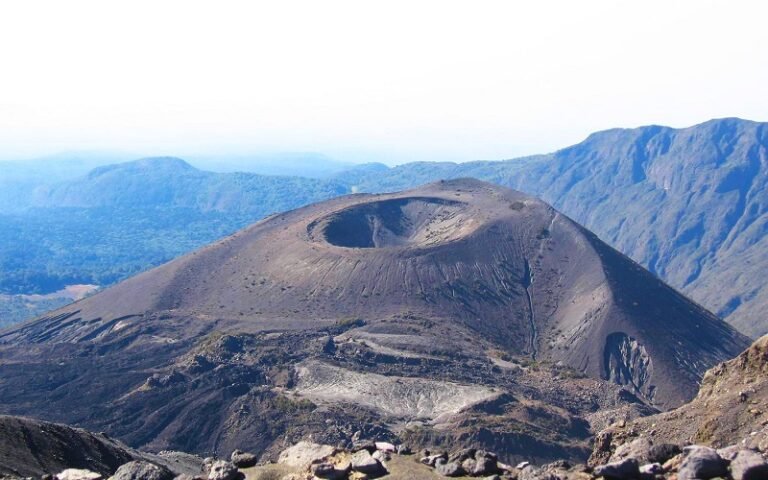
Mount Meru Trekking Ab Arusha 2026-2027
Mount Meru Trekking ab Arusha is explained with current 2026-2027 planning, price, itinerary and booking information.
View package details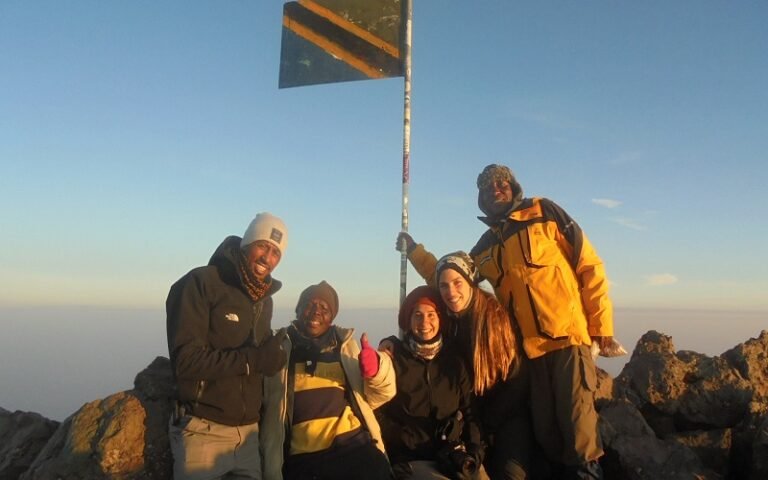
Trekking Monte Meru Tanzania: Precios, Ruta Y Consejos 2026-2027
Trekking Monte Meru Tanzania: precios, ruta y consejos is explained with current 2026-2027 planning, price, itinerary and booking information.
View package details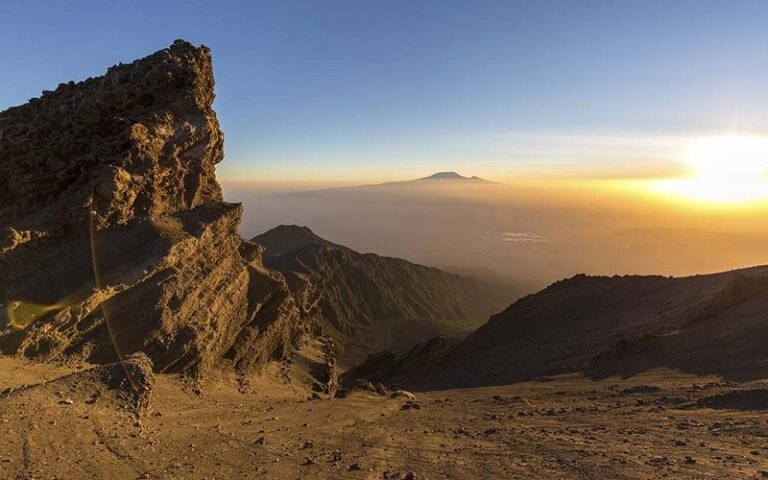
Monte Meru Y Kilimanjaro: Trekking En Tanzania 2026-2027
Discover the ultimate trekking experience in Tanzania by combining Mount Meru and Mount Kilimanjaro. This comprehensive guide covers everything from route selection and preparation to...
View package detailsMonte Meru Y Safari En Tanzania: Guía Completa Para Tu Aventura Africana
Explora la combinación perfecta de trekking en Monte Meru y safaris inolvidables en Tanzania. Esta guía detallada te ayudará a planificar tu viaje de ensueño para 2026-2027, cubriendo...
View package details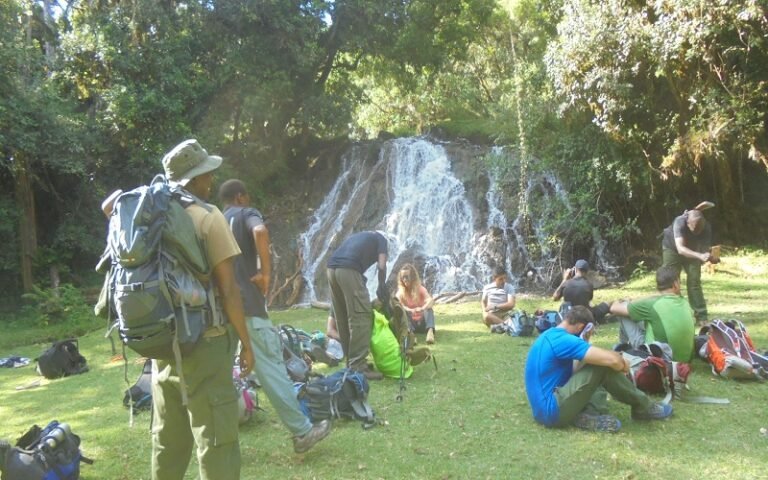
Precio Trekking Monte Meru: ¿Cuánto Cuesta Tu Aventura En ? 2026-2027
Planifica tu aventura en el Monte Meru conociendo los costos detallados. Explora las opciones de rutas, duraciones y lo que influye en el precio para tu expedición 2026-2027.
View package details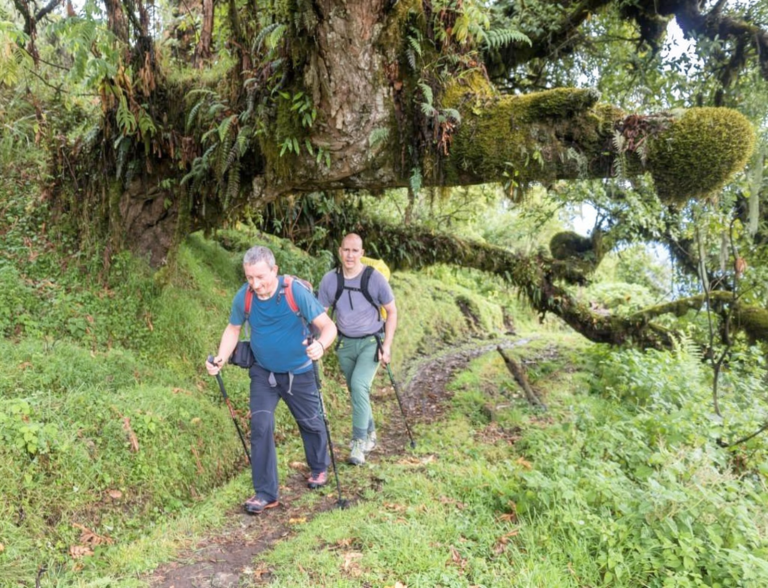
Trekking Monte Meru 4 Días 2026-2027
Trekking Monte Meru 4 días is explained with current 2026-2027 planning, price, itinerary and booking information.
View package detailsTrekking Monte Meru 3 Días 2026-2027
Trekking Monte Meru 3 días is explained with current 2026-2027 planning, price, itinerary and booking information.
View package details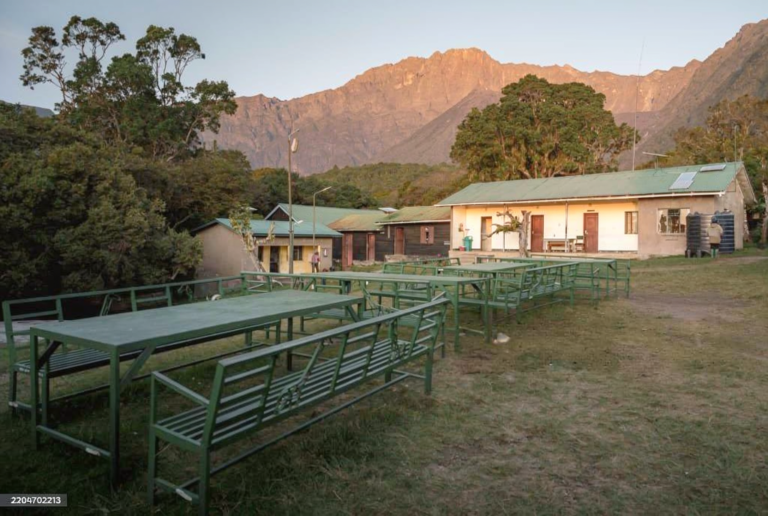
Mount Meru Trekking 3 Tage: Your Essential Planning Guide 2026-2027
A comprehensive guide to the 3-day Mount Meru trek, covering essential planning details for 2026-2027, including routes, preparation, what to expect, and booking advice.
View package detailsRuta Momella Monte Meru: Your Complete Guide 2026-2027
Your comprehensive guide to the Momella Route on Mount Meru, covering everything from preparation and typical itineraries to what makes this climb a unique Tanzanian adventure, ideal for...
View package detailsTrek Mont Meru 4 Jours: Your Complete Guide 2026-2027
start a 4-day trek up Mount Meru, a challenging yet rewarding climb near Kilimanjaro. This guide covers routes, preparation, gear, and essential tips for your 2026-2027 expedition.
View package details
3 Day Joining Safari Group Departures From Moshi: 2026
Discover convenient 3-day group safari departures from Moshi, perfect for maximizing your Tanzania adventure. Explore wildlife-rich parks like Tarangire, Manyara, or the Serengeti on shared...
View package detailsNo related package matches those filters. Clear one or more filters to see the other topic-matched options.



