
Embarking on a 🇪🇸 Spanish Kilimanjaro climb in 2026 or 2027 involves selecting the right route, understanding the physical demands, and securing reliable local support. The most popular routes like Machame, Lemosho, or Marangu offer varying acclimatization profiles and scenery, with typical climbs lasting 6-9 days. While a Spanish-speaking guide isn’t standard on all treks, arranging for one is possible through specialized operators who can also provide trip logistics, park fees, and essential gear for your ascent. Expect costs to range from approximately $1800 to $3500 per person, depending on the route, duration, group size, and inclusions.
Understanding the Appeal of a Spanish Kilimanjaro Climb
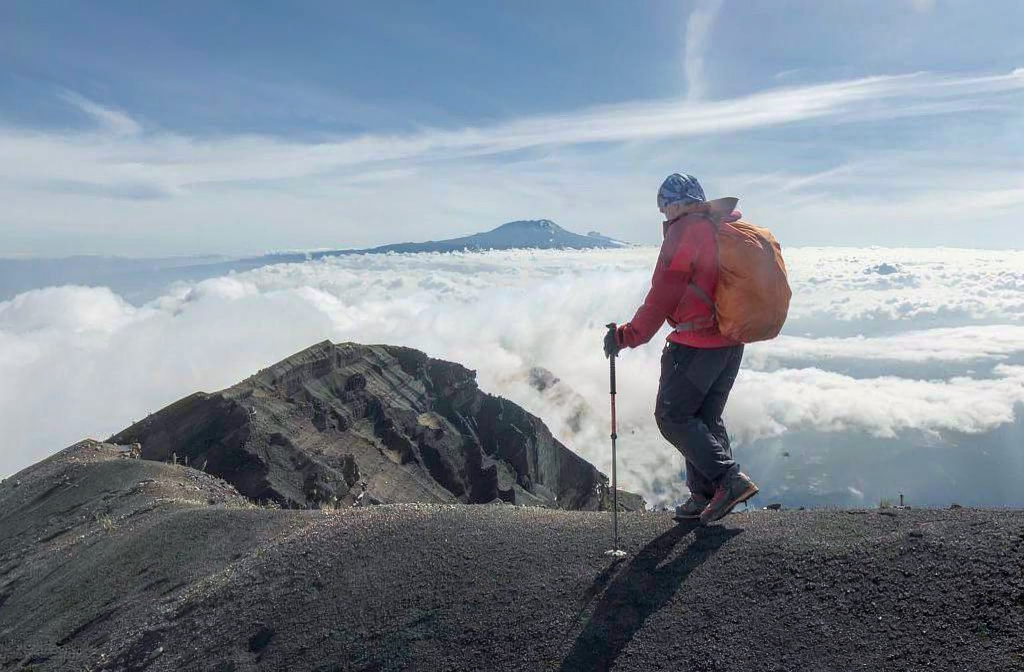
Mount Kilimanjaro, Africa’s highest peak, draws adventurers from across the globe. For Spanish-speaking travelers, the prospect of conquering this iconic mountain can be enhanced significantly by having guides and support staff who communicate fluently in Spanish. This isn’t just about convenience; it’s about fostering a deeper connection with the experience, ensuring clear communication of vital safety information, and easing potential anxieties related to language barriers. For 2026 and 2027, the demand for culturally sensitive and linguistically comfortable expeditions is growing, making a 🇪🇸 Spanish Kilimanjaro climb an increasingly sought-after option.
The decision to climb Kilimanjaro is a major one, requiring careful planning and commitment. When you add the element of language, finding the right operator becomes paramount. It’s about more than just a translator; it’s about having someone who understands the nuances of the mountain, the local culture, and can communicate this effectively to you in your preferred language. This article aims to provide a comprehensive overview for those planning a 🇪🇸 Spanish Kilimanjaro climb, covering everything from route selection to practical preparation for 2026-2027 expeditions.
Kilimanjaro Routes: Your Path to the Summit
Choosing the right route is arguably the most critical decision for any Kilimanjaro trekker, and this remains true for those seeking a 🇪🇸 Spanish Kilimanjaro climb. Each route offers a unique experience, varying in length, difficulty, scenery, and acclimatization profile. The success rate is heavily influenced by the route’s design for gradual ascent, allowing the body to adapt to the altitude. For 2026-2027 climbs, understanding these differences is key to selecting a path that matches your fitness, time, and comfort level.
The Machame Route: The ‘Whiskey’ Route
Often referred to as the ‘Whiskey’ route, the Machame route is exceptionally popular due to its scenic beauty and excellent acclimatization profile. It’s a challenging trek, typically completed over 6 or 7 days. The 7-day option provides an extra day for acclimatization, significantly increasing the chances of reaching the summit successfully.
- Duration: 6-7 days
- Scenery: Diverse, from rainforest to alpine desert and arctic zone.
- Acclimatization: Good, especially on the 7-day itinerary.
- Accommodation: Camping.
- Pros: High success rate (especially 7-day), stunning views, varied terrain.
- Cons: Can be crowded, steep ascents in places.
For a 🇪🇸 Spanish Kilimanjaro climb via Machame, you’ll find many operators offering this route. The clarity of instruction on steep sections or during challenging weather is where a Spanish-speaking guide truly adds value.
The Lemosho Route: The Scenic Gem
The Lemosho route is considered one of the most beautiful routes on Kilimanjaro. It offers a more remote and less crowded experience, particularly in its initial days. It also boasts an excellent acclimatization profile, often completed over 7 or 8 days.
- Duration: 7-8 days
- Scenery: Exceptional, with panoramic views, especially from the Shira Plateau.
- Acclimatization: Excellent, considered one of the best.
- Accommodation: Camping.
- Pros: High success rate, stunning landscapes, less crowded start.
- Cons: Longer, potentially more expensive due to longer duration and logistics.
When planning a 🇪🇸 Spanish Kilimanjaro climb on Lemosho, the extended time allows for a more relaxed pace, giving your Spanish-speaking guide ample opportunity to explain the flora, fauna, and geological features you encounter.
The Marangu Route: The ‘Coca-Cola’ Route
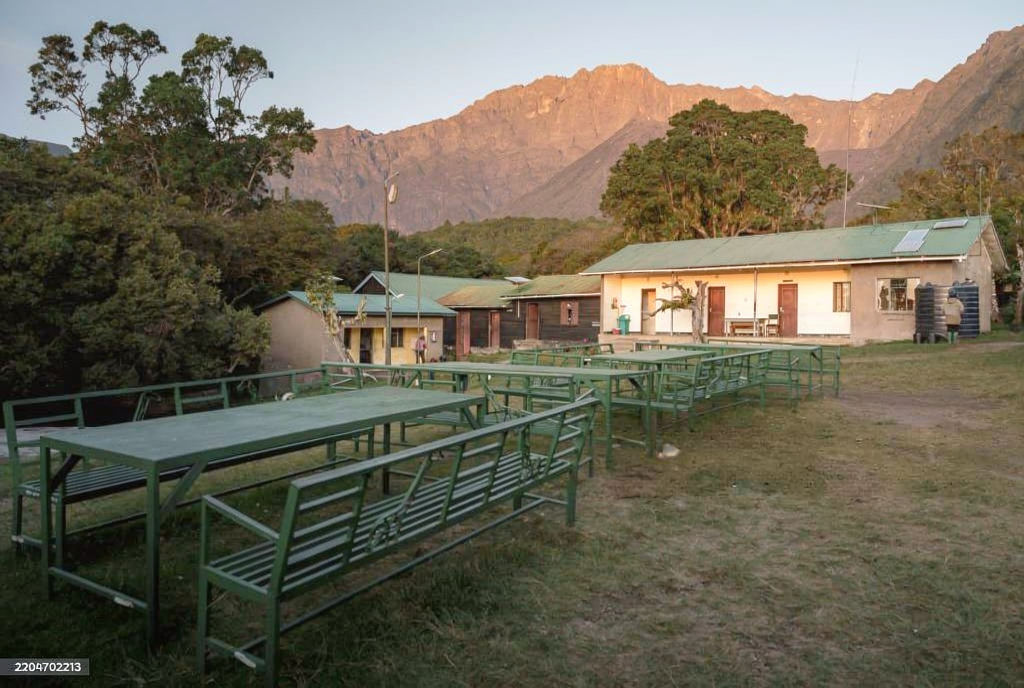
Known as the ‘Coca-Cola’ route, Marangu is the oldest and most established route. It’s unique in that it’s the only route offering dormitory-style accommodation in huts, rather than camping. It’s also the only route where you can descend the same way you ascended.
- Duration: 5-6 days
- Scenery: Pleasant, but less varied and scenic compared to other routes.
- Acclimatization: Poorer, leading to lower success rates, especially on the 5-day option.
- Accommodation: Huts.
- Pros: Comfortable accommodation (huts), potentially cheaper.
- Cons: Lower success rate, less scenic, can be very crowded.
While a 🇪🇸 Spanish Kilimanjaro climb on Marangu might seem appealing for its huts, the lower success rate is a significant consideration. If opting for this route, ensure your Spanish-speaking guide is highly experienced in managing altitude sickness.
Other Notable Routes
Other routes like Rongai (a good option during rainy seasons, approaching from the north) and Northern Circuit (the longest but potentially highest success rate due to its slow acclimatization) are also available. The Umbwe route is the steepest and most challenging, generally recommended only for experienced mountaineers.
For any 🇪🇸 Spanish Kilimanjaro climb, it’s vital to discuss these route options with your tour operator. They can help you weigh the pros and cons based on your fitness, experience, and desired pace for 2026 or 2027.
Choosing Your Route for a 2026-2027 Climb
Key Considerations:
- Success Rate: Longer routes (7-9 days) generally offer better acclimatization and higher success rates.
- Scenery: Lemosho and Machame are often cited for their exceptional beauty.
- Crowds: Lemosho and Rongai tend to be less crowded than Machame or Marangu.
- Accommodation: Camping (most routes) vs. Huts (Marangu).
- Time Commitment: Ensure the route duration fits your schedule.
When arranging your 🇪🇸 Spanish Kilimanjaro climb, your operator should provide detailed day-by-day itineraries for each route, allowing you to visualize the journey.
Preparing for Your 🇪🇸 Spanish Kilimanjaro Climb: Fitness and Gear
Conquering Kilimanjaro is a significant physical and mental challenge. Proper preparation is non-negotiable, whether you’re aiming for a 🇪🇸 Spanish Kilimanjaro climb in 2026 or 2027. This involves building cardiovascular endurance, strength, and mentally preparing for the demanding conditions.
Physical Training
The best preparation is hiking with a weighted backpack on varied terrain, ideally with significant elevation gain. Focus on:
- Cardiovascular Fitness: Engage in activities like running, cycling, swimming, or brisk walking for at least 3-4 times a week. Aim for sessions of 45-60 minutes.
- Strength Training: Focus on leg strength (squats, lunges) and core stability.
- Hiking Practice: The most crucial element. Undertake long hikes (4-6 hours) with a backpack weighing 10-15 kg (22-33 lbs) on hilly or mountainous terrain. This simulates the actual climb and helps your body adapt to carrying weight uphill for extended periods.
- Altitude Acclimatization (Simulated): While difficult to truly simulate, training at higher altitudes if possible can be beneficial. Otherwise, focus on building a robust aerobic base.
For a 🇪🇸 Spanish Kilimanjaro climb, consistent training over several months leading up to your trek is recommended. Don’t underestimate the impact of cumulative fatigue on the mountain; your training should prepare you for long days of trekking.
Essential Gear for Kilimanjaro
Packing the right gear is critical for comfort, safety, and success. While your tour operator will provide tents, cooking equipment, and often sleeping mats, you are responsible for your personal clothing and equipment. For a 🇪🇸 Spanish Kilimanjaro climb, ensuring all gear is suitable for extreme cold, wind, and rain is essential. Here’s a breakdown:
Clothing Layers (The Key to Comfort)
- Base Layers: Moisture-wicking thermal tops and bottoms (merino wool or synthetic).
- Mid Layers: Fleece jackets or down vests for insulation.
- Outer Layer (Shell): Waterproof and windproof jacket and trousers (Gore-Tex or similar).
- Insulation Layer: A warm down or synthetic-fill jacket for evenings and summit night.
- Trekking Trousers: Comfortable, quick-drying hiking trousers (avoid jeans).
- Trekking Shirts: Long-sleeved and short-sleeved moisture-wicking shirts.
Headwear and Handwear
- Warm Hat: Wool or fleece, covering the ears.
- Sun Hat: Wide-brimmed for sun protection.
- Balaclava or Buff: For face protection against wind and cold.
- Gloves: Lightweight liner gloves and warm, waterproof outer gloves or mittens.
Footwear
- Hiking Boots: Broken-in, waterproof, mid-to-high ankle support boots.
- Camp Shoes: Comfortable shoes or sandals for wearing at camp.
- Socks: Several pairs of warm wool or synthetic hiking socks.
- Liner Socks: To prevent blisters.
Sleeping Gear
- Sleeping Bag: Rated to at least -10°C (0°F), preferably -20°C (-4°F). Down is lighter, synthetic is better if it gets wet.
- Sleeping Bag Liner: Adds warmth and keeps your bag clean.
Other Essentials
- Backpack: A comfortable daypack (30-40 liters) for essentials you carry during the day.
- Duffel Bag: A large, waterproof duffel bag (80-100 liters) for your main gear, carried by porters.
- Water Bottles/Hydration Reservoir: At least 3 liters capacity. Insulated covers are recommended for cold weather.
- Headlamp: With extra batteries. Essential for summit night.
- Trekking Poles: Highly recommended for reducing strain on knees.
- Sunglasses: High UV protection.
- Sunscreen: High SPF.
- Lip Balm: With SPF.
- Insect Repellent: Especially for lower altitudes.
- Personal First-Aid Kit: Including blister treatment, pain relievers, and any personal medications.
- Toiletries: Biodegradable soap, toothbrush, toothpaste, wet wipes.
- Camera and Batteries: With protective casing.
- Power Bank: For charging devices.
- Snacks: High-energy snacks (nuts, dried fruit, energy bars).
For your 🇪🇸 Spanish Kilimanjaro climb, ensure all gear is tested before you leave home. Renting some items like sleeping bags or down jackets is often possible in Moshi or Arusha, but having your own well-fitting boots is crucial.
Altitude Sickness: Understanding and Managing Risks
Altitude sickness, or Acute Mountain Sickness (AMS), is the most significant risk on Kilimanjaro. It’s caused by ascending too rapidly, preventing the body from adjusting to lower oxygen levels. For a 🇪🇸 Spanish Kilimanjaro climb, understanding AMS is vital, and having a guide who can communicate symptoms and remedies clearly in Spanish is invaluable.
Symptoms of Altitude Sickness
Symptoms can range from mild to severe and typically appear within 12-24 hours of reaching a higher altitude. They can include:
- Headache (most common)
- Nausea and vomiting
- Dizziness and light-headedness
- Fatigue and weakness
- Loss of appetite
- Difficulty sleeping
More severe forms, like High Altitude Pulmonary Edema (HAPE) and High Altitude Cerebral Edema (HACE), are life-threatening and require immediate descent.
Prevention and Management Strategies
The best way to prevent AMS is through gradual ascent and proper acclimatization. This is why longer routes are recommended for a 🇪🇸 Spanish Kilimanjaro climb.
- Ascend Slowly: “Pole pole” (slowly, slowly) is the mantra on Kilimanjaro.
- Hydrate: Drink plenty of fluids (3-4 liters per day) – water, herbal teas, or rehydration salts. Avoid alcohol and caffeine.
- Eat Well: Maintain energy intake, even if appetite is reduced.
- Medication: Diamox (acetazolamide) is often prescribed to help acclimatization. Consult your doctor well in advance of your 2026-2027 trip.
- Listen to Your Body: Communicate any symptoms to your guide immediately.
- Descend: The only cure for severe altitude sickness is to descend. Never ascend with symptoms.
Your 🇪🇸 Spanish Kilimanjaro climb should always prioritize safety. A reputable operator will have stringent protocols for monitoring trekkers and responding to altitude sickness. Ensure your guide is trained in wilderness first aid and AMS management.
The Role of a Spanish-Speaking Guide and Support Crew
While many international operators offer Kilimanjaro climbs, finding one that provides dedicated 🇪🇸 Spanish Kilimanjaro climb support can elevate the entire experience. This isn’t just about having someone to chat with; it’s about effective communication, cultural understanding, and enhanced safety.
Communication is Key
On Kilimanjaro, clear communication is paramount. Your guide is responsible for:
- Explaining the day’s itinerary and challenges.
- Monitoring your health and acclimatization status.
- Providing instructions on safety procedures and camp etiquette.
- Sharing information about the local environment, culture, and history.
For a 🇪🇸 Spanish Kilimanjaro climb, having a guide fluent in Spanish ensures that these vital communications are understood without any ambiguity. This can be particularly important during difficult ascents, poor weather, or when discussing health concerns. It allows for a more relaxed and confident experience for Spanish-speaking trekkers.
Cultural Connection and Comfort
Traveling in a foreign country can sometimes present cultural nuances. A Spanish-speaking guide can act as a cultural bridge, explaining local customs, traditions, and etiquette, making your journey more enriching. For trekkers who are more comfortable expressing themselves in Spanish, this can significantly reduce stress and enhance their overall enjoyment of the expedition and the surrounding Tanzanian culture.
Logistics and Support Crew
Beyond the lead guide, a successful climb relies on a robust support team, including assistant guides, porters, and cooks. While the primary guide will manage communication, having an operator experienced in coordinating a 🇪🇸 Spanish Kilimanjaro climb means they understand the importance of clear instructions cascading down to the entire crew. This ensures smooth operations, from camp setup to meal preparation.
When booking your 🇪🇸 Spanish Kilimanjaro climb for 2026 or 2027, inquire specifically about the language capabilities of your lead guide and any other key personnel. Reputable operators will be transparent about this and can often arrange for Spanish-speaking guides upon request.
Booking Your 🇪🇸 Spanish Kilimanjaro Climb: What to Expect
Securing your spot for a 🇪🇸 Spanish Kilimanjaro climb requires careful consideration of tour operators, pricing, and what’s included. The goal is to find a reliable, ethical, and experienced company that can meet your specific needs.
Finding a Reputable Operator
When searching for an operator for your 🇪🇸 Spanish Kilimanjaro climb, look for:
- Experience: How long have they been operating climbs?
- Safety Record: Do they have clear safety protocols and emergency procedures?
- Guide Qualifications: Are their guides certified and experienced, particularly in altitude management?
- Ethical Treatment of Staff: Do they treat their porters and guides fairly (e.g., fair wages, proper gear, adequate food)? Organizations like KPAP (Kilimanjaro Porters Assistance Project) can offer insights.
- Inclusions: What exactly is covered in the price?
- Language Support: Specifically, do they offer Spanish-speaking guides for your 🇪🇸 Spanish Kilimanjaro climb?
Climb 4 Africa is a local Tanzanian company with extensive experience in Kilimanjaro climbs and safaris. They understand the importance of local support and can often arrange for Spanish-speaking guides, ensuring a culturally sensitive and well-supported 🇪🇸 Spanish Kilimanjaro climb for travelers in 2026-2027.
Understanding Pricing and Inclusions
The cost of a Kilimanjaro climb can vary significantly. For a 🇪🇸 Spanish Kilimanjaro climb, you can expect prices generally ranging from $1800 to $3500+ per person for a standard 7-day trek. Factors influencing the price include:
- Route Chosen: Longer routes are typically more expensive.
- Duration of Climb: More days mean higher costs.
- Group Size: Private climbs are more expensive than group climbs.
- Operator Type: Local operators often offer better value and direct support compared to international agents who may subcontract.
- Inclusions: What’s covered? Common inclusions are park fees, rescue fees, camping equipment, meals on the mountain, guide and porter salaries, and transfers. Exclusions often include flights, tips, travel insurance, personal gear, and visa fees.
Typical Inclusions for a 🇪🇸 Spanish Kilimanjaro Climb:
- Park entrance fees, camping fees, and rescue fees
- Experienced, Spanish-speaking lead guide (upon request and availability)
- Assistant guides, cooks, and porters
- All meals on the mountain
- Tents, cooking equipment, mess tent
- Boiled drinking water
- Ground transport to and from the mountain gate
- Oxygen cylinders (carried by guides for emergencies)
- Portable toilet (on some treks)
Common Exclusions:
- International and domestic flights
- Visa fees
- Travel and medical insurance (mandatory)
- Tips for guides and porters (a significant expense, budget accordingly)
- Personal gear (sleeping bag, clothing, etc.)
- Lunches and dinners in towns before/after the climb
- Alcoholic beverages and soft drinks
When comparing quotes for your 🇪🇸 Spanish Kilimanjaro climb for 2026 or 2027, ensure you are comparing like-for-like in terms of inclusions and the quality of service. Don’t be swayed solely by the lowest price; quality and safety are paramount on Kilimanjaro.
Booking Timeline
It’s advisable to book your 🇪🇸 Spanish Kilimanjaro climb at least 6-12 months in advance, especially if you require specific dates or a Spanish-speaking guide, as availability can be limited. This also gives you ample time for training and preparation.
Life on the Mountain: Daily Experience
A typical day on Kilimanjaro, whether it’s a standard trek or a 🇪🇸 Spanish Kilimanjaro climb, follows a predictable rhythm designed for efficiency and acclimatization.
A Day on the Trail
Mornings usually start early with a wake-up call from your guide, often accompanied by hot water for washing and a hot beverage. After breakfast, you’ll pack your daypack and duffel bag. The day’s trek begins, typically lasting 4-8 hours, with regular breaks for snacks and water. Lunch is usually taken en route or upon arrival at the next camp.
Afternoon arrival at camp involves setting up tents, followed by an afternoon snack and briefing from your guide about the next day’s trek. Dinner is served in the mess tent, after which you can relax, hydrate, and prepare for sleep. For a 🇪🇸 Spanish Kilimanjaro climb, your guide will use these moments to check in on everyone’s well-being and discuss any concerns in Spanish.
Summit Night
Summit night is the most challenging part of the climb. It usually begins around midnight. You’ll trek slowly in the dark, guided by headlamps, aiming to reach Stella Point or Gilman’s Point by sunrise, and then Uhuru Peak, the true summit. This is a grueling ascent, often in extreme cold and wind. Proper layering, hydration, and mental fortitude are crucial. Your Spanish-speaking guide will be instrumental in motivating you and ensuring you maintain a safe pace.
Crew and Camp Life
The support crew is the backbone of the expedition. Porters carry the bulk of the gear, setting up camp before you arrive. Cooks prepare hearty and nutritious meals, essential for maintaining energy levels. The camaraderie among trekkers and the support crew is often a highlight of the experience.
For a 🇪🇸 Spanish Kilimanjaro climb, ensuring the crew is well-compensated and treated ethically by your operator is as important as the climbing experience itself. This contributes to a positive atmosphere and a more successful, enjoyable trek for everyone involved.
Beyond the Climb: Tanzania Safaris and Zanzibar
Many travelers combine their 🇪🇸 Spanish Kilimanjaro climb with other Tanzanian adventures. The country offers world-class wildlife safaris and the idyllic beaches of Zanzibar.
Northern Circuit Safaris
After descending Kilimanjaro, a safari in the Serengeti, Ngorongoro Crater, Tarangire, or Lake Manyara is a natural next step. Witnessing the Great Migration, spotting the Big Five, and experiencing the vastness of the African savanna are unforgettable experiences.
Climb 4 Africa specializes in tailor-made safaris, and they can easily integrate a safari into your 🇪🇸 Spanish Kilimanjaro climb itinerary. They can arrange for Spanish-speaking guides or drivers for the safari portion as well, creating a fully in-depth Spanish-language Tanzanian adventure for 2026-2027.
Zanzibar Holidays
For relaxation after your trek, the exotic island of Zanzibar offers pristine white-sand beaches, turquoise waters, rich history, and vibrant spice markets. Stone Town, a UNESCO World Heritage site, is a fascinating place to explore.
Combining a Kilimanjaro climb with a Zanzibar beach holiday provides a perfect balance of adventure and relaxation. Climb 4 Africa can help coordinate these elements seamlessly for your 2026-2027 trip.
Planning Your 2026-2027 🇪🇸 Spanish Kilimanjaro Climb
As you look ahead to 2026 and 2027 for your 🇪🇸 Spanish Kilimanjaro climb, thorough planning is key. Consider these final points:
- Best Time to Climb: The dry seasons (January-March and June-October) are generally considered the best. However, climbing outside these windows is possible, though weather can be more unpredictable.
- Travel Insurance: Ensure your policy covers high-altitude trekking and emergency evacuation.
- Visas and Vaccinations: Check current requirements for Tanzania. Consult your doctor about recommended vaccinations and malaria prophylaxis.
- Tipping: Tipping is customary and a significant part of the crew’s income. Budget approximately $250-$350 per trekker for a 7-day climb. Your operator can provide specific guidelines.
Choosing Climb 4 Africa for your 🇪🇸 Spanish Kilimanjaro climb means partnering with a dedicated team committed to providing practical, local support. We understand the intricacies of Kilimanjaro and can tailor itineraries to your needs, including arranging for Spanish-speaking guides and combining your climb with safaris or Zanzibar holidays. For inquiries about 2026 or 2027 departures, or to discuss custom itineraries, please reach out.
Ready to plan your unforgettable 🇪🇸 Spanish Kilimanjaro climb? Contact Climb 4 Africa today via WhatsApp at +255 747 477 898 or email us at climb4africa@gmail.com. Let us help you prepare for an incredible adventure on Africa’s rooftop.
“,
“faq_schema”: [
{
“question”: “What is the best route for a Spanish Kilimanjaro climb?”,
“answer”: “For a Spanish Kilimanjaro climb, the Machame (7-day) and Lemosho (7-8 day) routes are highly recommended due to their excellent acclimatization profiles and scenic beauty, which contribute to higher success rates. These longer routes allow more time for your body to adapt to the altitude, a crucial factor for any climber, especially when communication about your well-being is best handled in your native language.”
},
{
“question”: “How much does a Spanish Kilimanjaro climb cost for 2026-2027?”,
“answer”: “The cost for a Spanish Kilimanjaro climb in 2026-2027 typically ranges from $1800 to $3500+ per person for a standard 7-day trek. This price depends heavily on the chosen route, the duration, the operator, and what specific inclusions are offered, such as a dedicated Spanish-speaking guide, park fees, meals, and accommodation on the mountain.”
},
{
“question”: “Is it possible to get a Spanish-speaking guide for Kilimanjaro?”,
“answer”: “Yes, it is possible to arrange for a Spanish-speaking guide for your Kilimanjaro climb. Reputable tour operators like Climb 4 Africa can often provide Spanish-speaking guides upon request. It’s essential to confirm this well in advance when booking your 2026 or 2027 expedition, as guide availability can vary.”
},
{
“question”: “What physical preparation is needed for a Spanish Kilimanjaro climb?”,
“answer”: “Significant physical preparation is crucial. Focus on cardiovascular fitness (running, cycling) and strength training, but most importantly, undertake regular, long hikes (4-6 hours) with a weighted backpack on varied terrain. This simulates the actual climb and helps your body adapt to sustained effort and altitude. Consistent training over several months leading up to your 2026-2027 climb is vital.”
},
{
“question”: “What are the main risks of climbing Kilimanjaro?”,
“answer”: “The primary risk is altitude sickness (AMS), which can range from mild headaches and nausea to life-threatening conditions like HAPE and HACE. Other risks include weather-related issues (hypothermia, frostbite), injuries from falls, and exhaustion. Proper acclimatization, listening to your guide, and having a well-equipped support team are key to mitigating these risks for your Spanish Kilimanjaro climb.”
}
]
}
“`
Check Availability for 🇪🇸 Spanish 2026-2027
Ready to compare dates, prices, and the best option for your group? Send the package name and travel month so the team can reply with a clear quote, availability, and what is included.
Spanish Kilimanjaro Treks: Routes, Costs & Planning 2026-2027
Your comprehensive guide to undertaking a Kilimanjaro climb with Spanish language support. We break down the best routes, typical costs, essential preparation, and how to plan your…
No related package matches those filters. Clear one or more filters to see the other topic-matched options.



