
A Spanish Kilimanjaro trek focuses on providing support, briefings, and guides who can communicate fluently in Spanish, catering to travelers from Spain and Spanish-speaking regions. While the mountain itself doesn’t offer specific “Spanish” routes, the experience is tailored through language services, cultural understanding, and potentially group departures designed for Spanish speakers. For 2026-2027 planning, choosing a route like Machame or Lemosho is recommended for acclimatization, with an average climb duration of 7-8 days, and costs typically ranging from $2,000 to $4,000 USD per person, depending on inclusions and operator. Planning involves understanding visa requirements, vaccinations, gear, and fitness, with booking advisable 6-12 months in advance for peak seasons.
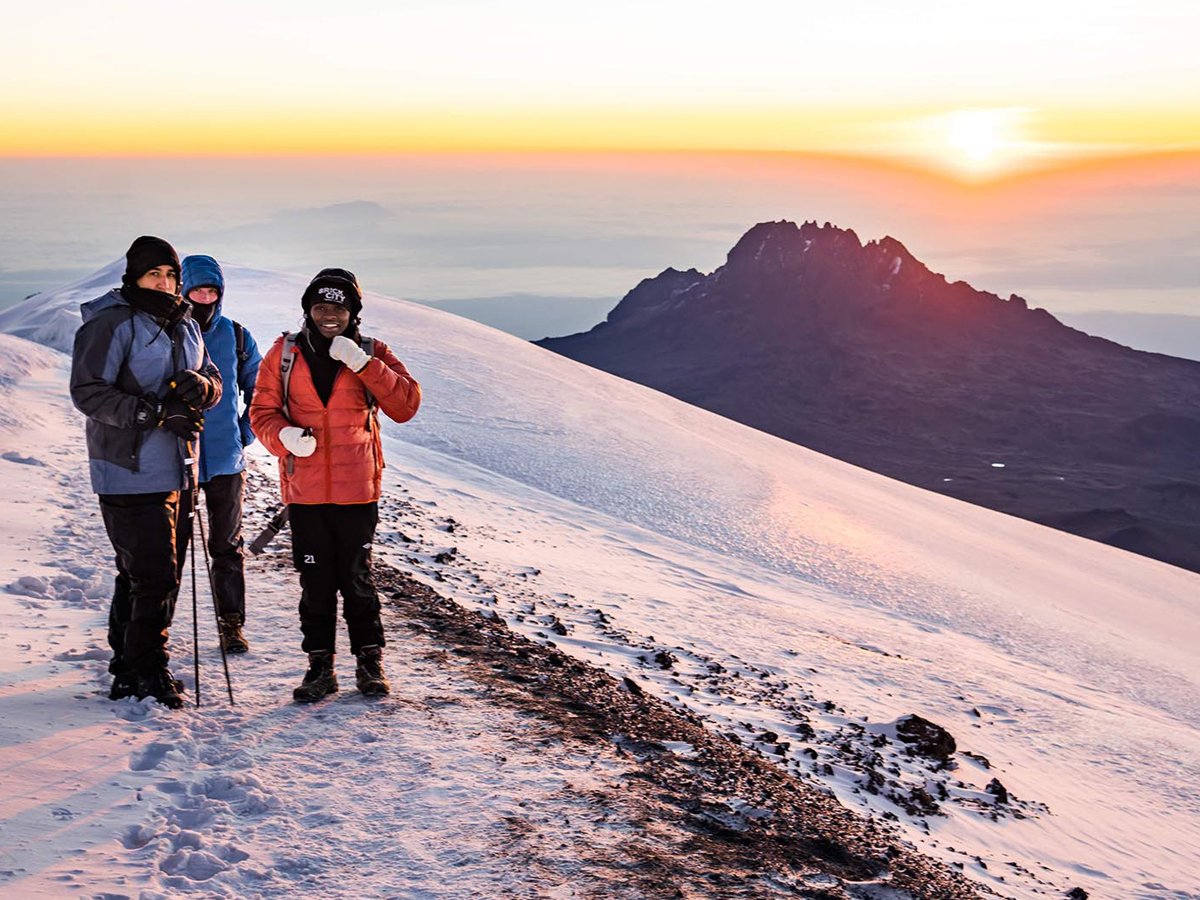
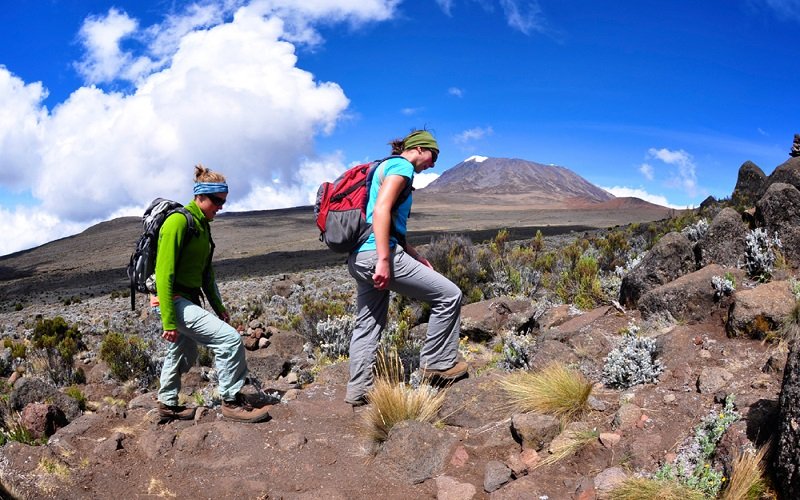
Understanding Spanish Kilimanjaro Treks
When we talk about a “Spanish Kilimanjaro trek,” it’s not about a distinct trail only accessible to Spanish speakers. Instead, it refers to an organized expedition where the primary language of communication, guidance, and safety briefings is Spanish. This is crucial for travelers who are most comfortable and confident expressing themselves in Spanish, ensuring they can fully understand instructions, ask questions, and feel secure throughout their challenging ascent of Africa’s highest peak. For many adventurers from Spain or Latin America, having a guide and support team fluent in their native tongue transforms the experience from potentially stressful to profoundly enjoyable and manageable.
Climb 4 Africa specializes in creating these tailored experiences. We understand that for many of our clients, particularly those from Spanish-speaking countries, clear communication is paramount. This means not just having a guide who can speak Spanish, but one who is culturally attuned and can explain the nuances of the trek, the altitude, and the local customs in a way that resonates. Our aim is to make your Kilimanjaro climb as accessible and stress-free as possible, regardless of your native language.
The core elements of climbing Kilimanjaro remain the same for everyone: the routes, the altitude, the physical demands, and the impressive scenery. What differentiates a “Spanish Kilimanjaro trek” is the layer of linguistic and cultural support. This can manifest in several ways:
- Spanish-Speaking Guides: The primary guide and often assistant guides are fluent in Spanish.
- Pre-Trek Briefings: All essential information, from gear checks to acclimatization strategies, is delivered in Spanish.
- Emergency Communication: In any situation, clear and immediate communication in Spanish is vital for safety.
- Group Dynamics: For groups traveling from Spanish-speaking countries, a shared language fosters camaraderie and a supportive group atmosphere.
Planning for a 2026 or 2027 Kilimanjaro climb with specific language needs requires careful consideration of operators who genuinely prioritize this aspect. It’s about more than just a translator; it’s about an integrated experience where language is a bridge, not a barrier.
Choosing Your Kilimanjaro Route with Spanish Support
Selecting the right route is perhaps the most critical decision when planning your Kilimanjaro climb. For Spanish-speaking trekkers, the choice is influenced by the same factors as for any other climber: acclimatization profile, scenery, difficulty, and crowd levels. However, the availability of dedicated Spanish-speaking guides for specific routes is also a consideration. At Climb 4 Africa, we offer robust support across all popular routes, ensuring that whether you choose the challenging but rewarding Machame, the scenic Lemosho, or another path, you’ll have the linguistic support you need.
Here’s a look at the most popular routes and how they might suit your Spanish Kilimanjaro trek:
Machame Route: The Popular Choice
The Machame Route, often called the “Whiskey Route,” is one of the most popular choices for reaching Uhuru Peak. Its popularity stems from its excellent acclimatization profile, offering a “climb high, sleep low” strategy that significantly increases summit success rates. It’s a challenging trek, typically lasting 6 to 7 days, though an 8-day option is available for enhanced acclimatization.
- Duration: 6-8 days. The 7-day option is widely considered the best balance for acclimatization and success.
- Scenery: Diverse and stunning, traversing rainforest, moorland, and alpine desert, offering views of the Western Breach.
- Difficulty: Moderate to difficult, with steep ascents and descents.
- Accommodation: Camping.
- Suitability for Spanish Speakers: High. Due to its popularity, operators like Climb 4 Africa frequently have Spanish-speaking guides available for Machame expeditions. The well-defined trails and established campsites mean guides can focus on safety and client well-being, with clear communication being key.
For a 2026 or 2027 trek, the Machame route offers a reliable and well-trodden path. If you’re looking for a proven route with good acclimatization and a high chance of success, and you want this experience delivered with Spanish language support, Machame is a strong contender.
Lemosho Route: The Scenic Gem
The Lemosho Route is renowned for its impressive scenery and lower crowd levels, especially in the initial days. It starts in the west and joins the Machame route. It typically takes 7 to 8 days to complete, providing excellent acclimatization.
- Duration: 7-8 days.
- Scenery: Arguably the most scenic route, passing through pristine forests and offering panoramic views.
- Difficulty: Moderate to difficult.
- Accommodation: Camping.
- Suitability for Spanish Speakers: High. While less traveled than Machame, Lemosho is also a prime route for organized expeditions. Climb 4 Africa can arrange Spanish-speaking guides for Lemosho treks, ensuring you can appreciate the stunning landscapes with clear, detailed explanations in your native language. The longer duration allows for more relaxed pacing and deeper immersion, where clear communication enhances the experience.
If your priority is a visually spectacular climb with fewer people around, especially in the early stages, and you desire Spanish guidance throughout, Lemosho is an excellent choice for your 2026-2027 adventure.
Marangu Route: The “Coca-Cola” Trail
The Marangu Route is the oldest and most established route. It’s unique for its hut accommodations and its circular path, returning via the same trail. It’s often considered the easiest route due to its gradual ascent and hut stays, but this also means a lower acclimatization profile and potentially lower success rates on the summit.
- Duration: 5-6 days. The 5-day option is particularly challenging for acclimatization.
- Scenery: Pleasant, but less varied and dramatic than western routes.
- Difficulty: Moderate.
- Accommodation: Huts.
- Suitability for Spanish Speakers: Moderate. While Marangu is popular, the shorter durations and hut system mean it’s often chosen by trekkers prioritizing comfort or speed over acclimatization. Operators can provide Spanish-speaking guides, but it’s essential to confirm availability, especially for the shorter 5-day trips where every moment counts for acclimatization advice.
For trekkers who prefer the comfort of huts and a potentially shorter trek, Marangu can be an option. However, for those prioritizing summit success and acclimatization, longer routes are generally recommended. If you choose Marangu for your 2026-2027 climb and require Spanish support, ensure your operator confirms a dedicated Spanish-speaking guide.
Other Routes (Umbwe, Northern Circuit, Shira)
Other routes like Umbwe (steep and challenging), Northern Circuit (longest, best acclimatization), and Shira (similar to Lemosho but with an earlier start) are also options. For these less common routes, securing a Spanish-speaking guide might require more advance notice and confirmation with the tour operator. Climb 4 Africa can arrange bespoke treks on these routes with dedicated Spanish language support, ensuring your specific needs are met for your 2026-2027 expedition.
Key Consideration for Spanish Speakers: Always confirm with your chosen operator that the lead guide and key support staff are fluent in Spanish, not just that someone on the team speaks it. This ensures consistent, reliable communication throughout the trek.
Cost of a Spanish Kilimanjaro Trek: What to Expect for 2026-2027
Understanding the costs involved in a Kilimanjaro climb is essential for budgeting and planning. For a Spanish Kilimanjaro trek, the price structure is largely the same as for any other trek, with the primary differentiator being the operator’s quality and inclusions. The “Spanish” aspect is more about service delivery than a direct cost increase, provided you choose an operator who already has Spanish-speaking guides as part of their standard team or can readily assign them.
Climb 4 Africa aims to provide transparent pricing. A typical mid-range Kilimanjaro trek with a reputable operator, including 7-8 days on the mountain, full support crew (guides, porters, cooks), park fees, meals, accommodation before and after the climb, and often a transfer, can range from $2,000 to $4,000 USD per person for 2026-2027 departures. Luxury or private treks will be at the higher end or exceed this range, while more basic or budget options might be at the lower end, though these often compromise on safety, crew welfare, or success rates.
Breakdown of Typical Costs:
- Park Fees: These are government-mandated and constitute a significant portion of the cost. For 2026-2027, expect these to be around $70-$80 USD per person per day.
- Guide and Porter Wages: Ethical operators pay fair wages, which is reflected in the price. This ensures your team is well-motivated and cared for.
- Food and Cooking Equipment: Three hot meals a day on the mountain, plus cooking gear.
- Accommodation: Typically includes 2 nights in Moshi/Arusha before and after the climb (hotel).
- Equipment: Tents, sleeping mats, cooking equipment. You will need to provide your own personal gear (sleeping bag, clothing, etc.).
- Safety Equipment: First aid kits, oxygen (carried by guides), communication devices.
- Logistics: Transfers to and from the mountain gate, support vehicle.
- Operator’s Margin: Covering overheads, marketing, and profit.
What’s Usually NOT Included:
- Flights: International flights to Kilimanjaro International Airport (JRO).
- Visas: For Tanzania.
- Travel Insurance: Essential, must cover high-altitude trekking and emergency evacuation.
- Personal Gear: Sleeping bag, trekking poles, waterproofs, warm layers, etc.
- Tips for the Crew: This is a significant part of the crew’s income. Budget approximately $200-$300 USD per climber for tips in 2026-2027.
- Personal Expenses: Drinks, snacks, souvenirs, laundry.
- Vaccinations and Medications: Including malaria prophylaxis.
When comparing prices for your 2026-2027 Spanish Kilimanjaro trek, remember that the cheapest option is rarely the best. Focus on operators who clearly detail their inclusions, ethical crew treatment, safety protocols, and importantly, confirm their ability to provide fluent Spanish-speaking guides for your chosen dates. A slightly higher price for a reputable operator with excellent safety and crew welfare standards, plus the language support you need, is a worthwhile investment for such a significant undertaking.
Booking for 2026-2027: The Importance of Lead Time
For peak climbing seasons in 2026 and 2027, such as January-March and June-October, booking your Spanish Kilimanjaro trek 6 to 12 months in advance is highly recommended. This secures your preferred dates, guarantees the availability of Spanish-speaking guides, and allows ample time for physical preparation and logistics.
Preparing for Your Spanish Kilimanjaro Ascent
A successful Kilimanjaro climb hinges on preparation, both physical and logistical. For a Spanish Kilimanjaro trek, this preparation is enhanced by ensuring all information is accessible and understandable in Spanish. Climb 4 Africa is committed to supporting you through every step of this process.
Physical Training
Kilimanjaro is a strenuous trek, not a technical climb, but it demands excellent cardiovascular fitness and stamina. The primary challenge is the altitude. Your training should focus on:
- Hiking: Regular hikes, ideally with a backpack, on varied terrain (hills, stairs). Aim for at least 3-4 times a week, with one longer hike (3-5 hours) on weekends.
- Cardiovascular Exercise: Activities like running, cycling, swimming, or using an elliptical machine 3-4 times a week to build endurance.
- Strength Training: Focus on legs (squats, lunges) and core strength.
- Altitude Simulation (Optional): If you live at high altitude, this is less of a concern. If not, focus on consistent aerobic training.
Spanish Language Resources: We can provide training guidelines and tips in Spanish to help you understand the recommended exercises and their importance. The key is consistency in the months leading up to your 2026-2027 climb.
Gear and Equipment
Proper gear is non-negotiable for comfort and safety. While your operator will provide tents and cooking gear, you need to supply your personal equipment. Here’s a basic list:
- Layering System: Base layers (thermal), mid-layers (fleece), and outer layers (waterproof and windproof jacket and trousers).
- Footwear: Broken-in, waterproof hiking boots and comfortable camp shoes.
- Headwear: Warm hat, sun hat, balaclava or neck gaiter.
- Gloves: Warm, waterproof gloves and thinner liner gloves.
- Sleeping Bag: Rated to at least -10°C (0°F).
- Backpack: A daypack (25-35 liters) for essentials on the trail and a duffel bag (80-100 liters) for porters to carry.
- Trekking Poles: Highly recommended for reducing strain on knees.
- Other Essentials: Headlamp, water bottles/hydration reservoir, sunscreen, sunglasses, personal first-aid kit, toiletries.
Spanish Gear Lists: Climb 4 Africa can provide detailed gear checklists in Spanish. We also offer advice on what items can be rented in Moshi to lighten your load for the flight.
Health and Vaccinations
Consult your doctor or a travel clinic 4-6 weeks before your trip. Recommended vaccinations often include:
- Hepatitis A and B
- Typhoid
- Yellow Fever (required for entry if coming from an endemic country)
- Tetanus booster
- Rabies (depending on activities)
- Malaria prophylaxis: Discuss options with your doctor.
Altitude Sickness (AMS): This is the biggest risk. Prevention is key: slow ascent, hydration, and avoiding alcohol and strenuous activity on arrival. Guides are trained to monitor for AMS. Diamox (Acetazolamide) is often prescribed as a preventative measure; discuss this with your doctor.
Visa and Travel Insurance
- Visa: Most nationalities require a visa for Tanzania. This can often be obtained online in advance or on arrival at Kilimanjaro International Airport (JRO). Check the latest requirements for your nationality.
- Travel Insurance: Mandatory. Ensure it covers high-altitude trekking up to 6,000 meters and includes emergency medical evacuation.
Spanish Guidance: We can provide information on visa procedures and insurance recommendations in Spanish, helping you navigate these administrative tasks with ease for your 2026-2027 journey.
Pre-Trek Checklist for Your Spanish Kilimanjaro Climb
- Book with Climb 4 Africa: Confirm your dates and Spanish-speaking guide availability.
- Secure Flights: Book international flights to JRO.
- Obtain Visa: Apply for your Tanzanian visa.
- Arrange Travel Insurance: Ensure comprehensive high-altitude coverage.
- Consult Doctor: Get necessary vaccinations and discuss altitude medication.
- Physical Training: Follow a structured training plan.
- Purchase/Rent Gear: Acquire all necessary personal equipment.
- Pack Smart: Follow the detailed gear list provided.
- Learn Basic Swahili/Spanish Phrases: While guides are Spanish-speaking, a few local phrases are always appreciated.
- Final Briefing: Attend your pre-trek briefing (in Spanish) upon arrival.
Life on the Mountain: Your Spanish Kilimanjaro Experience
The trek itself is an incredible journey through diverse ecosystems. Understanding what to expect daily can help manage expectations and enhance your enjoyment of the Spanish Kilimanjaro trek. Your dedicated Spanish-speaking guides and crew will be there to ensure your comfort and safety at every step.
Daily Routine on the Trek
A typical day on Kilimanjaro follows a rhythm:
- Morning: Wake up early, usually around 7:00 AM. Your crew will bring hot water for washing and tea/coffee. After breakfast, you pack your duffel bag for the porters and prepare your daypack.
- Hiking: The day’s trek usually begins around 8:00 or 9:00 AM. The pace is slow and steady, with frequent short breaks for water and snacks. Your guides will encourage you to “pole pole” (slowly, slowly).
- Lunch: A packed lunch is usually enjoyed en route, or sometimes a hot meal is prepared at a scenic spot.
- Afternoon: Continue hiking until you reach the campsite for the night.
- Evening: Arrive at camp around 3:00-4:00 PM. You’ll receive hot water for washing, and then gather for a briefing from your guide about the next day’s trek. Dinner is served around 6:30-7:00 PM.
- Night: Early to bed, usually by 8:00 PM, to rest and prepare for the next day.
Spanish Briefings: All daily briefings, safety instructions, and discussions about acclimatization will be conducted in Spanish by your lead guide, ensuring you are fully informed.
Crew Welfare and Support
A well-supported trek is a safe trek. Reputable operators like Climb 4 Africa prioritize the welfare of their guides, porters, and cooks. This includes:
- Fair Wages: Paying the crew according to Kilimanjaro Porter Assistance Project (KPAP) guidelines or similar ethical standards.
- Adequate Food and Shelter: Ensuring the crew has sufficient food and appropriate tents.
- Proper Gear: Providing them with necessary equipment, including waterproofs and boots.
- Reasonable Loads: Not overloading porters beyond regulated limits.
The dedication and hard work of the crew are essential to your success. Tipping is customary and a significant part of their income. Your guides will provide guidance on appropriate tipping amounts for the 2026-2027 climbs.
Summit Night: The Ultimate Challenge
Summit night is the most demanding part of the trek. You’ll typically start around midnight, hiking in the dark, cold, and thin air. The goal is to reach Stella Point on the crater rim by sunrise, and then continue the final push to Uhuru Peak (5,895m).
- Pace: Extremely slow, step-by-step.
- Conditions: Very cold, windy, and steep.
- Support: Your guides will be with you every step, monitoring your condition, providing encouragement, and administering oxygen if needed.
Spanish Guidance on Summit Night: Your Spanish-speaking guide will be crucial on this night, providing clear, calm instructions and reassurance in your native language. Understanding their advice precisely is paramount for safety and success.
Post-Trek Celebration
After descending back to Marangu Gate, you’ll be met by your driver and transferred back to your hotel in Moshi or Arusha. A hot shower, a comfortable bed, and a celebratory meal await. It’s a moment to reflect on your incredible achievement, sharing stories with your guides and fellow trekkers.
Altitude Sickness: Understanding and Mitigation
Altitude sickness is the primary reason for failed summits. Key mitigation strategies include: slow ascent pace, adequate hydration, avoiding alcohol, and good nutrition. Your guides are trained to recognize symptoms and will make critical decisions regarding your safety. Always communicate any symptoms honestly and promptly to your guide. For 2026-2027 climbs, ensure you discuss preventative medication like Diamox with your doctor.
Why Choose Climb 4 Africa for Your Spanish Kilimanjaro Trek?
Climb 4 Africa is more than just a tour operator; we are a local Tanzanian company with deep roots and a passion for sharing the magic of Kilimanjaro and Tanzania. Our commitment extends to providing exceptional experiences tailored to the needs of all our clients, including those who prefer Spanish as their primary language of communication.
- Local Expertise: As a local operator based in Tanzania, we have unparalleled knowledge of Kilimanjaro, its routes, and the best practices for safety and success.
- Experienced Spanish-Speaking Guides: We maintain a team of highly skilled and certified guides, many of whom are fluent in Spanish. We prioritize matching you with a guide who can communicate effectively in your preferred language, ensuring clear briefings and a comfortable experience.
- Ethical Operations: We are committed to fair treatment and ethical wages for our entire crew. We adhere to strict guidelines for porter welfare and guide training.
- Safety First: Your safety is our utmost priority. We carry comprehensive medical kits, supplementary oxygen, and maintain rigorous safety protocols. Our guides are trained in wilderness first aid and emergency response.
- Tailor-Made Experiences: Whether you’re looking for a group departure for 2026-2027 or a private expedition, we can customize your itinerary to meet your specific needs, including language preferences.
- Comprehensive Support: From initial inquiry to your return flight, we provide end-to-end support. We assist with planning, gear advice, and logistics, ensuring a smooth experience.
By choosing Climb 4 Africa for your Spanish Kilimanjaro trek, you’re not just booking a climb; you’re partnering with a team dedicated to making your dream of conquering Kilimanjaro a reality, supported every step of the way in the language you understand best.
Planning Your 2026-2027 Kilimanjaro Climb with Spanish Support
Embarking on your Kilimanjaro adventure in 2026 or 2027 requires careful planning. For those seeking a Spanish Kilimanjaro trek, the process involves specific considerations to ensure language support is integrated seamlessly into your expedition.
When to Climb
Kilimanjaro can be climbed year-round, but there are distinct dry and wet seasons. The best times for climbing are during the dry seasons:
- January – March: Generally clear skies, but can be very cold. Good for avoiding crowds.
- June – October: The longest dry season, with moderate temperatures and clear skies. This is the peak season, so expect more trekkers.
The shoulder seasons (April-May and November-December) are wetter and less predictable, often with lower prices but higher chances of rain and cloud cover, which can impact views and trail conditions.
Booking Your Expedition
As mentioned, for peak seasons in 2026 and 2027, booking 6 to 12 months in advance is advisable. This ensures availability, especially for specific dates and the crucial requirement of a Spanish-speaking guide.
How to Book with Climb 4 Africa:
- Contact Us: Reach out via WhatsApp +255 747 477 898 or email climb4africa@gmail.com.
- Specify Your Needs: Clearly state your desired travel dates for 2026 or 2027, the number of people in your group, and your requirement for Spanish-speaking guides.
- Discuss Route Options: We will help you choose the best route based on your fitness, preferences, and desired acclimatization profile.
- Receive a Custom Quote: Based on your choices, we will provide a detailed quote and itinerary.
- Confirm and Deposit: Once you are happy, a deposit will secure your booking.
We pride ourselves on prompt and clear communication, and will ensure all discussions and confirmations regarding your Spanish Kilimanjaro trek are handled efficiently.
Group vs. Private Treks
- Group Treks: Offer a more social experience and often a lower per-person cost. If you are part of a Spanish-speaking group traveling together, this is ideal. We also organize open group departures for 2026-2027, and can often accommodate Spanish speakers within these groups or form dedicated Spanish-speaking groups if demand exists.
- Private Treks: Offer maximum flexibility in terms of dates and pace. They are ideal for families, friends, or individuals who prefer a more personalized experience. If you require a private trek with a guaranteed Spanish-speaking guide, booking well in advance is essential.
For any trek, our commitment to providing skilled Spanish-speaking guides remains consistent. The main difference lies in the scheduling flexibility and group dynamics.
Estimated Cost Range for 2026-2027 (per person)
Mid-Range Operator (like Climb 4 Africa): $2,000 – $4,000 USD
Includes: Park fees, crew wages, meals, accommodation (pre/post climb), transfers, safety equipment, dedicated Spanish-speaking guides (upon request and confirmation).
Excludes: Flights, visa, insurance, tips, personal gear, personal expenses.
Note: Prices are estimates and can vary based on route, duration, and specific inclusions. Always request a detailed quote.
Frequently Asked Questions about Spanish Kilimanjaro Treks
What does a “Spanish Kilimanjaro trek” mean?
It means that the expedition is organized to have guides and support staff who are fluent in Spanish, ensuring all briefings, instructions, and communications are conducted in Spanish for travelers who prefer or require this language for clarity and comfort during their climb.
Can I get a Spanish-speaking guide for any route?
Yes, with advance notice. Climb 4 Africa specializes in providing Spanish-speaking guides. For popular routes like Machame and Lemosho, availability is generally good for 2026-2027 departures. For less common routes, it’s crucial to confirm well in advance.
How much does a Spanish Kilimanjaro trek typically cost for 2026-2027?
Costs are similar to standard treks, generally ranging from $2,000 to $4,000 USD per person for reputable operators offering 7-8 day climbs, depending on inclusions. The Spanish-speaking guide service is usually integrated into the service of experienced local operators.
What is the best route for acclimatization on Kilimanjaro?
Routes like the Northern Circuit (longest) and Lemosho (8 days) offer the best acclimatization profiles. The 7-day Machame route also provides good acclimatization. Shorter routes like the 5-day Marangu are generally not recommended for optimal acclimatization.
Do I need special visas or vaccinations for Kilimanjaro?
Most nationalities require a visa for Tanzania, which can be obtained online or on arrival. Recommended vaccinations often include Hepatitis A, Typhoid, and Tetanus. Consult your doctor or a travel clinic for personalized advice. Yellow Fever vaccination may be required depending on your travel history.
Planning a Spanish Kilimanjaro trek for 2026 or 2027 is an exciting endeavor. By focusing on operators who understand the importance of language support and by undertaking thorough preparation, you can ensure a safe, enjoyable, and successful journey to the roof of Africa. Contact Climb 4 Africa today to discuss your specific requirements for a Spanish Kilimanjaro climb, and let us help you plan an unforgettable adventure.
Check Availability for Spanish Kilimanjaro Treks: Routes, Costs & Planning 2026-2027
Ready to compare dates, prices, and the best option for your group? Send the package name and travel month so the team can reply with a clear quote, availability, and what is included.
What To Expect On Your First Kilimanjaro Trek: A Comprehensive Guide 2026-2027
Planning your first climb up Kilimanjaro? This comprehensive guide covers everything you need to know, from choosing a route and preparing your body to what daily life on the mountain is...
View package detailsWhy Is Climbing Kilimanjaro So Expensive? 2026-2027
Why Is Climbing Kilimanjaro So Expensive? is explained with current 2026-2027 planning, price, itinerary and booking information.
View package detailsKilimanjaro Climb Machame Route : Expert Guide For Your Trek 2026-2027
Discover the ultimate guide to climbing Mount Kilimanjaro via the Machame Route for your 2026 or 2027 adventure. This comprehensive resource covers everything from choosing an itinerary and...
View package detailsWhy Do People Travel From Around The World To Climb Kilimanjaro? 2026-2027
Why Do People Travel From Around the World to Climb Kilimanjaro? is explained with current 2026-2027 planning, price, itinerary and booking information.
View package detailsWhy Is Kilimanjaro One Of The World’s Most Famous Mountains? Your Planning
Kilimanjaro's fame stems from its status as the highest free-standing mountain, its accessibility to non-technical climbers, its iconic snow-capped summit, and its location in a biodiverse...
View package detailsWhy Do Thousands Of Travelers Visit Kilimanjaro Every Year? Your Expert Guide
Thousands of adventurers flock to Kilimanjaro each year, drawn by its status as Africa's highest peak and a bucket-list trekking challenge. This guide explores the compelling reasons behind...
View package detailsKilimanjaro Routes: Which Is Best For Your Climb? 2026-2027
Choosing the right Kilimanjaro route is crucial for a successful and enjoyable climb. This comprehensive guide compares the main routes, helping you select the best option for your...
View package details10 Mistakes To Avoid Before Climbing Kilimanjaro In 2026-2027
Planning a Kilimanjaro climb is exciting, but avoiding common mistakes is key to a successful and enjoyable experience. This guide details ten critical errors to sidestep, from choosing the...
View package details10 Things To Know Before Climbing Kilimanjaro 2026-2027
10 Things to Know Before Climbing Kilimanjaro is explained with current 2026-2027 planning, price, itinerary and booking information.
View package detailsWhat Nobody Tells You Before Climbing Kilimanjaro 2026-2027
What Nobody Tells You Before Climbing Kilimanjaro is explained with current 2026-2027 planning, price, itinerary and booking information.
View package details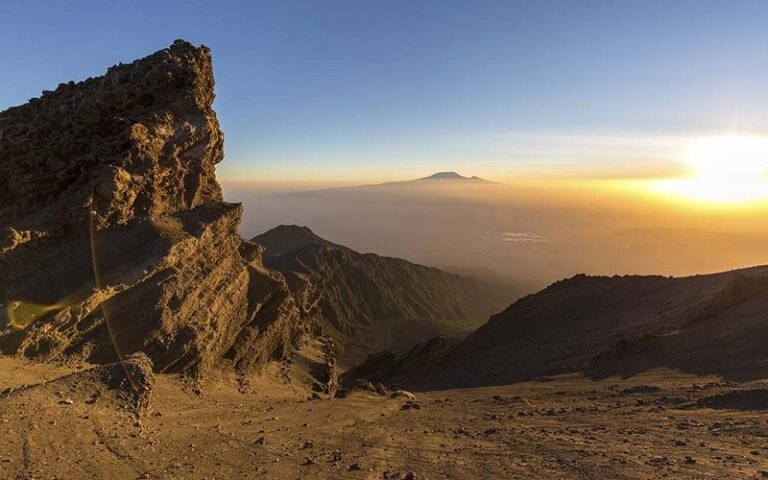
Monte Meru Y Kilimanjaro: Trekking En Tanzania 2026-2027
Discover the ultimate trekking experience in Tanzania by combining Mount Meru and Mount Kilimanjaro. This comprehensive guide covers everything from route selection and preparation to...
View package details20 Natural Wonders In Africa You Need To See 2026-2027
Explore Africa's most spectacular natural wonders, from the majestic peaks of Kilimanjaro and the vast plains of the Serengeti to the unique landscapes of Namibia and the vibrant coral...
View package detailsNo related package matches those filters. Clear one or more filters to see the other topic-matched options.



