
Trekking Mount Meru from Arusha typically involves a 3-day or 4-day itinerary, starting from the Momella Gate and ascending via the popular Mweka Route or the more challenging Sanya Route. It’s a fantastic trek for acclimatization before Kilimanjaro, offering diverse landscapes, abundant wildlife viewing opportunities, and stunning summit views, making it a prime choice for adventurers planning their climb in 2026 or 2027.
Understanding Mount Meru: A Trekkers’ Perspective
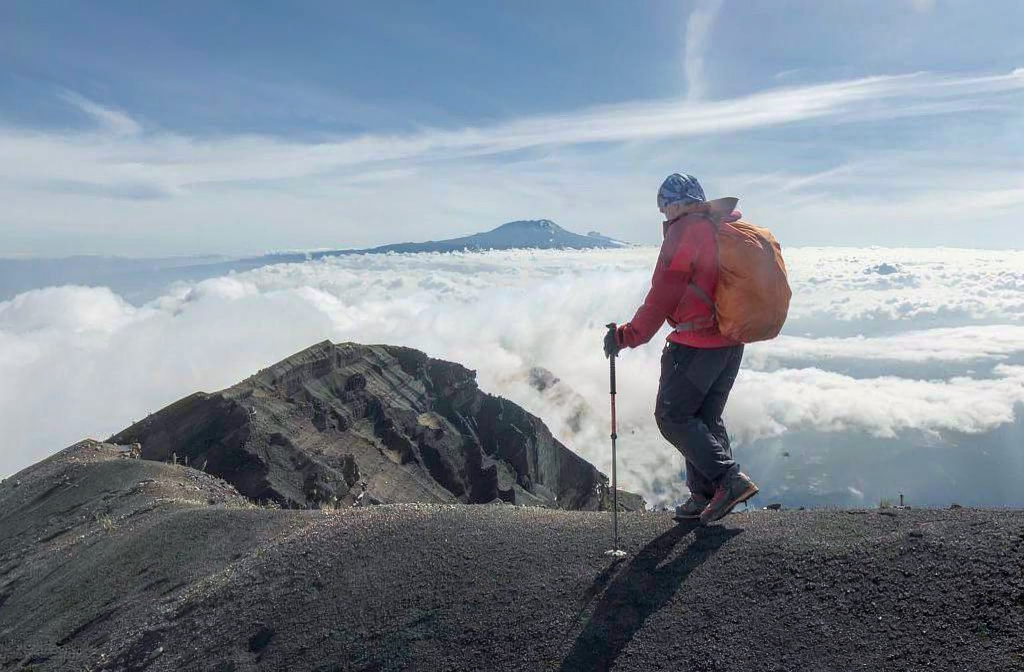
Mount Meru, Tanzania’s second-highest peak at 4,566 meters (14,980 feet), stands majestically near its more famous neighbor, Mount Kilimanjaro. Often overlooked in favor of Kili, Meru offers a compelling trekking experience in its own right. It’s a dormant volcano with a dramatically shaped crater and a caldera rim that provides impressive panoramic views, including vistas of Kilimanjaro on a clear day. For many, trekking Monte Meru desde Arusha serves as an excellent preparation ground for the rigors of climbing Kilimanjaro, offering a chance to test endurance, acclimatize to altitude, and familiarize oneself with the logistics of Tanzanian mountain expeditions. The trek is renowned for its stunning scenery, transitioning from lush rainforests teeming with wildlife to alpine deserts and finally rocky summit terrain. The presence of rangers is mandatory due to the high likelihood of encountering buffalo, elephants, and other large mammals on the lower slopes, adding a unique element of adventure and requiring heightened awareness.
When considering a trek from Arusha, you’re looking at a journey that typically begins with a drive to the Arusha National Park gate, usually Momella Gate, a scenic trip from Arusha town. The trek itself is not to be underestimated; while shorter than Kilimanjaro, it presents significant altitude gains and can be physically demanding. The trails are well-maintained but steep in sections, particularly the final push to the summit. The beauty of trekking Monte Meru desde Arusha lies in its accessibility, the variety of ecosystems encountered, and the sense of accomplishment upon reaching the summit, Socialist Peak. It’s a climb that rewards with solitude, natural beauty, and a profound connection with the Tanzanian wilderness, making it a highly recommended experience for trekkers visiting the region in 2026-2027.
Why Choose Mount Meru? Benefits and Considerations
The decision to trek Mount Meru from Arusha is driven by several compelling factors. Firstly, its altitude makes it an ideal acclimatization climb for Mount Kilimanjaro. By spending several days at increasing elevations on Meru, trekkers can help their bodies adapt to the thinner air, potentially reducing the risk of altitude sickness on their subsequent Kilimanjaro ascent. This is a critical planning consideration for many climbers aiming for Kilimanjaro in 2026 or 2027.
Secondly, Mount Meru offers a unique biodiversity and stunning scenery that rivals many other African treks. The lower slopes are covered in dense montane forest, home to colobus monkeys, blue monkeys, various bird species, and even elephants and buffalo, which are observed under the protection of armed rangers. As you ascend, the landscape transforms into heathland and then alpine desert, providing a dramatic contrast. The views from the crater rim and the summit are spectacular, offering sweeping panoramas of the surrounding plains, Momella Lakes, and, on a clear day, the majestic silhouette of Mount Kilimanjaro.
However, there are important considerations. Meru is a serious mountain, and the trek requires good physical fitness. The final ascent to Socialist Peak is steep and can be challenging, especially in the dark before sunrise. While wildlife is a major draw, it also means that armed rangers are required on the lower sections for safety, which adds to the permit costs and operational complexity. Unlike Kilimanjaro, the infrastructure on Meru is more basic. Accommodation is in simple mountain huts or designated camping sites, and the support crew is smaller. Understanding these trade-offs is crucial for setting realistic expectations when planning your trekking Monte Meru desde Arusha adventure.
Key Considerations for Trekking Mount Meru:
- Acclimatization: Excellent for preparing for Kilimanjaro.
- Scenery: Diverse ecosystems from rainforest to alpine desert.
- Wildlife: Unique opportunity to see wildlife on the trail (with rangers).
- Challenge: Physically demanding, especially the summit push.
- Logistics: Requires mandatory rangers on lower slopes, more basic facilities than Kilimanjaro.
- Timing: Best during the dry seasons for clearer views and easier trekking.
Choosing Your Route: The Paths to Socialist Peak
When you decide to trek Monte Meru desde Arusha, you’ll find that there are two primary routes commonly used: the Mweka Route and the Sanya Route (sometimes referred to as the Summit Route or the Northern Circuit, though the latter is less common for standard treks). Each offers a distinct experience, catering to different preferences in terms of difficulty, scenery, and duration.
The Mweka Route (3-Day or 4-Day Option)
The Mweka Route is the most popular and generally recommended path for trekking Monte Meru desde Arusha, especially for those seeking a balance between challenge and scenic reward within a shorter timeframe. It typically takes 3 or 4 days to complete. The 4-day option is highly advisable as it allows for better acclimatization and a more relaxed pace, significantly increasing your chances of reaching the summit comfortably. The trek commences from Momella Gate, winding through the rainforest, passing waterfalls, and offering opportunities to spot wildlife.
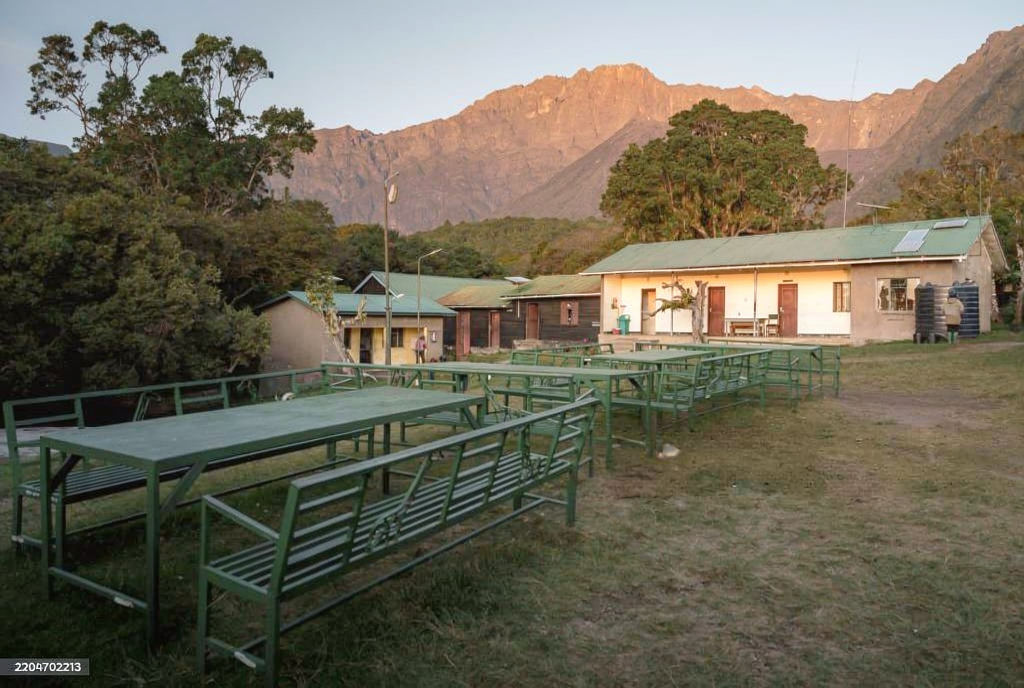
Day 1: Momella Gate to Miriakamba Hut. This is a relatively gentle start, ascending through dense forest. The trail is often muddy, and the presence of rangers is mandatory from the gate due to wildlife. You’ll likely encounter monkeys and various birdlife. The Miriakamba Hut is situated at approximately 2,100 meters (6,890 feet).
Day 2: Miriakamba Hut to Saddle Hut. This day involves a steeper climb through moorland, offering progressively wider views. The vegetation changes, and you start to feel the altitude more significantly. Saddle Hut is located at around 3,500 meters (11,480 feet), strategically positioned for the summit attempt. Some itineraries include a short acclimatization hike to Little Meru (3,800m) in the afternoon.
Day 3: Saddle Hut to Socialist Peak and back to Miriakamba Hut. This is the summit day, beginning in the early hours (around 1-2 AM) for the challenging ascent to Socialist Peak (4,566m). The path is steep and rocky, often involving scree slopes. Reaching the summit for sunrise is a highlight, with spectacular views. The descent back to Saddle Hut for breakfast and then continuing down to Miriakamba Hut is still demanding but offers different perspectives of the terrain. Some 3-day treks might push all the way down to the gate, but this is extremely strenuous and not recommended.
Day 4 (Recommended): If opting for a 4-day trek, Day 3 ends at Miriakamba Hut. Day 4 involves descending from Miriakamba Hut back to Momella Gate. This allows for a more manageable descent and better recovery. For trekkers planning for 2026 or 2027, the 4-day Mweka Route offers a robust yet achievable itinerary.
The Sanya Route (5-Day Option)
The Sanya Route is less frequently used and generally considered more challenging, often requiring more days to complete (typically 5 days). It offers a more remote and varied experience, passing through different ecological zones and providing a longer acclimatization period. This route can be a good choice for experienced trekkers seeking a more in-depth Meru experience or those who have ample time before a Kilimanjaro climb in 2026-2027.
The Sanya Route typically starts from a different gate or follows a different path up the mountain, often involving more camping rather than huts. It can be more physically demanding due to its length and potentially steeper sections, but it offers greater solitude and a deeper immersion into the mountain’s wilderness. Detailed itinerary planning for the Sanya Route is essential, and it’s usually undertaken by operators who specialize in more adventurous treks. The exact path can vary, but it generally involves ascending the western side of the mountain before traversing towards the summit. Because it is less common, detailed day-by-day breakdowns are harder to find, and it’s crucial to work with an experienced operator to design this trek.
Typical 4-Day Mweka Route Itinerary Outline:
- Day 1: Momella Gate (1,500m) to Miriakamba Hut (2,100m). Approx. 4-5 hours trek.
- Day 2: Miriakamba Hut (2,100m) to Saddle Hut (3,500m). Approx. 3-4 hours trek.
- Day 3: Saddle Hut (3,500m) to Socialist Peak (4,566m), descend to Miriakamba Hut (2,100m). Approx. 8-10 hours total.
- Day 4: Miriakamba Hut (2,100m) to Momella Gate (1,500m). Approx. 2-3 hours trek.
When to Trek Monte Meru desde Arusha: Best Seasons and Weather
The timing of your trek is a critical factor for success and enjoyment when planning your trekking Monte Meru desde Arusha adventure. Mount Meru experiences distinct wet and dry seasons, and understanding these will help you choose the optimal period for your climb, especially if you’re looking at 2026 or 2027 dates.
Dry Seasons: The most favorable times to trek Mount Meru are during the two main dry seasons:
- January to March: This period is characterized by generally clear skies, good visibility, and stable weather. It’s a popular time for mountain climbing in Tanzania. Temperatures at the summit can be very cold, but the trails are usually in good condition.
- June to October: This is another excellent dry season, often referred to as the ‘long dry season’. The weather is typically clear and sunny, though evenings and nights can be cold. This is also a peak season for safaris, so mountain lodges and gates might be busier.
Wet Seasons: The wet seasons bring rain, which can make trekking more challenging and reduce visibility.
- April and May: These months mark the ‘long rains’. Expect frequent, heavy downpours, muddy trails, and persistent cloud cover, which can obscure summit views. Trekking during this time is possible but requires more resilience and preparedness for adverse conditions.
- November and December: These months constitute the ‘short rains’. While not as intense as the long rains, you can still expect intermittent showers, particularly in the afternoons. However, the landscape is lush and green, and there are fewer trekkers.
Temperature Considerations: Temperatures on Mount Meru vary significantly with altitude and time of day. At the base (around Momella Gate), expect pleasant, warm conditions. As you ascend, temperatures drop dramatically. At Saddle Hut (3,500m), nights can be near freezing, and on the summit (4,566m), temperatures can plunge well below 0°C (32°F), especially before sunrise during the summit push. Even in warmer months, you must be prepared for cold conditions at higher altitudes.
Planning for 2026-2027: If you are planning your trekking Monte Meru desde Arusha trip for 2026 or 2027, aiming for the dry seasons (Jan-Mar or Jun-Oct) will generally provide the best experience. However, shoulder seasons (like late October or early November) can offer a good balance of decent weather and fewer crowds, provided you are prepared for occasional rain. Booking well in advance is always recommended, especially for peak season dates.
Preparing for Your Mount Meru Trek: Fitness, Gear, and Health
A successful trek on Mount Meru, whether as a standalone adventure or preparation for Kilimanjaro in 2026-2027, hinges on thorough preparation. This involves physical conditioning, packing the right gear, and addressing health and safety concerns.
Physical Fitness
Mount Meru is a demanding trek. The altitude gain is significant, and the final summit push is steep and requires stamina. A good level of cardiovascular fitness is essential. Focus on:
- Aerobic Exercise: Engage in regular activities like hiking, running, cycling, or swimming at least 3-4 times a week for several months leading up to your trek.
- Hiking with a Pack: Practice hiking on varied terrain, including inclines, while wearing a backpack similar to what you’ll carry on the mountain. This helps build leg strength and endurance.
- Stair Climbing: Climbing stairs or using a stair-climbing machine is an excellent way to simulate the steep ascents.
- Strength Training: Focus on leg and core strength exercises.
The key is consistency. Start your training early and gradually increase the intensity and duration of your workouts.
Essential Gear List
Packing appropriately is crucial for comfort and safety. Layering is the principle for managing changing temperatures and weather conditions. Your trekking Monte Meru desde Arusha operator will provide a detailed gear list, but here are the essentials:
Clothing:
- Base Layers: Moisture-wicking thermal tops and bottoms (merino wool or synthetic).
- Mid Layers: Fleece jacket or similar insulating layer.
- Outer Layer: Waterproof and windproof jacket and trousers (Gore-Tex or equivalent).
- Insulation Layer: A warm down or synthetic jacket for evenings and summit night.
- Hiking Trousers: Comfortable, quick-drying hiking pants (avoid jeans).
- T-shirts: Several moisture-wicking t-shirts.
- Headwear: Warm woolen hat, sun hat with a brim, balaclava or neck gaiter.
- Gloves: Warm, waterproof gloves and thinner liner gloves.
Footwear:
- Hiking Boots: Waterproof, broken-in hiking boots with good ankle support.
- Camp Shoes: Comfortable shoes or sandals for wearing at the huts.
- Socks: Several pairs of warm hiking socks (wool or synthetic).
Equipment:
- Backpack: A comfortable daypack (30-40 liters) for carrying essentials during the day.
- Duffel Bag: A large, waterproof duffel bag (80-100 liters) for your main gear, carried by porters.
- Sleeping Bag: A warm sleeping bag rated to at least -10°C (15°F).
- Headlamp: With extra batteries.
- Water Bottles/Hydration Reservoir: At least 2-3 liters capacity.
- Trekking Poles: Highly recommended for stability and reducing knee strain.
- Sunglasses: With UV protection.
- Sunscreen: High SPF.
- Lip Balm: With SPF.
- Personal First-Aid Kit: Including any personal medications, blister treatment, pain relievers.
- Toiletries: Biodegradable soap, toothbrush, toothpaste, wet wipes.
- Camera: With extra batteries and memory cards.
- Snacks: High-energy snacks like nuts, dried fruit, energy bars.
Health and Vaccinations
Consult your doctor or a travel clinic well in advance of your trip (ideally 4-6 weeks before) regarding recommended vaccinations and malaria precautions. Tanzania is a malaria risk area. While you’ll be at high altitude, malaria is a risk at lower elevations and in Arusha. Common recommendations include Hepatitis A, Typhoid, and Tetanus boosters. Discuss Diamox (acetazolamide) with your doctor for altitude sickness prevention. Ensure you have adequate travel insurance that covers high-altitude trekking and medical evacuation.
The Trekking Monte Meru desde Arusha Experience: What to Expect
Embarking on a trek on Mount Meru from Arusha is an adventure that combines physical challenge with profound natural beauty. Understanding the day-to-day experience, the role of the support crew, and the unique aspects of this mountain will help set your expectations.
Daily Trekking and Scenery
Your days on Mount Meru will typically start early, often with breakfast at the hut before setting off. The trekking pace is usually slow and steady, referred to as ‘pole pole’ (slowly, slowly), which is crucial for acclimatization and conserving energy. You’ll walk through diverse landscapes:
- Rainforest: The lower slopes are lush and green, filled with the sounds of birds and the rustling of monkeys. The air is humid and rich with the scent of vegetation. This is where you’ll often be accompanied by armed rangers due to the wildlife.
- Moorland and Heathland: As you gain altitude, the forest gives way to open moorland dotted with heather, giant groundsels, and lobelias. The views begin to open up, offering glimpses of the plains below.
- Alpine Desert: The higher reaches are characterized by rocky terrain, scree, and sparse vegetation. The air becomes thinner and colder.
The trek is not just about the destination but the journey. Expect stunning sunrises and sunsets, incredible star-gazing opportunities due to the lack of light pollution, and the constant, awe-inspiring presence of the mountain itself.
The Role of the Support Crew
A well-organized trekking Monte Meru desde Arusha trip relies heavily on a professional support crew. This typically includes:
- Guides: Experienced mountain guides who are knowledgeable about the routes, weather, and altitude sickness. They lead the way, set the pace, and ensure your safety.
- Porters: These strong individuals carry the bulk of your gear, including tents, food, sleeping bags, and extra clothing. They are essential for making the trek feasible.
- Cooks: For camping treks or some hut-based treks, cooks prepare nutritious and varied meals, which are a vital source of energy.
- Rangers: On the lower slopes of Mount Meru, armed park rangers accompany trekkers to protect them from wildlife. This is a unique feature of Meru trekking.
Your crew’s expertise and dedication are paramount. They manage logistics, prepare meals, set up camp, and provide crucial support, allowing you to focus on the trek itself. Communication with your guide is key for reporting any symptoms of altitude sickness or discomfort.
Summit Night: The Ultimate Challenge
The ascent to Socialist Peak is typically undertaken between 1 AM and 2 AM from Saddle Hut. This is the most challenging part of the trek. You’ll be hiking in the dark, guided by headlamps, navigating steep, rocky paths and scree slopes. The air is thin, and the cold can be intense. Your guide will monitor your progress closely, ensuring you maintain a slow, steady pace. Reaching the summit for sunrise is an unforgettable experience, offering unparalleled views across the caldera and towards Kilimanjaro. The descent, while easier in terms of gradient, is still long and can be tough on the knees. It’s crucial to stay hydrated and fueled even during the descent.
Summit Night Tips:
- Start slow: Pace yourself from the very first step.
- Stay hydrated: Drink water regularly, even if you don’t feel thirsty.
- Eat small amounts: Keep your energy levels up with snacks.
- Communicate: Inform your guide immediately if you feel unwell.
- Layer up: Be prepared for extreme cold.
Costs and Booking Your Trekking Monte Meru desde Arusha Adventure
Understanding the cost structure and the booking process is vital when planning your trekking Monte Meru desde Arusha trip for 2026 or 2027. The price of a Meru trek can vary significantly based on the operator, the duration of the trek, the level of service, and what is included.
What Influences the Cost?
The main components contributing to the cost of a Mount Meru trek include:
- Park Fees: Arusha National Park entry fees, camping fees, and rescue fees are mandatory and set by the Tanzanian government. These are significant portions of the overall cost.
- Ranger Fees: As mentioned, armed rangers are required on the lower slopes, and their fees are additional.
- Crew Wages: Salaries for guides, porters, and cooks are a substantial part of the budget. Reputable operators pay fair wages.
- Food and Supplies: All meals, snacks, and purified water during the trek.
- Equipment: Tents, sleeping mats, cooking equipment, and sometimes sleeping bags (though often rented).
- Transport: Transfers from Arusha to Momella Gate and back.
- Accommodation: Mountain huts or camping fees.
- Operator’s Margin: The operational costs and profit of the tour company.
Typical Inclusions and Exclusions
When comparing tour operators for your trekking Monte Meru desde Arusha trip, pay close attention to what is included and excluded:
Generally Included:
- All park and conservation fees.
- Ranger fees.
- Experienced, licensed mountain guides.
- Porters to carry your main luggage (usually a weight limit applies).
- Cook and all meals during the trek.
- Purified drinking water.
- Camping equipment (tents, cooking gear) or hut accommodation fees.
- Ground transportation to/from the park gate.
- Basic first-aid kit.
Generally Excluded:
- Flights to/from Tanzania.
- Visa fees.
- Travel and medical insurance (mandatory).
- Tips for guides, porters, and cooks (a significant amount, budget accordingly).
- Personal climbing gear (sleeping bag, trekking poles, etc. – often available for rent).
- Soft drinks, alcoholic beverages, and extra snacks.
- Any accommodation in Arusha before or after the trek.
- Emergency evacuation costs (covered by insurance).
Booking Your 2026-2027 Trek
When booking your trekking Monte Meru desde Arusha experience, especially for popular dates in 2026 or 2027, it’s advisable to:
- Research Operators: Look for reputable companies with a strong track record, good safety standards, and fair treatment of their staff. Climb 4 Africa is an experienced operator specializing in Tanzanian mountain climbs and safaris, offering practical local support for your Meru adventure.
- Compare Itineraries and Inclusions: Ensure the itinerary matches your fitness level and preferences, and clearly understand what is included in the price.
- Confirm Dates: Popular periods fill up quickly. Book well in advance to secure your preferred dates for 2026-2027.
- Ask Questions: Don’t hesitate to ask your potential operator about their safety protocols, crew welfare policies, and any specific concerns you may have.
- Deposit and Balance: Most operators require a deposit to confirm your booking, with the balance due closer to the trek date.
Contacting Climb 4 Africa at WhatsApp +255 747 477 898 or Email climb4africa@gmail.com is a direct way to get personalized advice and a quote for your specific trekking Monte Meru desde Arusha plans for 2026 or 2027. They can help tailor an itinerary that suits your needs, ensuring a well-supported and memorable climb.
Safety and Altitude Sickness on Mount Meru
Safety is paramount on any mountain trek, and Mount Meru is no exception. Understanding the risks, particularly altitude sickness, and knowing how to mitigate them is crucial for a successful and enjoyable experience. Your trekking Monte Meru desde Arusha operator will have safety protocols in place, but personal awareness is key.
Understanding Altitude Sickness (AMS)
Altitude sickness, or Acute Mountain Sickness (AMS), is caused by ascending too quickly to high altitudes, where the body cannot acclimatize to the lower oxygen levels. Symptoms can range from mild to severe and can affect anyone, regardless of fitness level. Common symptoms include:
- Headache
- Nausea and vomiting
- Dizziness and lightheadedness
- Fatigue and weakness
- Loss of appetite
- Difficulty sleeping
More severe forms, like High Altitude Pulmonary Edema (HAPE) and High Altitude Cerebral Edema (HACE), are life-threatening and require immediate descent.
Preventing and Managing Altitude Sickness
The best way to prevent altitude sickness is through gradual ascent and proper acclimatization. For trekking Monte Meru desde Arusha, this means:
- Ascend Slowly: The 4-day Mweka route is generally good for acclimatization, but always listen to your body.
- Hydrate: Drink plenty of water (3-4 liters per day). Avoid alcohol and caffeine, which can dehydrate you.
- Eat Well: Maintain a good intake of carbohydrates.
- Avoid Overexertion: Walk at a slow, steady pace (‘pole pole’).
- Consider Medication: Discuss Diamox (acetazolamide) with your doctor. It can help speed up acclimatization but does not prevent AMS entirely and has side effects.
- Monitor Symptoms: Be honest about how you feel. Report any symptoms to your guide immediately.
The Golden Rule: If symptoms worsen or new ones appear, DESCEND. There is no shame in turning back or descending; safety comes first. Your guide is trained to assess your condition and will make the final decision regarding descent.
Other Safety Considerations
- Wildlife Encounters: While rangers accompany you on lower slopes, maintaining a safe distance from any encountered wildlife (especially buffalo and elephants) is crucial. Never feed wild animals.
- Trail Conditions: Trails can be steep, rocky, and slippery, especially after rain. Use trekking poles for stability.
- Weather: Mountain weather can change rapidly. Be prepared for sun, wind, rain, and cold, even on the same day.
- Communication: Ensure your operator has emergency communication devices (satellite phone or similar).
By being well-prepared and attentive to your body and surroundings, you can significantly enhance your safety while trekking Monte Meru desde Arusha.
Beyond the Summit: Combining Meru with Other Tanzanian Adventures
Trekking Monte Meru desde Arusha is often part of a larger Tanzanian adventure. Its proximity to other iconic attractions makes it a perfect addition to a diverse itinerary, whether you’re planning for 2026 or 2027.
Mount Kilimanjaro
As mentioned, Mount Meru is an excellent acclimatization climb for Mount Kilimanjaro. Many trekkers combine the two, using Meru as a warm-up. This strategy can improve acclimatization and boost confidence for the more challenging Kilimanjaro ascent. Climb 4 Africa specializes in both Mount Meru and Mount Kilimanjaro climbs, offering smooth integration between the two expeditions.
Northern Circuit Safaris
Arusha is the gateway to Tanzania’s famous Northern Circuit safari parks, including:
- Serengeti National Park: Renowned for the Great Migration and abundant wildlife.
- Ngorongoro Conservation Area: Home to the Ngorongoro Crater, a unique ecosystem with a high density of wildlife.
- Tarangire National Park: Famous for its large elephant herds and baobab trees.
- Lake Manyara National Park: Known for its tree-climbing lions and diverse birdlife.
A typical itinerary might involve trekking Mount Meru first, followed by a 4-7 day safari. This combination offers a perfect blend of mountain challenge and wildlife immersion. You can explore group safari departures or opt for a private safari tailored to your interests. For those looking for shared safari experiences, check out Climb 4 Africa’s Tanzania Safari Group Departures.
Zanzibar Holidays
After the physical exertion of trekking and the excitement of safari, many travelers choose to relax on the spice island of Zanzibar. With its white-sand beaches, turquoise waters, historic Stone Town, and rich culture, Zanzibar offers a perfect tropical escape. It’s easily accessible via flights from Arusha or Kilimanjaro International Airport.
Sample Integrated Itinerary (2026-2027):
- Days 1-4: Trekking Monte Meru desde Arusha (4-day Mweka Route).
- Days 5-10: Northern Circuit Safari (Serengeti, Ngorongoro, Tarangire).
- Days 11-15: Zanzibar Beach Holiday.
This kind of multi-faceted trip provides an unforgettable Tanzanian experience. Planning such an integrated trip is best done with an experienced local operator who understands the logistics, travel times, and best sequencing for maximum enjoyment and efficiency. Climb 4 Africa excels at crafting these tailor-made African travel experiences.
Why Choose Climb 4 Africa for Your Meru Trek?
Selecting the right tour operator is crucial for a safe, enjoyable, and successful trekking Monte Meru desde Arusha expedition. Climb 4 Africa brings local expertise, a commitment to quality, and a deep understanding of Tanzanian mountains and wildlife.
- Local Expertise: As a Tanzanian-based company, Climb 4 Africa has intimate knowledge of the terrain, local regulations, and the best practices for mountain expeditions. They work with highly experienced local guides and crew.
- Safety First: Safety is their top priority. They adhere to strict safety protocols, ensure their crew is well-trained, and carry appropriate safety equipment.
- Quality Service: From the initial inquiry to the final descent, Climb 4 Africa provides professional and attentive service. They focus on client comfort, nutrition, and overall experience.
- Fair Crew Treatment: They are committed to fair wages and good working conditions for their guides and porters, which is essential for team morale and performance.
- Tailor-Made Experiences: Whether you’re looking for a standard Meru trek, combining it with Kilimanjaro, or integrating it into a larger safari and beach holiday, Climb 4 Africa can customize your itinerary to meet your specific needs and preferences for 2026-2027.
For personalized advice, detailed itineraries, and booking assistance for your trekking Monte Meru desde Arusha adventure, reach out to Climb 4 Africa. Contact them via WhatsApp at +255 747 477 898 or send an email to climb4africa@gmail.com. They are ready to help you plan an incredible journey.
Ready to Trek Mount Meru in 2026-2027?
The adventure of trekking Monte Meru desde Arusha awaits! Whether you’re seeking a challenging climb, an acclimatization experience, or a stepping stone to Kilimanjaro, Meru offers an unforgettable journey. Contact Climb 4 Africa today to discuss your plans, get a personalized quote, and secure your spot for a 2026 or 2027 expedition. Let their expert team guide you every step of the way.
Reach out to Climb 4 Africa:
WhatsApp: +255 747 477 898
Email: climb4africa@gmail.com
Check Availability for Trekking Monte Meru Desde Arusha: Your Ultimate Guide For 2026-2027
Ready to compare dates, prices, and the best option for your group? Send the package name and travel month so the team can reply with a clear quote, availability, and what is included.
Monte Meru Tanzania Trekking From Arusha: Your Essential Guide 2026-2027
start a trek up Mount Meru from Arusha, Tanzania's stunning dormant volcano. This guide covers everything from routes and difficulty to preparation and best times to go for your 2026-2027...
View package details
Mount Meru Trekking Ab Arusha 2026-2027
Mount Meru Trekking ab Arusha is explained with current 2026-2027 planning, price, itinerary and booking information.
View package details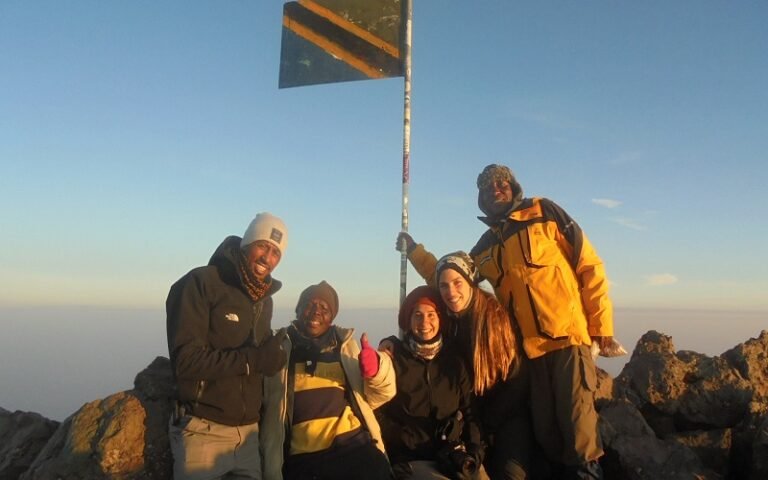
Trekking Monte Meru Tanzania: Precios, Ruta Y Consejos 2026-2027
Trekking Monte Meru Tanzania: precios, ruta y consejos is explained with current 2026-2027 planning, price, itinerary and booking information.
View package details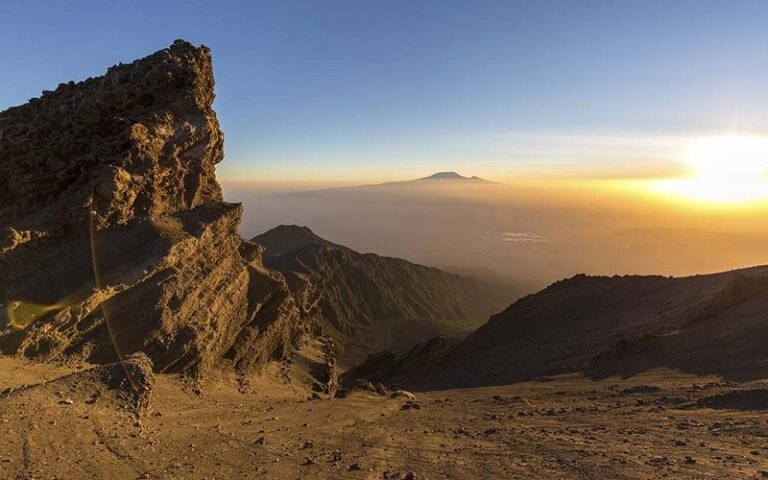
Monte Meru Y Kilimanjaro: Trekking En Tanzania 2026-2027
Discover the ultimate trekking experience in Tanzania by combining Mount Meru and Mount Kilimanjaro. This comprehensive guide covers everything from route selection and preparation to...
View package details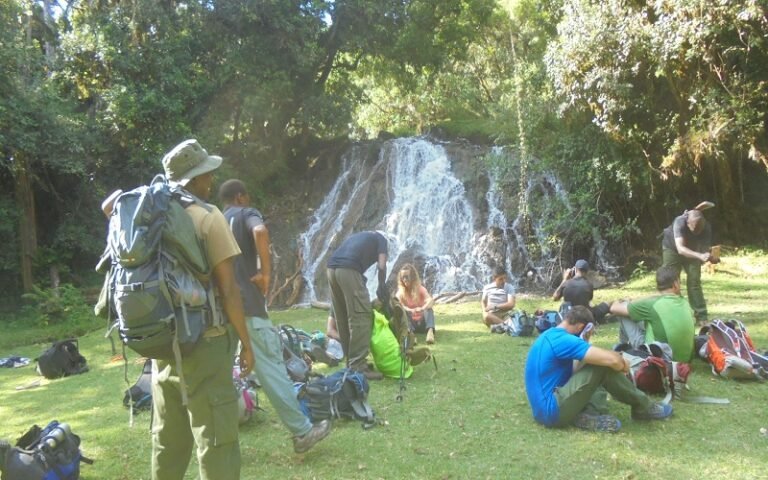
Precio Trekking Monte Meru: ¿Cuánto Cuesta Tu Aventura En ? 2026-2027
Planifica tu aventura en el Monte Meru conociendo los costos detallados. Explora las opciones de rutas, duraciones y lo que influye en el precio para tu expedición 2026-2027.
View package details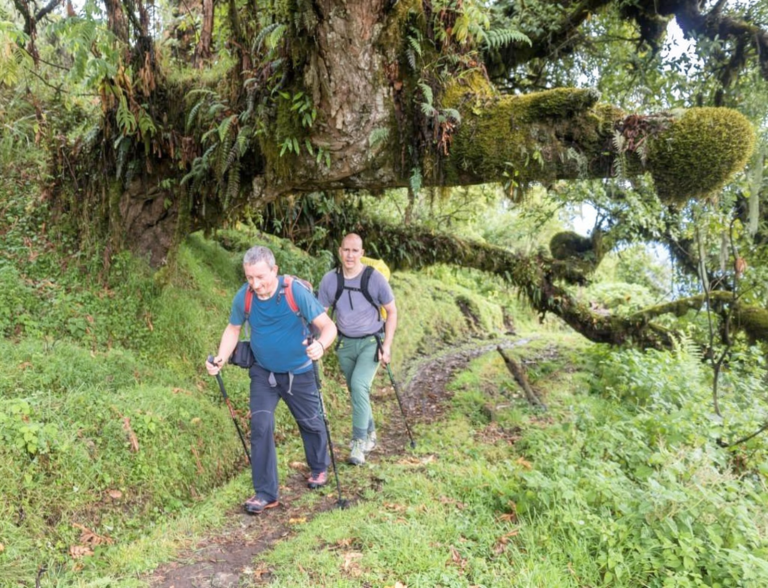
Trekking Monte Meru 4 Días 2026-2027
Trekking Monte Meru 4 días is explained with current 2026-2027 planning, price, itinerary and booking information.
View package details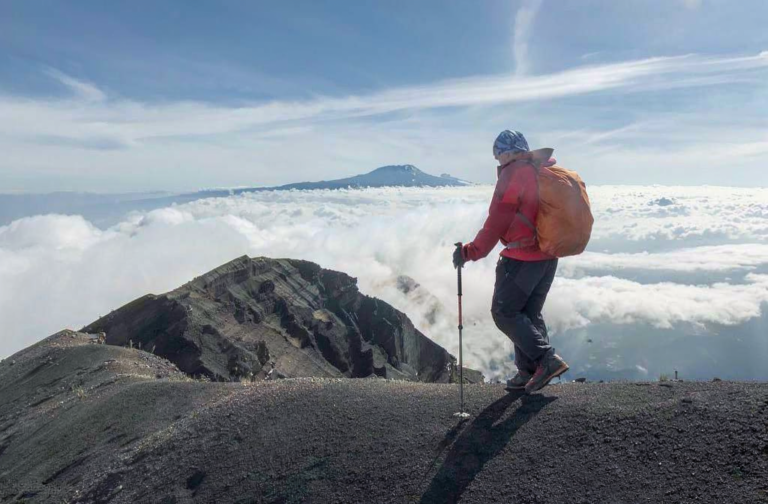
Trekking Monte Meru 3 Días 2026-2027
Trekking Monte Meru 3 días is explained with current 2026-2027 planning, price, itinerary and booking information.
View package detailsMount Meru Trekking 3 Tage: Your Essential Planning Guide 2026-2027
A comprehensive guide to the 3-day Mount Meru trek, covering essential planning details for 2026-2027, including routes, preparation, what to expect, and booking advice.
View package detailsRuta Momella Monte Meru: Your Complete Guide 2026-2027
Your comprehensive guide to the Momella Route on Mount Meru, covering everything from preparation and typical itineraries to what makes this climb a unique Tanzanian adventure, ideal for...
View package detailsMonte Meru Y Safari En Tanzania: Guía Completa Para Tu Aventura Africana
Explora la combinación perfecta de trekking en Monte Meru y safaris inolvidables en Tanzania. Esta guía detallada te ayudará a planificar tu viaje de ensueño para 2026-2027, cubriendo...
View package detailsTrek Mont Meru 4 Jours: Your Complete Guide 2026-2027
start a 4-day trek up Mount Meru, a challenging yet rewarding climb near Kilimanjaro. This guide covers routes, preparation, gear, and essential tips for your 2026-2027 expedition.
View package details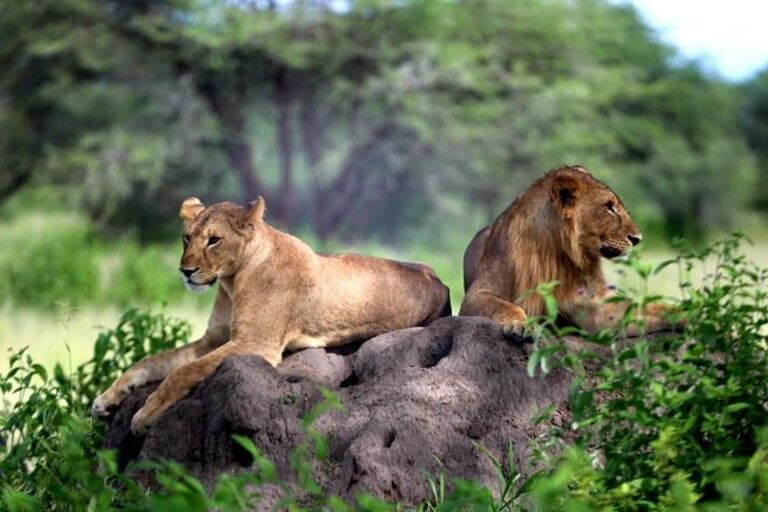
3 Day Joining Safari Group Departures From Moshi: 2026
Discover convenient 3-day group safari departures from Moshi, perfect for maximizing your Tanzania adventure. Explore wildlife-rich parks like Tarangire, Manyara, or the Serengeti on shared...
View package detailsNo related package matches those filters. Clear one or more filters to see the other topic-matched options.



