
The Route Momella on Mount Meru is a popular choice for climbers, typically taking 4-5 days to ascend and descend, starting from the Momella Gate within Arusha National Park and offering a challenging yet rewarding trek through diverse landscapes, making it an excellent acclimatization climb or a standalone adventure for 2026-2027.
Understanding the Momella Route for Mount Meru
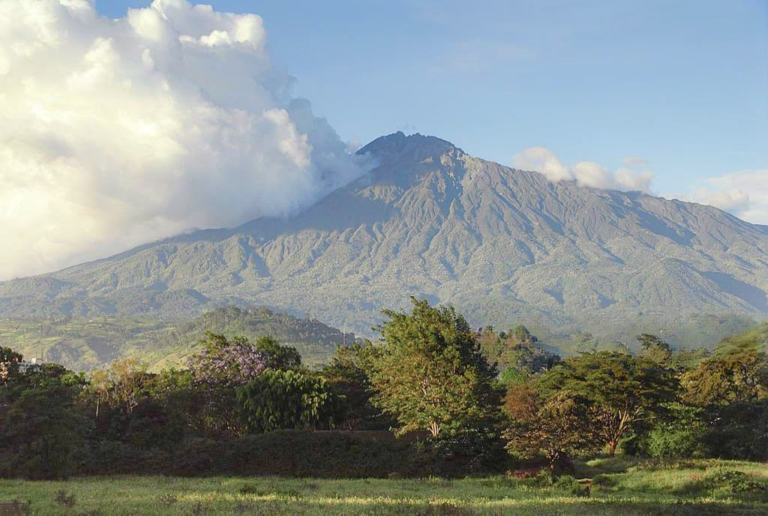
Mount Meru, standing at 4,566 meters (14,980 feet), is Tanzania’s second-highest peak and a significant mountain in its own right. While often overshadowed by its colossal neighbor, Kilimanjaro, Meru offers a spectacular climbing experience that many consider a crucial stepping stone for those aiming for Kilimanjaro, or a fulfilling challenge for trekkers seeking a less crowded, more biodiverse mountain adventure. The Route Momella is the most frequently used path up Meru, known for its scenic beauty and the unique experience it provides as you traverse through different ecological zones, from lush rainforests teeming with wildlife to alpine deserts and volcanic terrain.
Choosing the Route Momella for your Mount Meru climb in 2026 or 2027 means preparing for a trek that is both physically demanding and visually stunning. It’s a route that offers a genuine wilderness experience, often with fewer climbers than other major African peaks. This guide is designed to provide you with an in-depth understanding of what to expect, from the initial planning stages through to the final descent, ensuring you are well-prepared for this incredible journey.
Momella Route Overview: The Journey Begins
The Route Momella is one of two main routes to the summit of Mount Meru, the other being the more direct but less scenic Saddle Route. The Momella Route is distinguished by its start at Momella Gate, located on the northern side of Arusha National Park, and its gentle, winding ascent through dense forest and open moorland. This route is often preferred by trekkers for its more gradual incline, which aids in acclimatization, and the incredible wildlife viewing opportunities encountered, especially in the lower sections.
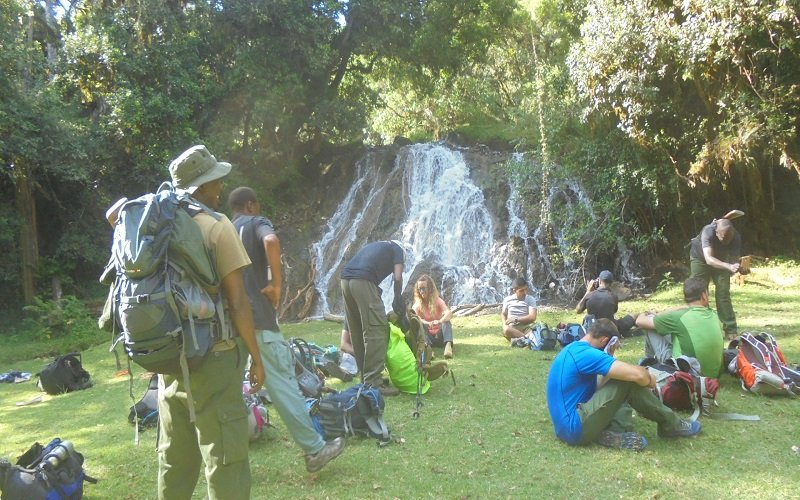
The trek typically begins with a drive from Arusha town to Momella Gate, a journey that itself offers glimpses of the park’s diverse flora and fauna. From the gate, you’ll start walking through the montane forest, often accompanied by park rangers due to the presence of wildlife like elephants, buffaloes, and various monkey species. The initial stages are characterized by well-maintained paths, though they can be muddy and slippery, especially during the rainy seasons.
As you ascend, the landscape transitions from the dense forest to open grasslands and eventually to the rocky, alpine desert closer to the summit. The Route Momella is known for its distinct campsites, each offering a unique perspective and a chance to rest and prepare for the next day’s push. The route’s progression allows for a steady increase in altitude, which is a significant advantage for acclimatization, making it a favored choice for those preparing for Kilimanjaro or seeking a more comfortable ascent of Meru.
Route Momella Itinerary Options: Pace Yourself
The standard itinerary for the Route Momella typically spans 4 to 5 days. The choice between a 4-day and a 5-day trek largely depends on your acclimatization needs and personal preference for pace. A longer itinerary generally increases your chances of success and reduces the risk of altitude sickness.
Standard 5-Day Route Momella Itinerary
- Day 1: Momella Gate (1,500m) to Miriakamba Hut (2,500m)
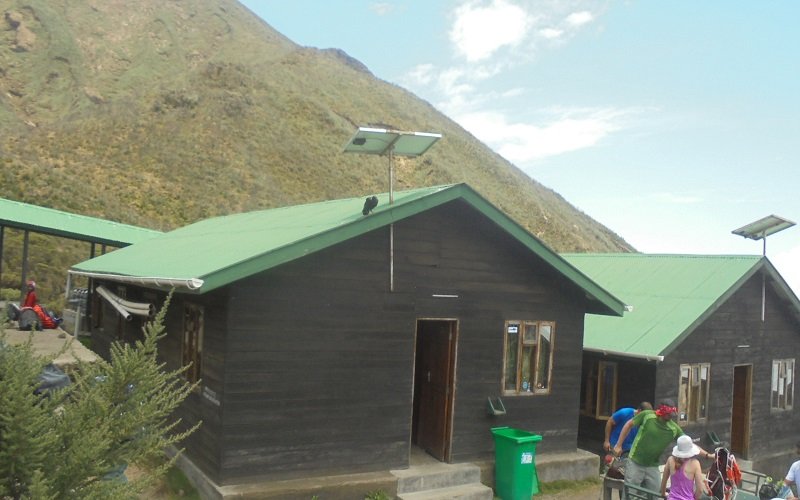
The trek begins at Momella Gate. The ascent is through the montane forest, which is rich in wildlife. The hike is moderate, taking approximately 4-6 hours. You’ll reach Miriakamba Hut, situated at the edge of the forest zone. - Day 2: Miriakamba Hut (2,500m) to Saddle Hut (3,500m)
This day involves a steeper climb, taking you through the giant heather and moorland zones. The vegetation changes dramatically, and the views start to open up. The trek takes about 3-5 hours to reach Saddle Hut, which is strategically located below the main crater rim. - Day 3: Saddle Hut (3,500m) to Summit (Meru Peak, 4,566m) and back to Miriakamba Hut (2,500m)
This is the longest and most challenging day. The summit push begins in the early morning hours (around 2-3 AM) to reach Rhino Point and then Meru Peak for sunrise. The final ascent involves a scramble along a narrow ridge with steep drop-offs, requiring sure-footedness and a head for heights. After reaching the summit, you descend back to Saddle Hut for a short rest before continuing the descent to Miriakamba Hut. This day can take 8-12 hours in total. - Day 4: Miriakamba Hut (2,500m) to Momella Gate (1,500m)
A relatively easy descent back to Momella Gate, retracing your steps through the forest. This usually takes about 2-3 hours. You’ll then be transferred back to your accommodation in Arusha.
Extended 5-Day Route Momella Itinerary (Recommended for better acclimatization)
- Day 1: Momella Gate (1,500m) to Miriakamba Hut (2,500m) (4-6 hours)
- Day 2: Miriakamba Hut (2,500m) to Saddle Hut (3,500m) (3-5 hours)
- Day 3: Acclimatization Hike & Exploration around Saddle Hut
Instead of heading straight for the summit, this day is dedicated to acclimatization. You can take a hike towards Little Meru (3,800m) or explore the area around the crater rim. This helps your body adjust to the altitude before the demanding summit push. Return to Saddle Hut for the night. - Day 4: Saddle Hut (3,500m) to Summit (Meru Peak, 4,566m) and back to Miriakamba Hut (2,500m)
Summit attempt, similar to Day 3 of the 4-day itinerary, but you’ll be better acclimatized. Descent to Miriakamba Hut. - Day 5: Miriakamba Hut (2,500m) to Momella Gate (1,500m) (2-3 hours)
The Route Momella offers flexibility. While 4 days is the minimum, most operators recommend the 5-day option for a more enjoyable and safer climb. For 2026-2027 bookings, consider your previous high-altitude experience when deciding on the itinerary length. A 5-day trek provides a more relaxed pace and crucial extra time for your body to adapt to the thinning air.
Difficulty and Preparation for the Route Momella
Mount Meru via the Route Momella is classified as a difficult trek. While not technically demanding in terms of rock climbing, the altitude gain is significant, and the summit day is particularly strenuous. The trail can be steep, especially between Miriakamba Hut and Saddle Hut, and the final push to the summit involves navigating a narrow, exposed ridge. The altitude itself is the primary challenge, with thin air at higher elevations making every step harder.
Physical Fitness: A good level of cardiovascular fitness is essential. You should be comfortable hiking for several hours a day, with significant elevation gain, on uneven terrain. Activities like hiking, running, cycling, and swimming can help build the necessary stamina. Incorporating hill training into your routine is highly recommended.
Mental Preparedness: Summit day requires significant mental fortitude. Waking up in the early hours of the morning, hiking in the cold and dark, and pushing through fatigue at high altitude can be mentally taxing. Staying positive and focused is key.
Acclimatization Strategy: The Route Momella, especially the 5-day option, is designed to aid acclimatization. However, your body’s response to altitude is individual. If possible, spend a day or two at a moderate altitude (like Arusha town, around 1,300m) before starting your trek. Avoid strenuous activity on your first day in Tanzania.
Training Recommendations for 2026-2027 Climbs:
- Cardio: Aim for at least 3-4 sessions per week, including longer duration (60+ minutes) activities.
- Strength Training: Focus on leg strength (squats, lunges) and core stability.
- Hiking Practice: Undertake long hikes with significant elevation gain, ideally with a weighted backpack to simulate trek conditions.
- Stretching: Improve flexibility to prevent injuries.
The better prepared you are physically and mentally, the more you will enjoy the Route Momella and the higher your chances of reaching the summit.
What to Expect on the Trail: Scenery and Wildlife
The journey up Mount Meru via the Route Momella is a spectacular traverse through distinct ecological zones, each offering unique views and encounters. The diversity of landscapes and the chance to see wildlife make this route particularly memorable.
Ecological Zones:
- Montane Forest (1,500m – 2,500m): The trek begins at Momella Gate, entering a dense, humid rainforest. This zone is alive with the sounds of birds and monkeys. You might spot Colobus monkeys, Blue monkeys, and if you’re lucky, elephants and buffaloes grazing in clearings. The path is often muddy and shaded by tall trees draped with moss and lichens.
- Heath and Moorland (2,500m – 3,500m): As you gain altitude, the forest thins out, giving way to open moorlands dotted with giant heathers, senecios, and lobelias. The views become more expansive, offering glimpses of the plains below and Kilimanjaro in the distance on clear days. This zone is cooler and more exposed than the forest.
- Alpine Desert (3,500m – 4,566m): Above Saddle Hut, the vegetation becomes sparse, characterized by hardy grasses, mosses, and lichens. The landscape turns rocky and barren, resembling a high-altitude desert. The air is thin and cold, and the terrain becomes steeper and more challenging, especially on summit day.
Wildlife Encounters: Arusha National Park is renowned for its rich wildlife, and the lower reaches of the Route Momella offer excellent opportunities for sightings. Keep an eye out for:
- Mammals: Elephants, buffaloes, giraffes, zebras, warthogs, various antelope species (including the rare forest antelope), and primates like Colobus and Blue monkeys are commonly seen. The presence of these animals, especially elephants and buffaloes, means that you will be accompanied by an armed park ranger for safety on the lower sections.
- Birds: The park is a birdwatcher’s paradise, with numerous species found in the forest and moorland zones.
Scenery: Beyond the wildlife, the panoramic views are a constant reward. From the higher camps, you can see the stunning crater of Meru, the Ash Cone, and the vast plains of Arusha National Park. On clear days, the silhouette of Mount Kilimanjaro is an awe-inspiring sight in the distance, providing a constant reminder of your proximity to Africa’s highest peak.
The Route Momella is not just a climb; it’s an in-depth journey through a vibrant ecosystem. Planning for 2026 or 2027 means you can anticipate these incredible natural encounters.
Essential Gear and Packing for Mount Meru via Momella
Proper gear is crucial for a safe and comfortable climb up Mount Meru via the Route Momella. The weather can change rapidly, and you’ll experience a wide range of temperatures and conditions, from humid rainforests to freezing alpine environments. Packing smart is key, and it’s often advisable to rent some of the bulkier items like sleeping bags and trekking poles in Arusha.
Key Gear Categories:
- Clothing: Layering is essential.
- Footwear: Sturdy hiking boots are non-negotiable.
- Headwear & Handwear: Protection from sun and cold.
- Backpack: For your personal items.
- Sleeping Gear: For comfort at the huts.
- Hydration & Nutrition: Staying fueled and hydrated.
- Health & Safety: First-aid and personal items.
- Miscellaneous: Important extras.
Detailed Packing List:
- Base Layers: Moisture-wicking thermal tops and bottoms (synthetic or merino wool).
- Mid Layers: Fleece jacket or down vest for insulation.
- Outer Layer: Waterproof and windproof jacket (Gore-Tex or similar) and waterproof trousers.
- Trekking Trousers: Comfortable, quick-drying hiking pants (2 pairs). Avoid jeans.
- Shirts: Several quick-drying, breathable t-shirts and long-sleeved shirts for sun protection.
- Socks: Wool or synthetic hiking socks (4-6 pairs). Liner socks are also useful.
- Boots: Broken-in, waterproof hiking boots with good ankle support.
- Camp Shoes: Comfortable shoes or sandals for use at the huts (e.g., trainers or crocs).
- Hat: Warm, insulated hat that covers your ears, and a wide-brimmed sun hat or cap.
- Gloves: Warm, waterproof gloves or mittens, and lighter liner gloves.
- Backpack: A comfortable daypack (20-30 liters) for essentials carried during the day. Your main duffel bag (80-100 liters) will be carried by porters.
- Sleeping Bag: A 4-season sleeping bag rated to at least -10°C (14°F).
- Sleeping Bag Liner: For added warmth and hygiene.
- Water Bottles/Hydration Reservoir: At least 2-3 liters capacity.
- Water Purification: Tablets or a filter (though boiled water is usually provided).
- Headlamp/Torch: With extra batteries for summit night and around camp.
- Sunscreen: High SPF.
- Lip Balm: With SPF.
- Sunglasses: UV protection.
- Personal First-Aid Kit: Include blister treatment, pain relievers, antiseptic wipes, bandages, and any personal medications.
- Toiletries: Toothbrush, toothpaste, biodegradable soap, small towel.
- Snacks: High-energy snacks like nuts, dried fruit, chocolate, energy bars.
- Trekking Poles: Highly recommended for saving your knees on descents and for stability.
- Camera: With extra batteries and memory cards.
- Binoculars: For wildlife viewing.
- Duct Tape: For quick repairs.
- Hand Sanitizer.
- Personal Documents: Passport, visa, insurance details, emergency contacts.
When booking your 2026-2027 Route Momella climb, confirm what gear is included by your tour operator. Many provide tents, mattresses, and sometimes sleeping bags. This can help reduce your packing load and cost.
Choosing Your Climb Operator for the Route Momella
Selecting the right tour operator is one of the most critical decisions you’ll make for your Route Momella climb. A reputable operator ensures your safety, provides experienced guides and support staff, and handles all necessary logistics. For climbs in 2026 and 2027, it’s wise to start researching and booking well in advance.
What to Look For in a Reputable Operator:
- Experience and Local Knowledge: Operators with a strong presence in Tanzania and a deep understanding of Mount Meru and the Route Momella are invaluable. Local companies often provide better support and employ experienced local guides and crew.
- Safety Standards: Inquire about their safety protocols, emergency procedures, and the qualifications of their guides (e.g., wilderness first aid training). They should carry comprehensive first-aid kits and have evacuation plans.
- Guide-to-Client Ratio: A lower ratio means more personalized attention and support.
- Crew Welfare: Ensure the operator treats their guides, porters, and cooks well, providing fair wages, adequate food, and appropriate gear. This often translates to a more motivated and efficient support team.
- Itinerary Flexibility: A good operator will offer itinerary options and be flexible enough to adjust plans if altitude sickness or other issues arise.
- Inclusions and Exclusions: Clearly understand what is included in the package (e.g., park fees, meals, accommodation, gear, transfers) and what is not (e.g., tips, personal insurance, visa).
- Reviews and Reputation: Check independent reviews on platforms like TripAdvisor. Look for consistent feedback on safety, guide quality, and overall experience.
Climb 4 Africa is a local Tanzanian company with extensive experience in organizing climbs on Mount Meru and Kilimanjaro. They focus on providing a high-quality, safe, and authentic experience. For your 2026-2027 Route Momella adventure, consider contacting them to discuss your requirements. Their team can offer personalized advice, ensuring you choose the right itinerary and are fully prepared.
Contact Climb 4 Africa:
- WhatsApp: +255 747 477 898
- Email: climb4africa@gmail.com
Discussing your climb plans, including your fitness level and previous high-altitude experience, with an operator like Climb 4 Africa is a crucial step in ensuring a successful and enjoyable Route Momella trek.
Permits and Park Fees for Mount Meru
Climbing Mount Meru requires specific permits and incurs park entrance fees. These are mandatory and contribute to the conservation of Arusha National Park and the maintenance of the mountain’s infrastructure. When you book with a reputable tour operator for your Route Momella climb in 2026-2027, these fees are typically included in the overall package price. However, it’s essential to understand what these costs cover.
Key Fees to Be Aware Of:
- Park Entrance Fees: These are charged per person, per day, for entry into Arusha National Park. The rate can vary, but it’s a significant component of the overall cost.
- Camping/Hut Fees: Fees are charged for each night spent at the designated campsites or huts along the Route Momella (Miriakamba Hut and Saddle Hut).
- Climbing/Conservation Fees: Some parks charge a specific fee for climbing activities or for conservation efforts related to the mountain.
- Ranger Fees: An armed ranger accompanies all trekkers on the lower slopes due to wildlife. A fee is associated with this mandatory escort.
Approximate Cost Considerations (Subject to change for 2026-2027):
While exact figures can fluctuate and are best confirmed with your operator, budget for approximately $200-$300 USD per person for all park fees, hut fees, and ranger fees for a typical 4-5 day climb on the Route Momella. These fees are non-negotiable and are a standard part of trekking in Tanzanian National Parks.
Why Operators Handle This:
Reputable operators like Climb 4 Africa manage the permit application and payment process. This saves you considerable time and hassle, as navigating the bureaucracy can be challenging for independent travelers. They ensure all necessary documentation is in order before your trek begins, allowing you to focus on your preparation.
What to Confirm:
When reviewing quotes for your 2026-2027 Route Momella climb, always ask for a detailed breakdown of what is included. Ensure that all park fees, hut fees, and ranger fees are explicitly stated. This transparency helps avoid unexpected costs and ensures you are comparing offers accurately.
Best Time to Climb Mount Meru via Momella in 2026-2027
Choosing the right time of year for your Route Momella climb can significantly impact your experience, affecting weather conditions, visibility, and trail conditions. Tanzania has distinct wet and dry seasons, and understanding these is key to planning a successful trek for 2026 or 2027.
Dry Seasons (Generally Best):
- June to October: This is considered the prime trekking season for Mount Meru. The weather is typically dry, with clear skies offering excellent views of the surrounding landscape and, on clear days, Mount Kilimanjaro. Temperatures are pleasant during the day, though nights can be cold, especially at higher altitudes. This period generally has lower humidity.
- December to February: Another dry season, often referred to as the “short dry season” or “short rains” depending on the year. It’s generally sunny and warm, though occasional short showers can occur. This is also a popular time, partly due to Christmas and New Year holidays.
Wet Seasons (More Challenging):
- March to May: This is the long rainy season. Expect heavy and persistent rainfall, which can make trails muddy, slippery, and sometimes impassable. Visibility is often poor due to cloud cover, and the cold can be more intense. Ascents during this period are generally discouraged unless you are an experienced trekker prepared for challenging conditions.
- November: This month often marks the transition between the dry and wet seasons, known as the “short rains.” While not as intense as the long rains, you can expect intermittent showers, which can still affect trail conditions and visibility.
Considerations for 2026-2027:
- Crowds: The peak dry seasons (June-October and December-February) tend to be busier. If you prefer a quieter experience on the Route Momella, consider climbing in the shoulder months like late May or early November, provided you are prepared for potentially mixed weather.
- Wildlife Viewing: Wildlife is present year-round, but sightings might be more frequent in the dry seasons when animals congregate around water sources.
- Acclimatization: While weather is a factor, the altitude remains the primary challenge regardless of the season.
For most trekkers planning their Route Momella climb in 2026 or 2027, aiming for the June to October window or the December to February period will offer the most favorable conditions for a successful and enjoyable ascent.
Acclimatization and Health on Mount Meru
Altitude sickness, or Acute Mountain Sickness (AMS), is the most significant health risk when climbing Mount Meru via the Route Momella. Understanding how to prevent and manage it is paramount for a safe and successful climb. The rapid ascent from Momella Gate (1,500m) to Saddle Hut (3,500m) in just two days means that acclimatization is a key focus.
Understanding Altitude Sickness:
- AMS occurs when your body doesn’t have enough time to adjust to the lower oxygen levels at higher altitudes.
- Symptoms can include headache, nausea, dizziness, fatigue, loss of appetite, and difficulty sleeping.
- More severe forms, like High Altitude Cerebral Edema (HACE) and High Altitude Pulmonary Edema (HAPE), are life-threatening and require immediate descent.
Strategies for Successful Acclimatization on the Route Momella:
- Ascend Slowly: The 5-day itinerary for the Route Momella is strongly recommended over the 4-day option. The extra day allows for a more gradual ascent, giving your body more time to adapt.
- Hike High, Sleep Low: While difficult to implement strictly on Meru due to the hut locations, the principle of not ascending too quickly is vital. The recommended 5-day itinerary includes an acclimatization hike on Day 3, which embodies this principle by allowing you to gain altitude during the day and then return to a lower elevation camp.
- Stay Hydrated: Drink plenty of fluids (water, herbal teas) throughout the day. Aim for 3-4 liters per day. Avoid alcohol and caffeine, which can contribute to dehydration.
- Eat Well: Maintain a good intake of carbohydrates. Your appetite may decrease at altitude, so make an effort to eat small, frequent meals.
- Avoid Overexertion: Pace yourself. Walk at a slow, steady pace that allows you to carry on a conversation without gasping for breath (the “pole pole” or “slowly, slowly” philosophy).
- Monitor Symptoms: Be aware of the symptoms of AMS. Communicate any discomfort to your guide immediately. Do not ignore symptoms, especially headaches.
- Medication (Consult Your Doctor): Diamox (acetazolamide) is a prescription medication that can help speed up acclimatization. Discuss its use with your doctor well in advance of your 2026-2027 climb.
Health Considerations:
- Pre-existing Conditions: If you have any heart, lung, or other serious medical conditions, consult your doctor before planning your trek.
- Vaccinations: Ensure you are up-to-date with routine vaccinations. Consult a travel clinic for recommendations regarding yellow fever, malaria prophylaxis, and other relevant vaccinations for Tanzania.
- Travel Insurance: Comprehensive travel insurance is essential, covering medical emergencies, evacuation, and trip cancellation.
Your guides on the Route Momella are trained to recognize and manage altitude sickness. Trust their judgment and follow their advice closely. Proper preparation and a cautious approach are your best defenses against altitude-related issues.
Environmental Considerations and Responsible Trekking
Trekking on Mount Meru via the Route Momella offers a chance to experience pristine natural beauty. As visitors, it is our responsibility to minimize our impact and practice responsible tourism. Adhering to Leave No Trace principles ensures that Mount Meru remains a stunning destination for future generations in 2026, 2027, and beyond.
Key Principles for Responsible Trekking:
- Pack It In, Pack It Out: All litter, including biodegradable items like fruit peels, must be carried back down the mountain. Do not bury or burn trash.
- Stay on the Trail: Stick to marked paths to prevent erosion and protect fragile vegetation. Wandering off-trail can damage the environment and increase your risk of encountering wildlife unexpectedly.
- Respect Wildlife: Maintain a safe distance from all animals. Never feed them, as it disrupts their natural behavior and diet. Be particularly cautious of elephants and buffaloes, especially in the lower forest zones. Always follow the guidance of your armed ranger.
- Minimize Campfire Impact: Campfires are generally not permitted at the established huts. If camping is involved in certain itineraries, use designated fire pits and ensure fires are completely extinguished. Many operators provide gas stoves for cooking.
- Water Sources: Avoid contaminating water sources by washing yourself or your dishes directly in streams or rivers. Use biodegradable soap sparingly and away from water bodies.
- Waste Disposal: Use designated latrines where available. If not, dig a cathole at least 200 feet (60 meters) away from water, trails, and campsites. Pack out all toilet paper.
- Respect Local Culture: Interact respectfully with park staff, guides, porters, and other trekkers. Learn a few basic Swahili phrases.
- Support Local Communities: Choose tour operators that employ local staff and contribute to the local economy.
- Reduce Plastic Use: Carry a reusable water bottle and water purification system rather than relying on single-use plastic bottles. Many operators offer filtered water refills.
Operator’s Role:
A responsible tour operator will brief you on environmental guidelines and ensure their crew adheres to these principles. They should manage waste properly and employ sustainable practices. When discussing your 2026-2027 Route Momella climb with operators like Climb 4 Africa, ask about their sustainability policies.
By trekking responsibly, you contribute to the preservation of Mount Meru’s unique ecosystems and ensure its beauty remains for future adventurers.
Comparing Momella Route with Other Meru Routes
While the Route Momella is the most popular and widely used path up Mount Meru, it’s useful to know how it compares to other options, particularly for trekkers considering their choices for 2026-2027.
The Momella Route:
- Pros: Scenic, good for acclimatization (especially the 5-day option), excellent wildlife viewing in lower sections, traverses diverse landscapes, well-established huts.
- Cons: Can be longer, summit day is long and demanding, exposed ridge section on summit day.
- Best Suited For: First-time high-altitude trekkers, those seeking acclimatization before Kilimanjaro, nature enthusiasts, and those who prefer a more gradual ascent.
The Saddle Route:
- Pros: Shorter and more direct (typically 3 days), can be less expensive due to fewer days and fewer park fees, offers a challenging and quick ascent.
- Cons: Steep and rapid ascent can lead to higher risk of altitude sickness, less scenic in lower sections, minimal wildlife viewing, more physically demanding due to steepness, often involves camping rather than huts.
- Best Suited For: Fit and experienced trekkers with good acclimatization abilities, those on a tight schedule, and those looking for a more intense physical challenge.
Comparison Summary:
| Feature | Route Momella | Saddle Route |
|---|---|---|
| Duration | 4-5 days | 3 days |
| Starting Point | Momella Gate | Road Head (near Usa River) |
| Scenery | Very scenic, diverse zones, wildlife | Less scenic, more direct |
| Acclimatization | Good (especially 5-day) | Challenging, rapid |
| Difficulty | Moderate to Difficult (altitude is main factor) | Difficult (steep, rapid ascent) |
| Accommodation | Huts (Miriakamba & Saddle) | Primarily camping |
| Summit Day | Long, scenic ridge traverse | Steep, direct ascent |
For most trekkers aiming for a successful and enjoyable ascent of Mount Meru via the Route Momella, especially when planning for 2026 or 2027, the 5-day itinerary is the recommended choice. It balances the challenge of the climb with the crucial need for acclimatization and offers a more complete experience of the mountain’s diverse environment.
Booking Your Route Momella Climb
Securing your spot for a Route Momella climb on Mount Meru for 2026 or 2027 requires careful planning and selection of a reputable tour operator. The process involves understanding what to look for, what to ask, and when to book.
When to Book:
Given the popularity of trekking in Tanzania and the need to secure permits and park accommodations, it’s advisable to book your Route Momella climb at least 6-12 months in advance, especially if you are targeting peak seasons like June-October 2026 or December-February 2027. Last-minute bookings are sometimes possible, but availability can be limited.
What to Discuss with Your Operator:
- Itinerary: Confirm the number of days (4 or 5), the specific daily schedule, and whether there are options for acclimatization hikes.
- Inclusions: Get a detailed list of what is covered: park fees, hut fees, ranger fees, meals, accommodation at huts, guide and porter salaries, transfers, and any gear provided.
- Exclusions: Clarify what is not included: tips for guides and crew, personal insurance, visa fees, sleeping bag rental (if not provided), and personal items.
- Safety Protocols: Inquire about emergency procedures, communication equipment, and guide qualifications.
- Payment Schedule: Understand the deposit requirements and final payment due dates.
- Booking Terms and Conditions: Review cancellation policies and any other important contractual details.
Making Your Booking with Climb 4 Africa:
For a reliable and expertly managed Route Momella experience, contacting Climb 4 Africa is a recommended step. As a local operator, they offer competitive pricing and possess in-depth knowledge of Mount Meru operations. They can guide you through the entire booking process, answer all your questions, and help tailor your climb to your specific needs.
Next Steps for Booking:
- Reach Out: Contact Climb 4 Africa via WhatsApp at +255 747 477 898 or email them at climb4africa@gmail.com.
- Discuss Your Plans: Share your desired climb dates for 2026 or 2027, your fitness level, and any specific requirements you have.
- Receive a Custom Quote: They will provide a detailed itinerary and a transparent quote based on your discussion.
- Confirm Details: Review the quote and itinerary carefully.
- Make Deposit: Once you are satisfied, you will be asked to pay a deposit to secure your booking and confirm permits.
- Prepare: Begin your physical training and gather your gear. Climb 4 Africa will provide further pre-departure information.
Booking your Route Momella climb with experienced professionals like Climb 4 Africa ensures a well-organized, safe, and memorable adventure on one of Tanzania’s most beautiful mountains.
Important Note for 2026-2027 Climbers:
When planning your Route Momella climb for 2026 or 2027, remember that Mount Meru is a significant mountain. While often used for acclimatization, it demands respect and proper preparation. The 5-day itinerary is strongly advised for most climbers to maximize success and minimize risks associated with altitude. Always prioritize safety and listen to your guides. For any queries or to start planning your adventure, don’t hesitate to reach out to local experts like Climb 4 Africa at +255 747 477 898 or climb4africa@gmail.com.
“,
“faq_schema”: [
{
“question”: “How long does it take to climb Mount Meru via the Momella Route?”,
“answer”: “The Route Momella typically takes 4 to 5 days to ascend and descend. The 5-day itinerary is highly recommended for better acclimatization and a more comfortable experience.”
},
{
“question”: “What is the difficulty level of the Route Momella?”,
“answer”: “The Route Momella is considered a difficult trek due to the significant altitude gain and the demanding summit day. While not technically difficult in terms of climbing, the altitude poses the main challenge.”
},
{
“question”: “What is the best time to climb Mount Meru via the Momella Route in 2026-2027?”,
“answer”: “The best times are during the dry seasons: June to October and December to February. These months offer the clearest skies and most stable weather conditions for climbing.”
},
{
“question”: “What wildlife can I expect to see on the Momella Route?”,
“answer”: “In the lower forest sections, you can see elephants, buffaloes, giraffes, zebras, and various monkey species like Colobus and Blue monkeys. An armed ranger accompanies trekkers in these areas for safety.”
},
{
“question”: “Do I need special permits for the Momella Route?”,
“answer”: “Yes, climbing Mount Meru requires park entrance fees, hut fees, and ranger fees. These are typically included in the package price when booking with a reputable tour operator.”
},
{
“question”: “Is altitude sickness a concern on the Momella Route?”,
“answer”: “Yes, altitude sickness is a significant concern. The rapid ascent means acclimatization is crucial. Following a 5-day itinerary, staying hydrated, ascending slowly, and communicating any symptoms to your guide are essential preventative measures.”
},
{
“question”: “What gear is essential for climbing Mount Meru via Momella?”,
“answer”: “Essential gear includes layered clothing (base, mid, and outer waterproof/windproof layers), broken-in waterproof hiking boots, warm hat and gloves, a good sleeping bag, a daypack, and a headlamp. It’s advisable to confirm what gear your operator provides.”
},
{
“question”: “When should I book my Momella Route climb for 2026 or 2027?”,
“answer”: “It is recommended to book at least 6-12 months in advance, especially for peak seasons, to secure your preferred dates and accommodation.”
}
]
}
“`
Check Availability for Route Momella Mont Meru 2026-2027
Ready to compare dates, prices, and the best option for your group? Send the package name and travel month so the team can reply with a clear quote, availability, and what is included.
Momella Route Mount Meru 2026-2027
Momella Route Mount Meru is explained with current 2026-2027 planning, price, itinerary and booking information.
View package details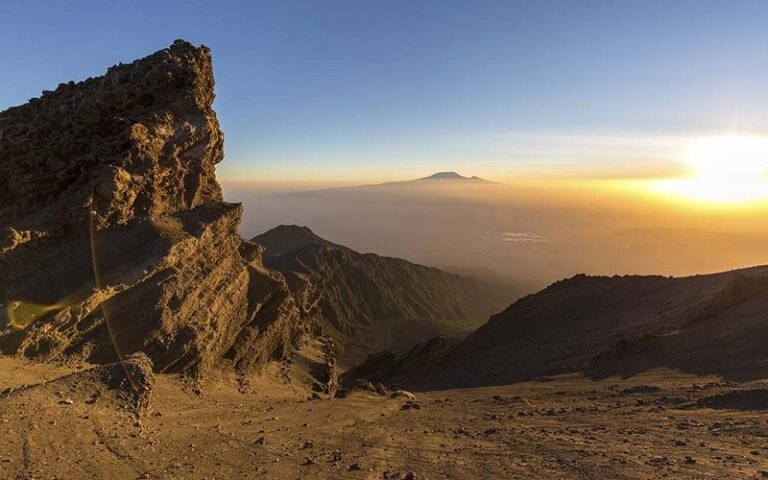
Ruta Momella Monte Meru: Your Complete Guide 2026-2027
Your comprehensive guide to the Momella Route on Mount Meru, covering everything from preparation and typical itineraries to what makes this climb a unique Tanzanian adventure, ideal for...
View package detailsNo related package matches those filters. Clear one or more filters to see the other topic-matched options.



