
The Momella Route on Mount Meru is a 4-day trek, typically starting and ending at the Momella Gate in Arusha National Park, Tanzania. This path is known for its scenic beauty, diverse wildlife sightings, and the challenge it presents due to its steep ascents, particularly on the final summit push to Socialist Peak. It’s a popular choice for those seeking a challenging climb before or after Mount Kilimanjaro, offering excellent acclimatization and stunning views, with 2026 and 2027 offering excellent opportunities to book this trek.
Understanding the Percorso Momella Monte Meru
The Percorso Momella Monte Meru, or Momella Route on Mount Meru, is one of the primary trails leading to the summit of Tanzania’s second-highest mountain. Mount Meru, standing at 4,566 meters (14,980 feet), is an extinct volcano located within Arusha National Park. Unlike the more famous Mount Kilimanjaro, Meru is a more technical and demanding climb, especially the final ascent. The Momella Route is favored for its gradual acclimatization profile, offering a chance to see diverse wildlife in the lower park regions before the true mountaineering begins.
This route is often chosen by trekkers looking for a significant challenge, a pre-Kili acclimatization climb, or simply a spectacular trek in its own right. The views from the summit, particularly of Kilimanjaro on a clear day, are unparalleled. Planning for the Percorso Momella Monte Meru requires careful consideration of timing, fitness, and logistical support. As we look towards 2026 and 2027, understanding the nuances of this trek will be key to a successful and enjoyable expedition.
Momella Route Overview
The Momella Route is one of two main trekking routes on Mount Meru, the other being the shorter but steeper Ngare Sero Route. The Momella Route typically spans 4 days, though variations exist, and it is known for its more gradual ascent compared to some Kilimanjaro routes, which aids in acclimatization. It begins at Momella Gate (1,500m), located on the northern side of Arusha National Park, and concludes back at the same gate.
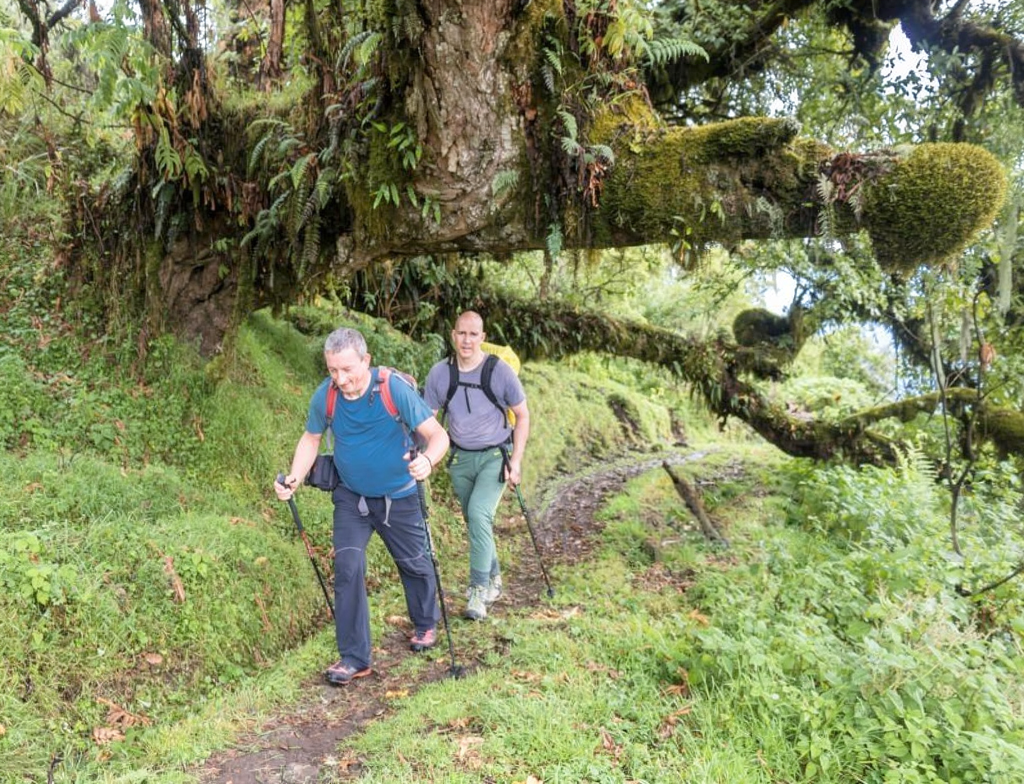
The trek winds through diverse landscapes: from lush rainforests teeming with wildlife, through moorlands, and finally to the arid, volcanic slopes leading to the summit. The route is characterized by its accessibility to wildlife, especially in the lower sections, and the increasingly challenging terrain as you gain altitude. The summit, Socialist Peak (4,566m), requires navigating scree slopes and sometimes snow, making it a true mountaineering experience.
Key Features of the Momella Route:
- Duration: Typically 4 days/3 nights.
- Starting Point: Momella Gate (Arusha National Park).
- Ending Point: Momella Gate.
- Difficulty: Moderate to challenging, with a demanding summit day.
- Scenery: Diverse, from rainforests and waterfalls to alpine desert and volcanic crater rim.
- Wildlife: Excellent opportunities to see buffalo, giraffes, monkeys, and various birdlife, especially on lower slopes.
- Acclimatization: Generally considered good due to the gradual ascent profile.
When planning for 2026 or 2027, understanding these basic parameters is the first step. This route is a fantastic introduction to high-altitude trekking in Tanzania, offering a different experience than Kilimanjaro but equally rewarding.
Why Choose the Momella Route?
Many trekkers opt for the Percorso Momella Monte Meru for several compelling reasons, making it a standout choice for adventurers heading to Tanzania. It’s not just a less crowded alternative to Kilimanjaro; it offers a unique set of advantages.
Pre-Kilimanjaro Acclimatization
One of the most significant benefits of trekking Mount Meru via the Momella Route is its effectiveness as a high-altitude acclimatization climb. At 4,566 meters, reaching Socialist Peak provides a substantial altitude gain. Completing this trek a week or two before a Kilimanjaro climb allows your body to adapt to lower oxygen levels. This can significantly reduce the risk of altitude sickness on Kilimanjaro, improve your overall trekking experience, and increase your chances of reaching Uhuru Peak. Many climbers in 2026 and 2027 are using Meru as a strategic training climb.
Stunning Scenery and Wildlife
Arusha National Park is renowned for its natural beauty and abundant wildlife. The lower sections of the Momella Route pass through dense rainforests and open grasslands where it’s common to encounter herds of buffalo, giraffes grazing peacefully, colobus monkeys swinging through trees, and a vast array of birdlife. The chance to see these animals up close while trekking, without the crowds of a typical safari vehicle, is a unique aspect of the Momella Route. As you ascend, the scenery transitions dramatically to moorland, then to a stark, volcanic landscape with incredible views of the crater and surrounding areas.
A Challenging but Achievable Summit
While not as high as Kilimanjaro, Mount Meru’s summit day is considerably more challenging and technical. The final push involves navigating steep scree slopes and potentially icy or snowy conditions, often requiring the use of trekking poles and careful footwork. This offers a genuine mountaineering experience that appeals to trekkers seeking more than just a high-altitude walk. For those who have completed Kilimanjaro, Meru provides a different kind of summit challenge. For those planning for 2026-2027, this blend of challenge and reward is a major draw.
Less Crowded Than Kilimanjaro
Compared to the bustling trails of Mount Kilimanjaro, Mount Meru offers a more serene and intimate trekking experience. You’ll encounter fewer trekkers on the Momella Route, allowing for a more peaceful connection with nature and a greater sense of solitude. This can be particularly appealing for those who prefer a less commercialized mountain adventure.
Excellent Value for Money
While not inexpensive, Mount Meru treks are generally more affordable than Kilimanjaro climbs. This makes it an accessible option for a wider range of travelers looking to experience Tanzania’s high-altitude trekking in 2026 or 2027. The cost typically includes park fees, accommodation, guides, porters, and meals, offering comprehensive value.
Mount Meru Trekking Seasons for 2026-2027
Choosing the right time to trek the Percorso Momella Monte Meru is crucial for maximizing your chances of good weather and enjoying the experience. Tanzania’s climate offers distinct dry and wet seasons, and understanding these patterns is key for planning your expedition in 2026 and 2027.
Best Times to Trek
The most favorable periods for trekking Mount Meru are during the dry seasons:
- June to October: This is the longest dry season. Skies are generally clear, offering excellent visibility and comfortable trekking temperatures. This period is popular, so booking in advance for 2026 or 2027 is recommended.
- December to February: This is the shorter dry season, often referred to as the “short dry season” or “little dry season.” It’s characterized by sunny days, though occasional light showers can occur. It’s also a good time for wildlife viewing in the park.
Shoulder Seasons
These periods can offer a good balance of decent weather and fewer crowds:
- March to May: This is the long rainy season. Expect persistent rainfall, particularly in the afternoons. Trails can become muddy and slippery, and visibility may be poor. However, the landscape is lush and green, and prices might be slightly lower.
- November: This month marks the transition from the dry to the wet season. You might experience a mix of sunny days and intermittent rain.
Considerations for 2026-2027
When booking for 2026 or 2027, keep in mind that even during the dry seasons, weather on mountains can be unpredictable. Afternoon clouds can obscure views, and cold temperatures and wind are always factors at higher altitudes. The Momella Route’s lower sections can be humid and wet during the rainy season, while the summit can be affected by snow and ice at any time of year.
Momella Route Itinerary Breakdown
The standard Percorso Momella Monte Meru is a 4-day trek. While variations exist, this is the most common and recommended itinerary for effective acclimatization and enjoyment. Each day presents unique challenges and rewards.
Day 1: Momella Gate to Miriakamba Hut
- Distance: Approx. 8-10 km
- Time: 4-6 hours
- Altitude Gain: 1,000m (from 1,500m to 2,500m)
- Description: The trek begins at Momella Gate, where you’ll complete park registration. The trail immediately enters the montane forest. This is a day for wildlife spotting, with opportunities to see buffalo, giraffes, monkeys, and various bird species. The path can be muddy, especially after rain. You’ll reach Miriakamba Hut (2,500m) in the late afternoon.
Day 2: Miriakamba Hut to Saddle Hut
- Distance: Approx. 4-6 km
- Time: 3-5 hours
- Altitude Gain: 1,000m (from 2,500m to 3,500m)
- Description: Today’s trek continues through the forest, gradually transitioning to moorland. The path becomes steeper, and you’ll likely notice the air thinning. You’ll pass waterfalls and have more chances to see wildlife. The destination is Saddle Hut (3,500m), situated in a saddle between the main summit cone and the Little Meru cone. This is an excellent spot for acclimatization, and you might take a short acclimatization hike to the top of Little Meru (3,800m) in the afternoon.
Day 3: Saddle Hut to Socialist Peak and back to Saddle Hut
- Distance: Approx. 8-10 km round trip
- Time: 8-12 hours
- Altitude Gain: 1,066m to Socialist Peak (4,566m), then descent back to Saddle Hut (3,500m)
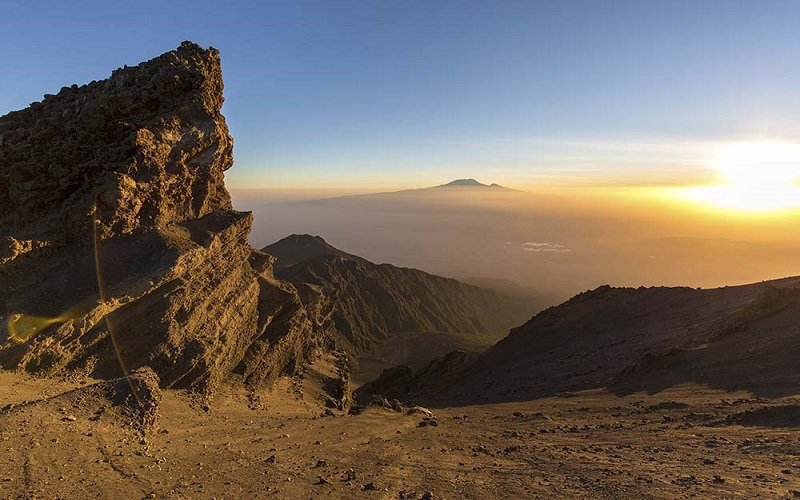
- Description: This is the most challenging day. You’ll start very early, around 1-2 AM, to reach Socialist Peak by sunrise. The trail is steep, involving scree slopes and rocky sections. The final section can be icy or snowy. The views from the summit are spectacular, with panoramas of Kilimanjaro, the Great Rift Valley, and the surrounding plains. After spending some time at the summit, you’ll descend back to Saddle Hut for a well-deserved rest.
Day 4: Saddle Hut to Momella Gate
- Distance: Approx. 12-15 km
- Time: 6-8 hours
- Altitude Loss: 2,066m (from 3,500m to 1,500m)
- Description: After breakfast, you begin the descent. The descent via the Momella Route is often quicker than the ascent, though the steep scree can be hard on the knees. You’ll pass through different vegetation zones and might spot more wildlife. The trek ends back at Momella Gate, where you’ll meet your vehicle for the transfer back to Arusha.
Variations: Some operators offer a 5-day itinerary, which includes an extra day for acclimatization or a more relaxed pace. This can be beneficial for those concerned about altitude or who want to spend more time enjoying the scenery. When planning for 2026 or 2027, discuss itinerary options with your tour operator.
Difficulty and Fitness for Momella
The Percorso Momella Monte Meru is considered a challenging trek, primarily due to the steepness of the terrain and the demanding summit day. While it doesn’t require technical climbing skills, a good level of physical fitness and mental fortitude is essential. It’s often rated as more difficult than many Kilimanjaro routes, especially concerning the summit ascent.
Physical Demands
- Altitude: Reaching 4,566 meters means dealing with reduced oxygen levels, which affects everyone differently.
- Steep Ascents and Descents: The trail, particularly the final push to Socialist Peak, is very steep and often involves loose scree and rocky paths. The descent can also be taxing on the knees and legs.
- Long Trekking Hours: Summit day can involve 8-12 hours of trekking, often starting in the middle of the night.
- Variable Terrain: You’ll encounter muddy forest trails, rocky paths, and exposed scree slopes.
Recommended Fitness Level
To prepare for the Momella Route, focus on cardiovascular fitness and leg strength. Aim for activities that simulate trekking, such as:
- Hiking: Regularly hike with a backpack, preferably on hilly or mountainous terrain.
- Cardiovascular Exercise: Engage in activities like running, cycling, swimming, or brisk walking for at least 3-4 times a week.
- Strength Training: Focus on exercises for your legs (squats, lunges) and core.
- Stamina Building: Practice long-duration activities (2-3 hours) to build endurance.
It’s advisable to start your training at least 2-3 months before your planned trek in 2026 or 2027. If you are using Meru as a pre-Kilimanjaro acclimatization climb, your ongoing training for Kilimanjaro will be highly beneficial.
Mental Preparation
The mental aspect of a high-altitude trek is significant. Be prepared for challenging conditions, potential discomfort, and the need for perseverance. The summit night, in particular, requires strong mental resolve. Understanding the risks and rewards can help you stay motivated.
Essential Gear for the Momella Route
Proper gear is crucial for comfort, safety, and success on the Percorso Momella Monte Meru. Temperatures can vary drastically from the warm, humid rainforests at the base to the freezing, windy summit. Layers are key, and having the right equipment can make all the difference during your 2026-2027 trek.
Clothing (Layering System)
- Base Layers: Moisture-wicking thermal tops and bottoms (synthetic or merino wool).
- Mid Layers: Fleece jackets or insulated vests for warmth.
- Outer Layer (Shell): Waterproof and windproof jacket and trousers (Gore-Tex or similar).
- Insulation Layer: A warm, puffy jacket (down or synthetic) for cold evenings and summit night.
- Trekking Trousers: Comfortable, quick-drying hiking trousers (avoid jeans).
- Shirts: Several short-sleeved and long-sleeved moisture-wicking shirts.
- Headwear: Warm wool hat or beanie, sun hat with a brim, and a balaclava or neck gaiter for cold/wind.
- Gloves: Warm waterproof gloves or mittens, and lighter liner gloves.
Footwear
- Hiking Boots: Broken-in, waterproof, sturdy hiking boots with good ankle support.
- Camp Shoes: Comfortable shoes or sandals for wearing at the huts.
- Socks: Several pairs of wool or synthetic hiking socks.
Trekking Equipment
- Backpack: A comfortable daypack (25-35 liters) for daily essentials.
- Trekking Poles: Highly recommended for stability on ascents and descents, especially on scree.
- Headlamp: With extra batteries, essential for summit night.
- Water Bottles/Hydration Reservoir: Capacity for at least 3 liters.
- Sleeping Bag: A 4-season sleeping bag rated for -10°C to -20°C is advisable for cold nights.
- Duffel Bag: A large, waterproof duffel bag (80-100 liters) for porters to carry your main gear.
Personal Items
- Sunscreen: High SPF.
- Lip Balm: With SPF.
- Sunglasses: UV protection.
- Insect Repellent: Especially for the lower forest sections.
- Personal First-Aid Kit: Including blister treatment, pain relievers, and any personal medications.
- Toiletries: Biodegradable soap, toothbrush, toothpaste, wet wipes.
- Camera: With extra batteries and memory cards.
- Power Bank: To charge electronics.
- Snacks: High-energy snacks like nuts, dried fruit, energy bars.
- Passport and Visa: Essential travel documents.
- Cash: For tips and personal expenses.
Always consult with your tour operator for specific recommendations tailored to the Percorso Momella Monte Meru and the expected conditions for your chosen trekking window in 2026 or 2027.
Acclimatization and Altitude Sickness on Meru
Altitude sickness, or Acute Mountain Sickness (AMS), is a primary concern for any high-altitude trek. Mount Meru’s summit at 4,566 meters presents a significant risk. However, the Momella Route’s gradual ascent profile and the typical 4-day itinerary are designed to facilitate acclimatization. Understanding AMS symptoms and prevention strategies is vital for a safe Percorso Momella Monte Meru expedition in 2026-2027.
Understanding Altitude Sickness
AMS occurs when your body doesn’t have enough time to adjust to the lower oxygen levels at higher altitudes. Symptoms can range from mild to severe:
- Mild AMS: Headache, nausea, dizziness, fatigue, loss of appetite, difficulty sleeping.
- Moderate AMS: Worsening of mild symptoms, shortness of breath at rest, coughing, decreased coordination.
- Severe AMS (Life-Threatening): Pulmonary Edema (fluid in the lungs) or Cerebral Edema (fluid in the brain), characterized by severe shortness of breath, confusion, loss of balance, and potentially coma.
Acclimatization Strategies on the Momella Route
The Momella Route inherently supports acclimatization through its daily altitude gains:
- Gradual Ascent: The daily increases in altitude are generally manageable, allowing your body to adapt.
- Climb High, Sleep Low Principle: While not strictly applicable on a 4-day trek, the itinerary naturally involves ascending to higher sleeping points each night.
- Acclimatization Hike: The option to hike to Little Meru (3,800m) on Day 2 is an excellent way to further aid acclimatization by ascending to a higher altitude and then descending to sleep at Saddle Hut (3,500m).
- Hydration: Drinking plenty of water (3-4 liters per day) is crucial for acclimatization.
- Pacing: Trekking at a slow, steady pace (‘pole pole’) is paramount. Avoid overexertion.
- Avoid Alcohol and Smoking: These can exacerbate AMS symptoms.
- Rest: Ensure adequate rest and sleep.
What to Do if Symptoms Appear
The golden rule for altitude sickness is: if symptoms worsen, descend. Your guide will monitor you closely. Never ascend with symptoms of moderate to severe AMS. If mild symptoms appear, rest, hydrate, and consider taking medication like Diamox (acetazolamide) as prescribed by your doctor before your trip. Your tour operator will have protocols in place for managing altitude sickness on the Percorso Momella Monte Meru for your 2026 or 2027 adventure.
Wildlife and Scenery Along the Momella Route
One of the most interesting aspects of the Percorso Momella Monte Meru is the incredible diversity of landscapes and the abundant wildlife encountered, particularly in the lower reaches of Arusha National Park. This route offers a unique blend of trekking and safari encounters.
Lower Forest Zones (Momella Gate to Miriakamba Hut)
As you start from Momella Gate (1,500m), you’ll be immersed in a vibrant montane rainforest. This lush environment is teeming with life:
- Mammals: Keep an eye out for herds of Cape buffalo, elegant giraffes browsing on acacia trees, troops of black and white colobus monkeys and blue monkeys in the canopy, warthogs, and various antelope species. Elephants are also present, though less frequently seen.
- Birds: The forest is a haven for birdwatchers, with numerous endemic and migratory species, including turacos, hornbills, and various raptors.
- Scenery: Expect dense vegetation, moss-covered trees, and the occasional waterfall. The path can be muddy and humid.
Moorland and Heath Zones (Miriakamba Hut to Saddle Hut)
As you gain altitude, the vegetation changes. The dense forest gives way to more open moorlands and heath, characterized by giant heathers, groundsels, and lobelias. The scenery becomes more dramatic, with vast views opening up.
- Wildlife: While large mammals are less common at these altitudes, you might still spot some smaller antelopes or birds of prey.
- Scenery: Rolling hills, expansive views of the Kilimanjaro massif (on clear days), and the rugged terrain of Mount Meru’s slopes. You’ll also pass by impressive volcanic features.
Alpine Desert and Summit Zone (Saddle Hut to Socialist Peak)
Above Saddle Hut (3,500m), the landscape transforms into an alpine desert. Vegetation is sparse, consisting mainly of hardy grasses and small shrubs adapted to the harsh conditions. The terrain becomes rocky and scree-covered.
- Scenery: Stark, volcanic landscapes dominate. The crater rim, ash cone, and surrounding peaks create a dramatic, almost lunar environment. The views from the summit at sunrise are legendary, encompassing Kilimanjaro, Mount Shira, Mount Mawenzi, and the vast plains below.
- Wildlife: Very limited, with perhaps some hardy rodents or birds at lower elevations of this zone.
The Percorso Momella Monte Meru offers a unique opportunity to experience Tanzania’s natural beauty in a dynamic way. The combination of wildlife sightings and changing scenery makes this trek memorable. For your 2026 or 2027 trip, be sure to have your camera ready!
Park Fees and Costs for 2026-2027
Trekking Mount Meru involves several costs, primarily park entrance fees, camping/hut fees, conservation fees, and rescue fees. These are mandatory and set by the Tanzanian government and the Tanzania National Parks Authority (TANAPA). While exact figures can fluctuate, operators typically include these in their trek packages. Understanding these costs is crucial when budgeting for your Percorso Momella Monte Meru in 2026 or 2027.
Typical Cost Components
- Park Entrance Fees: A daily fee for each day spent within Arusha National Park.
- Camping/Hut Fees: Fees for overnight stays at the designated huts (Miriakamba and Saddle Hut).
- Conservation Fees: A contribution towards conservation efforts within the park.
- Rescue Fees: A fee that contributes to the mountain rescue services.
- Guide and Porter Fees: Wages for your trekking crew.
- Food: Meals provided during the trek.
- Accommodation: Before and after the trek in Arusha.
Estimated Cost Ranges for 2026-2027
The total cost for a 4-day Momella Route trek can vary significantly based on the tour operator, group size, and level of service. As a general guideline for 2026-2027:
- Budget Operators: May range from $600 to $900 per person. These often involve shared services or more basic provisions.
- Mid-Range Operators: Typically between $900 to $1,400 per person. This offers a good balance of service, quality, and value, including experienced guides and reliable logistics.
- High-End/Private Treks: Can range from $1,400 upwards per person, offering more personalized service, higher quality food, and potentially private guides.
Important Notes on Costs:
- These are estimates. Always request a detailed quote from your chosen operator.
- Prices are subject to change. TANAPA fees are updated periodically.
- Costs usually exclude tips for guides and porters, personal gear rental, travel insurance, and flights.
- For 2026 and 2027 bookings, confirm the inclusions and exclusions of your package carefully.
When comparing options for the Percorso Momella Monte Meru, look beyond just the price. Consider the operator’s reputation, safety record, guide experience, and the quality of support they provide.
Booking Your Momella Route Trek
Securing your spot for the Percorso Momella Monte Meru in 2026 or 2027 requires careful planning and choosing a reputable tour operator. Climb 4 Africa specializes in Tanzanian treks and safaris, offering local expertise and support to ensure a memorable experience.
Choosing a Tour Operator
When selecting a company to guide you on Mount Meru, consider:
- Experience: How long have they been operating treks in Tanzania?
- Safety Standards: Do they have emergency protocols, oxygen supplies, and trained guides?
- Guide Qualifications: Are guides certified and experienced in high-altitude trekking and first aid?
- Inclusions: What is covered in the price (park fees, meals, accommodation, crew wages)?
- Reviews and Reputation: Check independent reviews and testimonials.
The Booking Process
Once you’ve chosen an operator like Climb 4 Africa, the booking process typically involves:
- Inquiry: Contact the operator with your desired trek dates for 2026 or 2027, group size, and any specific requirements.
- Quotation: You’ll receive a detailed itinerary and quotation. Review this carefully.
- Deposit: A deposit is usually required to confirm your booking.
- Pre-Trek Information: The operator will provide detailed information on gear, training, and what to expect.
- Final Payment: The remaining balance is typically due a few weeks before the trek.
Why Book with Climb 4 Africa?
Climb 4 Africa offers a deep understanding of Mount Meru and the Tanzanian trekking environment. As a local expert, we provide:
- Experienced Local Guides: Our guides are highly trained and possess extensive knowledge of the mountain, its routes, and altitude management.
- Comprehensive Support: We handle all logistics, including park permits, park fees, accommodation, and meals, ensuring a hassle-free experience.
- Safety First: Your safety is our top priority. We carry emergency oxygen and have established safety protocols.
- Tailored Experiences: We can customize your Percorso Momella Monte Meru to fit your specific needs and fitness levels.
- Value and Transparency: We provide clear, upfront pricing with no hidden costs for your 2026-2027 adventure.
To discuss your Percorso Momella Monte Meru trek for 2026 or 2027, or to get a personalized quote, please reach out to us. We are ready to help you plan an unforgettable journey.
Contact Climb 4 Africa:
- WhatsApp: +255 747 477 898
- Email: climb4africa@gmail.com
- Website: climb-4-africa.com
“,
“faq_schema”: [
{
“question”: “What is the Momella Route on Mount Meru?”,
“answer”: “The Momella Route is a 4-day trekking path on Mount Meru, starting and ending at Momella Gate in Arusha National Park. It’s known for its scenic beauty, wildlife viewing opportunities in the lower sections, and a challenging summit day to Socialist Peak (4,566m).”
},
{
“question”: “Is the Momella Route suitable for acclimatization before climbing Kilimanjaro?”,
“answer”: “Yes, the Momella Route is an excellent choice for pre-Kilimanjaro acclimatization. Reaching Meru’s summit at 4,566 meters helps your body adapt to higher altitudes, potentially reducing the risk of altitude sickness on Kilimanjaro and improving overall chances of success. Many trekkers plan this combination for 2026 and 2027.”
},
{
“question”: “What is the best time of year to trek Mount Meru via the Momella Route in 2026-2027?”,
“answer”: “The best times are during the dry seasons: June to October and December to February. These periods offer clearer skies and more stable weather conditions. The shoulder seasons (March-May and November) can be unpredictable with rain.”
},
{
“question”: “How difficult is the Momella Route?”,
“answer”: “The Momella Route is considered moderately difficult to challenging. While the initial days are manageable, the summit night is steep and demanding, involving scree slopes and potentially ice or snow. Good physical fitness and mental preparation are essential.”
},
{
“question”: “What kind of wildlife can I expect to see on the Momella Route?”,
“answer”: “In the lower rainforest sections, you have good chances of seeing buffalo, giraffes, colobus monkeys, blue monkeys, warthogs, and a variety of birdlife. Wildlife sightings become less common as you gain altitude.”
},
{
“question”: “What are the typical costs for a Momella Route trek in 2026-2027?”,
“answer”: “Costs vary by operator but generally range from $600 to $1,400+ per person for a 4-day trek. This typically includes park fees, accommodation, guide and porter services, and meals. Flights, tips, and personal gear are usually extra.”
},
{
“question”: “What gear is essential for the Momella Route?”,
“answer”: “Essential gear includes waterproof and windproof outer layers, warm mid-layers (fleece, down jacket), thermal base layers, sturdy broken-in hiking boots, trekking poles, a warm sleeping bag, headlamp, and sun protection. Layering is key due to varying temperatures.”
}
]
}
“`
Check Availability for Percorso Momella Monte Meru 2026-2027
Ready to compare dates, prices, and the best option for your group? Send the package name and travel month so the team can reply with a clear quote, availability, and what is included.
Ruta Momella Monte Meru: Your Complete Guide 2026-2027
Your comprehensive guide to the Momella Route on Mount Meru, covering everything from preparation and typical itineraries to what makes this climb a unique Tanzanian adventure, ideal for...
View package detailsNo related package matches those filters. Clear one or more filters to see the other topic-matched options.



