
Combining a trek up Mount Meru with a Tanzania safari offers an unparalleled East African experience, showcasing both dramatic volcanic landscapes and abundant wildlife. For 2026-2027 adventures, planning involves selecting the right Mount Meru trekking route (typically the 3-5 day option), timing your visit to coincide with optimal safari seasons for iconic parks like the Serengeti and Ngorongoro Crater, and coordinating logistics for a smooth journey. Expect to encounter diverse ecosystems, from the montane forests of Meru to the vast savannas teeming with the “Big Five” and spectacular migratory events.
Understanding Mount Meru: Africa’s Second Highest Peak
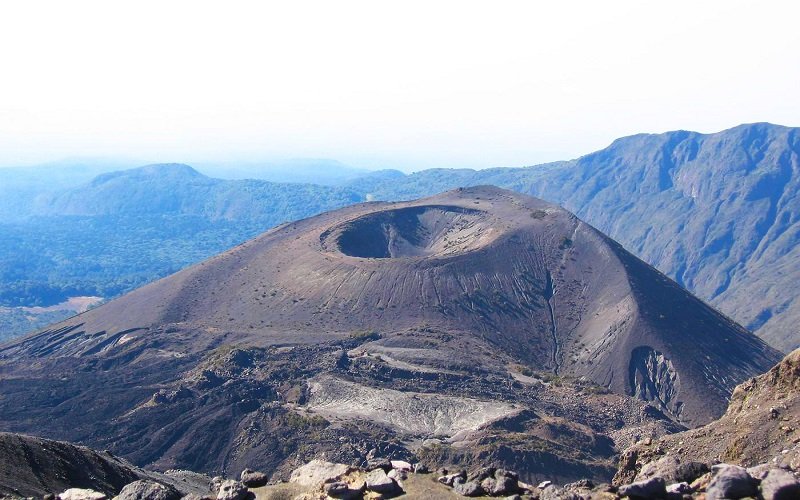
Mount Meru, often referred to as the “Little Sister” to Kilimanjaro, stands majestically at 4,566 meters (14,980 feet) and is a formidable stratovolcano located within Arusha National Park. It’s not just a mountain; it’s a impressive natural spectacle that offers a challenging yet rewarding trekking experience, distinct from its more famous neighbour. Its proximity to Kilimanjaro makes it an ideal acclimatisation climb for those planning to summit Africa’s highest peak, but it also stands proudly as a destination in its own right for hikers and nature enthusiasts. The mountain’s slopes are covered in dense montane forests, home to a rich variety of wildlife, including colobus monkeys, various bird species, and even giraffes and zebras that roam the lower slopes within the national park boundaries. Unlike Kilimanjaro, Meru’s summit is the crater rim of a vast caldera, offering dramatic views and a sense of raw volcanic power.
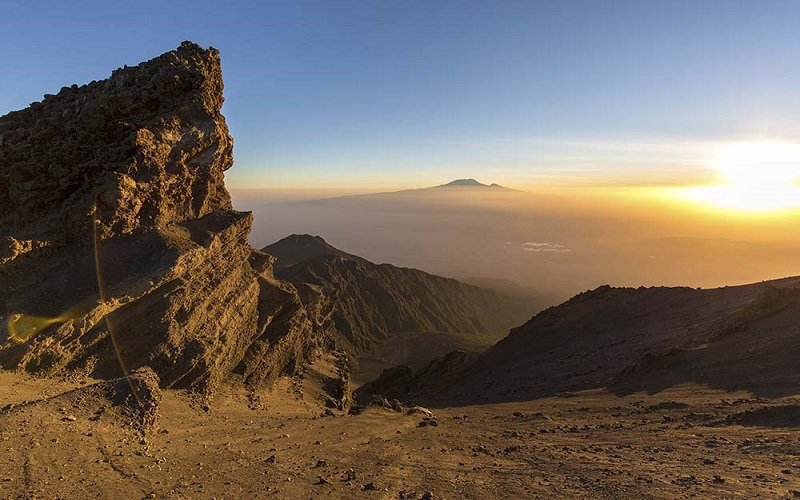
For trekkers, Meru presents a steep ascent, demanding good physical condition and mental fortitude. The trails wind through diverse vegetation zones, from lush rainforests and heathland to alpine desert and barren volcanic scree near the summit. The views from the top are spectacular, encompassing Arusha National Park, the Momella Lakes, and on a clear day, a sweeping panorama of Kilimanjaro in the distance. Climbing Mount Meru is often considered a more intimate experience than climbing Kilimanjaro, with fewer trekkers on the trails and a more wild, less commercialized feel. This makes it a compelling choice for those seeking a genuine wilderness adventure. The typical climbing season aligns with the dry months, generally from June to October and again from December to February, offering the best conditions for ascent and summit success.
When planning a Monte Meru e safari Tanzania combination, understanding Meru’s unique characteristics is key. Its altitude, while lower than Kilimanjaro, still requires careful acclimatisation. The mountain’s ecosystem is vibrant, and trekkers often spot wildlife that is rarely seen on other high-altitude treks. The journey to the summit typically involves navigating steep ridges and sometimes exposed sections, adding an element of adventure. The park entry and permit system for Mount Meru are managed by Tanzania National Parks Authority (TANAPA), and climbs must be accompanied by licensed guides and armed rangers, particularly on the lower slopes, due to the presence of buffalo and other large animals.
Choosing Your Mount Meru Trekking Route
While there is primarily one main route to the summit of Mount Meru, variations in duration and specific trail sections can influence the trekking experience. The most common and recommended route is the 3-day or 4-day ascent, which balances acclimatisation with a challenging but achievable climb. Longer options, such as a 5-day trek, are also available and can provide a more relaxed pace, allowing for better acclimatisation and more time to appreciate the mountain’s diverse flora and fauna. The choice of duration significantly impacts the overall difficulty and the enjoyment of the trek, especially when combined with the demands of a Tanzanian safari.
The Standard Meru Route (3-5 Days)
The standard route typically starts from the Momella Gate, located on the eastern side of Arusha National Park. The trek is divided into distinct stages, each offering unique challenges and scenery:
- Day 1: Momella Gate to Miriakamba Hut (approx. 10 km, 4-6 hours). The initial part of the trek is a gentle walk through the park’s lower slopes, often accompanied by an armed ranger to deter buffalo and other wildlife. You’ll pass through savannah and montane forest, with opportunities to see giraffes, zebras, and various antelope species. The path can be muddy, especially after rain. Miriakamba Hut sits at approximately 2,100 meters (6,890 feet).
- Day 2: Miriakamba Hut to Saddle Hut (approx. 8 km, 3-5 hours). This day involves a steeper ascent, primarily through dense forest. The air becomes cooler as you gain altitude. You’ll reach Saddle Hut, located at about 3,500 meters (11,480 feet), which serves as the base camp for the summit push. From Saddle Hut, it’s a relatively short but steep hike to Little Meru (3,820m) for acclimatisation and sunset views.
- Day 3: Summit Day & Descent to Miriakamba Hut. This is the most demanding day. The trek to the summit, Socialist Peak (4,566m), begins in the early hours of the morning (around 2-3 AM). The trail is steep, often rocky, and can be challenging due to altitude and fatigue. The final ascent involves navigating along the crater rim. Summiting offers spectacular sunrise views over Kilimanjaro and the surrounding plains. The descent back to Miriakamba Hut is long and steep, requiring careful footing.
- Day 4: Miriakamba Hut to Momella Gate & Departure. The final day involves a relatively quick descent back to Momella Gate, passing through different forest zones and offering another chance to spot wildlife. From the gate, you’ll typically transfer to your accommodation in Arusha or directly to your safari starting point.
- Optional Day 5: Extended Stay at Saddle Hut or Slower Descent. Some itineraries include an extra day at Saddle Hut for further acclimatisation or to allow for a more leisurely pace on summit day, or an extra night at Miriakamba Hut. This can be beneficial for those less accustomed to high altitudes or who want to reduce the intensity of the consecutive trekking days.
Route Considerations: The standard route is well-established and maintained. Guides are mandatory, and park rangers accompany groups for safety. The trade-off with the 3-day option is a faster ascent, which can increase the risk of altitude sickness. The 4-day and 5-day options offer better acclimatisation, reducing this risk and generally leading to a more enjoyable trek, especially when considering a demanding Monte Meru e safari Tanzania combination where energy levels are important.
For the 2026-2027 trekking seasons, booking in advance is highly recommended, particularly for the popular dry months. Operators like Climb 4 Africa can advise on the best duration based on your fitness and overall travel plans, ensuring your Mount Meru experience is as successful and enjoyable as possible.
When to Combine Monte Meru and Safari: Seasonality Explained
The decision on when to start a Monte Meru e safari Tanzania adventure hinges on balancing the best trekking conditions for Mount Meru with the prime wildlife viewing seasons in Tanzania’s famous national parks. Tanzania has two main dry seasons and two rainy seasons, and understanding these patterns is crucial for planning an optimal trip for 2026-2027.
Trekking Seasons for Mount Meru
Mount Meru can be climbed year-round, but the most favourable conditions are during the dry seasons:
- June to October: This is the main dry season, offering clear skies, moderate temperatures, and stable weather. It’s ideal for both trekking and safari. Visibility is excellent, making for stunning views from Meru’s summit and superb wildlife spotting on safari. This period often overlaps with the Great Migration’s presence in the northern Serengeti.
- December to February: This is the shorter dry season, also known as the “short rains” period can sometimes extend into early December or start in late February. The weather is generally good, with warm days and cool nights, though occasional showers can occur. This is also a calving season for wildebeest in the southern Serengeti, offering a different but equally spectacular wildlife experience.
The rainy seasons (March to May and November) are generally less ideal for trekking. Trails can become very muddy and slippery, and visibility from the summit might be poor due to cloud cover. While safaris can still be rewarding during these times, especially for birdwatchers and those seeking fewer crowds, trekking Mount Meru is best avoided during the heavy rains of March-May.
Safari Seasons in Tanzania
The best time for a safari in Tanzania is largely dictated by wildlife movements and weather patterns. The prime times often coincide with the dry seasons:
- June to October: This period is excellent for game viewing across most of Tanzania’s parks, including the Serengeti, Ngorongoro Crater, Tarangire, and Lake Manyara. The dry conditions mean animals congregate around water sources, making them easier to spot. The Great Migration is typically in the northern Serengeti during these months, moving towards the Mara River crossings.
- December to February: This is calving season in the southern Serengeti. The vast plains are covered in millions of wildebeest, zebras, and gazelles, attracting predators. It’s a spectacular time for witnessing the cycle of life. The northern parks also offer excellent game viewing.
The shoulder seasons (late May, early June, November) can also be rewarding, offering a good balance of decent weather, fewer crowds, and reasonable wildlife viewing. The “short rains” in November and early December can bring lush landscapes and abundant birdlife.
Recommended Timing for Monte Meru e Safari
For a combined Monte Meru e safari Tanzania trip in 2026-2027, the ideal periods are:
- June to October: This offers the best of both worlds – excellent trekking conditions on Mount Meru and superb game viewing, including the Great Migration in the Serengeti. This is a peak travel season, so booking well in advance for 2026 and 2027 is essential.
- Late December to February: This period is also a strong contender. You can enjoy good trekking weather on Meru and witness the dramatic calving season in the Serengeti. This can be a slightly less crowded period than the mid-year dry season, though still popular.
Trade-off: If you opt for the shoulder months (e.g., late May or early November), you might experience slightly more unpredictable weather but potentially fewer crowds and slightly lower prices. It’s crucial to discuss your priorities with your tour operator to find the best fit for your 2026-2027 travel dates.
Essential Tanzania Safari Destinations to Pair with Meru
When planning a Monte Meru e safari Tanzania adventure, the choice of safari destinations significantly shapes your wildlife experience. Tanzania boasts a world-renowned safari circuit, with several parks and reserves offering distinct ecosystems and wildlife encounters. Arusha National Park itself, where Mount Meru is located, is a fantastic starting point for a safari, but venturing further afield unlocks the country’s most iconic wildlife spectacles.
Arusha National Park
Even before or after your Meru trek, Arusha National Park offers a convenient and rewarding safari experience. It’s the only park in the northern circuit where the ‘Big Five’ (lion, leopard, elephant, rhino, buffalo) can be seen, though leopards are elusive. The park is famous for its diverse scenery, including the alkaline Momella Lakes with their flamingos, the Ngurdoto Crater, and Mount Meru itself. Game drives here often include sightings of giraffes, zebras, wildebeest, various antelope species, and primates like the black-and-white colobus monkey. Canoeing on the Momella Lakes is a unique activity not found in many other Tanzanian parks.
Tarangire National Park
Known as the “land of the elephants,” Tarangire National Park is a must-visit, especially during the dry season (June to October). The park is home to massive elephant herds, often seen interacting near the life-giving Tarangire River. Beyond elephants, Tarangire offers excellent sightings of lions, leopards, cheetahs, and a wide array of birdlife. Its baobab-dotted landscape provides a unique and picturesque setting for game drives. It’s often visited on days 2 or 3 of a northern circuit safari.
Lake Manyara National Park
Famous for its tree-climbing lions, Lake Manyara National Park is a smaller but incredibly diverse park. The lake itself attracts large numbers of flamingos, pelicans, and other water birds. The park’s acacia woodlands and groundwater forests are home to troops of baboons, blue monkeys, elephants, giraffes, and hippos. Its compact size makes it ideal for a half-day or full-day game drive, often visited en route to the Serengeti or Ngorongoro.
The Serengeti National Park
The crown jewel of Tanzanian safaris, the Serengeti needs little introduction. Its vast, endless plains are synonymous with wildlife. The park is renowned for the Great Migration, a impressive spectacle of millions of wildebeest and zebras traversing the plains in search of greener pastures. Depending on the time of year for your 2026-2027 trip, the migration can be found in different regions: the northern Serengeti for river crossings (July-October), the central Serengeti for resident wildlife year-round, and the southern Serengeti for calving season (December-February). The Serengeti also boasts abundant predator populations, including lions, leopards, cheetahs, and hyenas.
The Ngorongoro Conservation Area (including the Crater)
The Ngorongoro Crater, a UNESCO World Heritage Site, is a natural wonder. This vast caldera, formed by a collapsed volcano, hosts an incredible density of wildlife within its 260 square kilometre floor. It is one of the best places in Tanzania to see the endangered black rhinoceros, as well as lions, hyenas, hippos, elephants, buffalos, and a multitude of bird species. The sheer concentration of animals makes for unforgettable game drives. The wider Ngorongoro Conservation Area also includes Maasai villages and offers opportunities for walking safaris and cultural interactions.
Planning the Safari Circuit
A typical northern circuit safari itinerary, often combined with a Mount Meru trek, might look like this:
- Day 1: Arrive Kilimanjaro Airport (JRO), transfer to Arusha/Moshi.
- Day 2: Safari begins: Tarangire National Park.
- Day 3: Lake Manyara National Park, drive to Karatu/Ngorongoro area.
- Day 4: Ngorongoro Crater tour, drive to Serengeti.
- Day 5-7: Serengeti National Park (depending on migration location and desired duration).
- Day 8: Drive back to Arusha/Moshi, or fly out from Seronera Airstrip.
For a Monte Meru e safari Tanzania trip in 2026-2027, you can integrate this circuit before or after your trek. Many travellers prefer to trek Meru first to acclimatise, then start the safari. The logistical planning for these destinations, including park fees, accommodation, and transport, is complex and best handled by an experienced operator.
Beyond the Parks: Cultural and Unique Safari Experiences
While the wildlife and landscapes of Tanzania’s national parks are the primary draw for any safari, incorporating cultural and unique experiences can profoundly enrich your Monte Meru e safari Tanzania adventure for 2026-2027. These elements add depth, providing insights into the local way of life and offering different perspectives on the Tanzanian environment.
Cultural Tourism in Arusha and Moshi
The regions around Mount Meru and Kilimanjaro are home to vibrant local communities, including the Chagga people. Visiting local villages offers a glimpse into their agricultural practices, traditional housing, and daily life. Options include:
- Chagga Villages: Explore coffee and banana plantations, learn about the traditional beer-making process, and visit historical sites such as the caves used during the colonial era.
- Maasai Bomas: While often encountered in the Ngorongoro area, organised visits to Maasai communities can also be arranged. Learn about their semi-nomadic lifestyle, cattle culture, and traditional customs. It’s important to ensure these visits are conducted respectfully and ethically, benefiting the community.
- Local Markets: Visiting bustling local markets in Arusha or Moshi provides a sensory overload of sights, sounds, and smells. It’s a chance to see local produce, handicrafts, and interact with traders.
Walking Safaris
While game drives are the standard, walking safaris offer a more intimate and in-depth way to experience the African bush. These are typically offered in specific areas outside the main crater and core zones of national parks, such as the Ngorongoro Conservation Area, or in private conservancies. Accompanied by armed rangers, walking safaris allow you to:
- Focus on the smaller details: track animal spoor, identify plants and insects, and learn about the ecosystem on a micro-level.
- Experience the sounds and smells of the wilderness more intensely.
- Gain a different perspective on the landscape.
Walking safaris are a fantastic addition to a Monte Meru e safari Tanzania trip, offering a contrast to the vehicular safari and the physical demands of trekking Meru.
Hot Air Balloon Safaris
For a truly memorable experience, a hot air balloon safari over the Serengeti plains is unparalleled. Floating silently above the vast savannas at sunrise, with herds of animals spread out below, is an unforgettable sight. This is typically an add-on activity, often costing several hundred dollars per person, and is best experienced in the central or western Serengeti. For 2026-2027 travellers seeking a splurge, this is highly recommended.
Cultural Tourism and Conservation Initiatives
Many tour operators now partner with local conservation projects or community-based tourism initiatives. Participating in or learning about these can add significant value to your trip. This could involve visiting a conservation centre, understanding anti-poaching efforts, or supporting eco-lodges that have strong community ties. Climb 4 Africa is committed to responsible tourism and can guide you towards authentic, beneficial experiences.
Integrating Experiences
The key is to weave these experiences naturally into your itinerary. For instance, a walking safari could be scheduled for the day you transition between parks, or a cultural visit to a Maasai village could be part of your journey around the Ngorongoro Crater. Planning these elements ensures your Monte Meru e safari Tanzania trip in 2026-2027 is not just about ticking off wildlife sightings but also about connecting with the culture and environment of Tanzania.
Planning Your 2026-2027 Monte Meru & Safari Itinerary
Crafting the perfect Monte Meru e safari Tanzania itinerary for 2026-2027 requires careful consideration of several factors, from the duration of your trip to your fitness level and desired safari experiences. A well-planned itinerary ensures you maximise your time, enjoy optimal conditions, and achieve a balance between the physical demands of trekking and the relaxation and excitement of a safari.
Determining Trip Duration
A comprehensive Monte Meru e safari Tanzania trip typically requires a minimum of 10-14 days. This allows for:
- Mount Meru Trek: 3 to 5 days.
- Safari: 5 to 7 days, covering at least 2-3 major parks (e.g., Tarangire, Ngorongoro, Serengeti).
- Travel Days: Including arrival, departure, and travel between locations.
For travellers who wish to explore more extensively, perhaps including Zanzibar or additional parks like Selous Game Reserve (though this is usually a separate southern circuit trip), you might consider 14-21 days. For 2026-2027, it’s advisable to plan for at least 12 days to comfortably fit in Meru and a good northern circuit safari.
Fitness and Acclimatisation Strategy
Mount Meru reaches 4,566 meters, and altitude sickness is a real concern. While it’s lower than Kilimanjaro, a good fitness level is essential. The trek is steep and can be taxing. For those not accustomed to high altitudes, consider:
- Trekking Meru First: This is the most common and recommended strategy. Climbing Meru first helps your body acclimatise to altitude, making the subsequent safari and any other activities more comfortable.
- Choosing a Longer Meru Trek: Opting for a 4 or 5-day trek over the standard 3-day ascent significantly improves acclimatisation and reduces the risk of altitude-related issues.
- Rest Days: Incorporating rest days between the trek and the start of the safari, or between safari legs, allows your body to recover and adjust.
Your safari activities, while at lower altitudes, can still be tiring due to long drives and early morning starts. A well-acclimatised body will enjoy them more.
Choosing Your Safari Style
Safari experiences can vary greatly in comfort and style:
- Budget/Camping Safaris: These are the most affordable, involving camping in public campsites within or near national parks. They offer a more rugged, back-to-basics experience.
- Mid-Range Safaris: These typically use comfortable lodges or tented camps with private facilities and en-suite bathrooms. They offer a good balance of comfort and authenticity.
- Luxury Safaris: High-end lodges and exclusive tented camps provide premium amenities, fine dining, and often more personalised service, including private vehicles and guides.
The choice often depends on your overall budget for 2026-2027 and your preference for comfort after a strenuous trek. Climb 4 Africa offers options across these categories.
Sample Itinerary Outline (12 Days)
Here’s a potential outline for a Monte Meru e safari Tanzania trip, blending trekking and safari:
- Day 1: Arrive at Kilimanjaro International Airport (JRO), transfer to Arusha/Moshi.
- Day 2: Arusha National Park exploration (optional short game drive), final preparations for Meru trek.
- Day 3-6: Mount Meru Trek (4-day itinerary: Momella Gate – Miriakamba Hut – Saddle Hut – Summit – Miriakamba Hut – Momella Gate).
- Day 7: Post-trek relaxation in Arusha/Moshi.
- Day 8: Safari begins: Drive to Tarangire National Park for game drive. Overnight near Tarangire or Karatu.
- Day 9: Lake Manyara National Park game drive, then proceed to Ngorongoro Crater rim for overnight.
- Day 10: Ngorongoro Crater descent and game drive. Drive to Serengeti National Park.
- Day 11: Full day game drive in Serengeti National Park.
- Day 12: Morning game drive in Serengeti, then transfer to Seronera Airstrip for a flight back to Arusha or JRO for departure.
This is a sample; itineraries can be customised for 2026-2027 to include more days in the Serengeti, add cultural experiences, or adjust the pace. The key is to work with an experienced tour operator who understands the logistics and can tailor the trip to your specific needs.
Packing Essentials for Monte Meru and Tanzania Safaris
Packing effectively for a combined Monte Meru e safari Tanzania trip in 2026-2027 requires consideration of two distinct environments: the high-altitude, physically demanding trek up Mount Meru and the warmer, dusty conditions of a Tanzanian safari. Layering is key, and lightweight, quick-drying items are preferable.
Clothing for Mount Meru Trek
Focus on layers to adapt to changing temperatures and altitudes:
- Base Layers: Moisture-wicking thermal tops and bottoms (merino wool or synthetic).
- Mid Layers: Fleece jacket or a down vest for insulation.
- Outer Layer: Waterproof and windproof jacket (Gore-Tex or similar) and trousers.
- Trekking Trousers: Lightweight, quick-drying hiking trousers (2 pairs). Avoid jeans.
- T-shirts: Moisture-wicking t-shirts (3-4).
- Headwear: Warm hat (beanie) for summit night and a sun hat with a brim for daytime.
- Gloves: Warm, waterproof gloves and liner gloves.
- Socks: Several pairs of warm, wool hiking socks.
Clothing for Safari
Safari clothing should be comfortable, breathable, and neutral in colour to avoid startling wildlife:
- Lightweight Trousers/Shorts: Comfortable, breathable trousers (khaki, beige, or green) and a couple of pairs of shorts.
- T-shirts/Polo Shirts: Breathable t-shirts or polo shirts in neutral colours.
- Long-Sleeved Shirt: A lightweight, long-sleeved shirt for sun protection and cooler evenings.
- Fleece or Light Jacket: For cooler mornings and evenings, especially in the Ngorongoro Crater or during drier months.
- Light Scarf/Bandana: Useful for dust protection and warmth.
Footwear
- Trekking Boots: Waterproof, sturdy, broken-in hiking boots for Mount Meru.
- Camp Shoes/Sandals: Comfortable shoes for wearing around the huts and at the safari lodge/camp.
- Safari Shoes: Comfortable walking shoes or trainers are usually sufficient for safari, as you’ll spend most of your time in the vehicle.
Gear and Equipment
- Backpack: A comfortable daypack (25-35 litres) for the trek to carry water, snacks, and extra layers. A larger duffel bag (80-100 litres) for your main gear, which will be carried by porters on Meru and by the safari vehicle.
- Sleeping Bag: A warm, 4-season sleeping bag for Mount Meru (temperatures can drop below freezing).
- Water Bottles/Hydration System: At least 2-3 litres capacity.
- Headlamp/Torch: With extra batteries for summit night and camp use.
- Sunglasses: Essential for high altitude and sunny safari days.
- Sunscreen: High SPF.
- Insect Repellent: Especially for safari.
- Personal First-Aid Kit: Include any personal medications, blister treatment, pain relievers, and altitude sickness medication (consult your doctor).
- Toiletries: Biodegradable soap, toothbrush, toothpaste, wet wipes.
- Camera and Binoculars: Essential for capturing memories and spotting wildlife.
- Power Bank/Adapter: For charging electronics.
Important Note: Porters carry the bulk of your gear on Mount Meru, so focus on packing efficiently. For safari, your gear will be transported by the safari vehicle. For 2026-2027 trips, packing lightweight and versatile items will make your journey much more comfortable.
Booking Your Monte Meru & Safari Adventure with Climb 4 Africa
Booking a combined Monte Meru e safari Tanzania adventure is a significant undertaking, and partnering with an experienced and reputable tour operator is crucial for a successful and memorable trip. Climb 4 Africa specialises in Kilimanjaro climbs and Tanzania safaris, offering local expertise and comprehensive support for your 2026-2027 travels.
Why Choose Climb 4 Africa?
- Local Expertise: As a Tanzania-based company, we have in-depth knowledge of Mount Meru, the national parks, the best times to travel, and the logistical intricacies involved.
- Experienced Guides and Crew: We employ highly trained, certified guides for both trekking and safari, ensuring your safety, comfort, and enjoyment. Our crews are dedicated to providing exceptional service.
- Tailor-Made Itineraries: We understand that every traveller is unique. We specialise in creating custom itineraries that perfectly match your interests, budget, fitness level, and desired pace for your Monte Meru e safari Tanzania experience.
- Responsible Tourism: We are committed to sustainable tourism practices that benefit local communities and protect the environment.
- Comprehensive Support: From initial enquiry to your return home, we provide clear communication, detailed pre-departure information, and on-the-ground support.
The Booking Process
To begin planning your Monte Meru e safari Tanzania adventure for 2026-2027, we recommend the following steps:
- Initial Enquiry: Reach out to us with your general travel dates, desired duration, and any specific interests (e.g., particular safari parks, focus on photography, cultural experiences).
- Itinerary Customisation: We will work with you to design a personalised itinerary, suggesting the best routes for Mount Meru, optimal safari parks, and suitable accommodation options. We’ll discuss the balance between trekking and safari, and any additional activities you might wish to include.
- Quotation and Confirmation: Once the itinerary is agreed upon, we will provide a detailed quotation. This will outline all inclusions and exclusions. We will also discuss booking windows and availability, especially for peak seasons in 2026 and 2027.
- Deposit and Final Payment: A deposit is typically required to secure your booking, with the final balance due a few months before your departure.
- Pre-Departure Information: We provide comprehensive packing lists, visa information, health recommendations, and other essential details to help you prepare.
What to Send Us: When you contact us, please include your preferred travel dates (even if approximate), the number of travellers, your general budget range (e.g., budget, mid-range, luxury), and any specific requirements or interests. This helps us tailor our recommendations effectively.
Contact Us:
- WhatsApp: +255 747 477 898
- Email: climb4africa@gmail.com
- Website: Climb 4 Africa
Let us help you craft an unforgettable Monte Meru e safari Tanzania journey for 2026-2027. We look forward to assisting you in planning your ultimate East African adventure.
Check Availability for Monte Meru E Safari Tanzania: A Comprehensive Guide For Adventures 2026-2027
Ready to compare dates, prices, and the best option for your group? Send the package name and travel month so the team can reply with a clear quote, availability, and what is included.
Monte Meru Y Safari En Tanzania: Guía Completa Para Tu Aventura Africana
Explora la combinación perfecta de trekking en Monte Meru y safaris inolvidables en Tanzania. Esta guía detallada te ayudará a planificar tu viaje de ensueño para 2026-2027, cubriendo...
View package detailsWhere Do Elephants Go During The Dry Season? Planning Your Tanzania Safari
During Tanzania's dry season, elephants migrate to areas with reliable water sources, often congregating in national parks and game reserves known for their permanent waterholes and rivers...
View package details15 Things Nobody Tells You Before Your First Safari In Tanzania 2026-2027
Planning your first Tanzanian safari? Beyond the stunning wildlife, there are practical, often unspoken, aspects of the experience that can significantly impact your trip. This guide...
View package detailsThe Most Unusual Places To Visit In Tanzania: Beyond Usual Safari 2026-2027
Tanzania offers more than just iconic wildlife and towering peaks. This guide uncovers the most unusual places to visit, from ancient cave dwellings to vibrant cultural enclaves and unique...
View package detailsCheap Vs Luxury Safari: What’s The Real Difference In Tanzania? 2026-2027
Choosing between a budget and luxury safari in Tanzania can seem daunting. This guide breaks down the key differences in accommodation, transport, service, and overall experience to help...
View package detailsWhat Does A $2,000 Tanzania Safari Include? 2026-2027
What Does a $2,000 Tanzania Safari Include? is explained with current 2026-2027 planning, price, itinerary and booking information.
View package detailsCan You Do A Tanzania Safari On A Budget In ? Expert Guide 2026-2027
Planning a Tanzania safari doesn't have to break the bank. This comprehensive guide explores the realities of budget safaris in 2026-2027, detailing how to make smart choices for...
View package detailsWhat Makes Tanzania One Of Africa’s Most Famous Safari Destinations? 2026-2027
What Makes Tanzania One of Africa’s Most Famous Safari Destinations? is explained with current 2026-2027 planning, price, itinerary and booking information.
View package detailsWhat Really Happens During The Great Migration? Your Expert Tanzania Safari
The Great Migration is a constant, dynamic cycle of life and death in Tanzania's Serengeti and Kenya's Maasai Mara. Understand the wildebeest, zebra, and predator movements, the best times...
View package detailsLion Vs Cheetah: What Makes Them Different? A Tanzania Safari Experts Guide
An expert guide to the key differences between lions and cheetahs, essential for any Tanzania safari-goer. Understand their distinct hunting methods, social behaviors, and physical...
View package details10 Adventures In Tanzania Beyond Safari: Explore More In 2026-2027
While Tanzania is globally renowned for its unparalleled wildlife safaris, the country offers a rich mix of experiences extending far beyond the savannah. From conquering Africa's highest...
View package detailsThe Wild Side Of Tanzania: Animals You Need To Know Before Your Safari
The Wild Side of Tanzania: Animals You Need to Know Before Your Safari is explained with current 2026-2027 planning, price, itinerary and booking information.
View package detailsNo related package matches those filters. Clear one or more filters to see the other topic-matched options.



