
Ascending Mount Meru in Tanzania is a challenging yet rewarding trek, often undertaken as preparation for Kilimanjaro or as a standalone adventure. The most common route is the 5-day itinerary via the Momella Gate on the northern side and descending via the Arusha National Park gate on the southern side. This trek typically takes 4-5 days to complete, offering stunning scenery, diverse wildlife, and technical climbing sections near the summit. Planning for 2026-2027 ascents requires careful consideration of the best season, necessary permits, required gear, and physical preparation, with costs varying based on service level and group size.
Why Climb Mount Meru?
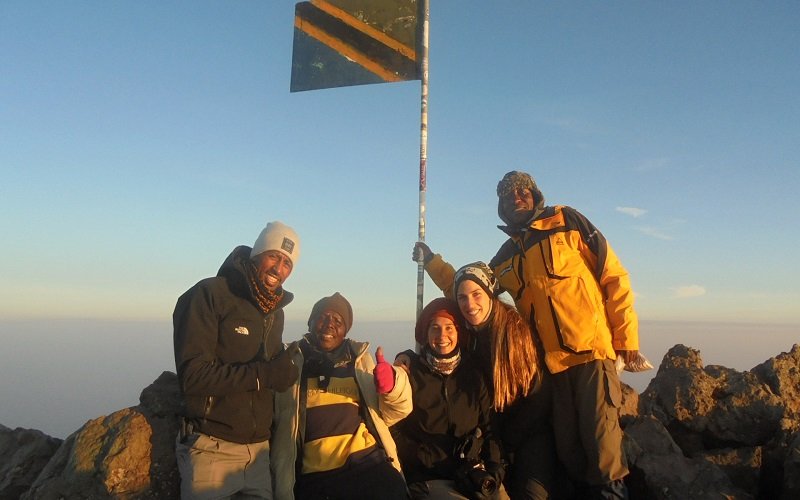
Mount Meru, standing at 4,566 meters (14,980 feet), is Tanzania’s fifth-highest peak and a magnificent standalone mountain. It’s often overshadowed by its colossal neighbor, Kilimanjaro, but offers a unique and compelling trekking experience. For many, the ascensione Monte Meru is not just a trek; it’s an introduction to high-altitude climbing in East Africa, providing a crucial stepping stone for those aspiring to summit Kilimanjaro. The mountain’s dramatic landscapes, ranging from lush montane forests teeming with wildlife to exposed volcanic ridges, make it a visually stunning destination. The final push to the summit, Socialist Peak, involves some degree of scrambling and exposure, offering a taste of technical mountaineering that Kilimanjaro lacks.
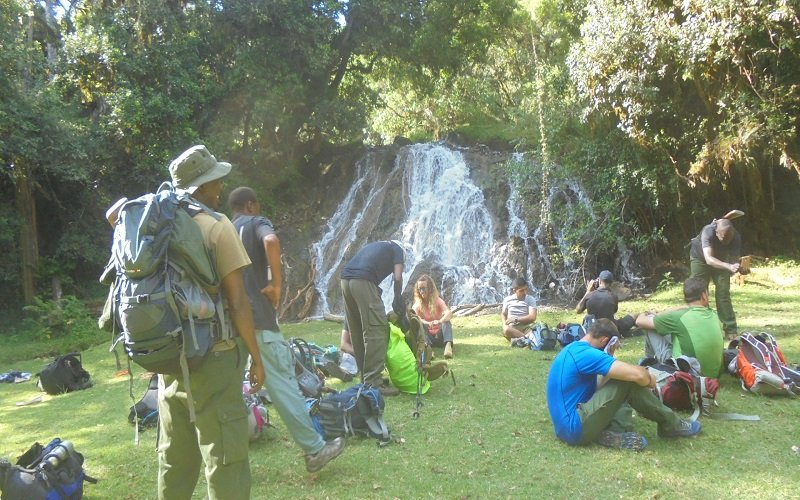
Beyond the physical challenge, Mount Meru is located within Arusha National Park, meaning you’ll trek alongside rangers for protection against wildlife. This adds an incredible dimension to the climb, as you might encounter buffalo, monkeys, and various antelopes on the lower slopes. The views from Meru, particularly of Kilimanjaro on clear days, are spectacular. It’s a mountain that demands respect, rewards preparation, and offers an authentic African wilderness experience. Whether you’re planning for 2026 or 2027, Mount Meru presents an exciting challenge that can be tailored to your fitness and experience level.
Understanding Mount Meru: The Diamond of Tanzania
Often referred to as the “Diamond of Tanzania” due to its striking conical shape when viewed from certain angles, Mount Meru is an active stratovolcano located about 65 kilometers (40 miles) west of Kilimanjaro. Its summit, Socialist Peak, reaches an impressive 4,566 meters. The mountain is characterized by its dramatic caldera, a result of a massive eruption thousands of years ago that blew off its entire eastern flank. This geological history has shaped its unique topography, creating steep ascents and varied ecological zones.
The mountain’s slopes are divided into distinct vegetation zones as you ascend: dense rainforest on the lower reaches, followed by moorland, then alpine desert, and finally, rocky, barren terrain near the summit. This ecological diversity supports a rich array of wildlife, which is a significant draw for trekkers. Unlike many other mountains, Mount Meru is within a national park, which means armed rangers accompany all climbing groups. This is not just for show; it’s a vital safety measure due to the presence of large mammals like elephants, buffalo, and giraffes on the lower trails. The trek therefore offers a unique blend of high-altitude challenge and wildlife viewing, making the ascensione Monte Meru a multi-faceted adventure.
The summit itself, Socialist Peak, is accessed via a ridge walk that provides impressive views into the crater and across the plains. The final ascent can be steep and requires a good head for heights, particularly the section leading to the true summit. This makes it an excellent training ground for more technically demanding peaks or for those seeking a more adventurous climb than Kilimanjaro typically offers.
Routes for Ascensione Monte Meru
There is primarily one established route for ascending Mount Meru, though variations exist in how it’s traversed. The standard approach offers a comprehensive experience of the mountain’s diverse terrain and wildlife.
The Momella Route (Most Popular)
The Momella Route is the classic and most commonly used path for the ascensione Monte Meru. It begins at Momella Gate (1,500m) on the northern side of Arusha National Park and typically involves a 4 or 5-day itinerary. The route is known for its scenic beauty and abundant wildlife sightings, especially on the initial days. Trekkers are accompanied by armed park rangers from the outset, enhancing safety and allowing for closer observation of animals like giraffes, zebras, and various monkey species. The route ascends through dense forests, open moorlands, and eventually to alpine desert and rocky terrain. It utilizes the same gate for both ascent and descent, making it logistically simpler than routes that might require different exit points. The Momella Route is popular because it balances challenge with accessibility, and its duration allows for reasonable acclimatization.
The typical progression on the Momella Route involves hiking to Miriakamba Huts (2,514m) on day one, then to Saddle Huts (3,570m) on day two. Day three is usually summit day, involving an early morning start to reach Socialist Peak (4,566m) via the crater rim, followed by descent back to Miriakamba Huts. Day four involves descending from Miriakamba Huts back to Momella Gate. A 5-day itinerary adds an extra day, often by splitting the ascent to Saddle Huts or adding a day at Saddle Huts for acclimatization or exploring the crater rim.
Other Potential Routes
While the Momella Route is standard, there are discussions and occasional use of alternative paths, particularly for descent. Some operators might facilitate a traverse where the descent is on the southern side, exiting through a different park gate. However, for most commercial climbs, especially for trekkers planning in 2026 or 2027, the Momella Route is the established and recommended path due to park regulations, safety protocols, and logistical ease. Independent exploration of other routes is generally discouraged and often not permitted by park authorities due to safety concerns and the need for experienced guides and rangers.
Best Time to Climb Mount Meru in 2026-2027
Choosing the right time to start your ascensione Monte Meru is crucial for maximizing your chances of success and enjoying the experience. Mount Meru experiences two distinct dry seasons and two rainy seasons, similar to Kilimanjaro.
- Dry Seasons (Best Times):
- June to October: This is the primary dry season, characterized by clear skies, cooler temperatures, and minimal rainfall. It’s ideal for trekking, offering excellent visibility of surrounding landscapes, including Kilimanjaro. This period is also popular, so booking in advance for 2026 and 2027 is advisable.
- December to February: This is the shorter dry season. While generally good, it can be hotter than the June-October period, and there might be occasional brief showers. It’s another excellent window for climbing.
- Rainy Seasons (Less Ideal Times):
- March to May: This is the long rainy season, often referred to as the “green season.” Heavy rainfall is common, making trails muddy and slippery. Visibility can be poor, and the conditions can be challenging and less enjoyable.
- November: This is a transitional month, often experiencing the short rains. While not as severe as the long rains, you should expect some precipitation.
For the best experience in 2026-2027, aim for the drier months of June through October or December through February. Outside of these periods, while still possible to climb, you must be prepared for potentially difficult weather conditions, which can affect both comfort and safety.
Mount Meru Itinerary Options
The duration of your Mount Meru trek significantly impacts acclimatization, enjoyment, and the overall challenge. The most common itineraries are 4 or 5 days, both utilizing the Momella Route.
4-Day Mount Meru Trek
The 4-day ascensione Monte Meru is the most rapid option. It’s suitable for individuals with a solid fitness base and prior high-altitude experience who are comfortable with a faster pace. The itinerary typically looks like this:
- Day 1: Momella Gate (1,500m) to Miriakamba Huts (2,514m). This is a long walking day through diverse forest zones, often with wildlife sightings.
- Day 2: Miriakamba Huts to Saddle Huts (3,570m). The terrain becomes steeper and more open, transitioning into moorland.
- Day 3: Summit Day! Saddle Huts to Socialist Peak (4,566m) and back to Miriakamba Huts. This is a very demanding day, starting in the early morning for the summit push via the crater rim, then descending to Miriakamba Huts.
- Day 4: Miriakamba Huts to Momella Gate. A relatively straightforward descent through the forest.
Trade-off: The main disadvantage of the 4-day trek is the reduced time for acclimatization, increasing the risk of altitude sickness. It’s a demanding schedule.
5-Day Mount Meru Trek
The 5-day itinerary is generally recommended for most climbers, as it allows for better acclimatization and a more enjoyable pace. It offers a more relaxed experience and a higher chance of summit success without succumbing to altitude-related issues.
- Day 1: Momella Gate (1,500m) to Miriakamba Huts (2,514m).
- Day 2: Miriakamba Huts to Saddle Huts (3,570m).
- Day 3: Saddle Huts to Socialist Peak (4,566m) and back to Saddle Huts. This variation allows for an extra night at higher altitude for acclimatization and avoids the long descent on summit day.
- Day 4: Saddle Huts to Miriakamba Huts. A leisurely descent to a lower camp.
- Day 5: Miriakamba Huts to Momella Gate. Final descent.
Some 5-day itineraries might split the ascent to Saddle Huts over two days, offering an even slower pace. For example, Day 2 could be Miriakamba Huts to a campsite halfway up to Saddle Huts, with Day 3 continuing to Saddle Huts.
Comparing Itineraries: 4 vs. 5 Days
Who is the 4-day trek for? Experienced high-altitude trekkers with excellent cardiovascular fitness, accustomed to rapid ascents, and with a proven ability to acclimatize quickly. They are prepared for a more strenuous physical challenge and potentially higher risk of altitude sickness. This is for the quick conqueror.
Who is the 5-day trek for? Most climbers, including those preparing for Kilimanjaro, first-time high-altitude trekkers, or anyone who prefers a more comfortable and less rushed experience. It significantly improves acclimatization, reduces fatigue, and increases the likelihood of a successful summit bid. This is for the prepared and steady climber.
For planning your ascensione Monte Meru in 2026-2027, the 5-day itinerary is the safer and more popular choice for most individuals. It aligns well with the principles of gradual ascent crucial for mountain climbing.
Physical Preparation for Ascensione Monte Meru
A successful ascensione Monte Meru hinges significantly on physical preparation. While not as high as Kilimanjaro, Meru’s summit at 4,566 meters presents a genuine altitude challenge, compounded by steep ascents and descents, and potentially technical sections near the peak. Start your training at least 2-3 months prior to your climb.
Key Training Focus Areas:
- Cardiovascular Endurance: This is paramount. Engage in activities like hiking (especially with a backpack and on varied terrain), running, cycling, swimming, or stair climbing. Aim for at least 3-4 sessions per week, with one longer session on the weekend.
- Strength Training: Focus on leg strength (squats, lunges, calf raises) and core stability. These will help you manage steep ascents and descents, reducing strain on your knees and back.
- Hiking with Pack: Practice hiking on hills or stairs while wearing a backpack loaded with weight (5-10 kg). This simulates carrying your day pack during the trek and helps your body adapt to the load.
- Altitude Simulation (If Possible): If you live at high altitude, that’s a significant advantage. If not, focus on maximizing your fitness to cope with the physiological stress of altitude.
- Mental Preparation: High altitude can be mentally taxing. Understand that there will be tough moments. Visualizing success and maintaining a positive attitude are important.
Consider undertaking hikes that mimic the terrain and duration of your planned trek days. For instance, if your itinerary involves a 6-8 hour hike on day two, try to replicate that on a weekend training day. Focus on consistency rather than sporadic intense bursts. The goal is to build stamina and ensure your body can sustain effort over multiple consecutive days at increasing altitudes. For trekkers aiming for 2026 or 2027, consistent training is your best investment.
Essential Gear List for Mount Meru
Proper gear is non-negotiable for a safe and comfortable ascensione Monte Meru. The weather can change rapidly, and you’ll experience significant temperature variations from the rainforest floor to the summit. Here’s a breakdown of essential items:
Clothing (Layering is Key):
- Base Layers: Moisture-wicking thermal tops and bottoms (merino wool or synthetic).
- Mid Layers: Fleece jacket or insulated jacket for warmth.
- Outer Layer (Shell): Waterproof and windproof jacket and trousers.
- Insulated Jacket: A warm down or synthetic jacket for cold evenings and summit attempts.
- Trekking Trousers: Lightweight, quick-drying hiking trousers (avoid jeans).
- Shorts: For warmer sections on lower altitudes.
- T-shirts: Moisture-wicking materials.
- Warm Hat: Fleece or wool hat that covers your ears.
- Sun Hat: Wide-brimmed hat for sun protection.
- Gloves: Warm, waterproof gloves or mittens, and liner gloves.
Footwear:
- Hiking Boots: Broken-in, waterproof, sturdy hiking boots with good ankle support.
- Camp Shoes: Lightweight trainers or sandals for use at the huts.
- Socks: Several pairs of warm hiking socks (wool or synthetic).
- Liner Socks: Optional, to prevent blisters.
Equipment:
- Backpack: A comfortable 40-60 liter backpack for your personal gear.
- Daypack: A small (20-30 liter) daypack for essentials carried during the day (water, snacks, camera, rain gear).
- Sleeping Bag: A warm, four-season sleeping bag (rated to -10°C or lower).
- Trekking Poles: Highly recommended for stability and reducing knee strain.
- Headlamp/Torch: With extra batteries.
- Water Bottles/Hydration Reservoir: At least 2-3 liters capacity.
- Water Purification: Tablets or a filter.
- Sunscreen: High SPF.
- Lip Balm: With SPF.
- Sunglasses: With UV protection.
- Insect Repellent: Especially for lower forest sections.
- Personal First-Aid Kit: Including any personal medications.
- Toiletries: Biodegradable soap, toothbrush, toothpaste, wet wipes.
- Towel: Quick-drying microfiber towel.
- Camera and Spare Batteries/Power Bank.
- Snacks: Energy bars, nuts, dried fruit.
When packing for your ascensione Monte Meru in 2026-2027, remember that porters will carry the bulk of your gear in duffel bags (usually up to 15kg). Your daypack will contain items you need access to during the day. It’s wise to consult with your tour operator for a more detailed and specific gear list.
Mount Meru Costs and Budgeting for 2026-2027
The cost of climbing Mount Meru can vary significantly depending on the tour operator, the level of service provided, the duration of the trek, and the number of people in your group. For planning your ascensione Monte Meru in 2026 or 2027, it’s important to understand the cost components.
Typical Cost Factors:
- Tour Operator Fees: This is the largest component and covers guides, porters, cook, park entrance fees, camping/hut fees, rescue fees, meals, and transport. Local operators often offer better value than international ones.
- Park Entrance Fees: These are mandatory and charged per person per day.
- Guide and Porter Fees: While often included in package prices, some operators might list these separately. Tipping is customary and expected.
- Accommodation: Hut fees at Miriakamba and Saddle Huts are part of the park fees.
- Transportation: Transfers to and from Momella Gate.
- Meals: Usually included on the mountain, but not on the days before and after the trek.
- Gear Rental: If you don’t own essential items like sleeping bags or trekking poles, you can rent them.
- Travel Insurance: Essential, covering high-altitude trekking and emergency evacuation.
Budgeting Guidance for 2026-2027:
While exact prices fluctuate, you can expect a 4 or 5-day Mount Meru trek package from a reputable operator to range roughly from $800 to $1,500 USD per person. This typically includes:
- All park fees and conservation fees
- Hut accommodation
- All meals on the mountain
- Professional climbing guides and support crew
- Porters for your main luggage
- All necessary transfers
- A ranger fee
What’s often NOT included:
- Flights to Kilimanjaro International Airport (JRO)
- Visa fees
- Travel insurance
- Tips for guides, porters, and cook (budget around $150-$250 USD per climber)
- Personal gear rental
- Drinks and personal expenses
- Pre- and post-trek accommodation and meals in Arusha
When comparing prices for 2026-2027, ensure you are comparing like-for-like services. A cheaper price might mean fewer guides, lower quality food, or less experienced staff, which can compromise safety and enjoyment.
Park Fees and Permits
Arusha National Park, where Mount Meru is located, has specific fees and permit requirements for trekking. These fees are substantial and are a significant part of the overall cost of your ascensione Monte Meru. Reputable tour operators will include these in their package prices, but it’s good to be aware of them.
Key Fees (Subject to Change, Always Confirm with Operator):
- Park Entrance Fees: Charged per person, per day. For foreign non-residents, this is typically around $50 USD per day.
- Camping/Hut Fees: Fees for overnight stays at Miriakamba and Saddle Huts. These are usually around $30-$40 USD per person per night.
- Crater Rim Fees: A fee may apply for accessing the crater rim.
- Ranger Fees: A fee for the armed ranger who accompanies your group. This is often a fixed daily rate.
- Rescue Fees: A mandatory fee that contributes to the park’s rescue services.
A typical 5-day trek will incur park fees for 5 days, plus hut fees for 4 nights, plus ranger fees for 4 days. For example, a 5-day trek for a foreign non-resident could easily accumulate over $400-$500 USD in park and hut fees alone. Always confirm the exact fees applicable for your chosen travel dates in 2026 or 2027 with your tour operator.
Permits themselves are managed by the park authorities and are typically arranged by your tour operator. You will need to provide your passport details well in advance for registration.
Safety and Support on the Mountain
Safety is paramount on any high-altitude trek, and Mount Meru is no exception. Arusha National Park has robust safety protocols in place, and choosing a reputable operator is key to ensuring you have adequate support.
Key Safety Measures and Support:
- Armed Rangers: As mentioned, armed rangers from Arusha National Park will accompany your group throughout the trek. This is primarily for protection against wildlife on the lower slopes, but they are also trained in basic mountain safety and first aid.
- Experienced Guides: Your climbing guides are crucial. They are trained in high-altitude trekking, first aid, and recognizing symptoms of altitude sickness. They will monitor your condition closely.
- Porter Support: Porters carry the bulk of your gear, ensuring you can focus on walking. They also assist in emergencies and help maintain camp.
- Communication: Reputable operators will have satellite phones or radios for emergency communication, although mobile phone reception can sometimes be available at lower altitudes.
- Emergency Evacuation: Your tour operator should have a clear emergency evacuation plan. This usually involves descending the mountain to a point where a vehicle can reach you, or arranging for a helicopter evacuation if necessary (covered by insurance).
- First Aid: Guides carry comprehensive first-aid kits. Ensure you also bring your personal medications and a small personal kit.
For your ascensione Monte Meru in 2026-2027, never compromise on safety. Choose an operator that prioritizes guide training, has a proven safety record, and can demonstrate their emergency procedures. Ensure your travel insurance policy explicitly covers high-altitude trekking and emergency medical evacuation up to the maximum altitude of Mount Meru.
Wildlife Encounters on Mount Meru
One of the unique aspects of climbing Mount Meru is the opportunity to encounter wildlife, especially on the lower slopes. Arusha National Park is home to a diverse range of animals, and your trek will take you through their habitat. This is why armed rangers are mandatory.
Common Wildlife Sightings:
- Mammals: You are likely to see herds of buffalos, giraffes, zebras, wildebeest, various species of monkeys (colobus, blue monkeys), warthogs, and antelopes (like dik-diks and elands) on the lower forest trails. Elephants are also present but are more elusive.
- Birds: The montane forests are rich in birdlife. Keep an eye out for turacos, hornbills, and various smaller species.
- Insects: A variety of insects are present, particularly in the forest zones.
Important Considerations:
- Maintain Distance: Always follow the guidance of your rangers and guides regarding wildlife. Never approach animals, especially large or potentially dangerous ones like buffalo.
- Noise: Keep noise levels down to avoid disturbing the animals.
- Food Storage: Secure all food properly at camps to prevent attracting animals.
- Ranger’s Role: The rangers are there to protect you. Listen to their instructions without question. They are equipped to handle encounters and ensure your safety during the ascensione Monte Meru.
These wildlife encounters add a thrilling dimension to the trek, distinguishing it from climbs in parks with fewer large animals. Planning for 2026 or 2027 means you can look forward to these incredible natural interactions.
Acclimatization and Altitude Sickness
Altitude sickness (Acute Mountain Sickness – AMS) is a significant risk on any climb above 2,500 meters, and Mount Meru’s summit at 4,566 meters makes it a real concern. Proper acclimatization is the best defense. Understanding the symptoms and how to manage them is vital for a safe ascensione Monte Meru.
Understanding Altitude Sickness:
- Symptoms: Common symptoms include headache, nausea, dizziness, fatigue, shortness of breath, and loss of appetite. These can progress to more severe forms like High Altitude Cerebral Edema (HACE) and High Altitude Pulmonary Edema (HAPE), which are life-threatening.
- Causes: AMS occurs when your body doesn’t have enough time to adjust to the lower oxygen levels at higher altitudes.
- Prevention:
- Ascend Slowly: This is the golden rule. The 5-day itinerary is significantly better for acclimatization than the 4-day option.
- Hydration: Drink plenty of water (3-4 liters per day).
- Avoid Alcohol and Smoking: These can exacerbate altitude symptoms.
- Pacing: Walk at a slow, steady pace (“pole pole” – slowly, slowly).
- Medication: Diamox (acetazolamide) can be prescribed by your doctor to aid acclimatization. Discuss this with your physician before your trip.
- Treatment: The only definitive treatment for moderate to severe AMS is to descend. If symptoms are mild, rest and hydration might suffice, but always monitor closely.
Your guides will be trained to recognize AMS symptoms and will monitor you. It’s crucial to communicate any symptoms you experience honestly and immediately to your guide. Do not try to tough it out. For your 2026-2027 climb, prioritize an itinerary that allows for good acclimatization, like the 5-day trek, and discuss altitude sickness prevention with your doctor.
Environmental Considerations
As with any wilderness trek, responsible environmental practices are essential for the preservation of Mount Meru’s fragile ecosystem. Climbing operators and trekkers alike must adhere to Leave No Trace principles.
Practicing Responsible Trekking:
- Waste Management: Pack out everything you pack in. This includes all non-biodegradable waste like plastic wrappers, bottles, and batteries. Do not bury or burn trash.
- Stay on Trails: Stick to marked paths to prevent erosion and protect vegetation.
- Water Sources: Do not contaminate water sources. Use biodegradable soaps and ensure waste is disposed of well away from streams and rivers.
- Wildlife: Never feed the animals. Maintain a respectful distance and observe them without disturbance.
- Campfires: Campfires are generally prohibited on Mount Meru. Use stoves for cooking.
- Respect Local Culture: Interact respectfully with guides, porters, and any local communities you encounter.
Choosing an operator committed to environmental sustainability is a good indicator of their overall professionalism and responsibility. For your ascensione Monte Meru in 2026-2027, be a responsible trekker and help protect this magnificent mountain for future generations.
Booking Your Ascensione Monte Meru 2026-2027
Securing your climb for 2026 or 2027 requires careful planning and choosing the right partner. Climb 4 Africa specializes in Tanzanian mountain expeditions and safaris, offering expert guidance and local knowledge for your Mount Meru adventure.
Why Book with Climb 4 Africa?
- Local Expertise: As a Tanzanian-based company, we have intimate knowledge of the mountains, park regulations, and best practices.
- Safety First: We prioritize safety with experienced guides, proper equipment, and well-defined emergency protocols.
- Tailored Itineraries: We can customize your trek duration and experience to match your fitness and goals.
- Value for Money: We offer competitive pricing without compromising on quality or safety.
- Supportive Crew: Our guides, porters, and cooks are well-trained, motivated, and treated ethically.
To begin planning your ascensione Monte Meru, we recommend contacting us early, especially for popular dates in 2026 and 2027. You can reach us via WhatsApp at +255 747 477 898 or email us at climb4africa@gmail.com. Please provide us with your preferred trekking dates, the number of people in your group, and any specific requirements you may have. We’ll guide you through the entire process, from selecting the best itinerary to ensuring you have all the necessary information for a successful and memorable climb. Let us help you make your Mount Meru dream a reality.
“,
“faq_schema”: [
{
“question”: “What is the best time of year to climb Mount Meru in 2026-2027?”,
“answer”: “The best times to climb Mount Meru are during the dry seasons: June to October and December to February. These periods offer the clearest skies and least rainfall, making for a more pleasant and safer ascent. The rainy seasons (March-May and November) can bring challenging conditions.”
},
{
“question”: “How difficult is the ascent of Mount Meru?”,
“answer”: “Mount Meru is considered a challenging trek, reaching an altitude of 4,566 meters. The final summit push involves steep ascents and some scrambling, requiring good physical fitness and acclimatization. It is often used as preparation for Kilimanjaro.”
},
{
“question”: “What is the recommended duration for climbing Mount Meru?”,
“answer”: “A 5-day itinerary is generally recommended for the ascensione Monte Meru. This duration allows for better acclimatization, reducing the risk of altitude sickness and increasing the chances of a successful summit. A 4-day trek is possible but more strenuous and riskier for altitude-related issues.”
},
{
“question”: “Do I need to be accompanied by a ranger on Mount Meru?”,
“answer”: “Yes, it is mandatory for all climbers on Mount Meru to be accompanied by at least one armed park ranger from Arusha National Park. This is primarily for protection against wildlife on the lower slopes, but they also contribute to overall safety.”
},
{
“question”: “What are the typical costs for climbing Mount Meru in 2026-2027?”,
“answer”: “Costs for a 4 or 5-day Mount Meru trek package typically range from $800 to $1,500 USD per person, depending on the operator and services included. This usually covers park fees, hut accommodation, meals on the mountain, guides, porters, and transport. Tips, insurance, and personal expenses are usually extra.”
},
{
“question”: “What gear is essential for climbing Mount Meru?”,
“answer”: “Essential gear includes layered clothing (base, mid, and outer waterproof/windproof layers), sturdy broken-in hiking boots, warm sleeping bag, trekking poles, headlamp, water bottles, sunscreen, and a personal first-aid kit. Layering is key to managing the temperature fluctuations.”
}
]
}
“`
Check Availability for Ascensione Monte Meru Tanzania 2026-2027
Ready to compare dates, prices, and the best option for your group? Send the package name and travel month so the team can reply with a clear quote, availability, and what is included.
Trekking Monte Meru Tanzania: Precios, Ruta Y Consejos 2026-2027
Trekking Monte Meru Tanzania: precios, ruta y consejos is explained with current 2026-2027 planning, price, itinerary and booking information.
View package details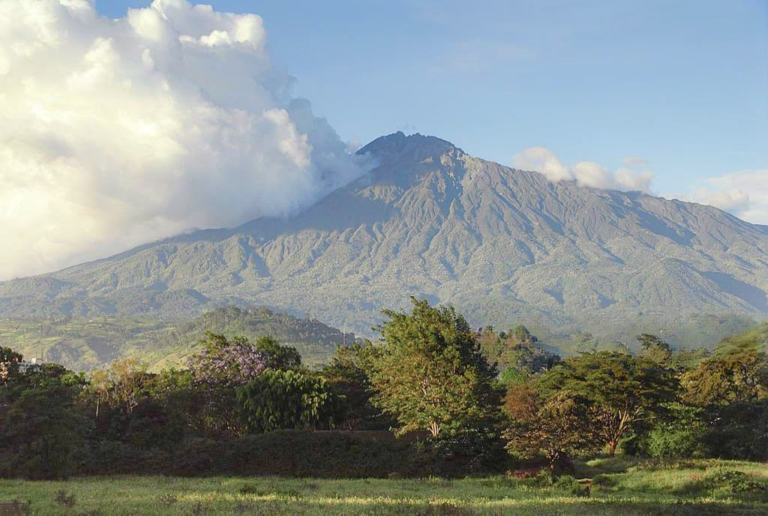
Ascenso Al Monte Meru Tanzania: Guía Completa Para Tu Expedición 2026-2027
Una guía detallada para ascender al Monte Meru en Tanzania, cubriendo rutas, desafíos, equipo y la mejor época para planificar tu aventura en 2026-2027.
View package detailsMonte Meru Y Safari En Tanzania: Guía Completa Para Tu Aventura Africana
Explora la combinación perfecta de trekking en Monte Meru y safaris inolvidables en Tanzania. Esta guía detallada te ayudará a planificar tu viaje de ensueño para 2026-2027, cubriendo...
View package details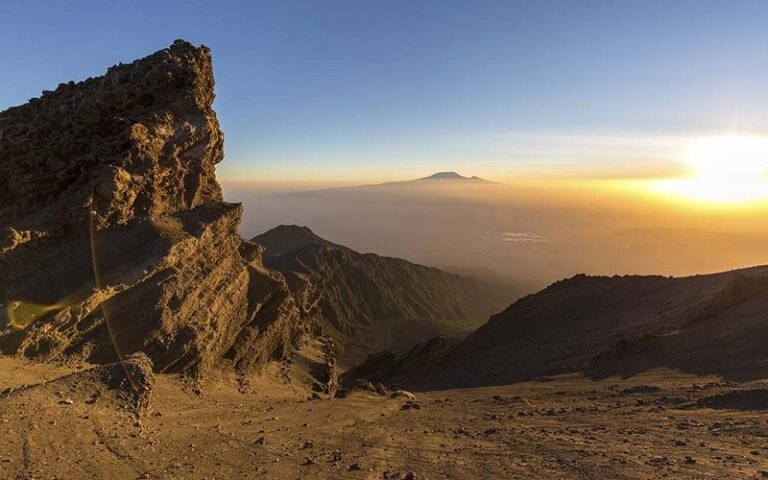
Monte Meru Y Kilimanjaro: Trekking En Tanzania 2026-2027
Discover the ultimate trekking experience in Tanzania by combining Mount Meru and Mount Kilimanjaro. This comprehensive guide covers everything from route selection and preparation to...
View package details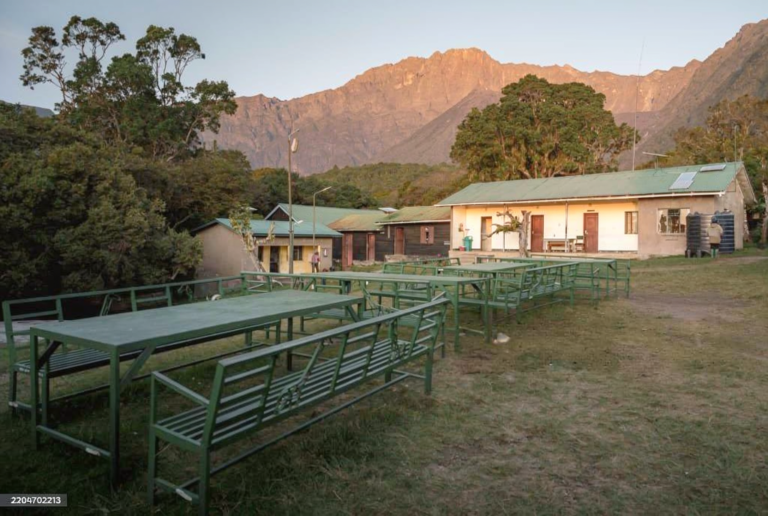
Monte Meru Tanzania Trekking From Arusha: Your Essential Guide 2026-2027
start a trek up Mount Meru from Arusha, Tanzania's stunning dormant volcano. This guide covers everything from routes and difficulty to preparation and best times to go for your 2026-2027...
View package detailsNo related package matches those filters. Clear one or more filters to see the other topic-matched options.



