
Trekking Monte Meru from Arusha involves choosing a route, typically the 3- or 5-day options, preparing physically and with essential gear, and arranging logistics through a local operator like Climb 4 Africa. The ascent begins from the Momella Gate, offering diverse wildlife and challenging terrain before reaching the summit, Socialist Peak, at 4,566 meters, providing spectacular views of Kilimanjaro and the Great Rift Valley. Planning for 2026 or 2027 involves booking in advance, especially for peak seasons, and understanding that successful Monte Meru trekking requires acclimatization, proper clothing, and a good level of fitness.
Understanding Monte Meru: Your Gateway to Tanzanian High-Altitude Trekking
Monte Meru, often overshadowed by its colossal neighbour Kilimanjaro, stands as a magnificent stratovolcano and Tanzania’s fifth-highest peak. Its summit, Socialist Peak, reaches 4,566 meters (14,980 feet). For many, it serves as an ideal acclimatization climb before attempting Kilimanjaro, but it is a formidable trek in its own right, offering unparalleled biodiversity, dramatic landscapes, and a profound sense of wilderness. Trekking Monte Meru from Arusha is an accessible yet challenging adventure, perfect for those seeking a less crowded mountain experience with incredible rewards. Climb 4 Africa specializes in guiding trekkers like you through every step of this journey, from initial planning in Arusha to the triumphant return from the summit.
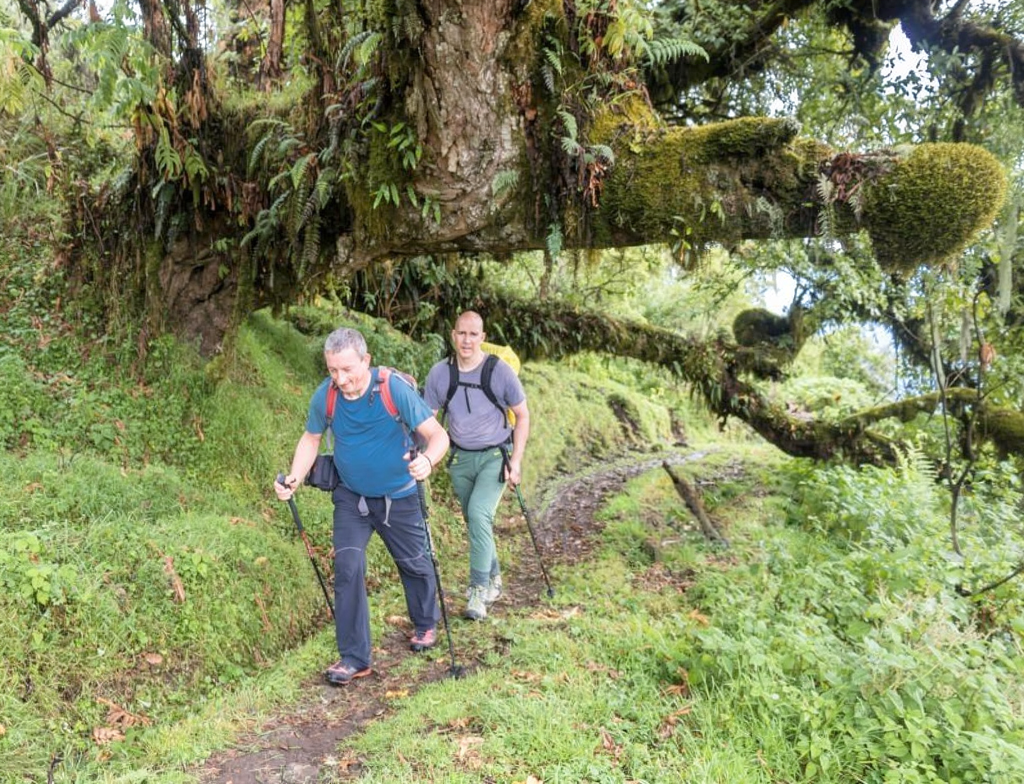
The appeal of Monte Meru lies not just in its altitude, but in its ecological diversity. As you ascend from the Arusha region, you’ll traverse lush montane forests teeming with colobus monkeys and various bird species, pass through heath and moorland zones, and finally reach the alpine desert and summit plateau. The park surrounding Meru, Arusha National Park, is one of Tanzania’s most picturesque, boasting Mount Meru, the Momella Lakes, and the Ngurdoto Crater. This rich environment makes the trekking experience far more than just a physical challenge; it’s an immersion in a vibrant ecosystem.
When planning your Monte Meru trekking da Arusha adventure for 2026 or 2027, it’s crucial to understand the typical duration and logistics. Most expeditions range from 3 to 5 days, with the 5-day itinerary being highly recommended for better acclimatization and a more enjoyable experience. Your journey begins in Arusha, the bustling safari capital of Tanzania, where you’ll meet your guides, finalize gear checks, and prepare for the transfer to the park’s entrance, usually Momella Gate. From there, the mountain unfolds, offering a unique perspective on East African geography and wildlife.
Why Choose Monte Meru for Your Trekking Adventure?
Monte Meru offers a compelling set of advantages for trekkers, especially when compared to other high-altitude challenges. Its proximity to Arusha means shorter travel times to the trailhead, making it a convenient option for those with limited time or as a warm-up for Kilimanjaro. Beyond convenience, the mountain itself is spectacular.
- Acclimatization Benefits: The 4,566-meter summit is high enough to significantly aid acclimatization for Kilimanjaro’s 5,895 meters, without being overly extreme. Successfully reaching Socialist Peak builds confidence and tests your body’s response to altitude.
- Biodiversity Hotspot: Arusha National Park is home to a surprising array of wildlife, including elephants, buffalos, giraffes, various antelope species, and abundant birdlife. Seeing these animals in their natural habitat while trekking is a rare and thrilling experience.
- Stunning Scenery: The views from Meru are impressive. On clear days, you can see Mount Kilimanjaro dominating the horizon, the vast plains of the Serengeti, and the shimmering waters of Lake Natron and Lake Manyara. The Momella Lakes at the mountain’s base offer vibrant colors and reflections.
- Less Crowded Trails: Compared to Kilimanjaro, Monte Meru sees far fewer trekkers. This allows for a more intimate and peaceful experience with nature, enhancing the feeling of exploration and solitude.
- Technical Variety: The trek includes varied terrain, from dense forests and open grasslands to rocky scree slopes and exposed ridges. The final ascent to Socialist Peak is particularly steep and requires careful footing.
For trekkers planning for 2026 or 2027, Monte Meru presents a fantastic opportunity to experience a challenging, rewarding, and visually stunning mountain climb that is accessible from Arusha. Climb 4 Africa ensures you have the support and expertise needed to make the most of this incredible journey.
Monte Meru Trekking Routes: Selecting Your Path from Arusha
The journey to Monte Meru’s summit, Socialist Peak, primarily follows two main routes originating from Momella Gate, located on the eastern side of Arusha National Park. The choice of route significantly impacts the trekking duration, difficulty, scenery, and acclimatization profile. Climb 4 Africa recommends routes based on your fitness, time, and acclimatization needs.
The 3-Day Itinerary: A Quick Ascent
This is the shortest and most direct route to Socialist Peak. While it is possible to complete the trek in three days, it is generally not recommended for optimal acclimatization. This route is best suited for experienced high-altitude trekkers who have recently completed another significant climb or are very confident in their acclimatization abilities.
- Day 1: Momella Gate (1,500m) to Miriakamba Hut (2,100m). This is a relatively short day, walking through diverse forest zones.
- Day 2: Miriakamba Hut to Saddle Hut (3,500m). This is a steeper day, gaining significant altitude and passing through heath and moorland.
- Day 3: Saddle Hut to Socialist Peak (4,566m) and descent back to Momella Gate. This involves an early morning summit attempt, followed by a long descent, potentially all the way to the gate.
Trade-offs: The primary disadvantage of the 3-day route is the rapid ascent, which increases the risk of altitude sickness due to insufficient acclimatization time. The descent is also very long and can be tough on the knees.
The 5-Day Itinerary: Recommended for Acclimatization and Enjoyment
The 5-day itinerary is the most popular and highly recommended option by experienced guides and operators like Climb 4 Africa. It provides a more gradual ascent, allowing your body to adjust to the increasing altitude, significantly reducing the risk of altitude sickness and enhancing your overall trekking experience. This route also offers more time to appreciate the diverse landscapes and wildlife.
- Day 1: Momella Gate (1,500m) to Miriakamba Hut (2,100m). Similar to the 3-day route, this day focuses on traversing the lower forest zones.
- Day 2: Miriakamba Hut to Saddle Hut (3,500m). A steeper ascent, but with more time to rest and acclimatize at Saddle Hut, which is strategically located.
- Day 3: Saddle Hut to Socialist Peak (4,566m) and return to Saddle Hut. This day is dedicated to reaching the summit and then descending back to Saddle Hut. This allows for a more relaxed summit experience and a better night’s sleep before the full descent.
- Day 4: Saddle Hut to Miriakamba Hut (2,100m). A leisurely descent, allowing you to enjoy different views and perhaps spot wildlife missed on the way up.
- Day 5: Miriakamba Hut to Momella Gate (1,500m). The final descent through the forest, concluding your trek.
Advantages: The 5-day route offers superior acclimatization, a more comfortable pace, a higher success rate, and a more in-depth experience. For planning your Monte Meru trekking da Arusha in 2026 or 2027, this is the route Climb 4 Africa strongly suggests for most clients.
Route Variations and Considerations
While the Momella route is standard, there are some minor variations. Some operators might suggest alternative camping spots or slightly different trekking days. The key is always to prioritize acclimatization. For instance, an additional day can be added between Miriakamba and Saddle Hut, or between Saddle Hut and the summit, if needed, particularly for those with known altitude sensitivities or for a more relaxed pace. Climb 4 Africa can customize itineraries to suit individual needs.
When deciding on your route for 2026 or 2027, consider your personal fitness level, previous high-altitude experience, and how much time you have available. For the best chance of success and enjoyment, the 5-day itinerary is almost always the preferred choice when trekking Monte Meru from Arusha.
Choosing Your Monte Meru Route: A Practical Guide
For the vast majority of trekkers aiming for Monte Meru from Arusha, the 5-day itinerary is the optimal choice. It provides the necessary time for acclimatization, reducing the risk of altitude sickness and increasing your chances of reaching Socialist Peak comfortably. While the 3-day route is faster, it comes with a significantly higher risk and is only advisable for those with proven high-altitude experience. When booking with Climb 4 Africa for 2026 or 2027, discuss your experience and comfort level with our team to confirm the best route for your needs.
Preparing for Monte Meru Trekking: Fitness, Gear, and Health
A successful trek up Monte Meru, like any mountain climb, relies heavily on thorough preparation. This includes physical conditioning, packing the right gear, and understanding health considerations, especially concerning altitude. Climb 4 Africa provides detailed checklists and advice to ensure you are fully prepared.
Physical Fitness for Monte Meru
Monte Meru is a demanding trek. While you don’t need to be an elite athlete, a good level of cardiovascular fitness is essential. The climb involves long days of walking, often on steep and uneven terrain, with significant elevation gain, particularly on summit day. Your training should focus on:
- Cardiovascular Endurance: Activities like hiking (especially with a backpack), running, cycling, or swimming for at least 3-4 times a week. Aim for sessions of 1-2 hours.
- Strength Training: Focus on leg strength (squats, lunges) and core stability. Carrying a backpack uphill requires strong legs and a stable core.
- Hiking Practice: The most relevant training is hiking. Aim to do regular hikes of increasing duration and elevation gain, ideally with a weighted backpack, to simulate trek conditions. Practice on hills or stairs.
- Altitude Acclimatization (if possible): While you can’t fully replicate Meru’s altitude, training at higher elevations if you live near mountains can be beneficial.
Start your training at least 2-3 months before your planned trek. The fitter you are, the more you will enjoy the trek and the better your body will cope with the altitude. For treks planned in 2026 or 2027, now is a good time to start assessing your current fitness and developing a training plan.
Essential Gear for Monte Meru Trekking
Proper gear is critical for comfort, safety, and success on Monte Meru. Temperatures can vary drastically from the base to the summit, and weather can change rapidly. Here’s a breakdown of essential items:
Clothing (Layering is Key):
- Base Layers: Moisture-wicking thermal tops and bottoms (synthetic or merino wool).
- Mid Layers: Fleece jacket or down vest for insulation.
- Outer Layer (Shell): Waterproof and windproof jacket and trousers.
- Trekking Trousers: Comfortable, quick-drying hiking pants (avoid jeans).
- Trekking Shirts: Long-sleeved and short-sleeved moisture-wicking shirts.
- Warm Hat: Fleece or wool hat that covers your ears.
- Gloves: Warm, waterproof gloves or mittens. Consider liner gloves as well.
- Sun Hat: Wide-brimmed hat for sun protection.
Footwear:
- Hiking Boots: Waterproof, sturdy, broken-in hiking boots with good ankle support.
- Camp Shoes: Comfortable trainers or sandals for wearing around camp.
- Socks: Several pairs of wool or synthetic hiking socks.
Trekking Equipment:
- Backpack: A comfortable daypack (25-35 liters) for carrying essentials during the day. Your main gear will be carried by porters.
- Sleeping Bag: A warm, 4-season sleeping bag (-10°C to -20°C comfort rating recommended).
- Trekking Poles: Highly recommended for stability and reducing strain on knees, especially during descents.
- Headlamp: With extra batteries for summit night and early mornings.
- Water Bottles/Hydration Reservoir: At least 2-3 liters capacity.
- Sunglasses: With UV protection.
Personal Items:
- Sunscreen: High SPF.
- Lip Balm: With SPF.
- Insect Repellent: Especially for lower elevations.
- Personal First-Aid Kit: Including blister treatment, pain relievers, and any personal medications.
- Toiletries: Biodegradable soap, toothbrush, toothpaste, wet wipes.
- Camera: With extra batteries and memory cards.
- Snacks: Energy bars, nuts, dried fruit.
- Passport & Visa: Plus copies.
- Travel Insurance: Details readily available.
Health and Altitude Sickness
Altitude sickness (Acute Mountain Sickness – AMS) is a serious concern on any high-altitude trek. Monte Meru reaches 4,566 meters, well within the range where AMS can occur. Symptoms include headache, nausea, dizziness, and fatigue.
- Prevention: The best prevention is a slow, gradual ascent (hence the recommendation for the 5-day trek). Stay well-hydrated by drinking plenty of water. Avoid alcohol and smoking.
- Medication: Consult your doctor about Diamox (Acetazolamide), a prescription medication that can help prevent or alleviate AMS symptoms. Climb 4 Africa’s guides are trained to recognize and manage AMS.
- Listen to Your Body: Report any symptoms to your guide immediately. Do not ascend further if you are experiencing moderate to severe AMS symptoms. Descending is the most effective treatment.
For your Monte Meru trekking da Arusha adventure in 2026 or 2027, ensure you have a thorough medical check-up and discuss altitude concerns with your physician. Proper preparation significantly increases your safety and enjoyment.
The Monte Meru Trekking Experience: What to Expect on the Trail
Embarking on the Monte Meru trek from Arusha is an adventure that unfolds gradually, revealing diverse ecosystems and stunning vistas. Understanding the daily rhythm and what to anticipate can help manage expectations and enhance the experience.
Daily Itinerary and Pace
A typical day on Monte Meru involves waking up early, having breakfast, packing, and then starting the trek. The pace is deliberately slow and steady, often referred to as ‘pole pole’ (slowly, slowly) in Swahili. This is crucial for acclimatization and conserving energy. Your guides will lead the way, ensuring you maintain a comfortable pace and take regular breaks for hydration and snacks.
- Mornings: Start with an early wake-up call (around 6:30-7:00 AM) for breakfast. Trekking usually commences by 8:00 AM.
- During the Day: You’ll walk through varied landscapes, from dense forests to open moorlands. Lunch is typically a packed meal enjoyed en route or upon reaching the day’s destination. Your guides will point out flora, fauna, and points of interest.
- Afternoons: Arrive at the hut or campsite in the mid-to-late afternoon. This allows time to rest, hydrate, and enjoy the surroundings before dinner.
- Evenings: Dinner is served at the hut or camp. Guides brief you on the next day’s plan. Early bedtime is common to ensure adequate rest for the challenging days ahead.
Summit night, on the 5-day itinerary, is the most demanding. You’ll typically wake up around 1:00-2:00 AM to begin the ascent in the dark, aiming to reach the summit for sunrise. This part of the trek is cold, steep, and requires significant effort.
Wildlife Encounters
Arusha National Park is a haven for wildlife, and Monte Meru trekkers are often treated to incredible sightings. Keep an eye out for:
- Mammals: Buffalos, elephants, giraffes, colobus monkeys, blue monkeys, warthogs, and various antelope species (dik-dik, duikers, waterbucks) are commonly seen. Predators like leopards are present but rarely sighted.
- Birds: The park is a birdwatcher’s paradise, with numerous species found in the different ecological zones.
Your guides are trained to spot wildlife and will keep you at a safe distance. It’s important to follow their instructions and never approach or feed the animals. These encounters add an extraordinary dimension to the Monte Meru trekking da Arusha experience.
Accommodation and Facilities
Accommodation on Monte Meru is typically in mountain huts or designated campsites. Climb 4 Africa ensures you are accommodated in the best available facilities.
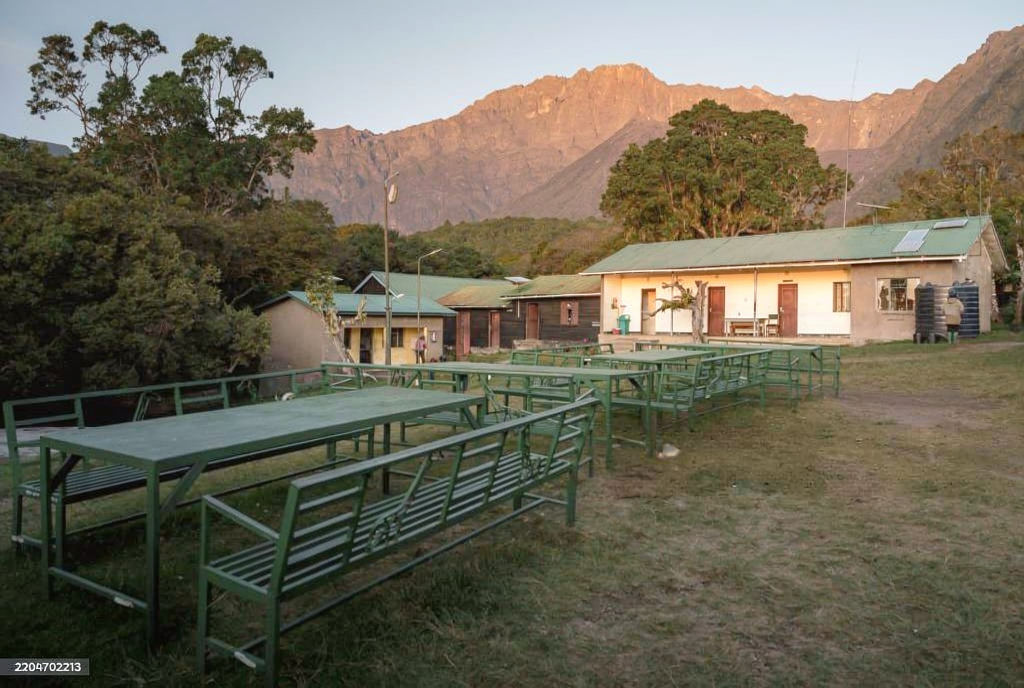
- Huts: Miriakamba Hut and Saddle Hut are basic but functional mountain huts. They usually offer dormitory-style sleeping quarters with beds and mattresses. Basic toilet facilities are available, and water is typically sourced from streams.
- Campsites: If camping is chosen or required, tents are set up in designated areas.
- Meals: Your expedition team will prepare all meals. Expect hearty and nutritious dishes designed to provide energy for trekking. This includes breakfast, lunch, and dinner, often with hot drinks.
- Porters: Porters carry the bulk of your gear, including tents, food, and sleeping bags, allowing you to trek with a lighter daypack.
The facilities are rustic, reflecting the remote mountain environment. The focus is on providing essential comfort and sustenance to support your trek to Socialist Peak.
Best Time to Trek Monte Meru from Arusha
Tanzania’s climate is influenced by its proximity to the equator, with distinct wet and dry seasons. The best time to undertake Monte Meru trekking da Arusha depends on your preference for weather conditions, crowds, and potential visibility.
Dry Seasons (Ideal for Trekking)
The two main dry seasons offer the most favourable conditions for trekking Monte Meru:
- June to October: This is the longest and most popular dry season. Skies are generally clear, offering excellent visibility of Kilimanjaro and surrounding landscapes. Temperatures are cooler, especially at higher altitudes. This period is ideal for trekking in 2026 and 2027.
- December to February: This is a shorter dry season, often referred to as the ‘short rains’ or ‘little dry season’. While generally dry, there can be occasional showers. It’s a good time to trek, with fewer crowds than the June-October period.
During these dry seasons, especially in July, August, and September, booking your trek well in advance for 2026 or 2027 is highly recommended due to increased demand.
Wet Seasons (Considerations)
The wet seasons bring rain, which can make trekking more challenging and reduce visibility:
- March to May: This is the main rainy season, characterized by heavy downpours, especially in the afternoons. Trails can become muddy and slippery, and cloud cover can obscure summit views.
- November: This month can be transitional, with a mix of dry and wet weather.
While trekking is possible during the wet season, it requires more flexibility and a higher tolerance for challenging conditions. The reduced crowds might appeal to some, but the risks of poor visibility and difficult trails are higher.
Impact of Weather on Visibility
Clear views of Kilimanjaro are a major highlight for many Monte Meru trekkers. The dry seasons, particularly June-October, offer the highest probability of clear skies and unobstructed views. During the wet seasons, persistent cloud cover can significantly limit visibility, meaning you might not get that iconic photo of Meru against the backdrop of Kili.
Climb 4 Africa advises clients to plan their Monte Meru trekking da Arusha during the dry seasons for the best overall experience, especially if clear views are a priority for their 2026 or 2027 adventure.
Monte Meru vs. Kilimanjaro: Making the Right Choice
For many considering a high-altitude trek in Tanzania, the question often arises: Monte Meru or Kilimanjaro? Both mountains offer incredible experiences, but they cater to different needs and levels of challenge. Understanding the distinctions helps in making an informed decision.
| Feature | Monte Meru | Kilimanjaro |
|---|---|---|
| Altitude | 4,566m (1,500ft) – Socialist Peak | 5,895m (19,341ft) – Uhuru Peak |
| Typical Duration | 3-5 days (5 days recommended) | 6-9 days (depending on route) |
| Difficulty | Moderate to challenging; significant acclimatization required. Steep final ascent. | Challenging; requires good fitness and excellent acclimatization. Long days, extreme altitude. |
| Acclimatization Aid | Excellent training ground for Kilimanjaro. | Requires its own significant acclimatization. |
| Wildlife | Abundant within Arusha National Park (elephants, buffalos, giraffes, monkeys). | Limited on the mountain itself, though common in surrounding parks. |
| Scenery | Dramatic crater views, Momella Lakes, forest, moorland, alpine desert. Views of Kilimanjaro. | Diverse vegetation zones, glacial features near summit, vast vistas. |
| Crowds | Significantly less crowded. | Very popular; can be crowded on popular routes. |
| Cost | Generally less expensive due to shorter duration and fewer park fees. | More expensive due to longer duration, higher park fees, and more staff. |
| Logistics from Arusha | Shorter transfer to trailhead (Momella Gate). | Longer transfer to various gate starting points. |
Who Should Choose Monte Meru?
- Those seeking a challenging mountain trek without the extreme altitude of Kilimanjaro.
- Trekkers looking for excellent acclimatization before attempting Kilimanjaro.
- Individuals who appreciate wildlife viewing during their trek.
- Travelers who prefer a less crowded, more intimate mountain experience.
- Those with less time who still want a significant high-altitude challenge.
Who Should Choose Kilimanjaro?
- Adventurers aiming for the highest peak in Africa and the ‘Seven Summits’.
- Trekkers who have ample time for a longer expedition and proper acclimatization.
- Individuals who are seeking the ultimate African mountain challenge.
- Those who want to experience the diverse ecological zones of a much larger mountain.
Climb 4 Africa can help you decide which mountain is the best fit for your 2026 or 2027 adventure. If your goal is to prepare for Kilimanjaro or you want a spectacular trek with fewer crowds and more wildlife, Monte Meru trekking da Arusha is an excellent choice.
Booking Your Monte Meru Trek with Climb 4 Africa
Choosing the right tour operator is paramount for a safe, enjoyable, and successful Monte Meru trekking da Arusha experience. Climb 4 Africa brings local expertise, commitment to safety, and a passion for providing unforgettable adventures.
Why Partner with Climb 4 Africa?
As a Tanzanian-based company, Climb 4 Africa offers unparalleled local knowledge and support:
- Expert Local Guides: Our guides are highly experienced, certified, and possess extensive knowledge of Monte Meru, its trails, and its environment. They are trained in first aid and mountain rescue.
- Safety First: Your safety is our top priority. We adhere to strict safety protocols, including carrying comprehensive first-aid kits, monitoring client health closely, and ensuring appropriate acclimatization.
- Quality Equipment: We provide well-maintained camping and trekking equipment, ensuring your comfort and safety on the mountain.
- Ethical Trekking: We are committed to responsible tourism, fair treatment of our crew, and minimizing our environmental impact on the mountain.
- Tailor-Made Experiences: While we offer standard itineraries, we specialize in customizing treks to suit your specific needs, fitness levels, and interests, whether for 2026, 2027, or beyond.
- smooth Logistics: From airport transfers in Arusha to park entries, accommodation, meals, and crew management, we handle all the details so you can focus on the trek.
What’s Typically Included in Our Monte Meru Treks?
Our standard Monte Meru packages are designed for a comprehensive and hassle-free experience. While exact inclusions can vary based on customized packages, a typical itinerary includes:
- All park entry fees for Monte Meru.
- Accommodation in mountain huts or tents.
- All meals while on the mountain (breakfast, lunch, dinner).
- Trained and experienced mountain guides.
- Porters to carry your main luggage (within weight limits).
- Campsite/hut fees.
- Transfer from Arusha to Momella Gate and back.
- Briefing in Arusha before the trek.
What’s usually NOT included:
- Flights to Kilimanjaro International Airport (JRO).
- Visa fees.
- Travel insurance (mandatory).
- Tips for guides, porters, and cook.
- Personal trekking gear (sleeping bag, hiking boots, etc.).
- Lunches and dinners in Arusha before and after the trek.
- Soft drinks, alcoholic beverages, and bottled water (purified water is usually provided).
- Personal expenses.
Planning Your Booking for 2026-2027
To secure your spot and ensure the best availability, especially for peak seasons in 2026 and 2027, we recommend booking your Monte Meru trekking da Arusha adventure at least 6-12 months in advance. This allows us ample time to arrange permits, crew, and logistics.
To get started or to request a personalized quote:
- Contact Us: Reach out to Climb 4 Africa via email at climb4africa@gmail.com or send a WhatsApp message to +255 747 477 898.
- Provide Details: When you inquire, please mention your preferred trek dates (including year, e.g., July 2026), the number of people in your group, your approximate fitness level, and any specific requirements or questions you may have.
- Custom Itinerary: We will work with you to tailor an itinerary that fits your needs, providing a detailed proposal and quotation.
Let Climb 4 Africa be your trusted partner for an unforgettable Monte Meru trekking da Arusha experience. We are dedicated to making your Tanzanian mountain adventure a success.
Frequently Asked Questions About Monte Meru Trekking
Here are answers to common questions regarding Monte Meru treks from Arusha:
Is Monte Meru difficult?
Monte Meru is considered moderately difficult. While not as high or technically demanding as Kilimanjaro, it requires good physical fitness, mental preparedness, and proper acclimatization. The final ascent to Socialist Peak is steep and can be challenging, especially in the dark.
What is the best route for Monte Meru?
The 5-day Momella route is widely recommended by operators like Climb 4 Africa. It offers a more gradual ascent, significantly improving acclimatization and reducing the risk of altitude sickness, leading to a higher chance of summit success and a more enjoyable experience.
Can I trek Monte Meru solo?
Trekking solo on Monte Meru is generally not permitted. For safety and logistical reasons, trekkers must be accompanied by licensed guides. Climb 4 Africa organizes group treks and private treks, ensuring you have qualified guides with you.
What is the altitude sickness risk on Monte Meru?
There is a moderate risk of altitude sickness due to the summit reaching 4,566 meters. Following the recommended 5-day itinerary, staying hydrated, and informing your guide of any symptoms are crucial for prevention and management.
What should I pack for Monte Meru?
Key items include layered clothing (base, mid, outer shell), waterproofs, sturdy broken-in hiking boots, a warm sleeping bag (4-season), trekking poles, a headlamp, sunscreen, and a personal first-aid kit. A detailed packing list will be provided upon booking.
When is the best time to trek Monte Meru?
The dry seasons from June to October and December to February are ideal. These periods offer clearer skies, better visibility, and more stable weather conditions, making your Monte Meru trekking da Arusha experience more pleasant and successful.
How does Monte Meru compare to Kilimanjaro?
Monte Meru is shorter (4,566m vs 5,895m), less crowded, and offers more wildlife viewing opportunities. It’s often used as an acclimatization climb for Kilimanjaro. Kilimanjaro is a significantly higher and longer expedition.
Do I need travel insurance?
Yes, comprehensive travel insurance that covers high-altitude trekking and emergency medical evacuation is mandatory for all Monte Meru treks. Ensure your policy is valid for the duration of your trip and covers the altitude.
Climb 4 Africa is committed to providing you with all the information and support you need for your Monte Meru trekking da Arusha adventure. We encourage you to reach out with any further questions as you plan your 2026 or 2027 expedition.
Check Availability for Monte Meru Tanzania: Trekking From Arusha With Climb 4 Africa 2026-2027
Ready to compare dates, prices, and the best option for your group? Send the package name and travel month so the team can reply with a clear quote, availability, and what is included.
Monte Meru Tanzania Trekking From Arusha: Your Essential Guide 2026-2027
start a trek up Mount Meru from Arusha, Tanzania's stunning dormant volcano. This guide covers everything from routes and difficulty to preparation and best times to go for your 2026-2027...
View package details
Trekking Monte Meru Desde Arusha: Your Ultimate Guide For 2026-2027
Your comprehensive guide to trekking Mount Meru from Arusha, covering everything from route options and difficulty to essential preparation and booking advice for climbs in 2026-2027.
View package details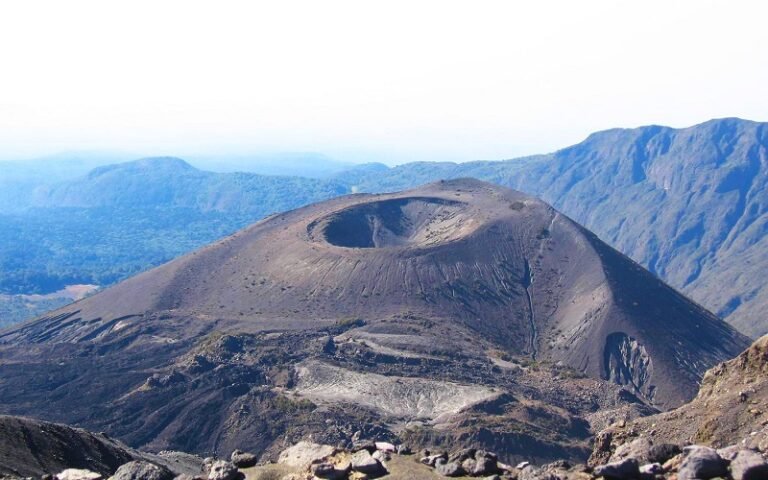
Mount Meru Trekking Ab Arusha 2026-2027
Mount Meru Trekking ab Arusha is explained with current 2026-2027 planning, price, itinerary and booking information.
View package details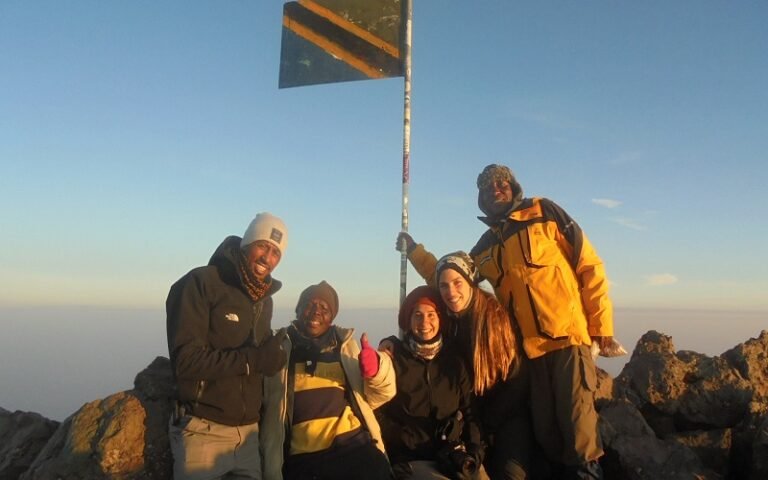
Trekking Monte Meru Tanzania: Precios, Ruta Y Consejos 2026-2027
Trekking Monte Meru Tanzania: precios, ruta y consejos is explained with current 2026-2027 planning, price, itinerary and booking information.
View package details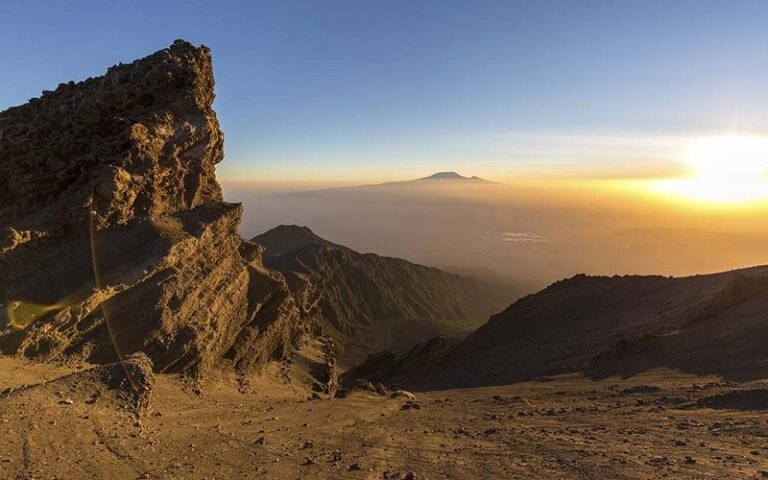
Monte Meru Y Kilimanjaro: Trekking En Tanzania 2026-2027
Discover the ultimate trekking experience in Tanzania by combining Mount Meru and Mount Kilimanjaro. This comprehensive guide covers everything from route selection and preparation to...
View package detailsMonte Meru Y Safari En Tanzania: Guía Completa Para Tu Aventura Africana
Explora la combinación perfecta de trekking en Monte Meru y safaris inolvidables en Tanzania. Esta guía detallada te ayudará a planificar tu viaje de ensueño para 2026-2027, cubriendo...
View package details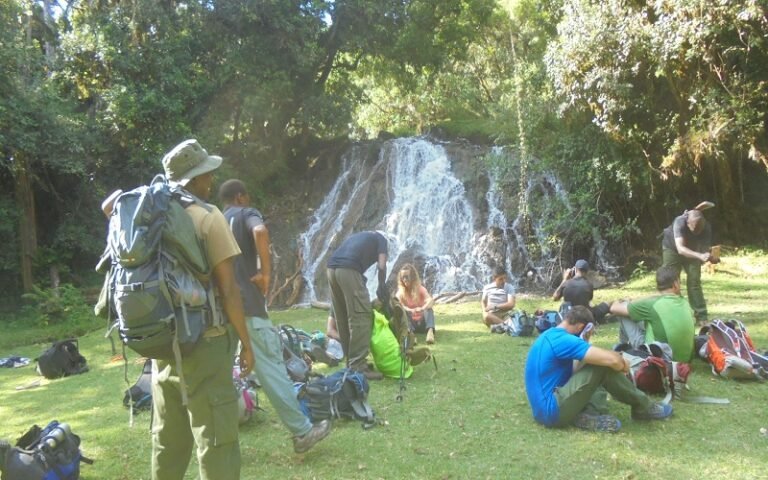
Precio Trekking Monte Meru: ¿Cuánto Cuesta Tu Aventura En ? 2026-2027
Planifica tu aventura en el Monte Meru conociendo los costos detallados. Explora las opciones de rutas, duraciones y lo que influye en el precio para tu expedición 2026-2027.
View package details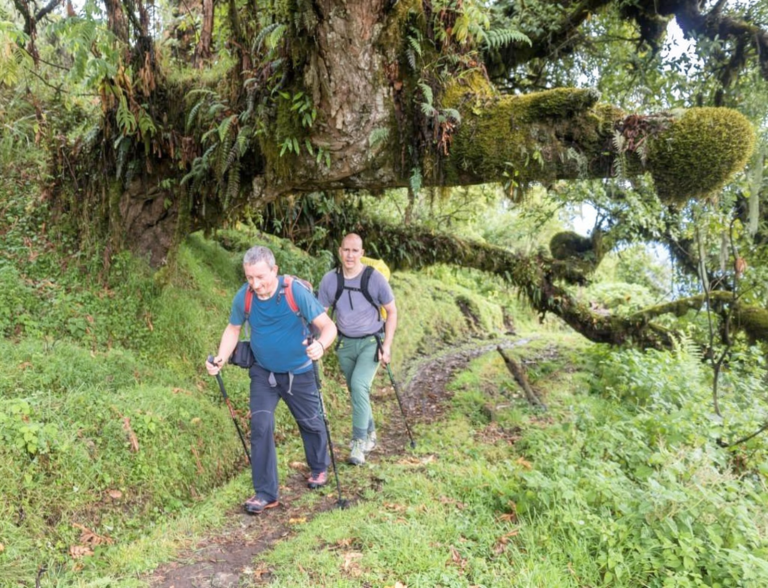
Trekking Monte Meru 4 Días 2026-2027
Trekking Monte Meru 4 días is explained with current 2026-2027 planning, price, itinerary and booking information.
View package detailsTrekking Monte Meru 3 Días 2026-2027
Trekking Monte Meru 3 días is explained with current 2026-2027 planning, price, itinerary and booking information.
View package detailsMount Meru Trekking 3 Tage: Your Essential Planning Guide 2026-2027
A comprehensive guide to the 3-day Mount Meru trek, covering essential planning details for 2026-2027, including routes, preparation, what to expect, and booking advice.
View package detailsRuta Momella Monte Meru: Your Complete Guide 2026-2027
Your comprehensive guide to the Momella Route on Mount Meru, covering everything from preparation and typical itineraries to what makes this climb a unique Tanzanian adventure, ideal for...
View package detailsTrek Mont Meru 4 Jours: Your Complete Guide 2026-2027
start a 4-day trek up Mount Meru, a challenging yet rewarding climb near Kilimanjaro. This guide covers routes, preparation, gear, and essential tips for your 2026-2027 expedition.
View package detailsNo related package matches those filters. Clear one or more filters to see the other topic-matched options.



