
Trekking Monte Meru from Arusha is typically done via the Sanga Route or the Miriakamba Route, with most expeditions lasting 3 to 5 days. The climb offers stunning views and is a fantastic acclimatization trek for Kilimanjaro, starting from the Momella Gate in Arusha National Park. Planning for 2026-2027 involves choosing the right season, packing appropriately, and understanding the physical demands of reaching Meru’s summit, Socialist Peak at 4,566 meters.
This guide aims to provide a comprehensive understanding of trekking Monte Meru from Arusha, an experience that often surprises trekkers with its beauty and challenge. While Kilimanjaro often steals the spotlight, Meru stands as a magnificent mountain in its own right, offering a distinct and rewarding trekking adventure. As you consider your options for 2026 or 2027, this detailed breakdown will help you make informed decisions.
Understanding Monte Meru: The Jewel of Arusha National Park
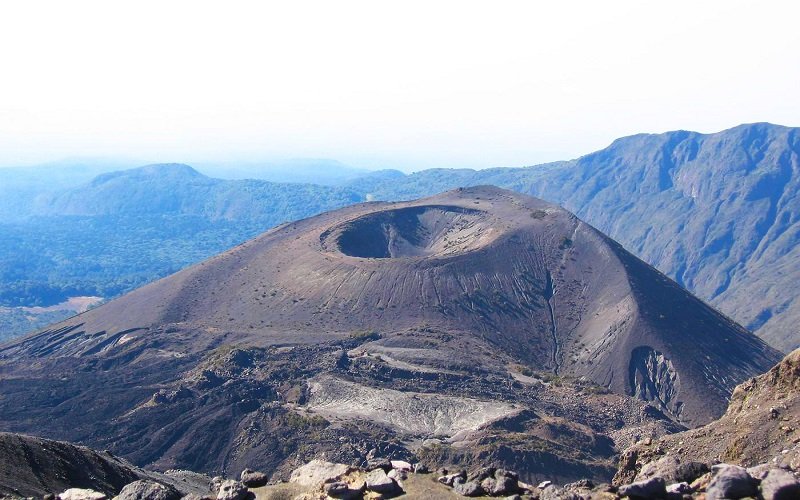
Monte Meru, standing at 4,566 meters (14,980 feet), is an active stratovolcano located approximately 65 kilometers west of Mount Kilimanjaro. Its imposing presence dominates the landscape surrounding Arusha, Tanzania’s northern tourist hub. Unlike its more famous neighbor, Meru offers a more intimate trekking experience, often less crowded and providing a unique biodiversity within Arusha National Park. The park itself is a treasure trove, home to diverse wildlife including giraffes, zebras, buffaloes, various antelope species, and even colobus monkeys. The trek is not just about reaching the summit; it’s about experiencing this vibrant ecosystem as you ascend.
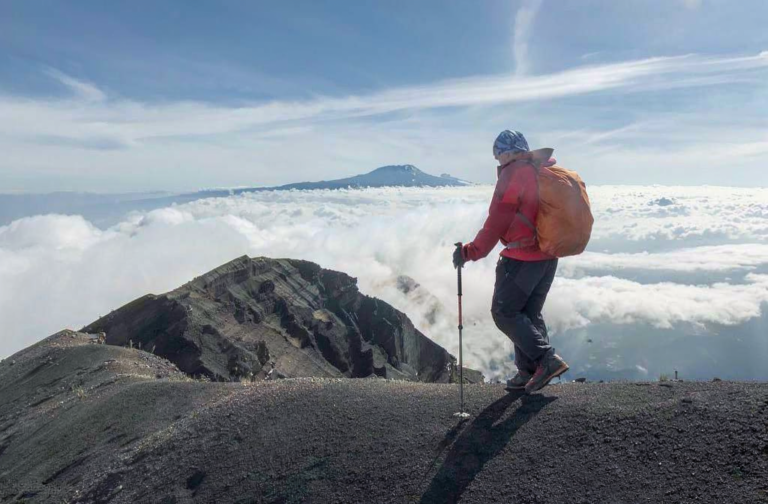
The mountain’s topography is varied, presenting a spectrum of landscapes from lush montane forests teeming with wildlife at the lower altitudes to moorlands, and finally to the barren, volcanic terrain near the summit. This diversity makes the trekking Monte Meru da Arusha experience exceptionally rich. The summit, known as Socialist Peak, is actually the crater rim of the original volcano, offering spectacular panoramic views of the surrounding plains, Kilimanjaro on a clear day, and the vastness of the African continent. The final ascent to Socialist Peak is particularly challenging, involving a steep climb over scree and rock, often requiring the use of hands. This section is usually done in the early morning hours to reach the summit by sunrise.
For many, trekking Monte Meru serves as an ideal preparatory climb for Mount Kilimanjaro. The altitude gain, the multi-day format, and the physical exertion help trekkers gauge their fitness and acclimatization capabilities. Understanding the mountain’s character is the first step in planning a successful expedition. It’s a climb that demands respect for its altitude and terrain, but rewards with unparalleled natural beauty and a profound sense of accomplishment.
Routes to Socialist Peak: Sanga vs. Miriakamba
When planning your trekking Monte Meru da Arusha adventure, the choice of route is crucial. The two primary routes used for ascending Monte Meru are the Sanga Route and the Miriakamba Route. While both eventually lead to the summit, they differ in their starting points, duration, and the overall trekking experience they offer.
The Sanga Route (via Momella Gate)
The Sanga Route, often referred to as the Momella Route, is the more popular choice for a multi-day trek. It begins at the Momella Gate (1,500m), located on the eastern side of Arusha National Park. This route is generally considered more scenic and offers better opportunities for wildlife viewing in the lower park areas. It typically takes 4 to 5 days to complete.
- Starting Point: Momella Gate (1,500m)
- Duration: Typically 4-5 days
- Scenery: Lush forests, abundant wildlife, beautiful lakes (like the “Green Crater Lake” and “Big Momella Lake”).
- Accommodation: Huts at Miriakamba (2,100m) and Saddle (3,500m).
- Ascent: Gradual ascent through diverse vegetation zones. The final push to Socialist Peak from Saddle Hut is steep and challenging.
- Pros: Excellent wildlife viewing, varied landscapes, generally considered more scenic.
- Cons: Can be slightly longer, the final summit push is demanding.
The Sanga Route is often preferred by those who want to experience themselves in the park’s environment and enjoy a more gradual acclimatization process. The presence of park rangers for armed escort during the initial stages is a significant feature, ensuring safety from wildlife encounters.
The Miriakamba Route
The Miriakamba Route, also starting from Momella Gate, is a more direct and often steeper ascent. It’s typically completed in 3 days, making it a faster option for those with limited time. This route is less common for the full summit climb and is sometimes used for shorter treks to the crater floor or lower viewpoints.
- Starting Point: Momella Gate (1,500m)
- Duration: Typically 3 days (for a summit attempt)
- Scenery: Still beautiful, but might offer less varied wildlife encounters compared to Sanga.
- Accommodation: Huts at Miriakamba (2,100m) and Saddle (3,500m).
- Ascent: More direct and steeper in sections.
- Pros: Shorter duration, quicker ascent.
- Cons: Less time for acclimatization, potentially more strenuous due to steeper sections, fewer wildlife viewing opportunities on the trail itself.
While the Miriakamba Route can be completed in 3 days, many operators recommend a 4-day itinerary on the Sanga Route for better acclimatization and enjoyment. For experienced trekkers looking for a swift ascent, a 3-day Miriakamba option might be considered, but caution regarding acclimatization is advised. For most travelers aiming for a successful summit and a more complete experience of trekking Monte Meru da Arusha, the 4-day Sanga Route is the recommended choice.
Best Time to Trek Monte Meru (2026-2027)
Choosing the right time to start your trekking Monte Meru da Arusha expedition is paramount for a comfortable and successful climb. Tanzania experiences distinct wet and dry seasons, which significantly impact trekking conditions. For 2026 and 2027, the general patterns hold true.
Dry Seasons: Ideal for Trekking
The most favorable periods for trekking Monte Meru are the dry seasons, offering clearer skies, less rainfall, and more stable trail conditions. These are also peak seasons for tourism in Tanzania.
- June to October: This is the main dry season, characterized by cooler temperatures and sunny days. It’s an excellent time for trekking, with minimal rain and good visibility. Expect clear views of Kilimanjaro and the surrounding plains.
- December to February: This period is known as the ‘short dry season’ or ‘summer’. It’s warmer than the June-October season, with generally clear skies. It’s a popular time, especially around the Christmas and New Year holidays.
These dry months are highly recommended for trekkers planning their trips for 2026 and 2027, as they significantly increase the chances of favorable weather and a more enjoyable experience. Trails are less muddy, and the risk of rain obscuring views is minimized.
Wet Seasons: Challenging but Possible
The wet seasons bring increased rainfall, which can make trails slippery, visibility poor, and the overall trekking experience more challenging.
- March to May: This is the long rainy season, often referred to as the ‘green season’ or ‘rainy season’. Heavy downpours are common, especially in the afternoons. Trails can become muddy and difficult to navigate. This period is generally avoided by most trekkers.
- November: This month marks the transition from dry to wet season, with occasional light rains that can increase as the month progresses.
While trekking is possible during the wet seasons, it requires more robust gear, a higher tolerance for discomfort, and a flexible attitude. Visibility might be compromised, and the summit could be shrouded in clouds. For those prioritizing comfort and views, aiming for the dry seasons in 2026 or 2027 is strongly advised.
Considerations for 2026-2027:
- Crowds: Dry seasons, particularly June-October and December-February, are peak times. If you prefer fewer people on the trail, consider the shoulder months within the dry season (e.g., late October or early December) or the early parts of the long rainy season, provided you are prepared for the weather.
- Temperatures: Even in the dry season, temperatures can vary significantly from the base to the summit. Nights at Saddle Hut and the summit can be very cold, often dropping below freezing.
Ultimately, for a successful and pleasant trekking Monte Meru da Arusha experience in 2026-2027, the dry months offer the most reliable conditions.
Monte Meru Trekking Difficulty and Fitness Requirements
Trekking Monte Meru is a serious undertaking that requires a good level of physical fitness and mental fortitude. While not as high as Kilimanjaro, Meru’s altitude (4,566m) and the steepness of its final ascent can be challenging. Understanding the difficulty and preparing accordingly is key to a successful climb.
Physical Demands
The trek involves several days of walking, often for 5-8 hours per day, with significant elevation gain. The terrain varies from gentle forest paths to steep, rocky, and sometimes slippery slopes. The final ascent to Socialist Peak is particularly demanding:
- Steepness: The final push from Saddle Hut to Socialist Peak is a scramble over scree and rock. It’s a steep, sustained climb that can take 3-5 hours.
- Altitude: Reaching over 4,500 meters poses a significant risk of altitude sickness, which can affect anyone regardless of fitness level.
- Duration: A 3-day trek is very fast and strenuous, offering minimal acclimatization. 4-day and 5-day treks provide better acclimatization and are generally recommended.
Fitness Recommendations
To comfortably complete a trekking Monte Meru da Arusha expedition, it is recommended to have a good level of cardiovascular fitness. This means being able to sustain moderate aerobic activity for extended periods.
- Cardiovascular Fitness: Engage in regular activities like hiking, running, cycling, or swimming for at least 3-4 times a week in the months leading up to your trek. Focus on endurance.
- Hiking Experience: Prior hiking experience, especially on multi-day treks with elevation gain, is highly beneficial. This helps you get used to carrying a daypack and trekking for long hours.
- Strength Training: While not as critical as cardio, some leg and core strength training can help with stability on uneven terrain and carrying your pack.
Mental Preparedness
Beyond physical fitness, mental toughness is crucial. The long hours, potential discomfort from cold or altitude, and the demanding summit push require a positive attitude and determination. Being prepared for challenging conditions and potential setbacks is part of the adventure.
Who is Monte Meru For?
- Beginner Trekkers (with preparation): Those who are reasonably fit and have undertaken some challenging day hikes can prepare for Meru, especially on a 4 or 5-day itinerary.
- Experienced Hikers: Meru offers a rewarding challenge and stunning scenery.
- Kilimanjaro Preparatory Climbers: It’s an excellent acclimatization trek for Kilimanjaro, providing valuable experience with altitude.
For those planning their climb in 2026 or 2027, start your training at least 3-6 months in advance. Focus on building endurance and getting your body accustomed to sustained physical exertion. Consulting with your doctor before starting a training program is always a good idea.
Typical Monte Meru Itineraries: 3, 4, and 5-Day Options
The duration of your trekking Monte Meru da Arusha expedition significantly impacts the acclimatization process, the enjoyment of the scenery, and the overall success rate. While 3-day options exist, 4 and 5-day itineraries are generally recommended for a more balanced and safer climb.
3-Day Miriakamba Route Itinerary (Fast Ascent)
This is a rapid ascent, best suited for very fit individuals or those who have recently acclimatized at altitude. It offers less time for the body to adapt.
- Day 1: Momella Gate (1,500m) to Miriakamba Hut (2,100m)
Start at Momella Gate, register, and begin the trek through the forest. Look for wildlife. Ascend to Miriakamba Hut. (Approx. 4-6 hours) - Day 2: Miriakamba Hut (2,100m) to Saddle Hut (3,500m)
A steeper ascent through the montane forest and moorlands. Arrive at Saddle Hut, rest, and prepare for the summit push. (Approx. 3-5 hours) - Day 3: Saddle Hut (3,500m) to Socialist Peak (4,566m) and Descent to Momella Gate
Start the summit attempt around 2-3 AM. Ascend the steep scree slopes to Socialist Peak for sunrise. Descend back to Saddle Hut for breakfast, then continue the steep descent all the way to Momella Gate. (Approx. 8-12 hours total)
Note: This 3-day itinerary is very demanding due to the rapid ascent and long summit day. It is not ideal for acclimatization.
4-Day Sanga Route Itinerary (Recommended)
This is the most popular and recommended itinerary, balancing ascent with acclimatization and offering a richer experience of the mountain’s diverse ecosystems.
- Day 1: Momella Gate (1,500m) to Miriakamba Hut (2,100m)
Begin at Momella Gate, trek through the forest, enjoying wildlife viewing with armed rangers. Arrive at Miriakamba Hut. (Approx. 4-6 hours) - Day 2: Miriakamba Hut (2,100m) to Saddle Hut (3,500m)
A steady climb through the montane forest and moorlands. This day allows for good acclimatization. Arrive at Saddle Hut. (Approx. 3-5 hours) - Day 3: Saddle Hut (3,500m) to Socialist Peak (4,566m) and Descent to Miriakamba Hut
Early morning summit attempt (around 2-3 AM). Reach Socialist Peak for sunrise. Descend back to Saddle Hut for breakfast, then continue descending to Miriakamba Hut for the night. This ‘climb high, sleep low’ strategy aids acclimatization. (Approx. 8-10 hours total) - Day 4: Miriakamba Hut (2,100m) to Momella Gate (1,500m)
Enjoy a final breakfast at Miriakamba Hut and descend through the forest back to Momella Gate. (Approx. 3-4 hours)
This 4-day itinerary provides a more comfortable pace and better acclimatization for trekking Monte Meru da Arusha.
5-Day Sanga Route Itinerary (Extended Acclimatization)
This itinerary offers even more time for acclimatization and exploration, making it ideal for those who want a more relaxed pace or are concerned about altitude.
- Day 1: Momella Gate (1,500m) to Mariakamba Hut (2,100m)
Similar to the 4-day trek. (Approx. 4-6 hours) - Day 2: Miriakamba Hut (2,100m) to Saddle Hut (3,500m)
Ascend to Saddle Hut. (Approx. 3-5 hours) - Day 3: Saddle Hut (3,500m) – Day trip to Little Meru (3,801m) and return to Saddle Hut
A day hike to Little Meru provides excellent acclimatization practice without descending. Return to Saddle Hut. (Approx. 2-4 hours round trip) - Day 4: Saddle Hut (3,500m) to Socialist Peak (4,566m) and Descent to Miriakamba Hut
Summit attempt. Descend to Miriakamba Hut. (Approx. 8-10 hours total) - Day 5: Miriakamba Hut (2,100m) to Momella Gate (1,500m)
Descend to Momella Gate. (Approx. 3-4 hours)
The 5-day option enhances the acclimatization process, further increasing the chances of summit success for your trekking Monte Meru da Arusha adventure in 2026 or 2027.
Essential Packing List for Monte Meru Trekking
Proper gear is crucial for a comfortable and safe trekking Monte Meru da Arusha experience. The weather can change rapidly, and temperatures can drop significantly, especially at higher altitudes. This list covers the essentials for your trek.
Clothing
- Base Layers: Moisture-wicking thermal tops and bottoms (synthetic or merino wool).
- Mid Layers: Fleece jacket or down jacket for insulation.
- Outer Layer: Waterproof and windproof jacket and trousers (Gore-Tex or similar).
- Trekking Trousers: Lightweight, quick-drying hiking trousers (2 pairs).
- Trekking Shirts: Moisture-wicking t-shirts and long-sleeved shirts (2-3).
- Warm Hat: Fleece or wool hat that covers your ears.
- Gloves: Warm, waterproof gloves or mittens. Liner gloves are also useful.
- Sun Hat: Wide-brimmed hat for sun protection.
- Socks: Wool or synthetic hiking socks (4-5 pairs).
- Camp Clothes: Comfortable clothes for relaxing at the huts.
Footwear
- Hiking Boots: Waterproof, broken-in hiking boots with good ankle support.
- Camp Shoes: Lightweight trainers or sandals for use at the huts.
Equipment
- Backpack: A comfortable 30-40 liter daypack for carrying essentials during the trek.
- Duffel Bag: A waterproof duffel bag (70-90 liters) for porters to carry your main gear.
- Sleeping Bag: A warm, 4-season sleeping bag (rated to -10°C or lower).
- Trekking Poles: Highly recommended for stability and reducing strain on knees.
- Headlamp: With extra batteries (essential for summit night).
- Water Bottles/Hydration Reservoir: At least 2-3 liters capacity.
- Sunglasses: With UV protection.
- Sunscreen: High SPF.
- Lip Balm: With SPF.
- Insect Repellent: Especially for lower forest sections.
- Personal First-Aid Kit: Including any personal medications, blister treatment, pain relievers, antiseptic wipes.
- Toiletries: Biodegradable soap, toothbrush, toothpaste, wet wipes, toilet paper.
- Camera: With extra batteries and memory cards.
- Power Bank: For charging electronics.
- Snacks: High-energy snacks like nuts, dried fruit, energy bars.
- Hand Sanitizer.
Documents & Money
- Passport.
- Visa (if required).
- Travel Insurance details.
- Cash (USD for tips and incidentals).
Important Notes for 2026-2027 Trekkers:
- Layering is Key: Pack items that can be layered to adapt to changing temperatures and conditions.
- Waterproofing: Ensure your outer gear and duffel bag are waterproof to protect your belongings.
- Break-in Boots: Do not underestimate the importance of well-worn hiking boots.
- Headlamp: Essential for the pre-dawn summit push.
Your tour operator, such as Climb 4 Africa, will provide a more detailed and personalized packing list tailored to your specific trek and the season you plan to travel in for your trekking Monte Meru da Arusha adventure.
Acclimatization and Altitude Sickness on Meru
Altitude sickness, or Acute Mountain Sickness (AMS), is a significant concern when trekking Monte Meru da Arusha. Socialist Peak reaches 4,566 meters, an altitude where AMS can affect even fit individuals. Proper acclimatization is the most effective way to prevent and manage altitude sickness.
Understanding Altitude Sickness
AMS is caused by ascending too quickly, not allowing the body enough time to adjust to the lower oxygen levels at higher elevations. Symptoms can range from mild to severe:
- Mild Symptoms: Headache, nausea, dizziness, fatigue, loss of appetite, difficulty sleeping.
- Moderate Symptoms: Worsening of mild symptoms, shortness of breath at rest, reduced coordination (ataxia).
- Severe Symptoms (Life-threatening): High Altitude Pulmonary Edema (HAPE) – fluid in the lungs, and High Altitude Cerebral Edema (HACE) – fluid in the brain. Symptoms include severe shortness of breath, confusion, disorientation, and loss of consciousness.
Strategies for Acclimatization
The principle of “climb high, sleep low” is fundamental. It means ascending to higher altitudes during the day and then descending to a lower altitude to sleep. This allows your body to adapt more effectively.
- Choose a Longer Itinerary: Opting for a 4 or 5-day trek instead of a 3-day trek provides crucial extra time for acclimatization.
- Pace Yourself: Walk at a slow, steady pace (“pole pole”). Do not overexert yourself, especially on the first few days.
- Stay Hydrated: Drink plenty of fluids (3-4 liters per day) – water, herbal teas, or rehydration salts. Avoid alcohol and caffeine, which can dehydrate you.
- Eat Well: Consume a balanced diet, even if your appetite is reduced. Carbohydrates are particularly important at altitude.
- Avoid Alcohol and Smoking: These can exacerbate altitude symptoms.
- Ascend Gradually: The longer itineraries naturally facilitate this. The day hike to Little Meru on the 5-day trek is a specific acclimatization strategy.
Recognizing and Responding to Symptoms
It is vital to be aware of AMS symptoms and to communicate them immediately to your guide. Never ignore symptoms. The only effective treatment for moderate to severe AMS is immediate descent.
- Monitor Yourself and Others: Pay attention to how you and your trekking companions are feeling.
- Communicate: Inform your guide about any symptoms, no matter how minor.
- Rest: If symptoms are mild, rest at the current altitude.
- Descend: If symptoms worsen or do not improve with rest, descent is necessary. Your guide will make this decision based on safety protocols.
For your trekking Monte Meru da Arusha in 2026 or 2027, selecting a reputable tour operator that prioritizes acclimatization and safety is paramount. Guides are trained to recognize AMS and manage it effectively. For instance, Climb 4 Africa emphasizes acclimatization on all their itineraries.
Costs and Budgeting for Your Meru Trek
The cost of trekking Monte Meru da Arusha can vary significantly based on the tour operator, the duration of the trek, the quality of service, and what is included. Understanding these factors will help you budget effectively for your 2026-2027 trip.
Key Cost Components
Most tour operators will offer package deals that include a range of services. The price typically covers:
- Park Fees: Entrance fees, camping/hut fees, rescue fees for Arusha National Park. These are mandated by the Tanzanian government.
- Guide and Porter Salaries: Wages for your trekking crew.
- Food: Meals provided during the trek (typically three meals a day).
- Accommodation: Hut accommodation at Miriakamba and Saddle huts.
- Camping Equipment: Tents (if applicable, though Meru uses huts), sleeping mats.
- Transport: Transfers from Arusha to Momella Gate and back.
Factors Influencing Price
- Operator Type: Local operators based in Arusha often offer more competitive pricing than international companies. However, ensure they adhere to ethical labor practices and safety standards.
- Itinerary Length: Longer treks (4-5 days) will generally cost more than shorter ones (3 days) due to more park fees and crew days.
- Group Size: Private treks are more expensive per person than joining a group. Shared or group departures for 2026-2027 offer a more budget-friendly option.
- Inclusions: Some packages might include gear rental (sleeping bags, poles), while others charge extra. Check what’s explicitly included.
- Quality of Service: Higher quality food, better-equipped huts, and more experienced guides/porters often come at a higher price point.
Typical Price Ranges (Estimates for 2026-2027)
While exact prices require a quote, you can expect the following general ranges for a 4-day trek:
- Budget/Local Operators: $600 – $900 per person. These might have more basic services and food.
- Mid-Range Operators: $900 – $1,400 per person. This range usually offers good quality service, food, and experienced crew.
- Higher-End Operators: $1,400+ per person. These typically provide superior service, more comfortable arrangements, and potentially smaller group sizes.
Additional Costs to Consider:
- Tips for Crew: This is a significant part of the crew’s income and is expected. Budget around $100-150 USD per trekker for the entire crew (guide, assistant guides, porters).
- Travel Insurance: Essential for any trekking trip.
- Personal Gear: If you need to purchase or rent items like a sleeping bag or trekking poles.
- Pre/Post Trek Accommodation: Hotels in Arusha.
- Visas and Flights.
When comparing prices for trekking Monte Meru da Arusha for 2026 or 2027, always look at the detailed inclusions and exclusions. A cheaper quote might omit critical items like park fees or rescue fees, leading to unexpected costs later.
What to Expect During Your Monte Meru Trek
A trek on Monte Meru offers a unique blend of wildlife encounters, stunning landscapes, and physical challenge. Understanding what to expect will help you prepare mentally and physically for this adventure.
Wildlife Encounters
Arusha National Park is home to a variety of animals. On the lower slopes, especially during the first day of the trek, you are likely to see:
- Giraffes: Often seen grazing in the park’s grasslands.
- Zebras and Wildebeest: Common sights in the open areas.
- Buffaloes: Can be seen in herds.
- Various Antelopes: Including dik-diks and bushbucks.
- Monkeys: Black and white colobus monkeys and blue monkeys are frequently spotted in the forest canopy.
Safety Note: The lower sections of the trail are often escorted by an armed park ranger for protection against wild animals. Always follow the ranger’s and your guide’s instructions.
Scenery and Landscapes
The trek takes you through distinct ecological zones:
- Montane Forest: Dense, humid forests filled with giant ferns, mosses, and diverse birdlife.
- Moorland: As you ascend, the forest gives way to open moorlands with heather, giant groundsels, and lobelias.
- Alpine Desert: The higher reaches are barren and volcanic, with sparse vegetation.
- Crater Rim: The summit area offers dramatic views of the inner crater, the Ash Cone, and the vast plains below.
On clear days, the views of Mount Kilimanjaro to the east are spectacular, offering a striking contrast between the two giants.
Accommodation and Facilities
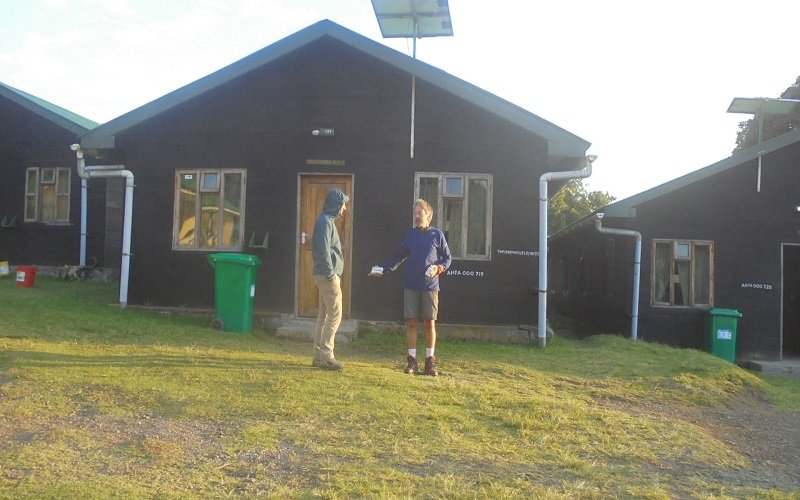
Accommodation on Monte Meru is in basic park huts, not luxury lodges. These huts provide a roof over your head and basic amenities.
- Miriakamba Hut (2,100m): Usually consists of dormitory-style rooms or basic cabins. Basic toilet facilities are available.
- Saddle Hut (3,500m): Similar basic facilities. This is the highest point of accommodation, where you’ll spend the night before the summit attempt.
Expect communal sleeping arrangements. Bring your own sleeping bag. Hot water may be available for washing, but it’s advisable to be prepared for basic conditions. There are no showers at the huts.
Food
Your tour operator will provide all meals during the trek. Meals are typically hearty and designed to provide energy for the climb. Expect a mix of carbohydrate-rich dishes, vegetables, and sometimes meat or fish. Breakfast usually includes porridge or eggs, lunch might be packed sandwiches or hot meals, and dinner is a cooked meal at the hut.
Summit Night
The final ascent to Socialist Peak is typically undertaken in the very early morning hours (around 2-3 AM). It is cold, dark, and challenging. You’ll navigate steep scree and rocky paths using your headlamp. Reaching the summit by sunrise is a highlight, offering incredible panoramic views and a profound sense of achievement. The descent is often as challenging as the ascent, especially on tired legs.
Crew Support
You will be accompanied by a team of experienced guides, porters, and sometimes a cook. Guides are knowledgeable about the mountain, altitude sickness, and local flora and fauna. Porters carry the bulk of your gear, allowing you to focus on trekking with just a daypack. It’s important to maintain a good relationship with your crew and to tip them appropriately at the end of the trek.
Preparing for these aspects will make your trekking Monte Meru da Arusha experience in 2026 or 2027 more enjoyable and successful.
Conservation and Park Fees for Arusha National Park
Trekking Monte Meru involves entering Arusha National Park, and understanding the associated conservation fees is essential for budgeting and appreciating the importance of these contributions.
Arusha National Park Fees
These fees are set by the Tanzanian government and are subject to change. Reputable tour operators will include these mandatory fees in their quotes. For 2026-2027, expect fees to be in the following approximate ranges:
- Park Entrance Fee: Typically around $50-60 USD per person, per day.
- Hut Fee: Approximately $10-20 USD per person, per night at Miriakamba and Saddle Huts.
- Ranger Escort Fee: A fee for the armed ranger accompanying trekkers on the lower slopes, especially important for wildlife safety.
- Rescue Fee: A mandatory fee that contributes to the mountain rescue services.
For a standard 4-day trek, this can add up to a significant portion of the total cost. For example, a 4-day trek with 3 nights in huts would incur approximately $210-$240 USD per person just in park entrance and hut fees.
Importance of Fees
These fees are vital for the conservation of Arusha National Park and the surrounding ecosystems. They fund:
- Park rangers’ salaries and equipment.
- Anti-poaching patrols.
- Trail maintenance and infrastructure development.
- Wildlife research and monitoring.
- Community development projects around the park.
By paying these fees, you directly contribute to preserving the natural beauty and biodiversity that make trekking Monte Meru da Arusha such a special experience.
Supporting Local Communities
Beyond park fees, your choice of tour operator also impacts local communities. Choosing operators who employ local guides and porters, pay fair wages, and provide good working conditions ensures that your tourism expenditure benefits the people who live in the region.
Ethical Trekking
Responsible trekking practices are also encouraged. This includes:
- Packing out all trash.
- Staying on marked trails.
- Respecting wildlife from a distance.
- Minimizing water usage and waste.
When planning your trekking Monte Meru da Arusha for 2026 or 2027, inquire with your operator about their conservation policies and how they support local communities. Climb 4 Africa is committed to responsible tourism practices.
Booking Your Monte Meru Trek with Climb 4 Africa
Securing your trekking Monte Meru da Arusha adventure for 2026 or 2027 involves choosing a reliable tour operator and understanding the booking process. Climb 4 Africa specializes in Tanzanian treks and safaris, offering expert local knowledge and support.
Why Choose Climb 4 Africa?
- Local Expertise: As a Tanzanian-based company, we have in-depth knowledge of Monte Meru, its routes, crew, and logistical requirements.
- Safety Focus: We prioritize safety with experienced guides trained in altitude sickness management and first aid, and we ensure our crew is well-equipped and compensated.
- Ethical Practices: We are committed to fair wages and ethical treatment for all our guides and porters, ensuring a positive impact on local communities.
- Tailored Experiences: We can customize itineraries to suit your fitness level, time constraints, and preferences, whether you’re seeking a challenging climb or a more relaxed exploration.
- Comprehensive Packages: Our treks typically include park fees, accommodation, meals, crew, and transfers, providing a clear and upfront cost.
The Booking Process
To book your trekking Monte Meru da Arusha with us, follow these simple steps:
- Inquire: Contact us with your preferred travel dates for 2026 or 2027, the desired itinerary length (3, 4, or 5 days), and the number of people in your group. You can reach us via email at climb4africa@gmail.com or through WhatsApp at +255 747 477 898.
- Consultation: We will discuss your requirements, answer all your questions, and recommend the best itinerary for your needs. We can also advise on the best season for your climb.
- Quotation: We will provide a detailed quotation outlining all inclusions and exclusions.
- Confirmation: Once you accept the quote, we will send you a booking form and a deposit invoice. A deposit is typically required to secure your booking and reserve your preferred dates and crew.
- Preparation: After booking, we will provide you with a comprehensive pre-trek information pack, including a detailed packing list, training advice, and visa information.
- Final Payment: The remaining balance is usually due a few weeks before your trek start date.
What to Prepare for Your Inquiry
To help us provide the most accurate and helpful advice, please have the following information ready when you contact us:
- Desired Trekking Dates: Specific dates or a flexible window in 2026 or 2027.
- Number of Trekkers: For group or private trek arrangements.
- Preferred Itinerary Length: 3, 4, or 5 days.
- Fitness Level and Trekking Experience: To help us recommend the most suitable route and pace.
- Any Specific Requests or Concerns: Such as dietary needs or previous altitude experience.
Embarking on a trek of Monte Meru is an unforgettable experience. Let Climb 4 Africa guide you through every step, ensuring a safe, enjoyable, and successful adventure. We look forward to helping you plan your trekking Monte Meru da Arusha expedition for 2026 or 2027!
“,
“faq_schema”: [
{
“question”: “What is the best route for trekking Monte Meru from Arusha?”,
“answer”: “The Sanga Route (via Momella Gate) is generally recommended for trekking Monte Meru from Arusha. It is more scenic, offers better wildlife viewing opportunities, and typically spans 4-5 days, allowing for better acclimatization compared to the shorter, steeper Miriakamba Route.”
},
{
“question”: “How long does it take to trek Monte Meru?”,
“answer”: “Most Monte Meru treks from Arusha take between 3 to 5 days. The 4-day Sanga Route itinerary is the most popular and recommended for a balance of acclimatization and enjoyment. A 3-day trek is very fast and strenuous, while a 5-day option provides extended acclimatization.”
},
{
“question”: “What is the best time of year for trekking Monte Meru in 2026-2027?”,
“answer”: “The best times for trekking Monte Meru are during the dry seasons: June to October and December to February. These months offer clearer skies, less rain, and more stable trail conditions, making your trek more comfortable and enjoyable for 2026-2027.”
},
{
“question”: “What is the difficulty level of trekking Monte Meru?”,
“answer”: “Trekking Monte Meru is considered challenging. The altitude (4,566m) and the steep, rocky final ascent to Socialist Peak require good physical fitness, mental fortitude, and proper acclimatization. It’s a demanding climb but achievable with adequate preparation.”
},
{
“question”: “What are the typical costs for
Check Availability for Trekking Monte Meru Da Arusha 2026-2027
Ready to compare dates, prices, and the best option for your group? Send the package name and travel month so the team can reply with a clear quote, availability, and what is included.
Trekking Monte Meru Desde Arusha: Your Ultimate Guide For 2026-2027
Your comprehensive guide to trekking Mount Meru from Arusha, covering everything from route options and difficulty to essential preparation and booking advice for climbs in 2026-2027.
View package details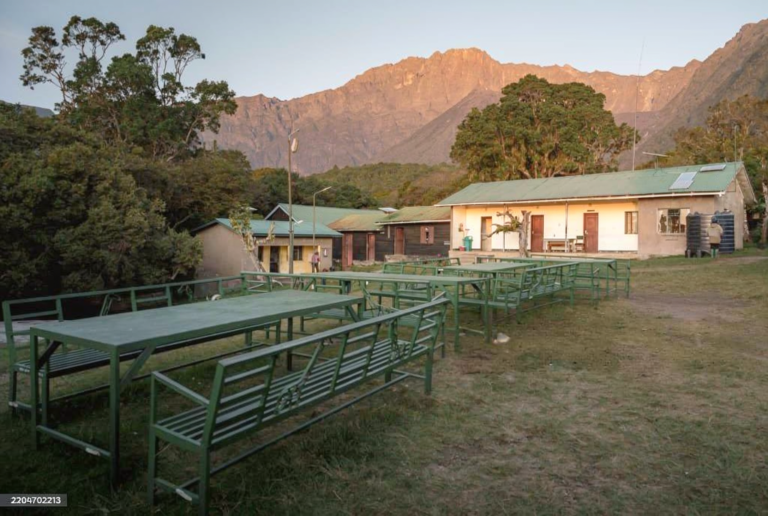
Monte Meru Tanzania Trekking From Arusha: Your Essential Guide 2026-2027
start a trek up Mount Meru from Arusha, Tanzania's stunning dormant volcano. This guide covers everything from routes and difficulty to preparation and best times to go for your 2026-2027...
View package details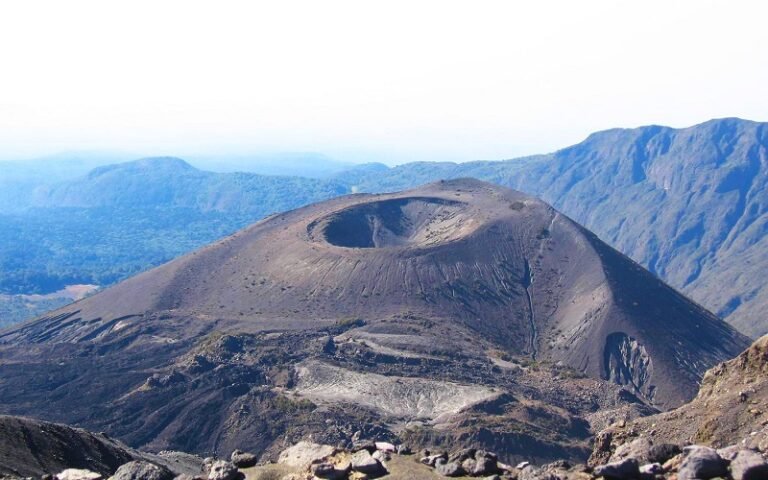
Mount Meru Trekking Ab Arusha 2026-2027
Mount Meru Trekking ab Arusha is explained with current 2026-2027 planning, price, itinerary and booking information.
View package details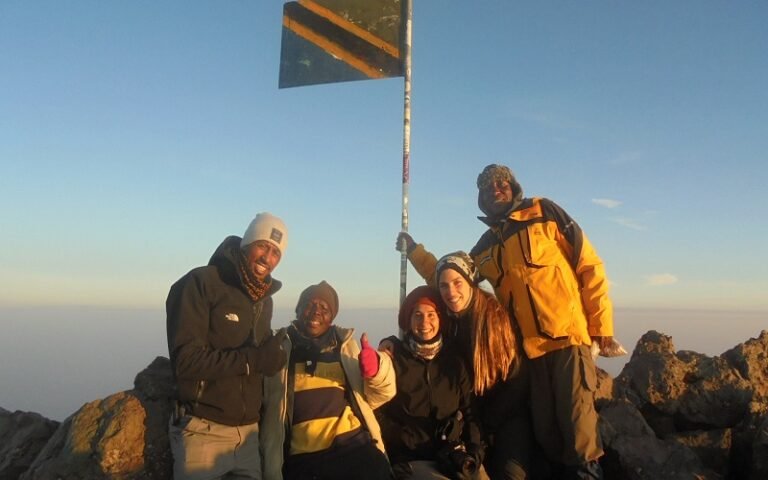
Trekking Monte Meru Tanzania: Precios, Ruta Y Consejos 2026-2027
Trekking Monte Meru Tanzania: precios, ruta y consejos is explained with current 2026-2027 planning, price, itinerary and booking information.
View package details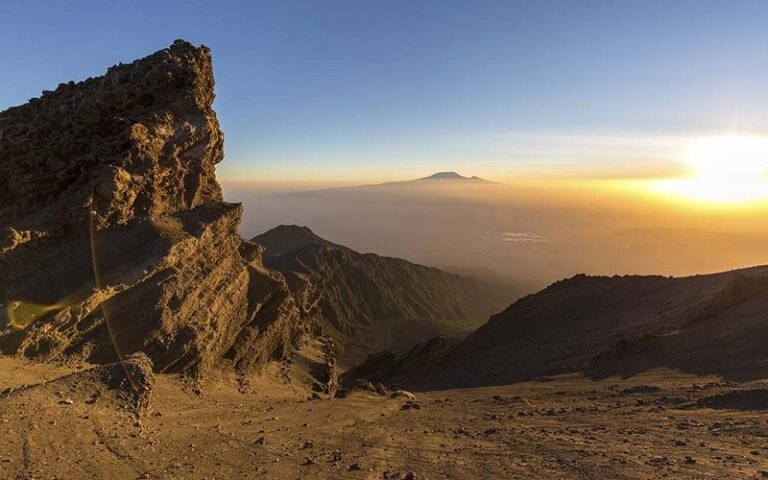
Monte Meru Y Kilimanjaro: Trekking En Tanzania 2026-2027
Discover the ultimate trekking experience in Tanzania by combining Mount Meru and Mount Kilimanjaro. This comprehensive guide covers everything from route selection and preparation to...
View package details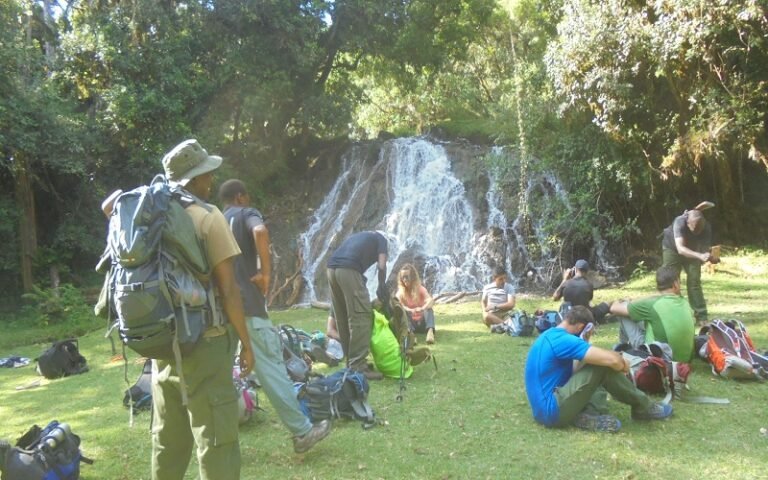
Precio Trekking Monte Meru: ¿Cuánto Cuesta Tu Aventura En ? 2026-2027
Planifica tu aventura en el Monte Meru conociendo los costos detallados. Explora las opciones de rutas, duraciones y lo que influye en el precio para tu expedición 2026-2027.
View package details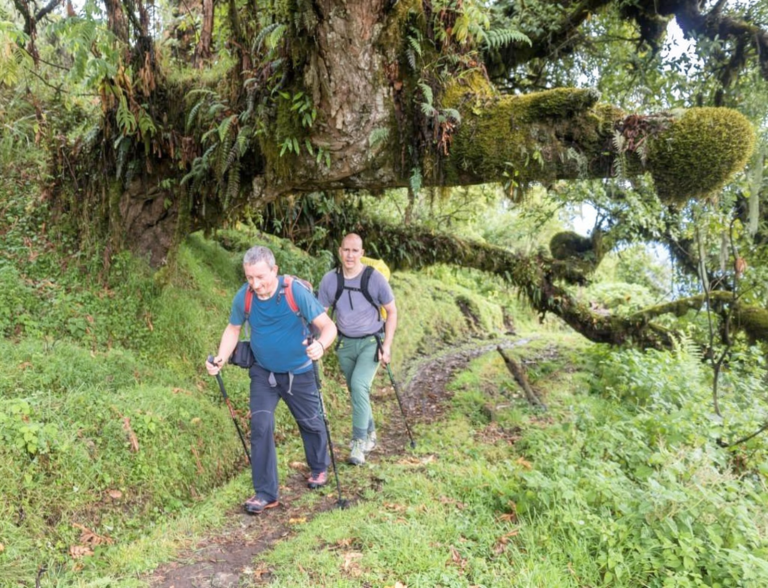
Trekking Monte Meru 4 Días 2026-2027
Trekking Monte Meru 4 días is explained with current 2026-2027 planning, price, itinerary and booking information.
View package detailsTrekking Monte Meru 3 Días 2026-2027
Trekking Monte Meru 3 días is explained with current 2026-2027 planning, price, itinerary and booking information.
View package detailsMount Meru Trekking 3 Tage: Your Essential Planning Guide 2026-2027
A comprehensive guide to the 3-day Mount Meru trek, covering essential planning details for 2026-2027, including routes, preparation, what to expect, and booking advice.
View package detailsRuta Momella Monte Meru: Your Complete Guide 2026-2027
Your comprehensive guide to the Momella Route on Mount Meru, covering everything from preparation and typical itineraries to what makes this climb a unique Tanzanian adventure, ideal for...
View package detailsMonte Meru Y Safari En Tanzania: Guía Completa Para Tu Aventura Africana
Explora la combinación perfecta de trekking en Monte Meru y safaris inolvidables en Tanzania. Esta guía detallada te ayudará a planificar tu viaje de ensueño para 2026-2027, cubriendo...
View package detailsTrek Mont Meru 4 Jours: Your Complete Guide 2026-2027
start a 4-day trek up Mount Meru, a challenging yet rewarding climb near Kilimanjaro. This guide covers routes, preparation, gear, and essential tips for your 2026-2027 expedition.
View package detailsNo related package matches those filters. Clear one or more filters to see the other topic-matched options.



