
Mount Meru trekking from Arusha is typically done via a 3 to 5-day itinerary, often starting from the Momella Gate on the eastern side or the Arusha National Park gate on the west, with the 4-day itinerary being the most popular for balancing acclimatization and challenge. This trek offers spectacular views, diverse wildlife, and is an excellent warm-up for Kilimanjaro, with routes focusing on acclimatization, guided ascents, park fees, and essential camping logistics, suitable for trekkers in 2026 and 2027.
Understanding Mount Meru Trekking from Arusha
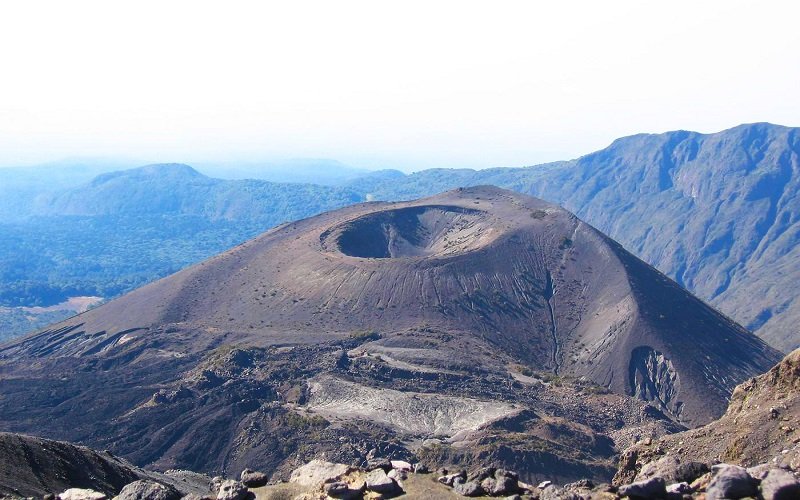
Mount Meru, standing proudly at 4,566 meters (14,980 feet), is Tanzania’s fifth-highest peak and a truly magnificent destination for trekkers. Located within Arusha National Park, its dramatic caldera and the iconic “Little Meru” offer a challenging yet rewarding ascent. For many, the journey to Mount Meru begins in Arusha, the bustling gateway city to Tanzania’s northern safari circuit and the famous Mount Kilimanjaro. Choosing Mount Meru trekking from Arusha means opting for an adventure that combines stunning natural beauty, diverse ecosystems, and a chance to experience high-altitude trekking without the extreme demands of its larger neighbor.
The trek is renowned for its scenic beauty, passing through lush montane forests, heath, and moorland, before reaching the alpine desert zones near the summit. Unlike Kilimanjaro, Mount Meru is an active stratovolcano, and its landscape bears testament to its volcanic origins, with a dramatic ash cone and a steep crater rim. Trekkers often use Mount Meru as a crucial acclimatization climb before attempting Kilimanjaro, but it also stands as a formidable trek in its own right. Planning a Mount Meru trek from Arusha for 2026 or 2027 involves understanding the logistics, routes, and what to expect on the mountain.
Why Choose Mount Meru Trekking from Arusha?
Deciding on Mount Meru trekking from Arusha offers several compelling advantages for adventurers. Firstly, its proximity to Arusha makes logistics straightforward. Most tours depart directly from the city, minimizing travel time and simplifying arrangements. Secondly, Mount Meru provides an excellent introduction to high-altitude trekking. Its summit is achievable for reasonably fit individuals, and the acclimatization process is generally more forgiving than on Kilimanjaro. This makes it an ideal choice for those new to multi-day high-altitude hikes or those looking to test their endurance before a bigger challenge.
The mountain’s diverse wildlife is another significant draw. Arusha National Park is home to buffaloes, giraffes, various monkey species, and an abundance of birdlife. While treks are always accompanied by armed rangers for safety, especially in the lower forest zones, the opportunity to encounter wildlife is a unique aspect of the Mount Meru experience. The scenery is also exceptional, offering panoramic views of Mount Kilimanjaro, the Great Rift Valley, and the surrounding plains, especially on clear days from the summit. Finally, Mount Meru is often a less crowded experience than Kilimanjaro, allowing for a more intimate connection with nature and a more peaceful trekking journey.
Mount Meru vs. Kilimanjaro: A Comparative Look
While both majestic peaks are situated in northern Tanzania and often accessed from Arusha, Mount Meru and Kilimanjaro offer distinct trekking experiences. Kilimanjaro, Africa’s highest peak at 5,895 meters (19,341 feet), is a significantly more challenging climb, requiring longer durations (typically 5-9 days) and a higher level of physical and mental fortitude due to its extreme altitude. Mount Meru, at 4,566 meters, is shorter and generally requires 3-5 days, making it more accessible for a wider range of trekkers. The altitude gain on Meru is less dramatic, offering a gentler introduction to high-altitude environments.
Route Diversity: Kilimanjaro boasts several established routes (Machame, Lemosho, Marangu, etc.), each with unique challenges and scenery. Mount Meru typically uses one primary route that circles the crater rim, ascending to Socialist Peak. Logistics: Both treks require park fees, guides, porters, and camping equipment. However, Mount Meru treks are often more self-contained within Arusha National Park, with slightly different operational requirements. Acclimatization: Mount Meru’s altitude profile is often considered superior for acclimatization, with its summit push starting from a lower base camp than Kilimanjaro’s. Many trekkers use Meru as a dedicated acclimatization climb before heading to Kili. Wildlife: Arusha National Park, where Meru is located, has a higher density of large mammals like buffalo and giraffes in the trekking zones compared to the higher reaches of Kilimanjaro, which primarily features smaller wildlife and unique flora. For 2026-2027, choosing between them depends entirely on your fitness, time, and altitude experience goals. A Mount Meru trek from Arusha is perfect for those seeking a challenging yet manageable mountain experience, while Kilimanjaro is for those aiming for the ultimate African summit.
Mount Meru Trekking Routes: Options from Arusha
The ascent of Mount Meru from Arusha is primarily managed through two main starting points, leading to variations in itinerary length and experience. The most common and recommended approach is via the Momella Gate on the eastern side of Arusha National Park. This route is generally preferred for its scenic diversity and better acclimatization profile.
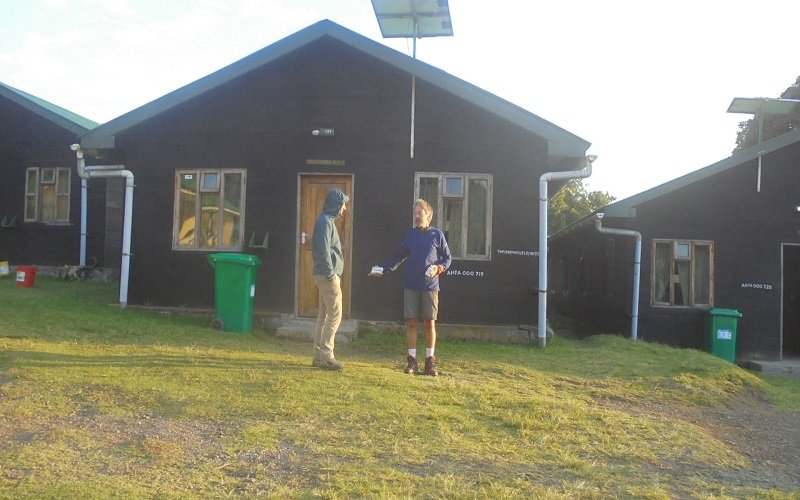
- Momella Route: This is the most popular and well-established route for Mount Meru trekking. It typically takes 3 to 5 days. The ascent begins from Momella Gate (approx. 1,500m), passing through lush rainforests teeming with wildlife, then transitioning through heath and moorland. Key stages include Miriakamba Hut (2,100m) and Saddle Hut (3,500m). The summit push to Socialist Peak (4,566m) is usually done from Saddle Hut, descending via a different path back to Momella Gate. This route offers excellent acclimatization and varied landscapes. A 4-day itinerary is the most common, allowing for a good balance between climbing and rest.
- Arusha National Park Gate Route (less common for summit): While there’s an entrance on the western side closer to Arusha town, this is less frequently used for full summit attempts. It might be incorporated into shorter hikes or specific park explorations but is not the standard route for reaching Socialist Peak. The Momella Route is overwhelmingly the choice for Mount Meru trekking from Arusha seeking the summit.
For trekkers planning their Mount Meru trekking from Arusha in 2026-2027, the Momella Route is the standard and highly recommended option. Tour operators will arrange all necessary permits, park entry, guides, and porters for this route, ensuring a safe and well-managed expedition.
Typical Mount Meru Itineraries (3, 4, and 5 Days)
The duration of your Mount Meru trek from Arusha is a critical planning factor, directly impacting acclimatization, physical exertion, and overall enjoyment. While shorter itineraries are possible, the 4-day option is widely considered the best balance for most trekkers aiming for the summit.
3-Day Mount Meru Itinerary (Summit Attempt)
This is a fast-paced itinerary, suitable only for very experienced high-altitude trekkers with excellent acclimatization capacity. It significantly increases the risk of altitude sickness due to the rapid ascent.
- Day 1: Momella Gate (1,500m) to Miriakamba Hut (2,100m). A moderate hike through rainforest.
- Day 2: Miriakamba Hut (2,100m) to Saddle Hut (3,500m). A steeper climb through heath and moorland.
- Day 3: Saddle Hut (3,500m) to Socialist Peak (4,566m) and descent to Momella Gate (1,500m). A very early start for the summit push, followed by a long descent.
Note: This itinerary is not recommended by most reputable operators due to the high risk of altitude sickness.
4-Day Mount Meru Itinerary (Recommended)
This is the most popular and balanced itinerary for Mount Meru trekking from Arusha, offering adequate time for acclimatization and enjoyment of the mountain’s diverse zones.
- Day 1: Momella Gate (1,500m) to Miriakamba Hut (2,100m). Trek through rainforest, potential for wildlife sightings.
- Day 2: Miriakamba Hut (2,100m) to Saddle Hut (3,500m). The trail steepens as you ascend through moorland.
- Day 3: Saddle Hut (3,500m) to Socialist Peak (4,566m) and descent to Miriakamba Hut (2,100m). An early morning summit attempt, followed by a descent to a lower camp for better recovery.
- Day 4: Miriakamba Hut (2,100m) to Momella Gate (1,500m). A final descent through the forest.
This 4-day structure is a standard offering for Mount Meru trekking in 2026-2027 and is what most operators will propose.
5-Day Mount Meru Itinerary (Leisurely Pace)
This itinerary allows for a more relaxed pace, further enhancing acclimatization and providing more time to appreciate the mountain’s environment. It might include an extra night at a lower hut or a slightly more gradual ascent.
- Day 1: Momella Gate (1,500m) to Miriakamba Hut (2,100m).
- Day 2: Miriakamba Hut (2,100m) to Saddle Hut (3,500m).
- Day 3: Saddle Hut (3,500m) – Day hike to Little Meru (3,801m) for acclimatization, return to Saddle Hut.
- Day 4: Saddle Hut (3,500m) to Socialist Peak (4,566m) and descent to Miriakamba Hut (2,100m).
- Day 5: Miriakamba Hut (2,100m) to Momella Gate (1,500m).
The 5-day option is excellent for those prioritizing acclimatization and a more leisurely Mount Meru trekking from Arusha experience, especially if coming from sea level or with concerns about altitude.
When planning for 2026 or 2027, discuss your fitness level and previous altitude experience with your tour operator to determine the most suitable itinerary. The 4-day option generally strikes the best balance for Mount Meru trekking from Arusha.
Best Time for Mount Meru Trekking from Arusha (2026-2027)
The ideal time for Mount Meru trekking from Arusha is dictated by Tanzania’s distinct dry and wet seasons. While trekking is possible year-round, certain periods offer significantly more favorable weather conditions, enhancing safety and enjoyment. For your 2026-2027 adventure, consider these periods:
- Dry Seasons (June to October and December to February): These are the prime months for trekking Mount Meru. The skies are typically clear, offering excellent visibility of Kilimanjaro and the surrounding landscape. Temperatures are moderate, and rainfall is minimal, making trails easier to navigate and reducing the risk of weather-related disruptions. June, July, August, September, December, January, and February are excellent choices for Mount Meru trekking from Arusha.
- Shoulder Seasons (November and March to May): These months mark the transition between dry and wet seasons. November can be a good month with occasional short showers, while March to May typically brings the ‘long rains.’ During the rainy season, trails can become muddy and slippery, visibility may be poor, and temperatures can be cooler. While still possible, trekking during these months requires more flexibility and preparedness for challenging weather. Some operators might offer slightly lower prices during the low season (April-May), but the weather risk is higher.
For optimal Mount Meru trekking from Arusha in 2026 and 2027, aim for the dry seasons. Booking in advance, especially for peak months like July-September and December-January, is advisable to secure your preferred dates and operators.
Mount Meru Difficulty and Fitness Requirements
Mount Meru is classified as a challenging trek, primarily due to its altitude and the steepness of its final ascent. While not technically difficult, requiring no ropes or specialized climbing skills, reaching the summit (Socialist Peak at 4,566m) demands good physical condition and mental resilience. The trek is often considered more strenuous than the lower sections of Kilimanjaro, partly because the acclimatization is faster and the final push is longer relative to the total trek duration.
Fitness Level: A good level of cardiovascular fitness is essential. This means being able to hike for several hours a day, often on steep and uneven terrain, carrying a daypack. Regular exercise that includes hiking, running, cycling, or swimming in the months leading up to your trek will be highly beneficial. Incorporating strength training for your legs and core will also help.
Altitude Consideration: The primary challenge is the altitude. While the 4-day itinerary offers decent acclimatization, ascending from Arusha (approx. 1,400m) to 4,566m in just a few days can still pose a risk of altitude sickness (Acute Mountain Sickness – AMS). Symptoms include headaches, nausea, dizziness, and fatigue. Proper acclimatization, hydration, and listening to your body are crucial. For those planning Mount Meru trekking from Arusha in 2026-2027, starting with a base fitness level is key, but understanding altitude effects and managing them is equally important.
Who is it for? Mount Meru is suitable for individuals with previous trekking experience who are comfortable with multi-day hikes and have a reasonable level of fitness. It’s also an excellent preparatory climb for Kilimanjaro. Those who are relatively new to trekking but are committed to training should consider the 5-day itinerary for a safer and more enjoyable experience.
Acclimatization Strategy for Mount Meru
Effective acclimatization is paramount for a successful and safe Mount Meru trek from Arusha. The mountain’s altitude profile, especially on the popular Momella Route, is designed to facilitate this, but trekkers must actively participate in the process. The key principle is to “climb high, sleep low.”
Itinerary Choice: As discussed, the 4-day or 5-day itineraries are significantly better for acclimatization than the 3-day option. The longer duration allows your body more time to adjust to the decreasing oxygen levels as you gain altitude. Sleeping at progressively higher altitudes, with the summit night being the highest point, is standard. The 4-day itinerary includes a descent to Miriakamba Hut after the summit, which is a good strategy to sleep lower and aid recovery. The 5-day option with a day hike to Little Meru further enhances acclimatization.
During the Trek:
- Hydration: Drink plenty of water – at least 3-4 liters per day. This helps your body function optimally at altitude.
- Pace: Walk at a slow, steady pace (‘pole pole’). Avoid overexertion, especially on the ascent days.
- Breathing: Focus on deep, rhythmic breathing.
- Avoid Alcohol and Smoking: These can impede acclimatization.
- Monitor Symptoms: Be aware of the signs of altitude sickness. Communicate any symptoms to your guide immediately. They are trained to assess and manage these situations.
For those planning Mount Meru trekking from Arusha in 2026-2027, discussing your concerns about altitude with your tour operator is wise. They can offer advice and ensure your itinerary prioritizes safety and acclimatization.
Essential Gear and Packing List for Mount Meru
Proper gear is crucial for comfort and safety during Mount Meru trekking from Arusha. While your tour operator will provide tents, cooking equipment, and often sleeping mats, you are responsible for your personal clothing and essential items. Packing smart means layering for varying temperatures and conditions.
Clothing
- Base Layers: Moisture-wicking thermal tops and bottoms (synthetic or merino wool).
- Mid Layers: Fleece jacket or trousers for warmth.
- Outer Layer: Waterproof and windproof jacket (e.g., Gore-Tex) and trousers.
- Insulation Layer: A warm down or synthetic jacket for summit night.
- Trekking Trousers: Comfortable, quick-drying trousers (avoid jeans).
- Hiking Shirts: Several moisture-wicking short and long-sleeved shirts.
- Headwear: Warm woolly hat or beanie, and a sun hat with a brim.
- Gloves: Warm gloves or mittens, and liner gloves.
Footwear
- Hiking Boots: Broken-in, waterproof, sturdy hiking boots with good ankle support.
- Camp Shoes/Sandals: Comfortable footwear for around camp.
- Socks: Several pairs of warm hiking socks (wool or synthetic).
Equipment & Accessories
- Backpack: A comfortable daypack (25-35 liters) for essentials during the hike. Your operator will arrange duffel bags for porters.
- Sleeping Bag: A 4-season sleeping bag rated to at least -10°C (0°F). Many operators rent these.
- Headlamp: With extra batteries (essential for summit night).
- Water Bottles/Hydration Reservoir: Capacity for at least 3 liters.
- Trekking Poles: Highly recommended for stability and reducing knee strain.
- Sunglasses: High UV protection.
- Sunscreen: High SPF.
- Lip Balm: With SPF.
- Insect Repellent: Especially for lower forest sections.
- Personal First-Aid Kit: Include blister treatment, pain relievers, any personal medications.
- Toiletries: Biodegradable soap, toothbrush, toothpaste, wet wipes.
- Camera: With extra batteries and memory cards.
- Snacks: Energy bars, nuts, dried fruit for personal consumption.
When preparing for Mount Meru trekking from Arusha in 2026-2027, always check with your chosen operator for their specific gear recommendations and rental options. Packing is crucial for a comfortable Mount Meru trek.
Mount Meru Trekking Costs and What’s Included
The cost of Mount Meru trekking from Arusha can vary significantly depending on the operator, group size, itinerary length, and the quality of services provided. For 2026-2027, expect prices to reflect current operational costs and park fees. Reputable operators like Climb 4 Africa focus on providing a safe and well-supported experience, which influences pricing.
Typical Inclusions:
- Park Entrance Fees for Arusha National Park.
- Crater and Rescue Fees.
- Accommodation in mountain huts (Miriakamba and Saddle Hut).
- All meals on the mountain (breakfast, lunch, dinner).
- Trained and experienced mountain guides.
- Armed park rangers accompanying the trek (mandatory).
- Porters to carry group equipment and your luggage (usually up to a specified weight limit per trekker).
- Camping equipment (tents, cooking gear, fuel).
- Transfer from Arusha to Momella Gate and back.
Common Exclusions:
- Travel to and from Arusha.
- Accommodation in Arusha before and after the trek.
- Visa fees.
- Travel insurance (mandatory).
- Tips for guides, porters, and rangers.
- Personal gear rental (e.g., sleeping bags, trekking poles).
- Lunches and dinners in Arusha.
- Personal expenses (souvenirs, extra water, snacks).
Cost Factors:
- Private vs. Group Trek: Private treks are more expensive per person than joining a group.
- Operator Reputation: Established operators with strong safety records and ethical porter treatment often charge more.
- Itinerary Length: Longer itineraries will naturally cost more due to more days of service.
When comparing prices for Mount Meru trekking from Arusha for 2026-2027, always scrutinize what is included. A lower price might mean fewer services or lower quality equipment, impacting your safety and comfort. It’s wise to get a detailed quote from operators like Climb 4 Africa, detailing all inclusions and exclusions.
Wildlife and Scenery on the Mount Meru Trek
The Mount Meru trek from Arusha is celebrated not only for its challenging ascent but also for the impressive scenery and diverse wildlife encountered along the Momella Route. The mountain’s varied altitude zones support distinct ecosystems, each offering unique natural wonders.
Forest Zone (approx. 1,500m – 2,100m): The initial part of the trek, from Momella Gate to Miriakamba Hut, winds through dense montane forest. This area is rich in biodiversity. Keep an eye out for:
- Mammals: Black and white colobus monkeys, blue monkeys, baboons, buffaloes, and occasionally elephants. The presence of these larger animals necessitates the mandatory armed park ranger.
- Birdlife: The forest is a haven for numerous bird species, including turacos, hornbills, and various forest birds.
- Vegetation: Lush vegetation, including ancient trees, ferns, and flowering plants.
Heath and Moorland Zone (approx. 2,100m – 3,500m): As you ascend, the forest gives way to open heath and moorland. This zone offers more expansive views and different flora.
- Vegetation: Dominated by heather, giant groundsels, and lobelias.
- Wildlife: Less dense mammal populations, but still opportunities to see smaller antelopes and diverse bird species.
Alpine Desert Zone (approx. 3,500m – 4,566m): Above Saddle Hut, the landscape transforms into an alpine desert, characterized by sparse vegetation and rocky terrain. This is where the effects of altitude become more pronounced.
- Scenery: Dramatic volcanic landscapes, rugged craters, and stunning panoramic views.
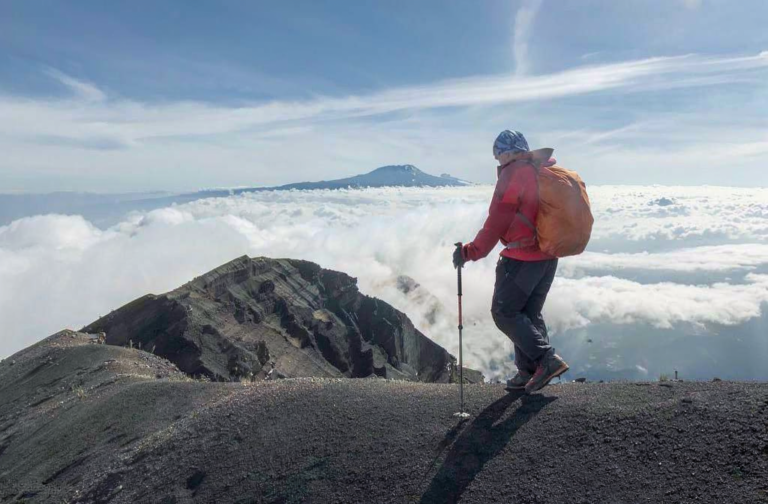
- Summit Views: On clear days, the summit of Socialist Peak offers unparalleled views of Mount Kilimanjaro, the Great Rift Valley, and Mount Shira. The sunrise from the summit is a spectacular reward.
The scenery on Mount Meru is a constant highlight, from the misty rainforests to the stark alpine beauty, making the Mount Meru trekking from Arusha an unforgettable experience for nature lovers planning for 2026-2027.
Pre-Trek Preparation and Logistics from Arusha
Successful Mount Meru trekking from Arusha hinges on thorough preparation and understanding the logistical steps involved. Arusha serves as the central hub for all arrangements, from booking your tour to arranging pre- and post-trek accommodation and airport transfers.
Booking Your Trek:
- Choose an Operator: Select a reputable tour operator experienced in Mount Meru trekking. Look for companies that prioritize safety, employ qualified guides, and have ethical practices regarding porters. Climb 4 Africa is an excellent choice for those seeking comprehensive support and local expertise.
- Confirm Dates: For 2026-2027, book well in advance, especially if traveling during peak dry seasons.
- Understand Inclusions: Carefully review what your package covers to avoid surprises.
Pre-Trek Arrangements in Arusha:
- Accommodation: Most trekkers spend at least one night in Arusha before and after their trek. Hotels and lodges in Arusha cater to various budgets.
- Gear Check: If renting gear, ensure you do this upon arrival or coordinate with your operator beforehand. A final gear check with your guide is recommended.
- Briefing: Your operator will typically hold a pre-trek briefing the evening before departure. This is your chance to meet your guide, ask questions, and finalize details.
- Medical Check-up: Consult your doctor about high-altitude trekking and any necessary vaccinations or malaria precautions.
- Travel Insurance: Ensure your policy covers high-altitude trekking and emergency evacuation.
Logistics on Trek Day:
- Transfers: Your operator will arrange transport from your Arusha accommodation to Momella Gate.
- Park Entry: All park fees and permits are handled by the operator.
- Guides and Porters: You’ll meet your dedicated guide and the porter team at the park gate.
Thorough planning ensures a smooth experience for your Mount Meru trekking from Arusha in 2026-2027, allowing you to focus on the adventure ahead.
Responsible Trekking and Conservation
As visitors to Arusha National Park and Mount Meru, trekkers have a responsibility to minimize their environmental impact and support sustainable tourism practices. Responsible trekking ensures the long-term preservation of this beautiful mountain and its ecosystems for future generations, including those planning their treks in 2026 and 2027.
Environmental Practices:
- Leave No Trace: Pack out everything you pack in, including all trash, food wrappers, and organic waste. Do not bury or burn litter.
- Stay on Trails: Stick to designated paths to prevent erosion and protect fragile vegetation.
- Water Sources: Do not pollute streams or lakes. Use designated water sources and biodegradable soaps sparingly, at least 50 meters away from water bodies.
- Campfires: Campfires are generally prohibited on Mount Meru. Use provided cooking facilities or portable stoves.
- Wildlife: Never feed wild animals. Maintain a safe distance and avoid disturbing them.
Ethical Trekking:
- Support Local Communities: Choose operators who employ local guides and porters, and pay them fair wages. Climbing 4 Africa is committed to ethical employment practices.
- Respect Porter Welfare: Ensure your porters are adequately clothed, fed, and not overloaded. They are vital to your trek’s success.
- Cultural Sensitivity: Respect the local culture and customs.
By adhering to these principles during your Mount Meru trekking from Arusha, you contribute to the conservation of the mountain and ensure a positive impact on the local communities. This commitment is vital for sustainable Mount Meru trekking in 2026-2027 and beyond.
Booking Your Mount Meru Trek with Climb 4 Africa
Embarking on your Mount Meru trekking adventure from Arusha is an exciting prospect, and choosing the right partner makes all the difference. Climb 4 Africa specializes in creating unforgettable mountain experiences in Tanzania, with a deep understanding of Mount Meru and its unique demands. We are dedicated to providing safe, well-organized, and ethically run treks that allow you to fully experience the beauty of the mountain.
Why Choose Climb 4 Africa for Mount Meru Trekking from Arusha?
- Local Expertise: As a Tanzania-based company, we have firsthand knowledge of the mountain, its trails, and the local conditions.
- Safety First: Your safety is our top priority. We employ highly experienced guides trained in wilderness first aid and altitude management, and we adhere to strict safety protocols.
- Ethical Operations: We are committed to fair treatment and wages for our guides and porters, ensuring a positive experience for our entire team.
- Tailored Experiences: Whether you prefer a 4-day or 5-day itinerary for your 2026-2027 trek, we can customize it to your needs.
- Comprehensive Support: From the moment you inquire to your return to Arusha, we provide smooth logistical support.
Ready to Plan Your 2026-2027 Mount Meru Trek?
To begin planning your Mount Meru trekking from Arusha, or to request a detailed itinerary and quote, please reach out to our team. We are here to answer all your questions and help you prepare for an incredible journey. Send us an email at climb4africa@gmail.com or contact us directly via WhatsApp at +255 747 477 898. Let us help you conquer Mount Meru!
“,
“faq_schema”: [
{
“question”: “What is the best time of year for Mount Meru trekking from Arusha?”,
“answer”: “The best times for Mount Meru trekking from Arusha are during the dry seasons: June to October and December to February. These periods offer clear skies, minimal rainfall, and moderate temperatures, making the trails safer and more enjoyable for your 2026-2027 adventures.”
},
{
“question”: “How difficult is Mount Meru trekking?”,
“answer”: “Mount Meru is considered a challenging trek due to its altitude (4,566m) and steep final ascent. It requires good cardiovascular fitness and proper acclimatization. While not technically difficult, the altitude is the primary challenge. A 4-day itinerary is recommended for most trekkers.”
},
{
“question”: “What is typically included in a Mount Meru trek package from Arusha?”,
“answer”: “A typical Mount Meru trek package from Arusha includes park entrance fees, hut accommodation, all meals on the mountain, services of trained guides and armed park rangers, and porters for group equipment. Exclusions usually involve travel to Arusha, accommodation in Arusha, tips, personal gear, and travel insurance.”
},
{
“question”: “How long does a typical Mount Meru trek take?”,
“answer”: “The most popular and recommended itinerary for Mount Meru trekking from Arusha is 4 days. Shorter 3-day treks are possible but carry a higher risk of altitude sickness, while 5-day treks offer a more relaxed pace and enhanced acclimatization.”
},
{
“question”: “What gear do I need for Mount Meru trekking?”,
“answer”: “Essential gear includes waterproof and windproof outer layers, warm mid-layers (fleece), thermal base layers, sturdy hiking boots, warm hat and gloves, a good sleeping bag (rated to at least -10°C), a headlamp, and a daypack. Layering is key for changing conditions.”
},
{
“question”: “Can I trek Mount Meru as acclimatization for Kilimanjaro?”,
“answer”: “Yes, Mount Meru is an excellent acclimatization climb for Kilimanjaro. Its altitude profile and the duration of the trek help prepare your body for the higher challenges of Kilimanjaro, making it a popular choice for trekkers planning multiple climbs in 2026-2027.”
}
]
}
“`
Check Availability for Mount Meru Trekking Ab Arusha 2026-2027
Ready to compare dates, prices, and the best option for your group? Send the package name and travel month so the team can reply with a clear quote, availability, and what is included.
Trekking Monte Meru Desde Arusha: Your Ultimate Guide For 2026-2027
Your comprehensive guide to trekking Mount Meru from Arusha, covering everything from route options and difficulty to essential preparation and booking advice for climbs in 2026-2027.
View package details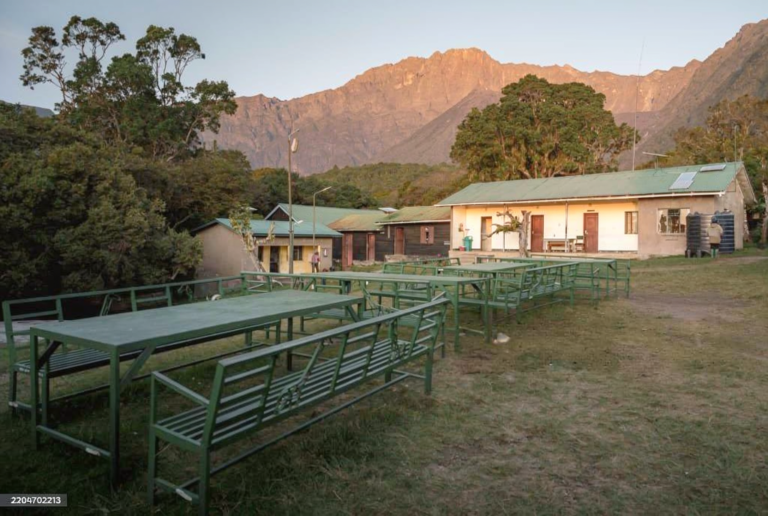
Monte Meru Tanzania Trekking From Arusha: Your Essential Guide 2026-2027
start a trek up Mount Meru from Arusha, Tanzania's stunning dormant volcano. This guide covers everything from routes and difficulty to preparation and best times to go for your 2026-2027...
View package detailsMount Meru Trekking 3 Tage: Your Essential Planning Guide 2026-2027
A comprehensive guide to the 3-day Mount Meru trek, covering essential planning details for 2026-2027, including routes, preparation, what to expect, and booking advice.
View package details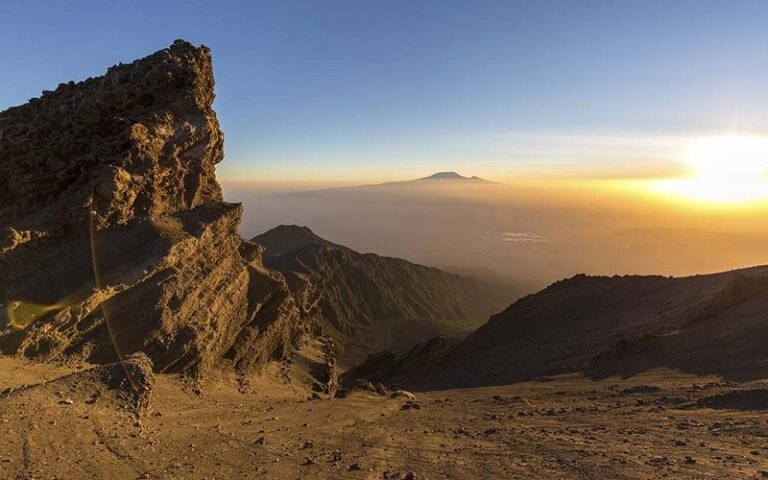
Monte Meru Y Kilimanjaro: Trekking En Tanzania 2026-2027
Discover the ultimate trekking experience in Tanzania by combining Mount Meru and Mount Kilimanjaro. This comprehensive guide covers everything from route selection and preparation to...
View package detailsTrek Mont Meru 4 Jours: Your Complete Guide 2026-2027
start a 4-day trek up Mount Meru, a challenging yet rewarding climb near Kilimanjaro. This guide covers routes, preparation, gear, and essential tips for your 2026-2027 expedition.
View package detailsRuta Momella Monte Meru: Your Complete Guide 2026-2027
Your comprehensive guide to the Momella Route on Mount Meru, covering everything from preparation and typical itineraries to what makes this climb a unique Tanzanian adventure, ideal for...
View package details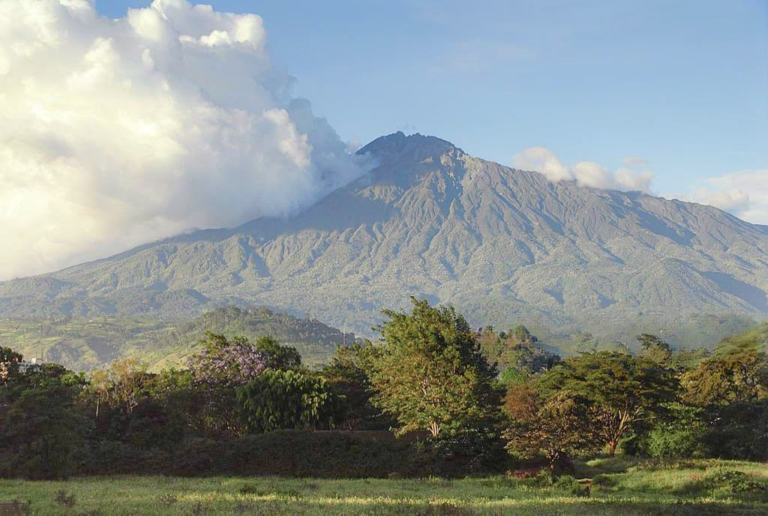
Momella Route Mount Meru 2026-2027
Momella Route Mount Meru is explained with current 2026-2027 planning, price, itinerary and booking information.
View package details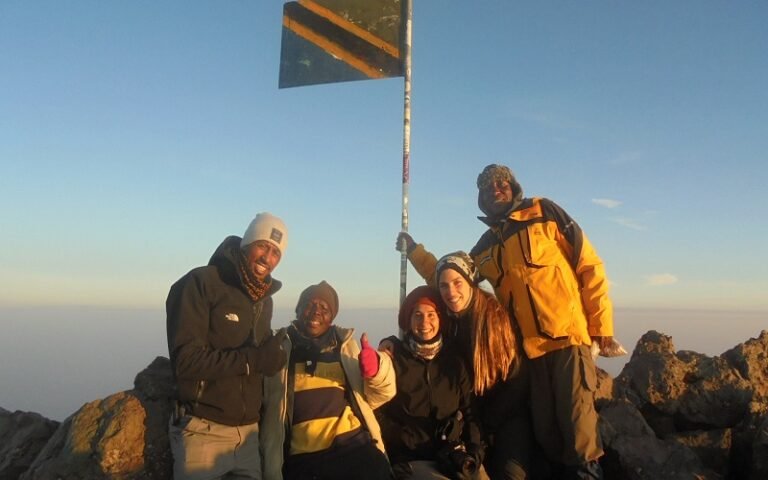
Trekking Monte Meru Tanzania: Precios, Ruta Y Consejos 2026-2027
Trekking Monte Meru Tanzania: precios, ruta y consejos is explained with current 2026-2027 planning, price, itinerary and booking information.
View package details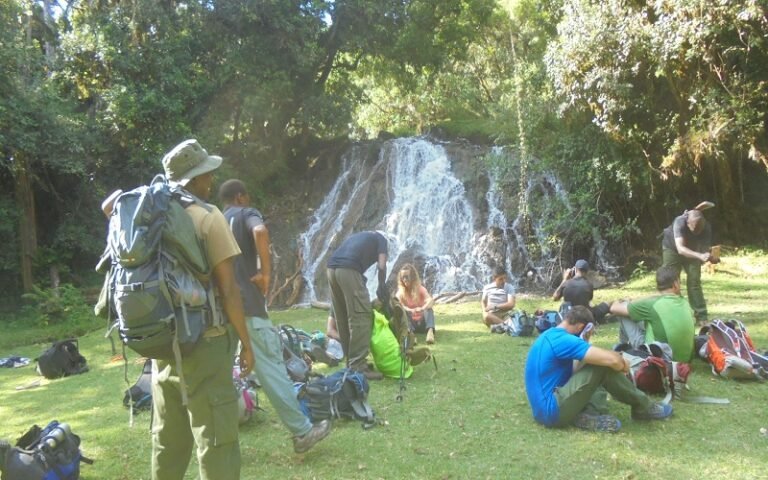
Precio Trekking Monte Meru: ¿Cuánto Cuesta Tu Aventura En ? 2026-2027
Planifica tu aventura en el Monte Meru conociendo los costos detallados. Explora las opciones de rutas, duraciones y lo que influye en el precio para tu expedición 2026-2027.
View package details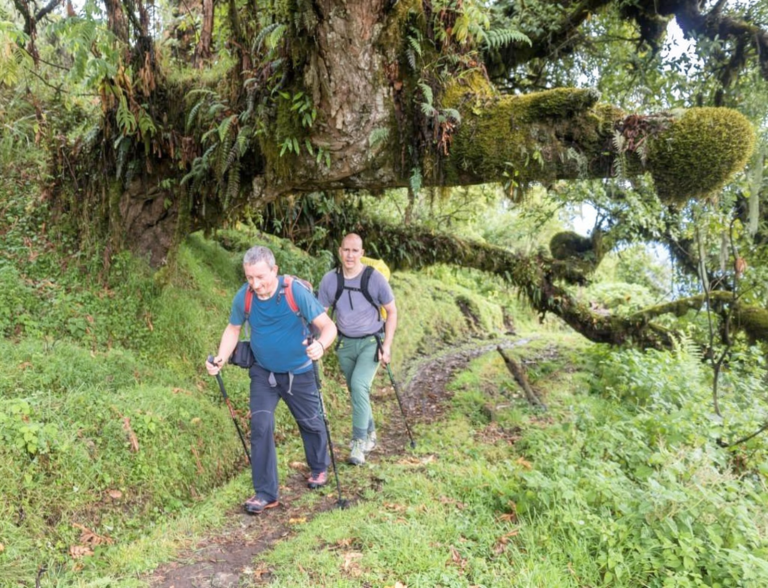
Trekking Monte Meru 4 Días 2026-2027
Trekking Monte Meru 4 días is explained with current 2026-2027 planning, price, itinerary and booking information.
View package detailsTrekking Monte Meru 3 Días 2026-2027
Trekking Monte Meru 3 días is explained with current 2026-2027 planning, price, itinerary and booking information.
View package details10 Most Challenging Mountains To Climb In Africa 2026-2027
While Mount Kilimanjaro is Africa's most famous peak, the continent harbors a spectrum of formidable mountains that test even seasoned climbers. This guide details the 10 most challenging...
View package detailsNo related package matches those filters. Clear one or more filters to see the other topic-matched options.



