
Christmas and New Year Kilimanjaro Group Hiking 2026–2027 refers to joining organized group climbs on Mount Kilimanjaro over the December–January holiday period; exact departure dates, group spaces and prices must be confirmed with Climb 4 Africa because operator availability and per-route schedules vary. Typical group options include 6- and 7-day route variations; request verified dates and inclusions before booking.
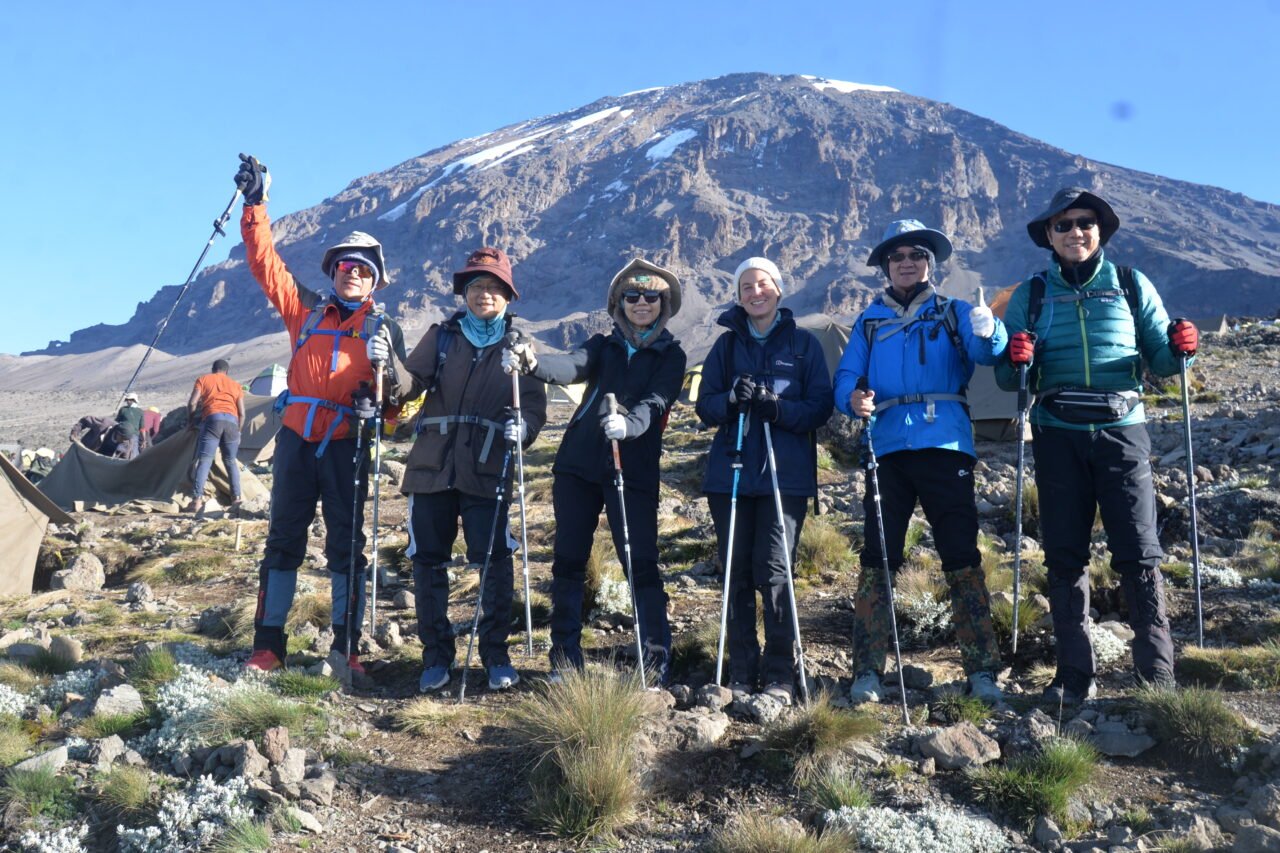
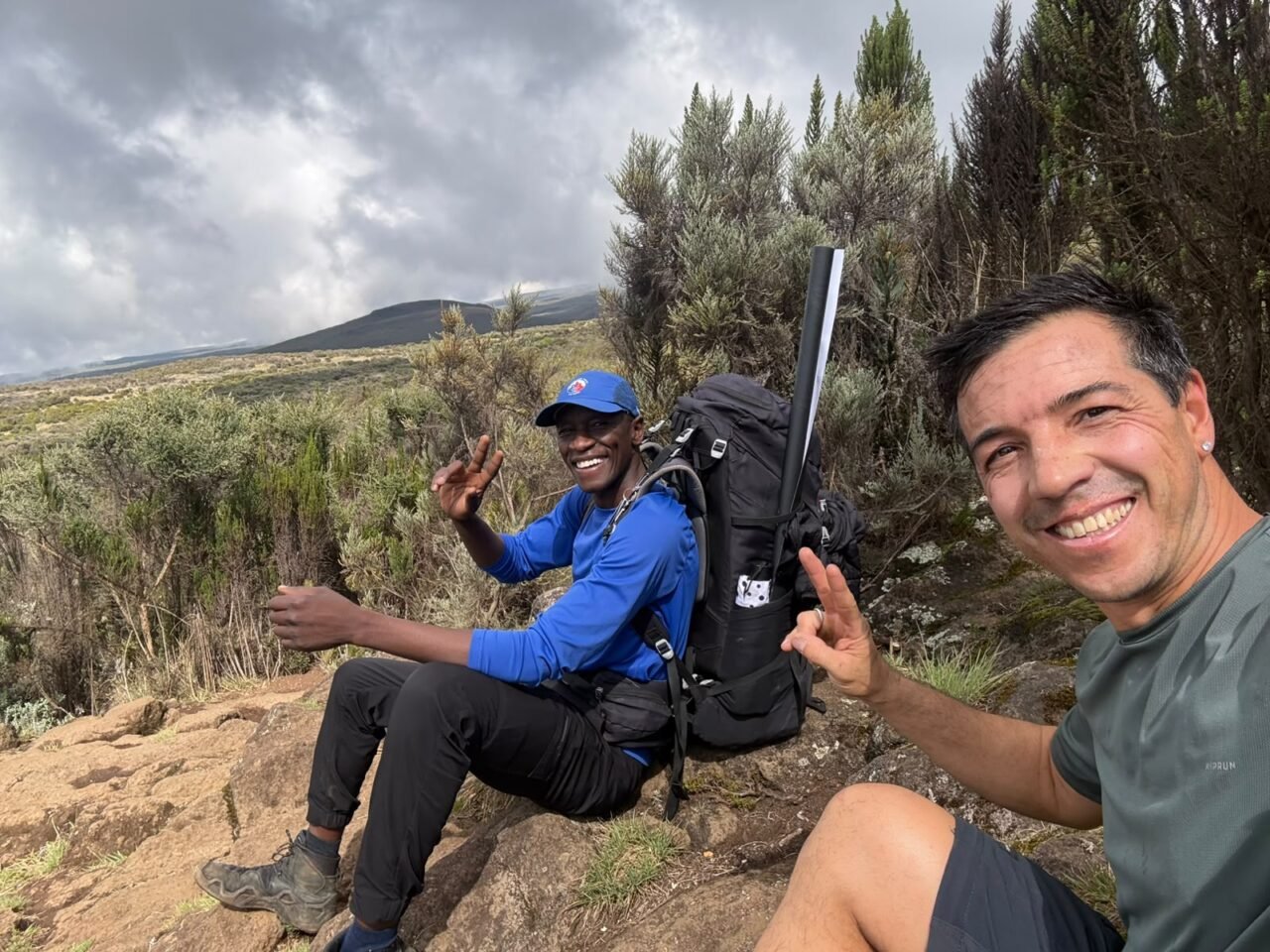
The phrase Christmas and New Year Kilimanjaro Group Hiking 2026–2027 points to a specific decision: are you joining a festive-season group departure to summit Kilimanjaro, or organising your own private climb? Holiday climbs are popular for a reason — they combine a fixed departure date, a social group atmosphere, and local operator logistics — but they also raise questions that matter more than usual: route choice for acclimatisation, transport and hotel logistics around the holiday, and realistic turnaround times for flights and onward travel. This first installment explains what the phrase actually covers, which details are confirmed vs. need verification, how 6- and 7-day route choices affect your chances of success, and the exact booking questions you should ask Climb 4 Africa next.
What this search intent usually means for travellers
When someone types Christmas and New Year Kilimanjaro Group Hiking 2026–2027 they most often want four things at once: confirmed departure dates around late December or early January, clarity about which route they’ll walk (and for how many days), published price and inclusions, and practical advice about travel to/from Kilimanjaro during the holiday season. Because those are separate facts — operator schedules, route-day variations, and holiday-season logistics — you should treat them independently when you inquire.
Confirmed facts versus information you must request
Operator-verified facts provided to us are limited: Climb 4 Africa runs Kilimanjaro climbs, including 6/7-day route variations, and operates festive-season group departures. What is not confirmable here without direct operator input are specific departure dates, remaining group spaces, final prices for the 2026–2027 season, hotel bookings and any single-departure inclusions. Those items change frequently over the Christmas and New Year period and must be requested from the operator before you commit.
Why route length (6-day vs 7-day) matters for Christmas and New Year departures
Two technical realities drive the choice between 6-day and 7-day routes for a holiday climb:
- Acclimatisation margin: A longer route usually gives your body more time to adapt to altitude, which materially increases summit success and lowers AMS risk. Over a holiday departure where turnaround plans are tight, the extra day is often worth the schedule trade-off.
- Logistics and weather windows: Festive weeks sometimes bring higher park traffic and constrained campsite allocations. Routes with additional camping days or alternative approach valleys give the operator more flexibility if trail conditions or park gate timings require adjustments.
Climb 4 Africa lists 6/7-day route variations across its standard routes; when planning Christmas and New Year Kilimanjaro Group Hiking 2026–2027 you should ask which specific route option the group departure uses and whether there is an alternate upland night to improve acclimatisation.
Sample route structures you will see (do not treat as fixed itineraries)
Because the operator offers both 6- and 7-day route variations, below are generalized daily structures used across common Kilimanjaro routes to illustrate the practical difference in pace and altitude gain. These are explanatory templates — ask Climb 4 Africa for the exact day-by-day plan attached to any named departure.
Typical 6-day ascent (conceptual)
Day 1: Arrival at Kilimanjaro region; transfer from airport to hotel and group briefing.
Day 2: Drive to trailhead; hike through rainforest to lower montane campsite.
Day 3: Trek across heath and moorland to higher alpine zone; campsite at high ridge.
Day 4: Gain higher alpine valleys; prepare for summit night.
Day 5: Summit attempt (night start) and descent to lower camp or hotel.
Day 6: Contingency day, final transfer and departure logistics for onward travel.
Typical 7-day ascent (conceptual)
Day 1: Arrival and hotel night; equipment check and briefing.
Day 2: Trailhead transfer; easy first day into rainforest.
Day 3: Hill gain into heath and moorland.
Day 4: Higher camp in alpine zone for acclimatisation; rest and short hikes.
Day 5: Acclimatisation day with moderate ascent then return to camp.
Day 6: Summit night and descent to lower camp.
Day 7: Transfer back to hotel or airport; buffer for travel delays.
In practice the 7-day option spreads altitude gain more evenly and offers one explicit acclimatisation
The single most important remaining question: How do I verify and secure a Christmas/New Year group departure (dates, space, and contingency) with Climb 4 Africa?
If you intend to join a festive-season group climb, the decisive step is not choosing a route in the abstract but getting a verified, operator-backed confirmation of three linked facts: exact departure date, confirmed route (and whether it is the 6-day or 7-day variant), and whether the operator can hold a place for you (including deposit and cancellation terms). Below is a practical, itemised plan you can use when contacting Climb 4 Africa or an authorised agent; it explains what to ask, why each point matters for a Christmas and New Year Kilimanjaro Group Hiking 2026–2027 departure, and how to interpret typical operator replies without relying on invented or assumed details.
1) Ask for a single, signed departure confirmation
Request a written confirmation (email or PDF) that specifies: the named group departure (for example, “Christmas 2026 – Rongai 7-day group departure”), the calendar date the group leaves the trailhead, the route and whether the itinerary is the 6-day or 7-day variant, and the meeting point and time for Day 1. A named departure confirmation reduces ambiguity about which exact departure you are booking and which park permits and campsite allocation apply.
2) Confirm availability and the mechanism to reserve your space
Holiday departures often sell out quickly. Ask: is the departure currently open for booking, how many spaces remain, and what is required to reserve a place (deposit amount, payment methods accepted, and the time window to pay the balance)? Operators sometimes show a waiting list rather than open seats; if so, ask what the typical timeframe is for waitlist movements and whether deposits are refundable or transferable in the event you can’t join.
3) Clarify the exact route variant and planned acclimatisation nights
Even within a named route (Machame, Lemosho, Rongai, Marangu, etc.) operators may run both 6- and 7-day versions. For Christmas and New Year Kilimanjaro Group Hiking 2026–2027 you must confirm which variant the published departure uses and whether the operator reserves the right to adjust day order (for example, adding an extra acclimatisation night) due to group fitness, park constraints, or weather. If they may change the itinerary, ask under what conditions changes are made and whether you will be notified in advance.
4) Request written inclusions and exclusions tied to that departure
Ask for a departure-specific inclusions list: park fees, food and water on trek, tents and sleeping mats, crew (guides, porters, cook), transfers to/from Kilimanjaro International Airport (JRO), pre- and post-trek hotel nights (if offered), and rescue/evacuation insurance coverage (or whether you must arrange it). Exclusions often include international flights, visas, personal trekking equipment, gratuities and optional post-trek activities. Getting a clear list prevents last-minute surprises during the holiday week.
5) Confirm pre- and post-climb hotel and transfer logistics for the holiday period
Festive weeks change local availability and transfer schedules. Ask whether Climb 4 Africa will book the hotel night before/after the climb for the group, the hotel name and room allocation policy, and the scheduled transfer times to the trailhead and back to the airport after summit day. Because flights around Christmas and New Year are often constrained, request the recommended earliest outbound flight on your post-climb travel date and the latest inbound flight that same day for arrivals; the operator may be able to advise but will only confirm specifics for their own transfer timing.
6) Understand contingency plans and summit failure options
Ask what the operator’s contingency protocols are for common holiday-season issues: delayed park permits, bad weather, or a guide recommendation to postpone a summit attempt. Specifically inquire how such changes affect group return timing (and whether extra hotel nights or alternate transport will be arranged and who pays for them). For Christmas and New Year departures, clarity on contingencies is critical because international flight connections and holiday commitments leave little slack.
7) Confirm cancellation, refund and transfer policies for a holiday departure
Holiday departures often have stricter booking and cancellation timelines. Request the exact cancellation policy tied to the named departure, including deadlines for partial refunds, non-refundable deposits, and conditions for transferring your booking to another date or person. If the operator offers a travel-protection add-on, ask for a written summary of what it covers and whether it applies specifically to cancellations around December–January travel peaks.
8) Ask about group composition, guide-to-client ratios and language(s) of instruction
For group climbs, knowing the expected number of clients, the guide-to-client and porter-to-client ratios, and the primary language used on the climb affects your comfort and safety. Request whether the departure will be led by a head guide with fluent English (or another language you require), and whether any special requirements (medical, dietary, or mobility) can be accommodated by the crew on that particular departure.
9) Confirm medical and insurance expectations
Ask which medical checks the operator requires before the climb, whether guides carry pulse oximeters or altitude medication, and if the operator includes evacuation insurance in the trek price. If they don’t, request their recommended minimum emergency cover and any paperwork they require before the start date.
10) Get everything in writing and follow up with a checklist
After you receive the departure confirmation, check the document against the ten points above. If any area is vague—departure date, route variant, deposit terms, transfer times, contingency policy—ask the operator to clarify in a short follow-up email so you have a dated, written record. That written record is the only reliable basis for decisions about flights, holiday plans, and whether to choose the 6-day or 7-day Kilimanjaro option for Christmas and New Year Kilimanjaro Group Hiking 2026–2027.
When you contact Climb 4 Africa, approach the conversation focused on these concrete verification points rather than hypothetical itinerary details. This keeps the exchange precise, reduces the chance of surprise during a busy festival week, and makes it straightforward to align flights and holiday plans with the confirmed group departure.
Next step: If you’d like, provide the operator email or booking reference you’ve already received (no private payment info) and I’ll draft a concise verification message listing the exact questions above in the order that typically produces the fastest, usable reply.
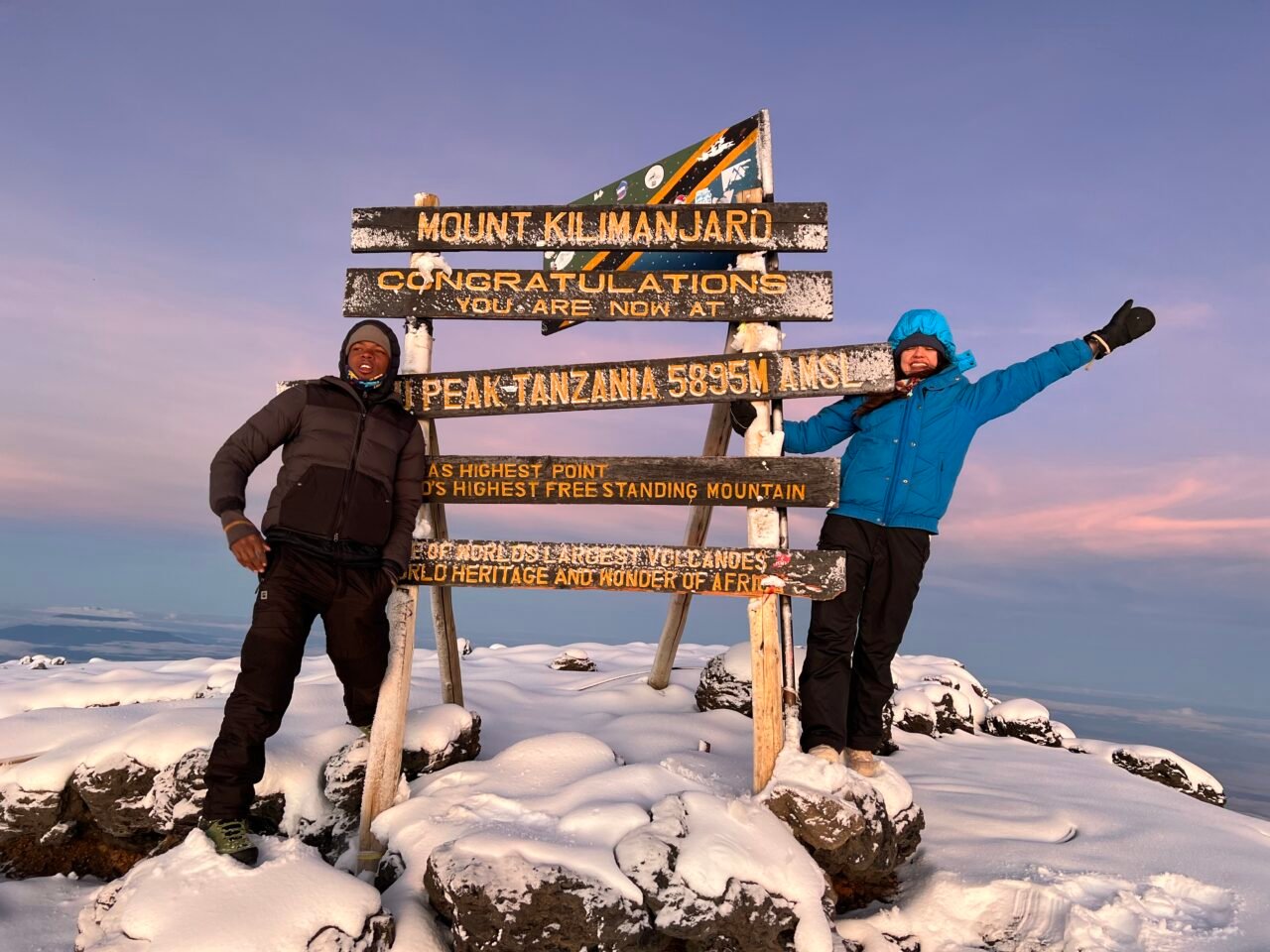

What to send Climb 4 Africa next: a concise verification email you can use
Once you have a tentative booking reference or preliminary conversation, the single most useful step remaining for Christmas and New Year Kilimanjaro Group Hiking 2026–2027 is to send one short, tightly structured verification email that forces the operator to answer the ten points above in one place. Below is a ready-to-send message you can copy, paste and personalise with your booking reference (do not include payment details in the initial message).
Copy-and-send verification email (edit before sending)
Subject: Request: Written confirmation — “Christmas/New Year” group departure — [Your name] — booking ref [xxxx]
Dear Climb 4 Africa team,
I am confirming my interest in joining the Christmas/New Year Kilimanjaro Group Hiking 2026–2027 departure that I discussed with [agent name] on [date]. Please confirm the following in a single written reply referencing booking ref [xxxx]:
- Exact departure name and calendar date as you will register it with TANAPA (for example: “Christmas 2026 — Rongai 7-day — trailhead departure date: DD MMM YYYY”).
- Route and variant: confirm whether this departure is the 6-day or 7-day variant and which Kilimanjaro route will be used (e.g., Lemosho, Rongai, Machame, Marangu, etc.).
- Current available spaces on that named departure and the number of places held or reserved under my name (if any).
- Deposit required to secure my space, payment methods you accept, and the deadline for full balance payment for this holiday departure.
- Departure-specific inclusions and exclusions (park fees, camping/hut nights, food and drinking water supply on trek, tents, sleeping mats, crew, transfer(s) JRO ↔ hotel ↔ trailhead, pre-/post-trek hotel nights if offered, and rescue/evacuation insurance if included).
- Confirmed pre- and post-climb hotel name(s), check-in/out days provided to the group, and scheduled group transfer times to/from the airport and trailhead for the holiday week.
- Guide-to-client and porter-to-client ratios for this named departure, the language(s) the head guide will use, and whether a senior/English-fluent guide will lead the group.
- Operator contingency protocols specific to this departure (delayed permits, bad weather, summit postponement, late arrivals) and how additional nights or changes affect refunds or extra charges.
- Cancellation, refund and transfer policy as it applies to this named Christmas/New Year departure, including any non-refundable deadlines and details of any travel-protection add-on available for December–January bookings.
- Medical checks or documentation required before the climb, and a list of medical equipment the guides will carry (e.g., pulse oximeter, diamox availability) plus evacuation arrangements for this departure.
I would appreciate a single PDF or email reply that lists each point above with the operator’s signature or printed name and date. If any item is not yet finalised, please state the expected finalisation date and how you will notify booked clients.
Thank you — I look forward to your confirmation so I can finalise flights and holiday plans.
Kind regards,
[Your full name]
[Contact phone — optional]
[Booking reference if supplied]
How to interpret their reply: a short decision checklist and red flags
When Climb 4 Africa replies, scan the response against the checklist below. These items decide quickly whether you can safely book flights and commit to travel arrangements for Christmas and New Year Kilimanjaro Group Hiking 2026–2027.
Essential “go/no-go” checkpoints
- Signed confirmation: The reply names the exact departure date and route and is signed/dated by an operator representative. If not, request signature on their company letterhead or PDF.
- Space confirmed: The email states a concrete number of open places and that a deposit will hold one of those places. Avoid replies that say only “spaces expected to remain” or “likely available”.
- Deposit and balance schedule: Clear amounts, payment methods and final payment deadline. If holiday bookings have an earlier balance date, note the exact calendar day.
- Inclusions/exclusions listed: Park fees, crew, transfers and hotel nights are explicitly itemised for the named departure. Vague language such as “usually included” is a red flag — ask for departure-specific wording.
- Contingency plan detail: The reply explains what happens to clients if the summit is postponed or the group needs extra nights. If contingency is described only in general terms, push for written examples (e.g., “if weather prevents summit, operator provides X nights and Y options for return”).
Common red flags that require follow-up
- No named head guide or lack of language confirmation for the departure.
- Ambiguous transfer times (e.g., “transfer arranged”) without scheduled pickup windows — holiday traffic and airport hours change during Dec–Jan.
- A cancellation policy that references “standard terms” without quoting holiday-specific deadlines or non-refundable periods.
- Inclusion of rescue/evacuation only as a vague statement without policy or insurer name — ask for the insurer and coverage limits.
If the reply clears the essential checkpoints, proceed to pay the deposit and request a dated receipt. Keep the operator email and PDF confirmation together with flight itineraries and insurance policy copies. That file will be the single most important reference if you need to claim a refund, request a transfer, or invoke contingency arrangements during the Christmas and New Year Kilimanjaro Group Hiking 2026–2027 period.
If you want, paste the operator’s reply here (redacting private payment details) and I will highlight any vague points and draft the shortest follow-up questions that typically secure the remaining clarifications.
Paying for a Christmas/New Year group place: payment security, receipts and follow‑up you must insist on
After you receive the signed departure confirmation that names the Christmas/New Year Kilimanjaro Group Hiking 2026–2027 departure, the single practical barrier between “confirmed” and “not confirmed” is money. Holiday-climb deposits do more than reserve space — they create a contractual link between you and Climb 4 Africa that shapes cancellation, transfer and contingency outcomes. That makes the payment step both operational and legal: treat it as a documented transaction, not a friendly handshake.
What to ask for before you pay
- Exact deposit amount and balance schedule: Get a calendar date for the final payment and an explicit amount for the deposit (e.g., X% or a fixed sum). If the operator requires an earlier balance for holiday climbs, have that date in writing.
- Accepted payment methods and currency: Confirm whether they accept bank transfer (SWIFT), credit card, online payment processors, or cash on arrival — and in which currency (USD, EUR, TZS). If paying by credit card, ask whether there are card‑processing fees and who pays them.
- Beneficiary details for bank transfers: Ask for the exact bank name, account number, SWIFT/BIC, beneficiary name as it appears on the account, and the operator’s postal or tax address to match on your bank advice.
- Intermediary/agent payments: If you were quoted via a third‑party agent, clarify whether the agent will hold your deposit or forward it to Climb 4 Africa, and obtain the agent’s written confirmation of funds transfer terms.
- Refund recipient and timeline: If a refund becomes necessary, confirm whether Climb 4 Africa refunds to the original payment method and how long refund processing takes. Holiday periods can increase processing times.
How to make a bank transfer safely (recommended for larger deposits)
If you choose a wire transfer, follow these steps and record each item:
- Copy beneficiary details exactly from the operator’s signed confirmation. Do not use phone or WhatsApp text for new bank details — insist on them in the signed PDF or company letterhead.
- Initiate the transfer from your bank with the operator’s full name in the payer reference and include your booking reference in the transfer notes.
- Ask your bank for a transfer confirmation or SWIFT copy and immediately email that copy to Climb 4 Africa with a request for a receipt acknowledging the amount, currency and booking reference.
- Retain screenshots, bank receipts and the operator’s emailed receipt together in the trip file you keep for travel documents — these are evidence if a dispute arises.
Credit card and online payments: what to confirm
- If charging a card, ask whether the operator will send an itemised invoice showing deposit and balance schedule and the merchant name that will appear on your card statement.
- Request a secure payment link (HTTPS) or an invoice that you can pay through a known provider (Stripe, PayPal, PayFast) rather than sending card details by email or WhatsApp.
- If paying with a card through an agent platform, verify whether chargebacks are possible and what the dispute process is if you never receive a signed confirmation.
Receipts, invoices and proof you must keep
After payment, insist on a dated PDF receipt that includes:
- The exact named departure (for example, “Christmas 2026 — Lemosho 7‑day group departure”)
- Your name, booking reference, amount paid, currency and the remaining balance due (if any)
- The operator’s banking details and the payment method used
- The refund policy that applies to that payment (quote the clause or attach the signed booking terms)
This receipt is commonly required for visa applications (some consulates ask for proof of land arrangements), travel insurance claims, and any refund or transfer request later on. If the operator cannot produce a clean, dated receipt, do not pay until they can.
Special cases: holding a space without full payment, transfers and name changes
For crowded Christmas/New Year Kilimanjaro Group Hiking 2026–2027 departures, operators sometimes offer a short hold (24–72 hours) for prospective clients. If Climb 4 Africa offers a hold, extract these commitments in writing: the hold expiry date/time, whether the hold converts to confirmed only on receipt of payment, and whether any tentative hold fee is refundable. For transferring or swapping names within a group, ask for the operator’s documented name‑change policy and any administrative fees; holiday schedules frequently limit flexible transfers, so get the exact conditions up front.
Checklist to email Climb 4 Africa immediately after receiving signed departure confirmation
- Please confirm the exact deposit amount, accepted payment methods and the currency for payment.
- Send bank beneficiary details (bank name, account number, SWIFT/BIC) on company letterhead or PDF.
- Confirm the payment deadline for the final balance and whether this departure has any holiday‑specific earlier balance date.
- After payment, please issue a dated PDF receipt showing the named departure, booking reference, amount paid and remaining balance.
Securing a place on the Christmas/New Year Kilimanjaro Group Hiking 2026–2027 departure is straightforward if you treat payments as formal transactions: require names, dates, currencies and receipts in writing, and keep every confirmation in one accessible file. If you paste the operator’s payment instructions here (redacting sensitive numbers), I will flag any items that need clarification before you send funds.
Coordinating international travel and arrival timing for a Christmas/New Year group departure
One practical gap many climbers still face after they secure a signed Christmas/New Year Kilimanjaro Group Hiking 2026–2027 confirmation is the precise coordination of flights and arrival timing. Holiday weeks change airport operations, peak traffic, and hotel availability; a confirmed group departure with Climb 4 Africa will state a pickup window and transfer plan, but it is your responsibility to book flights that reliably match that plan. Below is a focused, actionable framework for matching international travel to a named holiday group climb without inventing or assuming operator specifics.
Why arrival timing matters more at Christmas/New Year
During late December and early January you will commonly encounter: longer immigration and baggage queues, reduced staff at some transit desks, earlier hotel check‑out and check‑in constraints due to high occupancy, and altered road traffic patterns around Kilimanjaro International Airport (JRO). These amplify the consequences of arriving too late or too early: missed group transfers, unexpected extra hotel nights at peak rate, or pressure on the operator to accommodate you in a tightly scheduled group pick‑up. The signed departure confirmation should specify the transfer pickup window—use that to choose flights, not the other way around.
Practical flight-booking rules tied to a named group pickup
- Target arrival day and time range: If the confirmation names a pre‑departure hotel night and a pickup time on day 2, plan to arrive into JRO with at least a four‑ to six‑hour cushion before the scheduled group transfer. That cushion covers immigration, baggage, ATM or SIM purchases, and transfer boarding changes common in holiday weeks.
- Avoid single‑connection tight windows: Book itineraries with generous connection times at your origin and in your region of transit; a missed connection during the holiday period is a more likely event and more disruptive to a fixed group schedule than during an off‑peak month.
- Prefer same‑day overnight in Arusha or Moshi if available: If your flight arrives late into JRO on the stated arrival day, request that Climb 4 Africa confirm a guaranteed hotel night and airport pickup for that arrival. Receive this in writing before you buy the ticket.
- Return flights: Plan at least one full day between the scheduled summit/return day and any outbound international flight. Festive‑season delays, extra rest after descent, and airport schedules make tight same‑day international departures risky.
What to confirm with Climb 4 Africa about transfers and arrivals
- Exact hotel name and address for the pre‑climb night linked to the named departure (this lets you verify their airport transfer arrangements).
- Official pickup window at JRO (e.g., “pickups between 09:00–13:00 on 23 Dec”) and the backup plan if your flight is delayed past that window.
- Whether the operator holds a contingency vehicle on standby for late arrivals and whether that incurs a surcharge you must pre‑approve.
- Recommended airport terminal and advice on visa-on-arrival queues or e‑visa checks specific to your nationality—confirm whether an operator representative meets the group inside the terminal or at the arrivals forecourt.
Dealing with late arrivals or missed connections
If your flight is delayed and you will miss the confirmed pickup window, do three things immediately: (1) notify Climb 4 Africa by the fastest channel they provided (phone/WhatsApp emergency line and email); (2) contact your airline to re‑route or rebook the earliest possible arrival into JRO; (3) confirm with the operator whether a self‑organised taxi to the hotel is acceptable and whether they will reimburse or adjust arrangements. Insist on written confirmation for any extra charges before you accept them where possible.
Arrival-day checklist for the holiday period
- Printed and digital copy of the signed departure confirmation, with hotel and pickup details.
- Local currency for incidental expenses on arrival (transport, tips, refreshments) and confirmation of whether the operator accepts cash or card at the hotel.
- Mobile SIM or roaming plan if you rely on real‑time communication; confirm whether the operator uses WhatsApp for last‑minute pickup coordination and ensure you share the exact phone number used on their confirmation.
- Primary and backup contact details (operator emergency line, hotel front desk, head guide) saved prominently in your phone and printed with backup addresses.
Booking insurance and flight flexibility
Given the higher chance of disruption during Christmas and New Year travel, choose a flight fare that allows free or low‑cost date changes where feasible, and buy travel insurance that explicitly covers missed connections and last‑mile transport costs. Verify the insurer’s policy wording against peak‑season scenarios—some policies exclude “strikes or high‑season delays” language that appears vague; if unclear, clarify with the insurer in writing.
Getting these arrival details right avoids the most common operational headaches when joining a Christmas/New Year Kilimanjaro Group Hiking 2026–2027 departure: late pickups, unexpected hotel nights, and the risk of losing your confirmed group space through missed transfer windows. If you want, paste the exact pickup wording from your Climb 4 Africa confirmation and I will review it line‑by‑line for hidden timing risks.
Related Guides and Packages
Check Availability for Christmas And New Year Kilimanjaro Group Hiking 2026
Ready to compare dates, prices, and the best option for your group? Send the package name and travel month so the team can reply with a clear quote, availability, and what is included.
6 Days Marangu Kilimanjaro Group Hiking – 9–14 December 2026
6 Days Marangu Kilimanjaro Group Hiking – 9–14 December 2026.
View package details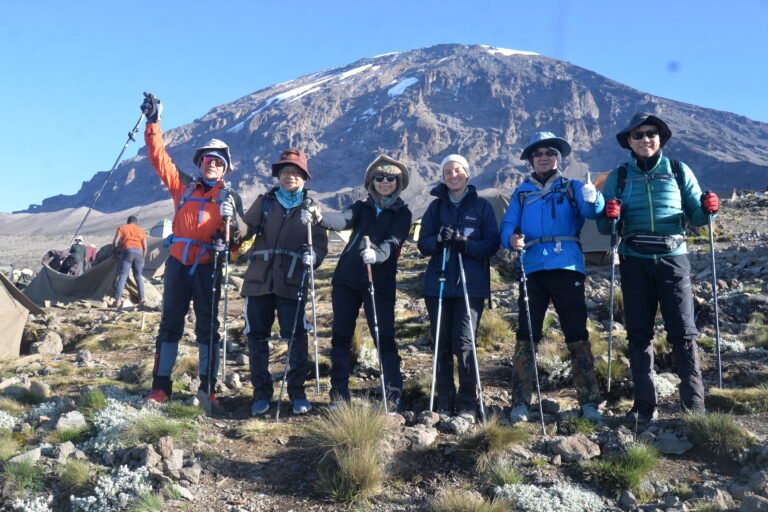
Kilimanjaro Full Moon Climb 24 December – Group Trekking 2026
Kilimanjaro Full Moon Climb 24 December 2026 – Group Trekking.
View package details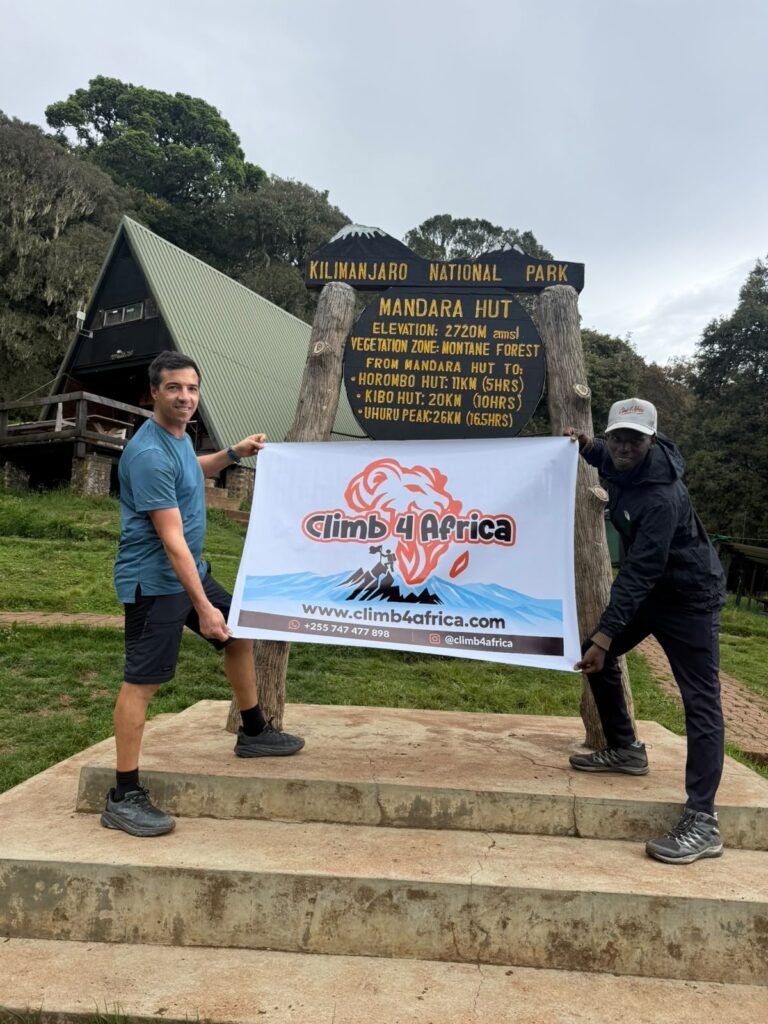
5 Days Marangu Route Kilimanjaro Group Climb – 8–12 December 2026
5 Days Marangu Route Kilimanjaro Group Climb – 8–12 December 2026.
View package details
December 4, Kilimanjaro Budget Trekking With Shared Group
December 4, 2026 Kilimanjaro Budget Trekking with Shared Group.
View package details2–8 January , 7 Days Lemosho Route Kilimanjaro Group Climb 2027
2–8 January 2027, 7 Days Lemosho Route Kilimanjaro Group Climb.
View package details
Climb Kilimanjaro In Budget 12-December-2026, Join Group 2027
climb kilimanjaro in Budget 12-december-2026, Join Group.
View package detailsClimb Kilimanjaro In 12-December-2026, Small Group in 2027
climb kilimanjaro in 12-december-2026, Small Group.
View package details
17 Days Kilimanjaro Group Climb Safari And Zanzibar 2026-2027
17 Days Kilimanjaro Group Climb Group Safari and Zanzibar.
View package details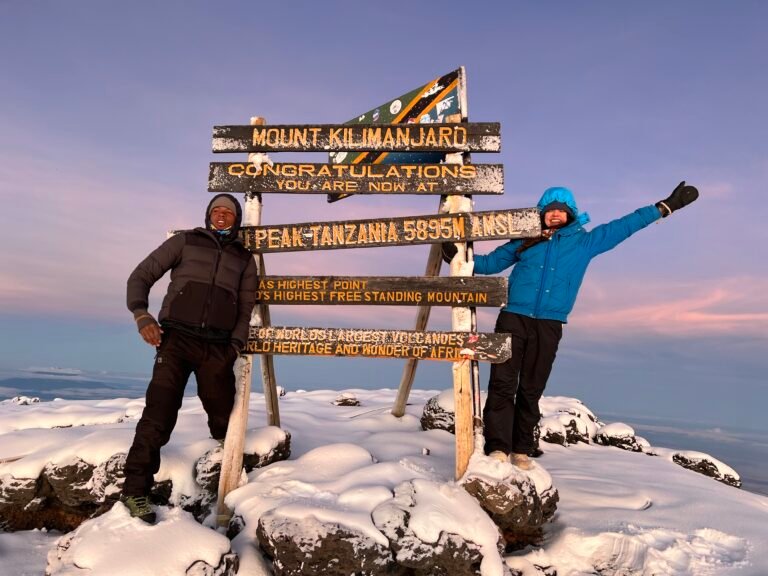
Kilimanjaro New Year Eve Climb – 31 December Summit 2026
Kilimanjaro New Year Eve Climb – 31 December 2026 Summit.
View package detailsKilimanjaro Christmas Holiday Trekking Packages December 2026
Kilimanjaro Christmas Holiday Trekking Packages December 2026.
View package details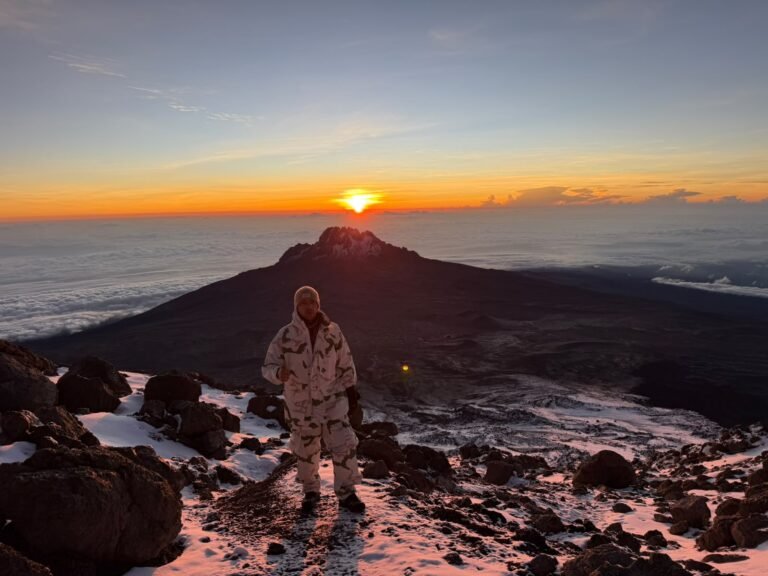
10 Days Northern Circuit Kilimanjaro Christmas Holiday Trek – 21–30 December
10 Days Northern Circuit Kilimanjaro Christmas Holiday Trek – 21–30 December 2026.
View package details6 Days Rongai Route Kilimanjaro Hiking – 6–11 December 2026
6 Days Rongai Route Kilimanjaro Hiking – 6–11 December 2026.
View package detailsNo related package matches those filters. Clear one or more filters to see the other topic-matched options.



