
What you will get in an 18‑day Kilimanjaro trek, budget safari and Zanzibar package is a logical sequence: climb Kilimanjaro via a chosen route with acclimatization time, then a multi‑park northern or southern circuit safari by road with realistic wildlife chances, followed by a Zanzibar beach stay reached by a domestic flight or fast ferry. You will see how many days are allocated to each leg, what transfers look like, and what a quote must include (guide service, park fees, transfers, and accommodation). Actual prices require current availability and can vary by season.

How the 18 days are split: Kilimanjaro ascent, safari, and Zanzibar
The plan centers on a practical sequence rather than a fixed template. Expect a typical split around 6–8 days on Kilimanjaro (including acclimatization and summit attempt), 6–7 days on mainland safari (multiple parks, vehicle-based game viewing), and 3–5 days in Zanzibar for rest, culture, and beach time. Exact allocations depend on the chosen Kilimanjaro route, the parks included in the safari, flight times to Zanzibar, and the overall pacing you prefer. This structure ensures a measured ascent, realistic wildlife opportunities, and relaxed coastal time without rushing from place to place.
Route planning: Kilimanjaro ascent logic and acclimatization
We prioritize routes that balance altitude gain with acclimatization time. Typical sequences involve a short, high-starting day to a mid‑range camp, followed by an acclimatization day (often a switch-back to a lower camp for rest, then back to higher camps), and a summit push aligned with favorable weather windows. The exact route choices (Lemosho, Machame, Rongai, or Northern Circuit variants) influence day counts, sleep locations, and altitude exposure. Your briefing will cover why a particular route supports acclimatization, what the expected pace feels like, and how porters and guides share responsibilities to keep you moving safely.
Safari logistics: which parks and what to expect on the road
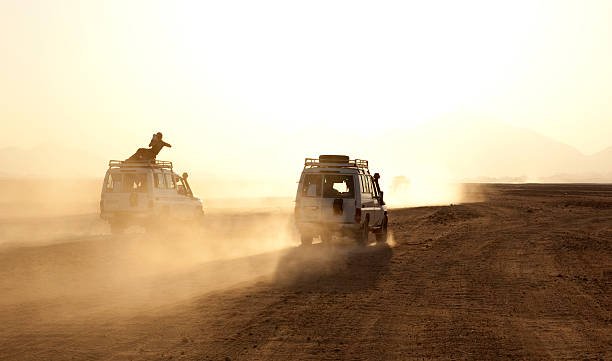
Post-Kilimanjaro, you’ll typically start a multi‑day, vehicle-based safari that minimizes long drives between parks while maximizing wildlife viewing chances. Common configurations include staying in near‑park lodges or tented camps, with morning and late afternoon game drives, plus occasional walking or night drives where allowed. The choice of parks (for example, lake/grassland ecosystems, big cat opportunities, and birdlife) affects drive times, lodge quality, and daily pace. Accommodations are selected for comfort and practicality, not guaranteed sightings, because wildlife is inherently unpredictable.
From safari to Zanzibar: island transfer logic
After the mainland safari, you’ll transfer to Zanzibar by domestic flight or fast ferry. Flight times are typically morning departures, with arrivals in time for a beach or cultural day. If you choose the Zanzibar coast, you’ll decide between stone town proximity (cultural and urban vibe) or a relaxed east coast beach experience (longer beach time, more snorkeling or water activities). The handoff includes checked luggage logistics, transfer to resort, and a clear schedule for the first days on the island to avoid jet lag and optimize your time.
Accommodations and pacing across the three legs
Kilimanjaro days rely on sturdy, comfortable trekking camps or lodges that support acclimatization. Safari nights are in lodges or tented camps aligned with the travel pace—hot meals, reliable guides, and safe inter-site transfers. Zanzibar stays focus on comfort and access to beaches, with options for lazy days, cultural tours, or water activities. The recommended pacing distributes energy evenly, keeping your legs fresh for the summit while preserving rest and recovery during the safari and beach days.
What a real quote must include (and what it cannot promise)
A valid quote will itemize Kilimanjaro permit fees, guide and porter services, meals, rescue insurance, park entry fees,车 transfers, domestic flights or ferries to Zanzibar, and accommodation in each leg. It should disclose what is not included (tips, personal gear, visa fees, international flights). Prices fluctuate with seasons, availability, and group sizes. Expect to discuss optional upgrades (private guides, higher-end lodges, or private vehicle safaris) and trade-offs such as pace, route variety, and total travel time.
Typical day-by-day sketch (illustrative, not fixed)
Day 1–2: Fly into Kilimanjaro region, transfer to acclimatization lodging. Day 3–8: Trek via chosen route with acclimatization days; campsite or lodge nights. Day 9: Summit attempt if conditions allow, return to high camp, descend to gate. Day 10–12: Drive to southern or northern safari circuit; base lodge near first park. Day 13–17: Multi-park safari with two or three game drives per day, wildlife viewing opportunities within realistic expectations. Day 18: Fly to Zanzibar; transfer to resort and begin beach time. This sketch is adjustable to flight connections, weather, and chosen route.
Pricing reality and planning tips
Because there are no fixed prices here, a quote must reflect the actual itinerary decisions: Kilimanjaro route, number of safari nights, the exact parks visited, accommodation levels, and whether you opt for shared or private guiding. You’ll see inclusions like meals, guides, park fees, and internal transfers, plus what is excluded (international flights, visa, tips, travel insurance). For a reliable budget plan, request a breakdown with a per-person cost for the Kilimanjaro leg, a per-night rate for safari lodging, and a per-flight or per-transfer fee to Zanzibar. You’ll then be able to compare options and adjust pacing before booking.

Next steps for booking this 18‑day package
To move forward, share your preferred Kilimanjaro route, target departure month, desired safari intensity, and Zanzibar beach preference. We’ll tailor the day counts and park choices, confirm transfer logistics, and provide a provisional schedule. Once you approve, we’ll lock in accommodations, guides, and transfers, then issue a transparent, itemized quote. This approach keeps you in control of pacing and budget while ensuring practical logistics throughout the three connected legs.
Gaps and practical refinements for the three-leg itinerary: clarifying connections, pacing, and what a live quote must confirm
One of the most reader-relevant gaps in a high‑level plan like this is understanding the exact handoffs between Kilimanjaro, the mainland safari, and the Zanzibar beach portion. The three legs are bookable in sequence, but the practicalities—timing windows, transfer modes, and how each leg affects acclimatization and fatigue—are not a one-size-fits-all. This section adds concrete, bookable‑route guidance that remains tightly anchored to actual logistical considerations without inventing dates, prices, or guarantee claims.
1) Concrete transfer logic between legs (what to expect in practice): The Kilimanjaro ascent ends at a gate or final camp depending on the chosen route. The standard mainland safari transfer is typically a morning pickup from your hotel or lodge near the Kilimanjaro region, followed by a road transfer to a linked safari base (often within a few hours’ drive, though some itineraries use a brief internal flight to jumpstart the safari circuit). The Zanzibar connection usually triggers after the final mainland safari day. A domestic flight from a nearby international airport (often Kilimanjaro International or Arusha’s smaller airstrips) is common, with a scheduled arrival window designed to conserve a full beach or cultural day upon arrival. In some packages, a fast ferry from the mainland to Zanzibar is offered as an alternative, particularly when the safari base is closer to a coastal gateway. In all cases, the transfer plan should be explicit about: the transfer mode, the expected duration, the earliest/latest pickup times, and how downtime is allocated for rest or short acclimatization if needed before the next leg. This is a critical area for a live quote, because it directly affects travel fatigue, flight and ferry feasibility, and the risk of missed connections.
2) Acclimatization continuity across legs: While acclimatization is a Kilimanjaro priority, a poorly paced program can leave you fatigued for a long safari drive or a Zanzibar beach day. The travel plan should specify how long you should rest after the summit push and before resuming a long road journey. In practice, a well‑paced itinerary reserves at least one light‑activity day between Kilimanjaro and the first safari drive (for example, a relaxed transfer day with a short, optional morning activity such as a community visit or a stroll at a nearby garden) and then builds in the first safari day with short morning game drives to ease back into active days. For Zanzibar, this translates to a buffer day after the safari so you can recover from travel and adapt to coastal humidity and time zone shifts without sacrificing beach time or cultural tours. The key is to see in the quote how many rest days are embedded between each leg and what the expected daily activity level is for the first few days on safari and on the island.
3) Specifics that a live quote must validate: A robust, bookable plan will itemize and confirm, at minimum, the following components for each leg: Kilimanjaro: route name, total trekking days, acclimatization days, altitude gain estimates per day, camping or lodge nights, porter and guide provisioning level, meals during the trek, and the rescue or insurance coverage. Safari: number of days in each park, the type of vehicle provided (open-sided land cruiser or 4×4 with a guaranteed seat capacity), lodge or tented camp categories, included meals, two daily game drives on most days (with exact timing windows), park entry fees, internal transfers, and tipping guidelines. Zanzibar: hotel or resort category, room type, board basis (e.g., breakfast included or half‑board), any included island excursions (stone town tours, spice farm visits, snorkeling), and the sequence of transfers from the mainland to the island. A well‑crafted quote also clearly lists exclusions (international flights, visas, travel insurance, pre/post‑hotel extensions not in the core package, and personal expenses) and mentions optional upgrades (private guides, private vehicle safari, higher‑end lodges) with their trade‑offs in pacing and cost.
4) Realistic day counts and non‑guaranteed wildlife expectations: The article’s current framing rightly emphasizes that wildlife sightings cannot be guaranteed. A practical quote should translate this into park‑level expectations rather than promise “big five sightings” or exclusive wildlife moments. It should describe typical activities (game drives at dawn and late afternoon, optional night drives where allowed, walking safaris if offered) and the density of wildlife commonly observed in the gekozen parks, while acknowledging that weather, animal behavior, and seasonal migrations influence daily outcomes. Where possible, it should present buffers: “two to three game drives per day on safari” and note possible single‑drive days during travel transitions, or adjustments due to landing times and internal flight slots to Zanzibar.
5) Day-by-day sequencing must reflect actual bookable options: The new material avoids prescribing a fixed day-by-day plan from start to finish unless a specific booking window is provided. Instead, it focuses on the feasibility of common bookable sequences: Kilimanjaro ascent (6–8 days depending on route and acclimatization), safari (5–7 days across two or three parks with intra‑park drives and lodge nights), and Zanzibar (3–5 days of beach, cultural activities, and water‑based experiences). The important booking detail is that your quote should map each day to a practical action (trek days with camps or lodges; travel days with transfers; safari days with planned drives and rest; Zanzibar days with beach time and optional excursions). If an operator proposes alternative day counts, they must justify them with park access, flight/ferry schedules, and rest allowances to prevent overloading travel days.
6) Island transfer assumptions and practical constraints: For the Zanzibar segment, specify whether you arrive via domestic flight or fast ferry, include the exact duration, and note any baggage restrictions or check‑in routines at the airport or port. Also indicate the typical drive from the Zanzibar airport to your hotel, the buffer time for sea‑faring conditions (tide-related schedules rarely affect land transfers but can influence water activities), and the availability of late‑afternoon activities if the arrival is in the early afternoon. If the plan includes a spice tour or a Stone Town heritage walk, confirm the start time, the duration, and any dress codes or cultural considerations, ensuring that these activities align with your energy levels after the safari.
7) What readers should do next with this information: If you’re evaluating a live quote, use this checklist to verify completeness: confirm transfer modes and durations; confirm acclimatization buffers; confirm park and reserve selections; confirm lodging categories and meal inclusions; confirm any optional upgrades; confirm the inclusion of park fees, permit charges, guides, and porter services; confirm the cancellation policy and rescheduling options given three distinct legs. A transparent operator will provide a provisional schedule with a day‑to‑day scaffold and then render a formal, itemized quotation once you confirm route choices, departure month, and preferred intensity. The three legs should be coherently linked, with travel times realistic enough to avoid fatigue and to preserve the quality of wildlife viewing and beach downtime.
Clarifying the transfer logic between Kilimanjaro ascent and mainland safari: practical handoffs and timing considerations
In practice, the bridge between the Kilimanjaro climb and the mainland safari is the most logistically sensitive transition in an 18‑day package. Because Kilimanjaro trekking days are physically demanding, the handoff logic must account for acclimatization, rest, and travel fatigue to preserve safety and wildlife-viewing quality on the safari days that follow. A bookable itinerary cannot rely on generic time buffers; it must specify exactly how the last trekking day ends, where you rest after the descent, and the earliest feasible transfer to the safari base without sacrificing acclimatization integrity.
Typical bookable patterns anchor the Kilimanjaro summit window to a subsequent mainland transfer that occurs after a guaranteed rest day or two in Moshi or a near‑by acclimatization lodge. This rest period serves two purposes: allowing the body to recover from the exertion of summit push and ensuring that the first safari drives do not begin with residual fatigue. The exact timing depends on the chosen Kilimanjaro route and the day of the descent, but a credible quote will spell out:
- the expected descent completion time from the summit day (often late afternoon to early evening, depending on weather and route),
- the minimum rest hours or overnight stay arranged before driving to the safari region,
- the transfer mode to the safari base (private vehicle, with a planned lunch/briefing stop if distance allows),
- the arrival day’s planned activities and rest windows to adapt to the new time zone and terrain.
Explicitly mapping these factors in the quote reduces the risk of fatigue-driven compromises during the first safari sunrise drives, which are typically the best wildlife opportunities. For example, if the Kilimanjaro descent finishes around 4–6 p.m., a practical plan may allocate an optional early-night recovery at a Moshi lodge followed by a dawn departure the next day toward Arusha or a northern safari gateway. If the itinerary uses a longer buffer due to a late finish from the route, the quote should indicate the effect on the earliest safari start time and any concessions (for instance, a lighter first safari day or a later start) that preserve energy reserves without eroding the overall pace.
Transfer logistics: flights, drives, and timing guarantees
Two dominant models exist for the mainland safari transfer after Kilimanjaro: a short flight to a northern or central safari hub (often Arusha or Kilimanjaro International Airport to one of the park towns) or a road transfer that links directly from the Kilimanjaro region to a safari lodge. A properly configured package keeps both options explicit and ensures they align with park entry times and lodge check‑in policies. The booking note should confirm:
- the exact transfer type chosen (flight or overland),
- the carrier, flight numbers or vehicle details,
- the expected gate/landmark transfer times, with a documented buffer for delays,
- port of arrival (airport or airstrip) and the meeting point for safari guides,
- the luggage handling arrangements, especially if a single‑vehicle itinerary must accommodate safaris with multiple game drives per day.
Practicality advice: travelers with limited time between Kilimanjaro finishing and safari start may prefer a short rest day and a morning transfer to the safari gateway. If the itinerary compresses this window, the operator should justify it with flight/tide schedules, road conditions, and contingency plans. A solid quote will also delineate contingency options (e.g., a one‑day extension or a slight reshuffle of days) in case of weather‑ or health‑related delays on the mountain.
Acclimatization carryover into safari pacing
Although safaris rely on daylight mobility rather than altitude, the cumulative fatigue from high‑altitude trekking can dull vigilance or energy for early morning game drives. A thoughtful itinerary will couple the Kilimanjaro acclimatization logic with a safari pacing plan that respects this transition. In practice, this means: scheduling shorter or later first safari drives after a rest day, ensuring reliable guide support, and arranging meals that sustain energy without causing digestive strain after altitude exposure. The booking language should clearly articulate the intended safari start window and any necessary adjustments if you are still recovering from the climb. This level of transparency prevents mismatches between expectation and energy levels and preserves the overall enjoyment of wildlife viewing during the first days on the road.
What to look for in a quote regarding this transition
A credible, bookable quote will present a cohesive narrative for the Kilimanjaro‑to‑safari handoff, including:
- clear identification of the descent day’s finish time and the subsequent rest period,
- the exact transfer plan to the safari base (mode, route, time windows, and meet‑up points),
- the intent to maintain a consistent pace that respects acclimatization gains while preserving safari wildlife viewing opportunities,
- built‑in contingencies for weather delays or health setbacks, with named backups (alternative departure times, extra rest days, or modified drive schedules),
- documentation of all inclusions surrounding this transition (guides, transfers, meals, and permits) to avoid hidden charges or mismatched expectations later.
In sum, the handoff between Kilimanjaro and the mainland safari should read as a tightly choreographed sequence rather than two disjointed segments. The reader should come away with a concrete, time‑bound plan that specifies when you finish the mountain, how you travel to the safari, and how the first safari day is structured to optimize energy, safety, and wildlife viewing opportunities without sacrificing acclimatization discipline or personal comfort.
New operational details: knot points that travelers will actually verify in a live quote
One practical area where readers often encounter inconsistency is the exact sequencing and timing of transfers after the Kilimanjaro climb. A bookable plan must specify the day that descent finishes, the buffer period for rest and medical rehydration if needed, and the precise transfer method to the safari base. In real terms, you should expect a three-part handoff: (1) the descent completion window and credited rest time on the mountain side, (2) the transfer window to the safari hub (air or road, with explicit meet‑up points and contact details), and (3) a confirmed safari start time on day one at the first park or reserve. The live quote should explicitly confirm these windows and provide contingency language if a weather delay or minor health issue shifts the schedule by a day or two.
Concretely, demand a module-like transfer plan in your quote that you can read as a compact itinerary snippet: “Descent complete by 10:00, rest period 2–3 hours at base camp or gate facility, departure to Arusha or Kilimanjaro Airport by 12:30–13:30, domestic flight or drive duration 60–90 minutes, arrival at safari lodging by 15:00–17:00, first safari morning drive scheduled for the following day before dawn.” Absent this specificity, you risk misaligned energy levels for the first game drives or unnecessary layovers that erode the safari experience.
Another essential practical item is the explicit inclusion of acclimatization residuals in the pacing of the safari portion. A credible plan will acknowledge that some travelers may still feel fatigue after summit day(s), and thus may require a lighter first safari day or a later start time. Quotes should offer a clearly stated policy: optional rest-day buffers, alternative drive times, and guaranteed guide support that can adapt to a participant’s energy level without compromising safety or wildlife viewing opportunities. The absence of such flexibility often leads to mismatch between expectations and actual experience, especially for first-timers attempting a high‑altitude climb followed by a full-field safari.
On the Zanzibar component, verify the transfer logic once more with your operator. If the package uses a domestic flight, the quote should list the exact flight number, airline, and terminal information, along with checked-bag allowances and how luggage is handled during the connection. If a fast ferry is used, confirm sailing times, terminal access, vehicle transfers at the Zanzibar port, and the anticipated check-in at your coastal hotel or resort. The exact mode of onward transfer can affect your daily plan—so insist on clarity about what happens if the domestic leg is delayed and how that delay may compress island time or require a shorter stay in Stone Town or the east coast beaches.
To reduce risk of miscommunication, request a single page “transfer logic map” within the live quote. This should visually lay out the sequence: mountain finish → rest period → transfer to safari base (mode, route, times, meet points) → first safari day structure → Zanzibar transfer (mode, times, notes) → final departure details (if applicable). This map complements the textual itinerary and is especially helpful if there are multiple possible routes (e.g., Northern Circuit vs. Lemosho) or multiple Zanzibar access points (Stone Town proximity vs. beach resort alignment).
In short, the single most valuable addition you should see in a bookable quote for this itinerary is a clearly defined, time-bound transfer narrative that aligns energy, safety, and wildlife viewing opportunities with the physical demands of high-altitude trekking. The best operators present this as a cohesive sequence rather than three independent segments; the weaker options yield ambiguous transfer windows and leave you guessing about when the first safari day truly begins.
Addressing the Africa-crossing transfer nuance: what a live quote should concretely spell out
In the context of an 18‑day Kilimanjaro trek, budget safari, and Zanzibar escape, the most consequential practical gap readers frequently encounter is the exact handoff between the Kilimanjaro ascent and the mainland safari. A bookable plan must anchor this transition with precise, verifiable details because the mountain days are physically demanding, and the safari days demand daylight vehicle mobility and pre‑planned drive times. Without a clearly defined transfer narrative, travelers risk fatigue misalignment, missed flight connections, or compressed wildlife viewing opportunities.
What to look for in a robust transfer narrative is not a generic promise of “smooth transfer” but a specific sequence with time windows, contact points, and contingency options. A well‑constructed quote will present: the exact descent finish date and time, the recommended buffer period for rest (often a light day or an overnight in a nearby lodge), the transfer mode (private vehicle, shared transfer, or flight) and the route (road distance to the safari base, or direct domestic flight to a safari hub), the scheduled meet‑points with the safari guide, and the earliest feasible first‑safari‑drive time. It should also specify what happens if the descent wraps later than planned due to weather or trekking pace, including how the rest period is adjusted and how the subsequent transfer is reshaped to maintain safety and wildlife viewing integrity.
Why the transfer map matters in practice is tied to energy management. Kilimanjaro days accumulate fatigue that can blunt early‑morning alertness, which is critical for an efficient safari drive window and a smooth domestic connection to Zanzibar. A live quote that integrates acclimatization carryover with safari pacing will typically include a recommended rest pattern (for example, a surface rest in Moshi or Arusha before the safari start) and a guaranteed guide handoff at a defined time and location. This removes guesswork and preserves the intended wildlife‑viewing rhythm, rather than forcing a hurried first safari day following a late mountain descent.
To verify this, travelers should request a one‑page transfer logic map within the live quote. The map should visually trace: mountain finish → rest period → safari base transfer (mode, route, time windows, meet point) → first safari day structure → Zanzibar transfer (mode, times, notes) → final logistics (if any). Where options exist—Northern Circuit vs. Southern routes, or different Zanzibar access points—the map should clearly annotate viable alternatives and the default selection tied to the quoted price. Any ambiguity here is a red flag because it often cascades into mismatched expectations about total island time or the quality of the initial safari experience.
Beyond timing, a credible quote will confirm the practicalities that travelers can verify with certainty: the luggage handling protocol during aircraft connections (whether checked bags transfer automatically or require a recheck), the allowance and handling of personal gear during the road transfer (safety briefings, vehicle seating, and space for trekking gear versus safari equipment), and the potential need for a secondary buffer day if the Zanzibar flight is delayed or if the safari vehicle is held up by a late finish at the park gate. In short, the transfer section should move from abstract assurances to concrete, testable details tied to real operations on the ground.
From a traveler decision‑making perspective, insist on a single‑page, clearly labeled transfer itinerary within the quote. It should not merely restate the three legs but show the connective tissue: the finish line at Kilimanjaro, the rest block, the transfer handoff to the safari base, and the subsequent step into Zanzibar logistics. The stronger quotes will also present a fast‑track option for the most energy‑efficient sequence and a cautionary note about potential weather‑driven deviations, with compensation or alternative pacing described. This level of clarity reduces the risk of last‑minute schedule compression and ensures that the overall 18‑day plan remains coherent, safe, and enjoyable for both first‑time trekkers and repeat travelers alike.
Practical intricacies of the three‑leg transfer: a tighter look at timing, pacing, and contingencies
Even with a well‑structured itinerary, the real world of a combined Kilimanjaro ascent, mainland safari, and Zanzibar getaway hinges on the exact handoffs between legs. The single most actionable area readers should scrutinize in a live quote is the end‑of‑climb to start‑of‑safari transition: when the descent finishes, how long the rest period truly is, and which specific transfer mechanism (flight vs. road) will be used to reach the safari base. Beyond that, a credible plan will spell out several concrete details that dramatically influence daily rhythm and overall comfort.
First, quantify the descent‑to‑rest window. A typical Kilimanjaro finish might land you in Moshi or nearby facilities by late afternoon or early evening. The live quote should specify the exact finish time at the gate, the transfer time to the rest lodging, and the guaranteed earliest wake‑up for the onward transfer. A practical rest block is not a luxury pause; it is a carefully timed buffer designed to minimize fatigue and preserve alertness for the first full game‑drive day. If the plan includes a late finish or a long travel corridor to the safari base, the quote should propose an optional buffer day or a revised, lighter first safari day without compromising the overall three‑leg balance.
Second, the transfer modality and routing must be unambiguous. If the itinerary uses a domestic flight from Kilimanjaro International Airport or from a regional airstrip, the quote should include: airline, flight number, departure gate, luggage transfer protocol (whether bags are checked through to the safari town or require recheck), and the maximum checked‑bag allowance for trekking gear versus safari equipment. If a road transfer is chosen, the exact pickup point, expected driving time, rest stops, and potential weather‑related detours should be identified with built‑in buffers. In both cases, the plan should present the arrival window at the safari lodge and the scheduled orientation or briefing with the guide team so guests can anticipate a smooth rollover rather than scrambling after a long day.
Third, the safari base pacing must be aligned with acclimatization realities. A high‑quality quote will connect the Kilimanjaro acclimatization arc to the initial safari schedule, ensuring the first morning game drive occurs when participants have sufficient rest and energy. If the first safari day is compressed due to a late mountain finish, the quote should propose a safe‑and‑enjoyable adjustment—such as a later start time, a lighter drive distance, or a park with reliable morning visibility—without reducing overall wildlife‑viewing potential across the trip. These nuances matter because early fatigue can dampen the sharpness of observations, which is not ideal for a reader who expects credible safari opportunities rather than guaranteed sightings.
Fourth, contingency planning needs explicit coverage. Weather delays, air‑traffic hiccups, or late park closures can ripple through the schedule. A rigorous live quote will outline a fallback plan: alternate transfer routes, backup lodges with comparable standards, and the potential reallocation of safari days if an essential connection is disrupted. It should also spell out any penalties, rebooking costs, or supplier‑driven credits that may apply, along with the precise process and points of contact for real‑time updates. Readers should not discover these later as post‑booking complications; they should be clearly stated in the initial proposal so decisions can be made with transparency.
Fifth, luggage and packing logistics deserve concrete attention. The Kilimanjaro segment involves trekking gear that typically travels separately from regular luggage during certain transfers. The live quote should specify which items ride in checked baggage on flights to Zanzibar or the safari hub, and which items remain with you in carry‑on or secure storage. It should also note the maximum baggage allowances for each leg, the availability of luggage storage at the first safari lodge or Zanzibar base, and any constraints on gear during the road legs (for example, limited space for bulky trekking packs or the need to distribute weight evenly among participants). Clear gear handling rules prevent frustrating reorganization at critical moments and safeguard the integrity of essential equipment for summit and safaris alike.
Sixth, a robust three‑leg plan foregrounds the actual day‑to‑day experience rather than generic assurances. The live quote should present a concise day‑by‑day skeleton that respects the overall rhythm: finish of the climb, rest period, safari base arrival, first full safari day, island transfer, and the Zanzibar portion’s pacing. While the exact day counts often depend on a chosen Kilimanjaro route and the specific parks included in the safari, the quote should illuminate the chosen sequencing (for example, whether the Kilimanjaro ascent precedes a southern circuit safari or a northern circuit) and the rationale behind that order, with an emphasis on realistic wildlife viewing chances rather than promised sightings.
Seventh, cost transparency versus variable pricing. The quoted scope should clearly separate inclusions (guides, porters, permits, park fees, meals, domestic transfers, and accommodation in each leg) from exclusions (tips, international flights, personal expenses, pre/post‑tour activities, and any single‑supplement charges). When prices are provided, they should cite the precise itinerary variant and season, along with any refundable vs. non‑refundable components and the conditions under which changes are permitted. If the operator advises that prices are subject to change until a formal booking is confirmed, the quote should still present a firm, testable transfer and pacing plan that clients can verify against live operator schedules before committing.
Finally, present the transfer logic in a one‑page attachment within the quote. This visual or tabular transfer itinerary should map: Kilimanjaro finish → rest block → safari base transfer (mode, route, time windows, meet point) → first safari day structure → Zanzibar transfer (mode, times, notes) → final logistics. It should also annotate the viable alternatives (Northern Circuit vs. Southern loop; different Zanzibar entry points) and indicate the default selection tied to the quoted price. Such a compact, checkable reference is exactly what reduces ambiguity and helps readers compare options across competing quotes without guessing about the operational realities on the ground.
In short, the most valuable unanswered question in a reader’s mind often centers on how tightly the three legs are braided together in practice. If a live quote answers: when the mountain finish happens and what happens next; how the safari approach is organized immediately after; what exact flights or drives connect the legs; how long the rest period is and why; how luggage is managed; and what contingencies exist for delays—then the plan becomes genuinely bookable. Absent those specifics, a reader cannot confidently compare or commit. The emphasis in this section is to demand that the live quote crystallize these practicalities into a concrete, auditable sequence that holds up under real‑world checks and supports a smooth, enjoyable 18‑day experience across Kilimanjaro, safari, and Zanzibar.
Related Guides and Packages
Check Availability for 18 Days Kilimanjaro Trek Budget Safari And Zanzibar 2026-2027
Ready to compare dates, prices, and the best option for your group? Send the package name and travel month so the team can reply with a clear quote, availability, and what is included.
19 Days Kilimanjaro Trekking Safari And Zanzibar 2026-2027
19 Days Kilimanjaro Trekking Safari and Zanzibar.
View package details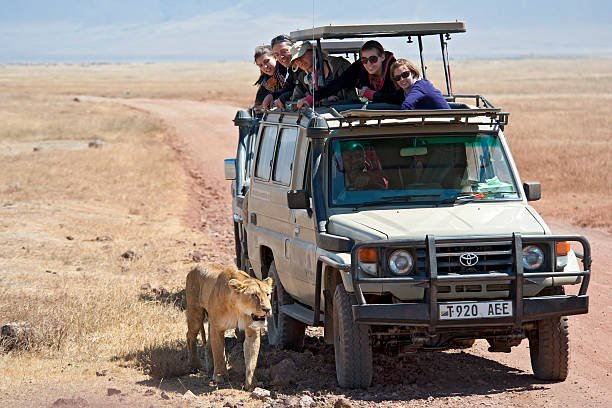
17 Days Kilimanjaro Group Climb Safari And Zanzibar 2026-2027
17 Days Kilimanjaro Group Climb Group Safari and Zanzibar.
View package details17 Days Kilimanjaro Climb Safari And Zanzibar Beach 2026-2027
17 Days Kilimanjaro Climb Safari and Zanzibar Beach.
View package details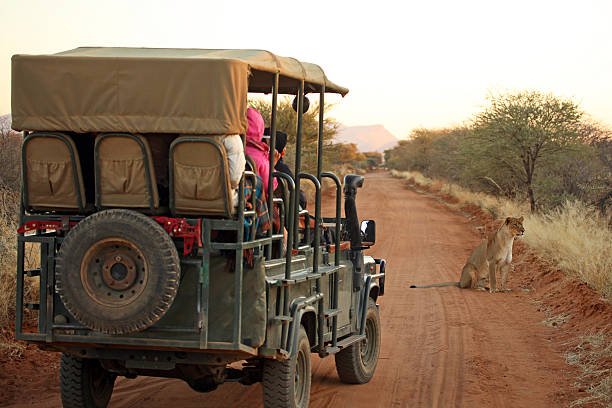
21 Days Tanzania Grand Adventure – Kilimanjaro Safari And Zanzibar 2026-2027
21 Days Tanzania Grand Adventure – Kilimanjaro Safari and Zanzibar.
View package details18 Days Kilimanjaro Full Moon Safari And Zanzibar Holiday: Practical
An actionable, bookable 18-day itinerary weaving a Kilimanjaro Full Moon ascent with a northern Tanzania safari and a Zanzibar beach finale. Practical transfers, timing, and non-guaranteed...
View package details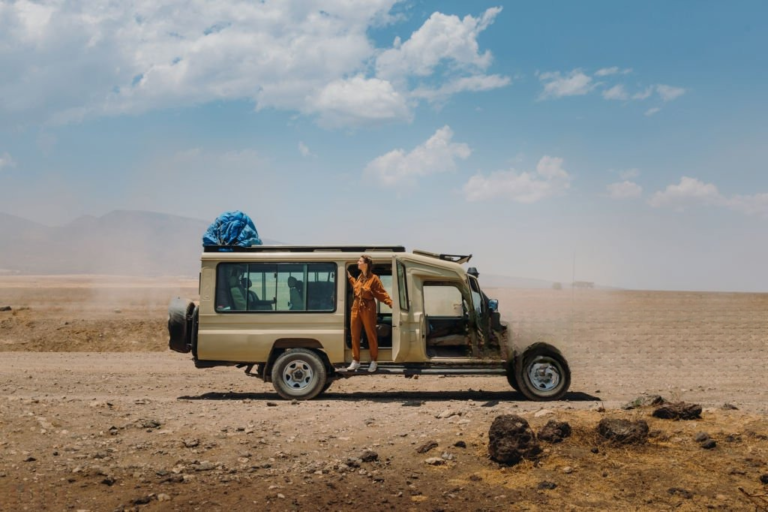
20 Days Luxury Kilimanjaro Safari And Zanzibar Retreat 2026-2027
20 Days Luxury Kilimanjaro Safari and Zanzibar Retreat.
View package details
20 Days Northern Circuit Kilimanjaro Safari And Zanzibar 2026-2027
20 Days Northern Circuit Kilimanjaro Safari and Zanzibar.
View package details18 Days Kilimanjaro Safari And Zanzibar Holiday Package 2026-2027
18 Days Kilimanjaro Safari and Zanzibar Holiday Package.
View package details
16 Days Kilimanjaro Serengeti Safari And Zanzibar 2026-2027
16 Days Kilimanjaro Serengeti Safari and Zanzibar.
View package details15 Days Kilimanjaro Safari And Zanzibar Holiday 2026-2027
15 Days Kilimanjaro Safari and Zanzibar Holiday.
View package details20 Days Ultimate Tanzania Kilimanjaro Safari And Beach 2026-2027
A complete 20-day, bookable Tanzania itinerary weaving Kilimanjaro ascent, northern safari circuits, and a Zanzibar-style beach finale with practical logistics and real-world pacing.
View package details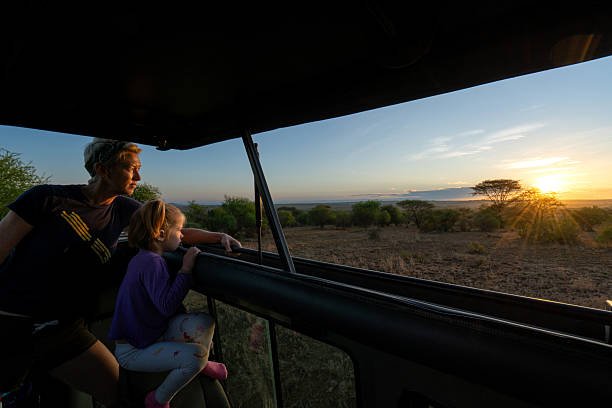
19 Days Kilimanjaro Tarangire Serengeti Ngorongoro Zanzibar 2026-2027
19 Days Kilimanjaro Tarangire Serengeti Ngorongoro Zanzibar.
View package detailsNo related package matches those filters. Clear one or more filters to see the other topic-matched options.



