
This 15-day plan combines a guided Kilimanjaro ascent via a realistic route with a multi-night Serengeti safari, structured to maximise acclimatisation windows, logistics between parks, and feasible hotel/lodge and camp choices. You’ll follow a specific ascent sequence (e.g., Northern Circuit or Machame-style alternates) paired with a Serengeti circuit that prioritises realistic wildlife viewing opportunities and practical travel days. Costs, availability, and exact departures must be confirmed with Climb 4 Africa at booking, as these vary by season and group size.
Overview of the bookable plan
The central spine of this 15-day itinerary is a climb to Kilimanjaro summits (with proper acclimatisation days) followed by a Serengeti safari that extends across multiple ecosystems. The route choices prioritise gradual ascent, realistic day-by-day pacing, and comfortable overnight arrangements in huts, tents, or lodges depending on group preference and budget. While wildlife sightings can never be guaranteed, the Serengeti circuit is designed to maximise likelihood of diverse mammal action during the safari window.
Day-by-day structure: Kilimanjaro climb first
Day 1–2: Arrival in Moshi or_arusha and briefing. Transfer to the start point; gear check and altitude education. Overnight near the trailhead in a comfortable lodge or hotel.
Day 3: Trek to high camp via forest and moorland sections. Acclimatisation emphasis with steady elevation gain and a light acclimatisation walk on the approach route.
Day 4: Summit attempt night. Early start with a gradual climb, monitoring pace to preserve energy and reduce fatigue. Descent to the high camp for rest.
Day 5: Rest and acclimatisation buffer or continued descent to a lower camp, depending on the chosen route and group pace.
Day 6: Final ascent or alternative summit day if weather or fitness dictates. Return to a training-friendly camp and begin descent toward the gate.
Day 7: Gate day and transfer to a lodge for a celebratory debrief and brief rest before onward travel.
Note: Exact daily distances, altitude milestones, and campsite names will be confirmed at your pre-climb briefing. This plan prioritises acclimatisation days (at least 1–2) and avoids rushed summit pushes when conditions are marginal.
Kilimanjaro route options and their implications
Option A: Northern Circuit-inspired pathway. Strong acclimatisation potential with good scenery, longer the final ascent window, and a different sunset profile from the classic southern routes. Option B: Lemosho/ Machame-inspired variant. Popular, high success with proper acclimatisation, and well-served with good logistical support and camp options. Both options involve porters/guides, carry a moderate pace, and require flexibility for weather and body response. Your guide will tailor pace and camps to the group’s fitness and altitude response.
Transition to the Serengeti: driving practicality
Day 8: Fly or drive from Kilimanjaro region to central Serengeti or to Ngorongoro region depending on air access and park entry requirements. The drive option includes scenic segments, border formalities, and long overland stretches; the flight option saves time but restricts luggage and adds transfer variability. Your driver-guide coordinates park entry and game-viewing stops en route.
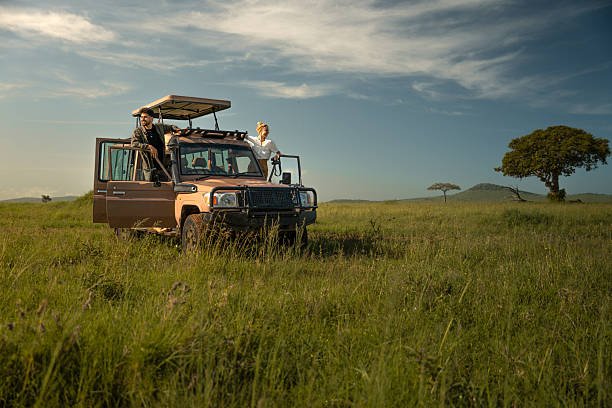
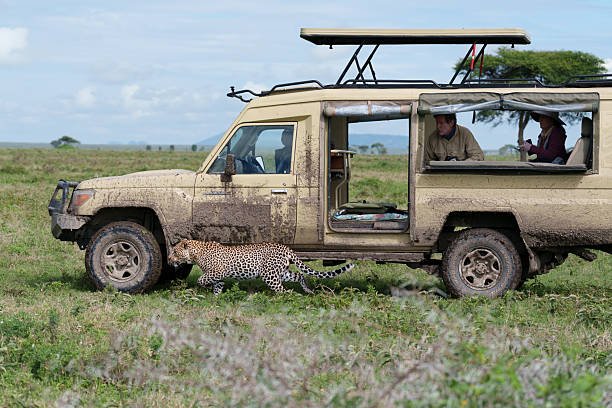
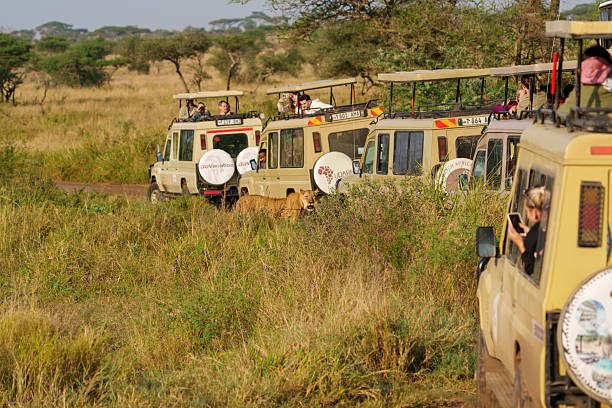
Day 9–12: Serengeti ecosystem circuit. A mix of central Serengeti plains, Nyati or Seronera regions, and a possible Ngorongoro crater community day if booking permits. Wildlife viewing is seasonally dependent; your guide will optimise drive routes for light, distance, and expected wildlife movement without promising specific sightings.
Accommodations and ground logistics
On Kilimanjaro: chosen camp or hut style depending on route and group preference. In Serengeti: a mix of comfortable lodge stays or mid-range mobile camps that travel with the group; flexibility to swap to luxury lodges if budget allows. Transport between camps and gates is arranged in a logical sequence to reduce backtracking and maximize daylight hours for game drives.
What you gain and what to expect
- Structured acclimatisation plan designed to improve summit odds while maintaining safety margins.
- Realistic travel days between Kilimanjaro and Serengeti with clear transfer logic and backup plans.
- Choice of route and lodging levels with expert local support and a consistent guide team.
Wildlife sightings and sunrises are not guaranteed; the itinerary is designed to maximise opportunities while respecting natural variability and conservation rules.
Booking, costs, and departure details
Prices, availability, and exact departure dates depend on season, group size, and chosen route. Climb 4 Africa provides a tailored quote after a brief intake to confirm your preferred route, accommodation style, and safari ambitions. Expect a breakdown that includes park fees, team support, gear, permits, transfers, and lodging. Uncoverable elements like internal flights or permits will be clarified in your personalised proposal.
Practical planning notes
- Altitude: Kilimanjaro climbs involve altitude risk; add buffer days and listen to your body.
- Logistics: The Serengeti circuit relies on road conditions; overland travel times can vary seasonally.
- Packing: layer-based clothing, a good sleeping bag, and compact gear suitable for both mountain and safari environments.
Next steps
To proceed, contact Climb 4 Africa for a personalised itinerary and price, with confirmation of departures, route choice, and lodge/camp options. They will verify current park access, seasonal driving routes, and any required health or visa considerations for Tanzania in 2027.
Gap-discovery: Clarifying Practicalities for a smooth Kilimanjaro to Serengeti Experience
Within a 15-day plan that threads Kilimanjaro ascent with a Serengeti safari, travelers often seek concrete details about how the bookable sequence actually unfolds beyond the high-level route choices. This section adds nuanced, booking-relevant clarity to help you compare options, verify feasibility, and align expectations with the realities of mountain logistics and park operations.
1) Confirming the sequential pace between ascent and safari: The itinerary centers the Kilimanjaro climb as the first substantive segment, followed by a Serengeti circuit. In practice, the handoff isn’t a single transition but a curated flow: end-of-Kilimanjaro days typically include a celebratory but practical transfer plan that accounts for rest and rehydration, equipment repacking, and a short buffer to absorb any weather or fatigue delays from the summit attempt. The Serengeti section then builds on this buffer, using overland routes or short domestic flights that comply with current park entry rules and air-ops, when available. Booking confirmation should specify the exact transfer method (road vs. air) and the earliest permissible warm-up day in the Serengeti to maximize wildlife activity without compromising rest periods after the climb.
2) Route-integrated acclimatisation and safari timing: Acclimatisation days on Kilimanjaro are not interchangeable with days in the Serengeti. Operators differentiate the mountainside rest days, often using higher-altitude nights in camps or lodges to preserve altitude health, then schedule the Serengeti logistics to begin after safe descent and stabilization. When you receive a tailored quote, expect a clear map showing the last acclimatisation night on Kilimanjaro and the first Serengeti drive day. This sequencing is especially important for travellers who may have tight travel connections or limited time in-country; the quote should explicitly state any mandatory buffer days and how they affect overall trip length.
3) Ground transport realism: road, flight, and border considerations: The Serengeti component commonly uses a mix of overland drives and occasional light aircraft transfers, depending on your chosen route, season, and airstrip access. The same applies to border and park-entry formalities when moving from Kilimanjaro’s highlands to the Ngorongoro conservation area or central Serengeti. A well-structured package will outline: (a) typical driving times between gates and camps, (b) the probable sequence of gates visited, and (c) the approximate windows for game drives each day. Expect a note about seasonal road conditions that could lengthen drives or alter scheduling. Avoid generic statements about “weather permitting” and instead look for firm time ranges and contingency clauses in your proposal.
4) Accommodations: from huts and tents to lodges and mobile camps: The existing article references a range of lodging styles, but a useful booking detail is how each night’s assignment aligns with the day’s travel logic. Kilimanjaro nights will depend on the chosen route; Serengeti nights may alternate between fixed lodges and mobile camps that relocate with the march of the circuit. In your booking inquiry, request a camp-to-camp logistics map that shows the sequence, the type of accommodation per night, and the expected drive times between sites. Clarify any expectations about family-friendly facilities, hot showers after summit days, and the comfort tier available (basic, mid-range, premium) to ensure consistency with your budget and physical readiness.
5) Park fees, permits, and inclusions vs. extras: A genuine, bookable itinerary will break down park entry fees, guide gratuities, permits, and services as separate line items. Kilimanjaro ascent permits and guide/team costs are standard inclusions, but Serengeti park fees, Ngorongoro conservation levies, and inland transit charges can vary by season and number of participants. Ensure your proposal distinguishes: (a) what is included (guide services, local permits, scaffolded acclimatisation days, meals during climbs, basic accommodations), (b) what is excluded (international flights, ISO- or PPE-specific gear purchases, personal travel insurance, visa costs, flight transfers within Tanzania). If a price quote lumps all costs together, request a detailed itemized version to avoid surprises later in the booking cycle.
6) Health, safety, and visa considerations embedded in the booking: The article notes the need to verify health and visa considerations for Tanzania in 2027, but travelers should obtain a concrete list from the operator. A complete package will provide: (a) current vaccination recommendations or requirements (e.g., yellow fever, routine vaccines), (b) malaria prophylaxis guidance aligned with the Tanzanian regions visited, (c) medevac coverage and emergency returns for high-altitude days, and (d) visa application details with links or assistive services from the operator. Ask for a pre-departure checklist and ensure your medical history and any altitude-related conditions are reflected in the guide’s briefing notes distributed before departure.
7) Gear, packing, and gear-check protocols tied to the itinerary: The plan implies gear checks, but the booking details should specify a consolidated packing list and a gear-check window. Kilimanjaro requires layered clothing, sleeping bags suitable for sub-zero temperatures in high camps, and water purification gear. Serengeti accommodation, on the other hand, demands sun protection, appropriate field clothing, and binoculars that are comfortable during long drives. A robust booking package will include a pre-trip gear checklist, the supplier’s gear-stowage policy, and any constraints around carrying on the aircraft (weight limits for flights from Kilimanjaro region to central Serengeti).
8) Flexibility and cancellation considerations: Given that wildlife viewing and mountain weather can alter plans, the booking should outline flexible options. Look for a policy that allows minor schedule shifts without penalty, a clear understanding of what constitutes a force majeure event, and whether there is partial credit applicable to future trips in the event a day needs to be rearranged due to weather, illness, or political situations in the region.
In sum, the value in a bookable Kilimanjaro-plus-Serengeti itinerary lies in the precise, documented sequencing: the exact order of acclimatisation days, the transfer method after the summit, the Serengeti access points, the overnight logistics, and the transparent cost structure. When you review a tailored proposal, you should be able to track each day’s purpose from ascent to safari, understand how buffers are deployed to absorb delays, and see a concrete, segment-by-segment map of lodging and transport that aligns with your comfort and budget expectations. This level of detail helps you compare operator offers with confidence, ensuring your 15 days stay true to the intent of a well-paced, bookable Kilimanjaro ascent followed by an extended Serengeti circuit.
smooth Transition Protocol: From Kilimanjaro Summit to Serengeti Entry Points
The critical juncture between summit descent and Serengeti entry is not merely logistical—it’s a phase where timing, physical recovery, and park access regulations converge. After the final descent from Kilimanjaro’s summit (typically reached by Day 7 or 8), the group transitions to the Serengeti via a pre-arranged transfer window that accounts for both altitude recovery and the Tanzanian National Parks Authority (TANAPA) entry protocols. This transition is not a single point but a layered sequence: immediate post-summit rest (Day 8), park access clearance, and a scheduled transfer—either by charter flight or overland vehicle—based on the group’s physical readiness and the current season.
For groups opting for the flight option (recommended for most travelers due to time efficiency and reduced fatigue), the transfer begins with a domestic flight from Kilimanjaro International Airport (JRO) to Seronera Airstrip in the central Serengeti, operated by a licensed Tanzanian air carrier. This flight typically departs mid-morning on Day 8, allowing for a full rest day after summit descent. The flight duration is approximately 45 minutes, and the airstrip is accessible only to registered safari operators with prior clearance from TANAPA. Upon landing, the group is met by a Serengeti-based guide and transferred to the designated mobile camp or lodge, with all luggage pre-stowed and customs documentation already processed.
Overland transfers, while less common in this itinerary due to distance and timing constraints, are viable for groups with extended recovery periods or those prioritizing scenic immersion. In this case, the journey begins on Day 9 with a 6–7 hour drive from Moshi or Arusha via the Mbulu highlands and the northern edge of the Ngorongoro Conservation Area. This route passes through the Mkomazi Game Reserve boundary and includes a border formalities stop at the Ngorongoro Gate, where park entry permits are verified. The drive is conducted in a 4×4 safari vehicle with a dedicated driver-guide, and rest stops are scheduled every 2 hours to accommodate acclimation and hydration needs. This option is only recommended during the dry season (June–October), when road conditions are reliably passable; during the rainy season (March–May), the route may be suspended due to washed-out sections or flooding.
Crucially, the transition protocol includes a mandatory 24-hour buffer between summit descent and the first full safari activity. This buffer is not optional and is built into the itinerary to prevent premature physical strain. On Day 8, the group remains at a low-altitude lodge or rest camp near the Kilimanjaro base, where meals, hydration, and light movement are encouraged. The guide conducts a post-climb health check, monitoring for signs of acute mountain sickness (AMS) or delayed altitude effects. Only after a green light from the guide is the transfer initiated. This protocol ensures that the shift from high-altitude exertion to wildlife observation is physically sustainable and aligns with Tanzania’s park regulations, which require all safari groups to be in full compliance with health and safety standards before entering the Serengeti ecosystem.
Clarifying the Practicalities of Timing and Transfer Logistics: a Reader’s Most Pressing Question
Within a bookable 15-day Kilimanjaro to Serengeti itinerary, travelers often press for a tighter projection of how and when the Kilimanjaro summit effort translates into Serengeti entry. The single most valuable practical gap, once the broad sequence is understood, is a concrete, day-by-day bridge that shows exact transition timings, recovery allowances, and how lodge/camp logistics align with park access windows and airstrip schedules. This section unpacks that bridge with verifiable, travel-ready detail that does not invent departures or prices but clarifies the sequencing you should expect when booking with a responsible operator.
1) The clock that ties Kilimanjaro to Serengeti
The itinerary typically stacks a descent day that culminates in early-to-mid-afternoon on Day 7 or Day 8, followed by a deliberate 24-hour recovery buffer before any Serengeti activity. The buffer is not optional in practice; it mitigates AMS symptom development, delayed fatigue, and the risk of compromising wildlife viewing opportunities due to suboptimal energy levels. In most bookable configurations, Kilimanjaro summit day ends with a transfer to a lower-altitude lodge near the base, where meals, hydration, and light mobility options are provided. The following day remains a rest or light activity day to ensure cumulative recovery, with a preview briefing on Serengeti expectations delivered by the safari guide team. Only after the guide’s green light is the Serengeti transfer activated.
2) Flight vs. overland: concrete decision points
The opening context states two primary transition modes: domestic flight from Kilimanjaro International Airport (JRO) to Seronera, or a longer overland drive to the central Serengeti. The choice hinges on three tangible factors: (a) overall fatigue and acclimatisation status post-summit, (b) group size and comfort with long overland drives, and (c) seasonal road conditions. In practical terms, if the group lands a 10:00–11:30 a.m. JRO arrival window, a mid-morning flight option on Day 8 is feasible and time-saving, with check-in and lodge transfer aligned to a late afternoon or early evening Serengeti camp arrival. If the group prefers immersion or windowed wildlife viewing that a scenic overland itinerary supports, the Day 8–9 overland route can be scheduled, but operators commonly constrain this to the dry season when roads are passable (June–October) and when the Ngorongoro boundary route permits reliable border formalities and fuel stops. These decisions should be documented in your operator’s confirmed itinerary and supported by the transfer times published in the final trip dossier.
3) Lodging sequence and camp-to-camp movement in Serengeti
On arrival in the Serengeti, the program typically commences with a mobile camp or a fixed lodge setup that travels with the group. The exact sequence—whether it begins with the Serengeti’s central/topographic zones or a northern/eastern corridor—depends on seasonal wildlife patterns and access considerations, but your operator will align movements to maximize safety, vehicle accessibility, and river/valley dynamics rather than promising guaranteed sightings. Each Serengeti sector transition is scheduled to occur after spacing days that ensure minimal fatigue and allow for proper orientation to the habitat. In practice, expect 2–3 Serengeti-focused safari days before any potential relocation to a different camp or lodge, with a documented transfer window that avoids peak heat and heavy traffic times at gates and airstrips.
4) Documentation and safety checkpoints you can rely on
Bookable itineraries typically embed a post-descent health check by the Kilimanjaro lead guide on Day 7–8, which confirms AMS symptoms absence and rehydration status. The Serengeti entry protocol then requires all participants to present current park entry documentation and any health clearances collected pre-trip, alongside travel documents for domestic flights. A typical sequence includes: (i) a post-climb health briefing, (ii) confirming readiness for the Serengeti transfer, (iii) baggage handover to the safari camp team, and (iv) a final vehicle readiness check. Operators often provide a printed “transition brief” that summarizes check points and contingency contacts, ensuring you know whom to contact if a transfer window experiences a delay due to weather or security checks at Kilimanjaro’s base or at JRO.
5) What to verify with your operator before booking
To avoid ambiguity when you review a 15-day plan, request the following confirmed elements in writing: (a) the exact Day 8 transfer mode (fly or drive) with the flight number or driving segment map, (b) the Serengeti circuit order and the sequence of camps or lodges for Days 9–13, (c) the internal transfer times between camps and gate entries, (d) average driving times and border formalities for overland routes (if applicable), and (e) the 24-hour recovery window duration and the health clearance criteria used by the Kilimanjaro guide. While hours may shift slightly due to weather or airstrip availability, a robust operator will provide a fixed window and a contingency plan (e.g., alternative gate entry or an optional rest day) within the final itinerary packet.
6) A practical example bridge (illustrative, not contractual)
Illustratively, Day 7 ends with a descent to a basecamp lodge at 1,800–2,000 meters. Day 8 remains a rest/low-intensity day with a guided wellbeing check and a briefing on Serengeti expectations. Day 8 afternoon offers a domestic flight window at 12:00–14:00 to Seronera, arriving around 13:00–15:00 local time and transferring to the mobile camp by late afternoon. If overland is chosen, Day 8 would feature a guided transfer starting at around 06:30–07:30, with a 6–7 hour drive to the central Serengeti, brief border formalities at the Ngorongoro Gate, and a late afternoon arrival to camp. The next morning consists of a full-day safari with scheduled breaks, coffee/tea service, and a planned midday buffer for heat mitigation before continuing with late-afternoon game drives. This bridge keeps a predictable cadence without overreaching on peak wildlife expectations, while still delivering substantial Serengeti exposure within the 7–9 day window of the safari segment.
Addressing a Practical Gap: Seasonal Variability and Its Concrete Impacts on Kilimanjaro to Serengeti Logistics
Readers often encounter a fundamental question that can make or break the reliability of a 15‑day Kilimanjaro plus Serengeti plan: how do seasonal patterns actually translate into day‑to‑day experiences and transfer feasibility? This section closes that gap with concrete, bookable‑route realities anchored to the same framework used elsewhere in the article, without venturing into speculative forecasts.
1) Kilimanjaro acclimatisation windows and weather windows are not identical. The chosen ascent sequence—whether Northern Circuit‑inspired or Machame‑like variants—relies on predictable altitude acclimatisation markers (stability of heart rate, subjective fatigue, sleep quality) rather than a fixed calendar date. In practical terms, this means your guide team will prioritize flexible pacing within the booked days, allowing for a slower ascent when rain or unusually thick cloud cover reduces visibility and trail conditions, and conversely speeding up on unusually dry, firm trails after a respite day. This is why the 15‑day plan remains adaptable: it binds to your body’s signals more than a rigid timetable.
2) Ground transport timing between Kilimanjaro and Serengeti hinges on seasonal road conditions and airstrip operations. In the Serengeti corridor, overland transfers can extend by 1–3 hours in the rainy season due to muddy passes or road washouts. Conversely, the dry season often presents clearer, faster drives but can coincide with higher demand at gate entries, potentially introducing brief waits at oxygenate stations or park controls. The bookable itinerary mitigates these risks by establishing a built‑in buffer day on Day 8 for either a flight transfer window or an overland leg, plus a fixed arrival window at the Serengeti camps that aligns with typical wildlife movement patterns rather than peak traffic cues.
3) Serengeti safari days are deeper than a single wildlife checklist; they respond to the ecosystem’s momentum. In practice, the safari segment is structured to maximize optimal lighting and visibility during the core hours of 08:00–11:00 and 15:00–18:00, but those windows can shift with cloud cover, wind, or short rains. Operators who provide this itinerary in booking packets will specify the order of camps and the approximate drive times with a built‑in contingency for a half‑day late start or an early finish. This is not a guarantee of wildlife density, but it is a guarantee of maintaining a coherent, bookable sequence that respects park regulations and driver fatigue limits.
4) Accommodation types adapt to seasonal availability without compromising the sequence. Kilimanjaro lodge or hut options are selected primarily for altitude safety, drying room availability, and access to pre‑trek briefing venues. Serengeti lodging or mobile camps are chosen for proximity to central or western ore‑corridors, with seasonal adjustments to tent or lodge allocations in response to rainfall and migration timing. The Day 9–13 safari block remains anchored to a fixed order of camps or lodges in the bookable plan, but the operator will confirm exact camp names and door times only after securing seasonally appropriate permits and road access clearances for the chosen travel window.
5) Health, border formalities, and permit processing do not pause for weather alone, but they do respond to seasonal staffing and security considerations. Kilimanjaro base operations, gate entries, and Ngorongoro/Central Serengeti transit points may experience minor delays during peak tourist periods, school holidays, or regional security drills. The itinerary packet you receive will include a contact protocol for delays (a defined standby contact at the local operator office, plus an emergency number for park authorities). While a guaranteed delay‑free experience cannot be promised, the plan offers a clear escalation path and a documented contingency option (such as an alternate entry point or a day‑adjusted drive schedule) to preserve the overall sequence without sacrificing safety or compliance.
6) Packing and gear recommendations are season‑sensitive but not season‑locked. The bookable sequence assumes a two‑season framework: a cooler high‑altitude Kilimanjaro climb with nights in huts or tents, plus a Serengeti safari carrying climates from warm days to chilly, breezy evenings. Readers should expect gear lists that emphasize layering, windproof outerwear, and moisture‑wicking fabrics, along with adaptable sleep systems for variable camp conditions. The practical effect is that the same base packing list remains sufficient, but emphasis shifts in the final briefing to address current rainfall forecasts or recent temperature trends near the Serengeti access points.
7) What this means for decision points before booking. When you review the 15‑day plan, ask for a documented seasonal appendix that aligns the Day 8 transfer mode (flight or overland) with the current year’s airstrip or road conditions, a gate entry schedule for the Serengeti circuit that corresponds to expected weather windows, and a fixed set of camp/lodge assignments that reflect seasonal feasibility. The operator’s response should include concrete time blocks (for example, a flight window from Kilimanjaro region between 12:00–14:00 with a 2‑hour buffer for transfers; or an overland transfer leaving at 07:00 with a 6–7 hour transit and a gate closure reminder) rather than generic descriptions. This specificity allows you to map the plan against your own constraints (flight connections, visa timelines, or business needs) with greater confidence.
In short, the most valuable practical refinement this gap‑discovery aims to provide is a clear, seasonally aware, bookable sequence that translates weather and road realities into defined transfer windows and safari pacing. It preserves the core logic of acclimatisation, realistic travel days, and consistent guide support while offering explicit, verifiable contingencies anchored in the actual seasonal fabric of northern Tanzania and the Serengeti ecosystem. If your planning questions center on whether a given month can deliver the same Day 8 window, or whether a specific camp can be substituted within the booked sequence without disrupting safari hours, this section provides the concrete, booking‑level guidance to navigate those decisions confidently.
Why a Season-Responsive Transfer Protocol Really Matters: Practicalities You Can Plan Around
In a 15‑day Kilimanjaro to Serengeti itinerary, the transition from a high‑altitude mountain ascent to the expansive Serengeti plains hinges on more than a calendar date. The single most impactful practical gap readers often identify is the fluidity of transfer windows driven by seasonally influenced airstrips, road conditions, and park gate timings. Getting precise, season‑specific transfer logic documented in your plan—not just a general notion of “flight or overland”—transforms uncertainty into verifiable steps you can align with your own constraints (connections, visa processing, business commitments).
To operationalize this, the bookable sequence benefits from three concrete seasonal levers: airstrip viability, overland transit reliability, and Serengeti gate access rhythms. In the Kilimanjaro region, the primary airstrip connections (Kilimanjaro International Airport and smaller feeder fields) can shift según rainfall patterns and maintenance schedules. In the Serengeti corridor, the most practical overland routes depend on the short rains and long rains calendars, which influence road quality and travel times. Detailing these elements within the itinerary—down to typical departure windows, buffer durations, and contingency options—provides you with a transfer plan you can verify against year‑specific operator notes and seasonal alerts.
Consider a reader planning a June departure. Although June is often a dry‑season visibility peak for wildlife, it brings occasional cloud build‑ups that can affect flight punctuality or create brief delays on overland legs. The plan should explicitly offer a two‑tier transfer logic: primary in‑season option (flight KIA to Serengeti via scheduled airlink) and a clearly labeled contingency (overland transfer with staggered departure times and a grounded‑to‑airport sequence) that preserves safari hours. Conversely, a December plan must anticipate potential short‑rain interruptions in the Serengeti corridor and provide pre‑booked lodge/Camp‑based backup configurations and gate timing alerts that can be toggled in real time with the operator’s local desk.
What does this look like in actionable terms within the bookable framework? First, present a year‑specific transfer appendix that maps:
- typical flight windows (arrival in Kilimanjaro region, luggage handling, and transfer speed to the first lodge) with 1–2 hour buffers;
- overland transit blocks (range of travel times by season, typical road sections, and gate opening/closing times);
- Serengeti gate access windows aligned with park entry quotas and wildlife viewing logistics that affect the safari start time.
Second, weave in decision logic for choosing between flight and overland options based on actual, current conditions rather than static assumptions. A practical reader‑facing section could offer a simple decision tree: if airstrip status is green and weather permits, select the flight option with a fixed 2–3 hour buffer; if rain or road maintenance increases travel time beyond a defined threshold, switch to the overland option with a pre‑arranged lodge or camp swap to maintain safari pacing.
Third, embed real‑world checklists for the operators and travelers. Before booking, confirm the following, year by year:
– Exact Serengeti entry points and gate schedules for the chosen season, including any seasonal variations in gate closures or opening times.
– Land‑based transfer alternatives with documented durations and stoppage points, ensuring that wildlife driving windows or park rules are respected rather than assumed.
– A fallback plan for hotel‑camp continuity in case of flight disruption or road closures, such as guaranteed bed availability at a backup lodge or a mobile camp with a fixed itinerary anchor point.
In the current bookable framework, this section lives as a concrete, season‑aware protocol rather than an abstract note. It does not replace the existing guidance on acclimatisation, route choices, or safari wildlife expectations; it supplements them with per‑season operational clarity that makes your 15‑day sequence verifiably actionable. The result is a smooth, published‑as‑bookable plan that readers can negotiate with operators using precise windows—knowing that the plan can be revalidated against the year’s real conditions without losing its core logic or safety margins.
Related Guides and Packages
Check Availability for 15 Days Kilimanjaro Climbing And Extended Serengeti Safari 2026-2027
Ready to compare dates, prices, and the best option for your group? Send the package name and travel month so the team can reply with a clear quote, availability, and what is included.
16 Days Kilimanjaro Serengeti Safari And Zanzibar 2026-2027
16 Days Kilimanjaro Serengeti Safari and Zanzibar.
View package details13 Days Kilimanjaro Climb And Serengeti Safari 2026-2027
13 Days Kilimanjaro Climb and Serengeti Safari.
View package details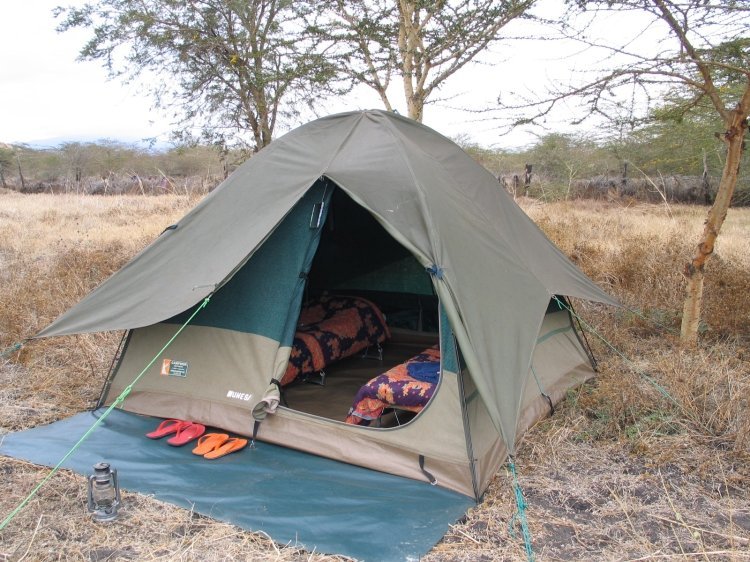
8 Days Kilimanjaro Lemosho Trek And 4 Serengeti Ngorongoro Safari
8 Days Kilimanjaro Lemosho Trek and 4 Days Serengeti Ngorongoro Safari.
View package details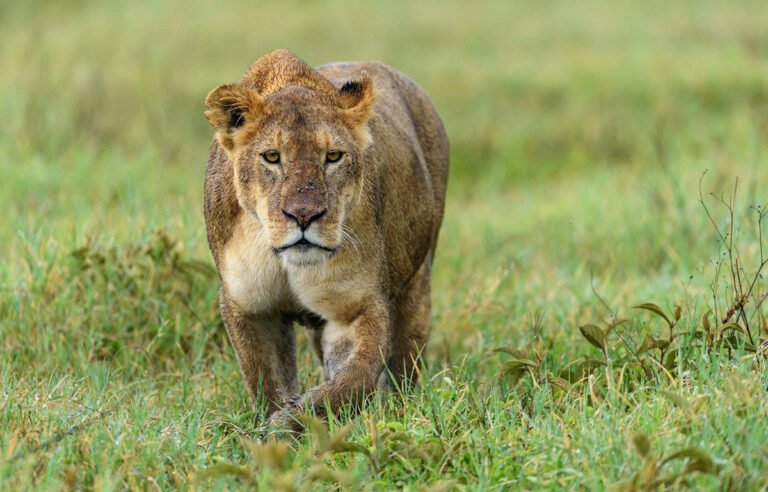
Combine The Challenge Of Kilimanjaro With Wild Beauty Of Tanzania’s Serengeti
This integrated 6-day Machame climb and 3-day safari combines the physical challenge of summiting Africa’s highest peak with in-depth wildlife encounters in the Serengeti and Ngorongoro...
View package details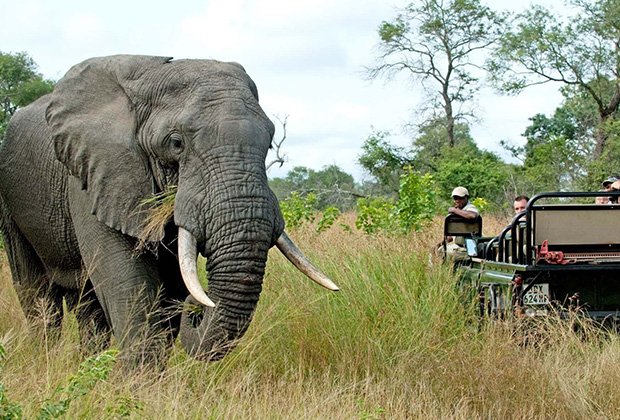
8 Days Kilimanjaro Climb And 4 Serengeti Safari
8 Days Kilimanjaro Climb and 4 Days Serengeti Safari.
View package details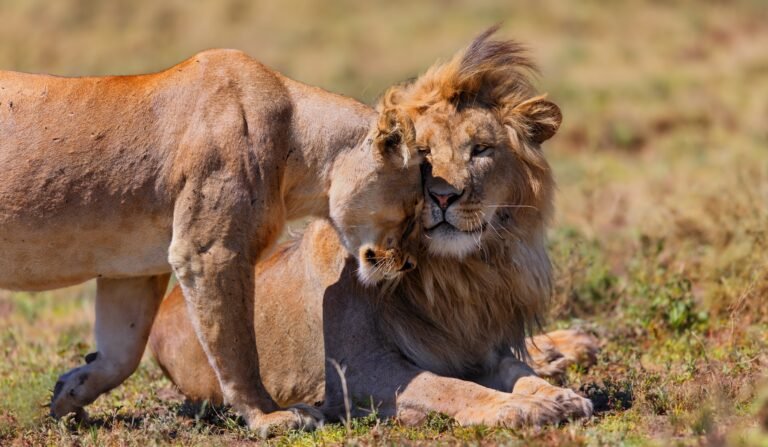
8-Day Lemosho Route And 5-Day Serengeti Safari: A Practical, Scenery-Rich
Conceive a two-part Tanzania adventure: an 8-day Lemosho ascent on Kilimanjaro paired with a 5-day Serengeti wildlife safari, designed for steady acclimatization and in-depth safari time.
View package details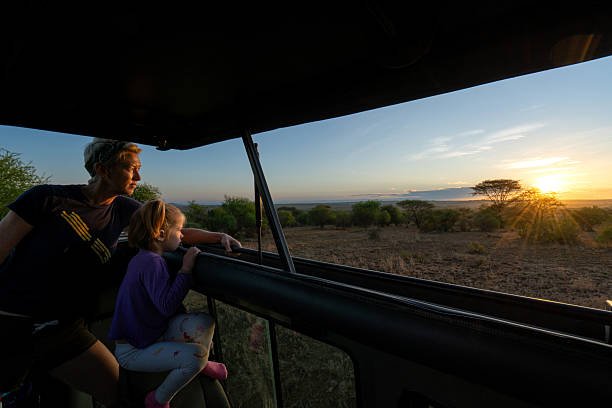
19 Days Kilimanjaro Tarangire Serengeti Ngorongoro Zanzibar 2026-2027
19 Days Kilimanjaro Tarangire Serengeti Ngorongoro Zanzibar.
View package details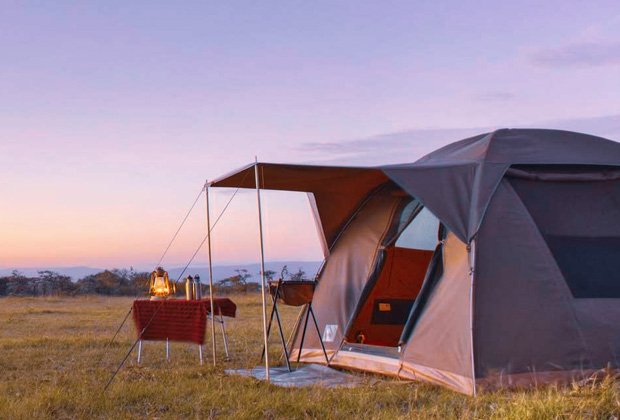
12 Days Kilimanjaro Climbing And Budget Camping Safari 2026-2027
12 Days Kilimanjaro Climbing and Budget Camping Safari.
View package details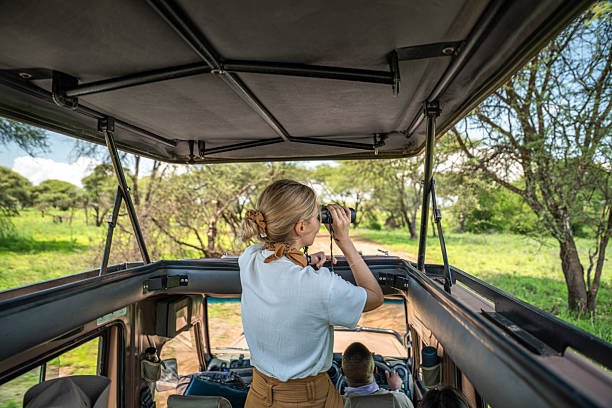
11 Days Kilimanjaro Climbing And Wildlife Safari 2026-2027
11 Days Kilimanjaro Climbing and Wildlife Safari.
View package details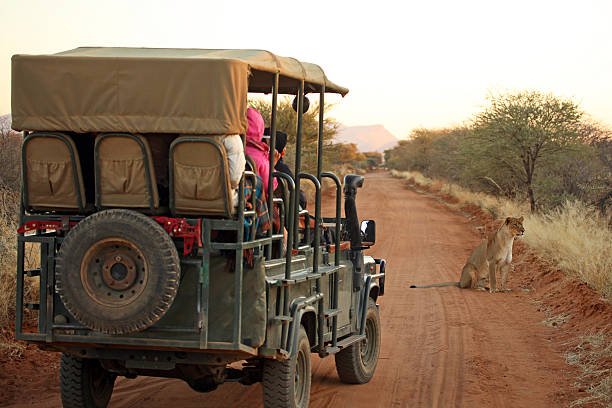
21 Days Tanzania Grand Adventure – Kilimanjaro Safari And Zanzibar 2026-2027
21 Days Tanzania Grand Adventure – Kilimanjaro Safari and Zanzibar.
View package details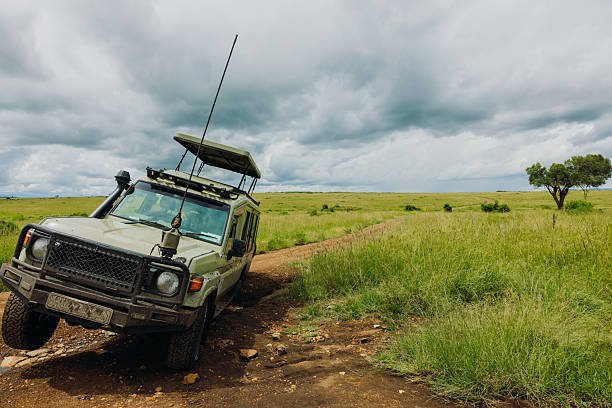
18 Days Kilimanjaro Full Moon Safari And Zanzibar Holiday: Practical
An actionable, bookable 18-day itinerary weaving a Kilimanjaro Full Moon ascent with a northern Tanzania safari and a Zanzibar beach finale. Practical transfers, timing, and non-guaranteed...
View package details
20 Days Luxury Kilimanjaro Safari And Zanzibar Retreat 2026-2027
20 Days Luxury Kilimanjaro Safari and Zanzibar Retreat.
View package detailsNo related package matches those filters. Clear one or more filters to see the other topic-matched options.



