
Planned as an 8-day Kilimanjaro group climb followed by a 4-day camping safari, this itinerary sequences the ascent via a chosen route with built-in acclimatisation days, transfers from Moshi to parks, and a forward safari in Serengeti or Tarangire. The schedule requires verified departures from Climb 4 Africa; exact dates, group size, and hotel details are confirmed upon booking. This page explains the real route, practical logistics, and how to request a confirmed schedule.
Overview of the 8 + 4 Day plan
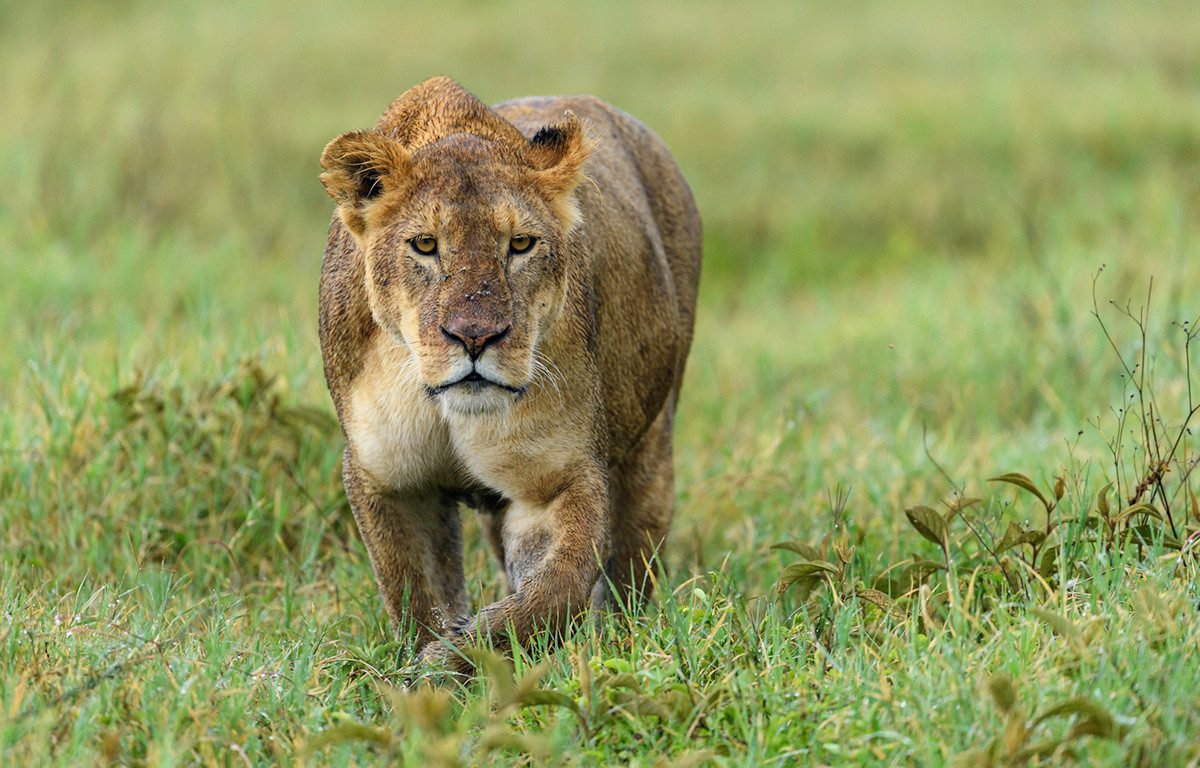
This bookable package pairs a Kilimanjaro group climb with a subsequent five- to six-day wildlife safari capped at four days, designed for travelers who want a single operator and cohesive logistics. The Kilimanjaro portion typically follows a well-established route with acclimatisation days to improve summit odds, while the safari portion moves from highland to iconic parks with realistic wildlife opportunities, not guaranteed sightings. Departure windows, group size, and camp choices depend on the latest operator schedule and park permits; please request a verified timetable when you inquire.
Day-by-day: Kilimanjaro climb (Days 1–4/5 depending on route) with acclimatisation
Day 1: Moshi or Machame gate setup and briefing. Transfer to the start point, gear check, and temperate acclimatisation walk in a nearby forest as the altitude begins to bite. Night in a comfortable hut or camp near the trailhead, depending on the route chosen.
Day 2: Elevation gain toward a first camping area with a steady pace designed to avoid fatigue. Expect sporadic breaks for hydration and snack breaks; the guide monitors pace and altitude symptoms. Evening camp setup with basic facilities and a hot meal.
Day 3: Acclimatisation day integrated into the climb plan (commonly a shorter day with a higher camp or a day interlude on the route). This is not a sightseeing day but a strategic rest to help the body adjust to altitude. Dinner and camp rest with optional light activity for those feeling strong.
Day 4: Summit push begins or early morning push dependent on route. This day typically encompasses the critical ascent to your highest camp or the final push if the route allows. Overnight in a high-altitude camp, with hot drinks and a simple meal after descent or a partial descent to a mid-camp depending on pace.
Day 5: Descent to the park gate or a mid-route rest point, depending on the chosen schedule. Transfer to Moshi or to the safari start point. If the group requires, extra rest day can be planned before safari departure.
Safari start: transition from Kilimanjaro to wildlife frontier (Days 6–9)
Day 6: Transfer from Moshi to the safari base in either Tarangire, Lake Manyara, or Serengeti fringe depending on availability and current permits. Road journey with scenic views, lunch en route, and an evening game drive in a designated park area if time allows.
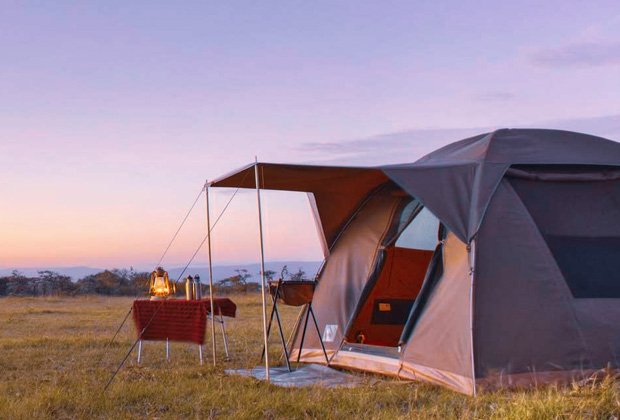
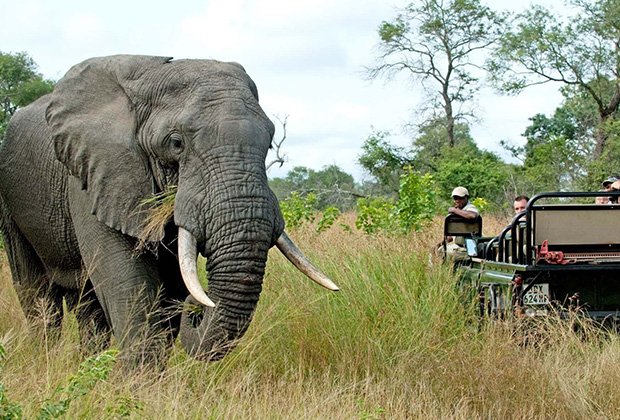
Day 7: Full-day game drive in the chosen park. The itinerary emphasises realistic wildlife viewing opportunities rather than guarantees. Picnic lunch, rest stops, and a return to camp or lodge for dinner and overnight stay in comfortable tents or modest lodges depending on the plan.
Day 8: Morning game drive or a relaxed start, followed by a late lunch and a final wildlife excursion. Transfer to the departure point or an optional extension to Zanzibar or another Tanzanian region if desired.
Day 9: Departure day after breakfast. Transfer to Kilimanjaro International Airport or your next destination by pre-arranged transfer, depending on flight times.
Route options and practical choices
The Kilimanjaro climb portion commonly uses routes with high acclimatisation value, such as Lemosho or Machame, balancing altitude gain with rest days. The safari section typically includes Tarangire or Serengeti plains for broad, varied landscapes and authentic wildlife safaris. Each route has its own camp or hut arrangement, with differing levels of comfort and distance between stops. Your guide team coordinates meals, permits, and transfers, and helps tailor the pace to the group’s wellbeing.
Dates, group joining, and verified departures
Dates and capacities for this exact 8 + 4 day package depend on current operator schedules and park/permit allocations. A confirmed timetable is provided after inquiry, with exact start date, meeting point, and hotel details. If you need a specific month or to join a small group, request a verified schedule through Climb 4 Africa’s booking team. They will confirm departures, group size, and the sequence of days before you commit.
Practicalities to plan before booking
- Health and fitness: General good health is required; you’ll be walking long days on varied terrain. Discuss altitude tolerance with your guide when planning the summit attempt.
- Gear and packing: The operator provides a gear list; you’ll need layers for cold nights on the mountain and comfortable clothing for safari drives. Some items are available for rental if needed.
- Vaccinations and visas: Check Tanzania entry requirements, recommended vaccines, and visa processes well in advance.
- Insurance: Ensure medical and evacuation coverage appropriate for both high-altitude trekking and wildlife safaris.
What you should expect from the booking process
You’ll receive a detailed itinerary after you request a verified schedule. The plan will include the exact route, daily distances or ascent profiles, camp or lodge arrangements, meal plans, and transfer details. Prices, availability, and hotel names are only confirmed after the operator reviews current permits and group demand. This is a real, bookable package, with logistics coordinated by Climb 4 Africa for a cohesive experience from ascent to safari.
Gaps and practical clarifications: planning the 8 + 4 day bookable sequence in detail
Readers often ask how the transition from the Kilimanjaro climb to the safari unfolds on a practical day-to-day basis, especially when the exact dates, group size, and hotel allocations are confirmed only after inquiry. This section adds concrete, logistics-focused detail to help you visualize the actual sequence, what is fixed and what remains flexible, and how to prepare for the switch from altitude to savannah without assuming generic outcomes.
1) Transition logistics: what happens the day you finish the summit segment and begin the safari
– Finishing the climb: The official summit day ends at the designated final camp or gate depending on route. After a celebratory briefing and a quick rest, the descent to the trekking base or a nearby lodge is scheduled. While the narrative may read like a straight handoff, the practical flow typically includes a private vehicle transfer to a central hotel or lodge in Moshi or a designated town, where hot showers, laundry, and a day-use rest room are available for recuperation before the long road transfer to the safari base that afternoon or the following morning, depending on flight times and park access rules.
– Transfer timing: Your safari base may be Tarangire, Lake Manyara, or Serengeti fringe. The shift is planned to align with daylight driving hours and park gate opening times. Expect a late-afternoon game drive only if the drive from Moshi to the base is short enough to preserve energy for an evening wildlife viewing; otherwise, the first game drive typically occurs the following day after a restful night and a breakfast briefing at the camp or lodge.
– Gear and packing adjustments: Mountain layers and climbing equipment are swapped for safari-appropriate gear—lightweight, breathable clothing, neutral tones to reduce visibility of reflections, and a compact daypack with water, sun protection, and a hat. Your guides will advise on how to store equipment you no longer need in Moshi or at the camp store, while essential items travel with you in a sealed duffel or portered bag for the safari portion.
2) The safari sequence: what you’re guaranteed to know and what remains variable
– Park selection and order: The safari component’s park order is typically not fixed until permits are secured and the operator confirms the verified timetable. Common configurations include Tarangire first, followed by Lake Manyara, then a Serengeti fringe or central Serengeti experience, but operators may adjust to permit windows, wildlife movement considerations, and group pace. Expect a practical emphasis on maximizing time in areas with known wildlife activity rather than promises of specific sightings.
– Accommodations: Safari nights are lodged in tented camps or moderate lodges with mid-range comfort, designed to keep you close to wildlife viewing opportunities while maintaining reliable meals and amenities. The sequence usually staggers camp locations to minimize long daily drives and allow for early-morning and late-afternoon game drives when animal activity is highest. Exact camp names and bed types are confirmed only after the verified schedule is issued.
– Driving routines: Game drives typically begin before dawn, with a light breakfast en route or at the camp. Your guide may adjust driving times to align with animal behavior (e.g., migratory gatherings, predator activity) and park rules. Long stretches of driving are balanced with short rest breaks and picnic-style lunches at designated viewpoints or on the savannah edge, ensuring comfort without compromising time in the park.
3) Practicalities you should verify when requesting a verified schedule
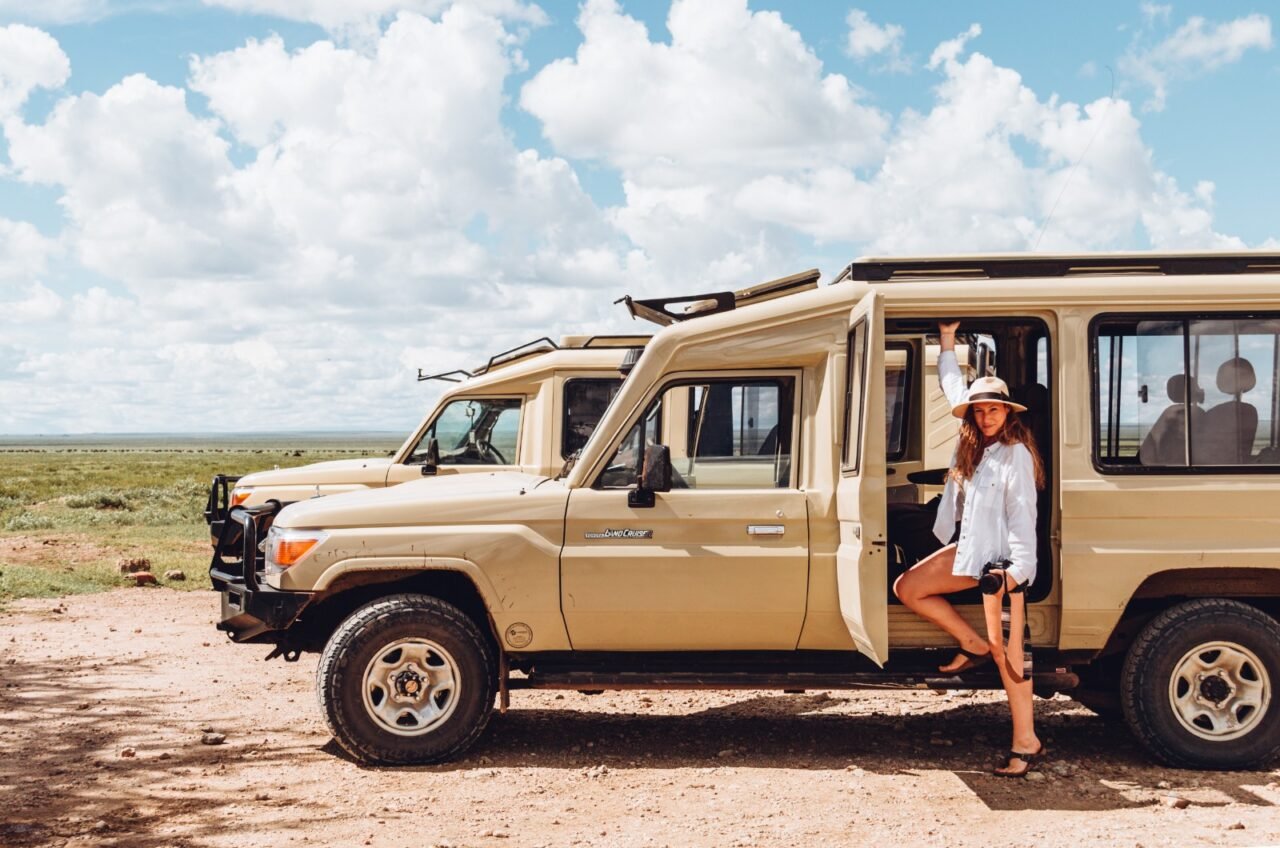
– Transfer logistics: Confirm whether a single vehicle handles both the climb and the safari or if a different vehicle and crew manage the safari segment. Clarify luggage handling, especially if a commercial flight is involved post-safari. Ensure you know where to meet the transfer vehicle after the climb and what documents you need for onward movement into park borders.
– Guides’ roles and languages: Group safety rests on a consistent guide team, but on some days a senior guide may be complemented by a local safari guide during the park portion. If language preferences exist, communicate them during the inquiry so the booking team can align with your comfort level.
– Park fees and permits: Permits and park entry fees can fluctuate by season and year. The verified timetable will reflect the latest permit allocations, but you should be prepared for minor adjustments in daily schedules if permit windows shift or morning gate openings differ due to weather or administrative revisions.
4) Day-specific pacing considerations for the already-documented climb days
– Day 5 and transition days: If your chosen Kilimanjaro route uses an acclimatisation day mid-climb (for example, a short additional ascent from the previous camp to a higher point before descending), the handoff to Moshi or the safari base may occur on Day 5 or Day 6, depending on the pace of the climb and your group’s collective acclimatisation response. In this case, you may enjoy an extra afternoon rest in Moshi before departure to the safari base, or you may drive straight after a final celebratory briefing if time permits.
– Safari day rhythm: Once on safari, expect mornings to begin with an early wake-up and a quick hot drink or light snack, followed by a morning game drive. Returns to camp for brunch, siesta, and a late-afternoon game drive. This rhythm helps maximize wildlife visibility while balancing heat and fatigue. Your guide team will tailor drive lengths to the group’s wellbeing and the park’s regulations, ensuring you’re never pushed beyond a sustainable pace.
5) How the itinerary remains bookable without over-promising
– Verified timetable: The page emphasizes that a verified timetable is provided after inquiry. This means you will receive the exact sequence of days, camp or lodge accommodations, and transfer details only once the operator confirms the schedule based on current park allocations and group demand. Until then, expect a realistic outline rather than fixed dates and hotel names.
– What you should request: When contacting the operator, ask for the most recent verified schedule with the following specifics: daily route or drive segments for the Kilimanjaro portion, acclimatisation day arrangements, exact transition day timing, safari base location and anticipated drive routes, and the list of included camps or lodges with meal plans. Inquire about any potential substitutions due to permit availability, weather, or group size, and how such changes would affect the overall pacing and expectations for wildlife viewing.
6) A concise checklist for the transition week
– Confirm flight times and airport transfers, ensuring a buffer in case of delays.
– Pack a compact kit for both segments: trekking clothes suitable for altitude and a separate, lighter safari wardrobe in neutral tones.
– Prepare health documents and emergency contacts, including insurance coverage that spans both trekking and safari activities.
– Review the booking’s cancellation and postponement policies in light of potential schedule changes caused by park operations or government permits.
– Note your contact points in the operator’s booking team for updates to the verified timetable and any last-minute adjustments.
This focused addition into the article provides concrete guidance on the often-muddy transition from Kilimanjaro climbing to a wildlife safari, clarifying where certainty ends and flexibility begins, and how to read the verified timetable when it arrives. It should help readers form a realistic expectation of the sequence and reduce anxiety about day-to-day changes that are common in multi-activity itineraries like the 8 + 4 day package.
Gaps in transition logistics: clarifying the exact day-to-day flow between Kilimanjaro ascent and the safari week
While the 8 + 4 day package is designed to be cohesive, readers frequently want concrete sequencing details for the transitional days where the mountain ends and the wildlife phase begins. This section fills that gap with a careful, non-promotional, fact-focused look at how a verified timetable would typically structure the handoff, what factors can shift days, and what travelers should expect in terms of driving times, lodging styles, and activity windows during the transition period.
Key transition concepts to track when requesting a verified schedule include the following: the exact day when the vehicle transfer departs Moshi to the safari base, the planned duration of the land transfer (including potential border checks or vehicle changes), and whether a short acclimatisation or rest stop is incorporated before the first safari drive. In practice, many operators build in a buffer day after completing the Kilimanjaro ascent to prevent fatigue from compounding into the safari portion. If the buffer exists, it is commonly used for an orientation briefing, a light afternoon activity near the safari base, and time to repack gear from mountain layers into a lighter safari wardrobe.
Transit routes and park proximity are also essential. For example, if the Kilimanjaro finish point aligns with a lodge or camp near Tarangire or Lake Manyara, the transfer window to the safari base can be as short as a three- to four-hour drive. If the base is farther toward the Serengeti fringe, the transfer may extend toward five to six hours, potentially including a midday stop for lunch. The verified timetable will specify the transfer start time, the expected arrival window, and the check-in protocol at the safari base, along with any pre-dinner briefing or welcome logistics unique to that base.
Acclimatisation continuity is another practical concern. Some itineraries maintain a light post-climb acclimatisation rhythm on the first safari morning, such as a short sunrise game drive that respects fatigue limits and drive regulations. Others separate acclimatisation entirely from the mountain phase, choosing to begin with a relaxed introduction through a forest walk near the safari camp to acclimate guests gradually to the new altitude and climate, particularly in higher-humidity or heat-prone park settings. The verified schedule will indicate which approach applies to your specific departure and how many hours are allocated to wildlife viewing on the first day.
Accommodation styles shift distinctly between Kilimanjaro nights and safari camps. Mountain days emphasize basic to mid-range hut or camping experiences with hot meals and communal dining that suit trekking rhythms. Safari nights typically switch to permanent tented camps or lodge-style accommodations with morning and evening game drives, structured meal times, and curfews that align with park rules. The timetable will list the camp names or lodge class, meal arrangements, and the type of vehicle used for game drives, including any backup options if a chosen camp reaches capacity or permits require substitution.
Communications and contingency planning are routinely embedded in verified timetables. Expect a clearly defined contact protocol for the transition day: a designated driver, a lead guide, and a local emergency contact. If any element changes—such as park permit variability, weather-related route adjustments, or vehicle availability—the timetable should include a prompt notice and the process for official updates, including how changes affect daily pacing and wildlife-viewing windows. The practical takeaway is that a verified timetable is a living document, contingent on permits and group size, and is not issued as a fixed guarantee before inquiry but becomes authoritative once confirmation is given.
Finally, readers should understand how to interpret the timetable once it arrives. Look for: (1) the sequence of days from mountain finish to safari base arrival, (2) the exact transition time on the first safari day, (3) the names of safari camps or base locations, (4) the lengths of each game drive and any midday rest periods, and (5) the meal and rest structure that follows the safari. If a day lists only a “transition” without detail, ask for the latest verified schedule that clarifies the lodging, drive routes, and contingency options. This level of specificity helps travelers gauge total daily time on the road, expected activity windows, and suitability for personal energy management during the trip.
Practical example of what to request from the operator
- Exact Kilimanjaro finish point and hike end time, followed by the departure time to the safari base.
- Transportation details: vehicle type, number of passengers per vehicle, any stops en route, and lunch arrangements.
- Safari base location (Tarangire, Lake Manyara, or Serengeti fringe), with a map-based description of drive routes to anticipated parks or reserves for the first safari drive.
- First-day safari drive schedule: start time, expected drive duration, and the likelihood of a late arrival at the lodge/camp due to wildlife activity patterns.
- Camp or lodge names, room types, meal plans, and any included ancillary activities (e.g., nature walks or community visits) specific to the first few safari days.
- Back-up plans for weather, permit variability, or vehicle/guide substitutions, and how these affect pacing and viewing opportunities.
Inquiries should be framed to obtain a single, verified timetable that reflects the operator’s current allocations, park restrictions, and group needs. If a timetable cannot be produced, ask for a provisional outline with explicit dates and locations that can be re-confirmed later, and request a commitment to share the final version as soon as permits are issued. This careful approach helps ensure readers understand when certainty ends and flexibility begins, and how to plan daily expectations without overpromising results or creating a false sense of fixed logistics.
Related Guides and Packages
Check Availability for 8 Days Kilimanjaro Group Climb And 4 Camping Safari
Ready to compare dates, prices, and the best option for your group? Send the package name and travel month so the team can reply with a clear quote, availability, and what is included.
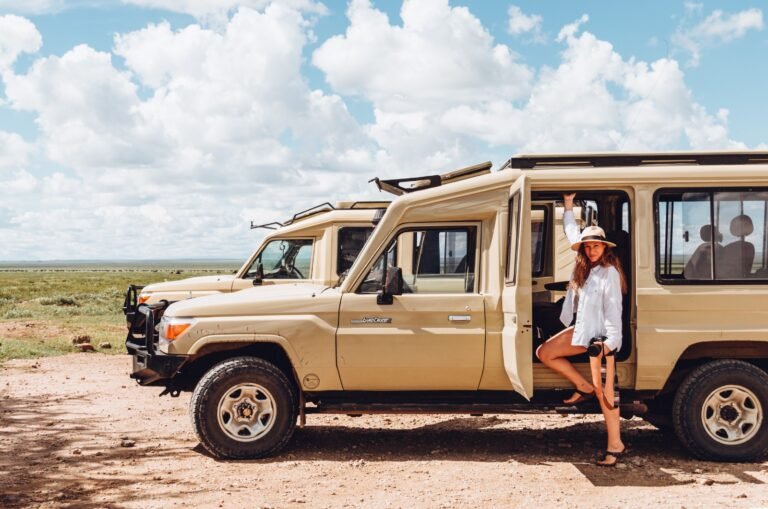
7 Days Kilimanjaro Group Joining Trek And 3 Safari
7 Days Kilimanjaro Group Joining Trek and 3 Days Group Safari.
View package details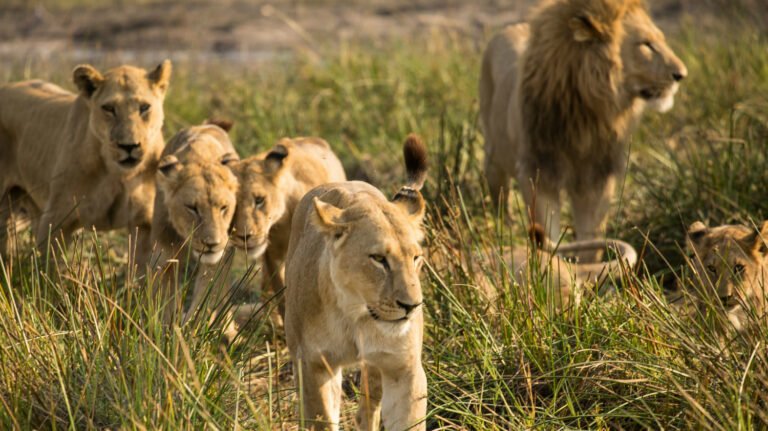
7 Days Kilimanjaro Climb And 4 Wildlife Safari
7 Days Kilimanjaro Climb and 4 Days Wildlife Safari.
View package details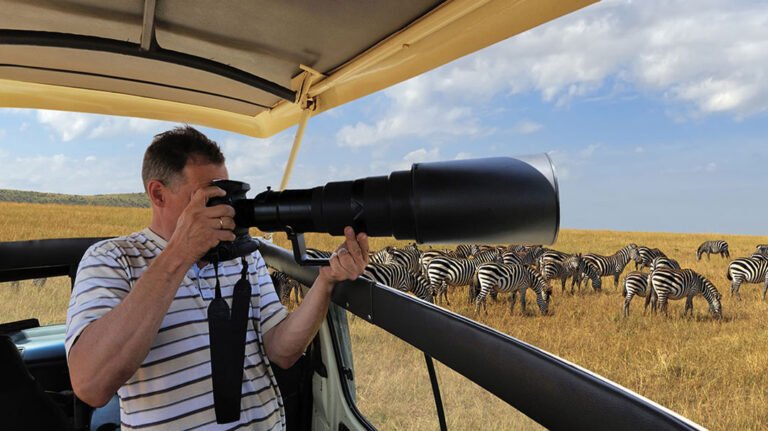
7 Days Machame Kilimanjaro Climb And 5 Tanzania Safari
7 Days Machame Kilimanjaro Climb and 5 Days Tanzania Safari.
View package details8 Days Kilimanjaro Climb And 4 Serengeti Safari
8 Days Kilimanjaro Climb and 4 Days Serengeti Safari.
View package details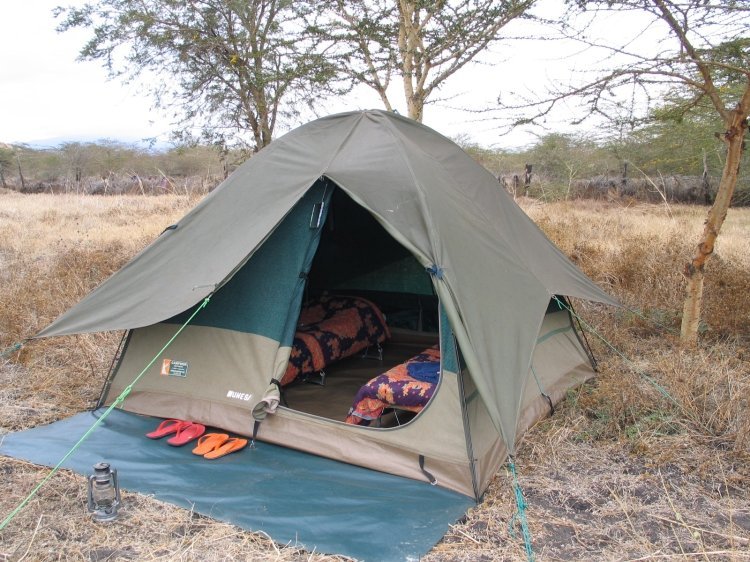
8 Days Kilimanjaro Lemosho Trek And 4 Serengeti Ngorongoro Safari
8 Days Kilimanjaro Lemosho Trek and 4 Days Serengeti Ngorongoro Safari.
View package details8 Days Kilimanjaro Trek And 3 Tanzania Safari
8 Days Kilimanjaro Trek and 3 Days Tanzania Safari.
View package details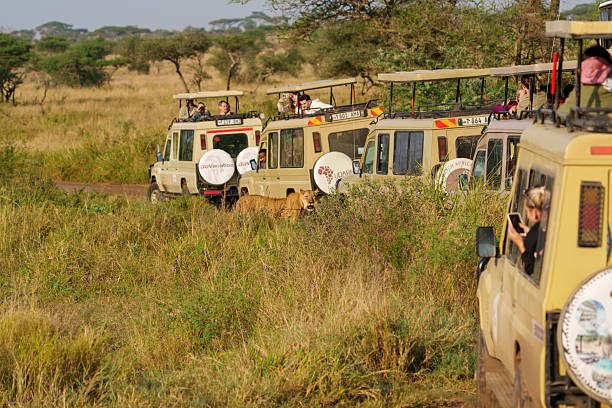
13 Days Kilimanjaro Climb And Serengeti Safari 2026-2027
13 Days Kilimanjaro Climb and Serengeti Safari.
View package details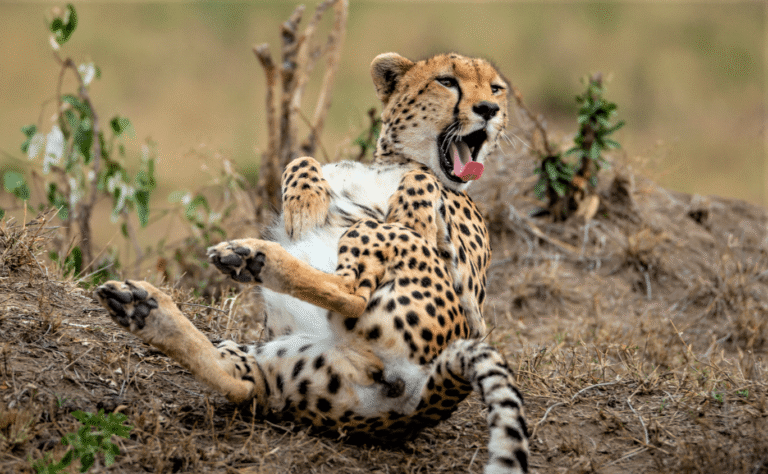
14 Days Kilimanjaro Climb And Tanzania Big Five Safari
14 Days Kilimanjaro Climb and Tanzania Big Five Safari.
View package details10 Days Kilimanjaro Climb And Tanzania Safari Package
10 Days Kilimanjaro Climb and Tanzania Safari Package.
View package details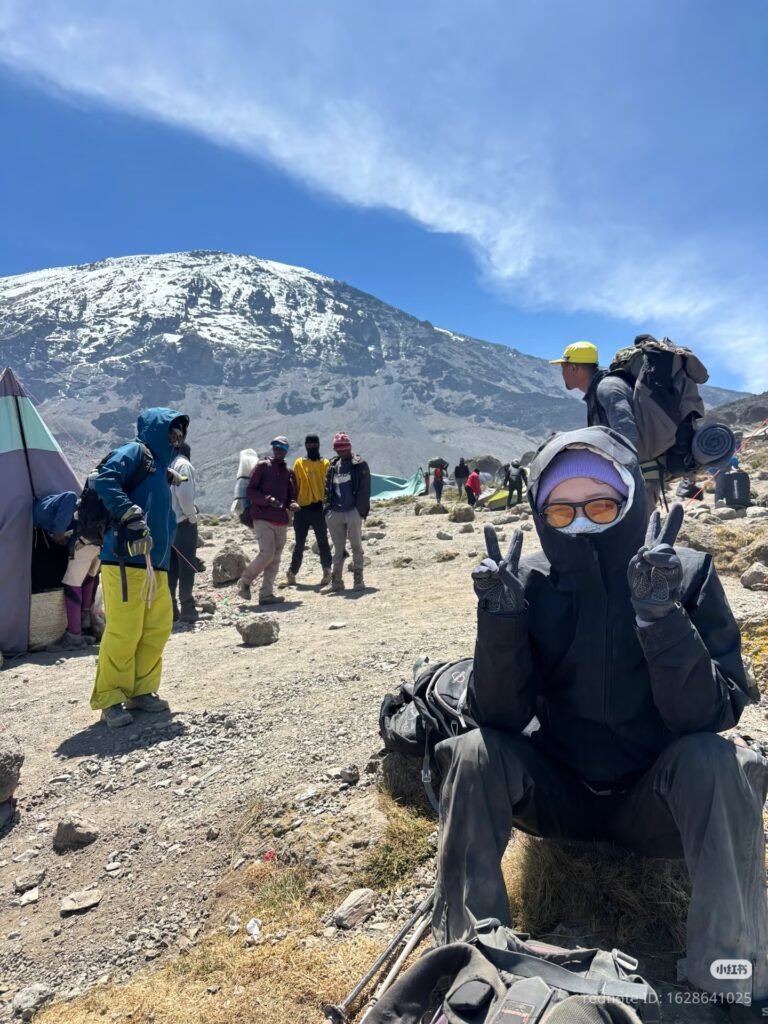
6 Days Marangu Kilimanjaro Climb And 3 Tarangire Safari: A Practical
A focused, bookable 6-day Marangu Kilimanjaro climb followed by a 3-day Tarangire safari. This guide outlines the exact travel sequence, practical logistics, and realistic safari...
View package details
6 Days Machame Kilimanjaro Climb And 2 Tarangire Ngorongoro Safari
6 Days Machame Kilimanjaro Climb and 2 Days Tarangire Ngorongoro Safari.
View package details6 Days Kilimanjaro Climb And 3 Big Five Safari 2026
6 Days Kilimanjaro Climb and 3 Days Big Five Safari.
View package detailsNo related package matches those filters. Clear one or more filters to see the other topic-matched options.



