
The 8-Day Lemosho Route and 4-Day Tanzania Safari combines a full Kilimanjaro ascent via the Lemosho trail with a concise southern circuit safari in Tanzania, typically including Ngorongoro Crater or Tarangire and the Serengeti. Expect a gradual ascent with acclimatization days, a rewarding summit push, and a wildlife-filled safari tail that prioritizes efficient transfers and realistic daily drives. This pairing suits travelers seeking a single, cohesive East Africa experience with careful pacing and local support from Climb 4 Africa.
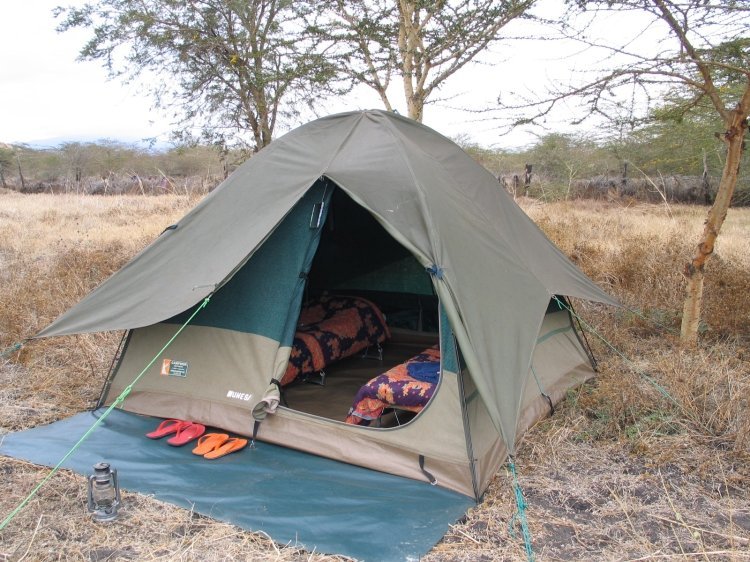
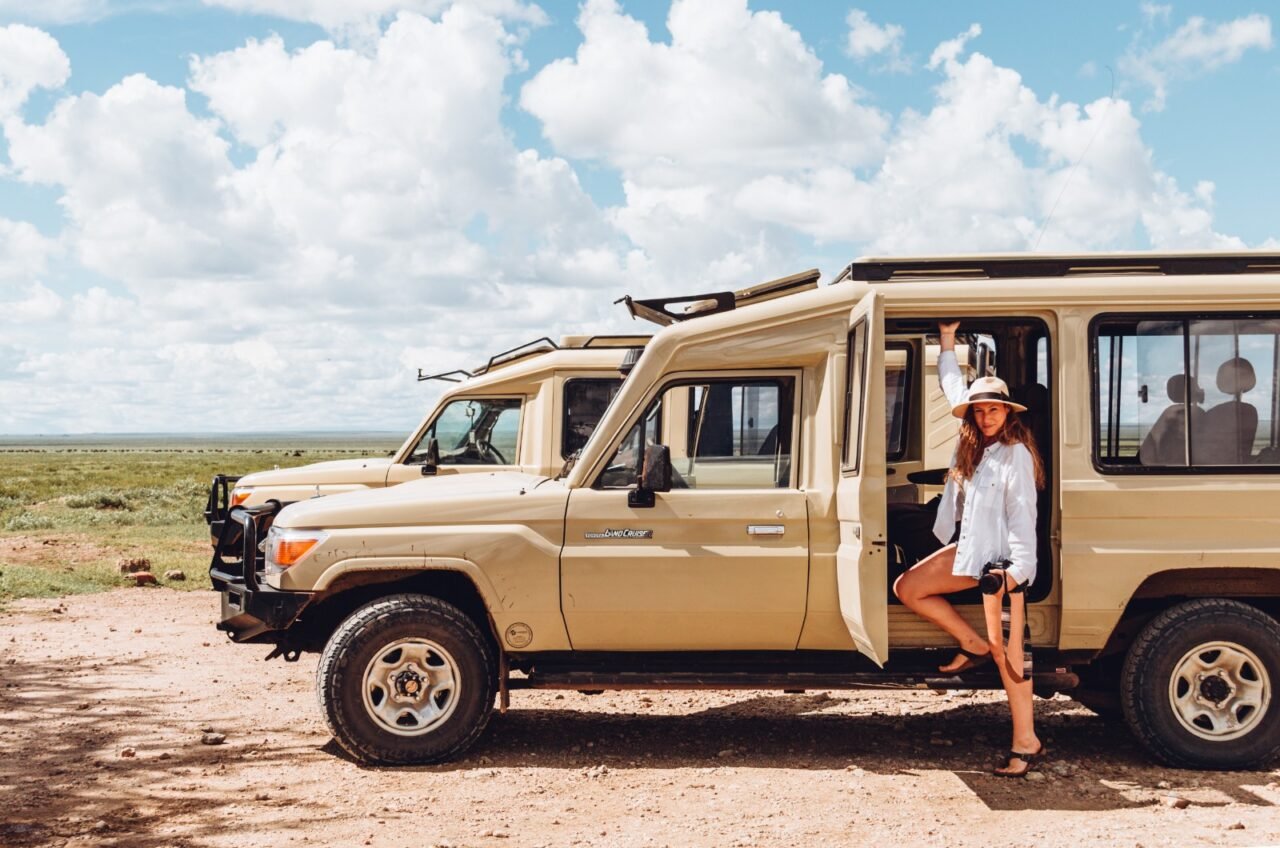
Plan overview and reader intent
If you’re here, you’re weighing a two-part adventure: a responsible, well-paced Kilimanjaro climb followed by a focused Tanzania safari. You want actionable logistics, not generic hype—fuelled by practical decisions about when to climb, how to pace acclimatization, and how to connect the mountain with wildlife-rich parks without wasting days on transfers. This first section lays out the core logic behind pairing the 8-day Lemosho Route with a 4-day safari, what you’ll gain in terms of acclimatization, scenery, and wildlife viewing, and the kinds of choices you’ll face as you plan with Climb 4 Africa.
Why this combination works: pacing, acclimatization, and wildlife flow
Starting with the Lemosho route gives you a gradual, scenic ascent across lower-altitude forests into alpine zones, with time built in for acclimatization. The 8 days typically balance elevation gain with rest days to reduce the risk of altitude symptoms. Ending with a 4-day Tanzania safari leverages the best wildlife viewing windows in nearby parks, while keeping travel time efficient. The sequence minimizes long road transfers between mountain and safari, which matters for comfort, energy, and overall enjoyment.
Key decisions you’ll encounter early include whether to add an overnight at Londorossi Gate, how to manage your summit push in relation to the Bush‑field weather, and how to schedule your safari days to align with the best animal activity. Climb 4 Africa provides local support, vetted guides, and contingency planning to adapt the itinerary to weather, fitness, and group dynamics.
For whom this plan fits best
This itinerary suits travelers who want a smooth, practical East Africa experience with a focus on steady acclimatization, visual variety on the mountain, and a wildlife-rich safari tail that still leaves time to reflect on the summit and the plains. It’s less suited for travelers seeking a rapid Kilimanjaro ascent or an endurance-focused wildlife chase with extremely tight timelines. If you value thoughtful pacing, clear logistics, and a single operator coordinating both segments, this pairing is a strong match.
Basic logistics to lock in early
Because both Kilimanjaro and Tanzanian safaris depend on seasonal patterns, your planning should lock in a few non-negotiables: the preferred window for climbing (avoiding the wettest periods and high-traffic times), the flight connections into Kilimanjaro International Airport, and the safari parks that best fit a 4-day window. You’ll want a realistic daily schedule that accounts for acclimatization days on the mountain and efficient travel days on safari, with buffer in case of weather or wildlife viewing variability.
What you’ll gain from a tailored approach
A tailored plan from Climb 4 Africa keeps the two components coherent. It means a single, knowledgeable team coordinates guides, park fees, and transfers, so you don’t juggle multiple contacts. It also means you can adjust daily pacing—slower on the ascent if you’re feeling the altitude, faster on safari if wildlife is active—without derailing the entire trip. The result is a more comfortable, in-depth experience with less stress around logistics.
What to expect in the mountain segment
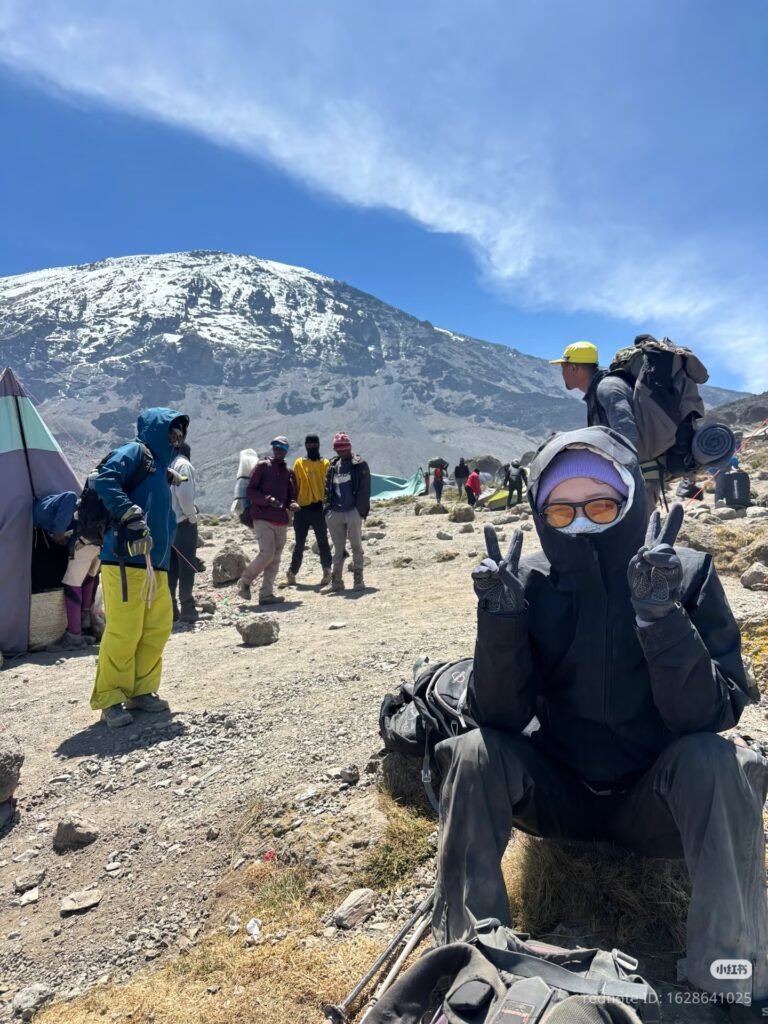
The Lemosho route is cherished for its scenery and the gradual approach. Typical days blend forest trekking with breaks to regain energy, culminating in the summit push from the Barranco/Mweka pass area. You’ll carry a small daypack, sleep in comfortable camp or hut setups, and rely on a skilled host crew for meals and safety. Acclimatization is built into the itinerary with multiple rest days and a steady elevation gain, helping most travelers reach Stella Point and, with good conditions, Uhuru Peak.
What to expect in the 4-day safari segment
Wrap up with a focused safari route that emphasizes sighting opportunities and efficient travel. A typical four-day plan might feature two or three key parks, with morning and afternoon game drives optimized for animal activity. Wildlife highlights commonly include big cats, elephants, and a variety of ungulates, plus spectacular savanna landscapes. Transit times are kept manageable, allowing you to decompress after the mountain and soak in Tanzania’s wild beauty without rush.
Practical planning tips you can act on
- Altitude safety: accept acclimatization days as essential, not optional; rest days are part of the plan, not an inconvenience.
- Gear investments: a quality layered system, durable boots, and a reliable daypack reduce fatigue on both legs of the journey.
- Health considerations: stay on top of hydration, vitamins, and any personal medical needs, communicating these with your guide team well in advance.
- Transfers and timing: coordinate airline arrivals with Kilimanjaro park entrances to minimize waiting and fatigue.
- Photography and wildlife ethics: balance patience with responsible wildlife viewing, respecting distance and park rules.
Next steps with Climb 4 Africa
To turn this plan into a booked adventure, you’ll want to discuss exact departure windows, group sizes, and any add-ons like extra acclimatization days or a pre- or post-safari beach extension. Climb 4 Africa can tailor the 8-day Lemosho segment to your fitness level and preferred pace, then align the 4-day safari with the most wildlife-rich regions available in your travel window.
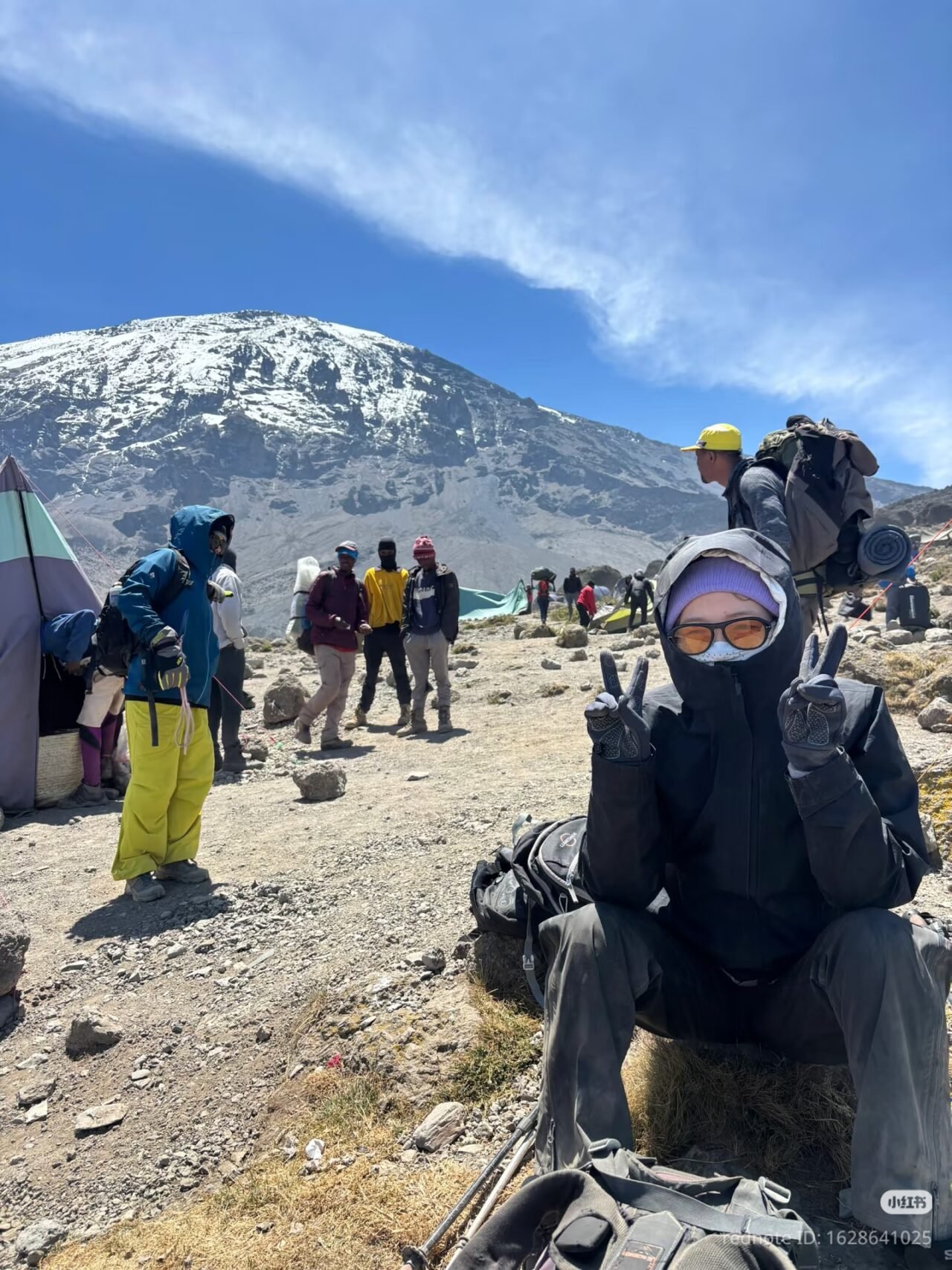
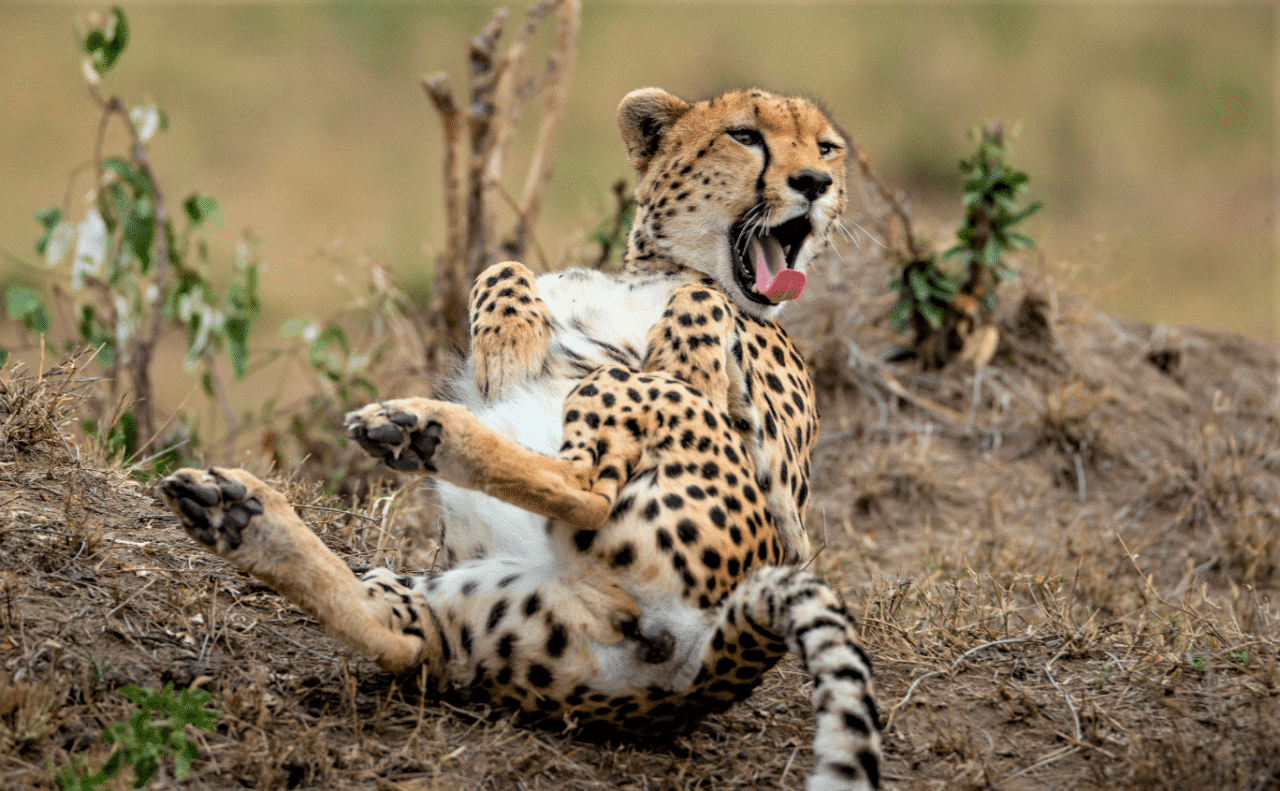
What a well-coordinated itinerary looks like in practice
Imagine a smooth sequence: arrival in Kilimanjaro region, a guided ascent across varied terrain with built-in rest days, a successful summit, a brief descent, and a short journey to a Tanzania safari base. From there, you transition to a series of carefully planned game drives that maximize wildlife sightings while providing downtime for reflection on the experience. The key is alignment: flights, transfers, park fees, and guide teams all synchronized under one operator for clarity and安心.
Closing thought: balancing
Gaps readers often ask about: practical integration of acclimatization with wildlife viewing windows
While the planning logic emphasizes acclimatization days on the mountain and efficient wildlife viewing on the safari, many readers want a clearer picture of how those acclimatization pauses translate into daily experiences that still feel purposeful and engaging. A practical hurdle is understanding how to structure each day so that you reap the benefits of slower ascent without losing momentum on the summit push or sacrificing prime wildlife hours in the parks.
Climb 4 Africa’s approach integrates structured rest with purposeful activity that respects both the mountain’s physiology and the parks’ animal rhythms. On Kilimanjaro, acclimatization days aren’t mere pauses; they are opportunities to optimize your physiology and your mental readiness. You’ll commonly find activities like brief forest walks at a relaxed pace, light stretching routines, and guided conversations with your guide about altitude indicators, pacing signals, and how your body is adapting. These shorter sessions reduce fatigue while reinforcing your confidence for steeper sections later. The terrain itself—dense rainforest, moorland, and alpine zones—provides natural opportunities for gradual exertion and micro-activity challenges that keep you engaged without overtaxing energy reserves.
When you transition to the 4-day safari, the day structure remains attentive to animal behavior patterns. Early morning drives capitalize on dawn activity and often yield sightings of predators returning to cover after night pursuits, followed by midday rest periods or visits to scenic viewpoints where you can reflect on the day’s experiences. Afternoons are frequently cooler and more productive for birdlife and grazing herds, offering a complementary rhythm to the mountain’s intensity. The result is a cohesive arc: the mountain builds anticipation and resilience, and the safari sustains that momentum with consistent witnessing of wildlife and landscapes that are seasonally dynamic.
From a logistics perspective, this arrangement also smooths travel times. The route minimizes long transfers between the mountain and wildlife areas, reducing fatigue and giving you reliable hours for restful sleep in comfortable camps or lodges. Guides coordinate transfers, park entries, and meals to align with the best viewing conditions and your energy levels, so you’re not rushing between activities. This smooth choreography is a core value of a well-executed 8-day Lemosho plus 4-day Tanzania Safari plan.
In practice, you’ll notice a deliberate pacing pattern: days with shorter treks and strategic rests on the mountain, followed by a light-to-moderate schedule in the safari circuit where you can maximize stillness and focus during drives. Even on days designated as “rest,” there’s an element of controlled movement—short, easy treks to scenic viewpoints or cultural experiences that keep you engaged without tipping the balance toward fatigue. This approach helps maintain sharpness for summit moments while still delivering rich wildlife encounters in a compact timeframe.
For readers considering this pairing, the most actionable takeaway is to expect a design where acclimatization days are not negotiable extras but functional components of the overall adventure. They support a successful ascent and sustain wildlife viewing quality by ensuring you’re rested, hydrated, and alert during peak periods. If you’re curious about customizing further—such as adding an extra acclimatization day or extending the safari to include a balloon safari in the Serengeti—these options can be discussed with Climb 4 Africa to preserve pace and comfort without compromising safety or the core experience.
Clarifying acclimatization and wildlife windows through strategic pacing and field observations
Readers often wonder how to translate the theoretical benefits of acclimatization into concrete daily experiences—specifically, how the mountain pauses can be leveraged to enhance wildlife viewing on the subsequent safari. The core insight is that acclimatization days are not isolated rest periods; they are active, carefully scheduled windows that influence day-to-day energy, mood, and alertness, which in turn shape what you notice on the savannah.
On Kilimanjaro, acclimatization days are designed to provide meaningful rest while still offering short, scenic excursions that keep you engaged without exhausting you. These treks are chosen to minimize abrupt altitude shifts and to stabilize circulation and respiration patterns. When you later transition to the safari, the residual physiological steadiness—less fatigue, steadier breathing, and better hydration balance—helps sustain longer, better-focused game drives. In practical terms, you arrive at parks with more energy for dawn drives, which are statistically when predator activity is at its peak and when you’re most likely to witness dramatic behavior such as stalking, coordinated chases, or playful interactions among herbivores that reveal the ecosystem’s rhythms.
From a wildlife-viewing strategy perspective, the mountain acclimatization days also indirectly shape the safari schedule. Guides coordinate your transfer times and park entry sequences to align with animal activity patterns, not just open-hour constraints. For example, after a gentle morning acclimatization trek, you gain a late-afternoon buffer that can be used for a brief cultural stop or a relaxed lunch, ensuring you’re not rushing before a night drive or a morning game drive. This cadence preserves peak animal visibility windows while preventing the fatigue that can dull attention, eye contact, and listening to bird calls or distant herbivore alarms that signal important ecological happenings.
Another practical outcome of this approach is improved hydration and nutrition discipline. Acclimatization days often include guidance from your crew on maintaining electrolyte balance and smart snacking, which pays dividends on safari days when heat, long drives, and the adrenaline of close encounters can dehydrate you quickly. With better hydration comes clearer observation—an essential factor when you’re learning to track subtle signs like a fresh spoor, a bend in a road where heat shimmer gives away an animal’s path, or the behavioral cues that precede a successful predator ambush.
Gear and pacing considerations also play a role in bridging the two experiences. A well-fitted daypack with water, snacks, and a compact field guide helps you stay engaged on both the ascent and the safari. Breathable, moisture-wicking layers keep you comfortable on the mountain, while sunglasses and a hat reduce glare that can obscure quick visual cues during a drive. The same attention to micro-pactors—weight distribution in the pack, how you pace your steps, and how you manage energy reserves—translates directly to maintaining focus on the vehicle windows and long lenses during wildlife viewing. In short, the acclimatization philosophy isn’t just about avoiding altitude sickness; it’s about sustaining a body and mind that are ready to observe, interpret, and appreciate the nuance of a complex ecosystem across two very different environments.
For travelers who want to maximize the day-to-day value of both segments, a practical tactic is to view each acclimatization day as a two-part investment: one part physical readiness, one part observational readiness. Physically, you build tolerance to higher elevations and variable terrains; observationally, you train your senses to notice the small, telling details that separate a grazing antelope from a wary herd and the tiny shifts in bird behavior that indicate food availability or weather changes. When you carry this mindset into the safari, you’re more likely to notice the pattern of animal movement—how the same waterhole draws different species at different times, or how wildebeest and zebra moves synchronize with the season’s plant growth. This layered awareness deepens your experience beyond a checklist of sightings, turning each drive into a chance to read the landscape as a living narrative rather than a sequence of random encounters.
Ultimately, the practical takeaway is simple: plan the mountain days so that the cumulative effects of acclimatization support, rather than interrupt, your wildlife-viewing momentum. This means acknowledging that the “rest” days are active in a way that supports your ability to stay present and curious during the safari, where the pace is steadier but the moments are denser in meaning. When you partner with Climb 4 Africa, the itineraries are arranged to honor this philosophy through thoughtful daily rhythms, transfers, and park routing that emphasize both acclimatization integrity and wildlife-watching efficiency. The result is a cohesive, in-depth East African experience where the mountain and the plains speak to each other through your enhanced capacity to observe, interpret, and connect with the landscapes you cross.
Maximizing acclimatization without sacrificing wildlife opportunities: a pragmatic approach
One of the most practical questions readers raise about pairing an 8-day Lemosho ascent with a 4-day Tanzania safari is how to literally schedule the acclimatization days so they feed into better wildlife viewing, not just mountain endurance. The core idea is to treat each rest or acclimatization pause as a two-part opportunity: physical preparation and field-readiness for observation. On the mountain, that means short, controlled buffers between high-effort sections, with light activities that keep the body supple and the breathing efficient. For example, after a significant elevation gain, you’ll benefit from a gentle canyon walk or a mindful, slow descent to help your cardiovascular system adapt without spiking fatigue. Crucially, you’re not simply resting; you’re training your senses to respond to subtle cues in the environment, such as wind shifts, bird calls, or animal tracks that might signal changing weather or animal movement.
When you shift to the safari segment, the acclimatization mindset translates into how you approach game-viewing windows. The mountain’s pauses train you to read micro-flows in the landscape—where dust devils flicker in the plains, where the shade from acacia trees creates microhabitats, or how the light mutes or sharpens the contrast on distant silhouettes. This sensitivity helps you to interpret fleeting moments on the savannah: tracks in the dust indicating a herd’s direction, the way a predator briefly adjusts its stance before a chase, or how birds converge on water sources that may attract larger herbivores later in the day. In practice, your safari guides will plan drives that align with these natural rhythms, using your acclimatization-informed attention to anticipate wildlife activity rather than merely react to it.
Another tangible benefit is energy management. The Lemosho route requires deliberate pacing to prevent overexertion, especially during the summit push. By designing a schedule that alternates elevation-intensive days with lighter hiking or acclimatization days, you conserve reserve energy for the most impactful wildlife moments during the safari. Your energy reserves influence not only the number of drives you can enjoy but also your capacity to stay present during long gazes at a distant herd or to notice a changing canopy that hints at a predator’s approach. In short, a well-structured balance between mountain rest and safari momentum yields a deeper, more patient observation style, which often reveals behaviors that standard shorter itineraries miss.
To implement this in a concrete way, your planning conversation with Climb 4 Africa should emphasize three linked practices. First, confirm the daily rhythm on the mountain includes explicit, short recovery periods—moments allocated for hydration, snack breaks, and light stretches—so that altitude effects don’t accumulate into fatigue-limited days. Second, ensure the safari segment is designed around natural feeding and movement cycles, typically early morning and late afternoon, with mid-day zones chosen for shaded, low-velocity observation rather than long, strenuous drives. Third, tailor the transfer cadence between mountain and plains to minimize travel stress: a smooth handoff that respects your body’s current state, whether you’re still acclimating to higher elevations or entering a day when you’ll be more focused on camera work and close-range observations.
Finally, this approach has a meaningful payoff in your personal experience. You finish the Kilimanjaro portion with a sense of preparedness that extends into the Serengeti or Ngorongoro ecosystem, where you’re less likely to overlook a subtle cue and more likely to narrate the day as a continuous thread rather than a series of separate highlights. The combination of deliberate, science-informed pacing and attentive wildlife observation produces a richer, more connected East African journey—one that respects the mountains’ need for rest and the plains’ demand for momentum in pursuit of a truly in-depth adventure.
Related Guides and Packages
Check Availability for 8-Day Lemosho Route And 4-Day Tanzania Safari
Ready to compare dates, prices, and the best option for your group? Send the package name and travel month so the team can reply with a clear quote, availability, and what is included.
8-Day Lemosho Route And 3-Day Tanzania Safari
8-Day Lemosho Route and 3-Day Tanzania Safari.
View package details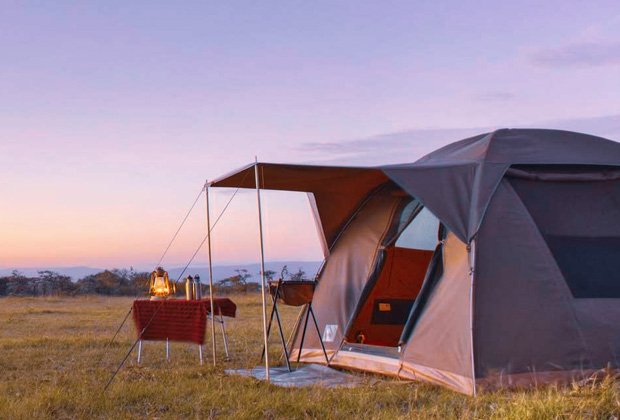
7-Day Rongai Route And 3-Day Tanzania Safari
7-Day Rongai Route and 3-Day Tanzania Safari.
View package details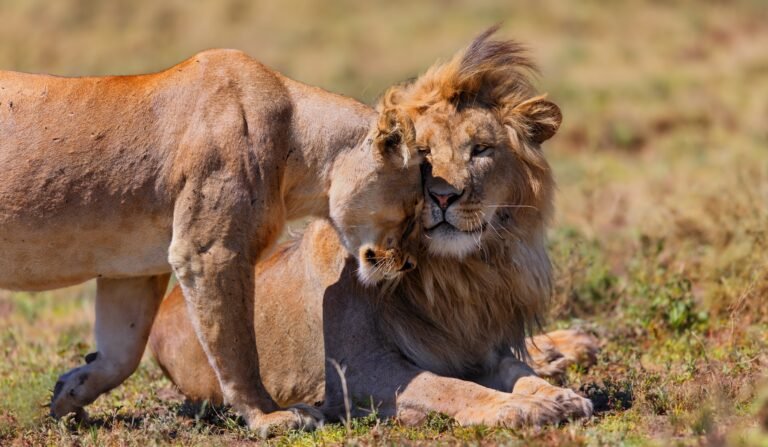
8-Day Lemosho Route And 5-Day Serengeti Safari: A Practical, Scenery-Rich
Conceive a two-part Tanzania adventure: an 8-day Lemosho ascent on Kilimanjaro paired with a 5-day Serengeti wildlife safari, designed for steady acclimatization and in-depth safari time.
View package details
13 Days Lemosho Route And 4 Tanzania Safari 2026-2027
13 Days Lemosho Route and 4 Days Tanzania Safari.
View package details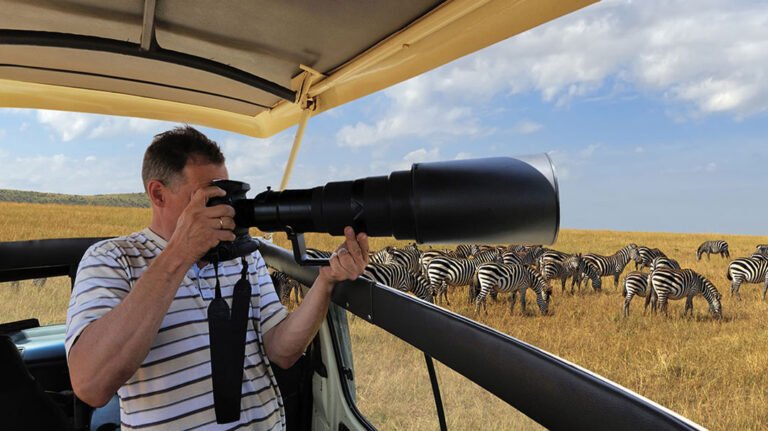
7 Days Machame Kilimanjaro Climb And 5 Tanzania Safari
7 Days Machame Kilimanjaro Climb and 5 Days Tanzania Safari.
View package details8 Days Kilimanjaro Lemosho Trek And 4 Serengeti Ngorongoro Safari
8 Days Kilimanjaro Lemosho Trek and 4 Days Serengeti Ngorongoro Safari.
View package details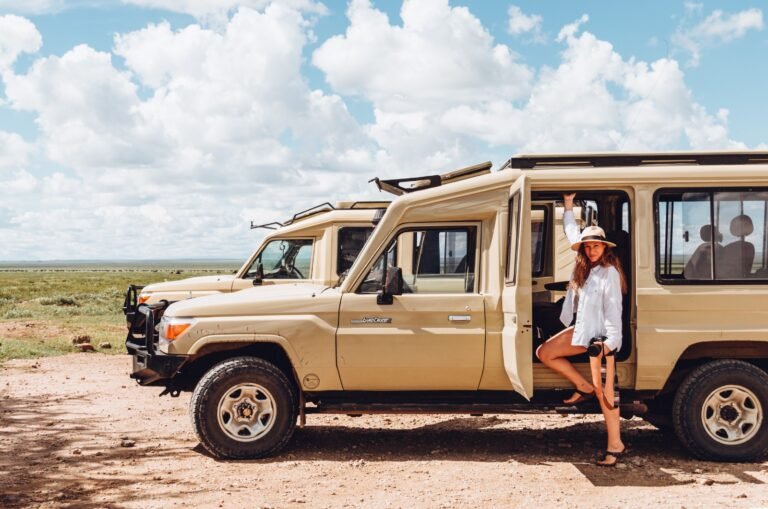
7-Day Machame Route And 4-Day Serengeti Safari
7-Day Machame Route and 4-Day Serengeti Safari.
View package details7-Day Machame Route And 3-Day Big Five Safari
7-Day Machame Route and 3-Day Big Five Safari.
View package details8 Days Kilimanjaro Trek And 3 Tanzania Safari
8 Days Kilimanjaro Trek and 3 Days Tanzania Safari.
View package details12 Days Rongai Route And Tanzania Wildlife Safari 2026-2027
12 Days Rongai Route and Tanzania Wildlife Safari.
View package details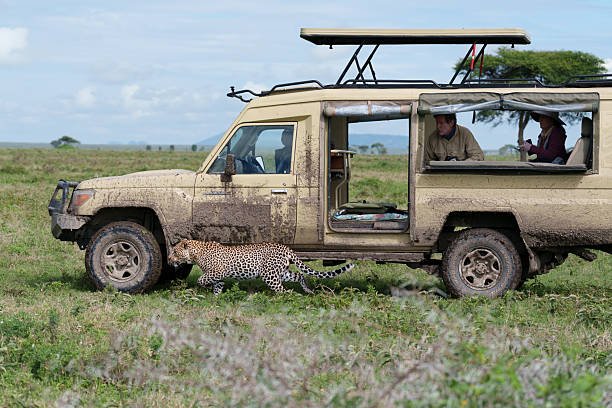
14 Days Lemosho Route And Serengeti Ngorongoro Safari 2026-2027
14 Days Lemosho Route and Serengeti Ngorongoro Safari.
View package details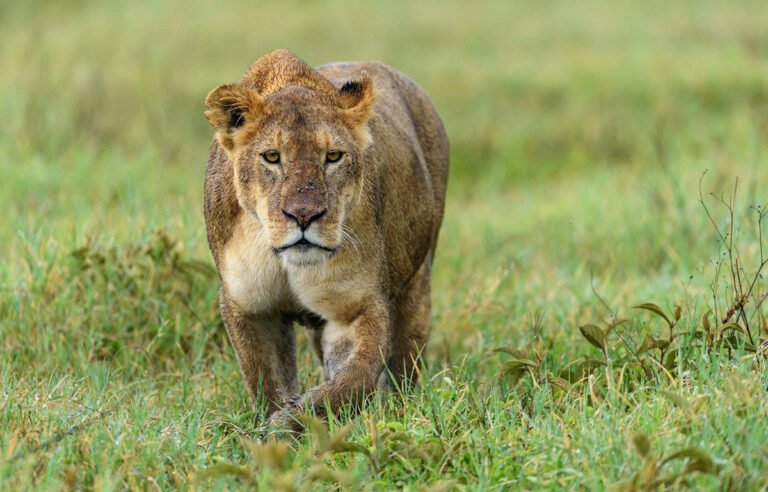
6-Day Marangu Route And 2-Day Tanzania Safari
6-Day Marangu Route and 2-Day Tanzania Safari.
View package detailsNo related package matches those filters. Clear one or more filters to see the other topic-matched options.



