
Completing the 8-day Lemosho Route on Kilimanjaro, followed by a focused 3-day Tanzania safari, offers a balanced ascent with scenic diversity and wildlife experiences. You’ll traverse glacial valleys, rainforest zones, and alpine desert, then switch to a compact safari that targets iconic wildlife reserves and short travel legs, all supported by local knowledge, seasoned guides, and flexible logistics to suit your pace and acclimatization needs.
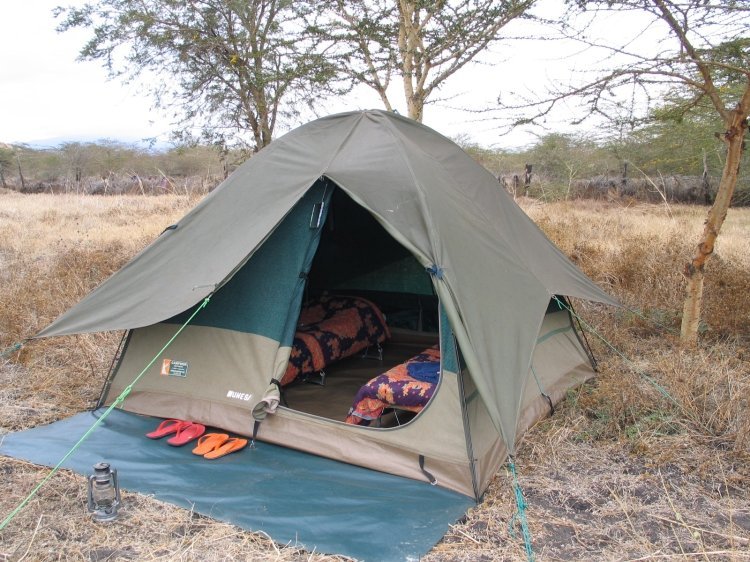
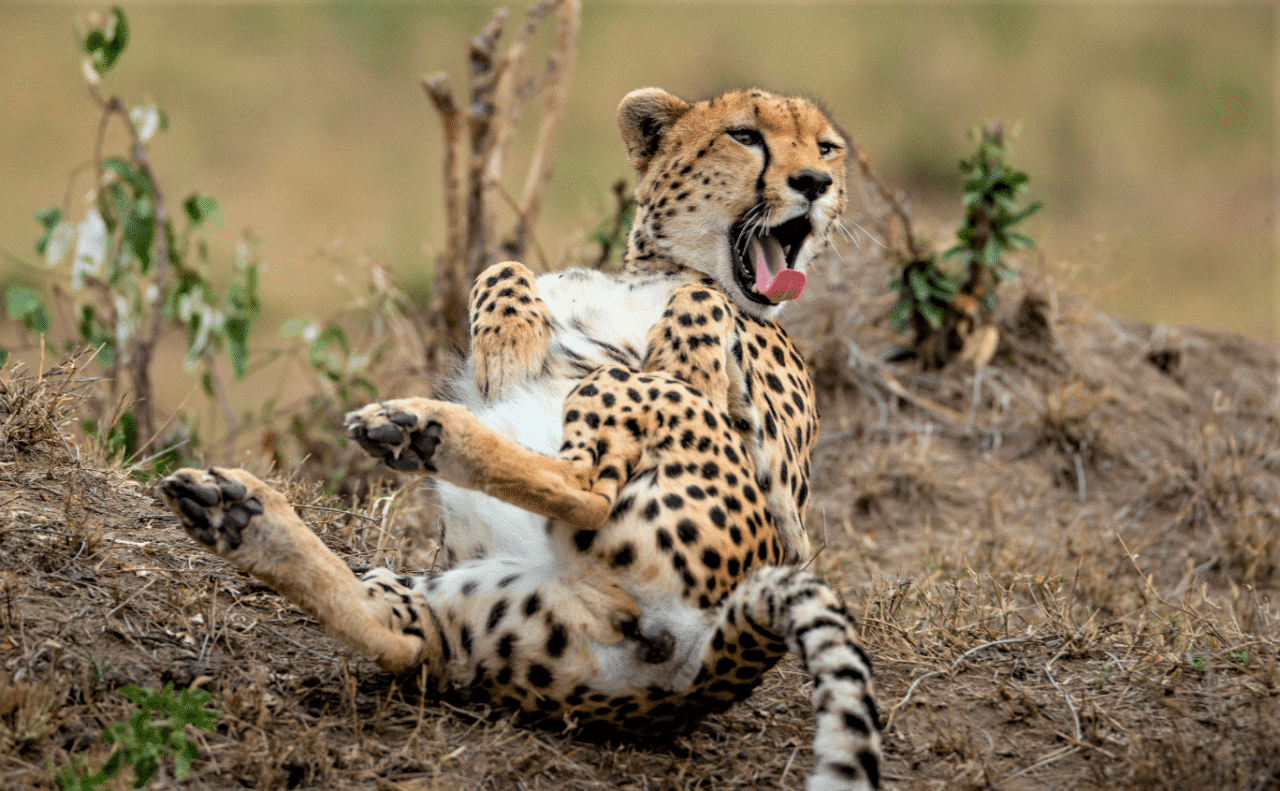
Chapter by chapter, this piece maps a practical path from the mountain to the plains, prioritizing acclimatization, safety, and comfortable pacing while keeping the total travel flow efficient. Expect a clear, experience-driven approach: route progression, daily logistics, and optional add-ons that align with a 2027 itinerary window and the needs of travelers who want depth without downtime.
Why combine the Lemosho Route with a Tanzania safari?
The Lemosho Route is known for gentler gains in the first days and strong acclimatization windows, reducing the risk of altitude symptoms while offering sweeping views and varied ecosystems. Pairing it with a 3-day Tanzania safari lets you recover from the climb with a focused wildlife experience, short transfer days, and the chance to see the Serengeti, Ngorongoro, or Tarangire in a concise window. It’s a practical balance between adventure and safari, especially for travelers who want a solid mountaineering challenge plus a taste of East Africa’s wildlife spectacle.
Target reader profile
This article speaks to travelers who want a well-paced Kilimanjaro ascent on the Lemosho route, followed by a short but meaningful wildlife itinerary in Tanzania. You’re likely prioritizing acclimatization, strong guides, robust support, and a route that allows you to maximize exposure to both highland and savannah environments without long transit days.
Overview of the 8-Day Lemosho Kilimanjaro section
The 8-day Lemosho (group-joining or private) typically begins on the western side of Kilimanjaro’s peak zone and gradually climbs through rainforest, moorland, and Alpine Desert before the final summit push. The extended itinerary is designed to boost acclimatization, with several acclimatization days and a scenic approach into Shira Plateau and Barranco areas. Expect a steady rhythm, two to three nights at higher elevations, and a summit attempt early in the final phase, followed by descent via the Mweka route.
Key terrain and daily rhythm
- Day 1–2: Forest to heath and moorland zones, gentle elevation gain, acclimatization emphasis.
- Day 3–4: Shira Plateau and Barranco ascent, dramatic vistas, rock steps, and ridge approaches.
- Day 5: Karanga–Barafu approach with careful pacing and rest to prepare for the summit push.
- Day 6: Summit night ascent, early wake, cold winds, and a push to Uhuru Peak if conditions permit.
- Day 7: Descent to Mweka Gate, light activity to recover, and celebration of the mountain experience.
- Day 8: Transfer back to your lodge or Arusha for onward safari planning or departure.
The 3-Day Tanzania Safari segment: a compact wildlife focus
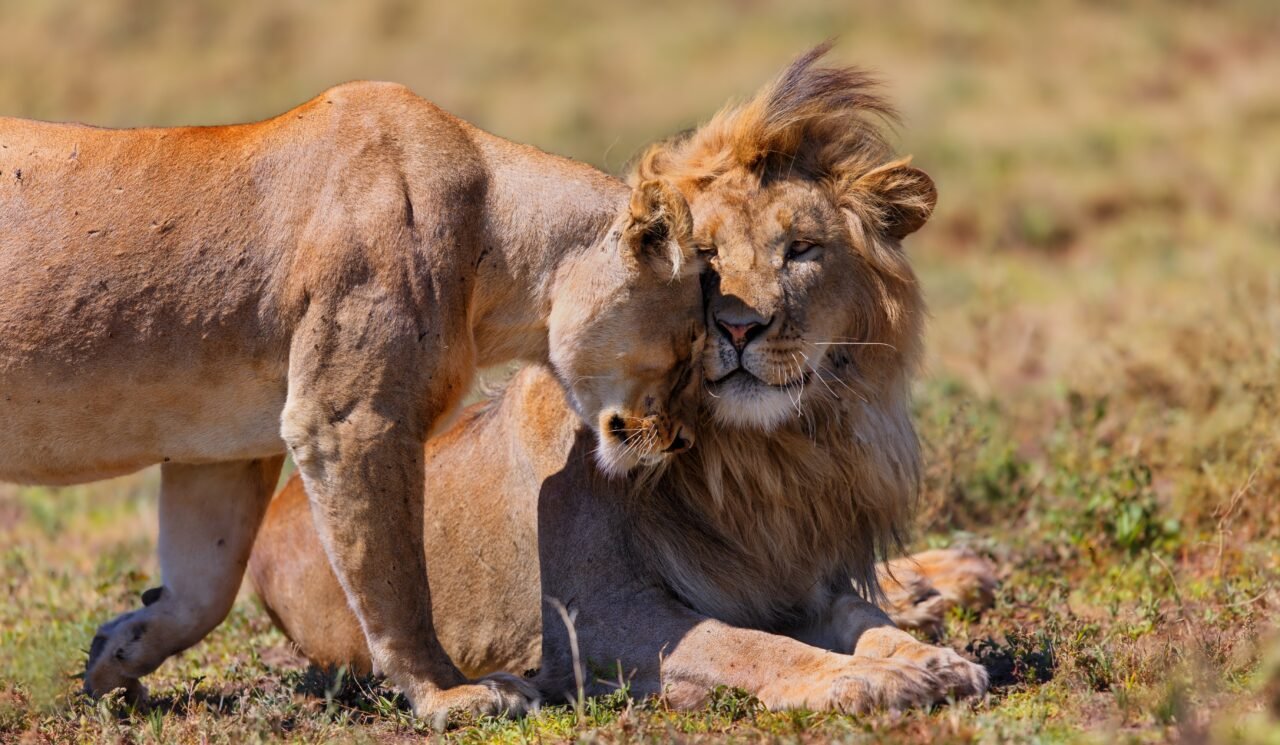
Three days of safari after Kilimanjaro usually concentrate on one core corridor—often near Arusha, Tarangire, or Ngorongoro—allowing you to see elephants, lions, giraffes, zebras, and a few rainforest-adjacent species without long drives. The itinerary is designed to balance early starts with midday rest and efficient game-viewing windows, so you get meaningful sightings while cooling down from the mountain’s exertions.
Typical flow and highlights
- Day A: Fly or drive to the safari area, light afternoon game drive, sunset silhouettes over savannah.
- Day B: Full-day game drive with picnic lunch, diverse habitats, and a chance to see predators in action.
- Day C: Morning game drive or a transfer back to your base, with time to reflect on the mountain journey.
<h2 Logistics and practical planning
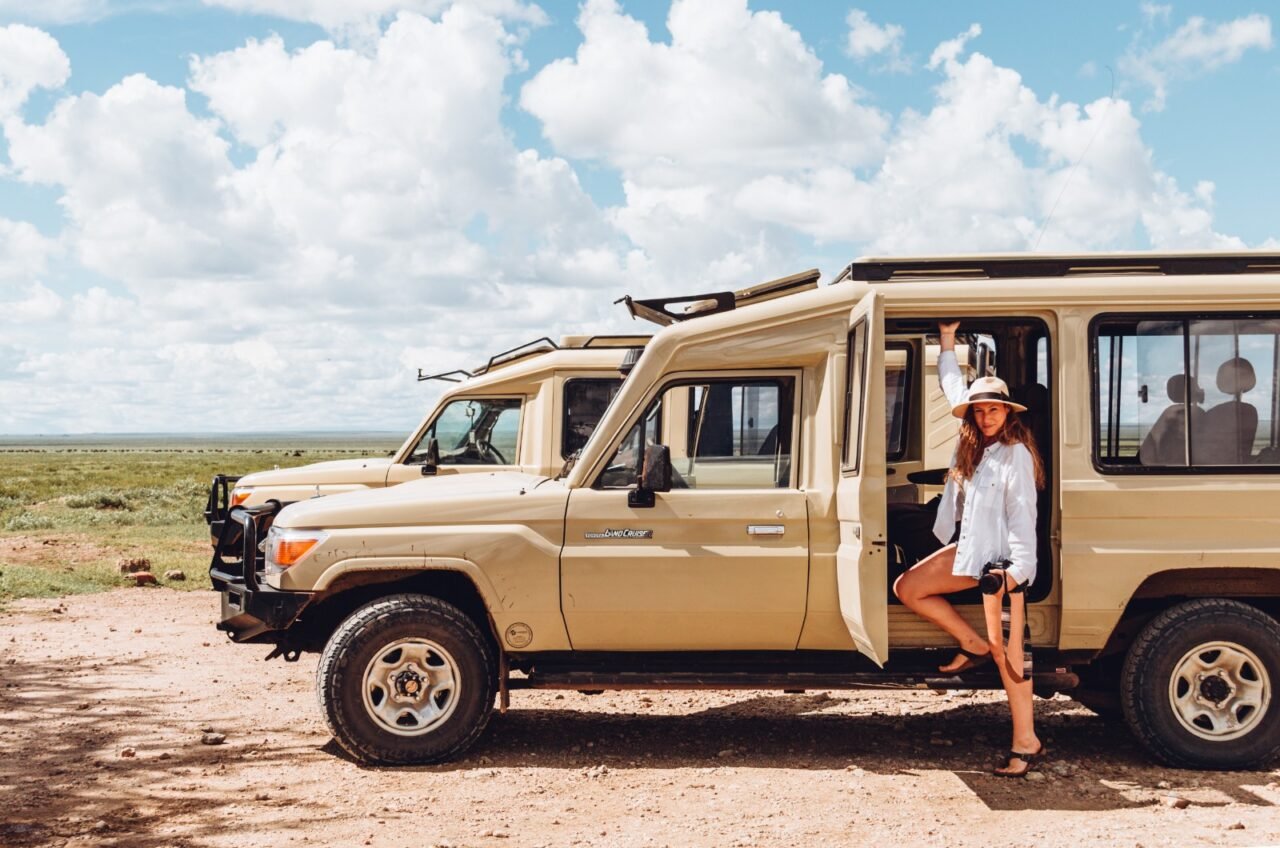
Booking this combined itinerary hinges on sensible pacing, proper acclimatization for Kilimanjaro, and a safari plan that minimizes backtracking. The mountain portion benefits from a guided team with a high guide-to-client ratio, proper porters or mules for support, and a breathable layering system to adapt to rapid weather shifts. The Safari segment benefits from a short, efficient routing scheme to minimize vehicle fatigue while maximizing wildlife visibility in prime habitats.
<h2 Gear, clothing, and preparation tips
For the Lemosho portion, layers are essential: moisture-wicking base layers, insulating mid-layers, a waterproof outer shell, and sturdy hiking boots with ankle support. A warm hat, gloves, and a headlamp are must-haves for summit night. For the safari portion, bring lightweight, breathable clothing, neutral-colored gear to blend with wildlife, a hat, sunblock, and a compact camera or smartphone with extra memory cards. A small daypack for daily summit-side and game-drive essentials keeps you comfortable and mobile.
Seasonal timing and what to expect
Best timing often revolves around dry seasons with clearer skies and safer trekking conditions, yet each window has its trade-offs in crowds and wildlife patterns. The Lemosho route tends to offer dramatic scenery year-round, with slightly different aridity and trail conditions. The safari segment also follows seasonal wildlife concentrations, where the migratory patterns affect where you’ll most likely see large herds and predators. A local operator can tailor the timing to your flexibility and wildlife interests while respecting acclimatization needs on Kilimanjaro.
Where Climb 4 Africa fits in
As a Kilimanjaro expert tour operator and Tanzania travel company, Climb 4 Africa offers structured support for both segments, prioritizing practical local guidance and on-the-ground safety. We emphasize balanced pacing, acclimatization windows, and a streamlined transfer strategy between Moshi/Marangu gate environments and the safari hubs near Arusha or Tarangire. The goal is clarity in planning, honest timing estimates, and a comfortable rhythm that keeps you confident from the first step to the final sunset drive.
Next steps: tailoring your plan
To tailor this 8-day Lemosho route plus 3-day Tanzania safari, share your priorities: preferred wildlife interests, pacing
Maximizing acclimatization and wildlife payoff: a deeper look at pacing and optional enhancements
Beyond the core 8-day Lemosho route and 3-day Tanzania safari, there are subtle pacing decisions and optional add-ons that can significantly impact your overall experience without extending your travel days dramatically. This section offers concrete, decision-focused guidance to help you fine-tune your itinerary while staying within your stated duration and keeping safety at the forefront.
1) Evening car-to-camp rhythms and jet-lag management. While Kilimanjaro trekking emphasizes morning starts and orderly summit windows, a thoughtfully scheduled late-afternoon transfer or a short, light activity upon arrival at a camp can reduce the stress of travel fatigue. Your guide team can arrange brief acclimatization-friendly experiences—such as a relaxed forest stroll or a simple orientation chat about the next day’s route—so you transition from vehicle to hiking boots with a measured pace. This approach preserves your energy for the following day’s ascent while reinforcing day-by-day acclimatization without introducing unnecessary exertion.
2) Flexible summit-night pacing. The Lemosho route benefits from a gradual climb up to the Shira Plateau and Barranco into Karanga before the final push from Barafu. An operator who builds buffer days into the schedule or allows an extra acclimatization stop if fatigue or weather flags can materially improve success rates. In practice, this means a plan that can absorb a few hours of optional rest or a later start to the ascent when temperatures are more favorable and wind conditions calmer. Communicate with your guide about how you feel after each day’s trek and let the team adjust the night before the summit push accordingly.
3) Safari sequencing and wildlife concentration. Your 3-day safari can be arranged to align with wildlife patterns rather than fixed days. For example, if you arrive in Arusha after a long overland drive, a short first game drive near your lodge or camp can help you reset before a full-day safari. In a typical compact window, a Tarangire–Ngorongoro loop or a short Serengeti corridor can be tailored to reduce backtracking, minimizing driving fatigue while maximizing predator sightings and elephant concentrations at water sources. Discuss with your safari guide where wildlife tends to concentrate during the season you’re visiting, and adjust drive times to coincide with peak animal activity—dawn and dusk—without pushing your body beyond comfortable limits after the climb.
4) Gear harmonization across segments. The mountain and safari portions use different climates and terrain, yet there is value in a cohesive gear strategy. A single high-quality shell that handles wind and intermittent rain is worth pairing with a pack that fits both trekking and quick safari day trips. Neutral-colored clothing helps with wildlife viewing during drives and reduces heat gain during midday rests. Layering remains the key: moisture-wicking base layers, a mid-layer for warmth, and a compact umbrella for sudden showers can keep your core comfortable in varied conditions. Ensure your footwear supports both rocky switchbacks and potentially uneven vehicle seats on long drives.
5) Safety protocols and communication buffers. A well-structured plan includes contingency days or land-and-leave options if you or a member of your group needs extra time for recovery. Your operator should provide 24/7 on-call support, satellite communication options in remote areas, and a clear chain of command for weather-related delays or medical contingencies. Clarify what is included in your package for emergency evacuation, oxygen availability on the mountain, and the proximity of medical facilities during the safari segment.
6) Cultural immersion with minimal footprint. If your schedule allows, insert brief cultural interactions that do not derail acclimatization. A village visit on the day after a rest day can offer a humanizing contrast to the physical effort of Kilimanjaro and the wide savannahs of Tanzania. Short, guided interactions with local communities—such as a demonstration of beadwork, a greeting ceremony, or a simple, respectful exchange—provide meaningful context to East Africa’s landscapes while keeping you within comfortable travel rhythms.
7) End-of-trip decompression time. If your flights permit, consider a half-day buffer at the end of the safari to decompress before a long return journey. A relaxed breakfast, a quiet stroll in the lodge gardens, or a gentle spa treatment can help your body transition from high-adrenaline trekking and safari activities to the pace of travel back home. Even a few hours of downtime can reduce post-trip fatigue, improve jet-lag recovery, and give you space to reflect on the contrasts between Kilimanjaro’s alpine zones and Tanzania’s vast plains.
8) Documentation and memory-keeping without disruption. A practical tip is to carry a lightweight journal or a small digital device dedicated to daily highlights. This helps you capture sensory details—air quality, scent of pine and earth, the sound of rain on canvas, the skyline ahead on summit night—without pulling you away from the moment. For photography-focused travelers, a compact camera or a phone with a reliable zoom can be a better choice than heavier equipment, preserving energy for game drives and walks.
9) Clear handoffs between operators. In a well-coordinated plan, your Kilimanjaro guide team and safari operator communicate through a shared plan, with a single point of contact for day-to-day routing. This minimizes miscommunications about pickup times, gear transfers, or camp locations, and it helps you maintain a steady rhythm across continents. A unified itinerary behind the scenes reduces the risk of duplicated travel days or last-minute changes that could disrupt acclimatization windows or wildlife viewing opportunities.
10) Responsible travel and conservation mindfulness. When selecting add-ons or minor itinerary tweaks, consider experiences that contribute to conservation or community initiatives. This might involve a supported reforestation activity in a reserve corridor, a donation channel tied to park fees that go toward rangers, or a sustainable travel education module offered by your operator. Small choices can compound into meaningful impact without complicating your travel schedule.
In sum, the most impactful enhancements come from thoughtful pacing, flexible guardrails, and gear that crosses seamlessly from mountaintop to savannah. By prioritizing acclimatization, minimizing fatigue, and preserving opportunities for genuine wildlife encounters, you’ll deepen your overall experience while staying within the practical frame of an 8-day ascent plus a 3-day safari.
Emerging insights: acclimatization, logistics, and the safari contrast on a single journey
While the practical spine of an 8-day Lemosho ascent paired with a 3-day Tanzania safari centers on pacing, terrain, and wildlife encounters, the nuanced details that translate a good trip into a great one often lie in how you manage acclimatization alongside streamlined logistics. These choices influence not just summit success but the quality of your safari mornings, flight connections, and post-trek recovery.
First, the rhythm between mountain days and safari days benefits from deliberate buffer moments that are not merely “free time” but strategic pauses. A half-day between Kilimanjaro’s summit push and departure to the safari area gives the body a chance to settle, rehydrate, and reset sleep patterns. On the ground, this translates to more alert, engaged game-drive sessions and a reduced risk of fatigue-driven pacing. If your schedule is tight, negotiate a fixed transfer window with your operator that avoids early-morning departures from Moshi or Arusha immediately after a long summit night. A controlled transfer minimizes cortisol spikes that can interfere with sleep in the new environment and sets a calmer baseline for the safari days ahead.
Second, the handoff between mountain guide teams and safari operators matters more than it appears. A single, integrated plan with a dedicated coordinator helps ensure that equipment transfers, medical considerations, and gear dry-runs (think insulated layers, rain shells, and sun protection) move smoothly. You’ll appreciate this when you transition from the chilly summit huts to the heat and humidity of the Serengeti plains, where a swift change in gear can protect against heat rash or damp gear turning into a weight you carry on game drives.
Third, acclimatization considerations extend beyond the mountain: your body’s readiness for the safari environment includes hydration strategies, sun exposure, and melatonin regulation if you are crossing time zones. Hydration habits learned on Kilimanjaro—regular gulps at rest stops, electrolyte-rich fluids, and avoiding excessive alcohol before summit night—translate into more consistent energy on safari days. Adequate sleep, a benefit of slower pacing, improves cognitive function during game-viewing periods where quick identification and safe interpretation of animal behavior require sustained attention.
On terrain, the contrast between Kilimanjaro’s highland zones and Tanzania’s savannahs creates a practical need for flexible packing solutions. A compact, layered kit that can be reassembled across environments reduces fatigue from overpacking or under-preparation. A lightweight fleece, a windproof shell, and a compact rain cover protect you against sudden showers on the mountain and variable weather on the plains. Footwear choices—sturdy trekking boots for the mountain and breathable, broken-in sneakers or closed-toe sandals for safari days—minimize blister risk and make long drives more comfortable in the vehicle’s seating geometry.
Communication stays sharp when you maintain a shared checklist with your team. Before you depart Moshi, confirm the sequence: crew handover points, equipment transfers, and the safari lodge check-in times. In practice, this reduces the chance of a missed pickup, a duplicated transfer, or a late arrival that compresses your precious wildlife-watching hours. A simple digital shared document or a WhatsApp group with your guide and safari lead can keep everyone aligned without becoming a distraction—especially during the rare moments when you’re able to savor a sunset over the Rift Valley or a distant silhouette of Kilimanjaro’s western face elsewhere in your itinerary.
Beyond logistics, the experiential payoff hinges on subtle shifts in your daily routine. On Kilimanjaro, avoid rushing to the next camp; use rest breaks to perform light mobility work—ankle circles, calf stretches, gentle hip openers—to maintain circulation and reduce stiffness after long days of trekking. On safari mornings, a quick 10-minute stretch and a hydration check before the vehicle departs encourages alertness and better posture during long game-drive sessions, where shoulder and neck tension can dull perception during animal sightings. Small routines like this compound quickly into clearer observation and more enjoyable interactions with guides and fellow travelers.
Lastly, consider conservation-minded choices that fit within the limited timeframe. Opt for experiences that support ranger initiatives, community-based projects, or park fees that directly fund anti-poaching efforts and habitat restoration. Even in a tight itinerary, these selections deepen the sense of purpose behind your adventure and create a legacy beyond personal memories, without adding substantial travel days or complexity to your plan.
In sum, the most meaningful enhancements in an 8-day Lemosho route plus a 3-day Tanzania safari come from cohesive pacing, proactive logistics management, and mindful gear and health practices. When acclimatization is treated as a continuum across both environments, you maximize your chances of a successful summit and a richly rewarding wildlife experience, all while minimizing fatigue and unnecessary downtime.
Bridging the two experiences: practical rhythms that optimize both summit success and wildlife immersion
One of the subtle, high-value decisions travelers make in this combined itinerary is how to transition from the mountain to the plains without losing momentum or acclimatization gains. A well-timed shift from Kilimanjaro’s ascent to Tanzania’s savannahs can reinforce physiological stability while sharpening wildlife-focused observations. The key is to preserve the cadence you established on the mountain—regular rest, steady hydration, and light movement—but tailor it to the logistics and ecological tempo of the safari landscape.
To optimize this transition, start with a deliberate buffer day in Moshi or Arusha after you descend Kilimanjaro but before entering the safari zone. This interlude serves multiple purposes: it allows your body to rehydrate, rehydrate electrolytes, and rehydrate glycogen stores; it also provides a practical window to adjust for any minor altitude-related fatigue you might still feel on arrival at the safari lodge. If a buffer day isn’t possible, negotiate a light recovery day within the first safari camp—short, low-effort activities such as a late-afternoon nature walk near the lodge grounds—to re-center before the more demanding game drives begin.
From a pacing perspective, maintain the habit of early start times you developed on the mountain. Safari days often reward the same disciplined approach: animals are most active at dawn and dusk, so waking with or just after first light ensures you’re in the vehicle when wildlife begins moving. If you’ve gained altitude confidence on day five or six of the Lemosho route, leverage that calm energy by approaching the safari days with a similar focus—short pre-drive mobility routines, a light snack, and a hydration check. You’ll notice improved alertness during long drives and a keener eye for nuanced behaviors—like a pride’s shifting tactics or the subtle warning cough of a predator sensing fatigue in a distant herd.
Gear logic also shifts in practical terms. On Kilimanjaro, you relied on layered clothing, gaiters, and waterproof shells. In the Serengeti–Tarangire–Ngorongoro corridor, that same versatility translates into a lighter day pack and climate-appropriate layers that handle morning chill and mid-day sun without overheating. A compact camera setup with a versatile lens (such as 24-70mm) often balances the need for close-up wildlife portraits and wide-angle landscapes. Reducing kit clutter helps you stay nimble in vehicle transfers, park gates, and lodge check-ins, where quick transitions save precious wildlife-watching minutes.
Conscious wildlife-watching etiquette remains essential after Kilimanjaro. You’ve trained your senses to observe without distraction on the mountain; carry that same discipline into the safari: maintain steady eye contact with your guide for cues, avoid sudden movements near prized sightings, and minimize noise during the crucial moments when a predator emerges or a herd pivots. The most impactful wildlife moments frequently occur when your team reads animal psychology with patience—whether a leopard’s deliberate stretch along a branch or an elephant’s careful, almost ceremonial, trunk sweep. Your preparedness—hydration, rest, and respectful distance—directly correlates with the quality of those moments.
Finally, consider the overarching purpose of your combined journey. A mountain-to-savannah itinerary thrives when you treat the two experiences as complementary chapters rather than competing highlights. The Lemosho route primes you with resilience, altitude acclimatization, and panoramic vistas that widen your appreciation for East Africa’s ecosystems. The safari then narrows the frame to intimate, character-rich wildlife encounters and the social mix of parks, rangers, and lodge communities. By honoring this dual rhythm—slow, deliberate mountain progress followed by focused, mobility-friendly safari days—you maximize both the physiological payoff and the wildlife payoff without unnecessary fatigue or wasted travel time.
Related Guides and Packages
Check Availability for 8-Day Lemosho Route And 3-Day Tanzania Safari
Ready to compare dates, prices, and the best option for your group? Send the package name and travel month so the team can reply with a clear quote, availability, and what is included.
8-Day Lemosho Route And 4-Day Tanzania Safari
8-Day Lemosho Route and 4-Day Tanzania Safari.
View package details
7-Day Rongai Route And 3-Day Tanzania Safari
7-Day Rongai Route and 3-Day Tanzania Safari.
View package details8-Day Lemosho Route And 5-Day Serengeti Safari: A Practical, Scenery-Rich
Conceive a two-part Tanzania adventure: an 8-day Lemosho ascent on Kilimanjaro paired with a 5-day Serengeti wildlife safari, designed for steady acclimatization and in-depth safari time.
View package details
13 Days Lemosho Route And 4 Tanzania Safari 2026-2027
13 Days Lemosho Route and 4 Days Tanzania Safari.
View package details
7 Days Machame Kilimanjaro Climb And 5 Tanzania Safari
7 Days Machame Kilimanjaro Climb and 5 Days Tanzania Safari.
View package details8 Days Kilimanjaro Lemosho Trek And 4 Serengeti Ngorongoro Safari
8 Days Kilimanjaro Lemosho Trek and 4 Days Serengeti Ngorongoro Safari.
View package details
7-Day Machame Route And 4-Day Serengeti Safari
7-Day Machame Route and 4-Day Serengeti Safari.
View package details7-Day Machame Route And 3-Day Big Five Safari
7-Day Machame Route and 3-Day Big Five Safari.
View package details8 Days Kilimanjaro Trek And 3 Tanzania Safari
8 Days Kilimanjaro Trek and 3 Days Tanzania Safari.
View package details12 Days Rongai Route And Tanzania Wildlife Safari 2026-2027
12 Days Rongai Route and Tanzania Wildlife Safari.
View package details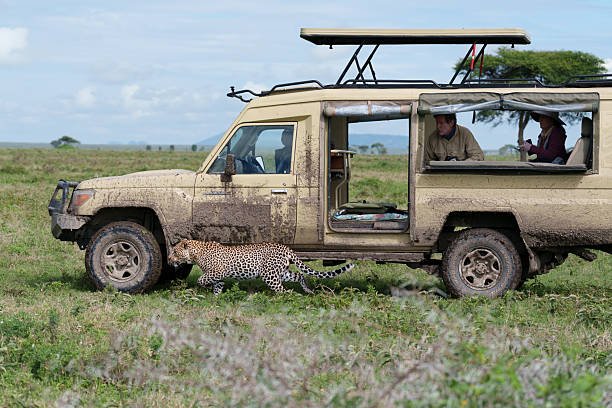
14 Days Lemosho Route And Serengeti Ngorongoro Safari 2026-2027
14 Days Lemosho Route and Serengeti Ngorongoro Safari.
View package details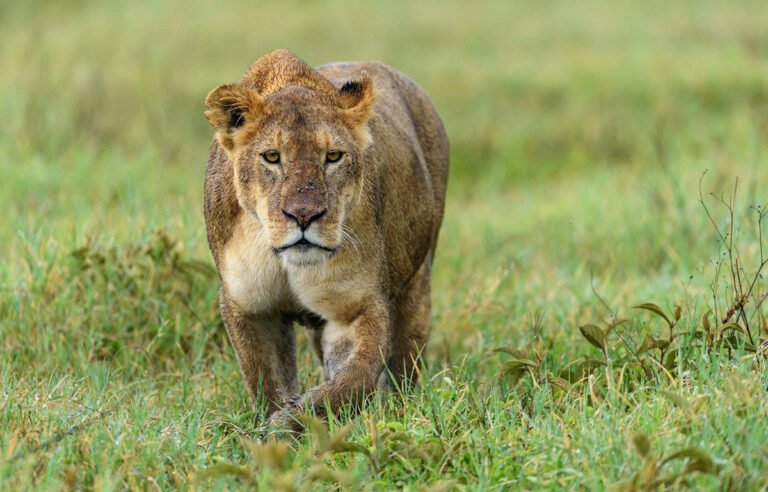
6-Day Marangu Route And 2-Day Tanzania Safari
6-Day Marangu Route and 2-Day Tanzania Safari.
View package detailsNo related package matches those filters. Clear one or more filters to see the other topic-matched options.



