
August is one of the most sought-after months for Tanzania travel, aligning perfectly with the Great Migration in the Serengeti and dry, clear conditions for Kilimanjaro trekking. Because August 2027 falls during this peak tourism window, you should expect higher-than-average flight prices compared to low-season months. To secure reasonable fares, aim to finalize your international flights 8 to 10 months in advance. If you are planning a combined Kilimanjaro climb and safari, focus on arriving at Kilimanjaro International Airport (JRO) to minimize domestic transit costs and maximize your time on the mountain or in the parks.
Planning a trip to Tanzania in August requires a different strategic approach than traveling during the “green season.” As a specialist operator, we see travelers consistently underestimate the correlation between peak wildlife activity and international airfare demand. When you look at Tanzania flight prices for August 2027, you are not just looking at ticket costs; you are looking at the price of accessibility to one of the world’s most popular wilderness destinations.
Understanding the August Travel Landscape
August sits firmly in the dry season. For safari-goers, this is prime time. The vegetation is sparse, making wildlife much easier to spot as animals congregate around permanent water sources. For Kilimanjaro climbers, August offers some of the most stable weather patterns of the year—cool, crisp nights and clear, sunny days. However, this popularity drives up the cost of everything, especially air travel.
When you browse flight aggregators for August 2027, you will likely see a premium attached to almost every carrier flying into Kilimanjaro (JRO) or Dar es Salaam (DAR). Airlines know that demand is inelastic; if you want to witness the Great Migration or reach the summit of Uhuru Peak in ideal conditions, you are competing with travelers from across the globe. The key to managing this is not necessarily finding a “cheap” flight, but finding a logistically efficient flight that prevents hidden costs like extra hotel nights, missed internal transfers, or stressful layovers.
Why Airport Choice Matters for Your Budget
Many travelers assume flying into Dar es Salaam is cheaper and then take a bus or train to the north. While the international ticket to Dar might appear lower, once you factor in the internal flight cost, the time lost in transit, and the potential for luggage handling issues, the savings often vanish. For a Kilimanjaro and safari-focused trip, flying directly into Kilimanjaro International Airport (JRO) is almost always the most cost-effective choice in terms of time and overall trip value. Contact us at climb4africa@gmail.com if you need help deciding which entry point makes the most sense for your specific itinerary.
The Booking Window for August 2027
If you are aiming for August 2027, the traditional advice of “booking 3 months out” does not apply. For peak season travel to Tanzania, we recommend a longer horizon. By November or December 2026, you should have a clear idea of your travel dates. Setting up price alerts early allows you to track the volatility of major carriers like KLM, Ethiopian Airlines, and Qatar Airways, which are the primary conduits for traffic into JRO.
We often see travelers wait for a “deal” that never comes during peak season. Instead of waiting for a price drop that may never materialize for August, focus on the total cost of the journey. A slightly more expensive ticket on a reputable airline with a shorter layover is often cheaper than a “budget” flight that requires an overnight stay in a transit hub or risks your luggage arriving a day late—a critical issue when your Kilimanjaro climb is scheduled to start the morning after your arrival.
Comparison: Flight-Inclusive Packages vs. Booking Separately
One of the most frequent questions we receive is whether to book flights through a tour operator or handle them independently. Both paths have merits, but they serve different needs.
| Feature | Booking Flights Independently | Package-Inclusive Flights |
|---|---|---|
| Control | You choose exact seats, times, and frequent flyer miles. | The operator manages changes and connections. |
| Responsibility | You are responsible for rebooking if a flight is delayed or cancelled. | The tour operator often coordinates with the airline to adjust your itinerary. |
| Cost | Often cheaper for the ticket itself. | Can be bundled for better overall value or simplified billing. |
| Complexity | Requires active monitoring of schedules. | Hands-off; you arrive, and the logistics are managed. |
For most of our climbers and safari guests, booking independently is the standard approach because it allows you to utilize airline miles or credit card points. However, if your itinerary includes a complex multi-leg journey—such as flying into JRO, taking a bush flight to the Serengeti, and then flying out of Zanzibar—having a local operator assist with the internal flight segments is essential. We can ensure that your internal transfers align perfectly with your international arrivals.
Managing Internal Flight Logistics
Once you land at Kilimanjaro International, your travel isn’t over. If your itinerary includes a safari, you will likely need a regional flight to an airstrip like Seronera or Kogatende in the Serengeti. These bush flights are operated by smaller carriers and have different pricing and baggage rules than international airlines.
Important: Internal flight prices are generally stable, but availability is limited. These small aircraft fill up quickly in August. When you book your safari with Climb 4 Africa, we advise on the best internal flight times to match your ground transport. Attempting to book these flights yourself without knowing the exact location of your lodge can lead to expensive mistakes, such as landing at an airstrip that is a 4-hour drive from your actual accommodation.
Kilimanjaro Climb Timing and Flight Schedules
For those climbing Kilimanjaro, your flight arrival time is a critical part of your acclimatization and safety plan. We strongly advise arriving at least one full day before your climb starts. This buffer day allows for any minor flight delays and ensures you are rested. Do not schedule your flight to land in the morning and expect to start your trek that afternoon; this is a recipe for altitude sickness and exhaustion.
If you find that flight prices for your preferred arrival date are exceptionally high, consider adjusting your climb start date by 24 or 48 hours. Often, shifting your arrival to a Tuesday or Wednesday instead of a weekend can save significantly on international airfare. We are happy to discuss how shifting your start date affects our group departure schedules.
Practical Tips for August 2027 Travel
- Baggage Allowances: International carriers allow more weight than the small bush planes used for safari transfers (often limited to 15kg in soft-sided bags). Factor this into your packing strategy.
- Visa Logistics: Ensure your visa is sorted well in advance, even if you are eligible for a visa-on-arrival. It saves time at the airport after a long flight.
- Travel Insurance: Given the cost of peak-season travel, ensure your insurance covers trip cancellation and, critically, medical evacuation from remote areas.
- Communication: If you are unsure about a connection or need advice on whether a specific flight arrival time is feasible, reach out to us via WhatsApp at +255 747 477 898. We can tell you if that arrival time works with our standard transfer services.
The Value of Local Support
The true cost of your trip is not just the airfare; it is the quality of your experience. When you book with a local expert, you are paying for the ground support that makes the flight worth it. We handle the airport pickups, the pre-climb briefings, the hotel transfers, and the coordination between your various activities. Whether you are looking for a private safari with internal flights or a group trek, our role is to ensure that your logistics are as smooth as the African landscape.
August is a busy month, and the best guides, the best vehicles, and the most convenient lodge locations get booked first. If you are starting your planning for August 2027, the best step is to define your “must-haves.” Do you want to see the Mara River crossing? Do you want to reach the summit of Kilimanjaro via a specific route like Machame or Lemosho? Once you know your priorities, the flight logistics become a supporting element, not the primary hurdle.
If you have questions about specific flight routes or need assistance in crafting an itinerary that maximizes your time in Tanzania, send an email to info@climb-4-africa.com. We don’t just provide tours; we provide the local knowledge that helps you avoid the common pitfalls of international travel planning.


Finalizing Your August 2027 Plan
As you move forward, keep a flexible mindset. The flight market is dynamic. If you see a fare that fits your budget and arrives at a reasonable time, secure it. Don’t agonize over small price fluctuations. Your focus should be on the total trip package. By aligning your international flights with our ground operations, you ensure that every dollar spent is directed toward the experience itself—the trek, the safari, and the culture—rather than wasted on inefficient transit or logistical gaps.
We look forward to helping you navigate the planning process for your 2027 adventure. Whether you are at the very start of your research or ready to book your dates, we are here to provide the practical, on-the-ground perspective you need to make your Tanzania trip a reality.
Strategic Routing: Hubs and Carrier Alliances for August
When searching for flights to Tanzania for August 2027, you will quickly notice that few international carriers offer direct long-haul service to Kilimanjaro International Airport (JRO). Instead, you are looking at a hub-and-spoke model. The most common entry points for travelers from Europe, North America, and Asia are major transit hubs like Addis Ababa, Doha, Amsterdam, and Nairobi. Understanding how these hubs impact your ticket is vital for your budget and sanity.
The most critical decision you will make is whether to purchase your entire journey on a single Passenger Name Record (PNR) or to piece together separate tickets. When you book a through-ticket (e.g., New York to JRO via Doha), the airline is contractually obligated to rebook you if your first flight is delayed and you miss your connection. If you book a major international flight to Nairobi or Dar es Salaam and then purchase a separate, cheaper regional ticket to JRO, you are essentially creating your own connection. In August, when flights are operating at maximum capacity, this is a high-risk strategy. If your international flight arrives late, the regional carrier is under no obligation to hold the plane or rebook you for free. For peak season travel, the modest premium of a single, through-booked ticket acts as an insurance policy against the cascading delays common in busy international hubs.
The “Open-Jaw” Cost-Benefit Analysis
Many travelers planning an August safari and Kilimanjaro trek also want to visit Zanzibar for post-climb relaxation. This brings up the strategic use of “open-jaw” tickets—flying into JRO and departing from Zanzibar (ZNZ) or Dar es Salaam (DAR). While these tickets often appear more expensive than a simple round-trip to JRO, you must calculate the “hidden” costs of returning to your entry airport.
If you book a round-trip to JRO, you will eventually need to fly or take a long, arduous drive back from the coast to the north to catch your international flight. This requires an additional domestic flight, an extra hotel night near the airport, and the logistical stress of a tight connection. When analyzing your August 2027 flight prices, compare the cost of an open-jaw ticket against the sum of a round-trip ticket plus the cost of the necessary internal transport to get back to your starting point. Often, the price difference is negligible, but the time saved—which is your most valuable resource during a limited vacation—is substantial. By flying out of Zanzibar, you effectively gain an extra day of exploration rather than spending it in transit.
Mitigating Peak-Season Flight Disruptions
August is the busiest month for Tanzanian tourism. Every lodge, guide, and bush plane is booked to capacity. This creates a ripple effect: if your incoming international flight is delayed, the impact is magnified. Unlike low-season travel, where there might be empty seats on the next day’s flights, August flights are frequently sold out days in advance. This is why we advise against scheduling your Kilimanjaro climb or safari to begin on the very same day you land.
If you encounter a flight cancellation or significant delay, your priority should be immediate communication with your airline and your ground operator. If you have booked a through-ticket, your airline will manage the rebooking. If you have self-connected, you are on your own. In the event of a significant delay that threatens your climb start date, having a local partner is the difference between a managed schedule adjustment and a ruined trip. We can often communicate with park authorities or lodge managers to adjust your entry dates if you provide us with the documentation of your flight delay. However, this flexibility is only possible if you have communicated your situation before you are already deep in the bush or on the mountain where cellular service is non-existent.
Navigating the Baggage and Transfer Gap: International to Regional
One of the most significant, yet frequently overlooked, aspects of planning a Tanzanian safari in August is the operational disconnect between major international carriers and regional bush-plane operators. Many travelers operate under the assumption that their luggage will be “interlined”—transferred automatically from their flight from Europe or the Middle East directly onto the small aircraft that will whisk them away to the Serengeti or Ruaha. In reality, this is rarely the case. Most international airlines flying into Kilimanjaro (JRO) or Dar es Salaam (DAR) do not have baggage interline agreements with the boutique bush-plane carriers that service the safari airstrips. This creates a critical “landside” gap that you must account for when finalizing your travel logistics.
When you land in Tanzania, you are not simply changing gates; you are essentially re-starting your journey. You must clear immigration, collect your checked baggage from the international carousel, pass through customs, and then physically transfer to the domestic terminal or check-in desk for your onward bush flight. This process requires you to navigate the airport on your own or with the help of a pre-arranged ground handler. During August, when tourism volumes are at their peak, JRO and DAR can become significantly congested. Customs lines can be lengthy, and the simple act of transferring your luggage from the international arrivals area to the domestic check-in counter can take upwards of 90 minutes, even if you are moving quickly.
This operational reality has direct financial and strategic implications. If your international flight arrives even slightly behind schedule, you are at high risk of missing your connecting bush flight. Because bush planes operate on strict, limited schedules to maximize daylight hours, they cannot hold the aircraft for late-arriving passengers. If you miss that connection, you are often looking at the cost of a private charter flight—which can cost several thousand dollars—or the loss of a day of your safari. Therefore, when calculating the “cost” of your flight, you must factor in the price of a mandatory buffer night if your international arrival is too close to your bush connection. While an overnight stay in Arusha or near JRO adds to your trip budget, it is an essential insurance policy against the volatility of international air travel during the peak season.
The Hidden Mechanics of Regional Transfers
Beyond the time factor, you must also reconcile the conflicting baggage policies between your international flight and your regional bush flight. International airlines generally allow 23kg or more per bag, often with two-piece allowances. However, bush planes, such as those operated by Coastal Aviation, Auric Air, or Regional Air, are strictly limited by weight and space. The standard allowance for these bush flights is usually 15kg (33 lbs) per person, and this must be packed in soft-sided bags. Hard-sided suitcases are often prohibited because they cannot be easily stowed in the small cargo holds of the Cessna Caravans and other light aircraft used for safari transfers.
The financial impact here is subtle but real. If you arrive at your domestic check-in with a standard international roller-board or hard-shell suitcase, you may be forced to leave it behind at the airport in secure storage for the duration of your safari, or pay for an extra seat on the bush plane to accommodate the oversized luggage. Both options involve extra fees and logistics that are easily avoided if you plan your packing strategy months in advance. We strongly recommend using high-quality, collapsible soft-sided duffel bags for your entire journey. This allows you to pack efficiently for the international leg while ensuring you meet the strict requirements of the final, most crucial leg of your travel.
Strategic Mitigation: Using Meet-and-Greet Services
To bridge this transfer gap, many experienced travelers opt for a professional “meet-and-greet” or “VIP fast-track” service. These services are not merely a luxury; in the context of a high-stakes August trip, they are a logistical tool. A dedicated representative meets you at the aircraft door, assists with the transit through immigration and customs, and manages the movement of your luggage to the domestic check-in desk. They are familiar with the specific quirks of JRO and DAR and can navigate the terminal much faster than an unassisted traveler. By removing the stress of the physical transfer, you regain a sense of control over your itinerary. When evaluating your total trip budget, consider the cost of these services as a direct investment in the reliability of your safari start date. It is a one-time fee that protects the significant investment you have already made in your lodges, guides, and international airfare.
Related Guides and Packages
Check Availability for Tanzania Flight Prices August : Kilimanjaro & Safari Travel Guide
Ready to compare dates, prices, and the best option for your group? Send the package name and travel month so the team can reply with a clear quote, availability, and what is included.

Kilimanjaro Climb And Serengeti Safari: Flight & Transfer Planning
Kilimanjaro Climb and Serengeti Safari: Flight & Transfer Planning.
View package detailsTanzania Flight Prices March : Airfare & Seasonal Guide
A practical guide to understanding flight pricing for Tanzania in March 2027, covering seasonal trends, booking windows, and logistics for safari and Kilimanjaro itineraries.
View package details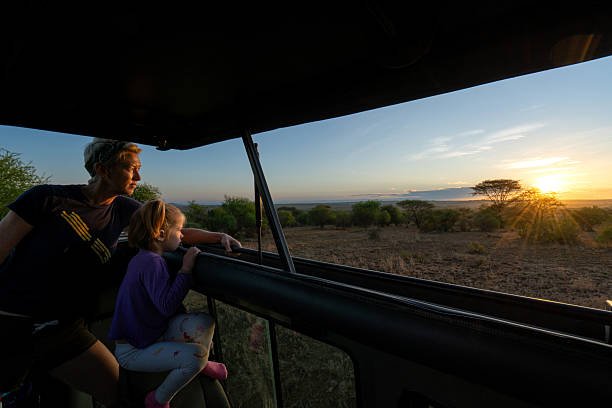
Entebbe To Tanzania Flights: Ticket Prices And Route Guide
A comprehensive guide for travelers planning flights from Entebbe to Tanzania, covering ticket price factors, route options for Kilimanjaro and safari tours, and essential booking logistics...
View package detailsFlights To Moshi Tanzania: Nearest Airports & Travel Costs Guide
A professional guide to navigating air travel for your Kilimanjaro climb or safari, comparing airport options, transfer logistics, and cost factors for 2026-2027.
View package details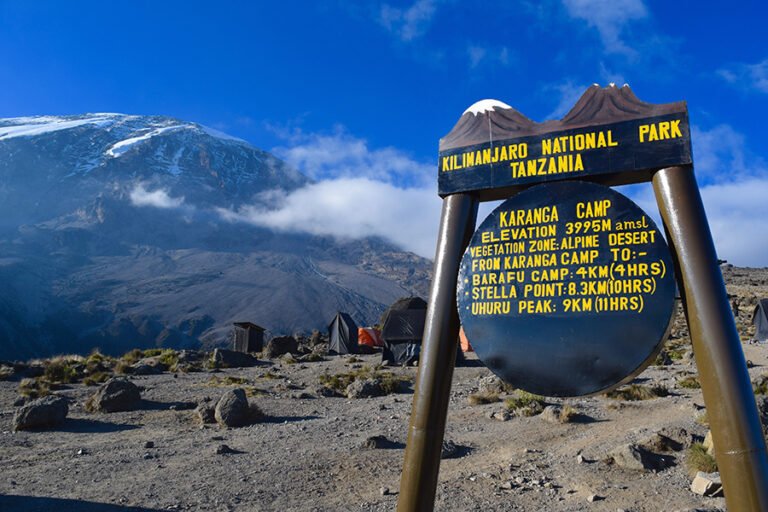
Christmas Kilimanjaro Climb And Serengeti Wildlife Safari Package: Planning
A comprehensive guide to planning a combined Christmas Kilimanjaro climb and Serengeti wildlife safari, covering route selection, seasonal logistics, and expert booking advice for 2026-2027.
View package details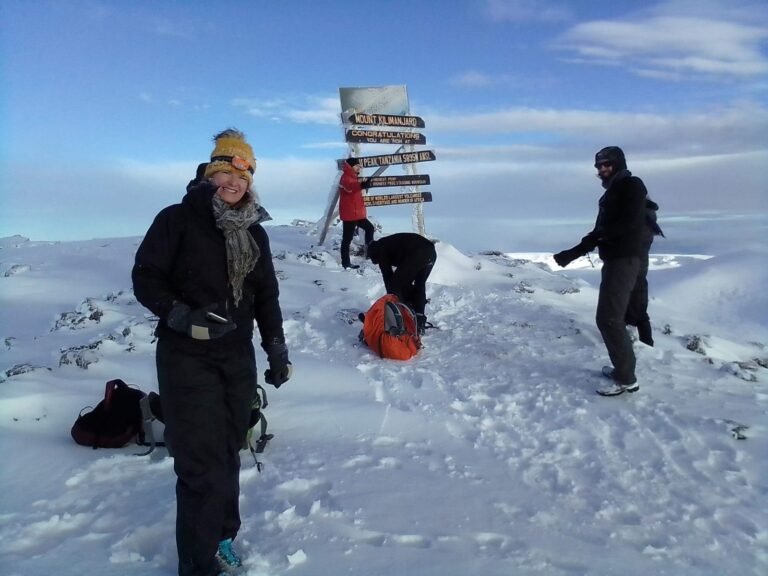
Affordable Kilimanjaro Group Joining Safari And Trekking Packages December
A practical guide to booking affordable, reliable group joining treks on Kilimanjaro and wildlife safaris in Tanzania for December 2026, focusing on logistics, shared costs, and travel...
View package details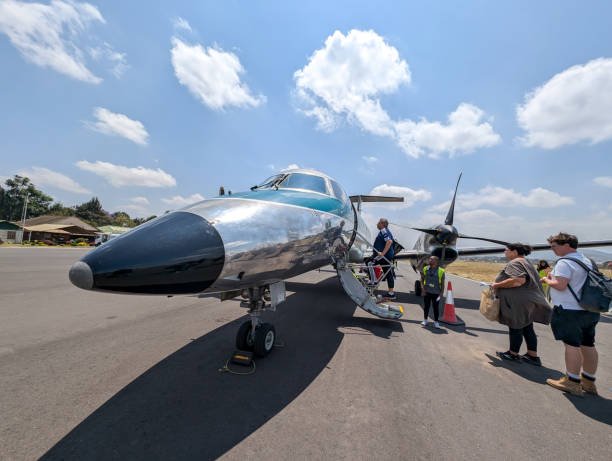
Kilimanjaro Vs Arusha Airport: Which Should You Use For Your Trip?
A practical guide to choosing between Kilimanjaro International Airport (JRO) and Arusha Airport (ARK) for your Tanzania safari or Kilimanjaro climb.
View package details
Kigali To Serengeti Flights: Prices & Safari Connections
A practical guide to connecting your Rwanda gorilla trekking with a Serengeti safari, focusing on flight routes, transit logistics, and expert booking advice.
View package details
Kilimanjaro International Airport Flight Prices & Airlines: A Planning Guide
A deep look at planning your travel to JRO, understanding airline options, price variables, and how to coordinate your arrival for a successful Kilimanjaro climb.
View package detailsFlights To Mount Kilimanjaro: Ticket Prices & Airport Guide
A comprehensive guide to flying into Kilimanjaro International Airport (JRO) in 2027. Learn how to secure the best flights, what to expect at the airport, and how to align your arrival with...
View package detailsKilimanjaro Climbing And Zanzibar Package With Flights: Pricing Guide
A detailed guide on how to structure a Kilimanjaro climb and Zanzibar beach holiday, covering cost drivers, flight logistics, and route selection for 2026-2027.
View package detailsNairobi To Kilimanjaro Airport Flight Cost Guide
A detailed look at the factors influencing the cost of flights from Nairobi to Kilimanjaro Airport, including comparisons with land transfers and essential planning advice.
View package detailsNo related package matches those filters. Clear one or more filters to see the other topic-matched options.



