
A budget Tanzania fly-in safari is achievable by focusing on shorter, strategic flight hops rather than cross-country aerial tours. By utilizing regional hubs like Arusha (ARK) or Zanzibar (ZNZ) and choosing specific, high-density wildlife areas like the Serengeti or Tarangire, you significantly reduce flight duration and cost. The most effective way to keep your budget in check is to combine a fly-in leg with a shorter, land-based safari itinerary, rather than attempting an all-air circuit. For 2026-2027, prioritizing shoulder seasons—typically May, June, or November—can further lower logistical costs while still offering excellent game viewing.
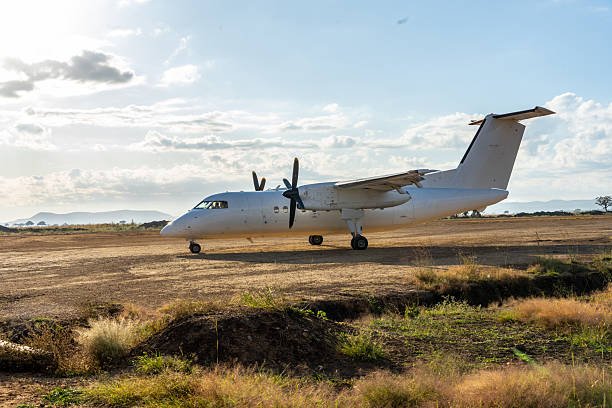

The allure of a fly-in safari is undeniable: you trade long, dusty hours on Tanzanian roads for impressive aerial views of the savannah, arriving in the heart of the action with time to spare. However, the convenience of light aircraft comes with a premium price tag. For travelers balancing the desire for efficiency with a strict budget, the strategy isn’t to avoid flying entirely, but to be highly selective about *how* and *where* you fly.
The Real Cost Drivers of a Fly-In Safari
When you look at the price of a fly-in safari, the flight itself is often the most volatile component. Unlike scheduled commercial airline tickets, bush flights operate on a “seat rate” or “charter” basis. Small Cessna Caravans and other light aircraft have limited capacity, and the cost of operating them—fuel, pilot wages, landing fees at remote airstrips—is spread across fewer passengers.
To keep costs manageable, you must understand what drives these prices:
- Distance and Frequency: A flight from Arusha to the Northern Serengeti is significantly more expensive than a hop from Arusha to Tarangire or Manyara because of the fuel burn and the time the aircraft spends in the air.
- The “Circuit” Tax: Flying between multiple remote camps in a single day is the most expensive way to travel. Each takeoff and landing is a distinct logistical event.
- Seasonality: While park fees and lodging rates have high and low seasons, bush flight operators also adjust their schedules. In peak season, planes are often fully booked, meaning you pay the full standard seat rate. In the off-season, some operators reduce their flight frequency, which can sometimes make finding a seat harder, though not necessarily cheaper.
If you are trying to maximize your Tanzania fly-in safari budget, the goal is to minimize the number of takeoffs and landings. A single, direct flight into your primary destination, followed by a land-based safari, is almost always more affordable than a “fly-between-camps” itinerary.
Smart Itinerary Planning for Budget Travelers
The most common mistake when planning a budget-conscious trip is trying to “do it all” by air. Instead, consider a hybrid approach. Many travelers find that a 4-day Tanzania fly-in safari with return flights provides the perfect balance of efficiency and cost. You fly into the park to maximize your time on the ground, then spend the rest of your trip enjoying a land-based safari or a relaxing stay in Arusha or Zanzibar.
Consider this strategic split:
The Hybrid Safari Model
- Arrival: Fly into Arusha (ARK) or Kilimanjaro (JRO).
- The Fly-In Leg: Take a short, direct flight to a high-density wildlife area like the Seronera airstrip in the central Serengeti. This gets you into the heart of the action immediately.
- The Land-Based Leg: After 2-3 days of intensive game viewing, return to a regional base by land. This allows you to explore the Ngorongoro Crater or Tarangire National Park via 4×4, which is significantly cheaper than flying between these points.
- Departure: Conclude your trip near a major hub, making your international departure easier and more cost-effective.
This approach isn’t just about saving money; it’s about better wildlife viewing. The Ngorongoro Crater, for example, is best explored by a 4×4 vehicle with a knowledgeable driver-guide who knows the terrain and can navigate the descent and ascent safely. Flying into the crater is not possible, and even flying to nearby airstrips requires a vehicle transfer anyway. By driving, you avoid the unnecessary expense of short-hop flights that don’t actually save you travel time.
Comparing Travel Options: Air vs. Road
It is helpful to weigh the actual trade-offs of flying versus driving. Many travelers assume that flying is always the better choice, but in Tanzania, road conditions and the quality of the vehicle matter just as much as the mode of transport.
| Feature | Fly-In Safari | Land-Based Safari |
|---|---|---|
| Time Efficiency | Very High (Saves 6-8 hours of driving) | Moderate (Longer travel days) |
| Cost | High (Flights are a premium) | Lower (Vehicle/fuel shared) |
| Wildlife Experience | Focused, immediate access | Gradual, landscape-driven |
| Luggage Limits | Strict (15kg soft bags only) | Flexible |
| Flexibility | Low (Fixed flight schedules) | High (Can stop for photos) |
As the table shows, if your budget is the primary constraint, a land-based safari is the clear winner. However, if you are short on time, the cost of domestic flights compared to private transfers can sometimes be justified by the extra day of game viewing you gain. If you have only five days total, spending two days driving to and from the Serengeti effectively ruins your trip. In that specific case, a fly-in safari is actually the “better value” because it salvages your limited holiday time.
Seasonal Timing and Booking Strategy
Your choice of travel dates is the single biggest lever you have for controlling the cost of your safari. Tanzania’s seasons dictate both the price of accommodation and the availability of flight routes.
The “Green Season” (typically November through mid-December and April to May) often sees lower lodge rates. While some fly-in operators reduce their flight frequencies during these months, the ones that continue to fly are often looking to fill seats. This can sometimes lead to more flexible booking conditions, though rarely deep discounts on ticket prices.
Conversely, during the peak months of July to October and the calving season in February, demand for flights is extremely high. If you are planning a Ndutu airstrip flight for a calving season safari, you should book well in advance. Last-minute bookings during these times are rarely budget-friendly, as you will be left with the most expensive, last-available seats.
To secure the best rates for 2026-2027, consider these practical steps:
- Book as a Package: When you book your flights through a specialized operator like Climb 4 Africa, we can often bundle flight costs with park fees and lodge accommodation. This often results in a better overall rate than trying to piece together flights, hotels, and vehicle transfers yourself.
- Be Flexible with Airstrips: If you are flying into the Serengeti, check if your lodge can be reached via a less-frequented, cheaper airstrip. Sometimes, flying into a major hub like Seronera and taking a short, pre-arranged transfer is cheaper than flying directly into a remote bush airstrip.
- Consolidate Your Group: If you are traveling as a family or a small group, private chartering can sometimes become competitive with the price of individual seat tickets on scheduled bush flights. It is worth asking your operator for a comparison.
What to Know Before You Book
Before you commit to a fly-in itinerary, there are a few realities about Tanzanian bush aviation that every traveler should understand. These are not meant to discourage you, but to ensure you make an informed decision that fits your budget and expectations.
First, be aware of luggage restrictions. Bush planes are small. You will be limited to 15kg (approx. 33lbs) in soft-sided bags. Hard-shell suitcases are generally prohibited because they cannot be squeezed into the cargo hold of a Cessna Caravan. If you arrive with a hard-shell suitcase, you may be forced to leave it behind at your hotel in Arusha, which adds a layer of complexity and potential cost to your planning.
Second, flight schedules are rarely set in stone. Bush flights operate more like a bus service than a commercial airline; they make multiple stops to pick up and drop off passengers. Your “direct” flight might turn into a two-stop journey. This is normal. It is also why we always recommend that you understand what happens if your flight is delayed. Weather conditions in the Serengeti can change rapidly, and while safety is the top priority, delays can occur. A good operator will have a plan to get you to your camp even if your flight is rescheduled.
Third, clarify what is included in your fly-in safari quote. Does it cover the transfer from the airstrip to your camp? Some lodges include this, while others charge an extra fee. Does it cover the park entry fees? These are significant costs that can catch you off guard if they aren’t clearly itemized in your booking. Always ask for an itemized breakdown.
Getting the Best Value for Your Trip
At the end of the day, a budget-friendly safari is about prioritizing the experiences that matter most to you. If you are a wildlife photographer, you might prioritize the cost of the flight to get to the Serengeti during the Great Migration. If you are a family, you might prioritize a land-based itinerary that allows for more frequent stops and a more relaxed pace.
We specialize in crafting itineraries that align with your budget and your travel goals. Whether you are looking for a 5-day Serengeti and Ngorongoro fly-in safari or a more modest, land-based adventure, we provide the local knowledge and logistical support to make it happen. We don’t just book flights; we manage the entire sequence of your journey to ensure you aren’t paying for things you don’t need.
To start planning your 2026-2027 Tanzanian adventure, we invite you to reach out to our team. Please let us know your approximate travel dates, the number of travelers, and which parks are at the top of your wish list. You can contact us via WhatsApp at +255 747 477 898 or email us at climb4africa@gmail.com (or info@climb-4-africa.com). Let us help you find the right balance between the sky and the savannah.

Navigating Airstrip Logistics and Accommodation Tiers
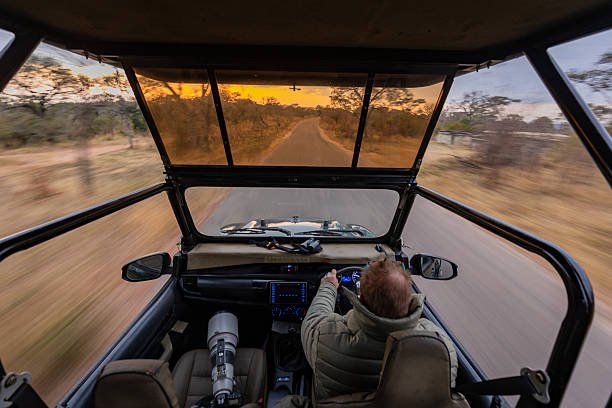
When planning a budget-conscious fly-in safari, the logistical reality of the “last mile”—the distance between the bush airstrip and your final accommodation—is frequently overlooked. Unlike urban airports where taxi queues are standard, remote Tanzanian airstrips operate in a vacuum. Your arrival at a strip like Seronera or Kogatende is not the final destination; it is simply the point where your ground transfer begins. Understanding how this transfer is structured is essential for keeping your budget intact.
Many travelers assume that the transfer from the airstrip to the lodge is included in the price of their bush flight. This is rarely the case. Flight operators manage the air transit, while the lodge or a local ground operator manages the land transfer. If you book these components separately, you may find yourself facing an unexpected surcharge for a “private transfer” upon arrival. To mitigate this, always verify whether your accommodation offers a complimentary shared transfer or if they charge a per-person rate for the pick-up. In many cases, opting for a lodge that provides its own internal transfer service is significantly more cost-effective than hiring a third-party vehicle to meet you at the strip.
The Hidden Costs of the “Last Mile”
The geography of the park itself dictates the cost of this transfer. Some camps are located within a 15-minute drive of the airstrip, while others are situated in remote concessions that require a 90-minute game drive just to reach the front desk. While the longer drive might seem like a bonus “free” safari, it increases the logistical overhead for the operator, which is often passed on to the guest. When comparing quotes, ask specifically about the transfer distance. A lodge that is further away might appear cheaper on paper, but if you are required to pay a hefty transfer fee or a private vehicle supplement to reach it, the total cost could exceed that of a more centrally located, albeit seemingly more expensive, property.
Furthermore, consider the vehicle type. Many budget-friendly fly-in itineraries utilize open-sided 4×4 vehicles for game drives. If your lodge provides these as part of an all-inclusive package, you save considerably. If, however, you choose a lodge that operates on a “bed and breakfast” basis, you will likely need to rent a vehicle and driver for the duration of your stay. This quickly negates any savings you achieved by flying. For a budget fly-in trip, the most cost-efficient model is almost always an all-inclusive package at a tented camp, where the airstrip transfer and daily game drives are bundled into a single, predictable price.
Accommodation Tiers and Value
The choice between permanent lodges and tented camps is not just an aesthetic one; it is a financial one. Permanent lodges—often built of stone or heavy timber—require significant infrastructure and maintenance, which is reflected in their nightly rates. Tented camps, particularly seasonal or semi-permanent ones, often have lower overheads. Because these camps are designed to be mobile or low-impact, they frequently offer better value for money, especially in the Serengeti and Tarangire regions.
When looking for value, prioritize camps that offer “full-board” packages. These packages typically include all meals and scheduled game drives. When you fly into a remote area, you are essentially a captive audience; you cannot drive to a grocery store or a restaurant. If your accommodation does not include food and activities, you will be forced to pay premium prices for individual meals and game drive excursions, which can lead to significant budget inflation. A slightly higher nightly rate at an all-inclusive tented camp is almost always cheaper than a lower nightly rate at a lodge that charges à la carte for every meal and excursion.
Decoding Park Fee Structures and Entry Logistics
One of the most significant, yet frequently misunderstood, components of a budget fly-in safari is the structure of park fees. Unlike land-based safaris where you might stay in a town or village just outside the park gates to save on daily entry costs, a fly-in safari necessitates landing directly within the park boundaries. This immediately triggers the Tanzania National Parks Authority (TANAPA) or Ngorongoro Conservation Area Authority (NCAA) fee structures the moment your aircraft touches down on the bush strip.
It is crucial to understand that these fees are calculated on a 24-hour basis. If your flight lands at 11:00 AM, your entry permit is valid until 11:00 AM the following day. For budget planners, this creates a strict logistical constraint: arriving late in the day can be a financial disadvantage. If you land at 4:00 PM, you effectively consume a full day’s worth of park fees for only a few hours of activity. To maximize your investment, aim for morning flights that allow you to maximize the full 24-hour window, effectively squeezing two days of game viewing into a single park fee payment if your itinerary permits.
Furthermore, be aware of the distinction between entry fees and concession fees. Entry fees are the standard cost for accessing the park, while concession fees are supplementary charges levied by the government for staying in private concessions or specific high-density zones within the park. When booking a “budget” fly-in package, scrutinize whether the quoted price includes these fees. Many lower-cost operators exclude them from the initial quote to make the package appear more attractive. Always ask for an “all-in” quote that clearly separates the flight, the accommodation, and the mandatory government park fees. Failing to account for these taxes—which can range from $70 to $100+ per person, per 24-hour period depending on the park—can inflate your final bill by hundreds of dollars.
The Solo Traveler and the Single Supplement Trap
The fly-in model is inherently designed for groups or couples. For the solo traveler, the “single supplement” is perhaps the most daunting budget hurdle. In the context of bush aviation, this is twofold: you face a supplement for the lodge room, which is standard, but you also face a potential surcharge for the flight seat. Light aircraft charters are often priced based on a minimum number of passengers. If you are traveling alone, you may be required to pay for the entire seat capacity of the aircraft if you are chartering, or you may be forced to pay a premium to “fill” the seat on a scheduled flight.
To mitigate this, prioritize booking “seat rates” rather than private charters. Seat rates allow you to pay for a single seat on a scheduled bush flight that is already servicing other lodges in the area. This is the single most effective way to keep flight costs down. When inquiring with operators, be explicit about your status as a solo traveler and ask if they have “scheduled” departures or “seat-in-plane” availability. If you are flexible with your travel dates, some operators can slot you into an existing flight path with other guests, drastically reducing your costs compared to a private charter. Never assume that a “fly-in” price is fixed; it is almost always dynamic based on the occupancy of the aircraft on that specific day.
Optimizing the Land-Air Transition
The transition from the airstrip to your lodge is the “hidden” logistical phase where budget creep often occurs. In remote areas of the Serengeti or Ruaha, the transfer is not merely a ride; it is a game drive. However, some operators charge this transfer as a separate, private excursion. If you are on a strict budget, clarify whether the transfer is included in the lodge’s all-inclusive rate or if it is billed as a separate activity. A lodge that appears cheaper on an online booking platform might actually be more expensive once you factor in a $150 private transfer fee.
Additionally, consider the luggage logistics. Bush planes have strict weight limits, typically 15kg (33 lbs) in soft-sided bags. If you exceed this, you may be forced to purchase an extra seat on the plane just to accommodate your luggage. This is a common and costly oversight for travelers combining a fly-in safari with a longer international trip. To avoid this, use a smaller, soft-sided duffel bag for the bush leg of your journey and arrange to leave your main, heavy luggage in storage at your hotel in Arusha or at the airport. Most reputable operators provide secure luggage storage as part of their service. By packing light, you avoid the penalty of paying for an extra seat, which can be the difference between a budget-friendly trip and an overpriced one.
Check Availability for Budget Tanzania Fly-In Safari: Affordable Options & Flights Guide
Ready to compare dates, prices, and the best option for your group? Send the package name and travel month so the team can reply with a clear quote, availability, and what is included.
Tanzania Flight Ticket Prices: Economy Vs Safari Bush Flights Explained
A practical guide to understanding the cost and logistical differences between commercial economy flights and private-style bush flights in Tanzania.
View package detailsPrivate Tanzania Safari With Internal Flights: Cost & Itinerary
An expert guide to planning a private fly-in safari in Tanzania, covering cost factors, time-saving logistics, and how to structure your itinerary for maximum wildlife viewing.
View package details4-Day Tanzania Fly-In Safari With Return Flights: Prices & Planning
A deep look at the logistics and price factors for a 4-day Tanzania fly-in safari, helping you plan your 2027 wildlife adventure.
View package detailsTanzania Flight Prices February : Safari & Zanzibar Routes
A detailed guide to navigating flight logistics and budget factors for Tanzania travel in February 2027, focusing on safari circuits and Zanzibar connections.
View package detailsTanzania Safari Flight-Inclusive Packages Vs Road Price Comparison
A deep look at the cost drivers and logistical differences between flying and driving on your Tanzanian safari. Learn which option fits your time and budget.
View package detailsKenya To Tanzania Safari Flights: Prices & Booking Guide
A practical guide to connecting Kenya and Tanzania by air for your safari. Learn about border logistics, booking realities, and why most travelers choose specific routes over others.
View package details
Best Airlines For Tanzania Safari Flights: Prices & Comparison ()
A guide to navigating Tanzania's domestic airline market for safari travel, covering reliability, baggage constraints, and booking strategies for 2027.
View package details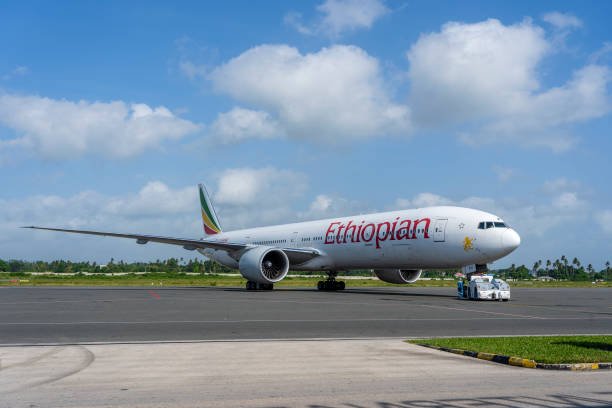
Tanzania Honeymoon Safari And Zanzibar With Flights: Package Prices
Tanzania Honeymoon Safari and Zanzibar With Flights: Package Prices.
View package detailsTanzania Safari And Zanzibar Holiday With Domestic Flights: Costs Guide
A guide to understanding the costs, logistics, and planning strategies for combining a Tanzanian wildlife safari with a Zanzibar beach getaway using domestic flights.
View package detailsAre Tanzania Safari Flights Safe And Reliable? Guide
A practical guide to the safety and reliability of domestic safari flights in Tanzania, covering regulatory standards, weather-related logistics, and planning advice.
View package details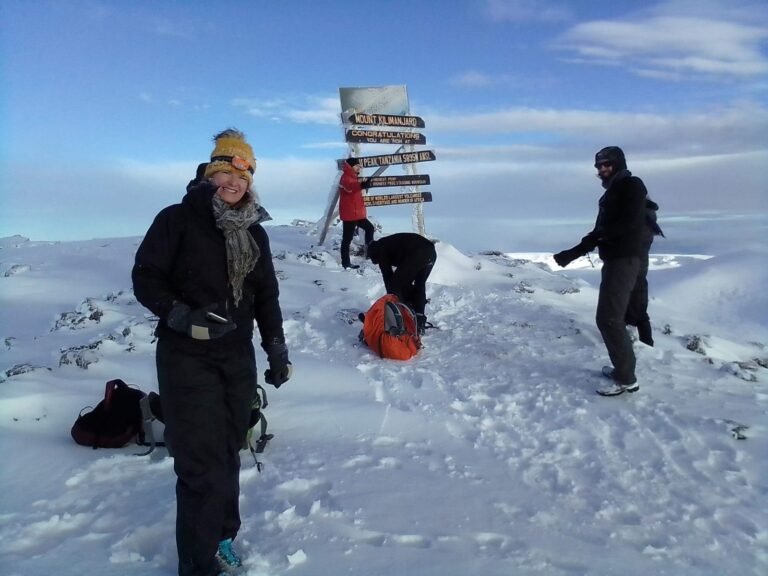
Affordable Kilimanjaro Group Joining Safari And Trekking Packages December
A practical guide to booking affordable, reliable group joining treks on Kilimanjaro and wildlife safaris in Tanzania for December 2026, focusing on logistics, shared costs, and travel...
View package detailsWhat Is The Cheapest Tanzania Group Safari In Nov ?
Finding the most affordable way to experience the Northern Circuit in November 2026 requires understanding seasonal pricing, group dynamics, and route efficiency. Here is how to plan your...
View package detailsNo related package matches those filters. Clear one or more filters to see the other topic-matched options.



