
Yes, you can absolutely join a group for the Machame Route in December. In fact, joining a group is the most effective way for solo travelers to manage the costs of a Kilimanjaro expedition. When you join a scheduled group departure, you are not ‘splitting the total cost’ of a private trip with strangers; rather, you are paying a predetermined, per-person rate that has already been optimized by the operator to account for shared logistics, transport, and equipment. This model makes the climb significantly more affordable than booking a private trek while ensuring you have a team of experienced guides and porters supporting your journey.
For many solo travelers, December is an attractive time to visit Tanzania. It sits at the tail end of the short rainy season, often offering clearer skies and warmer temperatures on the lower slopes before the true dry season peaks. However, navigating the logistics of a group climb requires understanding how operators like Climb 4 Africa structure these departures. The goal is to balance affordability with the necessary support to ensure safety and success at altitude.
Understanding the “Group Joining” Model
When you ask about sharing the total cost, it is important to clarify how tour operators function. A private climb is priced based on the fixed costs of a full crew (guides, cooks, porters), park fees, and vehicle logistics for your specific group size. If you are one person, you bear 100% of those costs.
A group joining trip changes this equation. We curate specific departure dates where multiple solo travelers or small parties come together to form a team. By pooling the support staff and logistics, the fixed costs are distributed among more climbers. This doesn’t mean you are just ‘sharing a bill’ with people you meet; it means you are booking a place on a pre-arranged, shared itinerary that is priced to be accessible.
Before you commit to a date, you should verify if the group has reached a minimum size. Most operators require a minimum number of climbers to guarantee a departure. When you inquire about a specific December window, we can confirm if a group is already forming or if you are the first to request that date, which may influence the confirmation process.
The Machame Route: Why It Suits Solo Climbers
The Machame Route, often called the ‘Whiskey Route,’ is the most popular choice for climbers looking for a balance between scenery and acclimatization. For a solo traveler, this is ideal because the trail is well-traveled, meaning you are rarely truly alone on the mountain, even if you arrive in Tanzania without a partner.
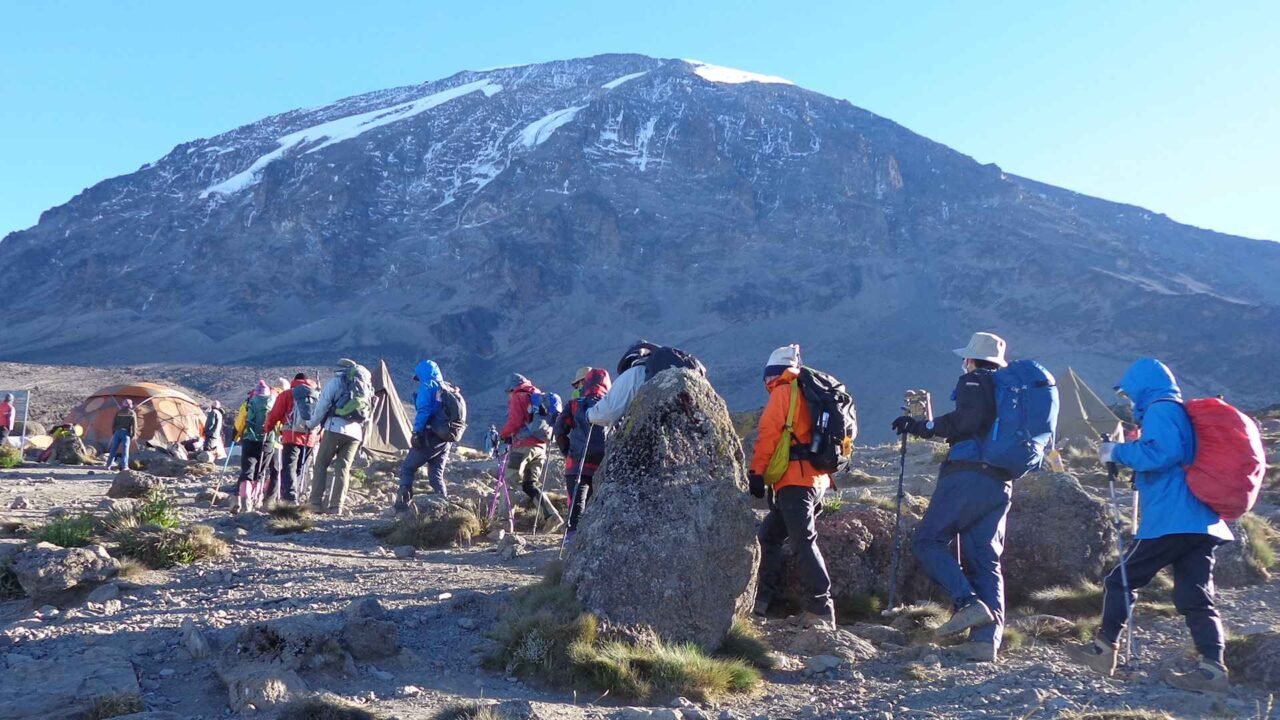
The route is famous for its diversity—taking you through rainforest, heath, moorland, and alpine desert before the final summit push. Because it is a camping route, the social aspect is naturally stronger than on routes where you sleep in communal huts. You will share meals in the mess tent, which is where the camaraderie of a group climb is built.
Machame Route: 6-Day vs. 7-Day Comparison
When planning your December climb, you will often face a choice between a 6-day and a 7-day itinerary. This is the most critical decision for your success rate.
| Feature | 6-Day Machame | 7-Day Machame |
|---|---|---|
| Acclimatization | Faster ascent; higher risk of altitude issues. | Gradual; superior acclimatization profile. |
| Summit Day | More strenuous due to less recovery. | Standard, well-paced approach. |
| Suitability | Best for experienced, fit hikers. | Recommended for most, especially solo travelers. |
| Cost | Lower (fewer park fees/days). | Higher (extra day of logistics). |
Note: If you are unsure about your fitness or altitude tolerance, the 7-day itinerary is almost always the safer choice.
December Climbing Conditions
December is a transition month on Kilimanjaro. You may encounter some rainfall, particularly in the lower rainforest zones, which can make the trails muddy and slippery. However, the trade-off is often lush, green scenery and fewer crowds compared to the peak dry season in July or August.
As you ascend, the weather generally becomes clearer. By the time you reach the higher camps like Barranco or Karanga, the days are often crisp and sunny. Being prepared for varying conditions is essential. You need high-quality rain gear, even if the forecast looks favorable. Our Machame Route group departures are planned with these seasonal nuances in mind, ensuring our crews are prepared for the specific trail conditions of that month.
How to Verify Your Spot
The process of joining a group shouldn’t be opaque. As a solo traveler, your first step is to establish direct communication with the operator. When you reach out to Climb 4 Africa, we don’t just want to know your dates; we want to understand your experience level.
- State your flexibility: If you are locked into specific dates, tell us. If you have a two-week window, that significantly increases the likelihood of finding a matching group.
- Clarify your fitness: We need to know if you have trekking experience. This helps us ensure you are placed in a group with a similar pace.
- Inquire about the deposit: A deposit is required to secure your place in a group. This is the only way to guarantee your spot as other climbers book their trips.
- Confirm the inclusions: Ensure your quote covers park fees, camping fees, rescue fees, all mountain meals, and the complete crew. Avoid companies that have ‘hidden’ extras for solo travelers.
Beyond the Mountain: Post-Climb Logistics
Many solo travelers who come to Tanzania in December choose to combine their climb with a short safari or a trip to Zanzibar. Because you are already in the region, joining a group safari is another excellent way to manage costs. You can often find shared safari departures that align with your post-climb dates. If you find yourself with extra time, consider our 3-day Serengeti and Ngorongoro group safari, which is a frequent post-climb add-on for our solo climbers.
Remember that arriving a day or two before your climb starts is vital. This allows you to recover from your international flight and perform a final gear check with our team. We can assist with your airport transfers and accommodation in Moshi or Arusha, ensuring your transition from the airport to the trailhead is smooth.
Practical Questions for Solo Travelers
What happens if I am the only one booked on a date?
This is a common concern. If you are the only person booked for a specific date, you generally have two choices: you can pay a supplement to make the trip a private, solo climb, or we can work with you to move your dates to a confirmed group departure where other climbers are already signed up. We are transparent about group sizes; you will never be surprised by a group that doesn’t exist.
Can I bring my own gear?
Yes, and we encourage it. You should bring your own boots, sleeping bag (rated to -10°C/14°F), and personal clothing layers. We provide the tents, mess equipment, and foam mattresses. If you are missing technical items like a sleeping bag or poles, we have high-quality rental gear available in Moshi.
How do I pay?
Payments are typically handled via bank transfer or secure online payment portals. We provide clear instructions, and you should always receive a formal receipt for your deposit and final payment. Avoid any operator that asks for cash-only payments without formal documentation.
Next Steps for Your December Adventure
If you are ready to start planning your December climb, the most efficient way to get accurate information is to reach out to us directly. We can provide the latest status on our upcoming group departures, help you compare the 6 and 7-day itineraries based on your fitness, and walk you through the booking process.
You can contact us via WhatsApp at +255 747 477 898 or email us at climb4africa@gmail.com. Alternatively, you can reach our team at info@climb-4-africa.com. When you reach out, please include your preferred travel dates, your previous trekking experience, and any specific concerns you have about the Machame Route. We look forward to helping you reach the summit.
Managing Expectations: The Dynamics of Group Chemistry
When you join a group for the Machame Route, you are entering a dynamic environment where success often hinges on the collective morale of the team. Unlike a private climb where you set the pace and control the social atmosphere, a group departure requires a degree of flexibility and social cooperation. You will be sharing a mess tent for meals and potentially a sleeping tent, depending on the operator’s specific configuration. Understanding this social element is just as important as your physical preparation.
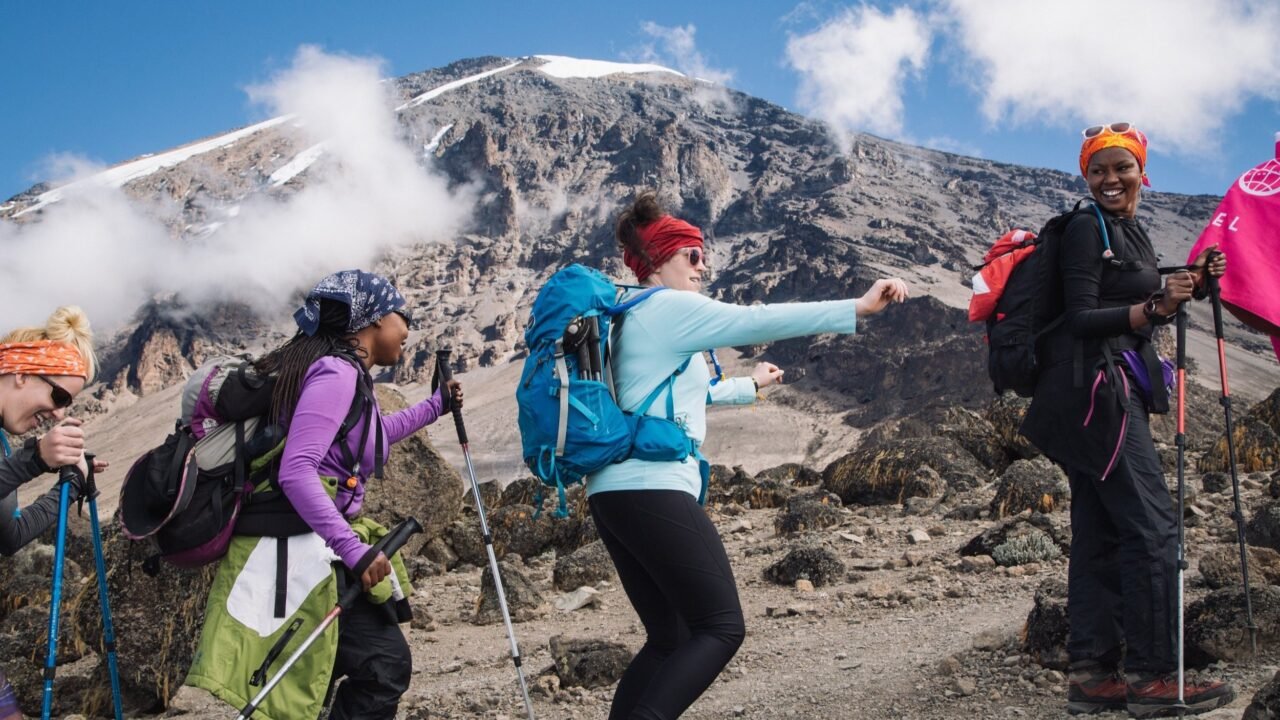
Most climbers who choose the group joining model are solo travelers or pairs, often from diverse international backgrounds. This creates a unique camaraderie that is frequently cited as the highlight of the trip. However, it also means you will be moving at the pace of the group. While guides will always prioritize safety and acclimatization, there may be moments where you feel you could hike faster or slower than your companions. Embracing the group dynamic—offering encouragement to others, sharing stories during dinner, and maintaining a positive attitude even when the weather turns—is a critical part of the experience. The most successful group members are those who arrive with an open mind, ready to support their teammates through the challenging summit night.
The Critical Role of Your Pre-Climb Briefing
Regardless of whether you are joining a group or trekking privately, every reputable operator will mandate a pre-climb briefing. For solo travelers arriving in Moshi or Arusha, this is not just a formality; it is a vital safety checkpoint. This meeting typically takes place the afternoon or evening before your departure. During this session, your lead guide will conduct a comprehensive gear check. They will inspect your boots, thermal layers, and rain gear to ensure they meet the requirements for the high-altitude conditions of the Machame Route.
This briefing is also your opportunity to ask specific questions about the group dynamic. You can clarify the expected pace, the daily routine, and the specific acclimatization strategies the guides intend to use. If you have any health concerns, previous altitude experiences, or dietary requirements, this is the time to finalize those details with the team. Do not hesitate to be transparent about your fitness level; the guides are there to help you succeed, and knowing your strengths and weaknesses allows them to manage the group’s ascent more effectively. Treat this briefing as the final step of your preparation, ensuring that when you step onto the trail, you are fully equipped, informed, and ready for the climb ahead.
Navigating Tipping and Gratuity Expectations in a Group
One of the most common anxieties for solo travelers joining a group is the etiquette and mechanics of tipping. Kilimanjaro trekking culture involves a significant crew—porters, cooks, and assistant guides—all of whom rely on gratuities as a standard component of their income. When you are on a private climb, you manage this process yourself. In a group setting, however, the process is usually centralized to avoid confusion and ensure that every crew member is compensated fairly.
Most reputable operators will provide a clear tipping guideline document before your climb. In a group, the standard practice is to pool the tips. Often, the group will elect a representative on the final night of the climb to collect contributions from everyone, or the lead guide will facilitate a collective handover. As a solo traveler, you are responsible for your share of this collective pool, calculated based on the total number of crew members assigned to your specific group size. You should never feel pressured to tip on behalf of others, nor should you feel that your contribution is insignificant. The key is to be prepared with the appropriate amount of local currency (Tanzanian Shillings) or USD in crisp, clean notes, as specified by your operator’s guidelines. Being prepared with your portion of the tip in an envelope before the final descent ensures you can participate in the ceremony without last-minute stress.
Health Monitoring and Safety Protocols for Solo Climbers
Joining a group does not mean you are lost in the crowd when it comes to medical safety. In fact, the group model often includes enhanced monitoring protocols. Because you are traveling solo, your health status is monitored with the same rigor as any other climber. A professional guiding team will perform twice-daily health checks on every single member of the expedition, regardless of whether they booked as a group or a private party.
During these checks, guides will use pulse oximeters to measure your blood oxygen saturation and heart rate, and they will conduct a brief, standardized interview to assess your symptoms of altitude sickness using the Lake Louise Scoring System. As a solo traveler, it is imperative that you are transparent during these checks. Do not hide headaches, nausea, or fatigue in an attempt to keep up with the group’s pace or appear ‘strong.’ The guides are trained to identify the early warning signs of Acute Mountain Sickness (AMS). If you are showing signs of distress, the guides will adjust the group’s pace or, if necessary, implement a descent protocol. The safety of the individual is always prioritized over the itinerary of the group; if you need to descend, the crew has established procedures to ensure you are accompanied by a qualified staff member, ensuring you are never left alone on the mountain.
Understanding Your Group Rate: Inclusions vs. Exclusions
When you receive a quote for a group joining trek, it is vital to perform a line-by-line review of the inclusions and exclusions. While the ‘group rate’ is designed to be all-inclusive for the mountain portion of your trip, solo travelers sometimes overlook the secondary costs that are not part of the standard package. Most group rates will include park entry fees, camping fees, rescue fees, crew wages, all meals on the mountain, and group camping equipment like tents and mess gear.
However, you should verify whether the following are included in your specific booking:
- Airport Transfers: Does the operator provide a shuttle from Kilimanjaro International Airport (JRO) to your hotel in Moshi or Arusha?
- Pre- and Post-Climb Accommodation: Are the hotel nights before and after the trek included, or are you responsible for booking these yourself?
- Rental Gear: While you bring your own clothing, do you need to rent a sleeping bag, trekking poles, or a duffel bag from the operator?
- Visas and Insurance: These are almost universally excluded and must be arranged independently.
Clarifying these details before you commit ensures that your budget remains intact. If an operator’s quote seems significantly lower than others, check if they have stripped out essential services like airport transfers or park fees. Transparency in these costs is a hallmark of a professional operator. If a line item is vague, ask for a written breakdown. Knowing exactly what your money covers allows you to focus on the physical and mental challenge of the climb rather than worrying about unexpected logistical bills.
The Daily Rhythm of Group Life on the Machame Route
For many solo travelers, the greatest unknown isn’t the altitude or the physical exertion, but the reality of living in close proximity to strangers for six to seven days. Understanding the daily rhythm of a group-joining trek helps mitigate this anxiety. On the Machame Route, your days generally follow a predictable, structured pattern designed to maximize recovery and acclimatization. Mornings typically begin early, often around 6:00 AM, with a wake-up call from the crew, followed by hot tea and wash water delivered to your tent. This is the first practical checkpoint of your day. In a group-joining scenario, you will share a tent with another climber, typically assigned by the operator based on gender. If you are the only solo traveler of your gender on a specific departure, you may be allocated a private tent, though this is subject to the operator’s equipment availability and should be clarified in writing before you arrive in Moshi.
The mess tent serves as the social and operational hub of your expedition. This is where you will eat all your meals, receive your daily health briefings, and listen to the guides explain the terrain for the upcoming stage. Unlike a private climb where you might dictate the timing of these events, group departures operate on a communal schedule. You are expected to be present for these briefings, as they contain critical information about the route, weather, and safety protocols. The mess tent environment is inherently egalitarian; whether you are a seasoned trekker or a first-time climber, you are sharing the same space, the same food, and the same challenges. It is a space where professional boundaries are maintained, but social bonds form naturally through the shared experience of the climb.
Managing Pacing and Physical Differences in a Shared Group
A common concern for solo travelers is the fear of being ‘the slow one’ or, conversely, feeling held back by others. On the Machame Route, the mantra is ‘pole pole’ (slowly, slowly), and this is strictly enforced by the lead guide. In a group-joining departure, the pace is set by the slowest member of the team to ensure the entire group arrives at the next camp together. This is a deliberate safety strategy, not a social one. If you are significantly fitter or faster than the group average, you must accept that you cannot simply hike ahead. The guides will keep the group together to ensure that monitoring for altitude sickness is consistent and that no one is left isolated.
If a group has a wide disparity in fitness levels, reputable operators will often utilize an assistant guide to create a ‘split’ for certain sections of the trail, allowing the group to move at slightly different speeds while still maintaining safety protocols. However, you should never assume this will happen. When booking, ask the operator how they manage speed differentials within their group departures. Knowing that the pace is managed by professionals who prioritize group cohesion over individual speed can remove the pressure to ‘keep up’ and allow you to focus on your own rhythm. The goal is to finish the trek feeling strong, not exhausted, and the group-joining pace is generally the most sustainable way to achieve that.
Maintaining Personal Space and Social Boundaries
While the group experience is communal, maintaining your own mental and physical space is essential for a successful week on the mountain. Even when you are part of a team, you are allowed to have quiet time. During the long afternoons at camp, it is perfectly acceptable—and encouraged—to retreat to your tent to read, organize your gear, or simply rest. You are not required to be ‘on’ socially every waking hour. Respecting the quiet time of your tent-mate is a critical component of group etiquette. If your tent-mate is resting, keep your movements quiet and your light usage low. This mutual respect is what allows a group of strangers to function effectively for a week without friction.
Finally, remember that your relationship with your group is temporary. You are there to climb Kilimanjaro, not to become best friends. If you find the group dynamic challenging, focus on your interaction with the guides and the mountain itself. The guides are trained to mediate any interpersonal issues, but most group friction can be avoided by simply adhering to the schedule, respecting the communal space of the mess tent, and keeping your personal expectations realistic. By treating the group as a logistical support network rather than a mandatory social club, you can enjoy the benefits of shared costs and safety while still having a deeply personal experience on the mountain.
The Social and Logistical Integration in Moshi
For many solo travelers, the most significant source of anxiety is not the climb itself, but the ‘pre-mountain’ phase: the arrival in Moshi or Arusha and the first meeting with the team. When you book a group-joining trek, you are essentially signing up to spend 24 hours a day with strangers for a week. Understanding how this transition works can significantly reduce your stress before you even leave home.
Most reputable operators use a central base hotel in Moshi as the staging ground for their group departures. When you arrive, you are rarely just ‘dropped’ into a group. The process is deliberate. You will typically check into the hotel a day or two before the climb. During this time, the hotel lobby acts as a natural meeting point. You will likely see other trekkers wearing the same branded gear or carrying climbing packs. It is standard for solo travelers to be placed in the same hotel as their group-mates, which allows for organic, low-pressure introductions. You might share a breakfast or a coffee before the official, formal introduction takes place.
The formal integration usually occurs during the mandatory gear check. This is not just a safety protocol; it is the primary ice-breaker. While the lead guide inspects your equipment to ensure you have the necessary layers and technical gear, you are standing alongside the people you will be living with on the mountain. This is the moment to shift your mindset from ‘solo traveler’ to ‘team member.’ Use this time to establish rapport. Ask your teammates where they are from, what motivated them to choose Kilimanjaro, and how they have been training. These simple, shared-experience questions are the foundation of group cohesion. By the time the gear check concludes, you will have moved from being a collection of individuals to a functioning unit.
It is important to remember that the demographic of a group-joining trek is usually diverse. You may find yourself with travelers from different continents, age groups, and professional backgrounds. This diversity is one of the greatest benefits of the group model. You are not just climbing a mountain; you are sharing a cross-cultural experience. If you find the initial social environment overwhelming, remember that you are not obligated to be the life of the party. It is perfectly acceptable to be the ‘quiet observer’ of the group. The guides are professionals at managing group energy and will ensure that the social environment remains inclusive and supportive, regardless of your personal level of extroversion.
Navigating Dietary Requirements and Shared Meals
A common but often overlooked logistical challenge for solo travelers joining a group is the management of dietary requirements. On a private climb, the menu can be tailored entirely to your specific preferences or restrictions. In a group-joining departure, however, the logistics of the kitchen are optimized for efficiency and consistency. The camp cook prepares meals for the entire team simultaneously, which means that the menu is generally fixed to ensure that everyone is fed safely and efficiently at high altitude.
If you have specific dietary needs—such as vegan, vegetarian, gluten-free, or lactose-free requirements—you must communicate these to the operator at the time of booking, not upon arrival. Reputable operators can and do accommodate these needs, but they require advanced notice to adjust the purchasing and packing of supplies. Because the supply chain on the mountain is complex, the kitchen crew cannot ‘improvise’ a special meal once the trek has begun. They rely on a pre-planned menu manifest.
When you join a group, you should expect a ‘common denominator’ menu. This is designed to be highly caloric, easily digestible, and culturally familiar to most international travelers. If you have severe allergies, you must make this explicitly clear during your initial booking correspondence. Do not assume that your guide will know about your allergy just because you mentioned it in a casual email. Ensure it is written in your official booking file. Upon arriving at the hotel in Moshi, double-check this with your head guide during the pre-climb briefing. Ask them directly: ‘I have a dairy allergy; how will that be handled in the mess tent?’ A professional guide will be able to explain the specific system they use to mark your plates or separate your portion of the food during preparation. By proactively managing this logistical detail, you ensure that your dietary needs do not become a source of anxiety or a safety risk while on the trail.
Related Reading
Check Availability for Traveling Alone To Kilimanjaro In December: Can You Join A Machame Route
Ready to compare dates, prices, and the best option for your group? Send the package name and travel month so the team can reply with a clear quote, availability, and what is included.
Kilimanjaro Group Joining Tours December : Planning, Routes, And Availability
A detailed guide on planning your Kilimanjaro group joining climb for December 2026, including route comparisons, logistics, and how to secure your spot with Climb 4 Africa.
View package detailsLast Minute Kilimanjaro Group Joining Deals December : Planning Your Climb
Looking for last-minute Kilimanjaro group joining deals in December 2026? Discover how to secure your spot, understand the route trade-offs, and plan your mountain ascent with expert local...
View package details
Affordable Kilimanjaro Group Joining Safari And Trekking Packages December
A practical guide to booking affordable, reliable group joining treks on Kilimanjaro and wildlife safaris in Tanzania for December 2026, focusing on logistics, shared costs, and travel...
View package details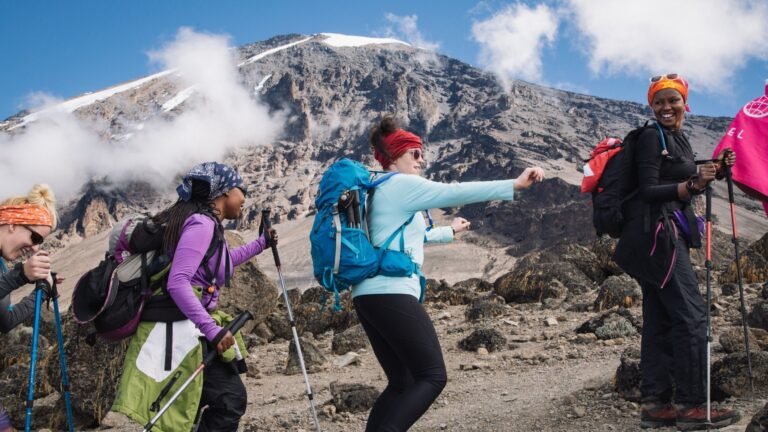
Join A Kilimanjaro Christmas Climbing Group In December 2026
A guide to securing your spot on a Kilimanjaro Christmas group climb for 2026, including route advice, group logistics, and essential planning steps.
View package detailsKilimanjaro Group Joining Climbs: December Planning Guide 2026
Planning your Kilimanjaro adventure for December 2026? Find out how group joining climbs work, why December is a prime time to summit, and how to secure your spot with our expert team.
View package details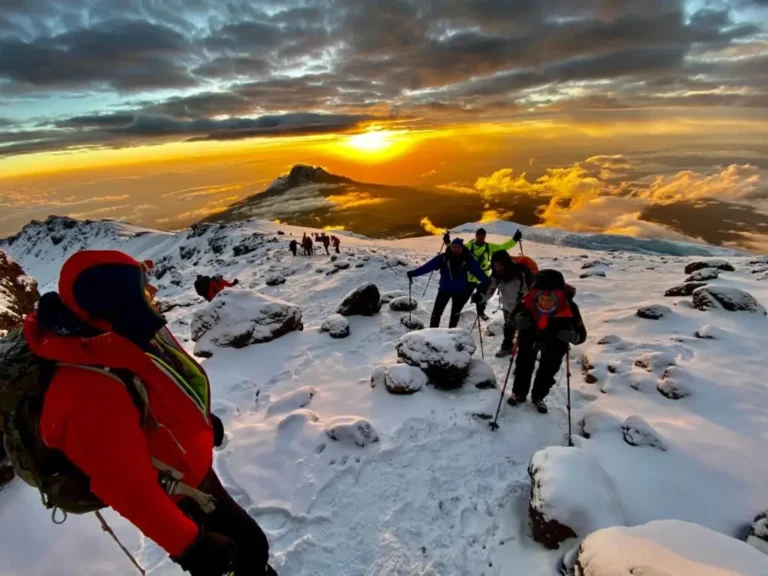
Kilimanjaro New Year Summit Group Departures December : Planning Your Ascent
Planning a New Year summit on Kilimanjaro requires specific logistics. Learn how to join a group departure for December 2026, choose the right route, and prepare for your climb.
View package details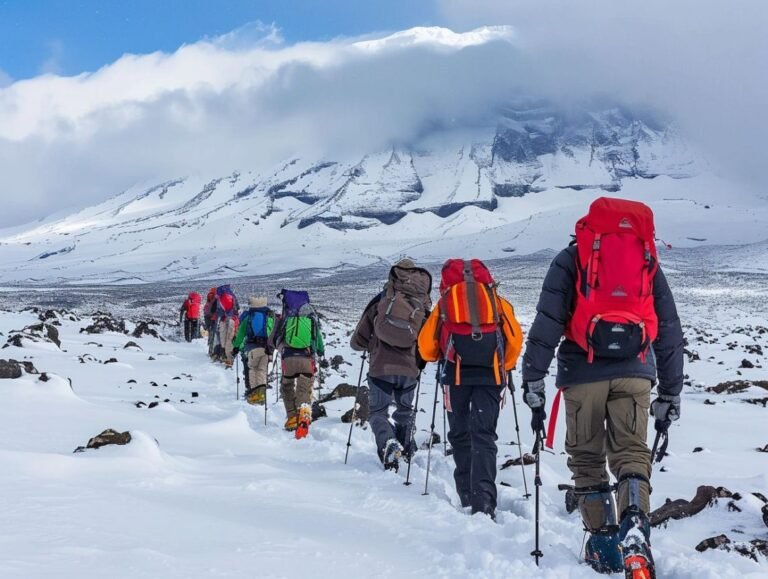
December Kilimanjaro Group Departures For Solo Travelers: Planning Your Climb
A practical guide for solo travelers planning to climb Kilimanjaro in December 2026, covering group joining benefits, route selection, and booking logistics.
View package details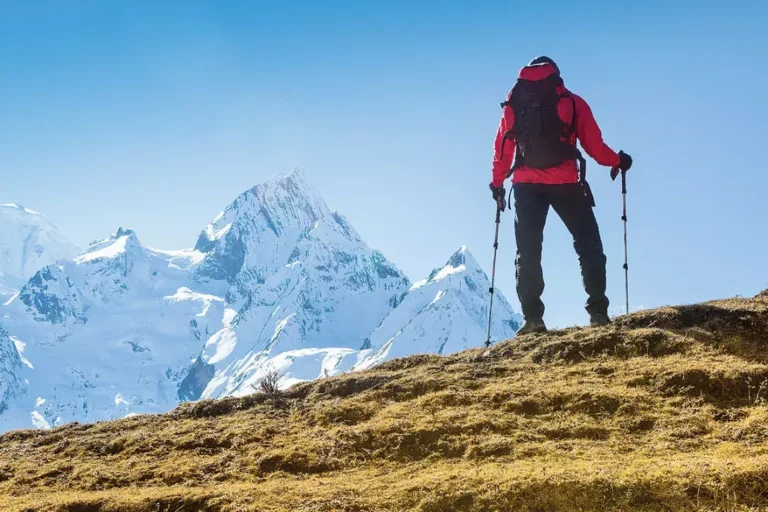
Best Kilimanjaro Group Climbing Packages For December : A Practical Guide 2026
A practical guide to selecting Kilimanjaro group climbing packages for December 2026, focusing on route logistics, weather considerations, and cost-sharing benefits.
View package details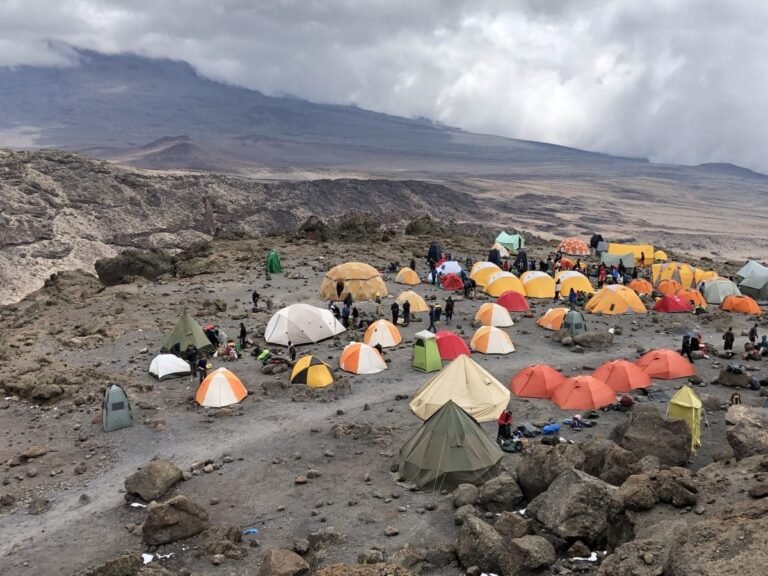
Book December , 6 Days Machame Route Kilimanjaro Climb: Expert Guide 2026
A deep look at the logistics, physical demands, and planning steps for a 6-day Machame Route Kilimanjaro climb in December 2026.
View package details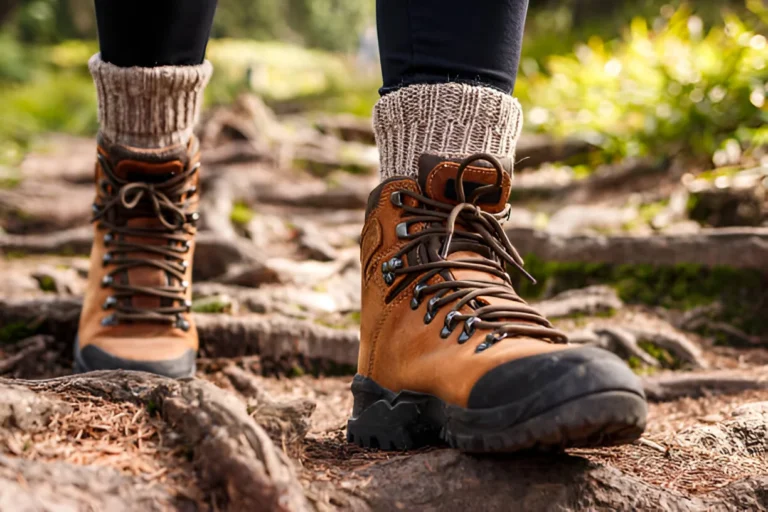
Kilimanjaro Small Group Climbing Tours Before Christmas 2026
Planning a Kilimanjaro summit before the holidays? Explore the logistics, route choices, and small group benefits for December 2026 climbs.
View package detailsCan I Join A Safari Group Directly From Kilimanjaro Airport? Logistical Guide
A practical guide to coordinating your arrival at Kilimanjaro International Airport (JRO) with a scheduled group safari, including logistical requirements and booking tips.
View package details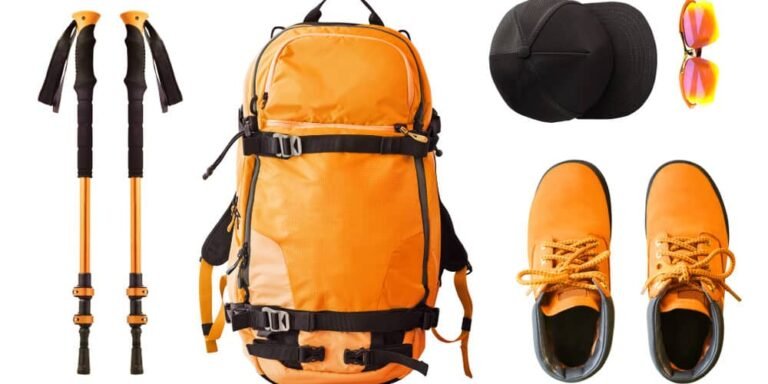
Shira Route Kilimanjaro Climbing Itinerary For December : Expert Guide 2026
A deep look at the Shira Route for December 2026, covering the unique high-start logistics, acclimatization advantages, and step-by-step itinerary planning.
View package detailsNo related package matches those filters. Clear one or more filters to see the other topic-matched options.



