Combining beach and safari in Tanzania offers an unparalleled travel experience, with the most popular and logistically smooth option being a safari in the northern circuit parks (Serengeti, Ngorongoro, Tarangire, Lake Manyara) followed by relaxation on the beaches of Zanzibar. Other less common but feasible combinations include safaris in southern Tanzania (Ruaha, Selous) with coastal destinations like Mafia Island or Dar es Salaam’s beaches, or even exploring the western circuit parks with Lake Tanganyika’s shores. These dual-destination trips are ideal for travelers seeking both thrilling wildlife encounters and tranquil tropical escapes, with planning for 2026-2027 now underway for many popular combinations.
Why Combine Beach and Safari in Tanzania?
Tanzania stands out as a premier destination for travelers wishing to experience the best of both worlds: the raw, untamed beauty of its world-renowned wildlife reserves and the serene, idyllic charm of its tropical coastline. This unique duality allows for a vacation that is both exhilarating and deeply relaxing, catering to a wide range of interests and travel styles. For many, the quintessential African adventure involves witnessing the Great Migration in the Serengeti, marveling at the Ngorongoro Crater’s density of wildlife, and then unwinding on pristine white-sand beaches, lulled by the Indian Ocean’s gentle rhythm. This combination provides a profound contrast, ensuring a rich and varied holiday experience that stays with you long after you’ve returned home.
The appeal lies not just in the diversity of activities but also in the smooth integration possible. Tanzania’s well-established tourism infrastructure, particularly in the northern circuit, facilitates smooth transitions between game drives and beach transfers. This makes combining these two distinct experiences more accessible and enjoyable than ever before. Whether you are a wildlife enthusiast eager to tick off the Big Five or a beach lover seeking sun-drenched shores and turquoise waters, Tanzania delivers on all fronts. For those planning ahead for 2026-2027, understanding these combinations is key to crafting an unforgettable itinerary.
The Classic: Northern Circuit Safari & Zanzibar Beach Holiday
This is, without question, the most popular and logistically straightforward way to combine beach and safari in Tanzania. The northern circuit is home to iconic national parks and game reserves that form the backbone of Tanzania’s safari reputation. These include:
- Serengeti National Park: Famous for the annual Great Migration, vast plains, and incredible predator-prey interactions. It’s a must-visit for any serious wildlife enthusiast.
- Ngorongoro Conservation Area: A UNESCO World Heritage Site featuring the stunning Ngorongoro Crater, a collapsed volcano caldera teeming with wildlife, including the endangered black rhino.
- Tarangire National Park: Known for its large elephant herds, ancient baobab trees, and diverse birdlife, especially prominent during the dry season.
- Lake Manyara National Park: Celebrated for its tree-climbing lions, vast flamingo populations on the lake, and diverse forest and savanna ecosystems.
Following a thrilling safari through these areas, the journey typically continues to Zanzibar. This semi-autonomous island off the coast of mainland Tanzania is renowned for its exotic spice history, vibrant Stone Town (a UNESCO World Heritage site), and, most importantly, its impressive beaches. Zanzibar offers a starkly beautiful contrast to the dusty plains of the safari circuit. Imagine waking up to the sound of the ocean after days spent tracking lions and elephants. The island provides a range of beach experiences, from the bustling shores of Nungwi and Kendwa in the north to the more tranquil, less developed beaches of the east coast like Paje and Jambiani, and the serene luxury of the south.
The ease of travel between the northern safari circuit and Zanzibar is a major advantage. Most safaris conclude near Arusha or Kilimanjaro International Airport (JRO), from which regular, short flights depart for Zanzibar’s Abeid Amani Karume International Airport (ZNZ). This efficient connection minimizes travel time and hassle, allowing you to maximize your time enjoying both experiences. This classic combination is perfectly suited for travelers of all types, from families and couples to solo adventurers, looking for a comprehensive Tanzanian adventure for 2026-2027.
Planning Your Northern Circuit Safari and Zanzibar Trip
Crafting the perfect Northern Circuit safari and Zanzibar beach holiday involves several key decisions. The duration, pace, accommodation style, and specific parks visited will shape your experience. Here’s a breakdown of essential planning considerations:
Safari Duration and Itinerary
A typical Northern Circuit safari ranges from 5 to 8 days. A popular itinerary might look like this:
- Day 1: Arrive at Kilimanjaro International Airport (JRO), transfer to Arusha.
- Day 2: Drive to Tarangire National Park for a full day of game drives.
- Day 3: Morning game drive in Tarangire, then drive to the Ngorongoro Conservation Area, possibly visiting a Maasai village en route. Overnight near the crater rim.
- Day 4: Full day exploring the Ngorongoro Crater floor.
- Day 5: Drive to Serengeti National Park, with game drives en route and upon arrival.
- Day 6-7: Full days of game drives in Serengeti, focusing on different regions depending on wildlife movements (especially the migration if timed correctly).
- Day 8: Morning game drive in Serengeti, then fly from a Serengeti airstrip to Zanzibar.
This 8-day safari component is substantial, but you can shorten it to 5-6 days by focusing on fewer parks or combining Tarangire and Lake Manyara more efficiently. Conversely, extending it allows for deeper exploration of Serengeti’s vastness.
Accommodation Choices
Your safari accommodation profoundly impacts the experience and budget. Options include:
- Budget Camping: Basic but adventurous, staying in public campsites with shared facilities. Offers a raw connection to nature.
- Mid-Range Tented Camps: Comfortable canvas tents with en-suite bathrooms, often in prime wildlife areas. Offers a balance of comfort and immersion.
- Luxury Lodges and Camps: High-end facilities with premium amenities, gourmet food, and exceptional service, often in exclusive concessions or prime locations.
For Zanzibar, accommodation ranges from budget guesthouses and backpacker hostels to mid-range boutique hotels and ultra-luxury beachfront resorts. Consider your desired atmosphere: lively Nungwi for sunsets and water sports, tranquil Paje for kite surfing and yoga, or secluded northern resorts for ultimate relaxation.
Travel Dates and Migration Timing
The timing of your trip is crucial, especially if seeing the Great Migration is a priority. The migration is a year-round phenomenon, but its location shifts. For 2026-2027, consider these general timings:
- December – March: Southern Serengeti (Ndutu area) for calving season.
- April – May: Waning herds in central/western Serengeti; often lower tourist numbers due to the “green season” (rainy season).
- June – October: Grumeti River (western Serengeti) and Mara River (northern Serengeti) crossings. This is peak season and often the most dramatic viewing.
- November: Migration returns south, often in central Serengeti.
The rainy seasons in Tanzania are typically March-May and November. While this can mean lower prices and fewer crowds, some park roads can become challenging, and wildlife viewing might be more dispersed. The dry season (June-October) generally offers easier wildlife viewing and more predictable migration patterns, but it is also the busiest and most expensive period.
Zanzibar Activities
Beyond lounging on the beach, Zanzibar offers:
- Stone Town Tour: Explore the historic labyrinthine streets, visit markets, and learn about the island’s rich cultural heritage.
- Spice Tours: Discover the origins of cloves, cinnamon, nutmeg, and other exotic spices grown on the island.
- Snorkeling and Diving: Mnemba Atoll is a world-class destination for marine life.
- Water Sports: Kite surfing in Paje, jet skiing, kayaking, and paddleboarding are popular.
- Dolphin Tours: A visit to Kizimkazi is common, though ethical concerns exist.
- Jozani Forest: See the rare Red Colobus monkeys.
Southern Tanzania Safaris with Coastal Escapes
For those seeking a less crowded, more wild, and adventurous experience, combining safaris in southern Tanzania with coastal destinations is an excellent alternative to the northern circuit. Southern Tanzania offers vast, remote wilderness areas with fewer tourists, providing a more intimate safari experience. The main safari destinations here are:
- Ruaha National Park: Tanzania’s largest national park, known for its rugged landscape, dramatic baobab trees, and exceptionally large elephant and lion populations. It’s a true wilderness frontier.
- Selous Game Reserve (Nyerere National Park): One of Africa’s largest game reserves, offering a unique mix of game drives, boat safaris along the Rufiji River, and walking safaris. It’s particularly famous for its wild dogs and large crocodile populations.
The coastal options to pair with these southern safaris are typically more low-key than Zanzibar, offering a different kind of beach holiday:
- Mafia Island: Located south of Zanzibar, Mafia is a marine park haven. It’s renowned for its incredible diving and snorkeling, particularly with whale sharks (seasonally) and its pristine, largely undeveloped coral reefs. It offers a tranquil, eco-focused beach experience.
- Dar es Salaam’s Beaches: While Dar es Salaam is a bustling city, its northern coastline offers accessible beaches like Kunduchi and Jangwani, and more exclusive resorts on islands like Bongoyo, Mbudya, and Fanjove. These are convenient if flying in or out of Dar es Salaam (DAR).
This southern combination is ideal for travelers who have already experienced the northern circuit, or for those who prioritize raw, untamed nature and a less-trodden path. It requires a bit more logistical planning than the northern circuit-Zanzibar route, often involving light aircraft flights between safari locations and coastal areas.
Planning Your Southern Tanzania Safari & Coastal Break
Combining southern parks like Ruaha or Selous with Mafia Island or Dar es Salaam requires careful itinerary construction due to the distances and flight dependencies.
Safari Duration and Logistics
Safaris in Ruaha and Selous typically range from 3 to 5 days per park. Due to the remoteness, internal flights are often the most efficient way to travel between these parks and to/from Dar es Salaam.
- Sample Itinerary (Selous & Mafia):
- Day 1: Arrive in Dar es Salaam (DAR), transfer to a flight to Selous airstrip. Game drive upon arrival.
- Day 2-3: Game drives, boat safaris, and walking safaris in Selous.
- Day 4: Fly from Selous airstrip to Mafia Island. Settle into your beach accommodation.
- Day 5: Snorkeling, diving, or relaxing on Mafia Island.
- Day 6: Fly from Mafia Island back to Dar es Salaam for departure or onward travel.
- Sample Itinerary (Ruaha & Mafia): Similar to the above, but flying into or out of Msembe airstrip in Ruaha. Ruaha is more remote and typically requires longer stays to justify the travel time.
Internal flights are usually operated by small charter companies and can be booked through your tour operator. They are a significant cost factor but save considerable travel time compared to road transfers.
Choosing Your Coastal Destination
- Mafia Island: Best for dedicated marine enthusiasts, divers, snorkelers, and those seeking absolute tranquility. It’s less developed than Zanzibar, with a focus on eco-tourism and conservation. The prime time for whale sharks is typically October to March.
- Dar es Salaam Islands (Bongoyo, Mbudya): Good for day trips or a short overnight stay if you are already in Dar es Salaam. They offer accessible beach escapes but lack the pristine, remote feel of Mafia or Zanzibar.
- Fanjove Private Island: A more exclusive, luxurious option off the coast of Lindi, offering a castaway experience with beautiful beaches and excellent snorkeling, but it’s very remote and expensive.
Best Time for Southern Safaris and Coast
The dry season in southern Tanzania (roughly June to October) is excellent for game viewing in Ruaha and Selous, as wildlife congregates around water sources. The shoulder months of May and November can also be good, with fewer crowds and potentially lower prices. For Mafia Island, the best time for marine life viewing (especially whale sharks) is generally from October to March. The shoulder months can still offer great beach weather, but ocean conditions might be less predictable.
Western Tanzania Safaris and Lake Tanganyika Adventures
The western circuit of Tanzania is the least visited and offers a truly off-the-beaten-path adventure. This region is known for its chimpanzee trekking in Mahale Mountains and Gombe Stream National Parks, and the vast, ancient waters of Lake Tanganyika. Combining these with a beach experience is less about ocean shores and more about lakeside relaxation.
- Mahale Mountains National Park: Famous for its large population of wild chimpanzees. Trekking through the dense forests to observe these primates is a highlight. The park also boasts beautiful, sandy beaches along Lake Tanganyika, offering a unique “beach” experience.
- Gombe Stream National Park: The smallest national park in Tanzania, known for chimpanzee trekking and Jane Goodall’s pioneering research. It’s also situated on the shores of Lake Tanganyika.
- Lake Tanganyika: The world’s second-oldest freshwater lake and second-deepest, offering stunning clear waters, unique cichlid fish, and opportunities for swimming, kayaking, and relaxing on its shores.
The “beach” aspect here is the pristine lakeside environment of Lake Tanganyika. Imagine waking up to views of crystal-clear water, enjoying fresh lake fish, and perhaps taking a dip or a boat trip. It’s a different kind of water-based relaxation compared to the ocean, but equally beautiful and serene.
This combination is best suited for adventurous travelers, primate enthusiasts, and those seeking a profound wilderness experience far from the tourist crowds. The logistics are complex, typically involving flights into remote airstrips like Mpanda (for Mahale) or Kigoma (for Gombe), followed by boat transfers.
Less Common but Intriguing Combinations
Beyond the main routes, other possibilities exist, though they require more specialized planning:
- Kilimanjaro Climb & Zanzibar: While not a safari combination, many climbers combine their ascent of Kilimanjaro with a relaxing beach holiday in Zanzibar to recover and celebrate. This is a very popular pairing.
- Northern Circuit Safari & Pemba Island: Pemba, Zanzibar’s less-developed sister island, offers even more pristine beaches, fantastic diving, and a more authentic, less touristy atmosphere. It can be combined with a northern safari, usually requiring a flight from Arusha or Kilimanjaro to Zanzibar, then a short flight or ferry to Pemba.
- Coastal Tanzania Exploration: For those deeply interested in Swahili culture and less-visited coastlines, you could combine a safari in Selous with exploring towns like Kilwa Masoko (UNESCO World Heritage site with ancient ruins) and its nearby beaches. This is for the intrepid traveler wanting deep cultural immersion.
Choosing Your Safari Style
The type of safari you choose will significantly influence your experience and budget. Tanzania offers several modes of transport and accommodation:
- Private Safari: This is the most flexible and comfortable option. You have a private vehicle (4×4 Land Cruiser or Land Rover), a dedicated guide, and your itinerary can be customized. You can move at your own pace, stop whenever you like, and spend more time at sightings. This is ideal for families, groups, or those who prioritize comfort and exclusivity. It’s also the most expensive option.
- Group/Shared Safari: This is a more budget-friendly option where you join a small group in a shared vehicle. While you have less flexibility with stops and timings, it’s an excellent way to experience the parks affordably. Many operators offer scheduled group departures, which can be a good way to meet fellow travelers. Look for companies offering 2026-2027 group departures on their websites.
- Walking Safaris: Primarily offered in areas like Selous (where permitted) and some parts of the Serengeti or Maasai Mara conservancies (Kenya, but bordering Serengeti). This allows for a very intimate connection with the environment, focusing on smaller details, tracks, and flora. It’s usually combined with vehicle-based safaris.
- Boat Safaris: A highlight in Selous (Rufiji River) and Lake Manyara. These offer a different perspective on wildlife, especially hippos, crocodiles, elephants coming to drink, and abundant birdlife.
When planning your 2026-2027 trip, consider how much independence and flexibility you desire. A private safari offers the ultimate control, while a shared safari is a fantastic way to experience Tanzania on a tighter budget.
Selecting Your Beach Experience
The type of beach holiday you envision will guide your choice of destination and accommodation.
- Luxury Resort: For pampering, fine dining, private beaches, and high-end amenities, look at resorts in areas like Nungwi or Matemwe in Zanzibar, or exclusive lodges on islands like Fanjove.
- Boutique Hotel/Guesthouse: Many charming mid-range options are available, offering a more intimate atmosphere and personalized service. These are common in Paje, Jambiani, and along the east coast of Zanzibar.
- Backpacker/Budget: For travelers on a tight budget, hostels and simple guesthouses are plentiful, especially in Nungwi and Paje.
- Tranquil & Secluded: If you seek peace and quiet, consider the less-developed eastern or southern coasts of Zanzibar, or islands like Mafia or Pemba.
- Active & Lively: Nungwi and Kendwa in the north of Zanzibar are known for their vibrant social scenes, stunning sunsets, and water sports. Paje is the kite-surfing capital.
When booking for 2026-2027, research the specific location’s vibe, tide patterns (which can significantly affect beach access and swimming), and available activities to ensure it matches your expectations.
Logistics and Travel Between Destinations
Tanzania’s vast distances mean travel logistics are a critical part of planning.
Flights
- International Flights: Most travelers fly into Kilimanjaro International Airport (JRO) for northern circuit safaris or Julius Nyerere International Airport (DAR) in Dar es Salaam for southern safaris or coastal access.
- Domestic Flights: These are essential for efficient travel between safari locations (especially in the Serengeti, Ruaha, Selous) and to islands like Zanzibar, Mafia, and Pemba. Companies like Precision Air, Coastal Aviation, and Auric Air operate these routes. Flights are typically on small bush planes or turboprops. Booking these in advance is highly recommended, especially for 2026-2027 peak seasons.
Road Travel
Road travel is common within safari parks and between Arusha/Moshi and the northern parks. Safari vehicles are usually 4×4 Land Cruisers or Land Rovers equipped for off-road conditions. Road travel between southern parks and coastal areas can be very long and arduous, making flights preferable.
Transfers
Airport and hotel transfers are usually arranged by your tour operator. On Zanzibar, taxis are readily available, but pre-booking through your hotel or a trusted local provider ensures better rates and reliability.
Understanding Zanzibar’s Tides
A crucial detail for beach lovers heading to Zanzibar is understanding the tidal patterns. The Indian Ocean here experiences significant tides, meaning that at low tide, the water can recede hundreds of meters, exposing sandbanks and coral. While this can be fascinating, it can also limit swimming opportunities directly from the beach during certain hours. Beaches on the north coast (Nungwi, Kendwa) tend to have less dramatic tide variations, making them better for swimming year-round. East coast beaches (Paje, Jambiani) experience significant tides, which are ideal for kite surfing at low tide and swimming at high tide. If swimming directly from your resort beach is paramount, choose the north coast or consult tide charts for your specific dates in 2026-2027.
Best Time to Visit for Beach and Safari Combos
Tanzania has distinct seasons, and the optimal time for a beach and safari combination depends on your priorities.
- Dry Season (June to October): This is peak season for safaris, with excellent wildlife viewing and the Great Migration often crossing rivers in the north. The weather is generally sunny and pleasant, making it ideal for both safari and beach activities. However, it’s also the busiest and most expensive period.
- Green Season (November to March): This period includes the short rains (November) and the long rains (March to May). The landscape is lush and green, birdlife is abundant, and there are fewer tourists and lower prices. Wildlife viewing can still be excellent, especially in parks like Serengeti and Ngorongoro, though roads might be muddier. Zanzibar offers warm, sunny weather during much of this period, with a brief rainy spell typically in April/May. The period from October to March is prime time for whale sharks in Mafia.
- Shoulder Seasons (April-May & November): These months can offer a good balance. April and May can be wet, but prices drop, and the landscape is beautiful. November sees the start of the short rains, but often it’s just brief afternoon showers, and the migration starts to move south. Zanzibar generally enjoys good weather during these transitional periods.
For a combination trip in 2026-2027, aiming for the dry season (June-October) provides the most predictable weather and wildlife viewing. However, if you’re seeking fewer crowds and better value, the shoulder seasons or even the green season can be highly rewarding, provided you are prepared for occasional rain.
Budgeting for Your Beach and Safari Adventure
A Tanzanian beach and safari combination is a significant investment. Costs vary widely based on safari style, accommodation level, duration, and time of year. Here’s a general breakdown of cost factors:
- Safari Costs:
- Private Safaris: Typically range from $350 – $800+ per person per day, depending on lodge/camp luxury level, vehicle type, and inclusions.
- Group Safaris: Can range from $200 – $400 per person per day.
- Park Fees: These are fixed per person, per day, and are a substantial part of the safari budget (e.g., Serengeti is around $70 USD per person per day, Ngorongoro Crater fee is an additional ~$300 per vehicle).
- Vehicle and Guide: A significant portion of the private safari cost.
- Zanzibar/Beach Costs:
- Accommodation: Ranges from $30 per night for budget guesthouses to $500-$1000+ per night for luxury resorts. Mid-range boutique hotels are often $100 – $300 per night.
- Activities: Spice tours, Stone Town tours, snorkeling trips, and diving excursions add to the cost.
- Internal Flights: Expect to pay between $150 – $400 per person per leg for flights between the mainland and Zanzibar, or between safari airstrips.
- Other Costs: Visas, travel insurance, tips, personal expenses, and international flights.
Estimating Total Cost for 2026-2027
A typical 10-14 day combination trip (e.g., 6 days safari + 4 days Zanzibar) for 2026-2027 might break down as follows:
- Budget Traveler (Group Safari, Mid-range beach): $3,500 – $5,500 per person
- Mid-Range Traveler (Private Safari, Boutique beach): $6,000 – $9,000 per person
- Luxury Traveler (High-end lodges/camps, Luxury beach): $10,000 – $20,000+ per person
These are estimates. The exact cost will depend on the specific itinerary, chosen accommodations, and the number of people traveling. It’s always best to get a detailed quote from a reputable tour operator.
Booking Your Tanzania Beach and Safari Trip for 2026-2027
Securing your ideal Tanzanian beach and safari combination for 2026-2027 requires careful planning and booking with a reliable operator. Given the popularity of Tanzania, especially for peak seasons, booking well in advance is highly recommended. Many travelers start planning 9-12 months ahead, and sometimes even earlier for specific dates or lodges.
Why Book with Climb 4 Africa?
As a local Tanzanian tour operator, Climb 4 Africa has deep roots and extensive knowledge of the destinations we offer. We specialize in crafting personalized safari and beach itineraries that maximize your experience while ensuring practical logistics are handled smoothly. Our local expertise allows us to provide authentic experiences, access to well-maintained vehicles and experienced guides, and competitive pricing. We understand the nuances of combining diverse environments like the safari plains and the tropical coast, ensuring your journey is smooth and memorable.
To start planning your 2026-2027 beach and safari adventure, please reach out to us. We can help you:
- Design a tailor-made itinerary based on your interests, budget, and preferred travel style.
- Advise on the best parks, lodges, and beach resorts for your needs.
- Handle all internal flight bookings and ground transfers.
- Provide detailed packing lists and pre-trip information.
- Offer competitive quotes for your chosen itinerary.
Contact us via WhatsApp at +255 747 477 898 or email us at climb4africa@gmail.com. Let us help you create the ultimate Tanzanian beach and safari holiday!
Key Booking Considerations:
- Operator Reputation: Choose a tour operator with a proven track record, positive reviews, and strong local partnerships.
- Itinerary Customization: Ensure the operator can tailor the trip to your specific interests and pace.
- Inclusions and Exclusions: Clearly understand what is covered in your package (park fees, accommodation, meals, activities, transfers, guide) and what is not (tips, personal expenses, drinks).
- Payment Schedule: Reputable operators typically require a deposit (e.g., 20-30%) to confirm bookings, with the balance due closer to the travel date (e.g., 60-90 days prior).
- Cancellation Policy: Understand the terms and conditions regarding cancellations and amendments, especially important for future travel planning for 2026-2027.
- Travel Insurance: Comprehensive travel insurance is essential and should cover medical emergencies, trip cancellation, and lost luggage.
By carefully considering these factors and partnering with a knowledgeable operator, you can confidently book your dream Tanzania beach and safari combination for 2026-2027, ensuring a journey filled with incredible wildlife, stunning landscapes, and relaxing coastal bliss.
“,
“faq_schema”: [
{
“question”: “What is the most popular way to combine beach and safari in Tanzania?”,
“answer”: “The most popular and logistically straightforward combination is a safari in Tanzania’s northern circuit national parks (Serengeti, Ngorongoro, Tarangire, Lake Manyara) followed by a beach holiday on Zanzibar Island. This pairing offers iconic wildlife experiences and world-class tropical beaches, with easy flight connections between the two regions.”
},
{
“question”: “When is the best time to combine beach and safari in Tanzania for 2026-2027?”,
“answer”: “The dry season, from June to October, is generally considered the best time for a combined beach and safari trip in Tanzania. This period offers excellent wildlife viewing, pleasant weather for safaris, and ideal conditions for beach relaxation. However, the shoulder seasons (November, March-May) can offer better value with fewer crowds, though with a higher chance of rain.”
},
{
“question”: “How long should a typical beach and safari trip to Tanzania be?”,
“answer”: “A comprehensive beach and safari trip to Tanzania typically ranges from 10 to 14 days. This allows for about 5-7 days for a northern circuit safari and 4-7 days for relaxation and activities on Zanzibar or another coastal destination. Shorter trips (7-9 days) are possible by focusing on fewer parks or a shorter beach stay.”
},
{
“question”: “What are the alternative beach and safari combinations in Tanzania?”,
“answer”: “Besides the classic northern circuit and Zanzibar, you can combine safaris in southern Tanzania (Ruaha, Selous Game Reserve) with coastal escapes like Mafia Island for marine life, or explore the western circuit’s primate trekking (Mahale, Gombe) with the unique lakeside beaches of Lake Tanganyika. These options are generally less visited and require more complex logistics.”
},
{
“question”: “How do I travel between the safari destinations and the beach in Tanzania?”,
“answer”: “Travel between safari locations and beach destinations in Tanzania is most efficiently done via domestic flights. Regular flights connect Kilimanjaro International Airport (JRO) or Arusha to Zanzibar (ZNZ), and Dar es Salaam (DAR) to Zanzibar, Mafia, and Pemba. Light aircraft also connect major safari parks to these hubs, saving significant travel time.”
},
{
“question”: “What is the estimated cost for a beach and safari trip in Tanzania for 2026-2027?”,
“answer”: “Costs vary greatly. A 10-14 day trip can range from approximately $3,500-$5,500 per person for budget/group options, $6,000-$9,000 for mid-range private safaris with boutique beach stays, to $10,000-$20,000+ per person for luxury experiences. These estimates exclude international flights but include internal travel, accommodation, park fees, and most meals.”
}
]
}
“`
Check Availability for Places Where You Can Combine Beach And Safari 2026-2027
Ready to compare dates, prices, and the best option for your group? Send the package name and travel month so the team can reply with a clear quote, availability, and what is included.
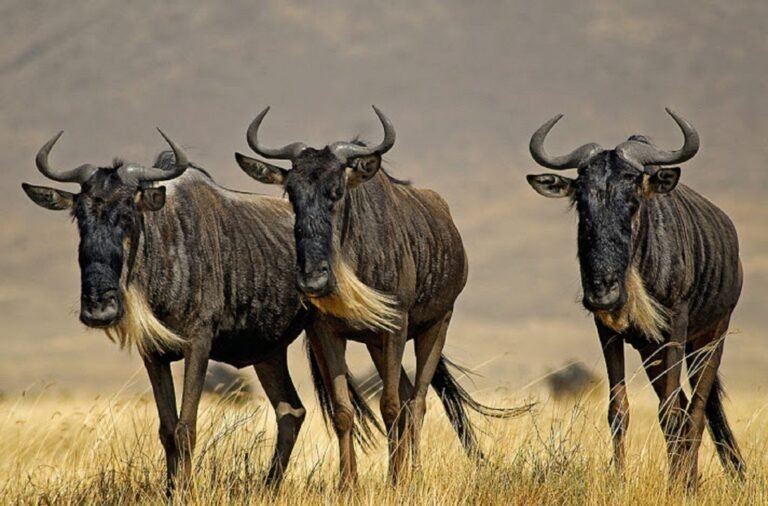
Nov 23, – 3 Day Serengeti And Ngorongoro Safari From Zanzibar
Nov 23, 2026 – 3 Day Serengeti and Ngorongoro Safari from Zanzibar.
View package details_1_John_from-rednote-web-768x1024.jpg)
Dec 13, – 2 Day Nyerere Fly-In Group Safari From Zanzibar 2026
A detailed guide to the December 13, 2026 group fly-in safari from Zanzibar to Nyerere National Park, covering the itinerary, logistics, and planning for your trip.
View package details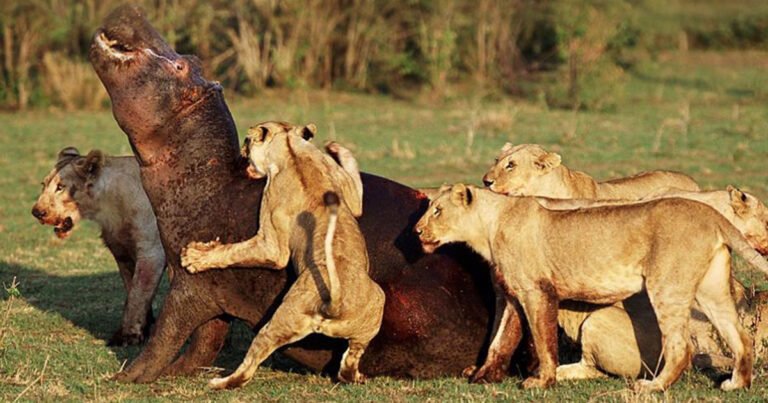
Dec 5, – 1 Day Mikumi Fly-In Group Safari From Zanzibar 2026
A practical guide to the December 5, 2026, group fly-in safari to Mikumi National Park. Learn about the itinerary, group logistics, and how to book your seat.
View package details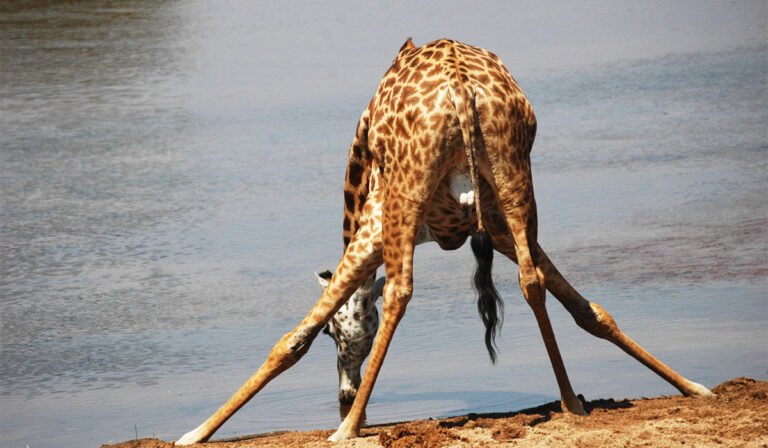
Nov 15, – 2 Day Mikumi Fly-In Group Safari From Zanzibar 2026
A practical guide and booking overview for the November 15, 2026, group fly-in safari to Mikumi National Park, departing from Zanzibar.
View package details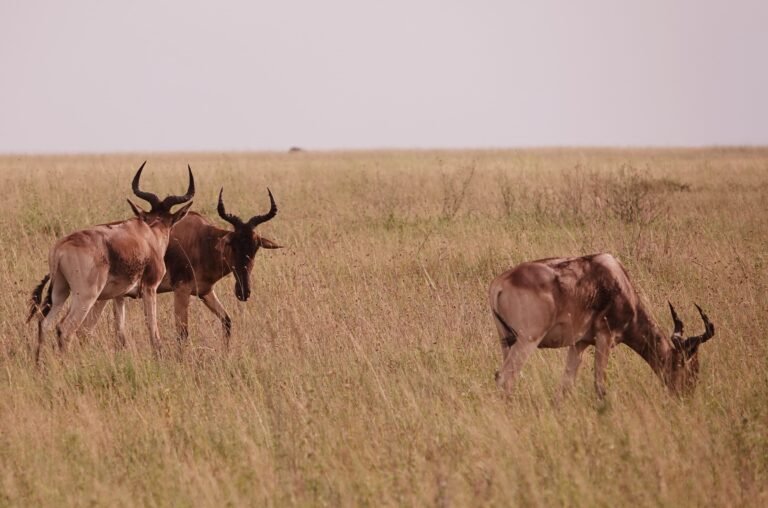
Oct 25, – 1 Day Nyerere Fly-In Group Safari From Zanzibar 2026
Secure your spot for the October 25, 2026, group fly-in safari to Nyerere National Park. A professional, time-efficient wildlife experience from Zanzibar.
View package details
Nov 28, – 3 Day Fly-In Serengeti Group Safari From Zanzibar 2026
A detailed look at the 3-day fly-in Serengeti group safari departing November 28, 2026, including logistics, itinerary highlights, and travel tips for your Tanzania adventure.
View package details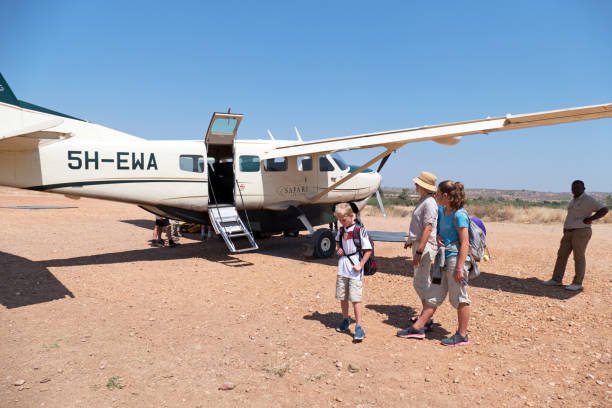
2-Day Serengeti Safari From Zanzibar By Flight: Price & Booking Guide
A practical guide to booking a 2-day Serengeti safari from Zanzibar by flight, covering itinerary logistics, cost considerations, and how to maximize your short time in the bush.
View package details
Luxury Fly-In Safari From Zanzibar: Private Packages For 2026-2027
Experience the ultimate Tanzanian getaway with a luxury fly-in safari from Zanzibar. Discover private, all-inclusive packages tailored for smooth wildlife encounters.
View package detailsBudget Fly-In Safari From Zanzibar: Best Packages & Prices 2026-2027
Discover how to plan a budget-friendly fly-in safari from Zanzibar to Tanzania's top parks without sacrificing the quality of your wildlife experience.
View package detailsZanzibar To Ruaha National Park Fly-In Safari: Prices & Booking Guide
A practical guide to planning a fly-in safari from Zanzibar to Ruaha National Park, covering flight logistics, itinerary choices, and how to book with Climb 4 Africa.
View package details2-Day Nyerere Safari From Zanzibar: Flight-Inclusive Package Prices 2026-2027
An expert guide to planning a 2-day Nyerere safari from Zanzibar, covering flight-inclusive package structures, cost drivers, and the practical rhythm of a short-stay wildlife adventure.
View package details1-Day Nyerere National Park Safari From Zanzibar By Flight: 2026-2027
Planning a one-day fly-in safari to Nyerere from Zanzibar? Understand the logistics, travel times, and wildlife expectations for a 2026 or 2027 trip.
View package detailsNo related package matches those filters. Clear one or more filters to see the other topic-matched options.