A Tanzania safari and Kilimanjaro trip from the USA typically involves booking an integrated package that includes your mountain climb, safari excursions, accommodation, and internal transfers, often starting from Arusha. Flights from the USA will land at Kilimanjaro International Airport (JRO), usually with one stopover, and planning for 2026-2027 trips should begin 6-12 months in advance to secure preferred dates and operators.
Planning Your Tanzania Safari and Kilimanjaro Trip from the USA
Embarking on a combined Tanzania safari and Kilimanjaro climb from the United States is a significant undertaking, promising an unparalleled African adventure. The key to a successful trip lies in meticulous planning, understanding the logistics involved, and selecting the right partners. For travelers from the USA, this means considering flight durations, visa requirements, health precautions, and choosing an operator that can seamlessly blend the rugged challenge of Kilimanjaro with the wildlife spectacle of Tanzania’s national parks. Planning for trips in 2026 and 2027 should ideally start well in advance, giving you ample time to research, compare options, and secure your preferred dates.
A typical itinerary might involve flying into Kilimanjaro International Airport (JRO), transferring to Arusha or Moshi for pre-climb preparations, ascending Kilimanjaro over 5-9 days, descending and recovering, and then embarking on a 3-7 day safari before returning home from JRO. Alternatively, some travelers opt to fly out of Zanzibar after their safari, requiring an additional domestic flight or ferry connection. The duration of such a trip can range from 10 days (a quick climb and short safari) to over 3 weeks for a more relaxed pace and extensive exploration.
The decision to combine these two iconic experiences is a popular one for good reason. Climbing Kilimanjaro offers a profound sense of accomplishment and impressive views, while a Tanzanian safari provides encounters with iconic wildlife in diverse ecosystems. Understanding how these two elements fit together, and how to manage the logistics from across the globe, is crucial.
Key Considerations for USA Travelers:
- Trip Duration: How much time do you have? A standard Kilimanjaro climb is 5-7 days, plus 3-5 days for safari. Add travel days from the USA and recovery time.
- Budget: Costs vary significantly based on climb route, safari style (luxury lodge vs. camping), group size, and inclusions.
- Fitness Level: Kilimanjaro is a strenuous trek requiring good physical conditioning, while safaris are generally relaxed.
- Interests: Are you more focused on the climb, the wildlife, or cultural experiences? This will shape your itinerary.
- Time of Year: Tanzania has distinct wet and dry seasons that impact both climbing conditions and wildlife viewing.
- Operator Choice: Selecting a reputable operator with strong local support is paramount for safety and experience quality.
When planning your Tanzania safari and Kilimanjaro trip from the USA for 2026 or 2027, start by defining these core aspects. This will help you narrow down options and communicate your needs effectively to tour operators.
Flight Advice for USA to Tanzania Travelers
Getting from the United States to Tanzania involves long-haul flights, typically with one or two layovers. The primary gateway for Kilimanjaro and safari trips is Kilimanjaro International Airport (JRO), located between Arusha and Moshi. Understanding flight options, costs, and booking strategies is vital for a smooth start to your Tanzania safari and Kilimanjaro trip from the USA.
Major Airlines and Routes:
Most flights from the USA to JRO will connect through major European hubs like Amsterdam (AMS), Frankfurt (FRA), Doha (DOH), or Istanbul (IST). Common airline partners include:
- KLM/Delta: Often fly via Amsterdam, offering a relatively straightforward route.
- Lufthansa/United: Connect through Frankfurt.
- Qatar Airways: A popular choice connecting through Doha, often with competitive pricing and excellent service.
- Turkish Airlines: Flies via Istanbul.
- Emirates: Connects through Dubai (DXB) and can be a good option if you’re looking for a different stopover city.
Direct flights from the US to JRO are not available, so expect at least one stop. Travel time can range from 16 to 30+ hours, depending on the layover duration and city.
Booking Flights:
- When to Book: For 2026-2027 travel, start looking for flights at least 6-9 months in advance, especially if you have fixed travel dates or are traveling during peak seasons. Booking earlier generally yields better prices and availability.
- Cost: Flight prices from the USA to JRO can vary widely, typically ranging from $1,000 to $2,500+ per person for economy class, depending on the season, airline, and how far in advance you book. Business class can easily exceed $5,000.
- Flexibility: If your dates are flexible, use flight comparison websites (e.g., Google Flights, Skyscanner, Kayak) to identify the cheapest days or months to fly. Sometimes shifting your travel by a day or two can save hundreds of dollars.
- Stopovers: Consider the length and location of your layover. A very short layover can be risky if your first flight is delayed, while an excessively long one can be tiring. Some travelers strategically book longer layovers to briefly explore cities like Amsterdam or Doha.
- Baggage Allowances: Check baggage policies carefully, especially if you’re flying with different airlines for different legs of the journey. This is particularly important for Kilimanjaro climbs, where you’ll need specific gear.
- Travel Insurance: Ensure your travel insurance covers flight delays, cancellations, and lost baggage.
Arriving at JRO:
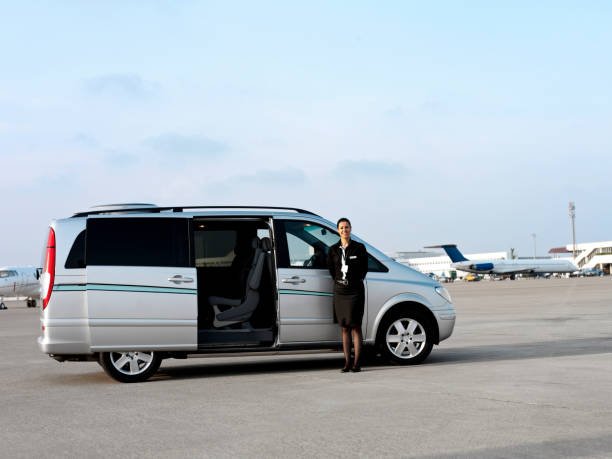
Upon arrival at Kilimanjaro International Airport (JRO), you’ll clear immigration (visa on arrival or pre-arranged), collect your luggage, and go through customs. Your tour operator will typically arrange for a representative to meet you just outside the arrivals hall, holding a sign with your name or the operator’s name. This transfer to your hotel in Arusha or Moshi is usually included in your package.
Alternative Airports:
While JRO is the most convenient for Kilimanjaro and northern circuit safaris, some travelers might consider flying into Julius Nyerere International Airport (DAR) in Dar es Salaam, especially if their safari focuses on southern parks (like Selous/Nyerere National Park or Ruaha) or if they plan to visit Zanzibar first. From DAR, you would need to take a domestic flight to Arusha or Kilimanjaro region, or a longer overland journey.
For your Tanzania safari and Kilimanjaro trip from the USA, booking flights proactively is a wise move. If you’re working with an operator like Climb 4 Africa, they can often provide guidance on optimal flight schedules and arrival times to align with your itinerary.
Kilimanjaro Climb Essentials: Routes, Duration, and Acclimatization
Climbing Kilimanjaro is a highlight for many adventurers, and for a successful and enjoyable experience, understanding the mountain’s dynamics is crucial. The choice of route, the pace of ascent, and proper acclimatization are paramount for reaching Uhuru Peak and returning safely. For USA travelers planning a Tanzania safari and Kilimanjaro trip from the USA, these elements form the backbone of the mountain portion of your adventure.
Choosing Your Kilimanjaro Route:
Kilimanjaro offers several distinct routes, each with its own characteristics in terms of scenery, difficulty, crowds, and success rates. The most popular routes for 2026-2027 climbs are:
-
Machame Route: Often called the “Whiskey Route” due to its higher success rate. It’s scenic, challenging, and offers excellent acclimatization profiles. It’s a 6-7 day trek and is the most popular route, so expect company. The base camp at Machame is often busy.
Check Machame Route group departures. - Lemosho Route: A longer, more scenic, and generally less crowded route, especially in its early stages. It offers superb acclimatization and stunning views, particularly through the Shira Plateau. Typically 7-8 days, it’s a more expensive option but highly recommended for its beauty and success rates.
- Marangu Route: Known as the “Coca-Cola” or “Tourist” route. It’s the only route with dormitory-style hut accommodation, making it a different experience from camping on other routes. It’s also the shortest (5 days), but this compressed timeline significantly reduces acclimatization and success rates. It’s less scenic than other routes.
- Northern Circuit: The longest and most expensive route, but it offers the highest success rates and best acclimatization by traversing almost the entire mountain. It’s also the least crowded and provides incredible panoramic views.
- Rongai Route: Approaches Kilimanjaro from the north, making it a good option during the rainy seasons as it’s drier. It’s a less crowded route, generally considered moderately difficult, and often done over 6-7 days.
Duration and Success Rates:
The duration of your climb is directly linked to acclimatization and success rates. While 5-day options exist (Marangu), they are generally not recommended for most trekkers due to the high risk of altitude sickness and lower summit success. For a Tanzania safari and Kilimanjaro trip from the USA, aiming for at least a 6-day climb on Machame or Rongai, or 7-8 days on Lemosho or Northern Circuit, is strongly advised.
Acclimatization is Key:
Altitude sickness (Acute Mountain Sickness – AMS) is the primary challenge on Kilimanjaro. It’s caused by ascending too quickly. Symptoms can range from headaches and nausea to severe, life-threatening conditions like HAPE (High Altitude Pulmonary Edema) and HACE (High Altitude Cerebral Edema). Proper acclimatization involves:
- Climbing Slowly: The principle of “pole pole” (slowly, slowly) is vital.
- Ascending High, Sleeping Low: Routes that allow you to gain altitude during the day and descend to a lower elevation to sleep are best for acclimatization.
- Hydration: Drinking plenty of water (3-4 liters per day) helps your body adjust.
- Avoiding Alcohol and Caffeine: These can dehydrate you and interfere with sleep.
- Listening to Your Body: Communicate any symptoms to your guide immediately.
What to Expect on the Mountain:
- Guides and Porters: You’ll be accompanied by a team of experienced local guides and porters who carry your gear, set up camp, and prepare meals. Safety is their top priority.
- Accommodation: On most routes (except Marangu), you’ll be camping in tents. Campsites are equipped with basic facilities.
- Meals: Your crew will prepare nutritious and filling meals, usually served in a mess tent.
- Summit Night: This is the most challenging part of the climb, typically starting around midnight. You’ll ascend in the dark, often in cold, windy conditions, aiming to reach Uhuru Peak by sunrise.
When planning your Tanzania safari and Kilimanjaro trip from the USA, discussing your fitness and experience with your tour operator will help them recommend the most suitable route and duration for your climb.
Crafting Your Tanzania Safari Experience
Tanzania is a premier safari destination, renowned for its diverse wildlife, vast landscapes, and iconic national parks. Combining a safari with your Kilimanjaro climb offers a chance to witness the ‘Great Migration’, spot the “Big Five,” and explore some of Africa’s most spectacular natural wonders. For a Tanzania safari and Kilimanjaro trip from the USA, tailoring your safari to your interests and time is key.
The Northern Safari Circuit:
This is the most popular and accessible safari circuit, typically visited after a Kilimanjaro climb, and convenient for flying out of JRO. It includes:
- Serengeti National Park: Famous for the Great Migration (timing is crucial for viewing this phenomenon) and abundant wildlife year-round. It’s vast and offers incredible game viewing. Consider an all-inclusive Serengeti safari for convenience.
- Ngorongoro Conservation Area: Home to the Ngorongoro Crater, a UNESCO World Heritage Site with an exceptionally high density of wildlife, including the rare black rhino. It’s a unique ecosystem within a volcanic caldera.
- Tarangire National Park: Known for its large elephant herds and baobab trees, especially stunning during the dry season when animals congregate around the Tarangire River.
- Lake Manyara National Park: Famous for its tree-climbing lions and large troops of baboons, plus diverse birdlife and beautiful forest scenery.
- Arusha National Park: Close to Arusha, offering opportunities for walking safaris and seeing Mount Meru, zebras, and giraffes. It’s a good option for a shorter safari or a day trip.
Safari Styles:
Your safari experience can be customized based on your preferred accommodation and travel style:
- Budget Camping Safaris: Stay in public campsites within or near national parks. Basic but offers an authentic bush experience. Accommodation is in tents with shared facilities.
- Mid-Range Safaris: Utilize comfortable tented camps or lodges with private bathrooms and more amenities. This is a popular choice for many travelers seeking a balance of comfort and adventure.
- Luxury Safaris: Feature high-end lodges or exclusive tented camps with premium services, gourmet dining, and often private game drives.
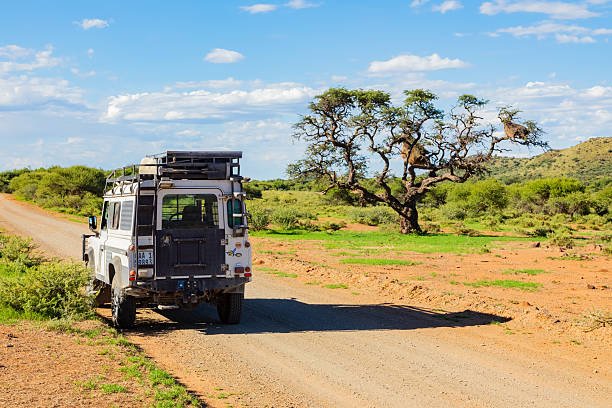
- Private Safaris: You have a dedicated vehicle and guide, allowing for maximum flexibility in your itinerary and game viewing. This is ideal for families or groups with specific interests.
- Group/Shared Safaris: A more budget-friendly option where you join other travelers in a safari vehicle. Departure dates are fixed, and you share the vehicle and costs. This is a great way to make your Tanzania safari and Kilimanjaro trip from the USA more affordable.
Duration of Safari:
A typical safari after Kilimanjaro might last 3 to 7 days. A 3-day safari might cover Lake Manyara and Ngorongoro. A 5-day safari could include Tarangire, Lake Manyara, and Ngorongoro. A 7-day safari often adds the Serengeti, allowing for deeper exploration of this vast park.
Timing the Great Migration:
If witnessing the Great Migration is a priority, timing is everything. The wildebeest and zebra herds move in a predictable, though not exact, annual cycle:
- December-March: Southern Serengeti (Ndutu area) for calving season.
- April-May: Serengeti Plains, herds may be dispersed.
- June-July: Western Corridor, Grumeti River crossings.
- July-October: Northern Serengeti, Mara River crossings (most dramatic).
- November: Southern migration route, moving back towards Ndutu.
When planning your Tanzania safari and Kilimanjaro trip from the USA, discuss your wildlife interests with your operator to ensure your safari itinerary maximizes your chances of seeing what you most want to experience.
Integrating Your Kilimanjaro Climb with a Tanzania Safari
The synergy between climbing Kilimanjaro and experiencing a Tanzanian safari is powerful. Most travelers from the USA choose to do one after the other, often starting with the climb to build anticipation and then relaxing on safari, or vice-versa. The order can influence your energy levels and overall trip flow.
Common Itinerary Flows:
- Climb First, Safari Second: This is a very popular sequence. You arrive, prepare for Kilimanjaro, complete the climb, and then recover in Arusha/Moshi before embarking on your safari. This allows you to use the safari as a relaxing and rewarding end to your physically demanding adventure. You can often join a group safari departing shortly after your climb finishes.
- Safari First, Climb Second: Some prefer to ease into Tanzania with a safari, enjoying the wildlife and landscapes before tackling the physical challenge of Kilimanjaro. This can also be a great way to acclimatize slightly to the African environment before heading to higher altitudes. However, ensure you have adequate rest and preparation time before starting your climb.
Logistical Considerations for Combination Trips:
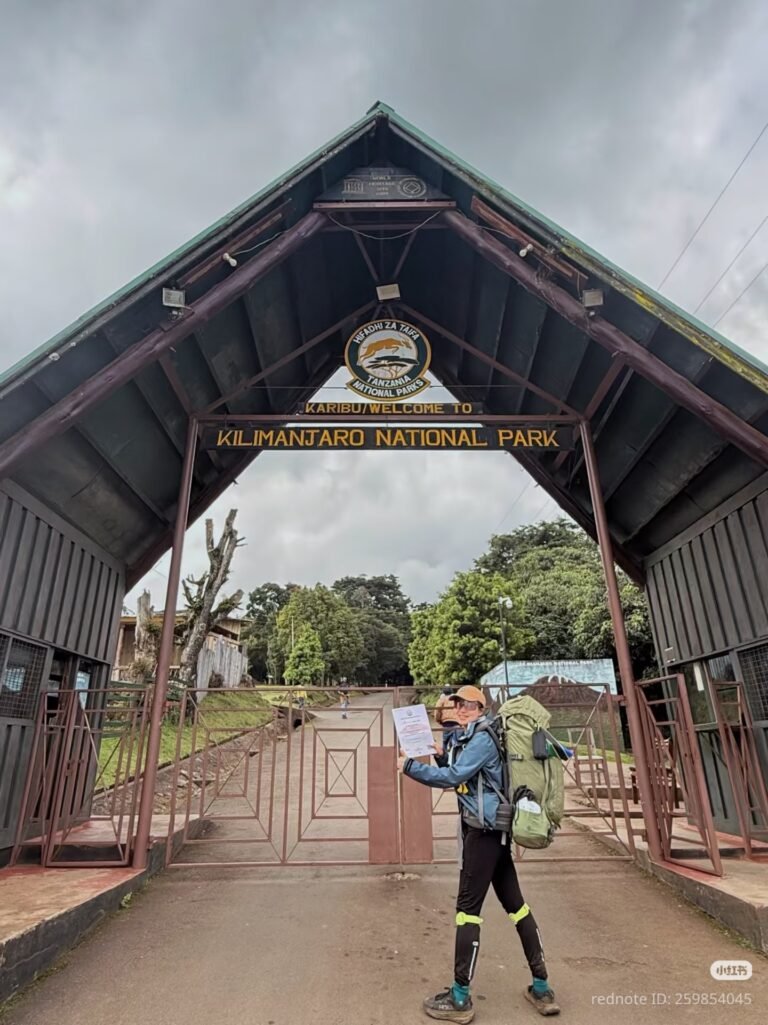
- Transfers: smooth transfers between Kilimanjaro International Airport (JRO), your hotels in Arusha/Moshi, the Kilimanjaro National Park gate, safari starting points, and back to JRO (or other departure points like Zanzibar) are essential. A good operator will manage all these transfers.
- Timing: Ensure sufficient buffer time between your Kilimanjaro descent and the start of your safari. You’ll need at least a day to rest, shower, and repack after the climb. Rushing this can lead to exhaustion.
- Gear Storage: Most operators offer storage for your excess luggage during the Kilimanjaro climb, which is very convenient for then immediately heading out on safari with only what you need.
- Accommodation: Pre- and post-climb accommodation in Arusha or Moshi, and then safari lodges or tented camps, need to be booked in advance.
- Booking as a Package: Booking your Tanzania safari and Kilimanjaro trip from the USA as a combined package with a single operator often simplifies logistics, potentially reduces costs, and ensures a cohesive experience. Operators like Climb 4 Africa specialize in these integrated itineraries.
Sample Combined Itinerary Structure (10-14 Days):
- Day 1: Arrive JRO, transfer to Arusha/Moshi, briefing.
- Day 2: Prepare for Kilimanjaro, final gear check.
- Day 3-8: Kilimanjaro Climb (e.g., Machame Route – 6 days).
- Day 8: Descend, transfer to hotel, rest, celebrate.
- Day 9: Relax, optional day trip, prepare for safari.
- Day 10-12: Northern Circuit Safari (e.g., Tarangire, Lake Manyara, Ngorongoro).
- Day 13: Serengeti (optional, requires more time).
- Day 13/14: Transfer back to JRO for departure.
For travelers from the USA, a well-planned Tanzania safari and Kilimanjaro trip from the USA offers the best of both worlds. Careful coordination between the climb and safari elements is key to a memorable and successful journey.
When to Go: Tanzania Travel Seasons for 2026-2027
Choosing the right time to visit Tanzania significantly impacts both your Kilimanjaro climbing experience and your safari viewing opportunities. Understanding the climate patterns for 2026 and 2027 will help you align your trip with your priorities.
Kilimanjaro Climate:
Kilimanjaro has two main dry seasons, which are considered the best times to climb:
- January-March: Generally clear skies, warmer temperatures, and less crowded than the peak season. This is a great time for a Tanzania safari and Kilimanjaro trip from the USA.
- June-October: Cooler temperatures, clear skies, and lower humidity. This is the peak climbing season, meaning more trekkers on the mountain and higher prices. Expect excellent visibility for both climbing and safari.
The rainy seasons can make climbing more challenging:
- April-May: The “long rains” bring heavy rainfall, making trails muddy and visibility poor. Kilimanjaro is often shrouded in clouds.
- November-December: The “short rains” are less intense but can still bring daily showers. The landscape becomes very green and beautiful.
Tanzania Safari Climate:
Safari conditions are also influenced by rainfall:
- Dry Season (June-October): This is the peak safari season. Wildlife is concentrated around water sources, making game viewing easier. The vegetation is less dense, improving visibility. This period also aligns with the best climbing weather for Kilimanjaro.
- Green Season (November-May): Post-rains, the landscape is lush and beautiful, ideal for photography. Wildlife disperses more widely, but birdwatching is excellent. Calving season for the Great Migration occurs in the southern Serengeti (Ndutu) from December to March. This is a good time for a Tanzania safari and Kilimanjaro trip from the USA if you want fewer crowds and vibrant scenery, but be prepared for some rain, especially April-May.
Best Times for Combined Trips (2026-2027):
- June-October: Offers the best combination of clear skies and good conditions for both Kilimanjaro and safari. Expect peak season pricing and more people.
- January-February: Excellent for Kilimanjaro with good weather and fewer crowds. Safari is also good, with excellent wildlife viewing, especially for calving season in the south.
- September-October: Good for Kilimanjaro (end of dry season) and excellent for safari, with potential for river crossings in the Serengeti towards the end of this period.
When planning your Tanzania safari and Kilimanjaro trip from the USA for 2026 or 2027, consider your priorities. If clear skies for the climb and easy wildlife spotting are paramount, aim for the dry seasons. If you prefer fewer crowds, lush landscapes, and potentially lower prices, the green season might be more appealing, provided you’re prepared for some rain.
Pre-Trip Preparation: Visas, Vaccinations, and Packing
Thorough preparation is essential for a smooth and safe Tanzania safari and Kilimanjaro trip from the USA. This includes understanding visa requirements, necessary vaccinations, and packing the right gear.
Visas:
- US citizens require a visa for Tanzania. This can be obtained in advance online through the Tanzanian immigration website or upon arrival at JRO. However, applying online in advance is recommended to save time and potential hassle at the airport.
- Ensure your passport is valid for at least six months beyond your intended stay and has sufficient blank pages.
Vaccinations and Health:
- Consult your doctor or a travel clinic at least 4-6 weeks before your trip regarding recommended vaccinations and malaria prophylaxis.
- Yellow Fever: Vaccination is often required, especially if you are arriving from or transiting through a country with a risk of Yellow Fever transmission. You may need to show proof of vaccination upon arrival.
- Malaria: Tanzania is a malaria-risk area. Your doctor will advise on appropriate antimalarial medication.
- Other Recommended Vaccinations: Hepatitis A, Typhoid, Tetanus, Diphtheria, and potentially others based on your health history and itinerary.
- Traveler’s Diarrhea: Be cautious with food and water. Stick to bottled water, avoid ice unless made from purified water, and ensure food is cooked thoroughly. Carry a basic medical kit with anti-diarrheal medication.
- Altitude Sickness: As discussed, acclimatization is key. Your doctor may prescribe medication like Diamox (acetazolamide) to help prevent or alleviate altitude sickness symptoms.
Packing Essentials:
Packing appropriately is critical for comfort and safety, especially for Kilimanjaro. Your operator will provide a detailed packing list, but here are key items:
Kilimanjaro Packing List Highlights:
- Clothing: Layering is essential.
- Base Layers (synthetic or merino wool)
- Mid Layers (fleece jacket, insulated vest)
- Outer Layer (waterproof and windproof jacket and pants)
- Insulated Down Jacket (for summit night and cold evenings)
- Hiking Trousers (quick-drying)
- Warm Hat and Gloves (waterproof outer gloves are recommended)
- Sun Hat and Sunglasses
- Balaclava or Neck Gaiter
- Footwear:
- Broken-in Hiking Boots (waterproof, sturdy)
- Camp Shoes or Sneakers (for evenings)
- Thick Hiking Socks (wool or synthetic)
- Gear:
- Backpack (40-60 liters)
- Duffel Bag (80-100 liters, waterproof, for porters)
- Sleeping Bag (rated to -10°C or -20°C / 0°F to -4°F)
- Trekking Poles (highly recommended)
- Headlamp with extra batteries
- Water Bottles or Hydration Reservoir (at least 3 liters capacity)
- Water Purification Tablets or Filter (as a backup)
- Sunscreen (SPF 30+) and Lip Balm
- Insect Repellent
- Personal First-Aid Kit
- Toiletries (biodegradable soap, wet wipes, hand sanitizer)
- Camera and Extra Batteries/Power Bank
Safari Packing List Highlights:
- Lightweight, neutral-colored clothing (khaki, green, brown)
- Comfortable walking shoes/sandals
- Binoculars
- Camera with zoom lens
- Personal medications
- A light jacket or fleece for cooler evenings
- Swimsuit (for lodges with pools)
For your Tanzania safari and Kilimanjaro trip from the USA, ensure you pack according to the specific recommendations of your tour operator. They will have the most up-to-date advice based on the season and routes you’ve chosen for 2026 or 2027.
Booking Your Tanzania Safari and Kilimanjaro Trip
Choosing the right tour operator is one of the most critical decisions for your Tanzania safari and Kilimanjaro trip from the USA. A reputable company will ensure your safety, provide experienced guides, manage logistics flawlessly, and offer excellent value. For travelers from the USA planning for 2026-2027, here’s how to approach booking.
What to Look For in an Operator:
- Local Expertise: A company with strong on-the-ground operations in Tanzania, like Climb 4 Africa, often provides better support, understands local conditions intimately, and can offer more competitive pricing by cutting out intermediaries.
- Safety Record: Especially for Kilimanjaro, inquire about their safety protocols, guide training (first aid, wilderness medicine), emergency oxygen availability, and evacuation plans.
- Reputation and Reviews: Look for independent reviews on platforms like TripAdvisor. Positive feedback regarding guides, service, and overall experience is a good indicator.
- Inclusions and Exclusions: Understand exactly what is included in the price (e.g., park fees, meals, accommodation, transfers, guide salaries, emergency equipment) and what is not (e.g., tips, personal gear, travel insurance, international flights).
- Flexibility: Can they tailor itineraries to your specific needs and interests?
- Communication: Is the operator responsive and clear in their communication? This is vital for planning a complex trip from overseas.
The Booking Process:
Once you’ve identified a few potential operators:
- Request a Quote: Provide your desired dates, number of travelers, preferred Kilimanjaro route and duration, and safari interests (duration, parks, style).
- Compare Quotes: Don’t just look at the price. Evaluate the inclusions, quality of service promised, and the operator’s credentials.
- Ask Questions: Clarify any doubts about the itinerary, logistics, or inclusions.
- Secure Your Booking: Once you’ve chosen an operator, you’ll typically sign a contract and pay a deposit (often 20-30% of the total cost) to secure your dates. The balance is usually due 30-60 days before departure.
Why Choose Climb 4 Africa for Your Tanzania Safari and Kilimanjaro Trip from the USA?
Climb 4 Africa is a dedicated Kilimanjaro expert and Tanzanian travel company with deep roots and extensive experience on the ground. We offer:
- Local Knowledge: Our team lives and operates in Tanzania, providing unparalleled insight and support.
- Safety First: We prioritize climber safety with well-trained guides, quality equipment, and robust emergency procedures.
- Tailor-Made Itineraries: We excel at creating personalized Tanzania safari and Kilimanjaro trips from the USA, ensuring your adventure meets your exact specifications for 2026 or 2027.
- Value and Transparency: We offer competitive pricing with clear inclusions, ensuring you know exactly what you’re paying for.
- Comprehensive Packages: We can arrange everything from your climb and safari to accommodation, internal transfers, and more.
Next Steps:
To start planning your unforgettable Tanzania safari and Kilimanjaro trip from the USA, we encourage you to reach out to our expert team. Discuss your dream adventure, and we’ll help you craft an itinerary that perfectly balances the challenge of the mountain with the wonder of the wild. Contact us today:
WhatsApp: +255 747 477 898
Email: climb4africa@gmail.com
Let us help you create your ultimate Tanzania safari and Kilimanjaro trip from the USA for 2026 or 2027!
Check Availability for Tanzania Safari And Kilimanjaro Trip From Usa: Expert Planning & Flight…
Ready to compare dates, prices, and the best option for your group? Send the package name and travel month so the team can reply with a clear quote, availability, and what is included.
Kilimanjaro And Serengeti Safari Holiday : Your Ultimate Tanzania Adventure
Discover how to combine the challenge of climbing Kilimanjaro with the majesty of the Serengeti safari in 2027. Practical advice for planning your perfect Tanzanian journey.
View package detailsTanzania Kilimanjaro And Safari Holiday Packages 2027
An expert, long-form guide to combining Kilimanjaro treks with Tanzania safaris and Zanzibar experiences, with practical planning and booking guidance for 2027.
View package details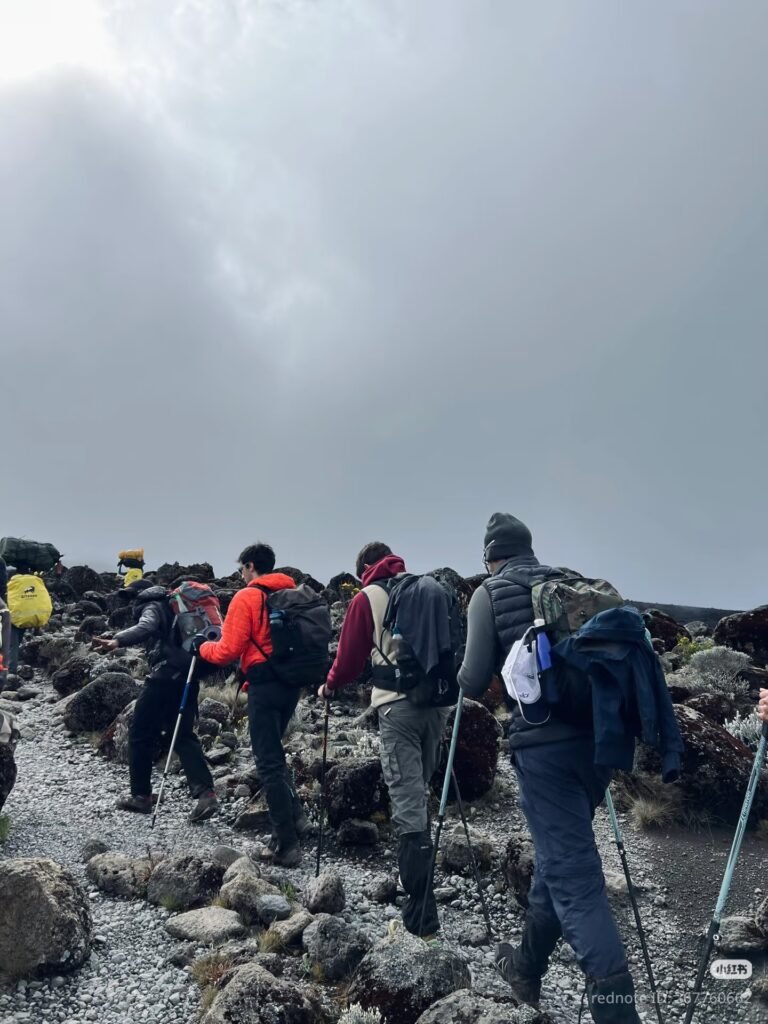
Kilimanjaro And Tanzania Safari Packages – Canadian Travel Guide 2027
- Kilimanjaro and Tanzania Safari Packages – Canadian Travel Guide is explained with current 2027 planning, price, itinerary and booking information.
View package details
Kilimanjaro Airport To Zanzibar Flights: Ticket Prices & Airlines 2026-2027
A practical guide to flying from Kilimanjaro International Airport (JRO) to Zanzibar, covering airline choices, baggage logistics for climbers, and how to book your connection.
View package detailsZanzibar To Ruaha National Park Fly-In Safari: Prices & Booking Guide
A practical guide to planning a fly-in safari from Zanzibar to Ruaha National Park, covering flight logistics, itinerary choices, and how to book with Climb 4 Africa.
View package details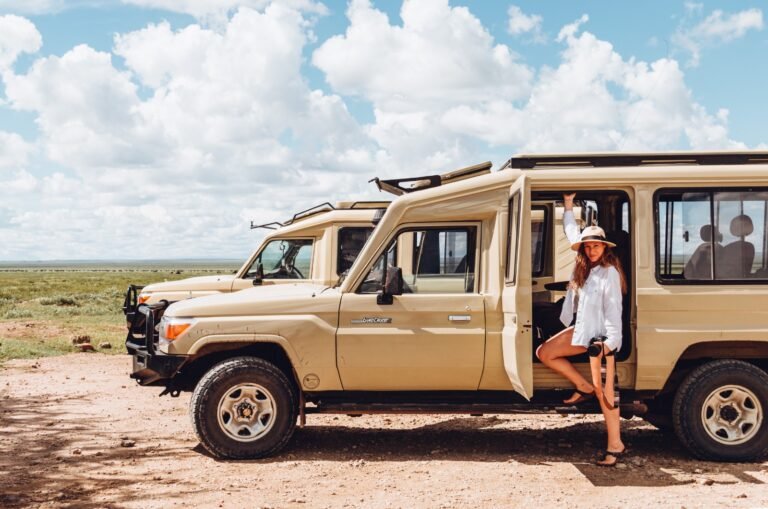
Nov 2, – 1 Day Lake Manyara Group Joining Safari: Plan & Logistics 2026
A practical guide to the November 2, 2026, group-joining safari to Lake Manyara. Learn about the logistics, the benefits of shared transport, and how to book your spot with Climb 4 Africa.
View package details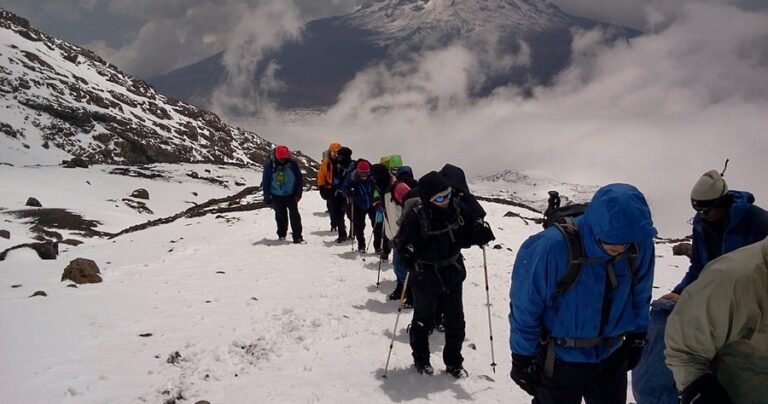
Mount Meru 4-Day Climb: The Complete Guide To Tanzania’s Hidden Peak 2026-2027
A deep look at the 4-day Mount Meru climb, covering the Momella route, altitude considerations, park logistics, and why this peak is the ultimate preparation for Kilimanjaro.
View package details
Kilimanjaro Climb August : Dates And Costs Planning Guide 2026-2027
Expert guide to planning a Kilimanjaro expedition in August 2027. We break down the logistics, cost factors, route choices, and seasonal weather patterns for your summit attempt.
View package details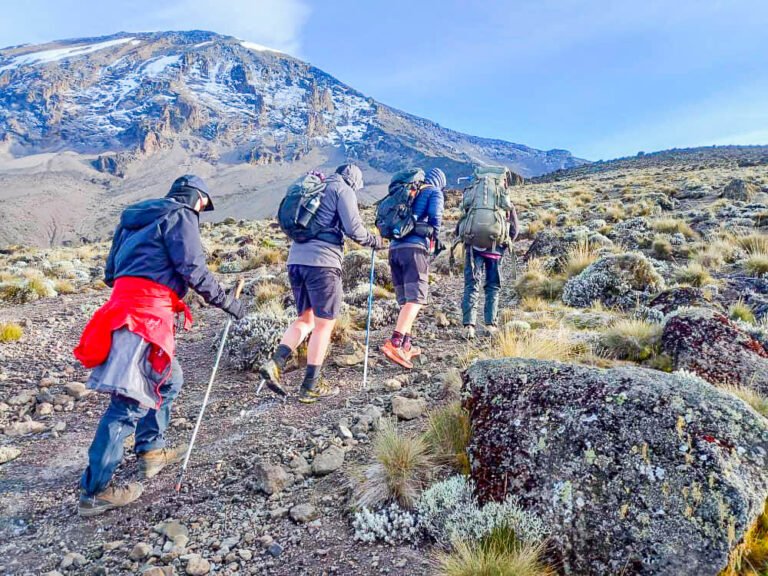
Climbing Kilimanjaro : Prices, Dates, And Routes 2026-2027
A comprehensive guide to planning your 2027 Kilimanjaro expedition, covering route choices, cost factors, and the essential logistics for a successful summit.
View package details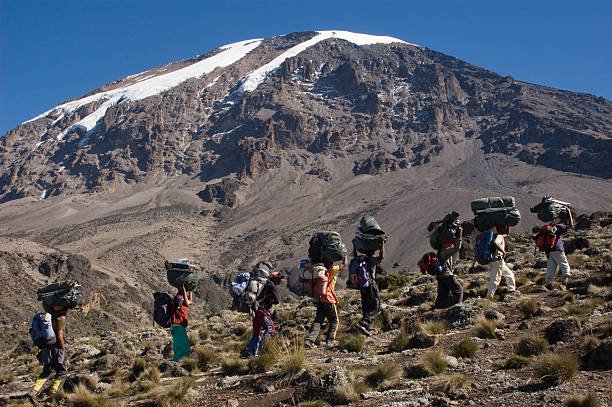
Mount Meru And Kilimanjaro Combo Trip : The Ultimate Acclimatization Strategy
Maximize your Tanzanian trekking success by combining Mount Meru and Kilimanjaro. Get expert planning advice for your 2027 expedition.
View package details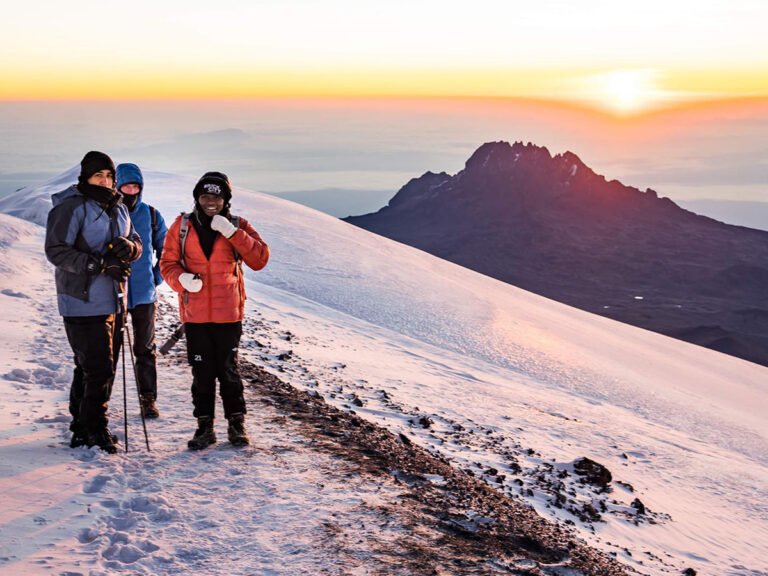
Kilimanjaro Machame Route 7 Days: A Practical Guide To Itinerary And Costs
A deep look at the 7-day Machame Route on Kilimanjaro. Understand the itinerary, why the extra day matters for your summit success, and how to plan your 2026-2027 expedition.
View package detailsKilimanjaro Climb : Guided Group Tours & Planning Guide 2026-2027
A deep look at planning your 2027 Kilimanjaro expedition. Learn why guided group tours are the preferred choice for safety, logistics, and shared camaraderie on the roof of Africa.
View package detailsNo related package matches those filters. Clear one or more filters to see the other topic-matched options.