A Tanzania, Zambia, and Zanzibar multi-country African safari offers a spectacular blend of iconic wildlife viewing, natural wonders, and tropical relaxation, typically spanning 14-21 days. Such an itinerary usually begins in Tanzania with destinations like the Serengeti and Ngorongoro Crater, moves to Zambia for the majestic Victoria Falls and South Luangwa National Park, and concludes on the idyllic beaches of Zanzibar. Planning for 2026-2027 involves considering the best times to witness events like the Great Migration, booking accommodations and flights well in advance, and choosing between private or shared safari experiences to suit your budget and travel style.
Navigating Your Tanzania, Zambia, and Zanzibar Multi-Country Safari
Combining the unparalleled wildlife spectacles of Tanzania and Zambia with the idyllic beaches of Zanzibar creates an African journey of extraordinary diversity. This multi-country African safari is not merely a trip; it’s an epic exploration that touches on some of the continent’s most revered natural treasures and vibrant cultural landscapes. From the endless plains of the Serengeti, echoing with the thunder of the Great Migration, to the awe-inspiring power of Victoria Falls and the tranquil, spice-scented shores of Zanzibar, this combination promises an experience that resonates long after you return home.
For travelers planning an ambitious adventure in 2026 or 2027, understanding the logistics, timing, and unique appeal of each destination is crucial. This guide aims to provide a comprehensive overview, equipping you with the knowledge to craft an unforgettable multi-country African safari that perfectly balances thrilling wildlife encounters with serene island escapes. We’ll explore the best routes, optimal seasons, essential considerations, and what makes each component of this journey so special, all from the perspective of local expertise.
The allure of such a trip lies in its contrasts: the raw, untamed wilderness of East and Southern Africa juxtaposed with the laid-back, tropical rhythm of the Indian Ocean. It’s a journey that caters to a wide range of interests, from dedicated wildlife enthusiasts and avid photographers to those simply seeking impressive landscapes and a chance to unwind in paradise. Crafting the ideal Tanzania, Zambia, and Zanzibar multi-country African safari requires careful thought about how these distinct elements fit together, ensuring a cohesive and enriching experience.
Tanzania: The Jewel of East African Wildlife
Tanzania stands as a cornerstone of any comprehensive East African safari experience, renowned for its vast national parks, iconic wildlife populations, and the unforgettable spectacle of the Great Migration. When planning a multi-country African safari that includes Tanzania, you are setting yourself up for encounters with some of the planet’s most magnificent creatures in their natural, expansive habitats.
The Serengeti National Park: A Realm of Wonders
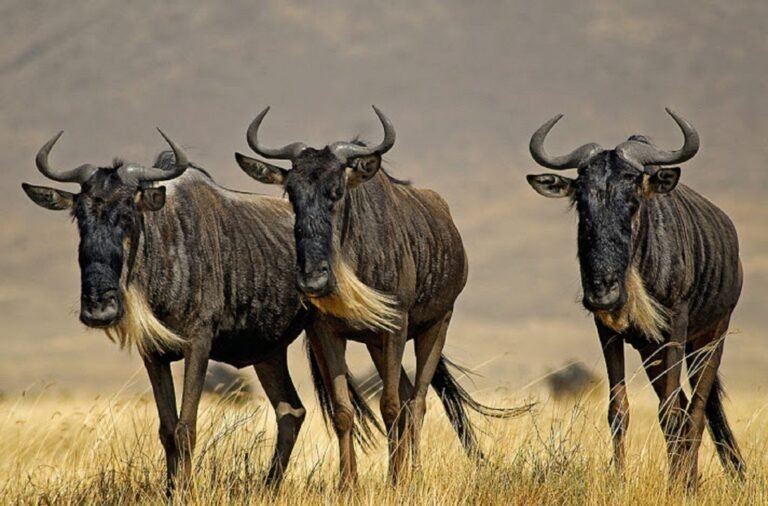
No discussion of Tanzanian safaris is complete without mentioning the Serengeti. Its name, derived from the Maasai word ‘Siringet’ meaning ‘endless plains,’ perfectly captures its essence. This UNESCO World Heritage Site is synonymous with the Great Migration, an annual movement of over 1.5 million wildebeest, zebras, and gazelles in search of fresh grazing lands. Witnessing the sheer scale of this event, especially the dramatic river crossings of the Mara or Grumeti rivers, is a bucket-list item for many. The timing of the migration varies, but typically the herds are in the northern Serengeti from July to October, moving south towards the central and eastern plains for calving season between January and March. Planning your 2026 or 2027 safari around these movements offers the most electrifying wildlife viewing.
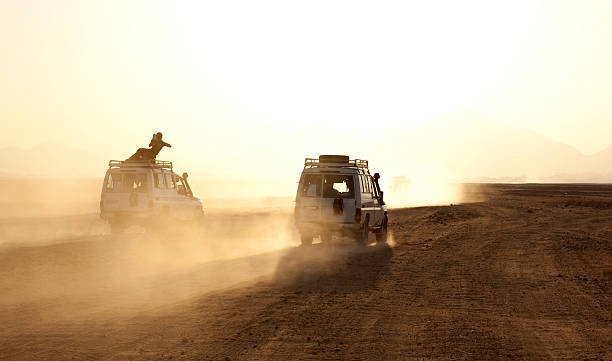
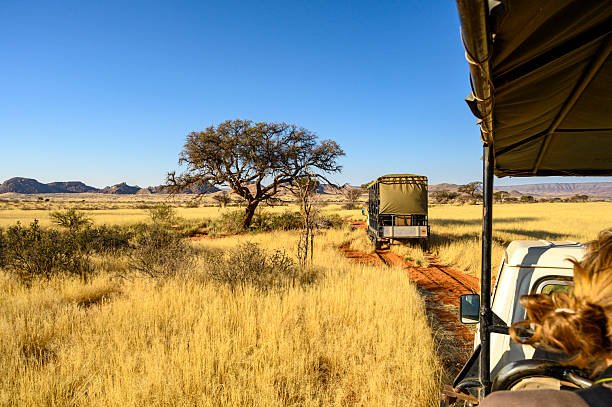
Beyond the migration, the Serengeti boasts resident populations of lions, cheetahs, leopards, elephants, giraffes, and an incredible diversity of birdlife. The landscape itself is varied, from open grasslands to acacia woodlands and kopjes (rocky outcrops), providing diverse habitats that support this rich biodiversity. Game drives here are typically conducted in open-top 4×4 safari vehicles, allowing for unobstructed views and excellent photographic opportunities.
Ngorongoro Conservation Area: The Eighth Wonder
Adjacent to the Serengeti, the Ngorongoro Conservation Area offers a unique safari experience centered around the Ngorongoro Crater. This vast volcanic caldera, plunging over 600 meters deep, is often referred to as ‘Africa’s Eden’ or the ‘Eighth Wonder of the World.’ Its unique ecosystem supports an astonishing density of wildlife, including the ‘Big Five’ (lion, leopard, elephant, rhino, and buffalo) within its 260 square kilometer floor. The crater is one of the best places in Tanzania to spot the endangered black rhinoceros. Because the crater is a self-contained environment, wildlife viewing is exceptionally reliable year-round, making it a fantastic addition to any Tanzania, Zambia, and Zanzibar multi-country African safari, especially if time is limited.
Visitors descend into the crater for half-day or full-day game drives. The rim of the crater offers stunning panoramic views, and lodges situated here provide spectacular vistas. It’s important to note that the Ngorongoro Conservation Area is a unique human-wildlife co-existence zone, where Maasai communities live alongside wildlife, adding a cultural dimension to the experience. Restrictions are in place to protect the delicate environment, including limited vehicle numbers and time spent on the crater floor.
Other Tanzanian Gems
While the Serengeti and Ngorongoro are the most famous, other Tanzanian parks offer distinct safari experiences that can enrich your multi-country African safari. Tarangire National Park is celebrated for its large elephant herds and iconic baobab trees, especially in the dry season (June to October) when animals congregate around the Tarangire River. Lake Manyara National Park is known for its tree-climbing lions, vast flamingo populations (seasonal), and diverse birdlife, offering a more compact yet rewarding game viewing experience, often visited en route to the Serengeti.
For those seeking a more remote and less crowded experience, parks like the Ruaha National Park in the south or the Selous Game Reserve (now Nyerere National Park) offer vast wilderness areas with significant populations of predators and wild dogs. These parks are often accessed by light aircraft flights, adding an element of adventure and efficiency to your multi-country African safari planning.
Tanzania Wildlife Considerations for 2026-2027
When booking your Tanzania, Zambia, and Zanzibar multi-country African safari for 2026-2027, consider the following:
- Migration Timing: If witnessing the Great Migration is a priority, research specific herd movements for your chosen travel dates. Consult with safari experts for the most up-to-date predictions.
- Park Fees: National park and conservation fees in Tanzania are significant and are typically included in tour packages. Understand what is covered.
- Vehicle Type: Ensure your safari vehicle is a pop-top 4×4, ideal for game viewing in Tanzanian parks.
- Guides: A knowledgeable local guide is invaluable for spotting wildlife, understanding animal behavior, and navigating the vast parks.
Zambia: Victoria Falls and Unspoiled Wilderness
Zambia offers a different, yet equally profound, African safari experience. It’s a destination that truly embodies raw, untamed Africa, characterized by vast wilderness areas, fewer crowds, and a more adventurous spirit. Its inclusion in a Tanzania, Zambia, and Zanzibar multi-country African safari adds a spectacular natural wonder and a unique approach to wildlife viewing.
Victoria Falls: The Smoke That Thunders
No trip to Zambia is complete without experiencing Victoria Falls, one of the Seven Natural Wonders of the World. Known locally as ‘Mosi-oa-Tunya’ (The Smoke That Thunders), the sheer volume of water cascading over the Zambezi River’s widest point creates a impressive spectacle. The falls are at their most powerful during the wet season (roughly November to April), when the spray can rise hundreds of meters into the air, creating perpetual rainbows. During the dry season (August to October), the flow diminishes, and sections of the falls may even dry up, offering a chance to walk across the riverbed, but the sheer scale of the main cascades is less dramatic.
Activities around Victoria Falls are abundant and cater to adrenaline seekers and nature lovers alike. Options include guided rainforest walks on the Zambian side (offering dramatic views), helicopter flights over the falls for a bird’s-eye perspective, sunset cruises on the Zambezi River, and for the truly adventurous, bungee jumping or gorge swinging. These activities provide a thrilling counterpoint to the more sedate wildlife viewing of Tanzania and are a must-do for any Tanzania, Zambia, and Zanzibar multi-country African safari.
South Luangwa National Park: The Home of the Walking Safari
South Luangwa National Park is widely considered one of the greatest wildlife sanctuaries in Africa. It’s particularly famous as the birthplace of the walking safari. This pioneering approach to game viewing allows you to connect with the bush on a much deeper level, guided by expert armed rangers who share their intimate knowledge of the flora, fauna, and tracking techniques. Walking safaris offer a unique perspective, revealing the smaller details of the ecosystem that might be missed from a vehicle.
The Luangwa Valley is renowned for its high density of leopards, making it one of the best places in Africa to spot these elusive cats, especially on night drives. The park also teems with elephants, hippos (the Luangwa River is famous for its large hippo populations), lions, hyenas, giraffes, and over 400 bird species. The park’s relatively undeveloped nature means fewer vehicles and a more exclusive feel, enhancing the sense of adventure for your multi-country African safari.
Lower Zambezi National Park: Riverine Beauty and Big Game
For a different Zambian landscape, Lower Zambezi National Park offers a stunning riverine environment. The Zambezi River, dotted with islands and channels, is the park’s lifeblood, attracting abundant wildlife, including large herds of elephants that often swim across the river. This park is ideal for canoeing safaris, offering a peaceful and intimate way to explore the waterways, get close to hippos and crocodiles, and spot wildlife along the riverbanks. It’s also excellent for tiger fishing and birdwatching.
Lower Zambezi provides opportunities for both game drives and boat-based safaris, offering a varied experience. Its remoteness contributes to its pristine condition and exclusivity, making it a superb choice for travelers seeking a more refined yet wild experience within their Tanzania, Zambia, and Zanzibar multi-country African safari.
Zambia Wildlife Considerations for 2026-2027
When planning your Zambian leg for a 2026-2027 multi-country African safari:
- Walking Safaris: These are best suited for the dry season (May to October) when vegetation is less dense and animals congregate near water sources.
- Victoria Falls Seasonality: Consider the water levels of Victoria Falls for your preferred viewing experience. High flow offers spectacle; low flow allows more exploration.
- Accessibility: Many prime safari camps in South Luangwa and Lower Zambezi are fly-in destinations, requiring light aircraft transfers. This adds to the cost but saves considerable travel time.
- Crowds: Zambia is generally less crowded than some Tanzanian parks, offering a more intimate wildlife experience.
Zanzibar: Spice Islands and Azure Waters
After the thrilling wildlife encounters of Tanzania and Zambia, Zanzibar offers a welcome change of pace, transitioning from the rugged wilderness to the tranquil beauty of a tropical island paradise. This iconic archipelago, situated off the coast of mainland Tanzania, is the perfect place to relax, rejuvenate, and soak in the exotic culture at the end of your multi-country African safari.
Stone Town: A UNESCO World Heritage Site
Your introduction to Zanzibar will likely be Stone Town, the historic heart of Zanzibar City. A UNESCO World Heritage Site, Stone Town is a labyrinth of narrow alleyways, bustling bazaars, intricately carved wooden doors, and historic buildings that reflect centuries of Swahili, Arab, Persian, Indian, and European influences. Wandering through its winding streets is like stepping back in time. Key sights include the House of Wonders (currently undergoing extensive renovation), the Old Fort, the Sultan’s Palace Museum, and the poignant former slave market site.
Stone Town is also a sensory delight, filled with the aroma of spices, the calls to prayer, and the vibrant colours of local life. It’s a place to explore on foot, perhaps with a local guide to unravel its complex history and unique architecture. The vibrant night markets offer a chance to sample delicious local street food, a delightful culinary experience before you head to the beaches.
Northern Beaches: Nungwi and Kendwa
For postcard-perfect beaches, the northern tip of Zanzibar, particularly Nungwi and Kendwa, is the place to be. These areas boast powdery white sands, crystal-clear turquoise waters, and stunning sunsets. Nungwi is known for its lively atmosphere, with a range of resorts, restaurants, and bars. It’s also a hub for water activities, including snorkeling, diving, and dhow cruises.
Kendwa, located just south of Nungwi, offers a slightly more relaxed vibe while still providing beautiful beaches and vibrant sunsets. The absence of strong tides here means you can swim at any time of day. These northern beaches are ideal for those seeking sun, sea, and sand after their multi-country African safari, offering a chance to unwind and reflect on their incredible journey.
Eastern Beaches: Matemwe and Paje
The eastern coast of Zanzibar offers a different kind of beauty, characterized by long stretches of white sand fringed by palm trees and protected by vibrant coral reefs. Matemwe is a more tranquil option, known for its laid-back atmosphere and proximity to the Mnemba Atoll, a premier spot for snorkeling and diving with abundant marine life. It’s perfect for travelers seeking peace and quiet.
Further south, Paje has become a global hotspot for kitesurfing, thanks to its consistent winds and shallow, flat waters. Even if you’re not a kitesurfer, the energetic atmosphere and beautiful beach make it an attractive destination. The eastern coast is also where you’ll find the famous ‘spice tours,’ an essential part of the Zanzibar experience, where you can learn about and taste the island’s aromatic spices like cloves, cinnamon, vanilla, and nutmeg.
Zanzibar Considerations for 2026-2027
When integrating Zanzibar into your 2026-2027 multi-country African safari:
- Best Time to Visit: The dry seasons (June to October and December to February) offer the most pleasant weather for beach activities. Avoid the long rains from March to May.
- Cultural Sensitivity: Zanzibar is a predominantly Muslim island. Dress modestly when visiting Stone Town and be mindful of local customs, especially during Ramadan. Beachwear is acceptable at resorts and on the beach.
- Activities: Balance relaxation with exploration. Consider a spice tour, a visit to Jozani Forest (home to the endemic red colobus monkeys), snorkeling at Mnemba Atoll, or simply enjoying the stunning beaches.
- Connectivity: Zanzibar is easily accessible via short flights from Dar es Salaam or Kilimanjaro, or by ferry from Dar es Salaam.
Logistics of a Multi-Country African Safari
Embarking on a Tanzania, Zambia, and Zanzibar multi-country African safari is an ambitious but highly rewarding undertaking. The key to a successful trip lies in meticulous planning and understanding the logistical nuances of traveling between these distinct regions. Coordinating flights, transfers, visas, and accommodations across multiple countries requires careful attention to detail.
Inter-Country Travel: Flights and Routes
The most practical way to travel between Tanzania, Zambia, and Zanzibar for a multi-country African safari is by air. Direct flights between major hubs like Kilimanjaro International Airport (JRO) or Dar es Salaam (DAR) in Tanzania and Livingstone (LVI) or Lusaka (LUN) in Zambia are limited. Typically, you’ll need to connect through a regional hub like Nairobi (NBO) in Kenya or Addis Ababa (ADD) in Ethiopia.
Typical Route Flow:
- Tanzania to Zambia: Fly from Kilimanjaro (JRO) or Dar es Salaam (DAR) to Livingstone (LVI) in Zambia, usually with a layover. This leg can take a significant portion of a day.
- Zambia to Zanzibar: Fly from Livingstone (LVI) or Lusaka (LUN) to Zanzibar (ZNZ). Again, expect connections, potentially through Dar es Salaam or Nairobi.
- Zanzibar to Tanzania (or vice-versa): Short flights or ferries connect Zanzibar to mainland Tanzania (Dar es Salaam or Kilimanjaro), making it easy to start or end your safari on the island.
For 2026-2027 travel, booking these flights well in advance is highly recommended, especially during peak seasons, to secure the best routes and prices. Some operators may arrange these complex flight itineraries for you as part of a package.
Visa Requirements and Health Precautions
Visa requirements can change, so it’s essential to check the latest regulations for your nationality well before your 2026-2027 multi-country African safari.
- Tanzania: Many nationalities can obtain a visa on arrival, but e-visas are often available and can save time. East African Tourist Visas are also an option if you plan to visit Kenya or Uganda as well.
- Zambia: Similar to Tanzania, visas are often available on arrival for many nationalities. Check if a KAZA Uni-Visa (for Zambia and Zimbabwe) is applicable and beneficial for your itinerary.
- Zanzibar: As part of Tanzania, the Tanzanian visa covers Zanzibar.
Health: Consult your doctor or a travel clinic 6-8 weeks before your trip regarding necessary vaccinations (e.g., Yellow Fever may be required depending on your entry points) and malaria prophylaxis. Staying hydrated and protecting yourself from the sun are crucial in all these destinations.
Travel Insurance
Comprehensive travel insurance is non-negotiable for a multi-country African safari. Ensure your policy covers:
- Emergency medical evacuation (especially important for remote safari locations).
- Trip cancellation and interruption.
- Lost or delayed baggage.
- Activities like bungee jumping or white-water rafting if you plan to participate.
Verify that your insurance covers all the countries you will visit, including any transit points.
Navigating Potential Challenges
While smooth, a multi-country African safari does present challenges:
- Time Zones: While Tanzania and Zanzibar share a time zone, Zambia is an hour behind. This is usually a minor consideration but worth noting.
- Currency: Each country has its own currency (Tanzanian Shilling, Zambian Kwacha). US Dollars are widely accepted for park fees and larger expenses, but it’s wise to have local currency for smaller purchases.
- Connectivity: Wi-Fi availability can be sporadic in remote safari lodges. Consider purchasing local SIM cards if you need consistent connectivity.
Planning Your 2026-2027 Safari: Timing and Itinerary
The success of your Tanzania, Zambia, and Zanzibar multi-country African safari hinges significantly on choosing the right time to travel and crafting an itinerary that flows logically and maximizes your experience. The interplay between wildlife seasons, weather patterns, and crowd levels is crucial for planning your 2026-2027 adventure.
Optimal Seasons for Each Destination
Understanding the best times to visit each component of your multi-country African safari is key:
Tanzania:
- Dry Season (June – October): Excellent for wildlife viewing as animals congregate around water sources. This is also prime time for the Great Migration river crossings in the northern Serengeti. It’s peak season, so expect higher prices and more crowds.
- Calving Season (January – March): The southern Serengeti and Ndutu area are ideal for witnessing the wildebeest calving. The landscape is lush, and predator activity is high.
- Green Season (November – May): Lower prices, fewer crowds, and beautiful landscapes. Birdwatching is exceptional. However, rain can make some roads impassable, and wildlife is more dispersed.
Zambia:
- Dry Season (May – October): The prime safari season. Vegetation thins, making wildlife spotting easier. This is the best time for walking safaris in South Luangwa and for general game viewing. Victoria Falls has good flow.
- Green Season (November – April): Lush landscapes, great for birding. Victoria Falls is at its most powerful. Some camps may close or have reduced operations due to heavy rains, and accessibility can be an issue.
Zanzibar:
- Dry Seasons (June – October, December – February): Ideal beach weather with sunshine and lower humidity. These are also peak tourist times for Zanzibar.
- Shoulder Seasons (March, November): Good weather with fewer crowds and potentially better prices.
- Rainy Season (March – May): Heavy rains, high humidity, and can disrupt travel plans.
Sample Itinerary Structures for 2026-2027
Here are a few ways to structure your multi-country African safari, balancing time and experience:
Option 1: The Classic Explorer (Approx. 18 Days)
- Days 1-5: Tanzania (Serengeti & Ngorongoro): Arrive in Kilimanjaro (JRO), transfer to Arusha, then fly or drive to the Serengeti. Spend 2-3 days exploring, then visit Ngorongoro Crater for a day.
- Days 6-9: Zambia (Victoria Falls & South Luangwa): Fly from JRO/Arusha to Livingstone (LVI), Zambia. Spend 2 days exploring Victoria Falls and surrounding activities. Fly to Mfuwe (MFU) for 2-3 days of walking safaris in South Luangwa.
- Days 10-14: Zanzibar: Fly from Mfuwe (or Lusaka) to Zanzibar (ZNZ). Spend 1-2 days in Stone Town, then 3-4 days relaxing on the beaches (e.g., Nungwi or Paje).
- Day 15: Departure: Fly from Zanzibar (ZNZ) home or to your next destination.
Option 2: Migration Focus with Relaxation (Approx. 21 Days)
- Days 1-7: Tanzania (Serengeti Migration): Arrive JRO, transfer to Arusha. Fly to northern Serengeti for migration viewing (July-Oct), then potentially move south. Include Ngorongoro.
- Days 8-12: Zambia (Victoria Falls & Lower Zambezi): Fly JRO/Arusha to Livingstone (LVI). Explore Vic Falls. Fly to Royal airstrip for Lower Zambezi canoeing and game drives.
- Days 13-18: Zanzibar: Fly LVI/LUN to ZNZ. Explore Stone Town, enjoy beach time, and take a spice tour.
- Day 19: Departure: Fly from ZNZ.
Key Planning Points for 2026-2027:
- Book Early: For peak seasons (especially July-October for Tanzania), booking 9-12 months in advance is crucial for 2026-2027 to secure preferred lodges and flight availability.
- Pacing: Avoid trying to cram too much in. Allow for travel time between locations, which can be significant. Aim for at least 3 nights per major wildlife area.
- Flexibility: While planning is essential, build in some flexibility. Wildlife movements can be unpredictable, and weather can impact travel.
- Customization: These are sample itineraries. A good tour operator will tailor your multi-country African safari to your specific interests, budget, and pace.
Accommodation and Travel Styles
The choice of accommodation and travel style significantly influences the experience and cost of your Tanzania, Zambia, and Zanzibar multi-country African safari. Whether you prefer rustic charm, classic luxury, or a blend of both, there are options to suit every traveler for 2026-2027.
Safari Lodges and Tented Camps
In Tanzania and Zambia, your accommodation will primarily be safari lodges or tented camps. These range from comfortable, mid-range options to ultra-luxurious properties.
- Tented Camps: These can range from basic canvas tents with shared facilities to opulent canvas suites with en-suite bathrooms, private decks, and even plunge pools. They offer a more in-depth bush experience.
- Safari Lodges: Often built with more permanent structures, lodges typically offer more amenities, such as swimming pools, restaurants, lounges, and sometimes spas. They can be ideal for families or those seeking more comfort.
When selecting accommodation, consider its location (proximity to wildlife hotspots, views), amenities, and the overall atmosphere. For a Tanzania, Zambia, and Zanzibar multi-country African safari, choosing lodges that offer excellent guiding services and well-maintained vehicles is paramount.
Beach Resorts and Boutique Hotels in Zanzibar
Zanzibar offers a wide spectrum of accommodation, from bustling resorts to secluded boutique hotels and simple beach bungalows.
- Luxury Resorts: Offer extensive facilities, fine dining, and private beach access.
- Boutique Hotels: Often found in Stone Town or in more secluded beach locations, these offer a more intimate and stylish experience.
- Guesthouses and Bungalows: Provide more budget-friendly options, often with a more local feel.
For your multi-country African safari, consider splitting your time in Zanzibar between a few days exploring the history and culture of Stone Town in a boutique hotel and then moving to a beach resort for relaxation.
Travel Styles: Private vs. Shared
Your choice of travel style will impact your experience and budget:
Private Safaris:
- Pros: Ultimate flexibility in itinerary, pace, and game drive times. Dedicated vehicle and guide. Ideal for couples, families, or groups with specific interests. Offers a more personalized and exclusive experience.
- Cons: Significantly higher cost per person compared to shared options.
Best for: Travelers seeking maximum control, privacy, and tailored experiences for their Tanzania, Zambia, and Zanzibar multi-country African safari.
Shared Safaris (Group Tours):
- Pros: More budget-friendly as costs are shared among travelers. Opportunities to meet like-minded people. Often follow well-established routes and timings.
- Cons: Less flexibility – you adhere to the group’s schedule. Shared vehicle means sharing viewing opportunities.
Best for: Solo travelers, couples, or friends looking to manage costs and enjoy a social travel experience for their multi-country African safari.
For a Tanzania, Zambia, and Zanzibar multi-country African safari, many operators offer packages that can be either private or join-in (shared) for certain segments, especially the Tanzanian safari portions. It’s worth inquiring about the possibility of combining private guiding for the wildlife portions with more standard shared flights or transfers.
Tailor-Made Experiences
The ultimate way to experience a multi-country African safari is through a tailor-made itinerary. This involves working closely with a specialist tour operator who can:
- Design an itinerary that perfectly matches your interests (e.g., birdwatching, photography, cultural immersion, specific wildlife sightings).
- Select accommodations that align with your budget and comfort preferences.
- Manage all the complex logistics, including flights, transfers, and visas.
- Provide expert advice on the best times to travel and optimal routes for 2026-2027.
This approach ensures you get the most out of your Tanzania, Zambia, and Zanzibar multi-country African safari, creating a smooth and unforgettable journey.
Booking Your Tanzania, Zambia, and Zanzibar Safari
Securing your dream Tanzania, Zambia, and Zanzibar multi-country African safari for 2026-2027 requires careful selection of a reputable tour operator. The complexity of coordinating travel across three distinct destinations means that expert guidance is invaluable.
Choosing the Right Tour Operator
When selecting a company to organize your multi-country African safari, look for:
- Local Expertise: Operators with a strong presence and knowledge of Tanzania, Zambia, and Zanzibar can offer unique insights and better value.
- Customization: The ability to create bespoke itineraries tailored to your interests and budget is essential for a trip of this scope.
- Reputation: Check reviews and testimonials from previous clients. Look for evidence of reliability, excellent guiding, and smooth operations.
- Responsiveness: A good operator will respond promptly and thoroughly to your inquiries, demonstrating their commitment to client service.
What to Confirm Before Booking
Before committing to a booking for your 2026-2027 multi-country African safari, ensure you have clarity on:
- Inclusions: Exactly what is covered in the price? This typically includes accommodation, meals on safari, park fees, game drives, specified activities, and internal flights. Exclusions often include international flights, visas, travel insurance, tips, and personal expenses.
- Accommodation Details: Confirm the specific lodges or camps booked and their inclusions (e.g., drinks, laundry).
- Flight Itineraries: Understand the routes, timings, and baggage allowances for all internal and inter-country flights.
- Payment Schedule: Typical deposits are 20-50%, with the balance due 60-90 days before departure.
- Cancellation Policy: Familiarize yourself with the terms and conditions regarding cancellations due to unforeseen circumstances.
The Value of Local Support
Partnering with a local operator like Climb 4 Africa for your Tanzania, Zambia, and Zanzibar multi-country African safari provides distinct advantages. We have firsthand knowledge of the parks, lodges, and logistical challenges within Tanzania, and strong partnerships across Zambia and Zanzibar. This allows us to:
- Negotiate competitive rates for accommodations and transfers.
- Provide real-time updates and on-the-ground support during your trip.
- Offer highly personalized itineraries that leverage our deep understanding of the region.
- Ensure your safari is not just a trip, but an authentic and enriching cultural and wildlife experience.
Planning a multi-country African safari is a significant undertaking, but the rewards are immense. By carefully considering the timing, logistics, and your travel style, you can craft an extraordinary journey. For assistance in designing your bespoke Tanzania, Zambia, and Zanzibar multi-country African safari for 2026-2027, please feel free to reach out. We are here to help you navigate every detail, ensuring a smooth and unforgettable adventure across these incredible destinations.
Contact us today to start planning your unique Tanzania, Zambia, and Zanzibar multi-country African safari. You can reach us via WhatsApp at +255 747 477 898 or by emailing climb4africa@gmail.com. Let us help you create the African adventure of a lifetime.
Check Availability for Tanzania Zambia And Zanzibar Multi-Country African Safari: The Ultimate
Ready to compare dates, prices, and the best option for your group? Send the package name and travel month so the team can reply with a clear quote, availability, and what is included.
Nov 23, – 3 Day Serengeti And Ngorongoro Safari From Zanzibar
Nov 23, 2026 – 3 Day Serengeti and Ngorongoro Safari from Zanzibar.
View package details_1_John_from-rednote-web-768x1024.jpg)
Dec 13, – 2 Day Nyerere Fly-In Group Safari From Zanzibar 2026
A detailed guide to the December 13, 2026 group fly-in safari from Zanzibar to Nyerere National Park, covering the itinerary, logistics, and planning for your trip.
View package details
Dec 5, – 1 Day Mikumi Fly-In Group Safari From Zanzibar 2026
A practical guide to the December 5, 2026, group fly-in safari to Mikumi National Park. Learn about the itinerary, group logistics, and how to book your seat.
View package details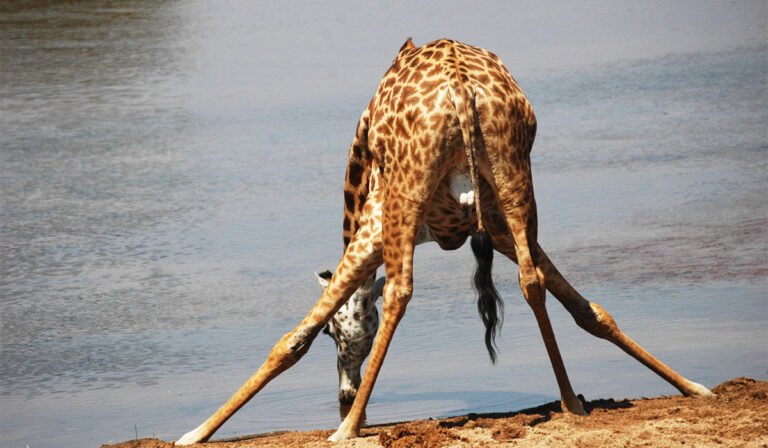
Nov 15, – 2 Day Mikumi Fly-In Group Safari From Zanzibar 2026
A practical guide and booking overview for the November 15, 2026, group fly-in safari to Mikumi National Park, departing from Zanzibar.
View package details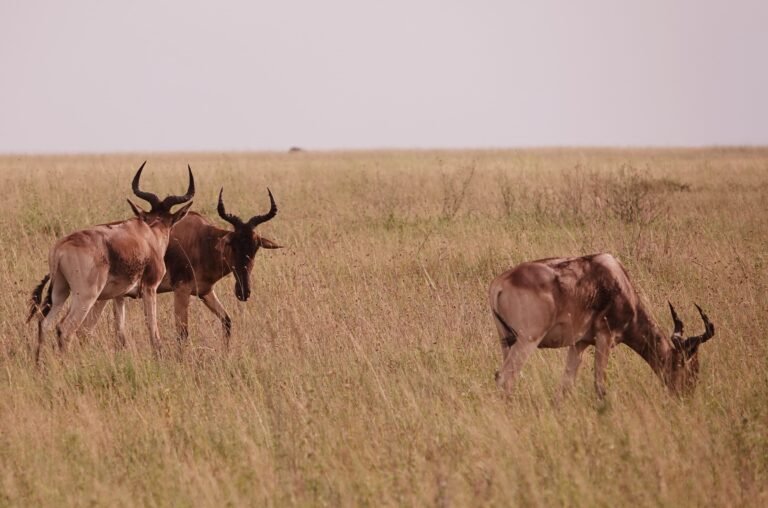
Oct 25, – 1 Day Nyerere Fly-In Group Safari From Zanzibar 2026
Secure your spot for the October 25, 2026, group fly-in safari to Nyerere National Park. A professional, time-efficient wildlife experience from Zanzibar.
View package details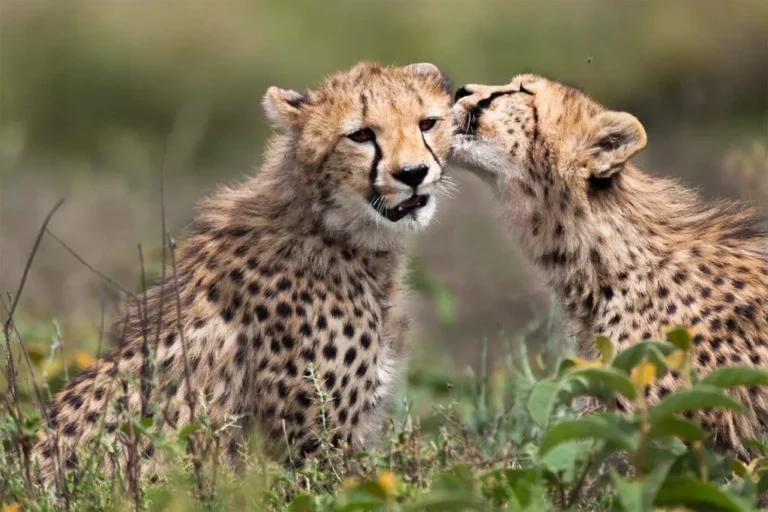
Nov 28, – 3 Day Fly-In Serengeti Group Safari From Zanzibar 2026
A detailed look at the 3-day fly-in Serengeti group safari departing November 28, 2026, including logistics, itinerary highlights, and travel tips for your Tanzania adventure.
View package details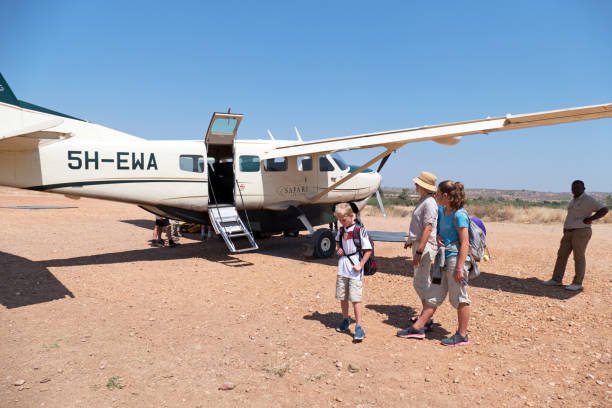
2-Day Serengeti Safari From Zanzibar By Flight: Price & Booking Guide
A practical guide to booking a 2-day Serengeti safari from Zanzibar by flight, covering itinerary logistics, cost considerations, and how to maximize your short time in the bush.
View package details
Luxury Fly-In Safari From Zanzibar: Private Packages For 2026-2027
Experience the ultimate Tanzanian getaway with a luxury fly-in safari from Zanzibar. Discover private, all-inclusive packages tailored for smooth wildlife encounters.
View package detailsBudget Fly-In Safari From Zanzibar: Best Packages & Prices 2026-2027
Discover how to plan a budget-friendly fly-in safari from Zanzibar to Tanzania's top parks without sacrificing the quality of your wildlife experience.
View package detailsZanzibar To Ruaha National Park Fly-In Safari: Prices & Booking Guide
A practical guide to planning a fly-in safari from Zanzibar to Ruaha National Park, covering flight logistics, itinerary choices, and how to book with Climb 4 Africa.
View package details2-Day Nyerere Safari From Zanzibar: Flight-Inclusive Package Prices 2026-2027
An expert guide to planning a 2-day Nyerere safari from Zanzibar, covering flight-inclusive package structures, cost drivers, and the practical rhythm of a short-stay wildlife adventure.
View package details1-Day Nyerere National Park Safari From Zanzibar By Flight: 2026-2027
Planning a one-day fly-in safari to Nyerere from Zanzibar? Understand the logistics, travel times, and wildlife expectations for a 2026 or 2027 trip.
View package detailsNo related package matches those filters. Clear one or more filters to see the other topic-matched options.