The cost of an African safari in 2026 typically ranges from $200 to $1,000+ per person per day, depending heavily on the duration, level of accommodation, safari style (group vs. private), national park fees, and specific destinations within Tanzania. For a mid-range, 7-day safari in popular parks like the Serengeti and Ngorongoro Crater, expect to budget between $3,500 to $6,000 per person, excluding international flights. Luxury options can easily double this, while budget-conscious travelers might find packages starting around $2,000 for shorter trips.
Embarking on an African safari is a lifelong dream for many, and understanding the financial commitment is a crucial first step in making that dream a reality. When you start asking, “How much does an African safari cost in 2026?”, you’re opening the door to a world of possibilities, each with its own price tag. Tanzania, a jewel in East Africa’s crown, offers some of the continent’s most iconic wildlife experiences, from the vast plains of the Serengeti to the unique ecosystem of the Ngorongoro Crater and the game-rich Tarangire National Park. Planning your 2026 safari involves more than just picking a date; it requires a clear understanding of what drives safari costs and how to align them with your budget and expectations.
This guide is designed to provide a transparent and practical breakdown of safari expenses in Tanzania for 2026. We’ll explore the key factors that influence pricing, compare different safari styles, discuss what’s typically included, and offer insights into how to get the most value for your investment. Whether you’re envisioning a classic wildlife viewing adventure, a photographic expedition, or a blend of safari and beach relaxation in Zanzibar, this information will help you build a realistic budget and choose the right safari package for your 2026 travels.
Understanding the Core Components of Safari Costs
Before diving into specific price ranges, it’s essential to grasp the fundamental elements that make up the total cost of an African safari. These are the building blocks of any safari itinerary, and variations in each can significantly impact the final figure. For your 2026 safari planning, consider these key cost drivers:
1. Accommodation: From Tented Camps to Luxury Lodges
Where you rest your head after a day of game drives is one of the biggest differentiators in safari pricing. Tanzania offers a spectrum of accommodation options:
- Budget Camps/Tented Camps: These often provide basic but clean facilities, sometimes with shared bathrooms. They are usually located outside or on the periphery of prime park areas to reduce costs. Expect canvas tents with comfortable beds, but minimal luxury.
- Mid-Range Tented Camps/Lodges: Offering more comfort, these typically feature en-suite bathrooms, comfortable furnishings, and often a swimming pool or a central lounge area. They might be located within or close to national parks.
- Luxury Lodges/Tented Suites: These are the pinnacle of safari accommodation, boasting spacious rooms, private verandas, gourmet dining, high-end amenities, and often exceptional locations with stunning views and exclusive wildlife viewing opportunities. Think private plunge pools, fine linens, and personalized service.
- Mobile Camps: For those seeking to follow the Great Migration, mobile camps offer a unique experience. They move seasonally to be in the best wildlife areas. While the accommodation can be luxurious, the operational costs can be higher.
The choice here directly correlates with your daily expenditure. A night in a luxury lodge can cost upwards of $800-$1,500 per person, while a comfortable mid-range tent might be in the $300-$500 range. Budget options can bring this down to $150-$250 per person.
2. National Park and Conservation Fees
These are non-negotiable government charges that contribute to wildlife conservation and park management. They are calculated per person, per 24-hour period, and vary by park. For Tanzania in 2026, expect fees to be roughly:
- Serengeti National Park: ~$70-$80 per person per day
- Ngorongoro Conservation Area: ~$70-$80 per person per day (plus vehicle fees)
- Tarangire, Lake Manyara, Arusha National Parks: ~$55-$65 per person per day
- Other parks may have slightly different rates.
These fees are substantial, especially on longer safaris. For a 7-day trip covering Serengeti and Ngorongoro, park fees alone can add $500-$600 per person to your budget.
3. Vehicle and Guide Costs
Your safari vehicle and guide are your eyes and ears in the bush. The type of vehicle and the expertise of your guide significantly influence the experience and cost.
- Vehicle Type: Most safaris use custom-built 4×4 safari vehicles (Land Cruisers or Land Rovers) designed for comfort and optimal game viewing, with pop-up roofs. The cost is usually per vehicle per day, not per person.
- Guide Expertise: A highly experienced, knowledgeable guide can transform a safari. Guides are trained in animal behavior, tracking, and local ecology. Their daily rate is factored into the overall safari package.
- Private vs. Shared Safaris: This is a major cost factor. A private safari means you have exclusive use of the vehicle and guide, offering flexibility and a personalized pace. This is more expensive. Shared safaris, often offered on set departure dates, divide the vehicle cost among a small group (usually 6-7 people), making them more affordable.
A private vehicle and guide typically cost between $250 to $450 per day, split among passengers if it’s a group. Shared safaris reduce this per-person cost significantly.
4. Duration of Safari
The longer your safari, the higher the overall cost. However, the per-day cost might decrease slightly for longer itineraries as fixed costs (like vehicle setup) are spread out. A common safari duration in Tanzania is 5 to 10 days. A 3-day safari will naturally be cheaper than a 10-day one, but a 10-day trip offers a much richer, more in-depth experience of the diverse landscapes and wildlife.
5. Time of Year (Seasonality)
Like most travel, safaris are subject to seasonal pricing:
- High Season (June – October, December – February): This is peak tourist season, coinciding with the dry season and the Great Migration river crossings. Prices for accommodation and sometimes even park fees can be higher due to demand. Expect clear skies and abundant wildlife.
- Shoulder Season (March – May, November): These periods often offer a good balance of decent weather, fewer crowds, and slightly lower prices. The “long rains” in April/May can impact road conditions and game viewing, but the landscapes are lush, and prices are more attractive.
- Low Season (April – May): While it’s the rainy season, it’s also the cheapest time to travel. Game viewing can still be excellent, especially in areas like the Ngorongoro Crater, and the reduced crowds are a major plus for photographers and those seeking solitude.
For 2026, booking during the shoulder or low season can offer significant savings, especially if you’re on a tighter budget. However, if witnessing the Great Migration is a priority, the high season is essential, and booking well in advance for 2026 is recommended.
Tanzania Safari Cost Breakdown: Different Travel Styles for 2026
The general price ranges for an African safari in 2026 are best understood by segmenting them into common travel styles. These categories help illustrate how different choices affect the overall budget.
Budget Safaris (Approx. $200 – $350 per person per day)
Who it’s for: Solo travelers, backpackers, or groups with very strict budget limitations who prioritize experiencing the wildlife over luxury. This is about maximizing game viewing time on a minimal spend.
Key Features:
- Accommodation: Basic tented camps, sometimes camping with shared facilities. Locations might be outside park boundaries or in less prime areas.
- Vehicle: Shared safari vehicles (e.g., 7-seater Land Cruisers) with other travelers.
- Itinerary: Often shorter durations (3-5 days), focusing on 1-2 main parks. Less flexibility in itinerary changes.
- Food: Simple, hearty meals prepared by a cook.
- Inclusions: Park fees, vehicle, guide, accommodation, meals. Exclusions typically include drinks, tips, and personal expenses.
Example 5-Day Northern Circuit Budget Safari (2026): Expect costs in the region of $1,000 – $1,750 per person. This would likely involve camping in Arusha, then moving to Tarangire, Lake Manyara, and Ngorongoro Crater with shared facilities and basic meals. Serengeti might be a stretch for a 5-day budget trip without compromising significantly on comfort or duration.
Mid-Range Safaris (Approx. $350 – $600 per person per day)
Who it’s for: Most travelers seeking a balance of comfort, quality wildlife viewing, and value for money. This is the most popular category for families, couples, and small groups wanting a memorable experience without breaking the bank.
Key Features:
- Accommodation: Comfortable tented camps or lodges with en-suite bathrooms, good amenities, and often swimming pools. Located within or close to prime wildlife areas.
- Vehicle: Often a private 4×4 safari vehicle with a dedicated guide, or a small group shared vehicle.
- Itinerary: Flexible itineraries, typically 7-10 days, covering multiple parks like Tarangire, Lake Manyara, Serengeti, and Ngorongoro Crater.
- Food: Quality meals at lodges/camps, often with a variety of choices.
- Inclusions: Park fees, private vehicle and guide (or shared), accommodation, all meals, park entry. Drinks and tips usually extra.
Example 7-Day Northern Circuit Mid-Range Safari (2026): Expect costs from $2,450 – $4,200 per person. This would typically include comfortable lodges/tented camps, a private vehicle for game drives, and a comprehensive tour of Tarangire, Lake Manyara, Serengeti (with 2-3 nights), and the Ngorongoro Crater. This is often considered the sweet spot for value and experience.
Luxury Safaris (Approx. $600 – $1,200+ per person per day)
Who it’s for: Travelers seeking the highest level of comfort, exclusivity, and personalized service. This includes honeymooners, those celebrating special occasions, or individuals who value premium experiences.
Key Features:
- Accommodation: High-end lodges and tented suites with exceptional service, gourmet dining, private plunge pools, and prime locations.
- Vehicle: Private, often specialized safari vehicles, with highly experienced, specialist guides.
- Itinerary: Fully customized itineraries, often including exclusive concessions or private conservancies, hot air balloon safaris, and unique activities.
- Food: Fine dining, curated wine lists, and bespoke meal experiences.
- Inclusions: Almost everything – park fees, private vehicle/guide, premium accommodation, all meals, select drinks, laundry, often activities like balloon safaris.
Example 7-Day Northern Circuit Luxury Safari (2026): Costs can range from $4,200 – $8,400+ per person. This would involve staying in top-tier lodges like Four Seasons Serengeti, Ngorongoro Crater Lodge, or exclusive tented camps, with all the trimmings. Often includes internal flights between parks to save time and enhance comfort.
Breaking Down the Costs: What’s Typically Included in a 2026 Safari Quote?
When you receive a safari quote for 2026, it’s vital to scrutinize what’s included and what’s not. Tour operators like Climb 4 Africa aim to provide comprehensive packages, but details can vary. Here’s a common breakdown:
Included in Most Safari Packages:
- Accommodation: As per your chosen level (budget, mid-range, luxury) for the duration of the safari.
- Meals: Usually all meals (breakfast, lunch, dinner) are included when you are on safari, starting from lunch on Day 1 and ending with lunch or breakfast on your final day.
- Vehicle & Driver/Guide: A 4×4 safari vehicle with a professional, English-speaking driver-guide. For private safaris, this is exclusive to your group. For shared safaris, the vehicle is shared.
- Park Entrance Fees: Daily fees for all national parks and conservation areas visited.
- Game Drive Activities: Scheduled game drives within the parks.
- Water: Bottled drinking water is usually provided in the vehicle during game drives.
- Crater Fees: Specifically for the Ngorongoro Crater, including the vehicle entry and descent fee.
Often Excluded (and need to be budgeted for):
- International Flights: Flights to and from Kilimanjaro International Airport (JRO) or other entry points.
- Visa Fees: For Tanzania, typically required for most nationalities.
- Travel Insurance: Essential for any safari trip.
- Tips: For your driver-guide, camp staff, and cooks. This is a significant part of safari culture and budgeting.
- Drinks: Alcoholic beverages, sodas, and sometimes even bottled water outside of game drives.
- Personal Expenses: Souvenirs, laundry (unless specified), phone calls, etc.
- Gratuities: For camp staff, cooks, and porters (if on a Kilimanjaro trek component).
- Optional Activities: Hot air balloon safaris, cultural visits, night drives (where permitted), walking safaris.
Crucial Advice for 2026 Bookings: Always ask for a detailed itinerary and a clear list of inclusions and exclusions before confirming your safari. For example, if you’re considering a package that includes a Kilimanjaro climb followed by a safari, ensure all components are clearly itemized. Operators like Climb 4 Africa pride themselves on transparency, helping you understand every aspect of your safari cost.
Estimating Your 2026 Tanzania Safari Budget: A Sample Itinerary Comparison
To give you a more concrete idea, let’s compare the potential costs for a popular 7-day Northern Circuit safari for 2026, visiting Tarangire, Lake Manyara, Serengeti, and Ngorongoro Crater. These are estimates and can fluctuate based on specific lodges, exact park fees for 2026, and the time of year.
Sample Itinerary: 7-Day Northern Circuit Safari (2026)
Itinerary Outline:
- Day 1: Arrive Kilimanjaro (JRO), transfer to Arusha.
- Day 2: Arusha to Tarangire National Park. Game drive.
- Day 3: Tarangire to Serengeti National Park (via Lake Manyara or direct). Game drive.
- Day 4: Full day game drive in Serengeti.
- Day 5: Morning game drive in Serengeti, drive to Ngorongoro Conservation Area.
- Day 6: Ngorongoro Crater descent and game drive.
- Day 7: Drive back to Arusha for departure or onward travel.
Estimated Cost Ranges Per Person (for 2 people sharing):
| Category | Budget (Camping) | Mid-Range (Comfortable Tented Camp/Lodge) | Luxury (High-End Lodge/Tented Suite) |
|---|---|---|---|
| Accommodation (6 nights) | $600 – $900 | $1,800 – $3,000 | $4,200 – $7,000+ |
| Vehicle & Guide (7 days, private) | $1,400 – $1,800 (shared cost) | $1,750 – $2,450 (private vehicle cost, shared) | $2,100 – $3,500 (premium private vehicle cost, shared) |
| Park & Conservation Fees (approx.) | $450 – $550 | $450 – $550 | $450 – $550 |
| Meals (all included) | $200 – $300 | $300 – $450 | $450 – $700 |
| Total Estimated Safari Package Cost | $2,650 – $3,550 | $4,300 – $6,400 | $7,200 – $11,750+ |
| Approx. Daily Cost Per Person (Safari portion only) | $380 – $507 | $614 – $914 | $1,028 – $1,678+ |
Important Notes for 2026 Budgeting:
- These figures are estimates per person, assuming two people sharing a vehicle and room. Solo travelers will incur a single supplement, typically adding $200-$500+ per person for the trip.
- Costs can be lower if traveling in a larger group that fills a vehicle.
- Prices for 2026 may see slight adjustments due to inflation, changes in park fees, or currency exchange rates. It’s always best to get a precise quote.
- Excluded costs (international flights, visa, insurance, tips, drinks, personal items) could add another $1,000 – $2,500+ per person depending on your origin and spending habits.
Factors That Can Increase Your Safari Cost in 2026
Beyond the standard inclusions, several choices can elevate the price of your African safari. Understanding these helps in making informed decisions for your 2026 adventure:
- Private Conservancies: Many luxury safaris utilize private conservancies bordering national parks. These areas offer exclusive game viewing with fewer vehicles, off-road driving opportunities, and often night drives – all contributing to a higher price point.
- Hot Air Balloon Safaris: A quintessential Serengeti experience, a hot air balloon ride at sunrise costs approximately $500-$600 per person and is usually an add-on.
- Internal Flights: For longer safaris or to maximize time in remote areas (like the Serengeti or Selous Game Reserve), flying between locations instead of driving can save hours and add significant comfort, but adds considerable cost (often $300-$500 per flight segment).
- Specialist Guides: Engaging a specialist photographic guide or an expert ornithologist will come at a premium.
- Extended Durations: Naturally, every extra day adds to the accommodation, vehicle, and park fee costs.
- High Season Travel: As mentioned, peak season rates are higher.
- Exclusive Use of Vehicle/Camp: Booking a private safari where you are the only guests in a lodge or camp, while offering ultimate privacy, will be considerably more expensive than standard rates.
Tips for Saving Money on Your 2026 African Safari
While an African safari is an investment, there are smart ways to manage costs and make your 2026 trip more budget-friendly without sacrificing the core experience:
- Travel in the Shoulder or Low Season: Visiting during the shoulder months (March-May, November) or even the “green season” (April-May) can yield significant savings on accommodation and sometimes even lower crowd levels. The landscapes are beautiful, and wildlife is still plentiful.
- Choose Mid-Range Accommodation: Opting for comfortable, clean, and well-located mid-range lodges and tented camps offers an excellent safari experience without the luxury price tag. Many offer fantastic service and food.
- Consider Shared Safaris: If you’re traveling solo or as a couple and don’t require exclusive use of a vehicle, joining a small group safari significantly reduces costs by spreading the vehicle and guide expenses. Look for group departure dates for 2026.
- Limit Internal Flights: While convenient, flying between parks adds up quickly. If your budget is tight, embrace the scenic overland drives. This also allows for more spontaneous stops and immersion in the landscape.
- Be Realistic About Duration: A 5-day safari will be less expensive than a 10-day one. Focus on experiencing a few key parks thoroughly rather than trying to cram too many into a short, expensive trip.
- Book in Advance: Especially for popular destinations and peak seasons in 2026, booking early can sometimes secure better rates and ensure availability at your preferred lodges. It also gives you more time to save.
- Pack Smartly: Avoid buying expensive safari gear last minute. Pack light to avoid excess baggage fees if you do take internal flights.
- Factor in Tips Carefully: While a cost, tipping is customary. Research standard tipping rates to budget accurately, but avoid over-tipping.
Combining Safari with Other Tanzanian Experiences in 2026
Tanzania offers more than just wildlife. Many travelers combine their safari with other adventures, which will naturally add to the overall cost:
- Kilimanjaro Climb: A 7-day Machame route climb, for instance, can cost anywhere from $1,500 to $3,500+ per person, depending on the operator and inclusions. This is a significant addition to a safari budget. Climb 4 Africa specializes in Kilimanjaro climbs, offering various routes and support levels. For 2026 climbs, early booking is advised.
- Zanzibar Holidays: After a dusty safari, a few days relaxing on Zanzibar’s pristine beaches is a popular choice. A 3-4 night stay in a mid-range beach resort might add $500 – $1,500+ per person, excluding flights from the mainland.
- Cultural Tours: Visiting local villages or markets can sometimes be arranged as part of your safari, or as a dedicated day trip from Arusha, typically costing an additional $50-$150 per person.
When planning your 2026 trip, consider how these extensions will affect your total budget. A combined Kilimanjaro climb and safari package can offer good value, as operators often streamline logistics and pricing.
Making Your 2026 Safari Booking Decision
Choosing the right tour operator is as important as choosing your safari itinerary. For your 2026 African safari, particularly in Tanzania, you want a partner who understands local conditions, offers reliable service, and provides transparent pricing. Climb 4 Africa has extensive experience in crafting unforgettable Tanzanian adventures, from challenging Kilimanjaro ascents to in-depth wildlife safaris and relaxing Zanzibar getaways.
When you’re ready to move from planning to booking for your 2026 safari, consider the following:
- Customization: Do you need a tailor-made itinerary to fit specific interests or a tight schedule?
- Support: What level of support do you expect during your trip?
- Value: Does the quote offer good value for the inclusions and quality of service?
To get a personalized quote for your 2026 Tanzania safari, tailored to your budget and preferences, we encourage you to reach out. Provide details about your desired travel dates (even if approximate for 2026), the number of travelers, your preferred safari style (budget, mid-range, luxury), and any specific parks or activities you’re interested in. This will allow us to craft a precise itinerary and cost breakdown for you.
You can connect with us directly via WhatsApp at +255 747 477 898 or send an email to climb4africa@gmail.com. We are here to help you navigate the complexities of safari planning and ensure your 2026 African safari is everything you dreamed of.
Frequently Asked Questions About 2026 Safari Costs
Is a 2026 safari in Tanzania more expensive than in previous years?
Prices for 2026 safaris in Tanzania are subject to inflation, changes in park fees, and operator costs. While there might be slight increases compared to, say, 2023, the core cost drivers remain the same. Traveling during the low or shoulder season, opting for mid-range accommodation, and booking shared safaris can still provide excellent value. It’s always best to get up-to-date quotes for 2026.
Are group safaris significantly cheaper than private safaris in 2026?
Yes, group safaris are generally considerably cheaper than private safaris. The primary cost saving comes from dividing the expense of the safari vehicle and guide among multiple passengers. A private safari offers flexibility and exclusivity but comes at a higher per-person rate.
What’s the average cost for a 10-day Tanzania safari in 2026?
For a 10-day mid-range safari in Tanzania in 2026, including the Northern Circuit parks (Serengeti, Ngorongoro, Tarangire, Lake Manyara), you can expect to budget approximately $4,500 to $7,500 per person, excluding international flights and other personal expenses. Luxury options would be significantly higher.
How much should I budget for tips on a 2026 safari?
Tipping is customary and appreciated. For a 7-10 day safari in 2026, a common guideline is to budget around $20-$30 per day per traveler for the driver-guide, and $10-$15 per day per traveler for lodge/camp staff (shared among them). This can add up to $200-$400+ per person for the entire trip. Your tour operator can provide more specific recommendations.
Are there hidden costs I should be aware of for a 2026 safari?
Most reputable tour operators are transparent about costs. However, always double-check what’s excluded. Common “hidden” costs that travelers might overlook include tips, drinks (especially alcoholic ones), laundry services, souvenirs, and optional activities. Ensure your quote clearly lists all inclusions and exclusions for your 2026 safari.
Is it cheaper to book a safari package or arrange components separately for 2026?
For most travelers, booking a comprehensive safari package through a reputable operator like Climb 4 Africa is more cost-effective and far simpler than arranging every component separately. Operators have established relationships with lodges, vehicles, and guides, allowing them to negotiate better rates. They also handle all the complex logistics, saving you time and stress. Trying to book park fees, lodges, and vehicles independently can be challenging and may not result in significant savings.
Planning Your 2026 Tanzania Safari with Confidence
The cost of an African safari in 2026 is a multifaceted question with a dynamic answer. By understanding the key cost drivers – accommodation, park fees, vehicle/guide choice, duration, and seasonality – you can begin to build a realistic budget. Whether you’re drawn to the budget-friendly adventure of camping safaris, the comfortable balance of mid-range lodges, or the ultimate luxury experiences, Tanzania offers options for every traveler. Remember that a safari is an investment in unparalleled experiences and lifelong memories. For detailed planning and a personalized quote for your 2026 safari adventure, contact Climb 4 Africa. We are dedicated to making your dream Tanzanian journey a smooth and unforgettable reality.
“,
“faq_schema”: [
{
“question”: “Is a 2026 safari in Tanzania more expensive than in previous years?”,
“answer”: “Prices for 2026 safaris in Tanzania are subject to inflation, changes in park fees, and operator costs. While there might be slight increases compared to, say, 2023, the core cost drivers remain the same. Traveling during the low or shoulder season, opting for mid-range accommodation, and booking shared safaris can still provide excellent value. It’s always best to get up-to-date quotes for 2026.”
},
{
“question”: “Are group safaris significantly cheaper than private safaris in 2026?”,
“answer”: “Yes, group safaris are generally considerably cheaper than private safaris. The primary cost saving comes from dividing the expense of the safari vehicle and guide among multiple passengers. A private safari offers flexibility and exclusivity but comes at a higher per-person rate.”
},
{
“question”: “What’s the average cost for a 10-day Tanzania safari in 2026?”,
“answer”: “For a 10-day mid-range safari in Tanzania in 2026, including the Northern Circuit parks (Serengeti, Ngorongoro, Tarangire, Lake Manyara), you can expect to budget approximately $4,500 to $7,500 per person, excluding international flights and other personal expenses. Luxury options would be significantly higher.”
},
{
“question”: “How much should I budget for tips on a 2026 safari?”,
“answer”: “Tipping is customary and appreciated. For a 7-10 day safari in 2026, a common guideline is to budget around $20-$30 per day per traveler for the driver-guide, and $10-$15 per day per traveler for lodge/camp staff (shared among them). This can add up to $200-$400+ per person for the entire trip. Your tour operator can provide more specific recommendations.”
},
{
“question”: “Are there hidden costs I should be aware of for a 2026 safari?”,
“answer”: “Most reputable tour operators are transparent about costs. However, always double-check what’s excluded. Common “hidden” costs that travelers might overlook include tips, drinks (especially alcoholic ones), laundry services, souvenirs, and optional activities. Ensure your quote clearly lists all inclusions and exclusions for your 2026 safari.”
},
{
“question”: “Is it cheaper to book a safari package or arrange components separately for 2026?”,
“answer”: “For most travelers, booking a comprehensive safari package through a reputable operator like Climb 4 Africa is more cost-effective and far simpler than arranging every component separately. Operators have established relationships with lodges, vehicles, and guides, allowing them to negotiate better rates. They also handle all the complex logistics, saving you time and stress. Trying to book park fees, lodges, and vehicles independently can be challenging and may not result in significant savings.”
}
]
}
“`
Check Availability for How Much Does An African Safari Cost In ? 2026-2027
Ready to compare dates, prices, and the best option for your group? Send the package name and travel month so the team can reply with a clear quote, availability, and what is included.
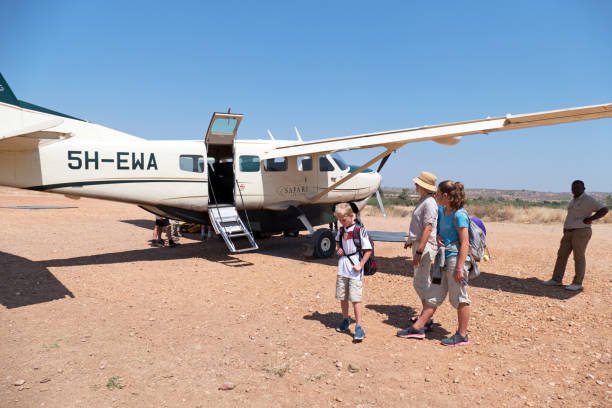
2-Day Tarangire & Ngorongoro Safari From Zanzibar: Flight Package Cost 2026
A detailed guide on the logistics, cost factors, and itinerary realities for a 2-day fly-in safari from Zanzibar to Tarangire National Park and the Ngorongoro Crater.
View package details1-Day Serengeti Safari From Zanzibar By Flight: Cost & Itinerary 2026-2027
Is a 1-day Serengeti safari from Zanzibar feasible? Get the expert breakdown on the flight logistics, cost factors, and how to manage your expectations for this intense, one-day wildlife...
View package detailsWhich Serengeti Airstrip Is Best For Your Safari? Costs & Locations 2026-2027
Selecting the correct airstrip in the Serengeti is the difference between a smooth arrival and a four-hour bumpy transfer. Learn how to choose based on your itinerary.
View package detailsFly From Arusha To Serengeti For A 2-Day Safari: Understanding Flight Costs
Discover how to budget and plan a fast-paced 2-day safari to the Serengeti, starting from Arusha. We break down flight costs, transfer options, and what to expect from a short, focused trip.
View package details
Fly-In Safari To Ngorongoro And Serengeti: Flights & Transfer Costs 2026-2027
Discover the logistics and cost breakdown for a fly-in safari to Ngorongoro and the Serengeti, including airstrip transfers, baggage limits, and vehicle positioning.
View package detailsArusha To Tarangire Fly-In Safari: Flight And Package Costs 2026-2027
Arusha to Tarangire Fly-In Safari: Flight and Package Costs is explained with current 2026-2027 planning, price, itinerary and booking information.
View package details_1_John_from-rednote-web-768x1024.jpg)
Mwiba Airstrip Flights: Ticket Costs & Private Safari Transfers 2027
Mwiba Airstrip Flights: Ticket Costs & Private Safari Transfers is explained with current 2027 planning, price, itinerary and booking information.
View package detailsArusha To Serengeti Flying Safari Vs Road Full Cost Comparison 2027
Arusha to Serengeti Flying Safari vs Road Safari: Full Cost Comparison is explained with current 2027 planning, price, itinerary and booking information.
View package details
Dec 24, – 3 Day Christmas Serengeti And Ngorongoro Group Safari
Dec 24, 2026 – 3 Day Christmas Serengeti and Ngorongoro Group Safari.
View package details
Dec 20, – 10 Day Complete Tanzania Group Joining Safari
Dec 20, 2026 – 10 Day Complete Tanzania Group Joining Safari.
View package details
Which Dec Group Safari Ends Before New Year’s Eve?
Which Dec Group Safari Ends Before New Year’s Eve?
View package details
How Early Should I Book A Nov Or Dec Tanzania Group Safari?
How Early Should I Book a Nov or Dec Tanzania Group Safari?
View package detailsNo related package matches those filters. Clear one or more filters to see the other topic-matched options.