African safari packages offer a structured yet flexible way to experience the continent’s incredible wildlife and landscapes, typically including accommodation, transport within the safari areas, park entry fees, and guiding services, with durations ranging from a few days to over two weeks; for 2026-2027 travel, popular options focus on Tanzania’s Serengeti and Ngorongoro Crater, Kenya’s Maasai Mara, or Botswana’s Okavango Delta, with costs varying significantly based on luxury level, duration, and inclusions, often starting from around $2,500 per person for mid-range trips and upwards of $7,000 for luxury or exclusive experiences.
Understanding African Safari Packages: What’s Typically Included?
When you look at African safari packages, you’re essentially buying a curated experience designed to maximize your wildlife viewing and comfort while minimizing the logistical headaches. At its core, a safari package is a bundle of services that covers the essential components of your trip. Think of it as a ready-made adventure, though most reputable operators, like Climb 4 Africa, allow for significant customization. The goal is always to provide a smooth journey into the heart of the wild.
The most common inclusions you’ll find in a standard African safari package are:
- Accommodation: This can range from comfortable tented camps, often with en-suite bathrooms, to lodges with full amenities, and even ultra-luxury tented suites. The type of accommodation is a primary driver of cost.
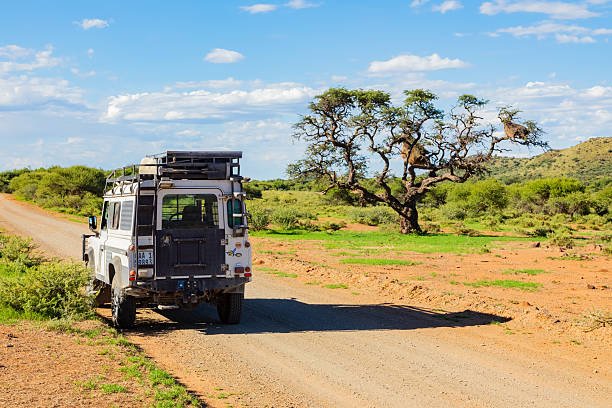
- Transportation: This typically means a 4×4 safari vehicle (often a Land Cruiser or Land Rover) with a pop-up roof for optimal game viewing and photography, driven by an experienced guide. Transfers to and from airports or safari starting points are usually included.
- Park Entrance Fees: Access to national parks and game reserves is a significant expense. Reputable packages will clearly state whether these are included. For popular destinations like the Serengeti or Maasai Mara, these fees are substantial.
- Meals: Most packages are full board, meaning breakfast, lunch, and dinner are provided. Drinks might be extra, especially alcoholic beverages. Some higher-end packages might include a selection of drinks.
- Experienced Guides: Your guide is your window into the wilderness. They are knowledgeable about animal behavior, tracking, local flora and fauna, and safety protocols. A good guide transforms a good safari into an exceptional one.
- Activities: Game drives are the standard. Some packages might also include walking safaris (where permitted and safe), night drives, or even cultural visits.
What’s often not included, and something to confirm when comparing African safari packages, includes international flights to the departure country, visa fees, travel insurance, tips for guides and staff, personal expenses (like souvenirs or laundry), and optional activities not listed in the itinerary.
For travelers planning for 2026 or 2027, understanding these inclusions is even more critical as pricing and availability can shift. Booking in advance for these peak years is highly recommended.
Choosing Your Dream African Safari Destination
Africa is vast, and its safari offerings are incredibly diverse. The ‘best’ destination for your African safari package depends entirely on what you want to see, your budget, and the time of year you plan to travel. Here’s a look at some of the most sought-after regions, each offering a unique flavor of the African wilderness:
East Africa: The Classic Safari Experience
East Africa is the quintessential safari destination, renowned for its dramatic landscapes and abundant wildlife, especially during the Great Migration.
Tanzania: The Jewel of East Africa
Tanzania is a powerhouse for African safari packages, offering an unparalleled diversity of experiences. It’s home to:
- Serengeti National Park: Famous worldwide for the Great Migration, where millions of wildebeest and zebras traverse the plains. The timing of the migration is crucial for planning your visit in 2026 or 2027. Different areas of the Serengeti offer distinct experiences depending on the season.
- Ngorongoro Conservation Area: A UNESCO World Heritage Site, the Ngorongoro Crater is a self-contained ecosystem boasting an incredible density of wildlife, including the Big Five (lion, leopard, elephant, rhino, buffalo) in a relatively small area. It’s a must-visit for most Tanzanian safari packages.
- Tarangire National Park: Known for its large elephant herds and iconic baobab trees, especially prominent during the dry season.
- Lake Manyara National Park: Famous for its tree-climbing lions and diverse birdlife.
- Selous Game Reserve (Nyerere National Park): A vast, less-crowded wilderness area in the south, offering boat safaris along the Rufiji River and walking safaris.
Tanzania is particularly well-suited for those seeking iconic landscapes and the drama of the Great Migration. African safari packages here often combine multiple parks for a comprehensive experience.
Kenya: The Iconic Maasai Mara
Kenya is another titan of East African safaris, with its most famous park being:
- Maasai Mara National Reserve: Often considered the crown jewel of Kenya’s parks, the Mara is contiguous with the Serengeti and also hosts a significant portion of the Great Migration (typically July to October). It offers excellent chances of seeing predators.
- Amboseli National Park: Offers stunning views of Mount Kilimanjaro as a backdrop to large elephant herds.
- Tsavo National Parks (East & West): Vast parks known for their red-dust elephants and diverse landscapes.
- Samburu National Reserve: Unique for its ‘special five’ (Grevy’s zebra, reticulated giraffe, Somali ostrich, gerenuk, and beisa oryx) and dramatic semi-arid scenery.
Kenya’s safari infrastructure is well-developed, making it a popular choice for a wide range of African safari packages.
Southern Africa: Diverse Ecosystems and Unique Experiences
Southern Africa offers a different kind of safari, often characterized by more diverse landscapes and unique wildlife viewing opportunities.
Botswana: The Luxury Wilderness
Botswana is synonymous with high-end, low-impact tourism, focusing on exclusivity and pristine wilderness. It’s an ideal destination if your budget allows for a more premium African safari package.
- Okavango Delta: A UNESCO World Heritage Site, this inland delta floods seasonally, creating a unique wetland environment that attracts a spectacular array of wildlife. Mokoro (dugout canoe) safaris are a signature experience here.
- Chobe National Park: Famous for its enormous elephant population, particularly along the Chobe River.
- Central Kalahari Game Reserve: A vast, remote desert landscape offering a different, more challenging safari experience.
Botswana is often considered more expensive due to its tourism model, which limits visitor numbers to preserve the environment. Expect fewer large crowds and more intimate wildlife encounters.
South Africa: Accessibility and Variety
South Africa offers a wide spectrum of safari experiences, from the Big Five to unique bushveld and coastal environments.
- Kruger National Park: One of Africa’s largest and most famous parks, offering excellent chances to see the Big Five and a wide range of other animals. It has a well-developed road network and a range of accommodation options.
- Sabi Sands Game Reserve: Adjacent to Kruger, this private reserve is legendary for its leopard sightings and offers luxurious lodges with off-road driving and night drives.
- Madikwe Game Reserve: A malaria-free Big Five reserve, making it a popular choice for families.
South Africa is known for its excellent infrastructure, making it easier to combine safaris with other attractions like Cape Town. Many African safari packages from South Africa are highly customizable.
Namibia: Dramatic Landscapes and Desert Wildlife
Namibia offers a visually stunning safari experience with its vast desert landscapes, towering dunes, and unique desert-adapted wildlife.
- Etosha National Park: Centered around a massive salt pan, Etosha is renowned for its waterholes, which attract a concentration of animals, especially during the dry season.
- Damaraland: Offers opportunities to track desert-adapted elephants and rhinos.
- Skeleton Coast: A desolate yet beautiful coastline with unique wildlife viewing opportunities.
Namibia is ideal for self-drive safaris or guided overland tours, offering a different pace and a stark, beautiful environment.
Planning Your Itinerary: Duration, Pace, and Key Experiences
The itinerary is the backbone of your African safari package. Deciding on the duration, pace, and specific experiences you want is crucial for a fulfilling trip. For 2026-2027 travel, booking your preferred dates and routes well in advance is essential, especially for popular destinations or during peak migration seasons.
How Long Should Your Safari Be?
The ideal duration for an African safari package depends on your interests and available time:
- 3-5 Days: Suitable for a quick immersion, often focusing on one or two parks close to a major city like Arusha (Tanzania) or Nairobi (Kenya). This might include parks like Lake Manyara and Tarangire, or a focused trip to the Ngorongoro Crater.
- 7-10 Days: This is a popular duration that allows for a more comprehensive experience, typically covering 2-3 major parks. For example, a Tanzanian itinerary might include Tarangire, the Serengeti, and the Ngorongoro Crater. A Kenyan safari could cover the Maasai Mara and Amboseli.
- 14+ Days: For the true enthusiast, longer safaris allow for deeper exploration of multiple regions, a slower pace, and the chance to visit more remote or less-visited areas. This could include combining parks in different countries or exploring different ecosystems within one country (e.g., the Serengeti and then the southern parks of Tanzania).
Consider that travel days between locations can consume significant time. A well-paced itinerary balances travel with ample time for game drives and relaxation.
Pacing Your Safari
Rushing through multiple parks in a short time can be exhausting and detract from the experience. A good African safari package itinerary allows for at least two full days in each major park or reserve. This provides:
- Morning and Afternoon Game Drives: Wildlife activity often peaks in the early morning and late afternoon.
- Opportunity to See Different Wildlife: Different animals are active at different times of the day and in different habitats within the park.
- Flexibility for Unexpected Sightings: Sometimes, a great sighting requires a bit of patience or a return visit to an area.
- Relaxation: Safaris can be intense. Having time to relax at your lodge or camp, enjoy the views, and reflect on the day’s sightings is important.
When planning for 2026 or 2027, discuss your desired pace with your tour operator. A slower pace often leads to a richer, more memorable safari.
Key Safari Experiences to Consider
Beyond standard game drives, many African safari packages can be enhanced with unique activities:
- Hot Air Balloon Safaris: Often offered in the Serengeti or Maasai Mara, this provides a impressive aerial perspective of the landscape and wildlife, especially at sunrise. This is typically an optional add-on.
- Walking Safaris: Available in certain areas (like parts of Tanzania or Zambia), these offer a more intimate connection with the bush and are excellent for learning about smaller details of the ecosystem. Requires specific locations and is best suited for adults.
- Night Game Drives: Conducted in private concessions or certain parks, these offer a chance to see nocturnal animals like leopards, genets, and civets.
- Cultural Visits: Many tours include visits to local communities, such as Maasai villages. Ensure these are conducted respectfully and ethically.
- Boat Safaris: Offered on rivers like the Rufiji in Selous (Tanzania) or along the Zambezi, providing excellent opportunities to see hippos, crocodiles, and water birds.
When booking your African safari package for 2026-2027, be sure to discuss which of these experiences align with your interests and can be integrated into your chosen itinerary.
Booking for 2026-2027: The Importance of Early Planning
The safari calendar for 2026 and 2027 is already filling up, particularly for peak seasons and popular lodges. Early booking is not just recommended; it’s essential to secure your preferred dates, accommodations, and specific safari vehicles. This is especially true if you’re targeting the Great Migration in the Serengeti or Maasai Mara, or if you’re looking for private safari experiences. Contacting operators like Climb 4 Africa months, or even a year, in advance is the best way to ensure you get your ideal African safari package.
Understanding the Costs of African Safari Packages
The price of African safari packages can vary dramatically. It’s crucial to understand what influences the cost to budget effectively and to compare offers accurately. Generally, safari costs fall into several tiers: budget, mid-range, and luxury.
Factors Influencing Safari Package Costs
Several key elements determine the final price of your safari:
- Accommodation Level: This is arguably the biggest cost driver. Basic tented camps or budget lodges are significantly less expensive than luxury tented suites or lodges with premium amenities and exclusive locations.
- Duration of Safari: Longer safaris naturally cost more due to more nights of accommodation, more park fees, and more days of guiding and vehicle hire.
- Number of Parks/Regions Visited: Traveling between multiple parks incurs costs for transportation, park entry fees for each location, and potentially more lodge changes.
- Type of Vehicle: A private safari using a dedicated 4×4 vehicle will be more expensive than joining a group safari where the vehicle is shared.
- Season of Travel: Peak seasons (like the dry season, or the migration season in East Africa) command higher prices due to increased demand. Shoulder seasons and low seasons offer more budget-friendly options.
- Inclusions: As mentioned, whether park fees, meals, drinks, and specific activities are included can significantly impact the package price.
- Operator’s Margin and Service Level: Local operators often offer better value than international agents. The level of service, expertise of guides, and quality of vehicles also play a role.
Typical Cost Ranges (Estimates for 2026-2027)
These are general estimates for a mid-range African safari package for a 7-10 day trip, per person, based on double occupancy. Prices can be higher or lower depending on specific choices.
Budget Safaris: Typically $1,800 – $2,500 per person. These often involve more basic accommodation (e.g., camping, very simple lodges), shared vehicles, and may have fewer inclusions or require longer travel times between locations. Suitable for backpackers or those on a very strict budget.
Mid-Range Safaris: Typically $2,500 – $5,000 per person. This is the most common category, offering comfortable lodges or high-quality tented camps, well-maintained 4×4 vehicles, good guides, and full board meals. This level provides a great balance of comfort, experience, and value. Many African safari packages fall into this bracket.
Luxury Safaris: Typically $5,000 – $10,000+ per person. These feature exclusive lodges or tented camps with premium amenities, gourmet dining, private vehicles and guides, and often include premium drinks and exclusive activities like hot air ballooning. They offer unparalleled comfort and service.
Note: These are estimates for 2026-2027 and do not include international flights, visas, or tips. Always get a detailed quote.
Budgeting Tips for Your Safari
- Travel in the Shoulder or Low Season: Prices for African safari packages can be significantly lower during these periods, though weather might be less predictable.
- Consider Group Safaris: Sharing a vehicle and costs with other travelers is more economical than a private safari.
- Choose Accommodation Wisely: Opt for comfortable mid-range lodges or tented camps rather than the most exclusive options if budget is a concern.
- Limit Park Transfers: Moving between many different parks increases transportation costs and park fees. Focusing on 2-3 key areas can be more cost-effective.
- Compare Operators: Get quotes from several reputable operators. Local operators often provide better value.
When you request a quote for your African safari package from Climb 4 Africa for 2026 or 2027, we’ll work with you to tailor an itinerary that fits your budget and expectations.
Choosing Your Safari Style: Private vs. Group
One of the most significant decisions when selecting an African safari package is whether to opt for a private safari or join a group tour. Each has its distinct advantages and disadvantages, catering to different traveler preferences and budgets.
Private Safari Packages
A private safari is exclusively for you and your travel companions. This means:
- Flexibility: You set the pace. You can spend more time at a sighting you find fascinating, skip something that doesn’t interest you, or change the day’s schedule on the fly (within park regulations).
- Personalization: The itinerary is tailored to your specific interests, whether that’s focusing on birdwatching, photography, or tracking a particular animal.
- Dedicated Vehicle and Guide: You have exclusive use of a safari vehicle and your guide for the entire duration. This ensures consistent quality of guiding and a familiar face throughout your trip.
- Higher Cost: The primary drawback is the expense. You are paying for the exclusive use of the vehicle, guide, and sometimes even accommodation.
Private African safari packages are ideal for families, couples seeking a romantic and exclusive experience, or serious photographers who need flexibility and control over their game drives.
Group Safari Packages
Group safaris, often called shared safaris, involve joining other travelers in a safari vehicle and sometimes in lodges or camps. The advantages include:
- Cost-Effectiveness: Sharing the costs of the vehicle, guide, and park fees makes group safaris significantly more affordable than private ones. This is a great way to experience popular destinations like the Serengeti or Maasai Mara within a moderate budget.
- Social Aspect: Traveling with others can be enjoyable for solo travelers or those who appreciate the camaraderie of sharing experiences.
- Scheduled Departures: Many operators offer fixed group departure dates for 2026-2027, making it easy to find a trip that matches your travel window.
The main trade-offs are:
- Less Flexibility: You’ll need to compromise with other group members on game drive timings and how long to stay at sightings.
- Shared Vehicle: You won’t have a private vehicle. The number of people per vehicle can vary, so check this detail.
- Fixed Itinerary: Group tours typically follow a set itinerary and schedule.
For travelers planning 2026 or 2027 safaris on a budget, or those who enjoy the social aspect of travel, group African safari packages are an excellent choice. Climb 4 Africa offers a range of shared Tanzania safari tours, which are a fantastic way to experience the country’s highlights.
When to Go: Seasonal Considerations for Your Safari
The timing of your safari can profoundly impact your experience, from wildlife viewing opportunities to weather patterns and costs. Understanding the seasons for your chosen destination is key when planning your African safari package for 2026-2027.
East Africa (Tanzania & Kenya): The Great Migration and Dry Seasons
The most sought-after time in East Africa is often dictated by the Great Migration, but other periods offer excellent game viewing too.
- Dry Season (June to October): This is considered the peak season. Wildlife congregates around permanent water sources, making animals easier to spot. Vegetation is sparser. The Great Migration is typically in the northern Serengeti/Maasai Mara during July-October, offering spectacular river crossings. Expect higher prices and more crowds.
- Short Rains (November to mid-December): A less crowded period with lush landscapes and newborn animals. Game viewing can still be very good.
- Long Rains (March to May): This is the low season. Landscapes are green and beautiful, and there are fewer tourists. However, some roads can become impassable, and game viewing can be more challenging due to thicker vegetation and scattered wildlife. Prices are generally lower. The calving season for the wildebeest migration occurs in the southern Serengeti around February.
Southern Africa (Botswana, South Africa, Namibia): Dry vs. Wet Seasons
The seasons in Southern Africa influence wildlife behavior differently.
- Dry Season (May to October): This is the prime time for game viewing. Animals are concentrated around waterholes, and the vegetation is thinner. This is also the cooler period. In Botswana’s Okavango Delta, the floodwaters arrive from the Angolan highlands, making it a unique time for water-based safaris. This is peak season with higher prices.
- Wet Season (November to April): This is the ‘green season’ or ‘summer’. Landscapes are lush, and it’s the prime time for birdwatching and viewing newborn animals. However, game viewing can be more challenging due to denser vegetation and scattered wildlife. Heavy rains can occur, though usually in the form of afternoon thunderstorms rather than all-day downpours. Prices are generally lower.
When booking your African safari package for 2026 or 2027, consider that shoulder months (e.g., May, June, October, November) often offer a good balance of favorable weather, abundant wildlife, and slightly lower prices compared to the absolute peak months.
Packing Essentials for Your African Safari
Packing smart for an African safari package is crucial for comfort and practicality. The key is to pack light, versatile, and appropriate clothing. Remember that most safari flights within Africa have strict luggage weight limits (often 15-20 kg per person, in soft-sided bags).
Clothing
- Neutral-colored clothing: Khaki, olive green, beige, and brown are best. Avoid bright colors (especially white or black, which can attract insects or be too hot).
- Long-sleeved shirts and trousers: For sun protection during the day and to ward off insects in the evening.
- T-shirts and shorts: For warmer daytime temperatures.
- Fleece or warm jacket: Evenings and early mornings can be surprisingly cool, especially in higher altitudes or during the dry season.
- Comfortable walking shoes/hiking boots: If your itinerary includes walking safaris or strenuous activities. Otherwise, comfortable trainers or walking shoes are usually sufficient.
- Sandals or flip-flops: For relaxing at the lodge/camp.
- Swimsuit: Many lodges have pools.
Accessories
- Wide-brimmed hat: Essential for sun protection.
- Sunglasses: With UV protection.
- Scarf or bandana: Useful for dust protection or warmth.
- Insect repellent: With DEET or picaridin.
- Sunscreen: High SPF.
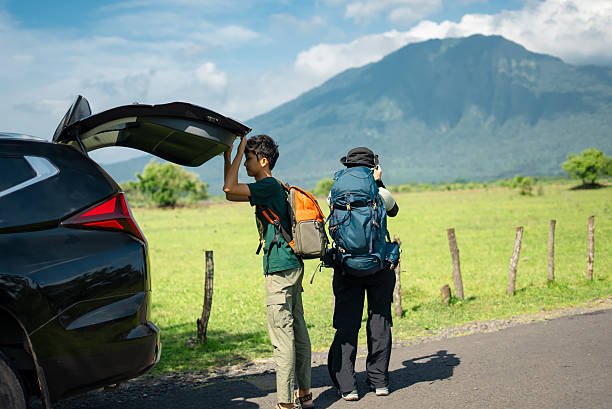
- Small backpack or daypack: For carrying water, camera, binoculars, etc., on game drives.
- Reusable water bottle: Many lodges offer filtered water to refill.
Health and Personal Items
- Personal First-Aid Kit: Including any personal medications, pain relievers, antiseptic wipes, bandages, and motion sickness medication if needed.
- Malaria Prophylaxis: Consult your doctor well in advance of your 2026-2027 safari.
- Hand sanitizer.
- Toiletries: Though most lodges provide basics, bring your preferred items.
Documents and Money
- Passport: With at least six months’ validity and sufficient blank pages.
- Visas: Check requirements for your destination country.
- Yellow Fever Certificate: May be required depending on your travel route.
- Flight tickets and safari booking confirmations.
- Travel insurance details.
- Credit cards and some cash: For tips, souvenirs, and personal expenses. USD is widely accepted for tips.
Photography Gear
- Camera: With extra batteries and memory cards.
- Telephoto lens: Essential for capturing wildlife from a distance.
- Binoculars: A must-have for spotting animals and birds. Consider a pair with 8x or 10x magnification.
- Power adapter and portable charger/power bank: For keeping devices charged.
When arranging your African safari package, always check with your tour operator for specific packing recommendations, especially regarding luggage restrictions for internal flights.
Booking Your African Safari Package: What to Look For
Choosing the right operator and understanding the booking process are critical for a stress-free and memorable safari. When you’re ready to book your African safari package for 2026 or 2027, keep these points in mind.
Choosing a Reputable Tour Operator
A good operator is your partner in planning. Look for:
- Local Expertise: Operators based in Tanzania, like Climb 4 Africa, have invaluable local knowledge, established relationships with lodges and guides, and can often offer better value.
- Clear Inclusions and Exclusions: Ensure the quote clearly details what is and isn’t covered.
- Customization Options: The best operators can tailor itineraries to your specific needs and interests.
- Customer Reviews and Testimonials: Look for feedback on independent platforms.
- Responsiveness: How quickly and thoroughly do they answer your questions? This is a good indicator of their service level.
- Safety and Sustainability Practices: Do they prioritize guide training, vehicle maintenance, and responsible tourism?
The Booking Process
Typically, the booking process for African safari packages involves:
- Initial Inquiry: You contact the operator with your desired dates, number of travelers, interests, and budget.
- Itinerary Proposal and Quote: The operator will send a suggested itinerary and a detailed quote.
- Refinement: You discuss and adjust the itinerary, accommodation, and inclusions until it’s perfect.
- Confirmation and Deposit: Once you agree, you’ll receive a booking confirmation and be asked to pay a deposit (usually 20-50% of the total cost) to secure your booking. This is especially important for 2026-2027 dates.
- Final Payment: The balance is typically due 60-90 days before your departure date.
- Pre-departure Information: You’ll receive detailed information about your trip, packing lists, and contact details.
Key Questions to Ask Before Booking
Don’t hesitate to ask your potential operator:
- What is the exact vehicle type and capacity?
- How many people will be in the vehicle on a group safari?
- What is the cancellation policy?
- What is the payment schedule?
- Are park fees, conservation fees, and concession fees included?
- What is the policy on tipping guides and staff?
- What kind of insurance do you recommend or provide?
- What are the specific malaria precautions for the areas I’m visiting?
When you’re ready to plan your unforgettable African safari package for 2026 or 2027, reach out to Climb 4 Africa. We specialize in creating tailor-made safari experiences in Tanzania and beyond, ensuring practical local support every step of the way. You can contact us via WhatsApp at +255 747 477 898 or email us at climb4africa@gmail.com to discuss your dream safari.
Beyond the Big Five: Experiencing the Full Spectrum of Wildlife
While the ‘Big Five’ (lion, leopard, elephant, rhino, buffalo) are undoubtedly iconic and a major draw for many African safari packages, the continent’s wildlife diversity extends far beyond them. A truly rewarding safari experience involves appreciating the entire ecosystem, from the smallest insects to the largest mammals, and the incredible birdlife.
The Thrill of the ‘Little Five’ and More
For those who enjoy detailed observation, the ‘Little Five’ offer a fun challenge:
- Elephant Shrew: A small, long-snouted mammal.
- Buffalo Weaver: A type of bird.
- Lion: Not the big cat, but a small beetle.
- Leopard Tortoise: A distinctive tortoise species.
- Rhino: Again, a beetle, also known as the Rhinoceros Beetle.
Beyond these, keep an eye out for:
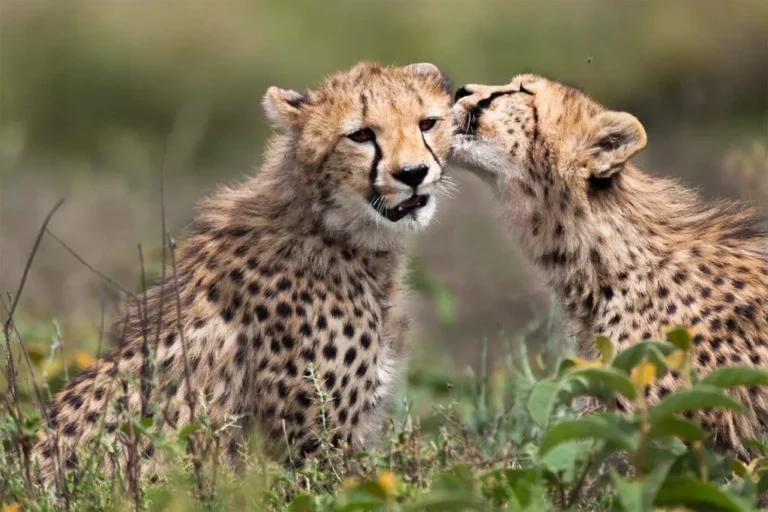
- Predators: Cheetahs, hyenas (spotted and striped), wild dogs (African painted wolves), jackals, and various smaller cats.
- Antelope and Deer: A vast array of species including impala, gazelles (Thomson’s, Grant’s), wildebeest, zebras, hartebeest, oryx, kudu, eland, dik-dik, and waterbuck, each adapted to different habitats.
- Primates: Baboons, various monkey species (vervet, blue monkeys), and sometimes even chimpanzees in specific reserves.
- Reptiles: Crocodiles, various snakes (though rarely seen), lizards, and monitor lizards.
- Hippos and Crocodiles: Often seen in rivers and lakes.
Avian Wonders: A Birder’s Paradise
Africa is a world-class destination for birdwatching. Your African safari package will likely offer opportunities to see:
- Raptors: Eagles (e.g., Martial Eagle, Tawny Eagle), buzzards, falcons, and vultures are common.
- Waterfowl: Huge numbers of ducks, geese, and waders at water bodies.
- Scavengers: Marabou storks, secretary birds.
- Colorful Species: Lilac-breasted rollers, bee-eaters, kingfishers, hoopoes, and sunbirds add vibrant splashes of color to the landscape.
- Endemic Species: Depending on the region, you might encounter birds found nowhere else.
A good guide will point out many of these species, enhancing your appreciation for the full biodiversity of the areas you visit. For dedicated birdwatchers, specific itineraries can be arranged as part of your African safari package.
Sustainable and Responsible Safari Travel
As global awareness of environmental and social issues grows, so does the importance of planning a responsible safari. Choosing sustainable African safari packages ensures that your travel benefits local communities and helps conserve the incredible natural heritage you’ve come to see.
Choosing Eco-Conscious Operators
When selecting a tour operator for your 2026-2027 safari, consider:
- Community Involvement: Does the operator support local communities through employment, sourcing local goods, or contributing to community projects?
- Environmental Practices: Do they adhere to leave-no-trace principles? Do they use eco-friendly lodges? Do they minimize waste and water usage?
- Wildlife Conservation Support: Do they work with conservation organizations or support anti-poaching efforts?
- Ethical Animal Encounters: Do they promote practices that keep a safe and respectful distance from wildlife and avoid disturbing animals?
Your Role as a Responsible Tourist
Your actions on safari also matter:
- Respect Wildlife: Never feed animals, stay in your vehicle when advised, and avoid making loud noises that could disturb them.
- Support Local Economies: Buy souvenirs from local artisans and cooperatives.
- Minimize Waste: Avoid single-use plastics where possible and dispose of trash properly.
- Conserve Resources: Be mindful of water and electricity usage at lodges.
- Learn and Engage: Ask your guide about local culture and conservation efforts.
Climb 4 Africa is committed to responsible tourism, working with local communities and prioritizing sustainable practices in all our African safari packages. We believe that responsible travel is the only way to ensure these magnificent landscapes and wildlife thrive for future generations, including those planning safaris in 2026 and 2027.
Making Your Booking Decision: Next Steps for Your 2026-2027 Safari
Planning an African safari package is an exciting journey in itself. By now, you should have a clearer picture of the destinations, types of experiences, durations, and costs involved. The next step is to turn that vision into a reality for your 2026 or 2027 adventure.
Consider what matters most to you: is it the thrill of the Great Migration, the chance to see the Big Five in a specific park, the luxury of your accommodation, or the budget you have available? Once you have a good idea of your priorities, it’s time to connect with experienced operators.
At Climb 4 Africa, we pride ourselves on offering authentic, well-planned African safari packages. Our local expertise means we can guide you through the complexities of choosing the right itinerary, accommodation, and activities to match your dreams and your budget. Whether you’re dreaming of the vast plains of the Serengeti, the unique ecosystems of the Ngorongoro Crater, or the dramatic landscapes of other Tanzanian wonders, we are here to help.
To start planning your personalized safari for 2026-2027, or if you have any lingering questions about African safari packages, please don’t hesitate to get in touch. You can reach us directly via:
- WhatsApp: +255 747 477 898
- Email: climb4africa@gmail.com
We look forward to helping you craft an unforgettable African adventure.
“,
“faq_schema”: [
{
“question”: “What is the average cost of an African safari package for 2026-2027?”,
“answer”: “The average cost for a mid-range African safari package for 7-10 days in 2026-2027 typically ranges from $2,500 to $5,000 per person. Budget options can be found from $1,800, while luxury packages can exceed $7,000-$10,000+ per person, depending heavily on accommodation, duration, inclusions, and the specific destinations visited.”
},
{
“question”: “What are the best destinations for an African safari package in 2026-2027?”,
“answer”: “For 2026-2027, popular choices include Tanzania (Serengeti, Ngorongoro Crater) for the Great Migration and diverse wildlife, Kenya (Maasai Mara) for similar reasons, Botswana (Okavango Delta) for exclusive luxury safaris, and South Africa (Kruger) for accessibility and Big Five viewing. Namibia offers dramatic landscapes and unique desert wildlife.”
},
{
“question”: “How long should an African safari package typically be?”,
“answer”: “A short safari can be 3-5 days, focusing on one or two parks. A more comprehensive experience is usually 7-10 days, allowing for visits to 2-3 major parks. For deeper exploration or a slower pace, 14+ days are recommended for an African safari package.”
},
{
“question”: “When is the best time to book an African safari package for 2026-2027?”,
“answer”: “It is highly recommended to book your African safari package for 2026-2027 as early as possible, ideally 6-12 months in advance, especially if you are targeting peak seasons like the Great Migration (July-October in East Africa) or specific lodges and private vehicles. Early booking secures availability and preferred dates.”
},
{
“question”: “What’s the difference between a private and group safari package?”,
“answer”: “A private safari package offers exclusive use of a vehicle and guide, providing maximum flexibility and customization, but at a higher cost. A group safari package shares vehicle and guide costs with other travelers, making it more budget-friendly and social, but with less flexibility and a fixed itinerary.”
}
]
}
“`
Check Availability for African Safari Packages: Complete Planning Guide 2026-2027
Ready to compare dates, prices, and the best option for your group? Send the package name and travel month so the team can reply with a clear quote, availability, and what is included.
Dec 31, : New Year’s Eve Serengeti Group Safari Planning Guide
This guide provides essential planning details for a group safari trip to the Serengeti for New Year's Eve 2026, covering logistics, seasonal highlights, and what to expect.
View package details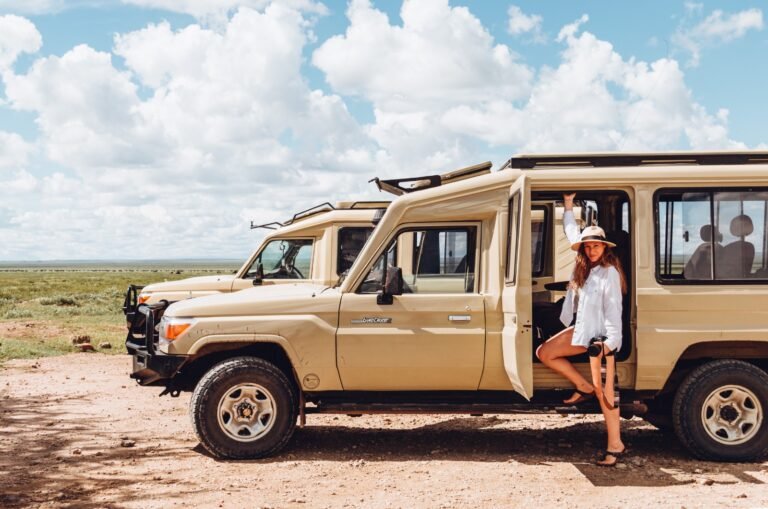
Nov 24, – 3 Day Mikumi And Udzungwa Group Safari: Trip Planning Guide 2026
Join our scheduled group departure on November 24, 2026, for a 3-day safari through Mikumi National Park and the Udzungwa Mountains. This guide covers logistics, park highlights, and what...
View package detailsNov 20, – 8 Day Complete Northern Tanzania Group Safari: Planning Your Trip
A comprehensive guide to the 8-day Northern Tanzania group safari departing November 20, 2026, covering logistics, route advantages, and planning essentials.
View package details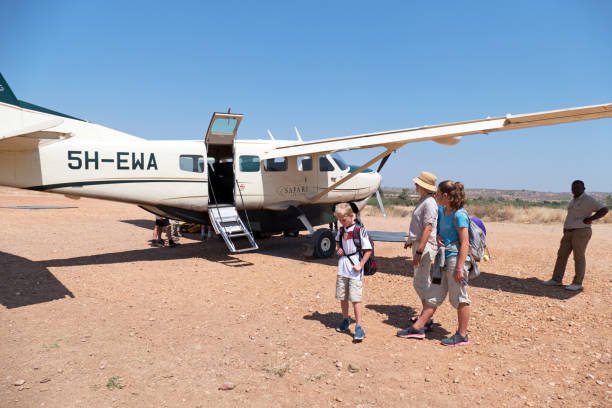
4-Day Serengeti Safari From Zanzibar With Return Flights: A Planning Guide
A deep look at planning a 4-day fly-in safari from Zanzibar to the Serengeti, covering flight logistics, itinerary structures, and the critical decisions needed for a successful 2026 or...
View package details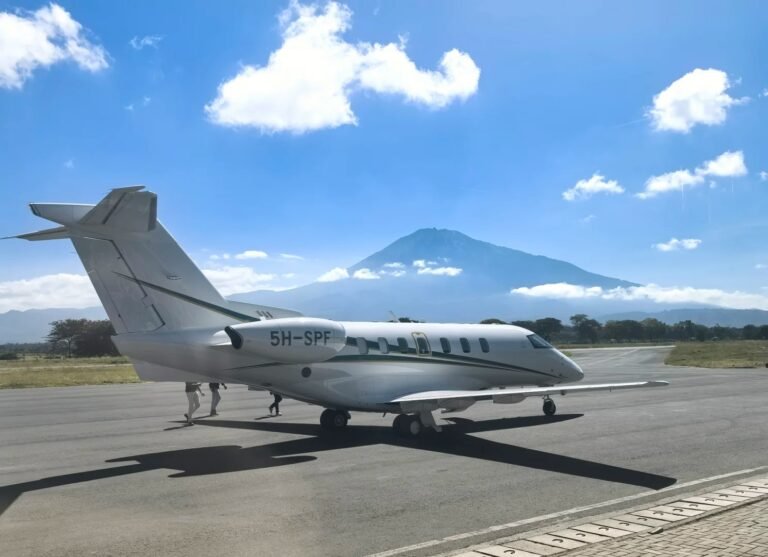
Zanzibar To Serengeti Flight Price –: Planning Your Safari Transfer 2027
Navigate the complex flight and transfer options between Zanzibar and the Serengeti. This deep guide breaks down expected costs, seasonal variables, and optimal routing for 2026 and 2027...
View package details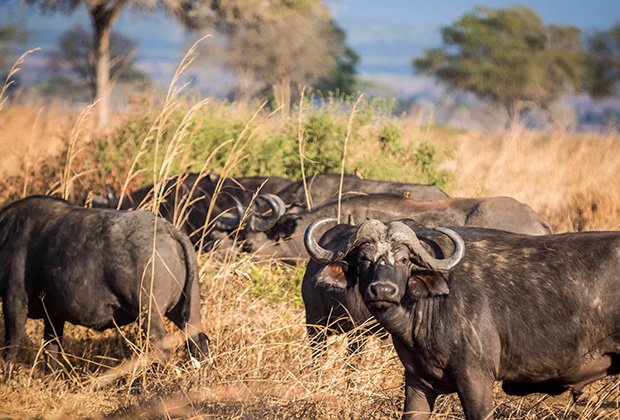
Dec 24, – 3 Day Christmas Serengeti And Ngorongoro Group Safari
Dec 24, 2026 – 3 Day Christmas Serengeti and Ngorongoro Group Safari.
View package details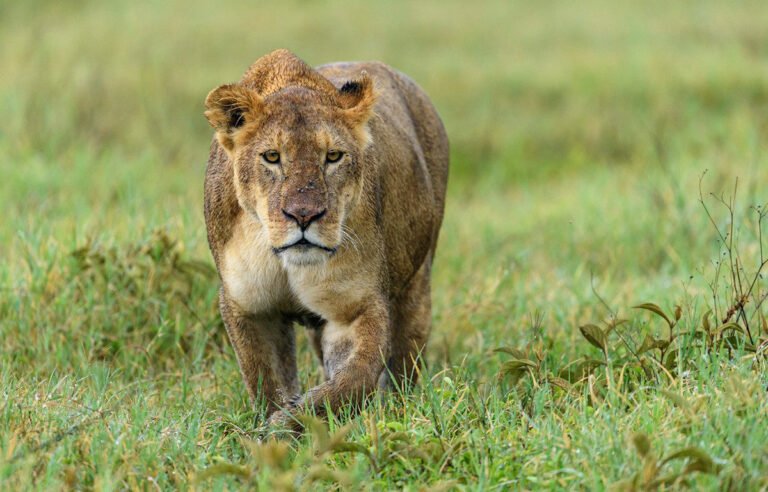
Dec 20, – 10 Day Complete Tanzania Group Joining Safari
Dec 20, 2026 – 10 Day Complete Tanzania Group Joining Safari.
View package details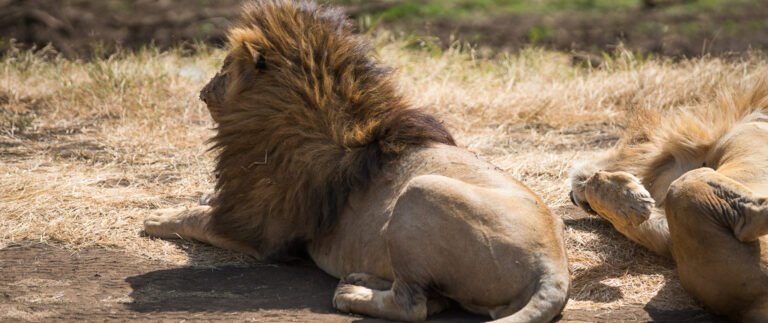
Which Dec Group Safari Ends Before New Year’s Eve?
Which Dec Group Safari Ends Before New Year’s Eve?
View package details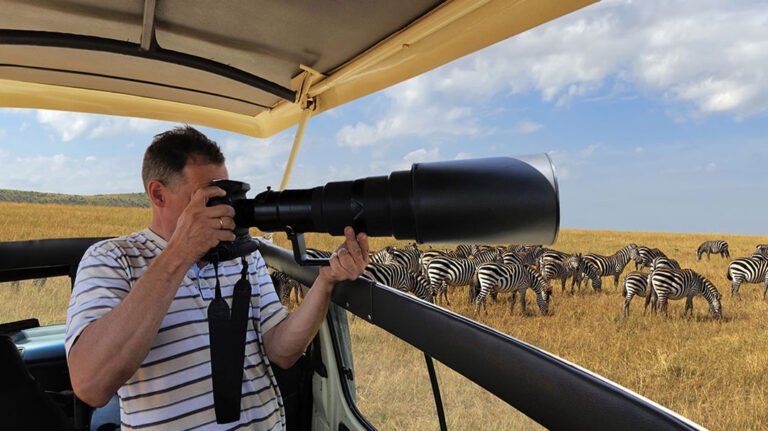
How Early Should I Book A Nov Or Dec Tanzania Group Safari?
How Early Should I Book a Nov or Dec Tanzania Group Safari?
View package details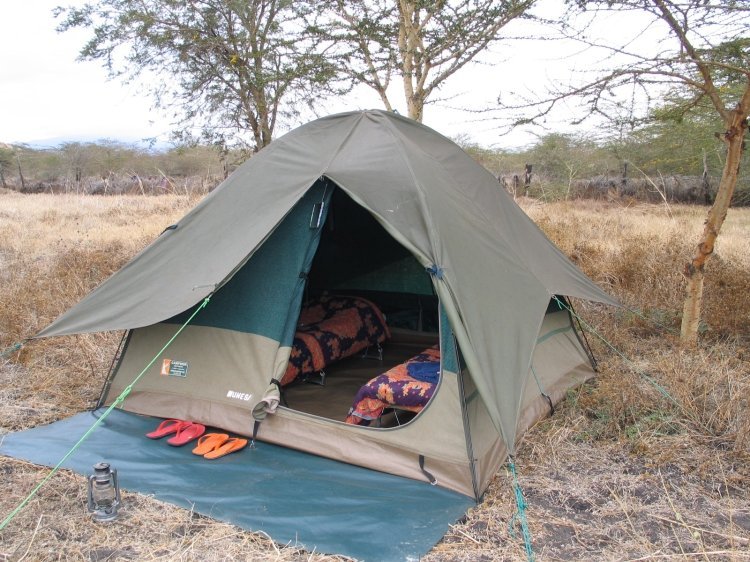
Can I Pay A Deposit To Reserve A Tanzania Group Safari?
Can I Pay a Deposit to Reserve a Tanzania Group Safari?
View package details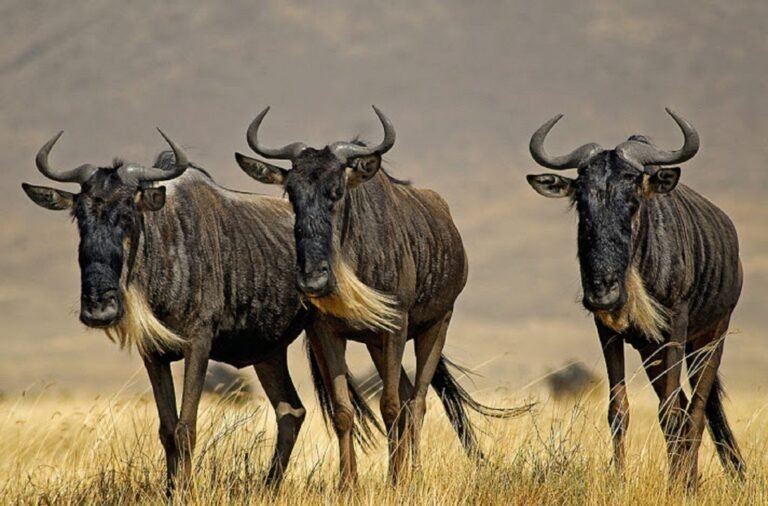
Nov 23, – 3 Day Serengeti And Ngorongoro Safari From Zanzibar
Nov 23, 2026 – 3 Day Serengeti and Ngorongoro Safari from Zanzibar.
View package details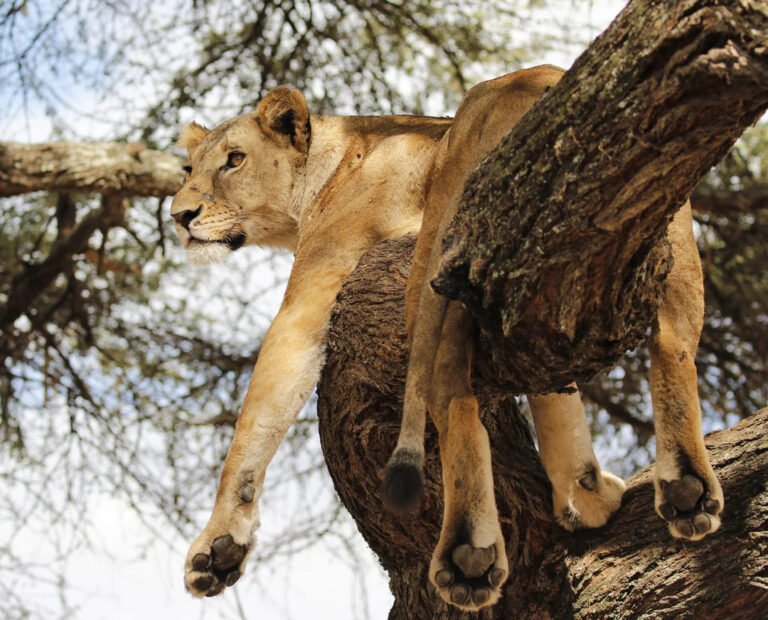
Dec 26, – 6 Day Christmas And New Year Northern Circuit Safari
Dec 26, 2026 – 6 Day Christmas and New Year Northern Circuit Safari.
View package detailsNo related package matches those filters. Clear one or more filters to see the other topic-matched options.